2027 Most Affordable Accounting Degree Programs Ranking in Omaha

Co-Founder and Chief Data Scientist
Choosing the right accounting degree program in Omaha can feel overwhelming. That's why this article shares the 2027 Most Affordable Accounting Degree Programs Ranking in Omaha, developed by the Research.com team of data scientists. It's designed to guide you toward programs that offer great value without sacrificing quality.
Reading this will help you make an informed decision and discover opportunities that fit your budget and career goals. Earning an accounting degree opens doors to stability and growth, making your future brighter and more secure.
Key benefits of getting accounting degree in Omaha
- Accounting degree graduates in Omaha can earn competitive salaries, such as Staff Accountants with a mean annual wage of $90,780 and Bookkeepers earning around $49,580, offering financial stability and growth.
- Graduates from the University of Nebraska at Omaha often find diverse career paths in roles like Tax Preparer, Associate Auditor, or Accounts Payable Clerk, enabling exciting opportunities across various industries.
- Obtaining an accounting degree online from institutions like Bellevue University allows for flexible schedules and balancing work-life commitments, making education accessible without sacrificing quality or career prospects.
- 2027 Most Affordable Accounting Degree Programs Ranking in Omaha
- What can I expect from accounting degree in Omaha?
- Where can I work with accounting degree in Omaha?
What can I expect from accounting degree in Omaha?
The average cost of earning an accounting degree in Omaha is notably reasonable, especially when compared to national figures. Many graduates from the University of Nebraska at Omaha recall feeling relieved by the affordability of in-state tuition, which typically hovers around $8,500 per year. This lower cost eases the financial pressure, allowing students to focus more on mastering key subjects like auditing and taxation rather than juggling heavy debt.
Students often share how this affordability opened doors to internships with local firms, enhancing their learning beyond textbooks. Investing in an Omaha-based degree feels practical and rewarding, as the steady job market in finance and healthcare sectors promises solid career prospects. For those balancing budgets, the costs here make pursuing CPA certification more attainable, reflecting a thoughtful alignment of education expenses with professional goals in this vibrant Midwestern city.
Where can I work with accounting degree in Omaha?
Graduates from accounting programs at institutions like the University of Nebraska at Omaha often find themselves welcomed into public accounting firms such as Deloitte or KPMG, where early career experiences in auditing and tax work build a strong foundation. Many recall the excitement of preparing financial reports that matter, gaining professional certifications like the CPA, and feeling their confidence grow with each project completed.
Others transition smoothly into corporate roles at companies like Berkshire Hathaway or Union Pacific, managing budgets and analyzing finances in ways that directly impact the city's economic vitality. These positions allow accountants to engage with strategic planning and cost control, making their work feel both challenging and rewarding.
Local government jobs also attract graduates seeking meaningful community impact, working in budgeting and regulatory compliance for Omaha's city or Nebraska's state agencies. The steady demand here assures a stable career path.
Additionally, nonprofit organizations and educational institutions provide fulfilling opportunities to manage donated funds and grants, allowing accountants to support causes they deeply care about. Graduates value how these roles connect their skills with positive social impacts in Omaha.
Graduates with an accounting degree in Omaha often find rewarding opportunities with salaries reflecting their skills and certification status. Entry-level roles such as bookkeeper, tax preparer, associate auditor, and accounts payable clerk typically offer mean annual wages around $49,580, according to Bureau of Labor Statistics data. This aligns with the experiences of recent graduates from prominent institutions like the University of Nebraska at Omaha and Creighton University.
For those stepping into staff accountant positions, the potential grows significantly. Salaries average about $90,780 annually, giving many graduates confidence that their education pays off. Many alumni recount how their internships in Omaha's diverse industries, from corporate finance to government agencies, helped them build a strong professional network and accelerate their earnings.
Additionally, pursuing certifications like the CPA while studying in Omaha has a significant impact. Graduates who achieved CPA licensure often reported salary increases of 15-25%, taking them closer to or beyond $95,000. This blend of practical education, local opportunity, and certification sets a solid foundation for both satisfaction and financial growth in Omaha's accounting field.
- The total cost for a bachelor's degree in accounting in Omaha ranges from $25,000 to $40,000 for in-state students, excluding room and board.
- Starting salaries for entry-level accountants in Omaha average between $50,000 and $55,000 per year.
- With experience and certifications like the CPA, median salaries can rise to $70,000 to $80,000 within five to ten years.
- Accounting job demand in Omaha is strong, especially in auditing, tax preparation, and financial management roles.
- Local internships and cooperative education programs connect students with businesses, providing valuable hands-on experience.
- Becoming a licensed CPA in Nebraska requires 150 semester hours, usually a bachelor's degree plus extra coursework.
Completing an accounting degree in Omaha often aligns with common expectations but carries its own unique pace depending on your path. Graduates from the University of Nebraska Omaha or Creighton University usually embark on a four-year journey for a full-time bachelor's degree, balancing approximately 120 to 130 credit hours. Many find this timeframe both challenging and rewarding, especially as they connect coursework to practical opportunities in the local business community.
Some students choose a quicker start by earning an associate degree, completing it in about two years while gaining foundational skills that open doors to entry-level roles or smooth transfers into four-year programs. Others, driven by ambition to deepen expertise, pursue a master's degree, which typically requires one to two years beyond the bachelor's.
Part-time or accelerated studies also reflect real life for many accounting students juggling jobs or family. Graduates often describe these routes as demanding yet fulfilling, appreciating the flexibility to learn at their own rhythm within trusted Omaha institutions.
Pursuing an accounting degree in Omaha, NE, often culminates in obtaining professional credentials, with the Certified Public Accountant (CPA) license being the gold standard. Nebraska requires 150 semester hours of education, so many students leverage graduate coursework or bridge programs to meet credit requirements. To stay competitive, consider enrolling in specialized CPA exam prep courses that cover the AICPA Blueprints for Auditing and Attestation (AUD), Financial Accounting and Reporting (FAR), Regulation (REG), and Business Environment and Concepts (BEC). Key strategies include:
- Integrated Review Workshops: Institutions frequently partner with review providers such as Becker or Wiley, offering in-class simulations and practice exams modeled on actual CPA questions.
- Faculty-Led Study Groups: Joining faculty-supervised cohorts can boost accountability and deepen understanding of complex topics like ethics, governmental accounting, and corporate taxation.
- Credit-Hour Planning: If you need additional credits for licensure, explore the best affordable online master’s in accounting, which combines advanced coursework with flexible scheduling to fulfill the 150-hour requirement.
- State Board Alignment: Stay informed on Nebraska Board of Accountancy updates by attending campus seminars or virtual webinars that clarify licensure application steps, fee structures, and experience verification. By integrating exam preparation into your academic journey and leveraging institutional support, you’ll enhance your expertise, boost your CPA pass rates, and accelerate your transition into licensed practice.
Choosing between online and on-campus accounting degrees in Omaha often comes down to how you learn best and what fits your lifestyle. Graduates from the University of Nebraska at Omaha frequently praise the direct interaction with professors and classmates, which fuels motivation and offers immediate feedback during their studies. Being physically present on campus, they say, creates a strong sense of community, boosted by access to career events and networking opportunities tied closely to Omaha's local accounting job market.
On the other hand, graduates from Metropolitan Community College's online accounting program emphasize the freedom to study when and where it suits them. This flexibility is a game-changer for those juggling work or family, allowing them to keep progressing without sacrificing other priorities. Many online students appreciate that the reduced costs on commuting and housing help ease financial pressure, making their education feel more manageable.
Both paths maintain rigorous, accredited curricula aimed at preparing students well for the CPA exam and entry-level roles, so reflecting on personal circumstances is key in making the right choice in Omaha's unique educational landscape.
To find the most affordable accounting program in Omaha, NE, prospective students should consider several factors, including tuition costs, additional fees, and available financial aid. One crucial step is to research and compare the costs of different programs, taking into account the overall value and potential return on investment. For instance, students looking for the cheapest accounting school in Nebraska can benefit from exploring online resources that provide rankings and reviews of accounting degree programs. By weighing the costs against the benefits, such as career opportunities and salary potential, students can make informed decisions about their educational pursuits. Additionally, considering factors like accreditation, curriculum, and internship opportunities can help students find a program that not only fits their budget but also prepares them for success in the accounting field.
The average cost of obtaining an accounting degree in Omaha typically revolves around $50,743, a figure that reflects a balance between in-state and out-of-state tuition expenses. Graduates from the University of Nebraska at Omaha often recall the relief of affordable in-state tuition, making their investment feel manageable and realistic compared to out-of-state peers who face nearly double the cost. The affordability of public universities in Omaha is a key consideration for many, especially those aiming for an affordable accounting degree programs Omaha 2027 and beyond.
Private colleges like Creighton University present a different financial picture, with overall expenses significantly higher yet offering smaller class sizes and enhanced campus resources. Alumni frequently mention how these benefits justified the steep price, emphasizing that scholarships and financial aid can ease the heavy burden. Community colleges in Omaha stand out as effective stepping stones, allowing students to start their accounting journey affordably before transferring to more expensive institutions.
This pricing landscape encourages students to seek cost-saving opportunities early on, such as grants, scholarships, and employer tuition assistance. For those scouting the best options, the cheapest accounting school in Nebraska can be a practical first step, offering a clear path to manage college expenses without sacrificing quality education.
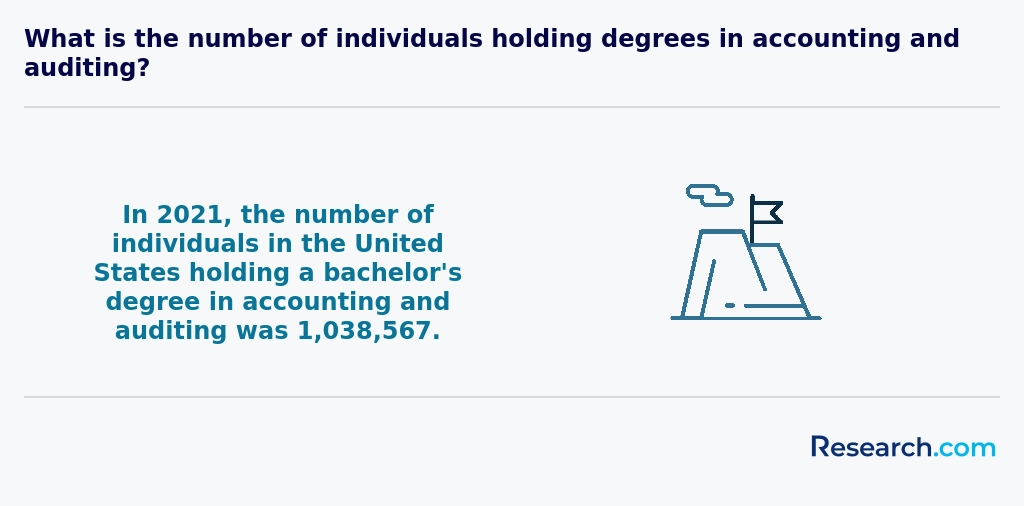
To practice as a certified public accountant (CPA) in Nebraska, graduates of an accounting degree in Omaha, NE, must meet rigorous educational and professional criteria set by the Nebraska Board of Public Accountancy. First, candidates are required to complete at least 150 semester hours of college education, which typically exceeds the standard 120-credit bachelor’s program and may necessitate a master’s or additional coursework in accounting and business. Essential subject areas include financial accounting, auditing, taxation, and business law, ensuring a comprehensive foundation for the CPA exam. Once educational requirements are satisfied, candidates must pass all four sections of the Uniform CPA Examination-Auditing and Attestation (AUD), Financial Accounting and Reporting (FAR), Regulation (REG), and Business Environment and Concepts (BEC)-within an 18-month rolling window. Nebraska also mandates a professional ethics exam administered by the American Institute of Certified Public Accountants (AICPA), reinforcing the profession’s commitment to integrity and public trust. In addition to exam passage, aspiring CPAs must accumulate at least one year (2,000 hours) of supervised accounting experience under a licensed CPA. This practical requirement can often be fulfilled through internships or part-time roles in public accounting firms, corporate finance departments, or government agencies, enabling new graduates to apply classroom theory to real-world financial challenges. After licensure, Nebraska CPAs must complete 40 hours of continuing professional education (CPE) annually, including a minimum of 4 hours in ethics, to maintain their credentials and stay current on evolving accounting standards and regulations. For students exploring affordable programs in neighboring states, consider comparing tuition and outcomes with South Dakota’s Low Cost Accounting Degree Programs Ranking in South Dakota.
Many accounting students at Omaha's Metropolitan Community College and the University of Nebraska at Omaha find federal financial aid, especially through FAFSA, to be an invaluable starting point. Grants like the Pell Grant, which can offer up to $7,395 annually, often lift significant financial pressure, allowing students to focus on their studies without overwhelming debt.
Graduates often share how combining federal aid with Nebraska's state-funded scholarships helped them manage tuition and fees more effectively. These scholarships, especially those aimed at business and accounting achievers, rewarded dedication and leadership with awards ranging from $1,000 to $5,000, making a tangible difference in their college experience.
Many also recall privately funded scholarships from organizations such as the American Institute of CPAs (AICPA), which provided not only financial relief but a morale boost, affirming their career choice. Omaha institutions' willingness to offer payment plans and financial counseling added a welcome layer of support, making the journey toward a CPA career feel both achievable and respected.
The accounting field in Omaha is evolving rapidly, with emerging trends and technological innovations reshaping the way accounting professionals work. As the digital transformation accelerates, graduates are encouraged to stay ahead by acquiring new skills in data analytics, financial technology, and advanced software applications. Embracing these changes not only increases employability but also positions graduates to lead in a competitive market. In addition, continuing education plays a critical role in maintaining a competitive edge, and many professionals supplement their degrees with additional certifications. For instance, interested learners can explore our list of online certificate programs for accounting to further specialize in areas such as forensic accounting or audit technology. By staying informed about industry trends and leveraging innovative learning opportunities, accounting graduates in Omaha can prepare for a future marked by dynamic career growth and continually evolving job roles.
Enrolling in an accounting degree in Omaha typically starts with having a high school diploma or GED, a baseline many graduates recall as a straightforward but essential first step. Most institutions, including the well-regarded Metropolitan Community College-Omaha, look for a solid GPA, often between 2.5 to 3.0, which reflects consistent academic effort over time. Graduates often find that this academic foundation gives them the confidence needed when moving into more specialized accounting subjects.
Standardized test scores like the ACT can be optional but submitting them tends to boost an application, especially for four-year programs. Many students appreciate how their algebra and introductory statistics classes in high school, prerequisites emphasized by Omaha schools, laid the groundwork for tackling complex accounting problems.
Transfer students from other colleges share experiences about the importance of sending official transcripts that highlight their coursework in business or accounting. This smooths the transition and reassures advisors of their readiness.
Cost considerations also come into play; community colleges in Omaha offer affordable pathways to meet prerequisites without overwhelming financial pressure, which many graduates describe as a welcome relief while balancing studies and life.
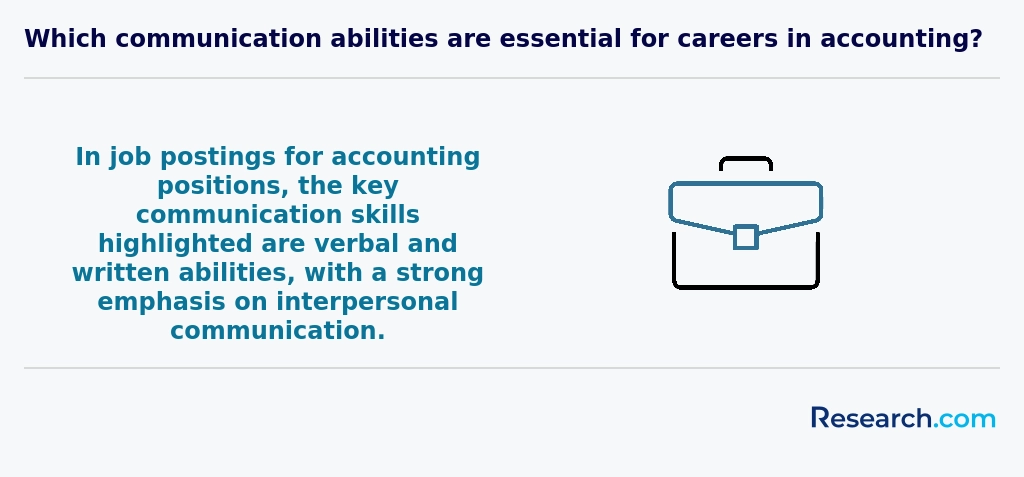
Accounting programs in Omaha, NE, are designed not only to build core competencies but also to support students through professional certification pathways-most notably the CPA exam. Many institutions integrate CPA review courses into their curricula, offering in-class workshops, practice exams, and access to reputable study materials. Students benefit from partnerships with review providers like Becker or Wiley, which often include discounted subscriptions and on-campus study groups led by faculty members who have themselves passed the CPA exam. Beyond CPA preparation, graduates can pursue additional credentials such as the Certified Management Accountant (CMA), Certified Internal Auditor (CIA), or Certified Information Systems Auditor (CISA). Omaha schools frequently host guest lectures from industry experts and maintain relationships with local chapters of professional associations, giving students early exposure to the expectations and ethics required by certifying bodies. Support services, including one-on-one tutoring and mock exam sessions, contribute to competitive pass rates that often exceed national averages. To maximize return on investment, prospective students should compare not only tuition and fees but also the depth of exam-preparation resources offered. For additional comparative insights on cost-effective programs, review our Low Cost Accounting Degree Programs Ranking in South Dakota, which highlights similar support structures in neighboring states. By choosing a program with robust certification support, Omaha students can streamline their path to licensure and accelerate their entry into high-demand accounting roles.
Accounting degree programs in Omaha typically include fundamental courses like Financial Accounting and Managerial Accounting, which many graduates recall as essential for understanding the practical flow of financial data-from balance sheets to cash flow reports. At well-regarded Omaha colleges, students appreciate how these classes ground them in real-world skills that they immediately recognize during internships and early career roles.
Courses in Taxation stand out for their relevance, immersing students in current federal tax laws and planning strategies. Graduates often reflect on lively case studies taught at Omaha institutions that prepare them for the complexities of ever-changing tax codes, a vital asset when working with local businesses.
Auditing and assurance classes also receive high marks for their focus on accuracy and GAAP compliance, something that resonates strongly with students who witness Omaha's thriving business community firsthand. Additionally, courses like Accounting Information Systems and Ethics in Accounting add layers of modern insight and professionalism needed in today's digital and ethical landscapes.
Many students value the broader business classes required alongside accounting courses, such as economics and management, which help them approach financial problems with a well-rounded perspective-an approach especially encouraged at Omaha's top universities.
In Omaha, accounting students often choose from several distinct specializations that reflect the city's dynamic financial landscape. Graduates from popular colleges value how a focus in financial accounting prepares them for real-world tasks such as crafting precise financial statements, essential for careers in corporate finance or CPA licensure. Meanwhile, managerial accounting offers a deeper understanding of internal cost management and budgeting, often cited by alumni who appreciated its direct impact on improving business efficiency in Omaha's local companies.
Another specialization gaining traction among Omaha accounting programs with concentrations is tax accounting. Graduates frequently recall how navigating complex, ever-changing tax regulations became manageable through focused coursework, giving them confidence to serve in diverse roles from public accounting to consulting. Some also find forensic accounting particularly compelling, learning to detect and investigate fraud-skills increasingly sought after due to rising corporate fraud cases that affect even Omaha's economic environment.
Students drawn to technology often explore auditing or information systems accounting, blending IT skills with financial expertise. Many grads highlight that Omaha's accessible education, along with affordable living, helped them engage deeply with these fields. For those seeking even more options, a list of online certificate programs for accounting complements traditional degrees, offering flexible paths to specialization that match their career aspirations.
Choosing the best affordable accounting degree programs Omaha requires balancing several key factors that directly impact both your educational experience and future career. Graduates from Metropolitan Community College often emphasize the value of accessible associate degrees combined with local employer connections, which foster practical experience and early job placement success. On the other hand, those from universities like Creighton University or the University of Nebraska Omaha appreciate programs that offer a comprehensive curriculum aligned with CPA exam standards, giving them confidence as they step into the competitive job market.
Cost always weighs heavily on students' minds. Comparing the top accounting degrees cost in Omaha means considering not just tuition but also fees, books, and living expenses. Many find relief through scholarships or financial aid, and some explore options such as the best affordable online master's in accounting to further minimize costs while earning advanced credentials.
Beyond finances, flexibility is crucial for those juggling work or family. Evening, weekend, or online classes offered by Omaha institutions let you tailor education around life's demands. With a strong financial sector in Omaha, graduates often reflect on how studying locally helped them forge vital professional networks and step confidently into rewarding accounting roles.
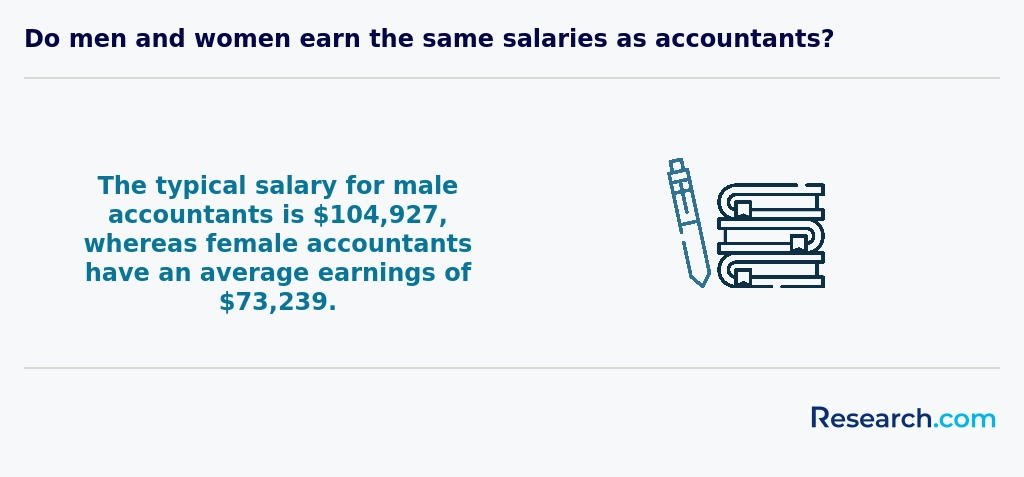
Graduates with an accounting degree in Omaha find a range of fulfilling career paths shaped by the city's dynamic economy. Many alumni from popular schools like the University of Nebraska Omaha begin their journey in public accounting firms, embracing roles such as auditors and tax specialists. These positions offer hands-on experience, often allowing new accountants to engage directly with local businesses and individuals, fostering a sense of community contribution and professional growth. This practical foundation opens doors to further advancement.
Others pursue opportunities in Omaha's prominent corporate sector, joining financial departments of major companies headquartered locally. Here, graduates apply their skills to financial analysis or compliance, often navigating complex regulatory environments. The sense of accomplishment that comes from helping companies thrive resonates strongly with these professionals. For those considering alternatives, government and nonprofit roles provide stability and meaningful public service work, appealing to graduates drawn to impactful careers aligned with their values. These diverse choices truly illustrate the breadth of accounting careers in Omaha.
Accounting students often remark on how the affordability of local programs, evident in resources like the Low Cost Accounting Degree Programs Ranking in South Dakota, enhances their confidence in pursuing these varied career options.
The accounting jobs outlook in Omaha remains positive, supported by the city's position as a regional hub for finance and insurance. Graduates from well-known institutions such as the University of Nebraska Omaha often find opportunities in diverse industries including banking, corporate headquarters, and public accounting firms. Many students share how internships and local connections helped them secure steady roles soon after graduation, reflecting the consistent demand in the area.
Omaha accounting degree career opportunities appeal especially to those valuing a balance between salary and cost of living. Entry-level roles start around $55,000 to $65,000 annually, allowing recent graduates to establish themselves comfortably while pursuing certifications like the CPA. Experienced accountants can expect salaries that rival larger metropolitan areas when adjusted for living costs, encouraging long-term career growth.
Those exploring pathways into the field may find benefit in fast track college programs online to accelerate their progress. Overall, Omaha offers a welcoming environment for accounting graduates aiming to build a fulfilling and financially rewarding career.
2027 Most Affordable Accounting Degree Programs Ranking in Omaha
Investing in your education is a significant decision that can shape your future, and the Research.com team understands the importance of making informed choices. To assist prospective students in Omaha, we have meticulously crafted the "2027 Most Affordable Accounting Degree Programs Ranking in Omaha." Our commitment to quality, credibility, and accuracy is reflected in the extensive research and careful analysis conducted to compile this ranking.
We utilized the following reputable data sources to ensure a comprehensive evaluation of accounting programs:
By exploring this ranking, readers will gain valuable insights into the most affordable accounting degree programs in Omaha, empowering them to make well-informed decisions about their educational investments. For more details on our methodology, please visit our Research.com methodology page.


Frequently Asked Questions About accounting
Accounting degree students in Omaha can maximize their learning experience by engaging actively with local professional organizations such as the Nebraska Society of Certified Public Accountants (NSCPA). These groups offer networking opportunities, workshops, and mentorship programs that complement academic studies.
Students should also seek internships with Omaha's robust finance and banking sector, which is home to firms like Union Bank & Trust and First National Bank. Practical experience through internships enhances understanding of accounting principles and improves employability.
Taking advantage of resources at Omaha area colleges, including tutoring centers and accounting software labs, supports mastery of industry-standard tools like QuickBooks and SAP.
Finally, participation in case competitions and real-world projects helps bridge theory and practice, preparing students for CPA certification exams and careers in local accounting firms.
The accounting profession in Omaha is evolving, with several emerging niches gaining prominence. One key area is forensic accounting, which involves investigating financial crimes and fraud. Demand for forensic accountants is rising nationally, including in Nebraska, due to increased regulatory scrutiny. Another growing niche is environmental accounting, focused on tracking the environmental costs and benefits within businesses. This aligns with Omaha companies' growing emphasis on sustainability.
Technology-driven fields like data analytics and cybersecurity auditing are also expanding. As Omaha businesses adopt advanced software, professionals who can interpret complex financial data and secure systems are highly valued. According to the Nebraska Department of Labor, job openings for accountants with these specialized skills in Omaha have increased by over 10% in recent years.
After completing an accounting degree in Omaha, it is crucial to build practical skills alongside academic knowledge. Employers highly value internships or part-time positions within local accounting firms, which provide real-world experience and networking opportunities. According to the Bureau of Labor Statistics, the Omaha metropolitan area is expected to grow its accounting jobs by about 7% through 2030, showing steady demand for qualified professionals.
In addition, pursuing certifications such as the Certified Public Accountant (CPA) license can significantly improve job prospects. Nebraska requires candidates to complete 150 credit hours of education and pass the Uniform CPA Exam. Joining regional organizations like the Nebraska Society of CPAs offers resources and local connections.
Finally, staying informed about Omaha's business environment and understanding software tools like QuickBooks and Excel enhances employability. Career services at local institutions often assist graduates in resume building and interview preparation, which are vital steps toward securing accounting roles.
Employers in Omaha seeking accounting degree graduates prioritize a blend of technical and soft skills. Strong proficiency in Generally Accepted Accounting Principles (GAAP) and familiarity with accounting software like QuickBooks and Microsoft Excel are essential. According to the Nebraska Department of Labor, analytical thinking and attention to detail rank highly in local job listings.
Communication skills are also critical, as accountants must clearly present financial data to clients and colleagues. Additionally, knowledge of tax regulations and auditing procedures increases employability, especially for roles in Omaha's growing finance sector.
Time management and ethical judgment are valued traits, reflecting the profession's demand for reliability and accuracy in handling sensitive information.
Finding internships in Omaha related to an accounting degree requires a focused approach. Start by exploring local companies and accounting firms, as Omaha hosts several well-known financial institutions like KPMG and Union Pacific, which often offer internship opportunities.
University career centers in Omaha colleges, such as the University of Nebraska Omaha, can be valuable resources. These centers frequently maintain partnerships with local businesses specifically seeking accounting interns.
Additionally, using nationwide internship websites like Handshake and LinkedIn while filtering for Omaha-based roles can uncover relevant openings. Networking through local chapters of professional organizations, including the Nebraska Society of CPAs, also helps connect students with potential employers.
Obtaining an accounting degree in Omaha significantly enhances career mobility and advancement opportunities. According to the U.S. Bureau of Labor Statistics (BLS), the Omaha-Council Bluffs metropolitan area shows strong demand for accountants and auditors, reflecting steady job growth projected at 6% through 2032.
Employers in Omaha's diverse industries-including finance, healthcare, and agriculture-value candidates with formal accounting education. A degree provides essential skills in financial analysis, tax preparation, and auditing, which are critical for ascending to management roles.
Furthermore, an accounting degree supports eligibility for professional certifications like the CPA, highly regarded in Omaha's job market. Certified accountants typically command higher salaries and enjoy greater job security and promotion prospects.
Studying for an accounting degree in Omaha offers a strong foundation for interdisciplinary roles by integrating financial principles with other business disciplines. Omaha's educational institutions emphasize courses in economics, information systems, and management, preparing students to work across multiple functions.
Many programs also include hands-on experience with data analytics and technology tools, which are essential in today's cross-functional teams. According to the U.S. Bureau of Labor Statistics, the demand for accountants with diverse skill sets in metropolitan areas like Omaha is growing faster than the national average.
Omaha's strong finance and insurance industry further supports real-world learning opportunities, enabling accounting students to apply knowledge in varied business contexts.
When choosing between a thesis and a non-thesis accounting degree program in Omaha, students should consider their career goals. Thesis programs typically emphasize research, requiring students to complete an extensive thesis paper. This path is common for those aiming to pursue doctoral studies or roles in academic research.
Non-thesis programs focus more on practical skills and coursework, often appealing to students targeting direct entry into the accounting profession. In Omaha, institutions such as the University of Nebraska Omaha offer both options, with thesis tracks generally requiring more credits and time.
Students should also factor in workload and time commitment; thesis programs often demand more independent work. According to the National Center for Education Statistics, accounting graduates with thesis experience may have an edge in fields requiring analytical skills, though non-thesis graduates can quickly enter certification processes like CPA exams.
Students based in Omaha seeking to study accounting abroad have several practical options within the US higher education system. Many Nebraska institutions, such as the University of Nebraska at Omaha, offer study abroad programs in partnership with overseas universities, allowing students to earn credits toward their accounting degree while gaining international experience.
Additionally, students can enroll in exchange programs or summer sessions abroad focused on accounting and business, often available through university international offices. Such programs usually last a semester or a few weeks, making them accessible for undergraduates and graduate students alike.
It is important to verify that any overseas coursework aligns with the curriculum and accreditation standards required for CPA eligibility, a crucial step for accounting professionals planning to return to practice in Omaha or the US. According to the Nebraska Society of CPAs, international study experience can enhance career prospects but should complement core US credential requirements.
Students pursuing accounting degrees in Omaha can benefit greatly from part-time job opportunities that align with their field. Roles such as bookkeeping assistants, payroll clerks, and tax preparers offer practical experience and help solidify accounting principles learned in class. According to the U.S. Bureau of Labor Statistics, Omaha has a growing demand for accounting and auditing clerks, with a projected 7% employment increase through 2030.
Local small businesses and accounting firms often seek interns and part-time workers, providing valuable real-world exposure. Positions at financial service companies or nonprofit organizations can also deepen understanding of financial reporting and compliance in diverse sectors.
Accounting students in Omaha benefit from diverse networking opportunities that can enhance their career prospects. Local universities, such as the University of Nebraska at Omaha, often host events and career fairs focused on accounting and finance, connecting students with top regional firms.
The Omaha chapter of the Nebraska Society of CPAs offers student memberships, allowing access to networking events, professional development workshops, and mentorship programs with experienced accountants.
Additionally, Omaha's strong business community, including headquarters of companies like Berkshire Hathaway, provides ample internship and job-shadowing opportunities. These connections help students build professional relationships essential for entering the competitive accounting job market.
Alumni networks provide valuable support to accounting degree students in Omaha by connecting them with experienced professionals who have navigated the local job market. These networks often offer mentorship opportunities, helping current students understand industry expectations and develop essential skills.
In Omaha, where the accounting field is competitive and closely tied to regional businesses, alumni connections can lead to internships and job placements. According to the Nebraska Department of Labor, about 7,000 accounting jobs exist in the Omaha area, with steady growth expected.
Alumni events and online platforms also facilitate networking, enabling students to learn about trends, licensing requirements, and firm cultures directly from graduates now working in public accounting, corporate finance, and government roles.
To customize your accounting degree program in Omaha, start by exploring electives that align with your career goals, such as taxation, auditing, or forensic accounting. Many local institutions offer flexible course options to tailor your learning experience.
Consider engaging in internships or cooperative education with Omaha's vibrant finance and business sectors, including well-known firms that can provide practical experience.
Look for programs that allow specialization or certificates in areas like CPA preparation or management accounting, which are highly valued in Nebraska's job market according to the Nebraska Department of Labor.
Additionally, online and evening classes in Omaha provide flexibility for working students aiming to advance in specific accounting fields.
Accounting students in Omaha face several challenges, common across the U.S. but influenced by local factors. Many struggle with mastering complex subjects like tax law and auditing, which require strong analytical skills and attention to detail. According to the Nebraska Department of Labor, the demand for qualified accountants is growing, leading students to balance rigorous coursework with gaining relevant internship experience for competitive advantage.
Another typical challenge is managing costs. Tuition rates vary widely among Omaha institutions, and while some offer affordable options, students often face additional expenses such as exam fees for the CPA certification. Time management remains a hurdle, as many students juggle full-time jobs alongside their studies to offset living costs.
With an accounting degree in Omaha, you can pursue several professional certifications that enhance your career opportunities and earning potential. The most recognized is the Certified Public Accountant (CPA) license, which requires passing the Uniform CPA Exam and fulfilling Nebraska's specific experience and education requirements. This credential is highly valued across public accounting, corporate accounting, and government roles.
Other common certifications include the Certified Management Accountant (CMA), focusing on financial management and strategic planning, and the Certified Internal Auditor (CIA), which is popular among internal auditors working in Omaha's large corporate and nonprofit sectors. The Enrolled Agent (EA) certification is another option for tax specialists authorized to represent taxpayers before the IRS.
According to the Nebraska Society of Certified Public Accountants, pursuing these certifications can lead to salary increases exceeding 20% compared to non-certified accountants in the Omaha area.
To write a winning application for an accounting program in Omaha, start by thoroughly researching the schools you are interested in. Many Omaha institutions, such as the University of Nebraska at Omaha, value strong academic records, especially in math and business-related courses. Highlight your GPA and any relevant coursework clearly in your application.
Next, craft a compelling personal statement that explains your interest in accounting and your career goals. Emphasize skills like attention to detail, analytical thinking, and reliability, which are crucial for success in accounting roles.
Include up-to-date letters of recommendation from teachers or employers who can vouch for your aptitude and work ethic. Omaha's accounting job market is expected to grow by 7% through 2030, so demonstrating practical ambition aligns well with local industry needs (Bureau of Labor Statistics, 2023).
Finally, ensure your application is error-free and submitted before deadlines. Some programs may also require standardized test scores or supplemental materials, so check each school's criteria carefully.
The accounting profession is increasingly global, with firms and businesses valuing expertise that meets international standards. In the US, including Omaha, accounting degrees now emphasize key global frameworks, such as the International Financial Reporting Standards (IFRS) alongside US Generally Accepted Accounting Principles (GAAP).
According to the American Institute of CPAs (AICPA), proficiency in these standards equips graduates for careers that may span multinational corporations, non-profits, and governmental agencies worldwide.
Omaha's growing business environment, featuring companies like Berkshire Hathaway, underscores the demand for accountants who understand both US regulations and global financial practices.
Job prospects extend beyond local firms, as global economics increase the need for cross-border financial analysis and compliance, enhancing the value of an accounting degree earned in Omaha.
Students pursuing an accounting degree in Omaha can gain valuable practical experience through internships and cooperative education programs. Many local businesses and accounting firms, including the Omaha chapter of the Nebraska Society of CPAs, offer internships designed to provide hands-on training in tax preparation, auditing, and financial reporting. These opportunities allow students to apply classroom knowledge in real-world settings while building professional networks.
Omaha schools often partner with regional firms to facilitate such placements. Additionally, some universities integrate practicum courses into their curriculum, where students complete projects directly related to accounting functions.
Volunteering for non-profit organizations in Omaha can also provide relevant experience, especially in bookkeeping and financial management.
Choosing the right concentration within an accounting degree program in Omaha depends on your career goals and interests. Common concentrations include auditing, taxation, forensic accounting, and managerial accounting. Each offers unique skills preparing you for different roles in the financial sector.
Omaha's local economy, with its strong presence of finance and insurance companies, creates demand particularly for auditors and tax specialists. According to the U.S. Bureau of Labor Statistics, the Omaha metropolitan area employed over 4,000 accountants in 2023 with a median salary around $73,000.
Research regional job listings and internships to identify which concentration aligns with market demand and your strengths. Consider programs accredited by AACSB or ACBSP as they ensure quality education tailored to current industry standards.
- 2027 Most Affordable Accounting Degree Programs Ranking in Minneapolis
- 2027 Most Affordable Accounting Degree Programs Ranking in Saint Paul
- 2027 Most Affordable Accounting Degree Programs Ranking in Saint Louis
- 2027 Most Affordable Accounting Degree Programs Ranking in Madison
- 2027 Most Affordable Accounting Degree Programs Ranking in Chicago
- 2027 Most Affordable Accounting Degree Programs Ranking in Conway
- 2027 Most Affordable Accounting Degree Programs Ranking in Denver
- 2027 Most Affordable Accounting Degree Programs Ranking in Indianapolis
- 2027 Most Affordable Accounting Degree Programs Ranking in Memphis
- 2027 Most Affordable Accounting Degree Programs Ranking in Grand Rapids
See What Experts Have To Say About Studying Accounting
Read our interview with Accounting experts


Yaw M. Mensah
Accounting Expert
Professor and Interim Vice Dean for Strategic Partnerships
Rutgers Business School

- Accounting Degree (Bachelor of Science in Business Administration) https://www.creighton.edu/academics/programs/accounting
- Inside the world of accounting internships: What to expect : ThisWayToCPA : AICPA https://www.thiswaytocpa.com/work-experience/articles/internships/inside-world-accounting-internships-what-expect/
- Why International Career Mobility is Key to Attracting the Next Generation of Professional Accountants https://www.ifac.org/knowledge-gateway/discussion/why-international-career-mobility-key-attracting-next-generation-professional-accountants
- Work Experience https://www.streets.uk/work-experience/
- How to Choose a Degree in Accounting | Accounting.com https://www.accounting.com/resources/choosing-a-program/
- Are accounting students overloaded and under-supported? https://www.studentvoice.ai/blog/accounting-students-challenges-with-workload-and-support/
- Accountants of the Future https://www.deloitte.com/us/en/programs/center-for-controllership/blogs/future-of-accounting-profession.html
- How to Meet Accounting Degree Requirements for Career Success - ICMS https://www.icms.edu.au/degree-discovery/how-to-meet-accounting-degree-requirements/
- Mastering the Art of Networking: A Guide for Accounting Students https://www.wscpa.org/blog/607cb669-8d98-427e-8c9b-06129d9297e8:mastering-the-art-of-networking-a-guide-for-accounting-students
- 15 Accounting Careers: Undergraduate & Graduate Paths https://www.baypath.edu/news/bay-path-university-blogs/post/15-accounting-careers-undergraduate-graduate-paths/