2027 Most Affordable Accounting Degree Programs Ranking in Lincoln

Co-Founder and Chief Data Scientist
For students in Lincoln seeking an affordable path to a rewarding career, this article offers valuable insight. We present the 2027 Most Affordable Accounting Degree Programs Ranking in Lincoln, carefully compiled by the Research.com team of data scientists.
Understanding which programs provide the best value can simplify your decision-making process. Earning an accounting degree opens doors to stable jobs and growth opportunities, making it a smart investment in your future.
Explore this guide to find programs that fit your budget and goals, helping you take confident steps toward success.
Key benefits of getting accounting degree in Lincoln
- Graduates with an accounting degree in Lincoln can expect competitive salaries, such as a Staff Accountant earning an average annual wage of $90,780 and a Bookkeeper earning around $49,580.
- Typical career paths include roles like Tax Preparer, Associate Auditor, and Accounts Payable Clerk, offering diverse opportunities to fit different interests and skills.
- Online accounting degrees provide flexibility and convenience, allowing students to balance work and study, which many find especially valuable compared to traditional programs.
- 2027 Most Affordable Accounting Degree Programs Ranking in Lincoln
- What can I expect from accounting degree in Lincoln?
- Where can I work with accounting degree in Lincoln?
What can I expect from accounting degree in Lincoln?
The price tag for an accounting degree in Lincoln often dances around $9,000 per year for in-state students at the University of Nebraska-Lincoln, a figure that feels surprisingly accessible compared to the soaring costs elsewhere. Graduates recall balancing tight budgets while immersing themselves in hands-on experiences, from cracking open QuickBooks to untangling real-world financial puzzles during internships offered by local firms.
For many, this investment is less a burden and more a gateway-unlocking doors to roles where numbers tell compelling stories. Imagine walking through UNL's corridors, visions of CPA certification glimmering ahead, while classmates share tips and hustle through networking events tailored specifically to budding accountants. Each dollar of tuition in Lincoln often stretches farther thanks to scholarships and aid designed with the local economy in mind.
This blend of affordability and opportunity turns the pursuit of accounting knowledge into an exciting expedition, where learners not only gain technical savvy but also a palpable sense of community and purpose within Nebraska's thriving business landscape.
Where can I work with accounting degree in Lincoln?
Graduates from Lincoln's accounting programs often find themselves stepping into vibrant worlds beyond textbooks-imagine joining a bustling public accounting firm downtown, where every tax return and audit shapes local businesses' futures. Many alumni from the University of Nebraska-Lincoln recall how internships with firms like BKD, LLP transformed their classroom theories into real client success stories, fueling their confidence and career growth.
Others dive into the heartbeat of Lincoln's corporate scene, becoming financial navigators at companies like Nelnet or Bryan Health. Picture managing budgets that keep hospitals running or tech startups innovating-graduates describe this as a thrilling blend of challenge and reward, where their numbers dance with real-world impact.
For those drawn to public service, the Nebraska State Government offers a stable harbor, where graduates relish the chance to safeguard public funds, making tangible differences in their community. Meanwhile, the academic corridors of the University of Nebraska-Lincoln offer creative accountants opportunities to support research grants, combining precision with purpose in an inspiring environment.
Lincoln's landscape is a canvas for accounting students, where diverse sectors invite them to paint their unique careers full of growth, impact, and fulfillment.
Graduates fresh out of accounting programs at institutions like the University of Nebraska-Lincoln often find their paychecks pleasantly surprising. Starting as bookkeepers or tax preparers, they can expect to earn around $49,580 a year, which offers a solid foundation as they step into Lincoln's professional scene. Staff accountants typically pocket about $90,780 annually, a figure that reflects both their expertise and the city's steady demand for financial talent.
Imagine a recent graduate navigating through Lincoln's growing industries-banking, agriculture, and manufacturing-where those mean hourly wages of roughly $23.84 for entry roles and $43.65 for more advanced positions translate into real-life comfort and upward mobility. Classroom theories transform into client consultations, budgets, and audits that push their salaries beyond starting figures quickly.
Many find motivation in the stories of peers who leveraged Lincoln's local economy to climb from associate auditors to experienced staff accountants. With each year and CPA milestone, those $50K beginnings can blossom, painting an exciting earning landscape for anyone who commits to the craft here.
- Tuition for accounting degrees in Lincoln ranges from $15,000 to $40,000, varying by institution and residency status.
- Starting salaries for accounting graduates in Lincoln average around $50,000 per year, close to the national entry-level average.
- Experienced accountants in Lincoln can earn $75,000 or more, especially those with CPA certification.
- Employment growth for accountants in Nebraska is projected at about 5% over the next decade.
- Lincoln's economy supports accounting jobs in finance, insurance, agriculture, and manufacturing sectors.
- Many local programs include CPA exam preparation and internships to improve job readiness.
In Lincoln, earning an accounting degree typically unfolds like a well-orchestrated symphony lasting around four years for full-time students at places like the University of Nebraska-Lincoln. Imagine juggling 120 to 130 credit hours-classes in financial accounting, auditing, and tax law-all paced to fit your academic rhythm. Many graduates recall the exhilaration of crossing that finish line after four years, feeling the rush of accomplishment mingled with relief.
Part-time students often paint a different picture: a slower, steady dance that stretches to five or six years as they balance work and studies. They cherish small victories-passing a tough exam or completing a challenging course-that add up over semesters.
Some opt for an associate degree, a quick yet sturdy bridge to the accounting world, wrapping up in about two years. For those eyeing CPA accreditation, the story extends to 150 credit hours, often nudging students toward a master's program in Lincoln, a step that transforms a marathon into a fulfilling journey of knowledge and opportunity.
Investing in an accounting degree requires weighing the total cost against potential earnings and career growth. In Lincoln, NE, the average total cost of a four-year bachelor’s program is approximately $36,440 per year, while community college associate programs average $16,090 annually. By contrast, graduates with a bachelor’s degree enjoy a mean annual wage of $86,740 as Staff Accountants and $47,440 as Bookkeepers, yielding a typical payback period of 3–5 years for in-state students. Factoring in scholarships and federal aid, many students reduce this timeline significantly, especially if they qualify for merit-based awards or Pell Grants. Beyond salary, ROI also considers career advancement. Earning credentials like the CPA can increase earnings by up to 20%, meaning professionals who pass the exam often see salaries exceed $100,000 within 5–7 years. Additionally, internship experiences through programs at the University of Nebraska-Lincoln and Southeast Community College frequently convert into full-time offers, reducing job search costs and accelerating income growth. When comparing educational investments, it’s helpful to explore alternative affordable programs in nearby regions. For those seeking additional options, visit our Affordable Accounting Degree Programs Ranking in Jackson, MS to see how similar institutions balance cost and outcomes. By analyzing both tuition trends and post-graduation salaries, prospective students can make an informed choice that maximizes their long-term financial return.
Choosing between online and on-campus accounting degrees in Lincoln feels like picking your own adventure-each path has its unique rhythm. Imagine a graduate from the University of Nebraska-Lincoln, juggling family and work, who thrives in the online program's flexible flow, clicking through course modules from a cozy home nook. The digital route lets them absorb lessons at their own pace, trading campus buzz for quiet focus, all while slashing commuting time and expenses.
Meanwhile, a different graduate attending in person dives into on-campus life with hands-on energy: late-night study sessions in the library, face-to-face debates in group projects, and sparking connections with professors and local businesses. That structured environment cultivates a community feel, making networking feel natural-whether grabbing coffee with a mentor or brainstorming internship ideas in Lincoln's heart.
Both experiences gear students for CPA readiness, but their daily habitats-one virtual, one physical-shape how they grow, learn, and prepare for a career in accounting unique to Lincoln's vibrant academic scene.
In today’s rapidly evolving financial landscape, accounting education is increasingly shaped by technology, innovative teaching methods, and a stronger alignment with real-world applications. Modern curricula are incorporating advanced data analytics, cloud computing, and AI-driven tools to better prepare graduates for a dynamic job market. Institutions are also expanding partnerships with industry leaders to offer practical learning experiences, such as interactive simulations, virtual internships, and blended learning formats that combine online flexibility with in-person collaboration. Furthermore, a growing number of schools are integrating specialized courses and certifications into their degree programs, which not only enhance technical prowess but also bolster professional credentials. For instance, students looking to further their expertise might explore online certificate programs for accounting rankings, which provide targeted training and help bridge the gap between traditional academic learning and emerging industry standards. Embracing these trends allows future accountants to stay competitive, adapt to technological advancements, and meet the evolving needs of an increasingly digital economy.
The average cost of an accounting degree in Lincoln bends and sways depending on your chosen path. For in-state students attending popular hubs like the University of Nebraska-Lincoln, tuition lands around $10,434, a number that graduates often describe as a worthwhile investment in their future. Out-of-state learners face a steeper climb-closer to $43,804 on average-but many find the diverse campus experience and robust accounting curriculum justify the price.
Lincoln's affordable accounting degree tuition fees are a beacon for those balancing budget constraints with ambition. One graduate reflects on juggling late-night study sessions with part-time work, appreciating how reasonable tuition kept dreams afloat rather than adrift. This grounded approach resonates vividly when imagining walking corridors at these institutions, notebooks heavy with financial principles, yet pockets not entirely emptied by crushing debt.
Private options may not be as visible in Lincoln's landscape, but nationwide averages reveal fees that nudge upwards, sometimes exceeding $35,000 annually. Still, learners attracted to specialized tracks can explore a digital marketing degree with specialization intertwined with their business acumen, blending skills without breaking the bank.
Beyond tuition, think about materials and textbooks that can add around $500 to $1,200 a year-budgeting feels like a mini-accounting project itself, creating balance sheets for student life. Many Lincoln-area colleges sweeten the deal with scholarships and financial aid, turning cost from a barrier into a stepping stone for passionate students considering the average cost of accounting degree in Lincoln.
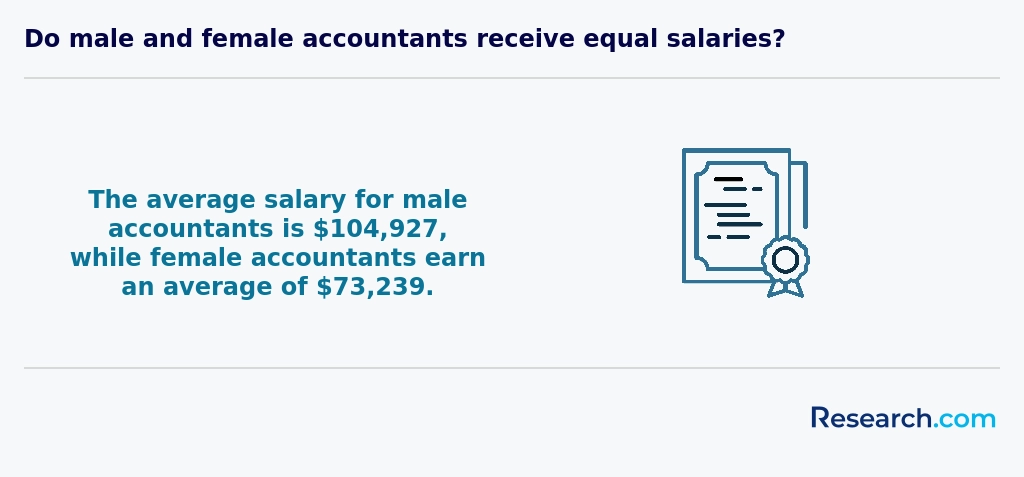
Aspiring CPAs in Lincoln, NE must satisfy education, examination, and experience criteria set by the Nebraska Board of Public Accountancy. First, candidates need a total of 150 semester hours, including at least 30 hours of upper-division accounting courses (financial, managerial, taxation, auditing) and 24 hours of business-related coursework. Upon meeting the credit requirement, graduates must pass all four sections of the AICPA Uniform CPA Exam-Auditing and Attestation (AUD), Business Environment and Concepts (BEC), Financial Accounting and Reporting (FAR), and Regulation (REG)-with a minimum score of 75 on each section. Nebraska’s average first-time pass rate hovers near the national average of 54%, so structured review courses and study groups are strongly recommended. In addition to education and exam completion, candidates must acquire one year (2,000 hours) of supervised accounting experience under a licensed CPA. Experience can be earned through internships, part-time roles, or full-time positions in public accounting, corporate finance, or government agencies. Documented verification by a licensed CPA is required as part of the licensure application. Finally, applicants submit their credentials and application fee to the Nebraska Board, including official transcripts, proof of exam success, and experience verification. Once approved, CPAs must complete 40 hours of Continuing Professional Education (CPE) every two years to maintain licensure. Students exploring other affordable pathways to CPA licensure may also consider programs in Mississippi, detailed in our Affordable Accounting Degree Programs Ranking in Jackson, MS.
Imagine starting your accounting journey at the University of Nebraska-Lincoln with a hefty tuition bill looming over your head. The relief kicks in when you fill out the FAFSA and discover you qualify for a Pell Grant-up to $7,395 no-strings-attached cash that feels like instant freedom. That's what helped many Lincoln graduates breathe easier and focus on complex balance sheets instead of mounting debt.
Then there's the Nebraska Opportunity Grant, a steady financial hand extended to residents aiming to conquer accounting at colleges like Union College Lincoln or Bryan College of Health Sciences. It's not just free money; it's a vote of confidence in your potential, offering up to $1,250 to chip away at those daunting tuition numbers.
Picture receiving an institutional scholarship at Nebraska Wesleyan University for your leadership in student business clubs-pride and financial empowerment wrapped in one. And for those fiercely dedicated to accounting, local gems like the Lincoln Independent Business Association present private scholarships that feel like a personal nod from the community.
Federal Direct Loans add a safety net with manageable borrowing limits, while on-campus work-study roles provide not only paycheck perks but also valuable real-world experience right in Lincoln's thriving business scene. Each aid avenue transforms the often-daunting cost of college into an accessible, exciting stepping stone.
Prospective students should evaluate the return on investment (ROI) by comparing program costs with expected earnings and career advancement opportunities. In Lincoln, NE, public institutions like the University of Nebraska–Lincoln offer median in-state tuition around $6,892 per year, while private colleges may charge up to $32,084. When weighed against a mean annual wage of $86,740 for Staff Accountants and $47,440 for Bookkeepers, students can anticipate recouping their educational expenses within 3–5 years of employment. Break-even analysis often considers direct costs (tuition, fees, textbooks) and indirect costs (living expenses, lost earnings). For a bachelor’s degree at a community college (average cost $16,090), graduates entering Bookkeeping roles can break even in roughly 4 years, whereas those pursuing a bachelor’s degree at the University of Nebraska–Lincoln can break even in under 3 years when hired as Staff Accountants. Internship stipends and work-study earnings can further shorten this period. Long-term ROI improves significantly with advanced credentials. Graduates who pursue a master’s degree in accounting often see salary increases of 15–25% over bachelor’s holders. To optimize both affordability and career growth, consider researching the best affordable accounting masters degree online, which can enhance technical skills, leadership opportunities, and eligibility for high-paying roles such as Financial Controller or CFO. Additional factors influencing ROI include program length, cohort size, and alumni networks. Programs with smaller class sizes may offer more personalized mentoring and better job placement support, reducing the time to employment. Prospective students should review job placement rates-programs boasting 90%+ placement within six months post-graduation provide stronger ROI through quicker access to the workforce. Finally, leveraging financial aid packages and employer tuition reimbursement programs can significantly lower the net cost of attendance. By combining scholarships, grants, and part-time work experience, accounting graduates in Lincoln can maximize their ROI and achieve financial stability sooner.
Ready to dive into accounting in Lincoln? Start with a high school diploma or GED, as most programs cherish that foundational ticket. Picture a student walking through the halls of a Lincoln college, confidently armed with algebra and statistics classes-these are like the secret handshake to accounting success here. Some universities might glance at your SAT or ACT scores, but many are waving them off, embracing test-optional policies that put less pressure on that one test day.
Community college grads often share stories of how a 2.0 to 2.5 GPA opened doors for their associate degrees, setting them up for smooth transfers to Lincoln's bachelor programs. Transcripts tell your story here: shining academic standing can spark invitations to submit recommendation letters or personal statements-a chance to show who you really are.
Financially, these eager explorers plan carefully. Lincoln's four-year public schools hover around $9,500 tuition yearly, a friendly nod compared to nationwide costs. Finally, many boast about brushing up on computer and spreadsheet skills right in their first courses, turning beginners into future number wizards.
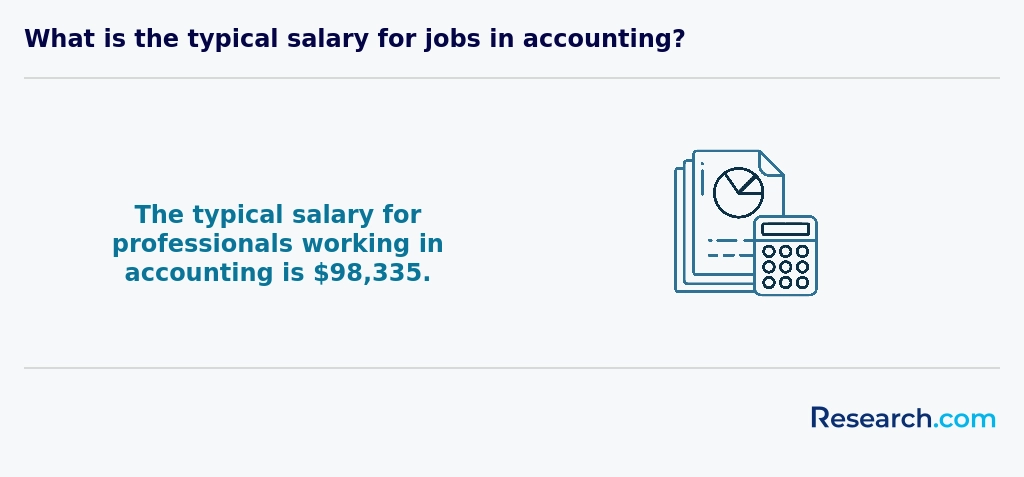
When considering accounting degree programs in Lincoln, NE, it's essential to weigh the costs and benefits of different institutions. For those looking for affordable options, researching schools that offer quality education at a lower cost is crucial. Students can find valuable information on the cheapest accounting schools in Nebraska, which can help them make informed decisions about their educational investments. By exploring these options, prospective students can identify programs that fit their budget while still offering a comprehensive education, preparing them for successful careers in accounting.
Envision diving into accounting at one of Lincoln's top institutions, where your days whirl through Financial Accounting classes that feel like cracking open the books of a bustling corporation, revealing stories behind every ledger. Managerial Accounting here isn't just numbers-it's learning to steer a company's fate through budgets and cost analyses, just like a graduate who mastered these skills before landing a coveted internship downtown.
Auditing courses transform you into a financial detective, equipped to spot discrepancies and ensure compliance, echoing the real-world tasks tackled by Lincoln college alumni. Taxation isn't dry jargon; it's a strategic puzzle involving corporate and individual taxes, made vivid through case studies from Nebraska businesses. Accounting Information Systems situate you at the crossroads of technology and finance, mirroring how graduates use software to revolutionize traditional processes.
And it's not all number crunching-Business Law classes ground you in legal realities shaping firms, while Ethics in Accounting pushes you to champion integrity. Financial Management ties all this together, teaching you to make smart investment choices, just like peers from Lincoln's campuses who balance theory and hands-on learning with inspiring internships that make future CPAs out of students who once sat where you will.

Graduates from Lincoln's well-regarded universities often describe diving into specializations like Tax Accounting, where they unravel complex tax codes and craft savvy strategies that impact real-world businesses. Imagine attending a bustling college campus in Lincoln and mastering Audit and Assurance, a specialization that arms you with the skills to verify financial accuracy and navigate regulatory mazes - a must for aspiring CPAs passionate about protecting economic integrity. Those drawn to puzzles and detective work thrive in Forensic Accounting, blending numbers and investigation to expose financial fraud with precision and respect for justice.
Students in Lincoln affordable accounting programs specialties rave about how Management Accounting transforms their understanding of business strategy through budgeting and performance analysis, preparing them for leadership roles. Meanwhile, Financial Accounting teaches them the art of presenting clear, reliable financial statements that tell a company's story.
Choosing any of these specializations aligns perfectly with Lincoln's growing demand for skilled accountants, offering graduates competitive advantages reflected in the average finance major salary. Each path is a passport to opportunity, tailored to ignite your passion in this thriving Midwest hub.
Picture this: you're pacing the campuses of Lincoln's top universities, where graduates often share how their chosen accounting degree transformed their career path and confidence. Choosing the best accounting degree in Lincoln means diving into programs that don't just teach debits and credits but sculpt you into a problem-solving powerhouse, ready to tackle Nebraska's competitive CPA exam with finesse. Alumni from these schools rave about courses blending auditing, taxation, and the buzzing new-age skill of data analytics-elements crucial to unlocking Nebraska's bustling accounting scene.
When sifted through the lens of affordability and quality, affordable accounting degree programs in Lincoln often shine by offering in-state tuition around $8,000 to $15,000 annually, making the investment tangible for many students balancing work and study. Evening classes and flexible schedules create a harmony between real life and rigorous academics, fostering both personal growth and expertise.
Internships tied closely to local CPA firms and government agencies are where theory meets action, as graduates who embraced these opportunities land jobs with median salaries near $72,000. For those open to unconventional routes, exploring the best online paralegal studies associate degrees reveals the power of versatile skillsets that sometimes intersect with accounting strategies, broadening career horizons.
In Lincoln's dynamic educational ecosystem, the best accounting schools in Lincoln Nebraska don't just educate-they ignite passion and guarantee pathways that make financial sense and career sense, weaving your story with practical wins and enduring satisfaction.
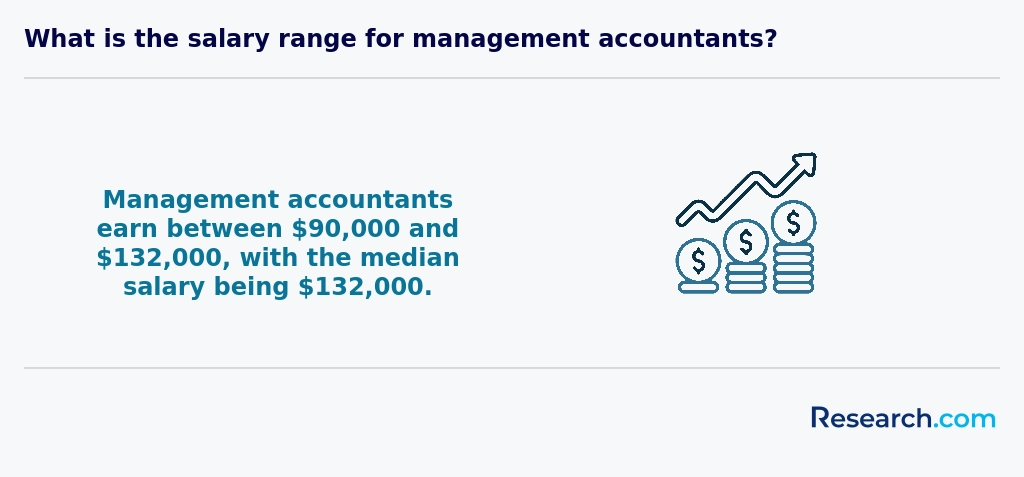
Graduates with an accounting degree in Lincoln step into a world where numbers tell stories and career options bloom like the city's vibrant downtown. Popular colleges in Lincoln have alumni who begin their journeys crunching numbers at local firms, then evolve into forensic accountants uncovering financial mysteries or management accountants steering budgeting strategies for growing businesses. The dance between financial reporting and ethical standards becomes a daily rhythm, making each day uniquely rewarding.
Accounting job opportunities in Lincoln are as diverse as its economy. Some graduates find themselves auditing nonprofit organizations, helping maintain community trust, while others dive into government finance, ensuring public dollars are wisely spent and policies followed. The city's scene also welcomes tax experts, finely tuning tax planning much like a workshop artisan perfecting their craft.
Those who dream bigger chase Certified Public Accountant credentials, often while working at renowned regional firms located here. This path opens doors to roles that fuse expertise and ambition. Students who want to explore more options can find excellent advice on the best options by visiting accounting schools in South Carolina, adding a broader perspective to their Lincoln-centered journey.
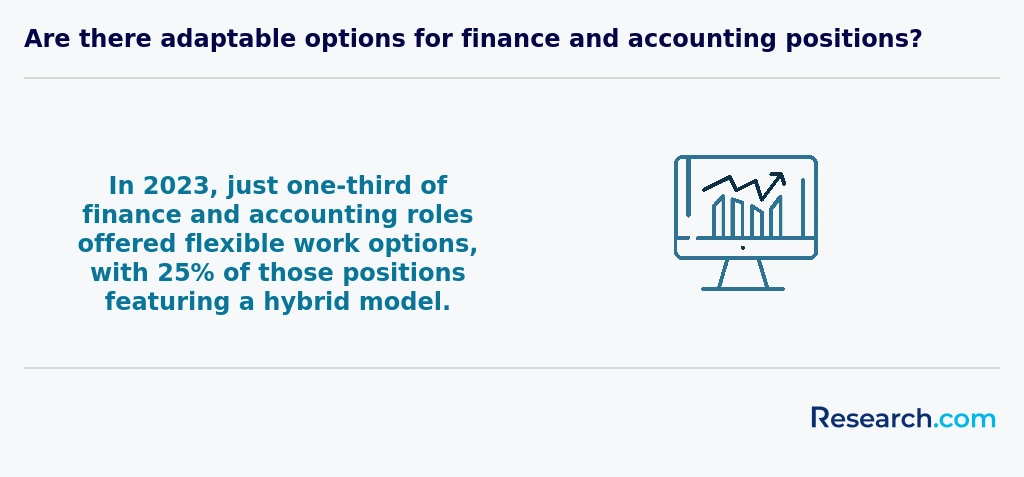
The accounting jobs demand in Lincoln pulses steadily with opportunity, anchored by a cityscape brimming with finance, manufacturing, and government sectors hungry for skilled hands. Graduates from the University of Nebraska-Lincoln find themselves stepping into a job market where local firms and regional branches crave talent able to manage ledgers, decipher regulations, and craft strategy. One recent graduate recalls landing an internship through the Nebraska Society of CPAs network that then transformed into a full-time role, illustrating the power of community connections here.
Lincoln accounting degree job outlook shines with practical promise-competitive salaries around $66,000 buzz alongside a cost of living that lets newfound professionals stretch their earnings. An investment in education here, especially accessing some of the cheapest accounting schools in Nebraska, feels like a smart plan rather than a gamble. Classrooms buzz not only with theory but with activities fostering CPA certification paths and hands-on internships that graduates say feel like a crystal-clear route to career launch.
2027 Most Affordable Accounting Degree Programs Ranking in Lincoln
Investing in your education is a significant decision that can shape your future, and the Research.com team understands the importance of making informed choices. To assist prospective students in Lincoln, we have meticulously crafted the "2027 Most Affordable Accounting Degree Programs Ranking in Lincoln." Our commitment to quality, credibility, and accuracy is reflected in the extensive research and analysis conducted to compile this ranking.
We utilized the following reputable data sources to ensure a comprehensive evaluation of accounting degree programs:
By exploring this ranking, readers will gain valuable insights into the most affordable accounting degree programs in Lincoln, enabling them to make well-informed decisions about their educational investments. For more details on our methodology, please visit our Research.com methodology page.

# 2 position
University of Nebraska-Lincoln
Bachelor of Science in Business Administration in Accounting

Frequently Asked Questions About accounting
Accounting degree students in Lincoln can maximize their learning by actively engaging with local internship opportunities. Firms such as BKD CPAs & Advisors and Williams & Company LLP frequently offer internships, providing valuable real-world experience. According to the Nebraska Department of Labor, internships increase the likelihood of employment by over 50% for accounting graduates in the region.
Students should also take advantage of networking events hosted by the Lincoln Chapter of the Nebraska Society of CPAs. These events allow connections with professionals and mentors, enhancing career prospects.
Additionally, utilizing resources like Lincoln Public Library's business databases supports academic research and practical learning. Strong fundamentals in accounting software like QuickBooks and Excel are essential, as local employers prioritize these skills.
The accounting field in Lincoln is evolving rapidly, with several emerging niches attracting attention. One key area is forensic accounting, which blends accounting with investigative skills to detect fraud and financial misconduct. Demand for forensic accountants in Nebraska is expected to grow by 11% over the next decade, according to the U.S. Bureau of Labor Statistics.
Another growing niche is sustainability accounting, focusing on environmental and social impact reporting. As corporations increase transparency, accountants skilled in this area are gaining importance. Additionally, technology-driven roles like data analytics and blockchain auditing are opening fresh career paths within the field.
These emerging specialties reflect broader trends shaping the future of accounting education and employment opportunities in Lincoln.
After completing an accounting degree in Lincoln, preparing for the job market involves several key steps. Gaining practical experience through internships with local firms can significantly improve employability. Lincoln hosts various mid-sized accounting companies and branches of national firms that offer such opportunities, often leading to full-time positions.
Networking is another critical element. Joining organizations like the Nebraska Society of CPAs allows graduates to connect with professionals, attend workshops, and stay informed about industry trends specific to Nebraska and Lincoln.
Additionally, pursuing certifications such as the CPA is essential. To sit for the CPA exam in Nebraska, you must meet education and experience requirements, which enhances credibility with employers.
According to the U.S. Bureau of Labor Statistics, accounting jobs in Nebraska are expected to grow by 5% through 2031, emphasizing steady demand in the region. Engaging actively with the local accounting community increases your chances to capitalize on these opportunities.
Employers in Lincoln seek accounting graduates with strong technical skills such as proficiency in financial reporting, tax preparation, and auditing. Knowledge of accounting software like QuickBooks and Microsoft Excel is highly valued. According to the Nebraska Department of Labor, attention to detail and analytical abilities are essential for success in this field. Communication skills also rank highly, as accountants must explain financial data clearly to clients and colleagues.
Beyond technical expertise, employers look for adaptability and a willingness to continue learning, especially with changing tax laws and regulations. Internships and practical experience gained during study can significantly boost employability in Lincoln's competitive job market.
Finding internships in Lincoln related to an accounting degree involves leveraging local resources and connections. Start by exploring career services at universities such as the University of Nebraska-Lincoln, which often partners with regional firms to offer accounting internships. According to the Nebraska Department of Labor, Lincoln hosts over 1,000 businesses where accounting skills are in demand, especially in finance, insurance, and public accounting sectors.
Networking through local chapters of professional organizations like the Nebraska Society of CPAs can also open doors. Additionally, checking internship listings on job platforms and city economic development websites can provide updated opportunities specifically available in Lincoln.
Obtaining an accounting degree in Lincoln significantly enhances career mobility and advancement opportunities. Graduates with this qualification are better positioned to enter diverse fields such as auditing, tax preparation, and financial analysis. According to the U.S. Bureau of Labor Statistics, accountants in Nebraska, including Lincoln, earn a median annual wage of around $72,000, well above many other professions, which supports upward economic mobility.
Lincoln's local job market favors candidates with formal education due to the presence of multiple accounting firms and corporate financial departments. Earning a degree also enables eligibility for certifications like the CPA, which are highly valued for career progression. Thus, holding an accounting degree directly correlates with greater job security and promotion potential in Lincoln's competitive business environment.
Studying for an accounting degree in Lincoln equips students with skills applicable across multiple disciplines. Programs often include courses in finance, economics, and information systems, fostering a broad understanding essential for interdisciplinary roles. According to the University of Nebraska-Lincoln, its accounting curriculum integrates analytics and communication training, preparing graduates to work alongside professionals in marketing, management, and technology sectors.
Lincoln's growing business community, highlighted by the Lincoln Partnership for Economic Development, demands professionals who can navigate financial data within diverse organizational contexts. Approximately 35% of accounting graduates from the area report roles that blend accounting with operations or strategic development, underscoring the program's interdisciplinary reach.
Such education provides a foundation for careers in consulting, risk management, and beyond, where accounting intersects with other domains, making Lincoln an advantageous location for holistic professional preparation.
When choosing between a thesis and a non-thesis accounting degree program in Lincoln, students should consider their career goals and learning preferences. A thesis program emphasizes research skills and is suited for those planning to pursue graduate studies or work in analytical roles. It requires writing and defending a research project. In contrast, non-thesis programs focus more on practical coursework and often include internships or capstone projects, preparing students for immediate employment.
According to the National Center for Education Statistics, many Lincoln institutions offering accounting degrees provide both options, catering to diverse student needs.
Cost and program length may also influence the decision; thesis tracks can take longer due to research requirements.
Students based in Lincoln who wish to study accounting abroad have several pathways through U.S. higher education partnerships and exchange programs. Many universities in Nebraska, including those around Lincoln, participate in international exchange agreements with institutions in countries known for strong accounting programs, such as the UK, Canada, and Australia.
Through these exchange programs, students can spend a semester or year abroad while earning credits toward their accounting degrees. The University of Nebraska-Lincoln, for instance, offers study abroad opportunities supported by its Office of Global Strategies, facilitating international learning experiences in accounting and related business fields.
Additionally, students may consider enrolling directly in foreign universities accredited for their accounting degrees, but should verify U.S. recognition of these credentials to ensure smooth professional certification back home. Costs and financial aid options vary greatly depending on the destination and program chosen.
Students pursuing accounting degrees in Lincoln have several part-time job opportunities that can enhance their educational experience. One common role is working as a bookkeeping assistant or accounting clerk, where students apply basic accounting principles in real business settings. These positions often pay around $15 to $20 per hour, according to Nebraska Department of Labor statistics.
Internships at local accounting firms provide valuable exposure to tax preparation, auditing, and financial reporting. Additionally, roles in university financial offices or small businesses offer practical experience with accounting software such as QuickBooks and Excel.
These job opportunities help students develop technical skills and improve their resumes while studying.
Accounting students in Lincoln benefit from a variety of networking opportunities that support their career growth. The University of Nebraska-Lincoln, a key institution in the city, hosts events such as accounting club meetings and guest lectures featuring local professionals. These gatherings enable students to connect directly with potential employers and established accountants.
Local chapters of national organizations like the American Institute of CPAs (AICPAs) offer workshops and networking mixers, providing students with valuable industry contacts. According to the Nebraska Society of CPAs, around 70% of its members are based in or near Lincoln, making it a vibrant hub for accounting professionals.
Additionally, internships with Lincoln-based accounting firms and participation in career fairs help students build practical connections essential for job placement after graduation.
Alumni networks provide valuable support for accounting degree students in Lincoln by connecting them with graduates who have firsthand experience in the local job market. These networks often offer mentorship, which helps students navigate internship opportunities and entry-level positions in accounting firms and businesses within the region.
According to the Lincoln Chamber of Commerce, over 65% of recent accounting graduates found jobs through alumni referrals or networking events. This highlights the practical advantage of staying engaged with alumni groups, which frequently organize workshops and career fairs tailored to accounting professionals.
Such connections also enable access to industry insights, helping students understand specific requirements for certifications like the CPA, which holds a 70% pass rate in Nebraska, indicating a strong local commitment to professional standards.
Students pursuing an accounting degree in Lincoln can tailor their studies to align with specific career goals through elective courses and specialized tracks. Many local institutions offer options such as forensic accounting, taxation, or auditing, allowing learners to deepen expertise in areas that match their ambitions. Internships with Lincoln-based firms provide practical experience and networking opportunities critical for job placement. Additionally, students can enhance their credentials by preparing for certifications like the CPA, which is highly regarded in Nebraska's accounting job market. Reviewing program curriculums and discussing goals with academic advisors can ensure the degree meets long-term professional needs.
Accounting students in Lincoln often face challenges balancing rigorous coursework with practical experience requirements. Many programs emphasize mastering complex topics like tax law, auditing, and financial reporting, which can be demanding for students new to these subjects. According to the Nebraska Department of Education, about 40% of accounting students report stress related to meeting academic deadlines while preparing for the Certified Public Accountant (CPA) exam.
Additionally, internship opportunities in Lincoln's competitive job market sometimes prove limited, making it difficult for students to gain relevant hands-on experience. Financial constraints and the cost of materials and exam fees also pose hurdles for many learners pursuing their degrees locally.
With an accounting degree in Lincoln, you can pursue several respected professional certifications to advance your career. The most common is the Certified Public Accountant (CPA), which requires passing the Uniform CPA Exam and meeting education and experience standards set by Nebraska's Board of Public Accountancy. Earning a CPA license can open doors in public accounting, auditing, and tax preparation.
Another valuable certification is the Certified Management Accountant (CMA), which emphasizes financial management and strategy. This certification, offered by the Institute of Management Accountants, is recognized nationwide and often leads to higher salaries and leadership roles.
Additionally, the Certified Internal Auditor (CIA) is an option for those interested in internal auditing. The CIA designation, offered by The Institute of Internal Auditors, is well-regarded in both private and public sectors.
Locally in Lincoln, professionals with these certifications tend to have better job prospects and earnings, according to Nebraska Workforce reports and Lincoln job market analyses.
Writing a winning application for an accounting program in Lincoln requires clear organization and attention to detail. Start by thoroughly researching the specific schools and their admission requirements, as Lincoln hosts several institutions offering accredited accounting degrees. Highlight your academic achievements, especially in math and related subjects, as these are critical for accounting studies.
Include relevant experience such as internships, part-time jobs, or volunteer work that demonstrates your interest and skills in accounting. According to the Lincoln Chamber of Commerce, local accounting firms value practical experience when considering applicants.
Strong letters of recommendation from teachers or employers can enhance your application. Additionally, craft a concise personal statement explaining your motivation for choosing accounting and how you plan to contribute to the field.
Finally, proofread carefully to avoid errors and submit all materials on time to meet application deadlines typical for Lincoln-area schools, usually between November and January.
The accounting profession in Lincoln reflects broad global trends emphasizing adaptability and technological skills. Globally, accountants must navigate increasingly complex international financial regulations and standards, such as IFRS, while U.S.-based practitioners primarily follow GAAP. Lincoln's universities prepare students for this by incorporating relevant global accounting principles into their curricula. According to the Bureau of Labor Statistics, accounting jobs in the U.S. are projected to grow 7% from 2021 to 2031, with Lincoln showing a steady demand aligned with national trends. Understanding global markets and cross-border financial transactions is crucial for accountants aiming to work with multinational companies.
Gaining practical experience while studying for an accounting degree in Lincoln is essential for building a competitive edge in the job market. Many local institutions encourage internships with firms in Lincoln's growing finance and business sectors. These internships provide real-world exposure to accounting practices and financial reporting.
Additionally, some universities offer cooperative education (co-op) programs that integrate paid work terms with academic semesters. According to the Nebraska Department of Labor, finance-related internships in Lincoln have grown by 12% in recent years, reflecting strong demand for practical training.
Students can also join campus accounting clubs and participate in volunteer tax assistance programs to develop skills and build professional networks.
Choosing the right concentration within an accounting degree program in Lincoln involves understanding your career goals and the local job market. Popular concentrations include auditing, taxation, forensic accounting, and managerial accounting. According to the Nebraska Department of Labor, Lincoln's accounting sector is growing steadily, with a 5% increase in accounting jobs projected through 2028.
Students should explore concentrations that align with regional demand. For instance, taxation is highly relevant due to Lincoln's diverse business community. Additionally, consider certifications like CPA or CMA, which often dictate specialization choices. Reviewing university program curricula and speaking with advisors can help match interests with market needs.
- 2027 Most Affordable Accounting Degree Programs Ranking in Minneapolis
- 2027 Most Affordable Accounting Degree Programs Ranking in Saint Paul
- 2027 Most Affordable Accounting Degree Programs Ranking in Saint Louis
- 2027 Most Affordable Accounting Degree Programs Ranking in Madison
- 2027 Most Affordable Accounting Degree Programs Ranking in Conway
- 2027 Most Affordable Accounting Degree Programs Ranking in Denver
- 2027 Most Affordable Accounting Degree Programs Ranking in Chicago
- 2027 Most Affordable Accounting Degree Programs Ranking in Memphis
- 2027 Most Affordable Accounting Degree Programs Ranking in Dallas
- 2027 Most Affordable Accounting Degree Programs Ranking in Indianapolis
See What Experts Have To Say About Studying Accounting
Read our interview with Accounting experts

John Wermert, Ph.D., CPA
Accounting Expert
Associate Professor of Accounting
Middle Tennessee State University

Yaw M. Mensah
Accounting Expert
Professor and Interim Vice Dean for Strategic Partnerships
Rutgers Business School

- Skills You Need for a Career Path in Accounting | AIU https://www.aiuniv.edu/degrees/business/articles/top-skills-for-career-in-accounting
- Accountants of the Future https://www.deloitte.com/us/en/programs/center-for-controllership/blogs/future-of-accounting-profession.html
- Why Is Accounting So Hard? Understanding Challenges and Misconceptions https://www.glasscubes.com/why-is-accounting-so-hard-understanding-challenges-and-misconceptions/
- Accountant Salary | State-by-State Accounting Salaries https://www.allbusinessschools.com/accounting/salary/
- How to Choose a Degree in Accounting | Accounting.com https://www.accounting.com/resources/choosing-a-program/
- Mastering the Art of Networking: A Guide for Accounting Students https://www.wscpa.org/blog/607cb669-8d98-427e-8c9b-06129d9297e8:mastering-the-art-of-networking-a-guide-for-accounting-students
- Why CA Firms Can't Afford to Overlook Alumni Networks: A Key Strategy for Growth and Success https://hoopstr.ai/corporate-resource-center/blog/why-ca-firms-need-to-adopt-corporate-alumni-programs-for-growth-and-success-in-a-changing-industry
- Are accounting students overloaded and under-supported? https://www.studentvoice.ai/blog/accounting-students-challenges-with-workload-and-support/
- 5 accounting certifications without a degree | Becker https://www.becker.com/blog/career/5-accounting-certifications-you-can-earn-without-a-degree
- How do they influence the accounting students' career choice? https://edulearn.intelektual.org/index.php/EduLearn/article/download/19870/10113