
2027 Fastest Online Accounting Degree Programs Ranking in Texas

Co-Founder and Chief Data Scientist
Choosing the right accounting degree program in Texas can feel overwhelming. That's why we're here to help with the 2027 Fastest Online Accounting Degree Programs Ranking in Texas, created by the Research.com team of data scientists.
This article offers clear, trustworthy insights so you can find programs that fit your goals and lifestyle. Earning an accounting degree opens doors to stable, rewarding careers with great growth potential.
Whether you're starting fresh or advancing your skills, this ranking makes your decision easier and more confident.
Key benefits of getting online accounting degree in Texas
- Graduates with an online accounting degree in Texas can expect strong earning potential, such as a Staff Accountant making a mean annual wage of $90,780 and a Bookkeeper earning around $49,580.
- Career paths for accounting graduates include roles like Tax Preparer, Associate Auditor, and Accounts Payable Clerk, providing diverse opportunities for growth and specialization within Texas's thriving job market.
- Choosing an online accounting degree offers flexibility and accessibility, allowing students from anywhere in Texas to balance work and study effectively, as demonstrated by many successful graduates from popular Texas universities.
- 2027 Fastest Online Accounting Degree Programs Ranking in Texas
- What can I expect from online accounting degree in Texas?
- Where can I work with online accounting degree in Texas?
What can I expect from online accounting degree in Texas?
The average cost of an online accounting degree in Texas varies, but many graduates from public universities report tuition rates generally between $8,000 and $15,000 for a full bachelor's program as in-state students. These schools offer a balance of affordability and quality, which allows working adults to invest in their education without overwhelming financial pressure. Graduates often recall the relief of manageable payments especially when combined with financial aid, scholarships, or employer tuition reimbursement.
Private institutions or out-of-state tuition can push costs higher, sometimes doubling the amount, yet students find value in specialized faculty and networking opportunities that come with those programs. Popular Texas colleges known for accommodating online accounting students create flexible payment plans that ease the path for many balancing work and family.
Students appreciate how tuition fees align with gaining CPA exam eligibility and building proficiency in software common in Texas industries like QuickBooks and Excel. This practical edge helps graduates feel confident stepping into local roles such as auditors or financial analysts without financial anxiety overshadowing their learning journey.
Where can I work with online accounting degree in Texas?
With an online accounting degree in Texas, graduates often find themselves stepping confidently into a variety of rewarding careers. Many land roles in public accounting firms based in vibrant cities like Houston or Dallas, where they engage in auditing and tax preparation, gaining hands-on experience that feels both challenging and fulfilling. Alumni from institutions like the University of Texas at Austin have shared how working at local firms opened doors to diverse clients and sharpened their skills quickly.
Others gravitate toward corporate accounting within Texas's major industries, such as energy in Houston or technology in Austin. Here, accountants handle budgeting, financial analysis, and internal audits, contributing directly to big decisions in companies like ExxonMobil or tech startups. Graduates often express satisfaction in seeing their work impact real business growth.
State and local government agencies also present meaningful opportunities, where transparency and public accountability create a strong sense of purpose. For those drawn to nonprofit organizations, managing donor funds and ensuring sustainability offers a fulfilling way to use accounting skills for social good.
Pursuing a CPA license in Texas further enhances prospects, often unlocking leadership roles and fostering professional pride. These pathways demonstrate that an online accounting degree from Texas institutions equips students not just with technical knowledge but also with confidence to thrive in diverse environments.
Graduates with an online accounting degree in Texas often find rewarding opportunities that reflect the region's dynamic economy. For example, alumni from well-regarded institutions like the University of Texas at Austin or Texas A&M note starting salaries close to the mean annual wage of $90,780 for staff accountants, according to the latest BLS data.
Many graduates begin their careers in roles such as bookkeepers, tax preparers, or accounts payable clerks, where salaries typically average around $49,580. This entry-level income provides a solid foundation, often experienced by those just stepping into the professional world after completing their degrees online.
As graduates gain experience and explore specialized fields, like auditing or financial analysis, earnings rise considerably. Associate auditors, also averaging about $49,580, benefit from steady demand in Texas's major cities. The growth of local economies and business sectors in Dallas or Houston often leads to salary enhancements, offering graduates reasons to feel optimistic about their financial futures.
Being part of Texas's vibrant accounting community after studying online instills confidence. Graduates frequently remark on how their degree's flexibility combined with solid, competitive wages fuels both professional satisfaction and personal growth.
- Many accredited Texas universities offer fully online Bachelor of Business Administration or Bachelor of Science degrees in accounting, usually requiring about 120 credit hours.
- Tuition for online accounting degrees at public Texas universities ranges from $8,000 to $15,000 per year for in-state students, totaling approximately $32,000 to $60,000.
- Entry-level accountants in Texas earn between $50,000 and $60,000 annually, with median salaries rising to about $75,000 to $85,000 after gaining experience.
- Texas has steady job growth in accounting, especially in major cities like Houston, Dallas, Austin, and San Antonio, due to its diverse economy including energy, technology, healthcare, and finance.
- Online programs often include CPA exam preparation and assist students in meeting Texas's 150-semester hour education requirement for CPA licensure.
Completing an online accounting degree in Texas generally takes around four years for full-time students pursuing a bachelor's degree. Graduates from institutions like the University of Texas and Texas A&M often share how this timeframe fits well with balancing studies and personal commitments, especially when courses mirror the pace and rigor of traditional programs.
Some students with prior credits or associate degrees find accelerated paths through programs at places like Texas State University, finishing in as little as two to three years. These flexible options make it easier to work while studying, which many recent graduates appreciate for managing life's demands without sacrificing progress.
Graduate programs, including the Master of Science in Accounting, typically add one to two years after the bachelor's degree. Many Texas schools offer part-time study or asynchronous classes, which graduates report as invaluable for working professionals seeking to advance without pausing their careers.
Time to completion is influenced by enrollment status, transfer credits, and course availability. These factors reflect each student's unique journey, allowing tailored experiences at respected Texas universities.
Prospective accountants in Texas must fulfill rigorous requirements set by the Texas State Board of Public Accountancy (TSBPA) to become a licensed Certified Public Accountant (CPA). To sit for the Uniform CPA Exam, candidates must complete 150 semester hours of education, including specified accounting and business courses. Many online programs in Texas integrate exam-focused coursework-such as advanced auditing, taxation, and financial reporting-that align with TSBPA guidelines, ensuring graduates have covered the board’s subject matter requirements. Effective CPA exam preparation involves more than coursework; it requires targeted review materials and practice tests. Top online accounting degree programs often partner with reputable review providers, offering students access to simulated exam environments and personalized study plans. These resources help candidates master the exam’s four sections: Auditing and Attestation (AUD), Business Environment and Concepts (BEC), Financial Accounting and Reporting (FAR), and Regulation (REG). Additionally, programs may host virtual study groups and one-on-one tutoring to reinforce difficult concepts and track individual progress. When researching degree options, consider programs that explicitly support licensure readiness. For those balancing cost and quality, explore the best affordable online bachelor’s degree in accounting, which combines comprehensive CPA review modules with affordable tuition. By selecting a program designed to meet Texas licensure standards and offering robust exam support, students can confidently navigate the CPA pathway and launch their accounting careers without delay.
Graduates from the University of Texas at Austin often reflect on the value of on-campus programs for their structured environment and face-to-face interactions. Attending classes in person allowed them to build strong connections with professors and peers, which made navigating group projects and career fairs more engaging.
In contrast, alumni from Texas A&M's online accounting program highlight the flexibility it offered. Balancing work and family commitments became manageable with remote access to lectures and assignments. They appreciated being able to progress at their own pace without sacrificing educational quality, especially since these accredited programs meet Texas's CPA 150-credit hour requirement.
Cost considerations are clear too: some online students at popular Texas universities noticed lower tuition rates or fewer campus-related fees, making the path more affordable. Yet, both online and on-campus students emphasize the importance of discipline-online learners especially must be self-motivated, while on-campus students benefit from immediate faculty support and campus resources.
Networking differs as well; on-campus learners enjoy organic events and local firm connections, while online students leverage virtual platforms and the Texas Society of CPAs to build professional relationships.
Graduates of online accounting programs in Texas can significantly boost their career prospects by pursuing professional certifications and engaging in continuing education. In today’s competitive job market, certifications not only validate your skills but also set you apart from peers by demonstrating in-depth expertise and a commitment to lifelong learning. Professional designations such as Certified Public Accountant (CPA), Certified Management Accountant (CMA), and specialized credentials in bookkeeping can provide a substantial edge. For instance, if you are keen to enhance your bookkeeping skills, exploring options like what is the best bookkeeping certification can be a strategic move toward career advancement. These certifications often require a mix of academic achievement, standardized examinations, and relevant work experience, ensuring that candidates meet industry standards of excellence. Many Texas institutions and accounting associations offer workshops, seminars, and online courses designed to help graduates stay updated with regulatory changes and technological advancements. By embracing these continuing education opportunities, you are better prepared to adapt to evolving financial landscapes and take on leadership roles. Additionally, the discipline required to maintain certification through periodic recertification courses further sharpens your professional skills, reinforcing the value of your education and experience.
The average cost of an online accounting degree in Texas typically centers around $27,684, with in-state students often paying about $20,772, while out-of-state students see median costs closer to $52,434. Graduates from well-known public universities in Texas have reflected on managing these expenses through careful financial planning and utilizing resources like scholarships and employer tuition assistance. For example, students enrolled in institutions within the Texas A&M or University of Texas systems often find that balancing tuition with additional fees such as technology charges and textbooks requires mindful budgeting but remains a manageable investment in their future.
In practical terms, the total tuition and fees for online accounting programs Texas can vary widely based on residency and whether a student attends a public or private university. Public universities tend to offer more affordable tuition for residents, which has helped many accounting students confidently pursue their degrees without insurmountable debt. Private institutions, on the other hand, may offer specialized programs but usually come with higher price tags.
One key insight from recent graduates is the importance of researching specific schools rather than relying solely on averages. They advise prospective students to explore offerings and financial aid options at their chosen schools deeply. Those seeking to minimize costs often start by looking into the cheapest accounting schools in Texas, which can provide a transparent view of the financial commitment involved and open the door to smart, informed decisions.

To finish in the shortest time while maintaining academic rigor, consider the following tactics:
- Enroll in continuous terms (including summer and winter sessions) to reduce gaps between semesters.
- Maximize transfer credits from community colleges or CLEP exams to skip introductory courses.
- Opt for accelerated or eight-week courses that cover material more quickly without compromising depth.
- Use competency-based assessments to test out of foundational accounting topics and save time.
- Plan course sequencing with an academic advisor to avoid scheduling delays.
- Evaluate tuition and fees in accelerated formats by comparing accounting degree online cost.
Many students pursuing an online accounting degree in Texas find financial aid essential for managing tuition costs. Graduates from universities like the University of Texas at Austin recall how completing the FAFSA opened doors to Pell Grants and federal loans, significantly easing their financial burden. With Pell Grants offering up to $7,395 annually, these funds can transform a stressful budget into one more manageable.
State programs also play a crucial role. Students at Texas A&M University often benefit from the Texas Grant Program and the Educational Opportunity Grant, both tailored to support those with financial need attending public institutions. These grants reflect the state's commitment to making education more accessible.
Scholarships, such as those awarded by the Texas Society of Certified Public Accountants Foundation, empower students by recognizing academic dedication and community involvement. Institutional aid, including merit-based scholarships or tuition discounts available at colleges like Texas State University, adds another layer of support that many online students appreciate.
Veterans report additional relief through state education codes combined with GI Bill benefits, helping them pursue their accounting goals. While private loans remain an option, combining federal, state, and institutional aid from real Texas programs creates a hopeful pathway for many.
When evaluating online accounting programs in Texas, understanding how schools prepare students for the CPA exam and their historical pass rates can be a critical factor in choosing the right path. Many top-ranked institutions integrate comprehensive review courses, dedicated exam prep workshops, and partnerships with leading CPA review providers directly into their curricula. This structured support often includes:
- Targeted Coursework Alignment: Core courses such as Advanced Financial Reporting and Ethics in Accounting are designed to mirror the AICPA exam blueprint, ensuring that students master concepts tested on all four sections-Auditing and Attestation, Financial Accounting and Reporting, Regulation, and Business Environment and Concepts.
- Practice Exam Banks: Access to extensive question banks and simulated exams helps normalize the testing environment, improving time management and reducing exam-day anxiety.
- Faculty-Led Workshops: Experienced faculty and industry veterans host live webinars and offer one-on-one coaching sessions focused on complex topics like revenue recognition and corporate taxation.
- Peer Study Groups: Virtual study cohorts foster collaboration, where students can discuss challenging problems and share exam-taking strategies in real time. Across Texas online programs, four-year cumulative CPA pass rates range from 58% to 72%, outperforming national averages in several cases. Schools that report passage rates above 65% often emphasize early intervention: identifying at-risk students via mock exam analytics and assigning personalized study plans. For graduates aiming to deepen their expertise and further boost CPA success, our Most Affordable Online Master’s in Accounting Degree Programs Ranking in the West highlights graduate pathways offering advanced CPA prep modules, affordable tuition, and strong alumni networks dedicated to professional certification.
To enroll in an online accounting degree program in Texas, a high school diploma or equivalent like a GED is non-negotiable. Graduates from well-known institutions like the University of Texas at Austin often recall how this basic credential opened the door for them to dive into advanced coursework confidently. Some students transferring from community colleges shared that having some college credits already in math or business boosted their acceptance chances.
Strong math skills are essential, especially foundational algebra and sometimes introductory statistics. Those who succeeded at Texas A&M University highlighted how early exposure to these subjects helped them grasp accounting principles more quickly and navigate complex financial problems with ease. Even without strict math course requirements, having a solid numerical background truly makes a difference.
While many Texas schools are now test-optional, some programs still request SAT or ACT scores. Transcripts play a major role-they reveal consistent academic discipline, which admissions committees at colleges like Baylor University appreciate. Some students felt reassured providing letters of recommendation or personal statements when asked, though these are less common in fully online programs.
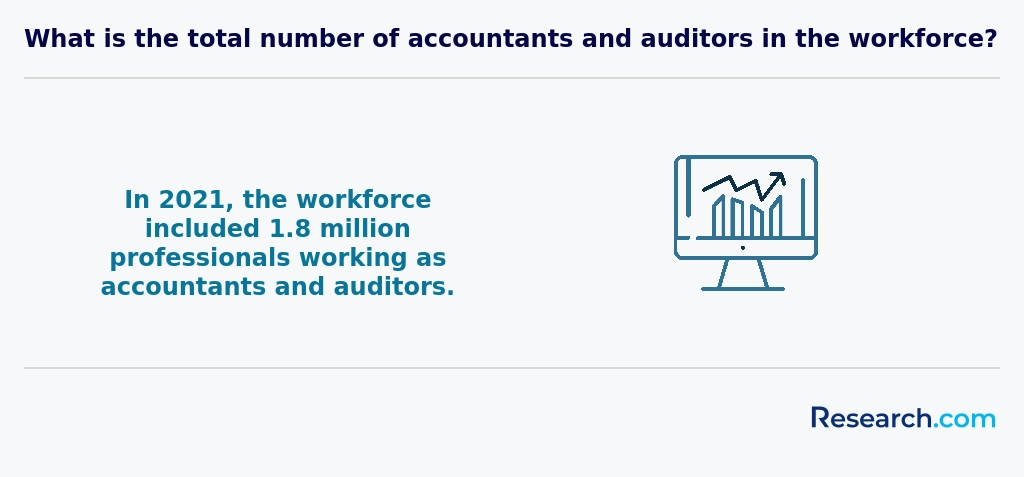
Pursuing an online accounting degree in Texas can be a financially savvy decision, with numerous institutions offering high-quality programs at competitive prices. When considering the cost of an online accounting degree, it's essential to factor in not just tuition but also other expenses such as textbooks, software, and potential travel costs for any on-campus requirements. For those looking to minimize their expenses, exploring the cheapest accounting schools in Texas can be a prudent first step. Many of these schools offer flexible payment plans, scholarships, and financial aid packages that can significantly reduce the overall cost of the degree. Furthermore, the flexibility of online programs allows students to continue working while studying, which can help offset some of the educational expenses. By carefully evaluating the total cost of attendance and the potential return on investment, aspiring accountants can make informed decisions about their educational pathways and set themselves up for long-term financial success in their careers.
Students pursuing an online accounting degree in Texas often find themselves immersed in courses that build both theoretical knowledge and practical skills essential for success. Graduates from well-regarded Texas institutions frequently highlight how foundational classes like Financial Accounting equipped them to confidently prepare and interpret real-world financial statements - a crucial skill when managing company finances or audits.
Managerial Accounting courses often resonate as eye-openers, revealing how internal business decisions hinge on cost analysis and budget planning. Many Texas graduates recall working through Taxation classes that demystified complex individual and corporate tax codes, directly tying coursework to preparation for CPA exam challenges specific to Texas regulations.
The inclusion of Auditing and Accounting Information Systems offers students hands-on experience with compliance methods and relevant technologies, such as Excel and QuickBooks, making them workplace-ready. Business Law and Economics classes further deepen understanding of the legal and financial landscapes in Texas, helping students see beyond numbers to the bigger picture in a dynamic market.
Online accounting degree specializations Texas students often choose reflect the state's dynamic economic landscape. Graduates of popular universities share how focusing on Taxation helped them confidently advise Texas small businesses on minimizing liability and navigating complex regulations. Others who pursued Auditing found themselves well-prepared for roles in Houston's corporate hubs, where demand for skilled auditors remains high.
For those drawn to investigative work, Forensic Accounting offers a thrilling path, training students to uncover financial fraud-a skill increasingly valuable in legal and corporate settings across Texas. Management Accounting specialization cultivates leadership in budgeting and planning, which graduates have praised for enhancing their consultancy careers within Texan organizations. Embracing technology through Information Systems Accounting, students gain expertise that meets growing needs in Texas's tech-driven economy, blending data analytics with accounting fundamentals.
These accounting concentration options Texas online programs provide align education with real-world demands, offering flexibility and relevance. Prospective students curious about foundational skills beyond specialization might explore what is the best bookkeeping certification to complement their degree.
Choosing the best online accounting degree in Texas means prioritizing accreditation first. Graduates from respected Texas institutions often emphasize how AACSB accreditation gave them confidence in the program's rigor and reputation, helping them feel prepared for the CPA exam and professional life. Attending well-known universities in Texas, these students appreciated how their degrees were recognized by employers across the state, making the job search smoother.
Affordability also shapes the journey significantly. Many students balance budgets by comparing options between public and private schools, noting that online programs sometimes offer lower tuition or flexible payment plans. Those who chose the best online accounting degree Texas found that exploring the best affordable online bachelor's degree in accounting options helped them manage costs without sacrificing quality.
Finally, program flexibility and curriculum relevance are critical. Graduates recall benefiting from courses aligned with Texas's CPA requirements and appreciated accelerated paths that fit their busy lives. Choosing programs that provide strong academic support helped them sustain motivation and achieve tangible career gains, making their degree both a practical and rewarding investment.

Graduates with an online accounting degree in Texas find a variety of rewarding career paths that open doors in many industries. Many step into roles as public accountants, offering crucial services like tax preparation and auditing, often starting their journey with practical experience gained through programs at universities such as the University of Texas or Texas A&M. Others pursue corporate accounting positions, managing budgets and evaluating performance within companies based in bustling cities like Dallas or Houston, where the demand for skilled accountants is strong.
Government accounting is another path, involving financial oversight and compliance work for local or state agencies, often seen as a stable and respected career choice. Internal auditing appeals to those interested in risk management and controls, while tax specialists focus on optimizing tax strategies for clients-each path reflecting the diverse online accounting career opportunities in Texas. Graduates appreciate how their studies, often aligned with CPA requirements, prepare them for these roles.
Cost-conscious students frequently explore the Most Affordable Online Master's in Accounting Degree Programs Ranking in the West, balancing quality education with practical tuition fees to enhance their accounting degree job prospects Texas offers.
The job market for online accounting degree graduates in Texas remains encouraging, with many finding rewarding roles soon after finishing their studies. Graduates from well-known Texas universities often share stories of juggling coursework with internships at major firms in Houston or Dallas, gaining hands-on experience that employers highly value. This balance between study and practical work makes the online route especially appealing for those wanting to stay in Texas while advancing their careers. The accounting career opportunities Texas online graduates encounter reflect the state's broad economic landscape, including strong demand in energy, healthcare, and technology sectors.
For those considering the financial side, it's reassuring to know that median salaries hover around $74,000, and starting wages often range from $50,000 to $60,000, depending on location and employer. Many students also tap into 6-month certificate programs that pay well to supplement their credentials, which can further boost their employment prospects and earnings potential.
Ultimately, the online accounting degree job outlook Texas offers combines steady demand, practical learning opportunities, and competitive pay, allowing graduates to confidently navigate the evolving job market.
2027 Fastest Online Accounting Degree Programs Ranking in Texas
Investing in your education is a significant decision that can shape your future, and the Research.com team understands the importance of making informed choices. To help prospective students find the best options, we have carefully developed the "2027 Fastest Online Accounting Degree Programs Ranking in Texas." Our dedication to quality, credibility, and accuracy is demonstrated by thorough research and detailed analysis in compiling this ranking.
We utilized the following reputable data sources to ensure a comprehensive evaluation of the programs:
By exploring this ranking, readers will gain valuable insights into the fastest online accounting degree programs in Texas, enabling well-informed decisions about their educational and professional futures. For more information about how this ranking was created, please visit our Research.com methodology page.


Frequently Asked Questions About accounting
Online accounting degree students in Texas can enhance their learning by actively engaging with interactive course materials and participating in virtual study groups. Utilizing resources such as Texas State Library's digital databases and software tutorials strengthens practical skills. Texas ranks among the top states for accounting jobs, with a 9% growth rate projected from 2022 to 2032 according to the U.S. Bureau of Labor Statistics, making up-to-date knowledge essential.
Students should also seek internships or part-time roles with Texas-based accounting firms, which provide real-world experience and networking opportunities. Additionally, leveraging university career services and joining organizations like the Texas Society of CPAs helps build professional connections.
The accounting field is evolving rapidly, creating new niches that online degree students in Texas should consider. One emerging area is forensic accounting, which involves investigating financial crimes and disputes. According to the Texas Workforce Commission, demand for forensic accountants in Texas is projected to grow faster than average through 2030.
Another niche gaining attention is environmental accounting, where professionals assess financial impacts related to sustainability and regulations. This is especially relevant in Texas due to the state's significant energy and manufacturing sectors.
Additionally, technology-driven roles like accounting information systems specialist are expanding. These professionals manage complex financial software and cybersecurity risks, essential skills highlighted by the Texas Society of Certified Public Accountants.
Exploring these niches can offer a competitive edge for students pursuing online accounting degrees in the state.
After earning an online accounting degree in Texas, preparing for the job market involves building both technical skills and professional connections. Obtaining certifications such as the CPA (Certified Public Accountant) can significantly enhance job prospects; Texas requires 150 semester hours for CPA eligibility. Networking through local chapters of organizations like the Texas Society of CPAs helps graduates access job openings and mentorship.
Internships and entry-level roles offer practical experience. According to the U.S. Bureau of Labor Statistics, Texas shows steady growth in accounting jobs, with a 7.6% increase expected by 2032. Strong communication and software proficiency, including QuickBooks and Excel, are also critical for career success in Texas's dynamic business environment.
Employers in Texas highly value accounting graduates who demonstrate strong technical skills, including proficiency in accounting software like QuickBooks and Excel. Familiarity with Generally Accepted Accounting Principles (GAAP) and tax regulations specific to Texas is essential. Analytical abilities and attention to detail are critical, as accurate financial reporting directly impacts business decisions.
Communication skills also rank high, since accountants often collaborate with teams and explain complex data to non-experts. According to the Texas Workforce Commission, the demand for accountants and auditors is expected to grow by 11% through 2030, highlighting the need for adaptable, tech-savvy professionals.
Ethical judgment and reliability are non-negotiable due to the fiduciary responsibilities involved in handling financial information.
Finding internships in Texas related to an accounting degree requires a strategic approach. Start by exploring resources offered by universities, as many Texas institutions have partnerships with local accounting firms and businesses. Websites like the Texas Society of CPAs provide internship listings and networking events. According to the U.S. Bureau of Labor Statistics, Texas has one of the highest growth rates in accounting jobs, increasing internship opportunities.
Another effective method is using online internship platforms tailored for accounting students, where roles in Houston, Dallas, and Austin are frequently posted. Additionally, contacting local chapters of national organizations, such as the American Institute of CPAs, can lead to valuable connections.
Obtaining an online accounting degree in Texas can significantly enhance career mobility and advancement opportunities. According to the Texas Workforce Commission, the demand for accountants and auditors in the state is projected to grow by 6% from 2022 to 2032, higher than the national average. This growth creates more job openings in various industries, including finance, government, and healthcare.
Online degrees provide flexibility, allowing working professionals to earn qualifications without pausing their careers. Graduates often qualify for positions such as financial analyst, tax advisor, or internal auditor, roles that typically offer upward career movement.
Furthermore, many Texas employers value accredited online programs, especially when graduates pursue licensure such as the CPA. The Texas State Board of Public Accountancy requires 150 semester hours of education, which many online programs fulfill, facilitating CPA eligibility and, in turn, career advancement.
Studying for an online accounting degree in Texas equips students with skills that extend beyond traditional accounting. Texas programs often integrate courses in finance, business law, and information systems, providing a broad knowledge base. This interdisciplinary approach prepares students to work in diverse roles such as financial analysis, compliance, and management consulting.
According to the Texas Higher Education Coordinating Board, many accredited Texas institutions emphasize critical thinking and technology proficiency, essential for modern accounting careers involving data analytics and strategic decision-making. This holistic curriculum supports graduates in adapting to dynamic business environments and collaborating across departments.
When choosing between a thesis and a non-thesis online accounting degree program in Texas, consider your career goals and learning preferences. A thesis program requires original research and a detailed paper, which suits students aiming for roles in academia, research, or pursuing a PhD.
Non-thesis programs focus more on coursework and practical skills, ideal for professionals seeking prompt entry into accounting roles such as CPA preparation or corporate accounting.
Texas accounts for over 150,000 accounting jobs, with the Texas Workforce Commission projecting a 10% growth rate through 2030, emphasizing demand for qualified accountants whether through research or applied knowledge.
Cost and duration may also differ: thesis paths often take longer and may involve faculty mentorship, while non-thesis options might be completed faster. Consult the specific Texas institution's curriculum and support services to align with your needs.
Students in Texas interested in studying accounting abroad while pursuing an online degree have several viable options. Many U.S. universities with strong accounting programs offer international study-abroad components integrated with online coursework, allowing students to gain global experience without disrupting their degree progress. Texas A&M University and the University of Texas system frequently collaborate with institutions worldwide to facilitate such opportunities.
Additionally, some accredited online programs partner with foreign universities, enabling students to engage in virtual exchange courses focused on international accounting standards. According to the Texas Higher Education Coordinating Board, approximately 15% of Texas accounting students express interest in international education, highlighting growing demand.
Students should ensure any foreign study aligns with CPA eligibility requirements in Texas, particularly concerning credit transfer and curriculum standards set by the Texas State Board of Public Accountancy.
Students pursuing online accounting degrees in Texas have various part-time job opportunities that align well with their education. Common roles include bookkeeping assistant, tax preparer, and accounting clerk, which provide practical experience in financial record-keeping and tax regulations.
According to the Texas Workforce Commission, bookkeeping and accounting technician roles are projected to grow by 7% through 2030. These positions often offer flexible hours, ideal for students balancing study with work.
Internships with CPA firms or corporate accounting departments in cities like Houston and Dallas also enhance learning while building professional networks. Many employers in Texas value candidates with hands-on experience combined with academic knowledge.
Such part-time roles strengthen understanding of accounting software like QuickBooks and SAP, crucial for certification exams and future career advancement.
Online accounting students in Texas have access to a variety of networking opportunities that can enhance their academic and professional growth. Many Texas universities offering online programs facilitate networking through virtual career fairs, alumni groups, and student organizations such as Beta Alpha Psi, an accounting honor society widely present in Texas.
Students can also connect with local chapters of professional associations like the Texas Society of CPAs (TXCPA), which hosts events, workshops, and networking sessions, both online and in major cities such as Houston and Dallas. TXCPA reported over 27,000 members statewide in 2023.
Additionally, regional business meetups and LinkedIn groups specifically for Texas accounting professionals offer online students practical connections within the state's dynamic accounting job market.
Alumni networks play a significant role for online accounting degree students in Texas by offering valuable connections in a competitive job market. These networks provide access to experienced professionals who often share job leads, mentorship, and industry insights. According to the Texas Society of CPAs, networking greatly enhances job placement rates for accounting graduates across the state.
Many Texas universities maintain active online alumni communities that foster professional development through webinars and local meetups. This connectivity is especially vital for remote learners who may lack in-person campus interactions. Leveraging alumni networks can also help students stay informed about Texas-specific accounting regulations and career trends.
Customizing an online accounting degree program in Texas allows students to align their education with specific career goals. Many Texas institutions offer elective courses focused on areas like taxation, auditing, or forensic accounting, enabling students to specialize according to industry demand. These programs often include options for CPA exam preparation, important since Texas employs over 130,000 accounting professionals, according to the Texas Workforce Commission (2023).
Students can also complement accounting studies with minors or certificates in business analytics or finance to enhance career prospects. Choosing flexible schedules or accelerated tracks helps balance education with professional commitments. Researching Texas schools' course offerings is essential to find programs that best fit individual aspirations.
Online accounting students in Texas often face challenges related to balancing coursework with personal and professional commitments. Many learners are working adults who must juggle jobs and family, which can limit time for studying. According to the Texas Higher Education Coordinating Board, about 60% of online students in the state report time management as a primary barrier.
Another common difficulty is limited access to hands-on learning experiences. Accounting requires proficiency with software like QuickBooks and Excel, and remote programs may offer fewer opportunities for live practice or internships. Additionally, some students struggle with staying motivated without the campus environment and face-to-face interaction, impacting their academic performance.
Technical issues also pose challenges. Reliable internet access varies across Texas, especially in rural areas, making it harder for students to attend live lectures or complete assignments on time. Lastly, understanding complex accounting regulations that differ slightly at the state level can complicate coursework for newcomers to Texas.
With an online accounting degree in Texas, graduates can pursue several respected professional certifications that enhance career opportunities. The most popular is the Certified Public Accountant (CPA) license, which requires meeting Texas State Board of Public Accountancy education and experience standards. According to the Texas Workforce Commission, CPAs earn a median salary 35% higher than non-certified accountants in the state.
Other certifications include the Certified Management Accountant (CMA), which focuses on financial management and strategy, and the Certified Internal Auditor (CIA), addressing auditing skills. These credentials are nationally recognized and accessible with an accounting degree.
Obtaining these certifications involves passing exams and fulfilling experience criteria, which can often be completed while working in Texas's growing accounting sector.
To write a winning application for an online accounting program in Texas, start by highlighting your academic background, especially in math and business courses. Texas schools often look for applicants with solid quantitative skills, reflecting the state's demand for competent accounting professionals. Clearly state your career goals, linking them to the accounting industry in Texas, which expects a 10% growth in demand by 2031 according to the Texas Workforce Commission.
Include any relevant work experience, internships, or certifications like CPA preparation. Demonstrating familiarity with Texas tax laws or business regulations adds value. Finally, write a concise personal statement that explains why an online program fits your schedule and how it will help you contribute to Texas's finance sector.
The global perspective on an accounting career highlights strong demand and adaptability across borders. Accounting skills are widely recognized and transferable, making this profession ideal for those seeking international opportunities.
In Texas, the accounting sector reflects this global trend. According to the U.S. Bureau of Labor Statistics, the state employed over 110,000 accountants and auditors in 2023, with a projected growth rate of 10% through 2031, faster than the national average.
Many Texas universities offer online accounting degrees with curriculum aligned to both U.S. and international standards, facilitating global competency for graduates. This increases the attractiveness of Texas-trained accountants worldwide.
Gaining practical experience while pursuing an online accounting degree in Texas is essential for career readiness. Many Texas universities encourage students to participate in internships with local firms, providing hands-on experience in tax preparation, auditing, and bookkeeping.
Additionally, online programs often include virtual labs and case studies that simulate real-world accounting scenarios. The Texas Society of CPAs offers student memberships, networking opportunities, and access to job boards specifically for Texas accounting students. According to the Texas Workforce Commission, internships increase employment chances by up to 30% within the state's competitive accounting job market.
Volunteer opportunities with nonprofit organizations also offer valuable experience. Combining these options helps students apply theory while building professional contacts in Texas.
Choosing the right concentration within an online accounting degree program in Texas depends on your career goals and interests. Common options include auditing, taxation, forensic accounting, and financial analysis. Texas has a strong demand for tax professionals, especially due to its complex state and local tax systems, making taxation concentrations popular among students.
Consider the industry you want to work in; for example, forensic accounting is valuable in law enforcement and fraud investigation fields, which have grown by over 10% statewide since 2020, according to the Texas Workforce Commission. Auditing prepares you for roles in public accounting firms and corporations, with Texas hosting thousands of such employers.
Research programs that offer specialized courses aligning with Texas's business environment and check for CPA exam preparation, as Texas requires CPA certification for many accounting roles. Use resources from the Texas Society of CPAs to understand which concentration best fits your professional aspirations.
- 2027 Fastest Online Accounting Degree Programs Ranking in Arkansas
- 2027 Fastest Online Accounting Degree Programs Ranking in Kansas
- 2027 Fastest Online Accounting Degree Programs Ranking in Missouri
- 2027 Fastest Online Accounting Degree Programs Ranking in Colorado
- 2027 Fastest Online Accounting Degree Programs Ranking in Tennessee
- 2027 Fastest Online Accounting Degree Programs Ranking in Alabama
- 2027 Fastest Online Accounting Degree Programs Ranking in Georgia
- 2027 Fastest Online Accounting Degree Programs Ranking in Florida
- 2027 Fastest Online Accounting Degree Programs Ranking in Iowa
- 2027 Fastest Online Accounting Degree Programs Ranking in Illinois
See What Experts Have To Say About Studying Accounting
Read our interview with Accounting experts

John Wermert, Ph.D., CPA
Accounting Expert
Associate Professor of Accounting
Middle Tennessee State University

Yaw M. Mensah
Accounting Expert
Professor and Interim Vice Dean for Strategic Partnerships
Rutgers Business School

- Accounting Online Degree Pathway https://www.learndirect.com/course/accounting-online-degree
- Jobs you can get with a degree in Accounting | Monroe University https://www.monroeu.edu/academics/undergraduate-programs/school-business-and-accounting/jobs-with-degree-in-accounting
- Inside the world of accounting internships: What to expect : ThisWayToCPA : AICPA https://www.thiswaytocpa.com/work-experience/articles/internships/inside-world-accounting-internships-what-expect/
- Online Accounting Degree | University of Phoenix https://www.phoenix.edu/online-business-degrees/accounting-bachelors-degree.html
- Earn an Online Accounting Degree | OEDb.org https://www.oedb.org/rankings/online-accounting-programs/
- How Is Accounting Higher Education Preparing the Future ... https://run.unl.pt/bitstreams/00df48b8-e024-4711-a8e3-529769165df8/download
- Why International Career Mobility is Key to Attracting the Next Generation of Professional Accountants https://www.ifac.org/knowledge-gateway/discussion/why-international-career-mobility-key-attracting-next-generation-professional-accountants
- 5 Niches for Accountants to Consider - Samera Global https://sameraglobal.com/5-niches-for-accountants-to-consider/
- Expectations of accounting students in relation to their ... https://sevenpubl.com.br/anais7/article/download/4780/8840/19578
- Top 10 Accounting and Finance Skills Employers Want | Tamarack Recruiting | Tamarack Recruiting https://tamarackrecruiting.com/top-10-accounting-and-finance-skills-employers-want-tamarack-recruiting/


