2027 Fastest Online Bachelor's in Accounting Degree Programs Ranking in Minnesota

Co-Founder and Chief Data Scientist
Choosing the right online accounting degree program can feel overwhelming, especially with so many options available. This article introduces the 2027 Fastest Online Bachelor's in Accounting Degree Programs Ranking in Minnesota, created by the Research.com team of data scientists. It's designed to help you navigate your choices with confidence.
By exploring this ranking, you'll discover programs that balance quality and speed, allowing you to start your accounting career sooner. Earning an accounting degree opens doors to a rewarding profession with strong job prospects. Let this guide support your journey toward a brighter future.
Key benefits of getting online accounting degree in Minnesota
- Accounting degree graduates in Minnesota can expect strong salary prospects, with Staff Accountants earning a mean annual wage of $90,780 and other roles like Bookkeepers and Tax Preparers earning around $49,580 per year, reflecting great financial stability.
- Graduates often find diverse career paths in accounting, including roles such as Staff Accountant, Tax Preparer, and Associate Auditor, offering plenty of growth opportunities and the chance to build a rewarding professional network within Minnesota's business community.
- Online accounting degrees from reputable Minnesota universities provide flexible scheduling and lower costs, making it easier for students to balance work, family, and study while gaining the same respected qualifications as traditional degree holders.
- 2027 Fastest Online Bachelor's in Accounting Degree Programs Ranking in Minnesota
- What can I expect from online accounting degree in Minnesota?
- Where can I work with online accounting degree in Minnesota?
What can I expect from online accounting degree in Minnesota?
When you're thinking about the cost of an online accounting degree in Minnesota, it generally varies depending on the school but expect to pay somewhere between $15,000 and $30,000 for a full bachelor's program. For example, graduates from popular schools like the University of Minnesota or St. Cloud State often mention how flexible payment plans or scholarships really helped ease financial stress. Many students appreciated that they could keep working while studying, which made managing costs much more doable.
Since these programs are designed to fit around busy lives, it's common to find affordable options that don't compromise on quality. Plus, some colleges offer extra support for applying for financial aid or grants, which can make a huge difference. Imagine juggling work, family, and study without breaking the bank-that's what a lot of Minnesota online accounting students experience, and it leaves them feeling confident and ready to jump into their accounting careers.
Where can I work with online accounting degree in Minnesota?
If you earn an online accounting degree in Minnesota, you're stepping into a job market that's buzzing with opportunity. Graduates from well-known local schools often find themselves landing roles at public accounting firms, including the "Big Four," where they prepare to become CPAs-a credential that really boosts your career and paycheck. Imagine working in Minneapolis-St. Paul, crunching numbers at a big company's finance department or managing budgets at a popular healthcare provider.
Many grads also enjoy working for the state or local government, like at the Minnesota Office of the State Auditor, where the focus is all about making sure public money is handled right. Others love the chance to make a real difference in their communities by handling funds for nonprofits, which keeps growing and adding positions.
Whether your friends from local colleges are diving into corporate finance, government roles, or nonprofit work, the variety of options in Minnesota means there's likely a perfect fit for you, too!
If you're studying accounting online in Minnesota, you might be wondering, "How much can I really make?" Well, graduates from popular schools like the University of Minnesota or Metropolitan State University often step into roles like staff accountants, where the mean annual wage is around $90,780. That's pretty solid for an entry-level to mid-career position.
Some grads find themselves working as bookkeepers, tax preparers, or associate auditors, and in Minnesota, these jobs typically bring in about $49,580 annually. It's a great way to get your foot in the door and build experience while earning a steady paycheck.
Imagine starting with that steady income, then growing your skills and landing a position with a bigger salary or specialized field. Many grads from online programs feel excited knowing that these figures are right in line with local demand and industry standards. Plus, having flexible online classes means you can balance learning with real-world internships or part-time roles to boost your resume and income potential.
- Online accounting bachelor's degrees in Minnesota usually cost between $15,000 and $35,000 for in-state students, with public universities offering lower tuition than private ones.
- Entry-level accountants earn about $55,000 to $60,000 annually, while mid-career salaries range from $70,000 to $85,000, and senior professionals can earn over $100,000.
- The job market in Minnesota for accountants is stable, with a projected growth rate near 6% through 2030, matching the national average.
- Many online programs help students meet the 150 semester hours required for CPA licensure in Minnesota, supporting preparation for the CPA exam.
- Accreditation from ACBSP or AACSB is an important factor to ensure program quality and industry relevance for online accounting degrees.
If you're eyeing an online accounting degree in Minnesota, most students finish their bachelor's in about three to four years if they're going full-time. It's pretty flexible-some graduates from well-known schools like the University of Minnesota or St. Cloud State managed to speed things up by taking extra classes during summer sessions, wrapping up in just three years. That's a real time-saver if you're motivated and ready to hustle.
On the flip side, if you're balancing a job or family, part-time study stretches the program, but the online format really helps since you can study whenever it fits your schedule. A few grads shared how transferring credits from community colleges around Minnesota knocked a chunk off their workload, which felt like a big win.
Thinking beyond the bachelor's? Remember, if you aim for a Master's or CPA license, plan for 1-2 extra years. Minnesota's Board of Accountancy wants 150 credits total, so many opt for grad classes to hit that mark while keeping life balanced.
Choosing between online and on-campus accounting degrees in Minnesota really comes down to how you like to learn and what fits your life best. Online programs, like those at Metropolitan State University, let you study anytime, which is a huge win if you're juggling work or family. One graduate shared how finishing coursework late at night after a full day on the job made balancing everything way easier.
On the flip side, on-campus programs give you that classic college vibe-face-to-face chats with professors and classmates, which can be a big boost when you want quick feedback or to build connections in Minnesota's accounting scene. Graduates from University of Minnesota often mention how those in-person moments helped them land internships right in the Twin Cities, the hub for over 60% of local accounting jobs.
Cost-wise, online can save money on things like housing and commuting. But if you prefer the buzz of campus life and handy access to resources like study groups and CPA prep workshops, being on-site might feel more supportive. Both paths lead to the same CPA license opportunities, so it's really about what fits your lifestyle and learning style.
The average cost of an online accounting degree in Minnesota typically lands around $52,800 total, whether you're an in-state or out-of-state student. This median total cost gives you a solid idea of what to expect when budgeting for your education without getting lost in the wide range you might hear from different schools. For example, public universities like Minnesota State offer more affordable tuition that fits comfortably within this range. Graduates from these programs often share how the cost felt manageable considering the quality and flexibility of the online format, which helped them juggle work and study.
On the flip side, some private Minnesota schools may push costs higher, but students appreciate the accelerated pace or extra support these programs provide. This kind of scheduling can be a game-changer, especially if you're eager to finish your degree faster and jump into the workforce. When thinking about the total tuition and fees for Minnesota online accounting programs, remember additional expenses like technology fees or required proctored exams can add up, though many students find scholarships or employer tuition reimbursement programs ease this burden.
Many students also like to explore the fastest career to make money after graduation, and an accounting degree fits nicely into those plans. Checking resources like the College Board or NCES is helpful, but for real-world insights, talking with current students or grads from local schools is a great move. Plus, if you want to dive deeper into career paths that pay well, make sure to visit fastest career to make money.
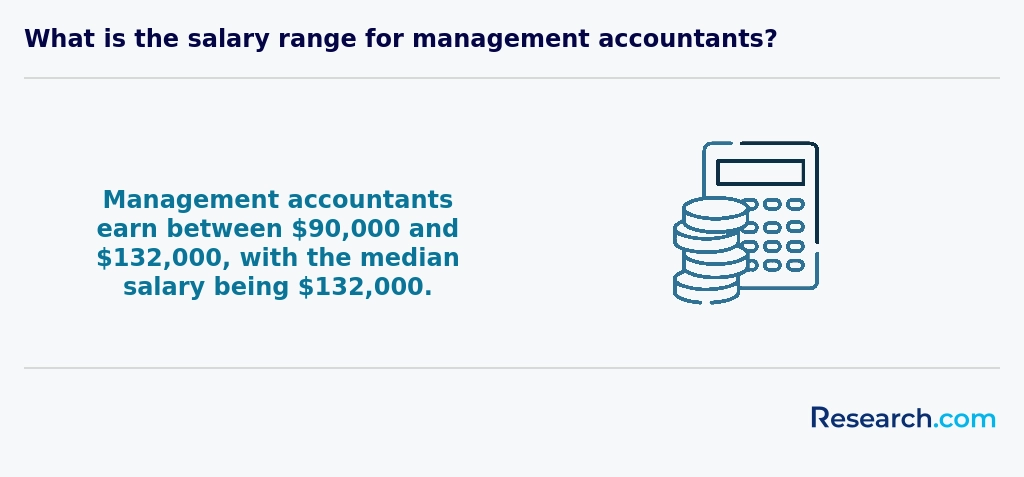
If you're studying accounting online in Minnesota, there's good news: financial aid options are pretty solid. Many students at places like the University of Minnesota or Minnesota State find federal aid super helpful, especially Pell Grants that don't need to be paid back-some get up to $7,395 per year. Applying for these is easy once you fill out the FAFSA, which is honestly the key step to unlock most of the aid.
On top of that, Minnesota residents can tap into state grants through the Minnesota State Grant program, which can give you between $250 and $5,000 depending on your financial situation and how many credits you're taking. Lots of grads mention how this helped them keep costs down without stacking up debt.
Plus, scholarships from groups like the Minnesota Society of CPAs really make a difference, especially if you're aiming to build a career in accounting. And don't overlook employer tuition assistance if you're juggling work; many local companies in Minneapolis and St. Paul support their employees with this.
Loans are also an option, but with lower interest rates and flexible repayment, they feel less stressful than you might expect. Combining these options can make your online accounting journey way more affordable and less overwhelming.
If you're thinking about enrolling in an online accounting degree in Minnesota, you'll first want to make sure you've got a high school diploma or something similar like a GED. Most local schools, including popular ones like the University of Minnesota or St. Cloud State, expect this as a baseline. Some grads shared how having a few college credits already made transferring smoother, especially when moving into upper-level accounting courses.
Test scores like the SAT or ACT used to be a must, but many schools are now test-optional, which is a relief if tests aren't your thing. You'll definitely need to send in your transcripts though; it's how schools check what math or business classes you've already tackled-something that really helped a few recent accounting grads accelerate their studies.
Also, don't be surprised if you have to complete some prerequisite courses, like algebra, basic economics, or getting comfortable with accounting software. It's pretty common and actually sets you up for success once you dive into the real accounting work.
Oh, and if English isn't your first language, prepare for TOEFL or IELTS scores to show you're ready to tackle coursework confidently in English. Many students appreciate this step as it builds confidence right from the start.
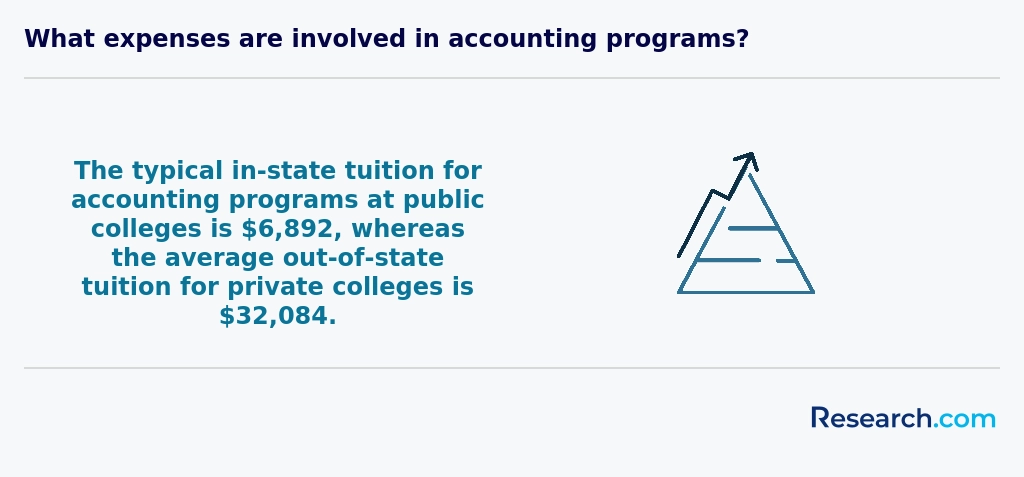
If you're diving into an online accounting degree in Minnesota, expect a mix of courses that really gear you up for the real world. You'll tackle financial accounting, which is all about reading and making sense of financial statements-super important when you want to understand how a company's doing. Managerial accounting jumps into budgeting and cost analysis, skills that grads from schools like the University of Minnesota often say helped them ace budgeting tasks in their first jobs.
Auditing classes train you to spot errors and make sure everything's above board, something graduates from popular state colleges find priceless when working in firms needing sharp eyes for detail. Taxation courses in these programs include not just general U.S. tax rules but also Minnesota's specific tax laws, which is a huge plus if you plan to work locally.
Business law, ethics, and tech-savvy accounting information systems also make the cut, prepping you to handle legal challenges and use the latest financial software. Many grads love how these courses made them feel confident stepping into complex business environments.
If you're thinking about an online accounting degree in Minnesota, you'll find some pretty cool specializations to choose from. For example, taxation is a big one-students learn all about state and federal tax laws, which grads from places like the University of Minnesota say really helped them step confidently into tax prep jobs. Then there's auditing and assurance services, which prepares you to check financial records for accuracy-super relevant for Minnesota's diverse industries like healthcare and manufacturing.
Lots of programs also offer forensic accounting, which is perfect if you're into catching financial fraud or working with government agencies. You'll also see options like financial and managerial accounting that dive into budgeting and business decisions, making you a real asset to any company. And don't forget about accounting information systems, where you mix tech with finance-something graduates from Minnesota State University found incredibly helpful in today's data-driven world.
Looking for a fast track? Some students explore 1 year phd programs online after their accounting degrees to boost their careers. These online accounting degree specializations Minnesota schools offer really cover all the bases for a successful future.
Picking the best online accounting degree in Minnesota isn't just about finding any program-it's about finding one that fits your life and career goals. Graduates from top state schools often rave about programs that are accredited by groups like ACBSP or AACSB, since this really helps when you're aiming for the CPA license. It's not just a checkbox; it's about feeling confident your coursework matches what employers care about, especially here in Minnesota's growing accounting field.
Many students love how courses at popular Minnesota colleges blend core subjects like tax and auditing with options like forensic accounting, which really sparks their interest. Plus, the cost matters-a lot. Minnesota's public schools usually have affordable tuition, and with scholarships and flexible pay plans, it doesn't break the bank. For those hunting affordable online accounting programs MN, it's smart to check out options listed at a cheapest online college site to find good deals.
Graduates also mention how quality online programs use interactive tools and real-world scenarios, like virtual labs, making it way easier to grasp tricky accounting concepts. And don't skip the career services-strong connections, CPA prep, and internships with local firms truly boost job chances right after graduation.

If you're earning your online accounting degree in Minnesota, you're opening doors to a bunch of cool career paths. Graduates from schools like the University of Minnesota or Saint Cloud State often jump into roles like corporate accounting, managing a company's financial records and reports. Others land government accounting gigs, helping local and state agencies keep budgets in check. Some grads get into forensic accounting, digging into financial mysteries and fraud - it's like being a detective, but with numbers.
Many also become Certified Public Accountants (CPAs), which really boosts job prospects around Minnesota. With the 150 semester hours requirement, online programs help you hit all the marks. Financial analysts are another solid option, especially around Minneapolis, where the finance scene is buzzing. If you want more info on the best schools to get started with accounting, check out these best accredited non profit colleges. It's a great way to find programs that fit your style and budget.
Online accounting careers in Minnesota offer variety and real opportunity. Whether you're into crunching numbers for businesses, governments, or working in specialized fields, you'll find paths where your skills really matter.
The job market for those with an online accounting degree in Minnesota is pretty solid right now. Graduates from popular schools around the state often find themselves landing roles like CPAs, auditors, or financial analysts, especially in cities like Minneapolis and St. Paul where there are more openings. Many grads appreciate how their online programs prepared them with tech skills that employers really want these days, making the transition into accounting jobs Minnesota feels smooth and promising.
It's also great that the state encourages online learners to prep for CPA certification, which can open doors to higher-paying gigs. Plus, salaries here are competitive, with starting pay around $52,000 and plenty of room to grow as you gain experience. If you're thinking about cost, many online programs in Minnesota stay on budget or below the $10,940 average tuition nationally, and you can find help through state grants and scholarships. For anyone hunting for affordable options, check out this list of accredited online colleges with no application fee.
Graduates frequently share how their curriculum matched Minnesota Board of Accountancy requirements, which really boosted their confidence when starting their careers. Overall, it feels like a practical and hopeful path if you want to jump into accounting jobs Minnesota offers without leaving the state for school.
2027 Fastest Online Bachelor's in Accounting Degree Programs Ranking in Minnesota
Investing in your education is a significant decision that can shape your future, and the Research.com team is fully aware of the importance of making informed choices. To support prospective students in Minnesota, we have carefully developed the "2027 Fastest Online Bachelor's in Accounting Degree Programs Ranking in Minnesota." Our dedication to quality, credibility, and accuracy is demonstrated through rigorous research and thorough analysis undertaken to produce this ranking.
We utilized the following reputable data sources to ensure a comprehensive evaluation of accounting programs:
By reviewing this ranking, readers will obtain valuable insights into the fastest online accounting degree programs in Minnesota, enabling them to make well-informed decisions about their educational journey. For more information about how this ranking was created, please visit our Research.com methodology page.

# 2 position
Walden University
Bachelor of Accounting


Frequently Asked Questions About accounting
Students pursuing online accounting degrees in Minnesota can enhance their learning by actively engaging with course materials and participating in virtual discussions. Utilizing resources such as tutoring centers and library databases offered by their institutions is essential. According to the Minnesota State Colleges and Universities system, about 40% of accounting students benefit from supplemental instruction programs, which improve comprehension of complex topics.
Internships and networking through local CPA societies in Minnesota provide practical experience and professional connections, crucial for career success. Aligning study schedules with Minnesota's accounting industry trends, including tax law updates and auditing standards, helps stay relevant. Employing technology tools like accounting software simulations further deepens understanding.
The accounting field in Minnesota is evolving rapidly, with several emerging niches gaining prominence. One significant area is forensic accounting, which involves investigating financial fraud and white-collar crime. Demand in Minnesota is growing as businesses and government agencies seek specialists to handle complex audits and legal investigations.
Another expanding niche is sustainability accounting, focused on measuring environmental and social impact. Minnesota's increasing commitment to green energy and corporate responsibility drives this trend. Additionally, technology-driven fields like data analytics and blockchain accounting are gaining traction, requiring accountants skilled in advanced software and cybersecurity.
According to the Minnesota Society of CPAs, professionals skilled in these areas can expect higher salary growth compared to traditional accounting roles.
After completing an online accounting degree in Minnesota, preparing for the job market involves building practical skills and professional connections. The state's accounting sector is expected to grow by 7% from 2021 to 2031, according to the U.S. Bureau of Labor Statistics, reflecting steady demand for skilled accountants.
Graduates should pursue internships or entry-level positions to gain hands-on experience. Earning certifications like the CPA, which requires 150 credit hours and passing an exam, greatly enhances employment prospects in Minnesota.
Networking through local chapters of organizations such as the Minnesota Society of Certified Public Accountants can help connect with employers. Additionally, mastering accounting software and staying current with tax laws will be crucial for success.
Employers in Minnesota seek accounting graduates with a strong foundation in technical and analytical skills. Proficiency in accounting software such as QuickBooks and Microsoft Excel is particularly valued, along with knowledge of Generally Accepted Accounting Principles (GAAP).
Communication skills are also critical as accountants frequently collaborate across departments and prepare clear financial reports. Critical thinking and problem-solving abilities enable graduates to analyze financial data and offer strategic insights.
According to the Minnesota Department of Employment and Economic Development, demand for accountants skilled in data analytics and regulatory compliance is rising due to evolving tax laws and financial regulations.
Time management and attention to detail remain essential as professionals balance multiple projects and ensure accuracy in reporting.
Finding internships in Minnesota relevant to an accounting degree requires strategic effort and knowledge of regional opportunities. Begin by exploring university career centers for students enrolled in online accounting programs; many have partnerships with local businesses and accounting firms. The Minnesota Society of Certified Public Accountants (MSCPA) often posts internship openings and networking events, helping students connect with employers. Additionally, websites like the Minnesota Department of Employment and Economic Development provide labor market data and job listings specific to accounting roles in the state. Major cities such as Minneapolis and St. Paul host numerous accounting firms offering internships, with competitive wage reports showing entry-level accounting interns earning between $15 and $20 per hour in 2023.
Internships not only build practical experience but also improve chances for CPA exam eligibility and future employment. Leveraging LinkedIn and professional accounting groups focused on Minnesota can further enhance internship searches. Using a combination of university resources, professional organizations, and state labor sites will maximize internship opportunities relevant to your accounting degree in Minnesota.
Obtaining an online accounting degree in Minnesota can significantly enhance career mobility and advancement opportunities. According to the U.S. Bureau of Labor Statistics, Minnesota's demand for accountants and auditors is projected to grow by 10% through 2032, faster than the national average. This growth creates a competitive advantage for degree holders.
An online degree offers flexibility, allowing professionals to continue working while advancing their education. Many employers in Minnesota value candidates with accredited degrees, particularly those aligned with CPA licensure requirements, which often require 150 credit hours of education.
Graduates with an online accounting degree can pursue diverse roles in public accounting firms, corporate finance, or government agencies, benefiting from the state's strong business environment. Institutions like the Minnesota Society of Certified Public Accountants highlight that continued education correlates with higher earning potential and promotion rates in the area.
Studying for an accounting degree in Minnesota equips students with skills applicable across various disciplines. Minnesota's programs emphasize foundational accounting principles alongside courses in finance, business law, and information technology. This interdisciplinary approach reflects the state's diverse economy, including prominent industries like manufacturing, healthcare, and agriculture.
Many Minnesota schools integrate real-world case studies and technology training, preparing graduates to collaborate with professionals in marketing, management, and data analysis. According to the Minnesota Department of Employment and Economic Development, accounting roles often require communication and analytical skills that overlap with other fields.
This broader educational focus enables graduates to adapt in dynamic workplaces, moving beyond traditional accounting tasks to support strategic decision-making and cross-departmental initiatives.
When choosing between a thesis and a non-thesis online accounting degree program in Minnesota, consider your career goals and learning preferences. A thesis program typically involves conducting original research and writing a detailed paper, which can prepare you for graduate studies or research-oriented roles. Non-thesis programs often focus more on practical skills and coursework, appealing to students targeting immediate employment or professional certifications like the CPA.
In Minnesota, accounting graduates earn a median annual wage of approximately $75,000, according to the Bureau of Labor Statistics. Selecting a program aligned with your career ambitions-whether research or practice-is essential to maximize your return on investment.
Consider also program flexibility and faculty expertise, as these vary between institutions offering online degrees in the state.
Students based in Minnesota who want to study accounting abroad have limited direct options due to the nature of US accreditation and credit transfer systems. Most international universities offer online accounting degrees, but these rarely align perfectly with Minnesota's education standards or CPA requirements. Accredited programs recognized by US bodies like AACSB or ACBSP are crucial for career paths in Minnesota.
Many Minnesota students choose to enroll in US-based online programs with global learning opportunities instead. According to the Minnesota Office of Higher Education, nearly 70% of accountants in the state hold degrees from accredited US institutions, highlighting the local market preference.
Additionally, some Minnesota schools have partnerships with foreign universities that allow students to complete certain courses abroad or online, blending global exposure with Minnesota credit recognition.
Students pursuing online accounting degrees in Minnesota have valuable part-time job opportunities that complement their studies and enhance professional skills. Positions such as accounting clerks, payroll assistants, and bookkeepers are common options within the state's growing financial sector. According to the U.S. Bureau of Labor Statistics, Minnesota employs over 16,000 bookkeeping and accounting clerks, reflecting steady demand.
Additionally, internships or part-time roles in tax preparation firms are particularly relevant during tax season. These roles provide practical experience with state and federal tax regulations. Many employers in Minnesota value familiarity with software like QuickBooks or Sage, which aligns well with academic coursework.
Such work not only bolsters resumes but also allows students to network within local accounting communities, essential for future career growth.
Online accounting students in Minnesota have several valuable networking opportunities despite studying remotely. Many universities offering online accounting degrees partner with local accounting firms and organizations, facilitating virtual internships and job placement services.
The Minnesota Society of Certified Public Accountants (MNCPA) provides a major professional network. Online students can access MNCPA's events, webinars, and local chapter meetings to connect with industry professionals statewide.
Additionally, Minnesota's strong business community, including the Twin Cities metropolitan area where over 60% of the state's accounting jobs are located (Bureau of Labor Statistics, 2023), offers numerous virtual career fairs and networking platforms specifically for accounting graduates.
Some schools also promote online student groups and alumni networks, allowing students to build relationships with peers and mentors relevant to Minnesota's accounting market.
Alumni networks provide significant benefits to students pursuing online accounting degrees in Minnesota. These networks connect current students with graduates who have navigated Minnesota's job market, offering valuable career advice and mentorship. According to the Minnesota Private College Council, about 70% of job opportunities for accounting professionals in the state come through personal connections.
Access to an active alumni network helps students gain insights about local firms such as Eide Bailly or Baker Tilly. Additionally, alumni events and online forums foster professional networking, increasing the chances of internships and job placements. For many students, these connections ease the transition from academic life to Minnesota's competitive accounting industry.
Moreover, strong alumni communities often collaborate with schools to provide continuing education and certifications tailored to Minnesota's regulatory environment, including CPA exam preparation resources. This support is crucial since the Minnesota Board of Accountancy reports increasing CPA candidates each year, highlighting the demand for well-connected graduates.
Many online accounting degree programs in Minnesota offer customizable options to help students align their education with specific career goals. Through elective courses, students can focus on areas like auditing, taxation, or forensic accounting, tailoring their skills to in-demand fields. Minnesota's strong financial sector, including firms in Minneapolis and St. Paul, makes specializations in corporate accounting particularly valuable.
Students can also choose programs with CPA preparation tracks, as Minnesota requires 150 credit hours for CPA licensure, encouraging extended coursework. Some schools provide flexible scheduling and internship opportunities with local businesses, allowing practical experience that matches career aspirations. Consulting resources like the Minnesota State Board of Accountancy can help inform these decisions.
Online accounting students in Minnesota often face challenges related to balancing their studies with work and family responsibilities, as many are adult learners returning to education. Access to reliable high-speed internet can be an issue in rural areas, limiting participation in live sessions or timely submission of assignments. Additionally, some students report difficulty in fully engaging with instructors and peers compared to traditional classroom settings, which can affect networking opportunities.
Accounting coursework requires mastery of complex principles and software, which may be harder to grasp without hands-on support. According to the Minnesota Office of Higher Education, 25% of online learners express concerns about staying motivated and managing time effectively, affecting their progress.
With an online accounting degree from Minnesota, graduates can pursue several respected professional certifications. The most common is the Certified Public Accountant (CPA) credential, which requires passing the Uniform CPA Exam and meeting state-specific experience and education requirements. Minnesota's Board of Accountancy mandates 150 credit hours and at least one year of related work experience for CPA licensure.
Other valuable certifications include the Certified Management Accountant (CMA), focusing on financial management and strategy, and the Certified Internal Auditor (CIA), for those interested in auditing roles. These certifications often improve job prospects and salary potential in Minnesota's competitive accounting market.
According to the Minnesota Society of CPAs, professionals with certifications tend to have higher earning potential and more career advancement opportunities in the state's accounting sector.
To write a winning application for an online accounting program in Minnesota, start by highlighting your academic achievements and relevant experience. Programs often seek applicants with strong quantitative skills and a foundational understanding of accounting principles.
Include a clear, focused statement of purpose explaining why you want to study accounting online and how it fits your career goals. Tailor this to Minnesota's job market, where accounting professionals earn a median wage of about $77,000 annually, per the U.S. Bureau of Labor Statistics.
Strong letters of recommendation from academic or professional contacts also enhance your application. Finally, ensure that all transcripts and test scores are accurate and submitted on time to meet enrollment deadlines.
Accounting is increasingly viewed as a global profession, offering diverse opportunities beyond Minnesota. According to the Bureau of Labor Statistics, the demand for accountants nationwide is expected to grow 7% from 2021 to 2031, reflecting steady international business growth. Professionals with a strong grasp of global accounting standards, such as IFRS, often have an edge in multinational firms. Minnesota's economy, with its broad industry base, supports accounting careers that engage with global supply chains and multinational corporations. Understanding cultural differences and international financial regulations is essential for accountants aiming to succeed in this interconnected environment, enhancing their career mobility worldwide.
Gaining practical experience while studying for an online accounting degree in Minnesota is essential for career readiness. Many Minnesota colleges offer remote internships and virtual cooperative education opportunities with local businesses and accounting firms. These allow students to apply coursework in real-world settings while maintaining flexibility.
Additionally, students can participate in volunteer tax preparation programs such as the IRS Volunteer Income Tax Assistance (VITA), which is active throughout Minnesota. This experience strengthens tax knowledge and client interaction skills.
Some universities also partner with Minnesota-based companies for project-based learning, enabling students to work on actual accounting problems. According to the Minnesota Society of Certified Public Accountants, hands-on experience greatly improves job prospects in the state.
Choosing the right concentration within an online accounting degree program in Minnesota involves assessing your career goals and the local job market. Popular specializations include auditing, tax accounting, forensic accounting, and managerial accounting. For example, Minnesota's growing financial sector demands strong tax professionals, making tax accounting a practical choice. According to the Minnesota Department of Employment and Economic Development, accounting and auditing jobs are projected to grow by 7% through 2030, aligning with national growth.
Consider your interests and skills, such as whether you prefer compliance tasks or financial analysis. Review course offerings from accredited Minnesota institutions to ensure they match your focus. Certifications like CPA, commonly required in Minnesota, may also influence your concentration choice.
- 2027 Fastest Online Bachelor's in Accounting Degree Programs Ranking in Iowa
- 2027 Fastest Online Bachelor's in Accounting Degree Programs Ranking in North Dakota
- 2027 Fastest Online Bachelor's in Accounting Degree Programs Ranking in Illinois
- 2027 Fastest Online Bachelor's in Accounting Degree Programs Ranking in Missouri
- 2027 Fastest Online Bachelor's in Accounting Degree Programs Ranking in Kansas
- 2027 Fastest Online Bachelor's in Accounting Degree Programs Ranking in Indiana
- 2027 Fastest Online Bachelor's in Accounting Degree Programs Ranking in Ohio
- 2027 Fastest Online Bachelor's in Accounting Degree Programs Ranking in Colorado
- 2027 Fastest Online Bachelor's in Accounting Degree Programs Ranking in Arkansas
- 2027 Fastest Online Bachelor's in Accounting Degree Programs Ranking in West Virginia
See What Experts Have To Say About Studying Accounting
Read our interview with Accounting experts

John Wermert, Ph.D., CPA
Accounting Expert
Associate Professor of Accounting
Middle Tennessee State University

Yaw M. Mensah
Accounting Expert
Professor and Interim Vice Dean for Strategic Partnerships
Rutgers Business School

- Harnessing the Power of an Alumni Network | Friend & Grant Accountants https://www.friendandgrant.co.uk/blog/how-to-harness-the-power-of-alumni-networks/
- Master’s Program in Accounting and Auditing (Thesis/Non-Thesis, Turkish) https://www.isikun.edu.tr/en/academic/graduate/accounting-auditing/masters-program-accounting-and-auditing-thesis/non-thesis
- Must-Have Skills for Accounting & Finance Graduates Entering Singapore’s Competitive Job Market https://www.lsbf.edu.sg/blog/accountancy-and-finance/must-have-skills-for-accounting-finance-graduates-entering-singapores-competitive-job-market
- 2025 Most Popular Online Accounting Degrees in Minnesota https://www.onlineu.com/degrees/accounting/minnesota
- 5 Niches for Accountants to Consider - Samera Global https://sameraglobal.com/5-niches-for-accountants-to-consider/
- Job Placement https://www.osbornetraining.org/job-placement/
- Accounting Degree Programs in Minnesota | Accounting.com https://www.accounting.com/states/minnesota/
- ACCOUNTING AND AUDITING (THESIS / NON-THESIS) - Lisansüstü Eğitim Enstitüsü https://lee.nisantasi.edu.tr/en/accounting-and-auditing/
- Inside the world of accounting internships: What to expect : ThisWayToCPA : AICPA https://www.thiswaytocpa.com/work-experience/articles/internships/inside-world-accounting-internships-what-expect/
- Accountant Cover Letter Example https://www.careertoolbelt.com/professions/accountant/cover-letter-example/