
2027 Best Accounting Degree Programs Ranking in Staten Island

Co-Founder and Chief Data Scientist
Choosing the right accounting degree program is a big step toward a successful future. For students in Staten Island, finding the best fit can feel overwhelming. This article introduces the 2027 Best Accounting Degree Programs Ranking in Staten Island, created by the Research.com team of data scientists. It's designed to help you make a confident and informed decision about your education.
Reading this ranking can guide you toward programs that offer strong opportunities and quality learning. Earning an accounting degree opens doors to rewarding careers and personal growth.
Key benefits of getting accounting degree in Staten Island
- Graduates with an accounting degree in Staten Island can expect strong earning potential, with Staff Accountants earning an average annual wage of $90,780, while Bookkeepers and Tax Preparers earn around $49,580 per year.
- Accounting degree holders from local schools like the College of Staten Island can explore diverse career paths, from auditing and tax preparation to accounts payable roles, offering flexibility and growth.
- Obtaining an accounting degree online from Staten Island institutions provides convenience and the ability to balance work and study, helping graduates gain skills quickly without sacrificing their current job or lifestyle.
- 2027 Best Accounting Degree Programs Ranking in Staten Island
- What can I expect from accounting degree in Staten Island?
- Where can I work with accounting degree in Staten Island?
What can I expect from accounting degree in Staten Island?
The average cost of pursuing an accounting degree in Staten Island is notably affordable, especially when compared to private institutions in nearby boroughs like Manhattan or Brooklyn. For example, students attending the College of Staten Island (CSI), part of the CUNY system, benefit from public college tuition rates that significantly reduce financial burdens. Graduates often recall how the lower tuition allowed them to focus more on their studies and internships rather than worrying about overwhelming debt.
Beyond tuition, Staten Island's overall cost of living provides additional financial relief. Many students describe the relief of manageable housing and daily expenses as key to sustaining their enthusiasm and commitment throughout their degree programs. This economic advantage makes local accounting programs particularly attractive for those seeking a quality education without sacrificing financial stability.
Such affordability, combined with experienced faculty and strong industry connections at institutions like CSI, creates an environment where students feel supported both academically and economically as they prepare for rewarding accounting careers.
Where can I work with accounting degree in Staten Island?
Graduates with an accounting degree from institutions like the College of Staten Island often find rewarding employment across multiple sectors within Staten Island's dynamic economy. Many enter public accounting firms, including both local CPA offices and branches of national networks, where they engage in auditing, tax preparation, and client consulting. These roles allow new professionals to build expertise while helping businesses navigate complex financial regulations.
Others choose careers in private companies spanning retail, manufacturing, healthcare, and construction industries. Here, accountants manage budgeting, financial reporting, and strategic planning, gaining hands-on experience that directly impacts company operations. Graduates frequently share how fulfilling it is to contribute to local businesses' success stories.
Government agencies such as the NYC Department of Finance also present appealing career paths. Positions involving budgeting, tax administration, and financial compliance offer stability and the chance to serve the community. Nonprofit organizations further provide meaningful opportunities, where accounting graduates oversee grant management and ensure transparency in financial practices.
Overall, Staten Island accounting graduates benefit from a varied job market that values their skills and encourages professional growth within familiar community settings.
Graduates holding an accounting degree in Staten Island can expect competitive earnings aligned with regional and national standards. For example, staff accountants typically earn a mean annual wage of approximately $90,780, reflecting their important role in financial reporting and analysis. Entry-level positions such as bookkeepers, tax preparers, associate auditors, and accounts payable clerks command mean salaries near $49,580 annually, offering a solid starting point for recent graduates from local institutions.
Many accounting students from Staten Island colleges find these figures encouraging as they begin their careers. With hands-on internships and practical experience integrated into curricula, graduates often transition smoothly into roles where their skills are valued and their income potential quickly grows.
Those pursuing certifications or specializing in areas like tax advising or auditing see even greater financial rewards. Engaging with Staten Island's dynamic job market, graduates benefit from diverse opportunities that enhance both professional satisfaction and earning power.
- In-state tuition at public colleges like CUNY CSI is around $7,200 per year, with additional costs of about $2,000 for fees and supplies.
- Private colleges on Staten Island may charge tuition over $20,000 annually, but financial aid is often available.
- Entry-level accounting graduates typically earn between $50,000 and $60,000 per year in Staten Island.
- Experienced accountants can see salaries rise to $70,000 to $90,000 or higher, especially with CPA certification.
- Job opportunities exist in public accounting firms, corporate finance, government, and nonprofits, with steady growth expected in the region.
Completing an accounting degree in Staten Island typically ranges from two to six years, depending on the level of study and student commitment. Associate degrees, frequently offered at local community colleges, generally take two years, providing a practical, fast track to entering the workforce. Many graduates recall balancing part-time jobs and classes, appreciating the manageable timeframe while gaining essential skills.
Bachelor's degrees in accounting, such as those from universities like the College of Staten Island, usually require about four years of full-time study. Students often report a rewarding experience engaging with professors and peers, which reinforces their academic progress in a well-paced manner. Some find that enrolling part-time or leveraging credit transfers extends their path, but allows them greater flexibility.
For those pursuing a master's degree in accounting within Staten Island, an additional one to two years beyond the bachelor's is common. Graduates cherish the focused curriculum that deepens expertise, often completed while juggling work commitments. This duration reflects the balance many maintain between advancing career goals and personal responsibilities.
When considering an accounting degree in Staten Island, NY, it's essential to weigh the costs and benefits, including tuition fees, living expenses, and potential financial aid. For those seeking an affordable accounting school in New York, several options are available, offering a balance between quality education and manageable expenses. Understanding the financial aspects of pursuing an accounting degree can help students make informed decisions about their educational investment. By exploring these factors, prospective students can identify programs that fit their budget and career aspirations, ultimately setting them up for success in the accounting field.
Online and on-campus accounting degree programs in Staten Island provide distinct educational experiences tailored to different lifestyles. Graduates from Wagner College's on-campus programs often highlight the value of engaging face-to-face with professors and peers, which fosters deeper discussions and immediate feedback during group projects. This traditional setting offers easy access to campus libraries, tutoring centers, and local networking opportunities that can enhance motivation and professional connections.
Conversely, students enrolled in online programs appreciate the flexibility to balance studies with work or family commitments. For instance, residents attending the College of Staten Island remotely benefit from asynchronous coursework that allows them to learn at their own pace without commuting. This format reduces time and transportation expenses, making accounting education more accessible for busy adults.
Both pathways ensure accredited curricula cover essential accounting topics like auditing and tax preparation. However, Staten Island students seeking in-person internships might find on-campus options more directly supportive, while online learners often enjoy growing virtual career resources tailored to their schedules and goals.
Understanding the return on investment (ROI) is crucial when selecting an accounting degree program. By comparing upfront costs with long-term earning potential and career advancement opportunities, students can make data-driven decisions that maximize their educational spending. • Estimated Total Cost vs. Lifetime Earnings – Average in-state public tuition: $6,892 per year (4-year bachelor’s total ≈ $27,568) – Median starting salary for staff accountants in Staten Island: $55,000–$65,000 – Mid-career salary (10+ years’ experience): $85,000–$95,000 • Payback Period Analysis – With an entry-level salary of $60,000, graduates can recoup tuition costs within the first year of full-time employment. – Assuming 3% annual salary growth, total tuition investment is typically offset within 2–3 years post-graduation. • Long-Term Benefits – Earning potential increases by 35% when obtaining CPA licensure; ROI improves further with specialized credentials in tax or forensic accounting. – Networking and mentorship programs at local institutions often lead to higher-paying roles, accelerating the breakeven point. When balancing cost and quality, students may also explore more budget-friendly online options. For example, the Most Affordable Online Accounting Degree Programs Ranking in Illinois offers valuable insights on programs that combine low tuition with strong ROI, serving as a benchmark for evaluating Staten Island offerings.
The average cost of earning an accounting degree in Staten Island is approximately $7,490 for in-state students attending institutions such as the College of Staten Island, a notable public college within the CUNY system. Graduates often reflect on how manageable this investment was compared to private school expenses, allowing them to focus on academic success without excessive financial pressure. This affordability is a key factor that makes pursuing an accounting degree locally an attractive option for many aspiring professionals.
Out-of-state students or those considering private colleges in the New York City metro area typically encounter higher fees, with total expenses reaching around $39,200. These costs include tuition, fees, textbooks, and living expenses, all contributing to the overall financial experience. For students weighing their options, understanding the total expenses for accounting degree Staten Island helps create realistic expectations about budget planning and long-term commitment.
Many accounting students share how additional costs such as campus fees, textbooks, and living expenses can impact their finances. However, scholarships and financial aid programs available locally can significantly ease these burdens. Some graduates have also found success in balancing part-time jobs alongside their studies, highlighting the importance of networking and resourcefulness during their education.
Students interested in expanding their credentials might explore graduate programs, which often come with higher per-credit costs. Meanwhile, those exploring intersecting fields may consider options like an online bachelor's in projectmanagement, complementing their accounting knowledge with versatile skills that enhance career prospects.
The accounting landscape is evolving rapidly as technology reshapes traditional practices, ushering in innovative approaches and new career pathways. With advancements in artificial intelligence, blockchain, and data analytics, modern accounting professionals must adapt to emerging tools that enhance accuracy and efficiency. This trend not only demands technical competence but also an agile mindset that embraces continuous learning and professional development. For prospective students, understanding these shifts is crucial when selecting a program. Exploring different types of accounting degrees can provide insights into curricula that integrate modern software, ethical considerations in digital finance, and courses focused on cybersecurity and data integrity. Programs that address these emerging trends equip graduates with a competitive edge in today’s evolving market. Institutions in Staten Island are increasingly incorporating practical projects, industry partnerships, and internship opportunities that focus on real-world application of these technologies. As a result, graduates are not only prepared to manage traditional accounting processes but are also primed to lead technological innovation in finance. Embracing these emerging trends will help students build resilient skill sets and a forward-thinking approach essential for long-term career success in accounting.
Students pursuing accounting degrees in Staten Island benefit from a variety of financial aid options that significantly ease the burden of tuition costs. For example, graduates from institutions like the College of Staten Island often utilize federal financial aid, starting with the Free Application for Federal Student Aid (FAFSA). This enables access to Pell Grants, which do not require repayment and directly reduce tuition expenses, fostering a sense of relief and security among recipients.
State aid through the New York State Tuition Assistance Program (TAP) also plays a crucial role by providing grants based on income and academic merit. Many Staten Island accounting students recall how TAP grants helped them manage expenses, allowing greater focus on their studies rather than financial stress.
Scholarships from local bodies and professional groups like the New York State Society of Certified Public Accountants (NYSSCPA) reward both financial need and academic excellence, boosting motivation and confidence. Work-study opportunities offer hands-on experience and income, which graduates often describe as invaluable for career preparation and financial independence.
While some students consider private loans and payment plans, successful accounting graduates frequently emphasize prioritizing grants and scholarships to avoid debt, highlighting responsible financial planning during their education.
Applicants seeking admission to accounting degree programs in Staten Island must hold a high school diploma or an equivalent credential such as a GED. This foundational requirement ensures readiness for the rigorous academic demands encountered at institutions like the College of Staten Island. Graduates frequently emphasize how strong performance in mathematics and English during high school directly contributed to their confidence and success in coursework involving statistics and finance.
Many programs prioritize a competitive GPA, often above 2.5 on a 4.0 scale, reflecting students' academic reliability. Standardized test scores such as the SAT or ACT, while sometimes waived, remain valuable for highlighting quantitative skills, especially given recent adaptations to testing policies. Taking advanced math courses like algebra or calculus is a common strategy among accepted students to demonstrate quantitative proficiency.
- Transfer applicants must provide official transcripts for credit evaluation, which can accelerate degree completion and optimize tuition costs.
- Letters of recommendation or personal statements are occasionally requested, providing candidates a chance to express their enthusiasm and commitment to a career in accounting.
Graduates from well-regarded Staten Island programs often reflect that meeting these prerequisites not only facilitated their acceptance but also fostered a sense of preparedness and excitement as they embarked on their academic and professional journeys.
Earning an accounting degree in Staten Island is just the first step toward a thriving finance profession; obtaining industry-recognized certifications can significantly enhance your credibility and earning potential. Among the most sought-after credentials is the Certified Public Accountant (CPA) license, which requires 150 credit hours, passing a rigorous four-part exam, and meeting state-specific experience requirements. Many graduates report that completing the CPA exam within one year of graduation boosts their starting salaries by up to 20%. Beyond the CPA, aspiring accountants can pursue the Certified Management Accountant (CMA) credential to demonstrate expertise in financial planning, analysis, and strategic decision-making. The CMA exam, administered by the Institute of Management Accountants (IMA), focuses on performance management, cost management, and internal controls-skills highly valued by corporations and nonprofit organizations alike. For those interested in risk management and systems audit, the Certified Information Systems Auditor (CISA) certification offers a pathway to roles that blend IT and accounting. Likewise, the Certified Internal Auditor (CIA) designation is ideal for graduates keen on internal audit functions within public and private sectors. These certifications typically require two to five years of professional experience, ensuring that candidates have both academic knowledge and practical exposure. An often-overlooked credential is the Enrolled Agent (EA) license, granted by the IRS, which authorizes holders to represent taxpayers before the IRS. This specialization is particularly advantageous for graduates looking to carve a niche in tax preparation and dispute resolution. To explore how different credentials align with specific career paths and to discover what jobs do accounting majors get, students should evaluate each certification’s exam format, cost, and continuing education requirements. By strategically selecting one or more of these credentials, Staten Island graduates can differentiate themselves in a competitive job market and accelerate their path to leadership roles in accounting.
Accounting degree programs in Staten Island commonly include foundational courses such as principles of accounting, which introduce students to financial and managerial accounting in practical contexts. Graduates from local colleges often recall how these classes grounded them in understanding how businesses track revenue and expenses, critical for roles in public accounting or corporate finance.
Students advance to intermediate accounting courses, where they engage with financial reporting standards like GAAP and develop skills in preparing detailed financial statements. For example, many alumni describe hands-on case studies simulating audits or financial disclosures that mirror real-world accounting challenges faced by Staten Island firms.
Taxation classes focus on federal tax laws but also address New York State and local tax regulations, essential for success in the region's competitive CPA environment. Auditing courses cover ethical standards and PCAOB guidelines, equipping students to conduct thorough financial examinations.
Additional coursework in cost accounting and accounting information systems helps students learn budgeting and software applications crucial for modern financial management. Electives in business law, finance, and economics further enhance their understanding of the economic landscape where Staten Island accountants operate confidently and with expertise.
Accounting degree specializations in Staten Island provide students with targeted expertise that enhances their career readiness. Graduates from well-known Staten Island colleges often reflect on how specializations like Tax Accounting equip them with practical skills to navigate local tax regulations and support Staten Island's vibrant business community. Others appreciate the hands-on experience gained through Auditing and Assurance Services, supported by the proximity to New York City's financial sector.
Students pursuing forensic accounting find the specialization particularly engaging, as it prepares them to investigate fraud and collaborate with legal authorities. Management accounting specialization offers practical knowledge on budgeting and internal business decisions, valued by those aiming for corporate roles in Staten Island firms. Governmental and nonprofit accounting attract students interested in public service, reflecting the strong municipal presence on the island. Financial accounting specialization emphasizes GAAP and corporate reporting, a fundamental skill for many graduates entering the workforce.
Those exploring options beyond traditional degrees often consider accredited online project management programs as a complementary path, broadening their professional scope alongside their accounting education.
Choosing the best accounting degree in Staten Island involves evaluating program accreditation, curriculum strength, and local campus resources. Graduates from the College of Staten Island, known for affordable tuition and solid programs, often highlight how accreditation by bodies like ACBSP or AACSB assures employers of their skillset. A strong curriculum covering essential areas such as financial accounting and auditing is critical, especially when aligned with your career goals.
Affordable accounting colleges Staten Island offers are particularly appealing to students mindful of costs. Many alumni appreciate the practical exposure gained through internship programs leveraging Staten Island's proximity to New York City's financial district. These experiences often lead to rewarding job connections shortly after graduation.
Financial aid availability also plays a vital role. Accounting students benefit significantly from scholarships that ease tuition burdens. To understand potential career avenues more deeply, prospective students should explore resources on finance career growth, helping them make informed decisions tailored to their ambitions in the accounting field.
Graduates with an accounting degree in Staten Island have access to diverse career paths that reflect the borough's dynamic economy and proximity to financial centers. Many pursue roles as Certified Public Accountants (CPAs), working in public accounting firms where they handle auditing, tax preparation, and consulting services. This credential greatly enhances career opportunities and earning potential for graduates from local institutions such as the College of Staten Island. Experienced alumni often share positive experiences of working with prominent firms in Manhattan while maintaining connections to Staten Island's business community, illustrating the strong accounting job opportunities in Staten Island.
Other popular career options include corporate accounting positions in Staten Island's manufacturing and healthcare sectors, where graduates oversee budgeting, compliance, and financial reporting. Additionally, roles as financial analysts, management accountants, government accountants, and forensic accountants attract degree holders seeking specialized fields. Many students also recognize growing demand for skills in accounting information systems and data analytics, emphasizing the importance of technical proficiency. For those uncertain about choosing between finance and accounting, exploring the finance vs accounting degree requirements can offer valuable clarity.
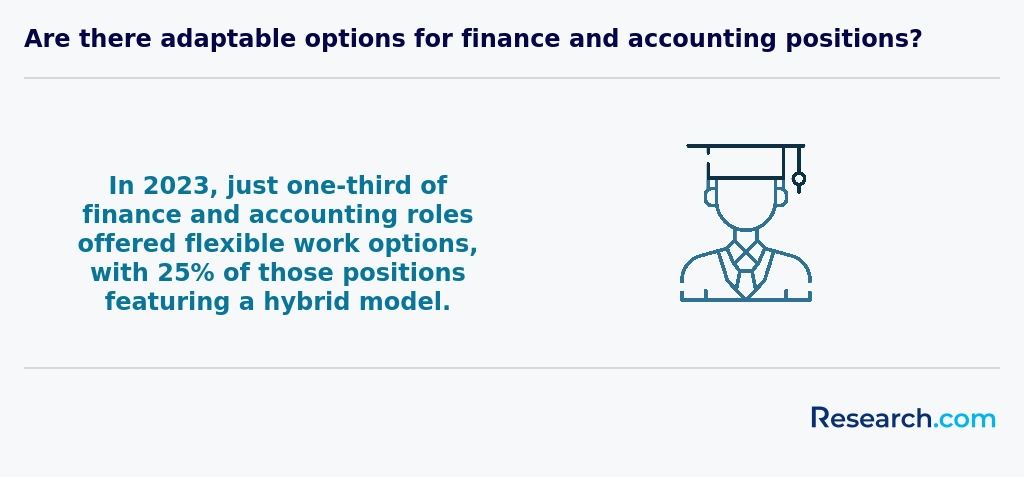
The accounting degree job market Staten Island graduates face is marked by steady growth and diverse opportunities, driven by the borough's economic ties within the New York metropolitan area. Graduates from institutions like the College of Staten Island report strong entry-level job prospects with starting salaries between $55,000 and $65,000, particularly when equipped with credentials such as the CPA license. Many find roles in small businesses, nonprofits, or government agencies, where practical skills in bookkeeping, auditing, and budget management are in demand.
Staten Island accounting employment opportunities benefit from the area's expanding corporate presence in sectors like logistics and real estate. Graduates frequently highlight the advantage of obtaining their degree locally, especially through more affordable options at public institutions. Those seeking to balance cost and quality often consider enrolling in an affordable accounting school in New York, which supports them in gaining relevant experience and networking within the regional job market.
2027 Best Accounting Degree Programs Ranking in Staten Island
Investing in your education is a significant decision that can profoundly impact your future, and the Research.com team recognizes the importance of making well-informed choices. To assist prospective students in Staten Island, we have carefully developed the "2027 Best Accounting Degree Programs Ranking in Staten Island." Our dedication to quality, credibility, and accuracy is evident in the thorough research and analysis conducted to create this ranking.
We utilized the following reputable data sources to ensure a comprehensive evaluation of accounting programs:
By reviewing this ranking, readers will gain valuable insights into the top accounting degree programs available in Staten Island, empowering them to make confident and informed decisions about their academic futures. For more information about how this ranking was created, please visit our Research.com methodology page.
# 1 position
College of Staten Island CUNY
Bachelor of Science in Accounting

# 2 position
College of Staten Island CUNY
Master of Science in Accounting
Frequently Asked Questions About accounting
Accounting degree students in Staten Island can maximize their learning experience by engaging deeply with both academic coursework and practical opportunities. Staten Island hosts branches of several accredited institutions, such as the College of Staten Island (CSI), which offers access to a strong accounting curriculum aligned with the CPA educational requirements.
Students should take advantage of internships available through local businesses and government offices, including the Staten Island Borough Hall and various finance firms. These placements provide real-world experience critical for developing accounting skills.
Joining student organizations such as the Accounting Society at CSI or attending workshops offered by the New York State Society of Certified Public Accountants can also enhance networking and professional development.
Finally, utilizing online resources and certification prep tools helps students meet the rigorous standards of the CPA exam, essential for many accounting careers in the Staten Island area.
Emerging niches within the accounting field offer exciting opportunities for students pursuing accounting degrees in Staten Island. One fast-growing area is forensic accounting, which involves investigating financial fraud and disputes. The demand for forensic accountants is expected to grow by 16% nationally through 2030, according to the U.S. Bureau of Labor Statistics.
Another important niche is environmental accounting, which focuses on the financial aspects of sustainability and corporate social responsibility. Staten Island's proximity to New York City's growing green economy creates local demand for professionals skilled in this field.
Additionally, expertise in accounting information systems is increasingly valuable as firms adopt advanced data analytics and automation technologies. These emerging fields blend traditional accounting skills with technology and investigative techniques, reflecting the evolving needs of businesses across the region.
After completing an accounting degree in Staten Island, preparing for the job market involves several key steps. First, gaining practical experience through internships is crucial, as 65% of employers prefer candidates with hands-on skills. Local firms in Staten Island often offer internships allowing students to apply classroom knowledge.
Next, consider obtaining certifications such as the CPA, which significantly increase job prospects and earning potential nationally. Networking is also vital; joining local chapters of accounting organizations like the AICPA or Staten Island Society of CPAs can open doors.
Finally, polishing resume and interview skills tailored to accounting roles boosts competitiveness in the regional market.
Employers hiring accounting degree graduates in Staten Island prioritize a combination of technical and interpersonal skills. Proficiency in Generally Accepted Accounting Principles (GAAP) and strong analytical abilities rank highly, enabling graduates to manage complex financial data effectively.
Tech skills such as familiarity with accounting software like QuickBooks and Microsoft Excel are essential, as over 75% of local firms report relying on these tools (Staten Island Chamber of Commerce, 2023). Attention to detail and problem-solving capabilities are also crucial given the regulatory environment.
Communication skills remain important, as accountants must clearly present findings to clients and colleagues.
Finding internships in Staten Island relevant to an accounting degree starts with leveraging local resources and networks. Students should begin by contacting accounting departments at Staten Island institutions like the College of Staten Island, which often partner with local firms. According to the National Association of Colleges and Employers, 60% of accounting interns secure positions through university connections.
Additionally, Staten Island offers access to organizations such as the Staten Island Society of Certified Public Accountants, which frequently shares internship opportunities and networking events. Online job portals like Handshake and LinkedIn can also list local accounting internships.
Engaging with community businesses and financial services firms is essential because many accountants in Staten Island work in small to mid-sized companies, increasing chances for hands-on experience.
Obtaining an accounting degree in Staten Island can significantly enhance career mobility and advancement opportunities. According to the U.S. Bureau of Labor Statistics, accountants and auditors in the New York City metropolitan area-including Staten Island-earn a median annual wage higher than the national average, highlighting the financial benefits of formal education in this field.
Local employers often prefer candidates with a degree for entry-level positions, and advanced degrees can lead to supervisory or specialized roles such as forensic accounting or auditing.
Additionally, earning an accounting degree is a critical step toward certifications like the CPA license, which is highly regarded in Staten Island's competitive job market and can open doors to senior management and executive roles.
Education providers in Staten Island also often offer strong career services and internships, giving students practical experience that supports faster career progression.
Studying for an accounting degree in Staten Island equips students with skills that extend beyond traditional bookkeeping and tax preparation. Programs in the area emphasize collaboration with business, finance, and technology courses, reflecting the growing demand for interdisciplinary knowledge in the modern workplace.
Students gain proficiency in data analysis, strategic decision-making, and information systems, important for roles involving finance and IT integration. According to the New York State Department of Labor, professions requiring combined skills in accounting and other fields are projected to grow 10% by 2030.
Local institutions often partner with Staten Island businesses, offering internships that expose students to real-world cross-industry challenges, preparing them for diverse careers.
When choosing between a thesis and a non-thesis accounting degree program in Staten Island, students should consider their career goals and personal preferences. A thesis program typically involves conducting original research, which can be beneficial for those interested in academic or research-oriented careers.
Non-thesis programs, on the other hand, often focus more on practical skills and coursework. This path suits students aiming for immediate employment in public accounting, corporate finance, or government roles.
According to the National Center for Education Statistics, around 60% of accounting master's students nationwide prefer non-thesis options for faster completion and direct application.
Local institutions in Staten Island offer both formats, though thesis options may require a longer time commitment.
Students based in Staten Island who wish to study accounting abroad have various pathways available within the US higher education system. Many Staten Island colleges, like the College of Staten Island (CSI), maintain partnerships with institutions worldwide, offering exchange programs that allow students to gain international experience while earning credits toward their accounting degrees.
Additionally, students can enroll in study abroad programs facilitated by larger New York University campuses or community colleges, which include options focused on global accounting standards and practices. According to the Institute of International Education, around 10% of students in accounting-related fields participate in study abroad experiences nationwide.
These opportunities often focus on countries with strong financial sectors such as the UK, Canada, or Australia, helping students understand diverse regulatory environments and improve language skills relevant to global accounting careers.
Part-time job opportunities in Staten Island that complement an accounting degree education often include positions such as bookkeeping assistants, tax preparation aides, and accounting clerks. These roles provide practical experience with financial record-keeping, tax regulations, and software like QuickBooks or Excel, all valuable for accounting students.
Local businesses, including small enterprises and nonprofit organizations, frequently seek part-time help, offering hands-on learning in payroll processing and budgeting. According to the U.S. Bureau of Labor Statistics, accounting support roles in the New York City metro area are projected to grow by 6% through 2030, creating steady opportunities.
Additionally, internships at Staten Island accounting firms can enhance understanding of auditing and financial analysis, further preparing students for certification exams such as the CPA.
Accounting students in Staten Island benefit from several valuable networking opportunities essential for career advancement. Local colleges, such as the College of Staten Island, host career fairs and accounting-focused events where students meet experienced professionals and potential employers. Participation in chapters of national organizations like Beta Alpha Psi, an accounting honors society, offers a platform for students to connect with peers and industry leaders.
Additionally, the Staten Island chapter of the New York State Society of CPAs regularly organizes seminars and workshops. These events provide students with access to certified public accountants and networking forums.
According to the Bureau of Labor Statistics, networking can significantly improve job prospects in New York City's accounting sector.
Alumni networks play a crucial role for accounting degree students in Staten Island by offering valuable professional connections. Graduates from local programs often remain active in these networks, creating opportunities for mentorship and job referrals.
Such connections can be pivotal in a competitive job market. According to the National Association of State Boards of Accountancy (NASBA), networking is a top factor in CPA candidates' career success, which translates well to Staten Island's business environment.
Students engaged with alumni groups gain insights into accounting trends and local industry demands. This access helps them tailor their skills to employers' needs in Staten Island's financial sectors, including tax firms and corporate accounting.
Overall, active alumni networks enhance employment prospects and support continuous career growth for accounting students in the area.
Customizing an accounting degree program in Staten Island allows students to tailor their education to specific career goals. Many local institutions, such as the College of Staten Island, offer elective courses in areas like taxation, auditing, and financial analysis. Selecting these electives can deepen expertise in preferred fields.
Internships with Staten Island businesses or accounting firms provide practical experience and networking opportunities, crucial for entering competitive markets. Students may also choose programs that prepare them for certifications like the CPA exam, increasing job prospects.
Additionally, some programs offer evening or online classes to accommodate working professionals. According to the U.S. Bureau of Labor Statistics, accountants in New York City earn a median annual wage of $85,000, underscoring the value of specialized skills.
Accounting students in Staten Island commonly face challenges related to balancing rigorous coursework with practical experience. Many programs require mastering complex topics such as tax law, auditing, and financial reporting, which can be demanding for students new to the field. Additionally, access to internships within Staten Island's limited number of accounting firms can be competitive, potentially affecting hands-on training opportunities. According to the National Association of State Boards of Accountancy, nearly 65% of accounting students nationwide highlight time management as a key hurdle, a trend echoed locally. Furthermore, keeping up with constantly evolving accounting standards and technology tools remains a critical challenge for students preparing to enter the workforce.
With an accounting degree from Staten Island, you can pursue several respected professional certifications that enhance job prospects and credibility. The most popular certification is the Certified Public Accountant (CPA), which requires passing a rigorous exam and meeting education and experience criteria.
Other valuable credentials include the Certified Management Accountant (CMA) and Certified Internal Auditor (CIA). These certifications focus on management accounting and internal auditing, respectively, and are recognized across the U.S.
In Staten Island, local employers often seek candidates with CPA certification, reflective of broader trends identified by the New York State Society of CPAs. Additionally, certifications like the Enrolled Agent (EA) offer specialization in tax representation before the IRS, providing more diverse career opportunities.
To write a winning application for an accounting program in Staten Island, start by carefully reviewing the specific admission requirements of your target schools, such as Wagner College or the College of Staten Island. Highlight your academic achievements, focusing on strong performance in math and related subjects. Include clear, concise personal statements that demonstrate your interest in accounting and how the program aligns with your career goals.
Supplement your application with relevant extracurricular activities or work experience in finance, internships, or volunteer roles.
Additionally, ensure that all standardized test scores and transcripts are submitted accurately and on time, as these schools emphasize thorough documentation. According to the National Association of State Boards of Accountancy, students who showcase strong analytical and communication skills tend to have better admission outcomes for accounting programs.
The global perspective on an accounting career emphasizes its essential role in business, finance, and governance worldwide. Accounting skills are universally valued because they ensure transparency and accountability in financial reporting. For students in Staten Island, understanding international accounting standards such as IFRS and how they compare to US GAAP is important for career flexibility.
According to the Bureau of Labor Statistics, the demand for accountants and auditors in New York State is projected to grow by 7% from 2022 to 2032, reflecting a steady need. This trend aligns with global economic complexities that require sophisticated financial expertise.
Moreover, accounting careers increasingly require knowledge of technology and cross-border regulations, making them relevant beyond local contexts. Students earning degrees in Staten Island can leverage both local opportunities and global networks through internships and professional certifications.
Gaining practical experience while studying for an accounting degree in Staten Island is essential for building career readiness. Many local colleges, such as the College of Staten Island, offer internship opportunities that connect students with accounting firms and businesses in the borough. These internships provide hands-on work with tasks like bookkeeping, tax preparation, and financial analysis. According to the National Association of Colleges and Employers, 60% of employers prefer candidates with internship experience.
Students can also participate in campus-sponsored accounting clubs and competitions to develop skills and network. Additionally, volunteering with nonprofit organizations in Staten Island can offer valuable exposure to real-world accounting challenges. Ultimately, practical experience enhances resumes and improves job prospects after graduation.
Choosing the right concentration within an accounting degree program in Staten Island depends on your career goals and the local job market. Common concentrations include tax accounting, auditing, forensic accounting, and management accounting. Each offers unique skills that match different industry needs.
Staten Island's economy, with its growing small business and healthcare sectors, often demands expertise in tax and managerial accounting. According to the New York State Department of Labor, accounting roles in these areas are projected to grow by 7% through 2030, emphasizing opportunities for tax and audit specialists.
Consider your interests and which certifications align with each concentration. For example, forensic accounting may lead to Certified Fraud Examiner (CFE) credentials, while tax accounting often connects with CPA licensure. Research local employers to see which skills are most sought after in Staten Island's financial sector.
- 2027 Best Accounting Degree Programs Ranking in Brooklyn
- 2027 Best Accounting Degree Programs Ranking in New York
- 2027 Best Accounting Degree Programs Ranking in Bronx
- 2027 Best Accounting Degree Programs Ranking in Fairfield
- 2027 Best Accounting Degree Programs Ranking in Philadelphia
- 2027 Best Accounting Degree Programs Ranking in Albany
- 2027 Best Accounting Degree Programs Ranking in Baltimore
- 2027 Best Accounting Degree Programs Ranking in Providence
- 2027 Best Accounting Degree Programs Ranking in Washington
- 2027 Best Accounting Degree Programs Ranking in Boston
See What Experts Have To Say About Studying Accounting
Read our interview with Accounting experts

John Wermert, Ph.D., CPA
Accounting Expert
Associate Professor of Accounting
Middle Tennessee State University

Yaw M. Mensah
Accounting Expert
Professor and Interim Vice Dean for Strategic Partnerships
Rutgers Business School

- Accounting Career: Outlook and Overview | DeVry University https://www.devry.edu/blog/accounting-career-outlook.html
- CSI’s Accounting Program Gears Up for Changing Requirements https://csitoday.com/2008/09/csi%E2%80%99s-accounting-program-gears-up-for-changing-requirements/
- Expectations of accounting students in relation to their ... https://sevenpubl.com.br/anais7/article/download/4780/8840/19578
- Top Accountant Skills | Accounting.com https://www.accounting.com/resources/top-skills-for-accountants/
- Master’s Program in Accounting and Auditing (Thesis/Non-Thesis, Turkish) https://www.isikun.edu.tr/en/academic/graduate/accounting-auditing/masters-program-accounting-and-auditing-thesis/non-thesis
- Get Ahead in Accounting: Ways to Build Relevant Work Experience https://www.fctraining.org/gain-accounting-work-experience.php
- College Readiness: Connecting with the Alumni Network - Community Foundation https://southcoastcf.org/college-readiness-connecting-with-the-alumni-network/
- Must-Have Skills for Accounting & Finance Graduates Entering Singapore’s Competitive Job Market https://www.lsbf.edu.sg/blog/accountancy-and-finance/must-have-skills-for-accounting-finance-graduates-entering-singapores-competitive-job-market
- Guide to Transition into an Accounting Career https://teach.com/online-ed/business-degrees/online-masters-accounting/how-to-transition-to-an-accounting-career/
- Why Is Accounting So Hard? Understanding Challenges and Misconceptions https://www.glasscubes.com/why-is-accounting-so-hard-understanding-challenges-and-misconceptions/


