2027 Accounting Degree Clinical Placement Report: Hours, Site Access, and Completion Bottlenecks

Co-Founder and Chief Data Scientist
Accounting students often ask a practical question before enrolling: Will the program help them get real workplace experience without delaying graduation? The issue matters because the U.S. Bureau of Labor Statistics reports a 2024 median pay of $81,680 for accountants and auditors, making career preparation a high-stakes investment.
This guide is for prospective, transfer, online, and working students comparing accounting degrees. You will learn how accounting "clinical" placements usually work, what hours to expect, where bottlenecks happen, and which program features reduce completion risk.
Key Things You Should Know
- Accounting degrees usually do not have healthcare-style clinical hours; the closest equivalents are internships, practicums, cooperative education, tax clinics, audit labs, and employer-based field placements that may range from optional experience to credit-bearing requirements.
- CPA preparation is separate from placement completion. Many jurisdictions still use a 150-semester-hour education model plus exam and experience requirements, so internship hours can strengthen readiness but do not automatically satisfy licensure rules.
- Placement quality should affect program choice because common bottlenecks include limited employer slots during busy season, unpaid or low-paid internships, background checks for government or financial sites, transportation, and online-program distance from approved partners.
- What Clinical Placement Requirements Do Accounting Degree Programs Have?
- How Are Clinical Placement Sites Assigned in Accounting Degree Programs?
What Clinical Placement Requirements Do Accounting Degree Programs Have?
In accounting, the phrase "clinical placement" is not used as consistently as it is in nursing, counseling, teaching, or social work. Most accounting schools use terms such as internship, practicum, cooperative education, experiential learning, tax clinic, accounting lab, audit simulation, or field experience. The core idea is the same: students apply classroom knowledge in a supervised professional setting.
Requirements vary sharply by degree level and school. Some associate and bachelor's programs make work experience optional, while others require a credit-bearing internship or capstone practicum. Master's in accounting programs may include a required professional experience, especially when designed for career changers or CPA exam preparation.
The table below summarizes common accounting placement patterns. Use it as a comparison framework, not as a substitute for checking a specific catalog, because schools set their own credit and hour rules.
| Program type | Common placement format | Typical hour expectation | Best fit |
| Associate degree in accounting | Optional internship, bookkeeping practicum, or payroll/accounting office experience | Often optional; credit-bearing placements may require a set number of workplace hours | Students seeking entry-level bookkeeping, payroll, or accounts payable roles |
| Bachelor's degree in accounting | Internship, cooperative education, tax clinic, audit practicum, or capstone project | Frequently tied to 1 to 6 credits when required or elective | Students targeting staff accountant, audit, tax, or corporate accounting roles |
| Master's in accounting | Professional internship, experiential consulting project, analytics lab, or CPA-oriented field experience | Varies by curriculum; some programs substitute projects for site hours | Career changers, CPA-track students, and students seeking advanced recruiting access |
| Online accounting degree | Remote internship, local employer placement, virtual accounting project, or student-arranged site | Depends on whether the program requires in-person employer supervision | Working adults and distance learners who need location flexibility |
Accounting students comparing degrees should also understand how this differs from truly clinical fields. For example, students researching MFT online programs usually face formal supervised clinical-hour rules for licensure, while accounting students usually face employer-experience expectations and CPA education or experience rules that vary by jurisdiction.
A practical rule is to read the program's internship policy before applying. Look for whether the placement is required, whether it carries academic credit, how many hours count per credit, whether paid internships are allowed, and whether the school or student is responsible for finding the site.
How Are Clinical Placement Sites Assigned in Accounting Degree Programs?
Accounting placement assignment usually follows one of three models: school-arranged, student-arranged with school approval, or employer-recruited through career services. The best model depends on your location, schedule, work experience, and how much support you need to access reputable accounting employers.
The table below compares the major assignment models and the trade-offs students should consider before enrolling.
| Placement model | How it works | Main advantage | Main risk |
| School-arranged placement | The department or internship office matches students with approved employers | Lower search burden and clearer site standards | Slots may be limited or tied to specific locations and schedules |
| Student-arranged placement | The student finds an employer, then the school approves the role and supervisor | More flexibility for online students, working adults, and students outside campus markets | Graduation can be delayed if the site is rejected or paperwork is late |
| Career fair or employer-recruited placement | Firms recruit through campus events, faculty referrals, or job platforms | Strong access to public accounting and corporate recruiting pipelines | Competitive hiring timelines may favor students with higher GPAs or prior experience |
| Current-employer placement | A student completes approved accounting duties at an existing workplace | Useful for adult learners who cannot leave paid employment | Routine clerical work may not meet learning objectives unless duties are upgraded |
School-arranged placement makes the most sense when you are new to accounting, live near campus, or want access to firms that already trust the department. Student-arranged placement can work well if you already have employer contacts or need a local site near home, but it requires more initiative and earlier planning.
Students comparing accounting with adjacent professional programs may notice a similar site-approval issue in legal education. For example, people researching the cheapest ABA-approved paralegal programs should also verify whether internships, externships, or legal clinics are optional, required, or student-arranged.
Before choosing a program, ask who owns the placement process. A strong answer names the internship coordinator, explains approval timelines, lists typical employer partners, and clarifies what happens if a placement falls through.
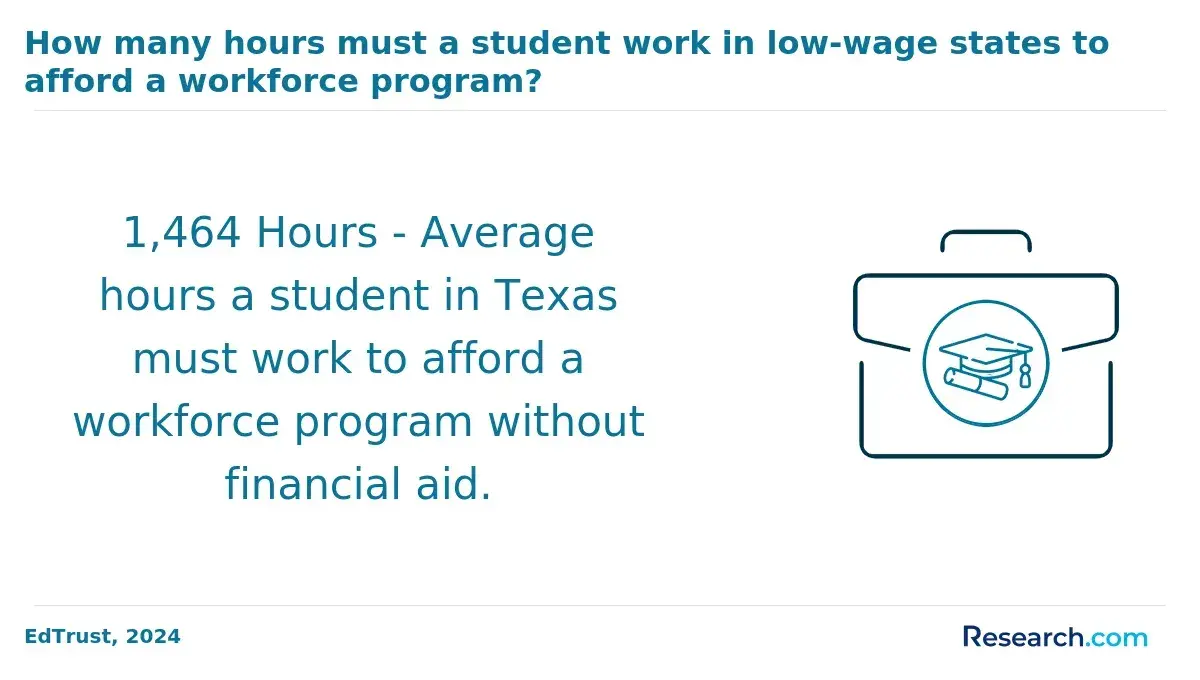
Accounting placement bottlenecks are usually caused by timing, employer capacity, documentation, and geography rather than by a universal shortage of "clinical" sites. The risk is highest when a required placement is offered only in certain terms or when students wait until the final year to start the process.
The table below identifies common bottlenecks and why they matter for degree completion.
| Bottleneck | Why it happens | Possible completion impact |
| Busy-season employer cycles | Public accounting firms often recruit tax and audit interns months before the work period begins | Students who miss recruiting windows may need to wait for the next term |
| Limited local partners | Rural, small-market, and fully online students may have fewer approved employers nearby | Students may need remote work, travel, or a student-arranged site |
| Site approval delays | The employer role, supervisor credentials, learning plan, and liability paperwork may require review | Late approval can prevent registration for internship credit |
| Unpaid or low-paid roles | Some nonprofit, government, or small-office placements may not offer enough compensation | Students with work or family obligations may be unable to accept the placement |
| Background checks and compliance | Government, financial services, and tax-preparation sites may require identity, confidentiality, or security screening | Incomplete documentation can push the start date back |
| Mismatch between job duties and course outcomes | Basic filing, reception, or data entry may not meet accounting learning objectives | The school may reject the site or require revised duties |
The most common mistake is assuming that an internship listed in the curriculum means the school guarantees a seat at a nearby employer. A better approach is to ask for the latest placement process, not just a list of companies that have hired students in the past.
Students can reduce bottleneck risk by following a simple sequence before the internship term begins:
- Meet with the internship coordinator at least one term before you plan to register for placement credit.
- Confirm whether your target role involves accounting duties such as tax preparation, audit support, reconciliation, financial reporting, payroll, internal control testing, or accounting analytics.
- Ask the employer to identify a qualified supervisor who can review your work and complete evaluations.
- Submit approval forms, learning objectives, confidentiality agreements, and any required background-check documents before the school's deadline.
- Create a backup plan that includes remote accounting work, a different term, or an alternative approved employer.
Supervision standards in accounting placements are designed to make sure the experience is educational, ethical, and relevant to the degree. They are usually set by the college, the academic department, the employer, and sometimes by accreditation or state board expectations, depending on the program.
A strong accounting placement normally includes three layers of oversight: a faculty or internship coordinator, a workplace supervisor, and documented learning outcomes. The workplace supervisor should be able to review accounting-related tasks, provide feedback, and verify hours or deliverables.
Students should expect evaluation to focus on practical professional behaviors, not just technical accounting knowledge. The most common evaluation categories include:
- Accuracy and completeness in accounting tasks such as reconciliations, journal entries, tax support, audit documentation, payroll review, or financial analysis.
- Confidentiality and ethics when handling client, employer, employee, taxpayer, or financial records.
- Use of accounting technology, spreadsheets, enterprise systems, tax software, audit platforms, or data tools.
- Professional communication with supervisors, clients, vendors, team members, and faculty evaluators.
- Dependability, time tracking, deadline management, and responsiveness to feedback.
Students should be cautious about placements where no one can evaluate accounting work. A general office job may be useful employment, but it may not qualify for academic credit if the duties are not tied to accounting learning outcomes.
Another red flag is a site that asks students to perform sensitive work without training or supervision. Accounting students may encounter confidential records, tax identification details, payroll data, or internal financial documents. A quality placement should explain confidentiality policies before giving access to systems or client files.
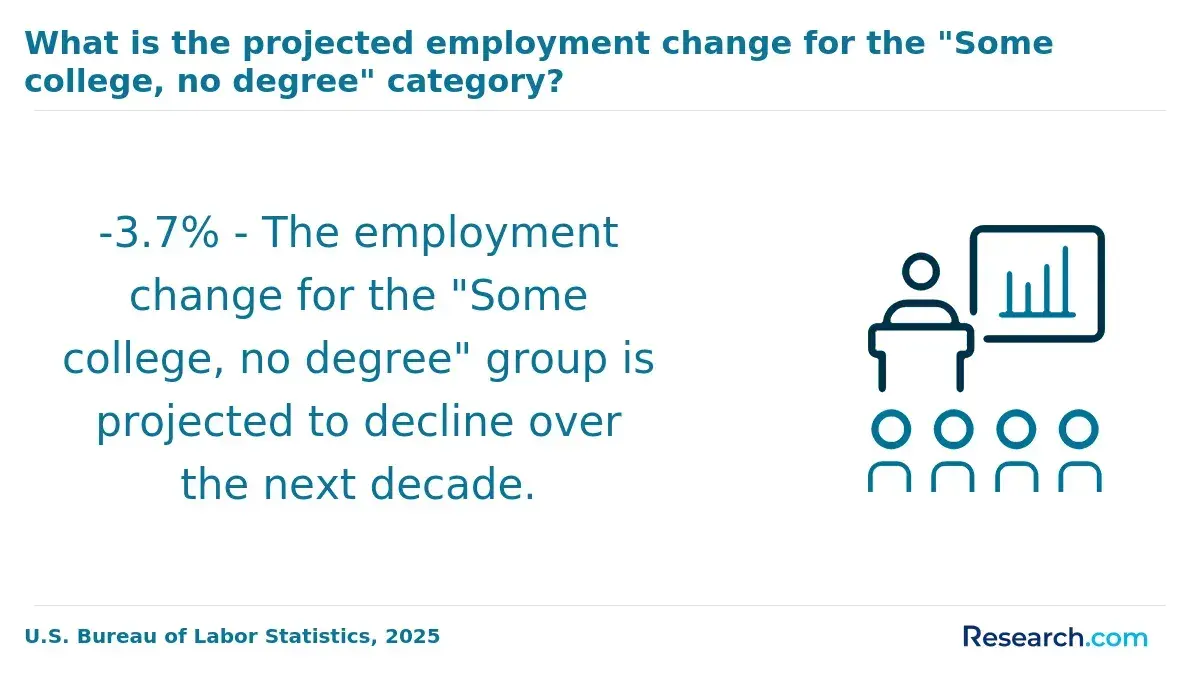
Many accounting students can complete placements part-time, online, or near home, but flexibility depends on the school's approval rules and the employer's willingness to supervise meaningful accounting work. Online coursework does not automatically remove the need for workplace experience if the degree requires an internship or practicum.
Part-time placement is often the best fit for students who work, care for family members, or need to stay enrolled in other classes. Full-time internships can be valuable for networking and skill development, but they may be harder to manage during a heavy course term.
The table below compares common scheduling formats so students can match placement design to real-life constraints.
| Format | Typical advantage | Best for | Potential drawback |
| Part-time local placement | Lower weekly disruption | Working adults, commuters, and students taking multiple courses | May take longer to complete required hours |
| Full-time seasonal internship | Immersive experience and stronger firm visibility | Students targeting public accounting recruiting cycles | Can conflict with classes, paid work, or family responsibilities |
| Remote accounting placement | Geographic flexibility | Online students and students outside major employer markets | Requires strong communication, secure systems, and clear supervision |
| Current-employer placement | Preserves income and schedule stability | Students already working in accounting-adjacent roles | May require new duties beyond routine clerical work |
| Campus tax clinic or accounting lab | Structured supervision through the school | Students who need reliable academic oversight | May offer narrower exposure than an employer site |
If you need a placement near home, ask whether the school approves sites outside its region and whether site visits are required. Some programs can supervise remotely through logs, employer evaluations, and virtual check-ins, while others rely on local relationships.
Students comparing flexible accounting options with other online professional degrees may also look at easy online MBA programs, but the same caution applies: convenience should be weighed against employer access, experiential learning, and career-services strength.
Accounting clinical-style placements can create direct and indirect costs even when the internship itself is unpaid, paid, or completed for credit. The largest cost usually comes from tuition for internship credits, but students should also budget for transportation, software access, professional clothing, background checks, and lost work hours.
College Board data for the 2024-2025 academic year lists average published tuition and fees of $11,610 for in-state students at public four-year institutions. That figure matters because internship credits are often billed like other academic credits, so a required placement can add cost even when the work experience is career-relevant.
Students should ask the bursar and academic department which expenses apply to the placement term. Common cost categories include:
- Tuition for internship, practicum, cooperative education, or capstone credits.
- Course fees, internship registration fees, or professional liability coverage if charged by the school.
- Transportation, parking, fuel, public transit, or occasional travel to an employer site.
- Professional clothing, office equipment, secure internet access, or technology needed for remote accounting work.
- Background checks, identity verification, tax-preparer compliance steps, or other employer onboarding expenses.
- Opportunity cost from reducing paid work hours to complete a required placement.
The cheapest program is not always the lowest-risk program. A lower-tuition accounting degree may become harder to complete if students must find their own sites with minimal support.
Conversely, a more expensive program may be worth considering if it has strong employer pipelines, frequent recruiting events, paid internship access, and clear backup options for students whose first site falls through.
Before enrolling, ask whether internship credits count toward full-time enrollment for financial aid purposes. Also ask whether paid internships are permitted, because a paid placement can reduce the financial strain of completing hours during the academic year.
Clinical-style placements can improve career readiness by turning accounting coursework into visible workplace evidence. Students learn how deadlines feel in practice, how supervisors review work, how accounting systems are used, and how ethical responsibilities apply when records affect real people and organizations.
The salary context makes placement quality important. The U.S. Bureau of Labor Statistics reports a 2024 median annual wage of $81,680 for accountants and auditors. That number should not be read as a promise for new graduates, but it shows that accounting is a professional labor market where preparation, experience, credentials, location, and employer type can influence outcomes.
The most valuable placements usually give students more than observation. Strong experiences let students produce work, receive feedback, and explain what they did in interviews.
Useful placement settings include public accounting firms, corporate accounting departments, government audit offices, nonprofit finance teams, payroll providers, tax-preparation clinics, and accounting technology environments.
Students should evaluate placements by the skills they can document afterward. The strongest internship or practicum experiences usually help build:
- Technical skills in reconciliations, tax support, audit documentation, financial statement preparation, payroll, cost accounting, or data analysis.
- Software confidence with spreadsheets, accounting platforms, enterprise resource planning systems, tax software, audit tools, or visualization tools.
- Professional judgment around confidentiality, materiality, documentation, internal controls, and ethical escalation.
- Interview evidence, including specific examples of projects, deadlines, supervisor feedback, and problems solved.
Placement quality should also be considered alongside CPA preparation. Internship hours can help students confirm whether they prefer tax, audit, advisory, government, nonprofit, or corporate accounting, but licensure requirements vary by state and should be verified with the relevant board of accountancy.
Accounting placement opportunities are changing because accounting work itself is changing. Employers increasingly expect graduates to understand automation, data analytics, cybersecurity awareness, remote collaboration, and AI-assisted workflows, while still applying core accounting judgment and ethical standards.
The 2024 launch of the CPA Evolution model also reinforced the shift toward deeper specialization in areas such as business analysis and reporting, information systems and controls, and tax compliance and planning.
For students, this means the best placements are not limited to traditional bookkeeping tasks; they may involve analytics, controls testing, process improvement, or technology-supported audit and tax work.
Remote and hybrid placements are also more accepted than they were before widespread remote work, but they require stronger structure. A remote accounting internship should include secure system access, defined deliverables, scheduled supervisor meetings, confidentiality training, and a clear method for verifying hours and performance.
Students considering accelerated education should be careful not to confuse speed with experiential depth. For instance, people exploring 1 year PhD programs online free should evaluate time-to-completion claims carefully, and accounting students should apply the same skepticism to any degree that advertises fast completion without explaining how internships, CPA preparation, or employer access are supported.
Another trend is the growing importance of employer partnerships. Accounting programs with active advisory boards, firm-sponsored events, alumni mentors, and recurring internship pipelines may provide stronger access than programs that simply require students to complete hours independently.
Students should compare accounting degree programs based on placement quality if real-world experience is required, strongly encouraged, or important to their career plan. A program's curriculum may look strong on paper, but weak placement support can create stress, delay graduation, or limit access to competitive employers.
The table below summarizes the program features that most directly reduce placement risk.
| Program feature | Why it matters | What to ask |
| Dedicated internship coordinator | Provides a clear owner for deadlines, approvals, and employer communication | Who helps students secure and approve placements? |
| Documented employer partnerships | Signals recurring access to accounting firms, companies, agencies, or nonprofits | Which employers hosted students recently? |
| Flexible site approval | Helps online, rural, transfer, and working students complete placements near home | Can students use local, remote, or current-employer sites? |
| Clear hour and credit policy | Prevents surprises about workload, tuition, and graduation clearance | How many hours are required per credit or placement course? |
| Backup placement process | Reduces risk if an employer cancels or a student is not selected | What happens if my site falls through? |
| CPA and career alignment | Connects placement planning to licensure, recruiting, and long-term goals | How does the program support CPA-track students and non-CPA accounting careers? |
The strongest programs are transparent before enrollment. They can explain whether placements are guaranteed, competitive, optional, or student-arranged. They can also describe typical timelines, eligibility requirements, site expectations, and how online students are supported.
Use these questions when speaking with admissions, faculty, or career services:
- Is an internship, practicum, cooperative education course, tax clinic, or field placement required for graduation?
- Who finds the placement: the school, the student, or both?
- How many hours are required, and how are they verified?
- Are paid internships allowed to count for academic credit?
- Can online students complete placements locally or remotely?
- What prerequisites, GPA rules, background checks, or onboarding steps apply?
- Which employers hosted accounting students in the most recent placement cycle?
- What backup options exist if I cannot secure a site by the deadline?
- How does placement planning fit CPA exam preparation, 150-hour education planning, and state experience rules?
Placement support should carry extra weight if you are a first-generation college student, career changer, online learner, commuter, rural student, or working adult. These students may have less time and fewer informal networks, so a well-organized placement system can make the difference between a smooth final year and a delayed graduation plan.
Clinical-hour requirements affect accounting degree completion when they are attached to academic credit, graduation clearance, financial aid enrollment status, or CPA-preparation timelines. Even when placement is optional, students often treat it as essential because employers value evidence that candidates can handle deadlines, spreadsheets, client files, accounting systems, and professional communication.
Many schools connect internship credit to a minimum number of supervised work hours. A common academic planning pattern is to associate each internship credit with a block of workplace hours, but the exact formula is school-specific. Students should never assume that paid work automatically counts toward credit without prior approval.
The table below shows how placement-hour structures can affect scheduling. It is designed to help students estimate workload pressure, not to state a universal rule.
| Placement intensity | How it usually feels in a semester | Completion consideration |
| Light placement | A few hours per week alongside regular courses | Works best when the goal is exposure rather than deep employer immersion |
| Moderate placement | One or two workdays per week during the term | May require reducing course load or shifting work hours |
| High-intensity internship | Near full-time work during tax season, summer, or a cooperative education term | Can strengthen experience but may extend the academic calendar if not planned carefully |
| Capstone or simulated practicum | Project-based work completed through the course rather than an external site | Useful when site access is limited, but may provide less employer networking |
Placement hours can delay graduation in three ways. First, students may be unable to register if prerequisites are incomplete. Second, students may miss the employer recruiting season. Third, students may underestimate the weekly time commitment and drop either the internship or another course.
The safest strategy is to build placement into the degree map early. If you plan to sit for the CPA exam, also ask how the internship fits into the 150-semester-hour pathway, state board education rules, and any supervised work experience required after graduation.
Other Things You Should Know About Accounting Clinical Placement
Most accounting degrees do not require healthcare-style clinical placements. Some programs require or strongly encourage internships, practicums, tax clinics, cooperative education, or capstone field experiences.
There is no universal number. Hour requirements depend on the school, credit value, employer format, and whether the placement is required or elective. Always verify the catalog and internship handbook before enrolling.
Often, yes, but the site usually must be approved by the school. Students should confirm whether local employers, remote internships, or current-employer duties can satisfy the requirement.
Not automatically. CPA rules vary by state and may include education, exam, ethics, and supervised experience requirements. An internship can help with readiness, but students should check their state board's rules.
See What Experts Have To Say About Studying Accounting
Read our interview with Accounting experts


Yaw M. Mensah
Accounting Expert
Professor and Interim Vice Dean for Strategic Partnerships
Rutgers Business School

- Reorienting Colleges Toward Student-Centered Practices https://www.americanprogress.org/article/reorienting-colleges-toward-student-centered-practices/
- ACEMAPP for Clinical Site Users https://collaboration.acemapp.org/e-content/studentmax-connections-consortium/content/9532
- Guide to Accounting Placements | Higherin https://higherin.com/career-guides/accounting/accounting-placements
- Significant Barriers Deter Students from Pursuing a Degree in Accounting, According to CAQ Report | The CAQ https://www.thecaq.org/pipelineresearch2023
- The Challenges of Student Placements in Higher Education https://inplacesoftware.com/blogs/the-challenges-of-student-placements-in-higher-education/
- Credit Requirements to Sit for the CPA Exam | University of Phoenix https://www.phoenix.edu/online-courses/cpa-certification.html