2027 Accounting Degree Persistence Report: Retention, Stop-Out Risk, and Re-Enrollment Patterns

Co-Founder and Chief Data Scientist
Choosing an accounting degree is not just about tuition or rankings; it is about whether the program helps you stay enrolled long enough to graduate. NCES/IPEDS retention data show that full-time students at 4-year institutions generally persist at much higher rates than part-time students, which matters for working adults, transfer students, and online learners.
This guide explains retention, stop-out risk, re-enrollment, support services, cost trade-offs, and career outcomes so you can compare accounting programs with a clearer sense of completion risk.
Key Things You Should Know
- Accounting-major retention is not always reported separately, so compare institutional first-year retention, graduation rates, transfer outcomes, and accounting gateway-course completion before choosing a school.
- Cost pressure is a major persistence factor. College Board data for 2024-25 list average published tuition and fees at $11,610 for in-state public 4-year colleges and $43,350 for private nonprofit 4-year colleges.
- The career payoff depends on completion and fit. BLS 2024 data place the median annual wage for accountants and auditors at $81,680, with employment projected to grow 5% from 2024 to 2034.
- What Do Retention Rates Reveal About Student Success in Accounting Degree Programs?
- Which Students Are Most at Risk of Stopping Out of a Accounting Degree Program?
What Do Retention Rates Reveal About Student Success in Accounting Degree Programs?
Retention rates show how many students return after an initial enrollment period, usually from fall to the next fall. In accounting, retention is useful because the major has several early "gate" points: introductory financial accounting, managerial accounting, business statistics, tax, auditing, and often intermediate accounting. A strong retention rate does not guarantee graduation, but it can signal that students are receiving enough academic, financial, and advising support to keep moving.
Accounting students should read retention alongside graduation and transfer metrics. A school can have a decent first-year retention rate but still lose students later when upper-division accounting courses become more demanding or when students discover they need additional credits for CPA eligibility.
The table below explains the most important persistence metrics and how to interpret them when comparing accounting programs. Use these indicators together rather than relying on one number.
| Metric | What it measures | Why it matters for accounting students |
| First-year retention rate | Share of students who return after the first year | Shows whether students are staying through early business and general education requirements |
| Graduation rate | Share of students who finish within a defined time period | Helps estimate the likelihood that students complete the credential, not just remain enrolled briefly |
| Gateway-course completion | Student success in required introductory or intermediate accounting courses | Identifies whether students are passing the courses most likely to delay progress in the major |
| Transfer-out rate | Share of students who leave for another institution | Can be positive if students intentionally transfer from community college, but risky if credits do not apply cleanly |
| Stop-out pattern | Students who pause enrollment without completing | Reveals whether scheduling, cost, advising, or life responsibilities are disrupting degree progress |
For decision-making, retention should matter most when it is paired with evidence of support. Ask whether the accounting department tracks performance in high-risk courses, offers tutoring before exams, and helps students plan CPA-related credit requirements early instead of waiting until senior year.
Which Students Are Most at Risk of Stopping Out of a Accounting Degree Program?
Students most at risk of stopping out of an accounting degree program are usually not lacking ability; they are often balancing difficult course sequencing with work, family, finances, or unclear advising. Accounting programs are cumulative, so falling behind in one prerequisite can delay several later courses.
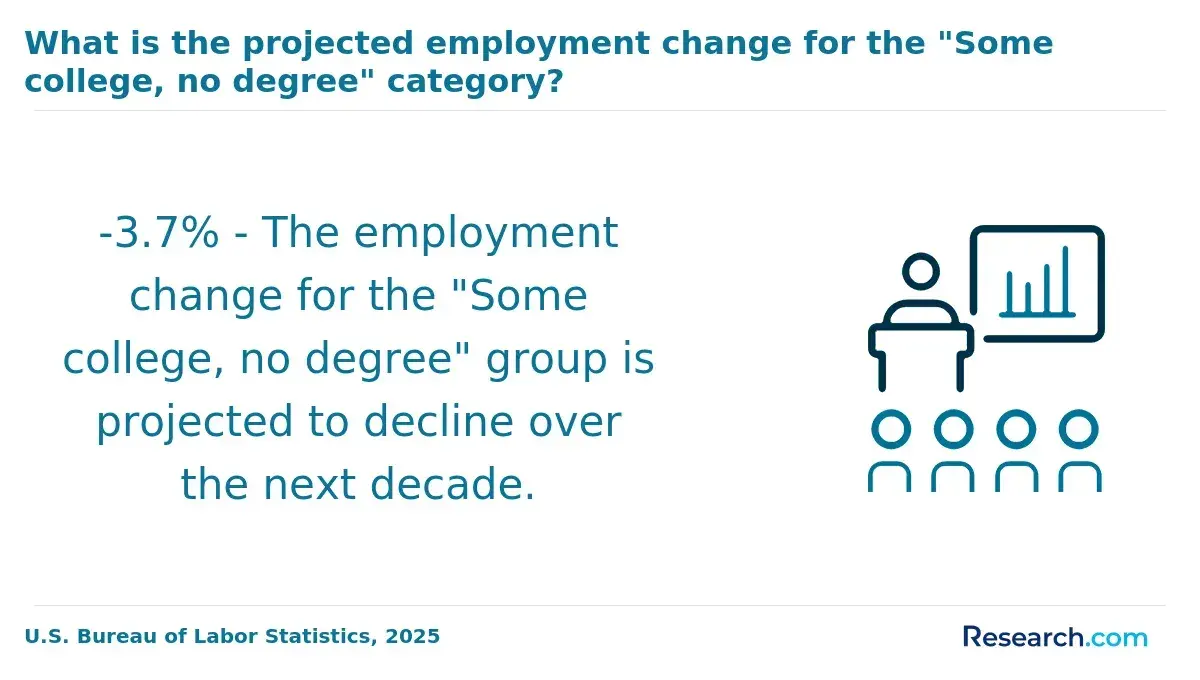
Stop-out risk is especially important for students who attend part time, transfer with mixed credits, work many hours, return after a long academic break, or need developmental support in math, writing, or business technology. The National Student Clearinghouse Research Center reported in 2024 that 36.8 million adults under age 65 had some college credit but no credential, which shows how common unfinished enrollment paths are across U.S. higher education.
The table below summarizes common early warning signs. These are not labels or predictions; they are signals that a student should seek support quickly.
| Risk signal | How it affects persistence | What students should check |
| Repeated course withdrawals | Can delay prerequisites and reduce financial aid pace-of-progress eligibility | Withdrawal deadlines, aid rules, and whether tutoring is available before withdrawing |
| Low grades in introductory accounting | May make intermediate accounting, tax, and audit harder later | Faculty office hours, supplemental instruction, and exam review resources |
| Unclear transfer-credit evaluation | Can force students to retake business or accounting courses | Course equivalencies and whether upper-division accounting credits are accepted |
| Heavy work schedule | Reduces study time during exam-heavy weeks | Evening, weekend, online, and 8-week versus 15-week course options |
| Financial balance holds | Can block registration and interrupt momentum | Emergency grants, payment plans, and financial aid counseling |
A common mistake is waiting until a failed exam or unpaid balance becomes a registration problem. Accounting students should treat the first signs of trouble as a planning issue, not a personal failure.
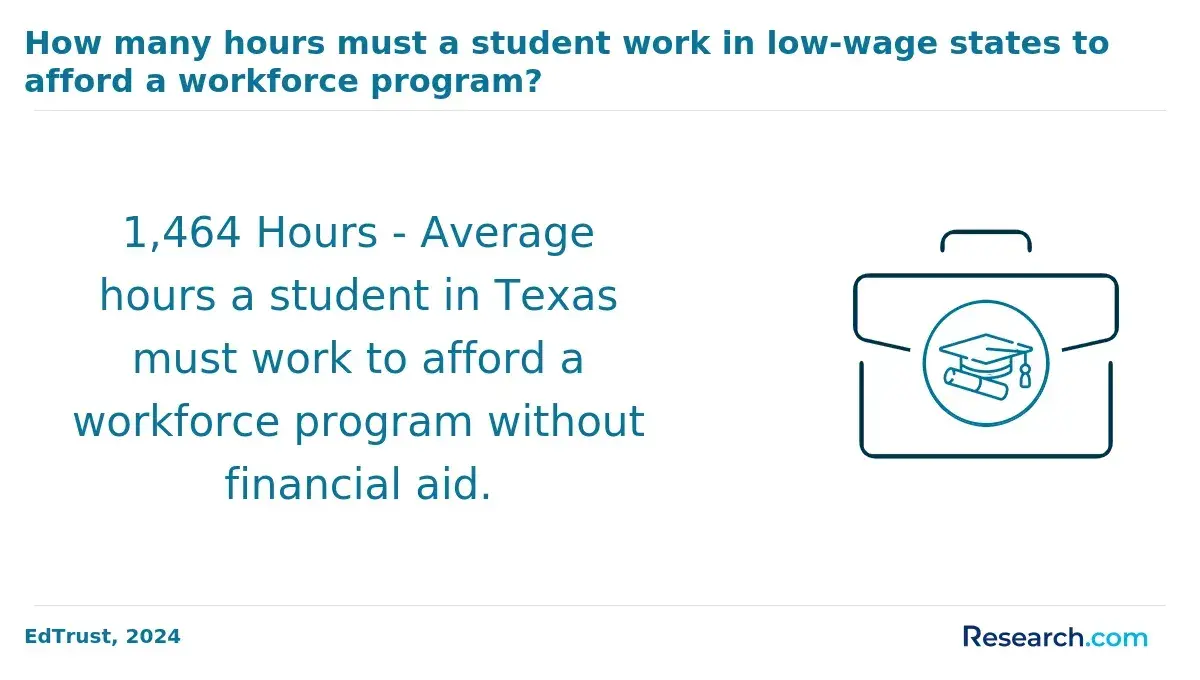
Academic difficulty and financial strain often interact. A student who works extra hours to cover tuition may have less time for intermediate accounting; a lower grade may then require repeating the course, which increases cost and extends time to graduation. That cycle is one reason persistence planning should happen before enrollment, not after a crisis.
College Board data for 2024-25 show a wide cost gap by institution type, with average published tuition and fees of $11,610 for in-state students at public 4-year colleges and $43,350 at private nonprofit 4-year colleges. Those are published prices, not necessarily net prices after aid, but they show why students should compare total cost, aid renewal rules, and completion support together.
The table below connects common academic and financial barriers to the persistence problem they can create. Use it to identify questions to ask before committing to a program.
| Challenge | Persistence impact | Why it is common in accounting |
| Intermediate accounting sequence | Can delay graduation if courses must be repeated or are offered only once per year | It is one of the most conceptually demanding parts of the accounting curriculum |
| CPA credit planning | Can add time if students learn late that they need extra credits beyond the bachelor's degree | Many CPA pathways require 150 credit hours, though state board rules vary |
| Textbooks, software, and exam tools | Can create unexpected term-by-term costs | Accounting courses may require homework platforms, spreadsheet tools, or tax software simulations |
| Financial aid renewal requirements | Can increase stop-out risk if grades or completion pace fall below standards | Repeats and withdrawals may affect satisfactory academic progress |
| Course availability | Can slow progress for part-time, transfer, or online students | Upper-division accounting courses may have strict prerequisites and limited sections |
Before enrolling, students should build a realistic financial and academic plan. The most useful plan includes tuition, fees, books, software, transportation, childcare, expected work hours, and a backup strategy if a course must be repeated.
- Ask whether accounting tutoring is included in tuition or billed separately.
- Check whether required accounting courses are offered every term, every year, or only in specific sequences.
- Confirm whether scholarships and grants renew automatically or require a minimum GPA and credit load.
- Review the school's repeat-course, withdrawal, and satisfactory academic progress policies before registering.
Stopping out means pausing enrollment without completing the degree. It is different from formally transferring, graduating, or being dismissed. Some students stop out for one term and return quickly; others lose momentum because credits expire, financial holds remain unresolved, or degree requirements change.
Accounting students who need a break should avoid disappearing without a plan. A temporary pause is easier to recover from when the student understands leave policies, aid rules, registration dates, and the exact course they must take next.
The table below shows common re-enrollment patterns and the main issue each student should resolve before returning.
| Re-enrollment pattern | Typical reason for returning | Main issue to resolve |
| Return to same program after one term | Short-term financial, health, work, or family disruption | Confirm that course sequence and aid eligibility remain intact |
| Return after a year or more | Changed work schedule, renewed motivation, or improved finances | Check catalog-year rules and whether older credits still apply |
| Transfer to another institution | Need for lower cost, online format, or better scheduling | Verify transferability of accounting and business core credits |
| Shift from accounting to another business major | Difficulty with accounting sequence or changed career goals | Identify which completed credits still count toward the new major |
| Return through degree-completion program | Adult learner seeking a faster path with prior credits | Confirm accreditation, course rigor, and CPA eligibility if relevant |
Before taking a break, students should complete a short stop-out protection plan. This reduces the risk that a temporary pause becomes a permanent exit.
- Meet with an academic advisor and identify the next three required accounting courses.
- Ask financial aid staff how a break affects grants, loans, satisfactory academic progress, and repayment timing.
- Clear any balance holds or create a payment plan before registration reopens.
- Download an updated degree audit and save the catalog requirements that apply to your program.
- Set a specific re-enrollment term and calendar reminder for registration, advising, and aid deadlines.
Support services improve persistence when they are proactive, specific, and easy to access. A general student success office is helpful, but accounting students often need support tied to quantitative coursework, business writing, spreadsheet skills, exam preparation, and professional planning.
The strongest programs do not wait for students to fail. They use advising, course alerts, tutoring, mentoring, and financial aid counseling to identify barriers early.
The table below summarizes the support services most likely to matter for accounting students and the persistence problem each service addresses.
| Support service | Persistence problem addressed | What to look for |
| Accounting-specific tutoring | Difficulty in financial, managerial, intermediate, tax, and audit courses | Tutors who have completed upper-division accounting coursework successfully |
| Proactive academic advising | Missed prerequisites and inefficient course sequencing | Degree maps that show full-time and part-time paths |
| Early alert systems | Students falling behind before midterms | Faculty alerts linked to tutoring, advising, and outreach |
| Financial aid counseling | Balances, aid loss, and confusion about repeat or withdrawal rules | Clear explanations of satisfactory academic progress and emergency aid |
| Career services for accounting | Low motivation when students cannot connect coursework to jobs | Internship pipelines, resume support, employer events, and CPA pathway guidance |
| Peer mentoring | Isolation, especially in online or transfer populations | Mentors from the accounting major or business school |
A red flag is a program that advertises flexibility but cannot explain how online, transfer, or part-time accounting students receive tutoring and advising. Flexibility without support can increase stop-out risk because students may have fewer natural touchpoints with faculty and peers.
Persistence affects both graduation time and career timing. A student who repeats a prerequisite or stops out for two terms may delay internships, full-time job applications, graduate accounting study, or CPA exam preparation. The cost is not only additional tuition; it can also include postponed earnings and reduced access to campus recruiting cycles.
BLS 2024 wage data place the median annual wage for accountants and auditors at $81,680, and BLS projects 5% employment growth from 2024 to 2034. These figures do not guarantee an individual outcome, but they show why completing the degree on a realistic timeline can matter for students who want to enter accounting, auditing, tax, government, nonprofit finance, or corporate reporting roles.
Students considering graduate business pathways may also compare flexible options such as easy online MBA programs, but accounting students should be careful: an MBA and an accounting degree do not serve the same purpose if CPA eligibility or technical accounting roles are the goal.
The table below shows how enrollment patterns can affect time-to-degree. These are general planning scenarios, not promises, because transfer credits, course availability, and state CPA rules vary.
| Enrollment pattern | Likely timeline effect | Career planning implication |
| Consistent full-time enrollment | Usually supports the shortest bachelor's timeline | Students may reach internships and entry-level recruiting sooner |
| Part-time enrollment without breaks | Extends completion but can be sustainable for working adults | Students should align internships or promotions with a longer academic plan |
| One-term stop-out with planned return | May create a modest delay if prerequisites remain available | Students should preserve advising contact and registration priority when possible |
| Unplanned multi-term stop-out | Can create major delays if requirements, finances, or course sequences change | Students may need reactivation, credit review, and a revised career timeline |
| Transfer after stop-out | Can either improve fit or add time if credits do not apply | Students should compare degree audits before transferring |
For career outcomes, persistence is most valuable when it preserves both academic progress and professional development. Accounting students should use school career services early, pursue internships where feasible, build Excel and analytics skills, and ask how the curriculum addresses AI-enabled accounting tools and data analysis.
The accounting degree programs with the strongest persistence outcomes are usually not identifiable by one national accounting-major retention ranking. Many schools report institution-level retention and graduation rates, while major-specific persistence data may be internal. That means students need to evaluate program quality using a set of persistence indicators rather than looking for a single "best" number.
Strong accounting programs tend to share several features: transparent outcomes, predictable course sequencing, accounting-specific academic help, transfer-credit clarity, CPA pathway advising, internship access, and flexible options that do not sacrifice support. Accreditation can also matter. Institutional accreditation is essential for federal financial aid and transferability, while business or accounting accreditation from recognized accreditors may signal additional program review.
The table below compares program characteristics that often point to stronger persistence conditions. It is designed to help you evaluate schools, not to declare that one institution type is always best.
| Program feature | Why it supports persistence | Possible red flag |
| Published retention and graduation data | Shows willingness to be transparent about student progress | School cannot explain how accounting students perform or progress |
| Clear accounting degree map | Helps students avoid missed prerequisites and delayed upper-division courses | Course sequence is unclear or changes frequently |
| Transfer-friendly policies | Supports community college and adult learners | Upper-division accounting credits are rejected without clear explanation |
| Accounting tutoring and faculty access | Helps students through challenging technical courses | Only general tutoring is available, with no accounting expertise |
| CPA and career advising | Connects degree planning to licensure and employment goals | Students receive CPA information only near graduation |
| Flexible but structured online options | Helps working students persist without losing academic guidance | Online students are expected to self-navigate the program |
When comparing programs, retention should not automatically outweigh cost, location, or format. A more expensive program may be worth considering if it demonstrably reduces delays through advising, tutoring, internship access, and course availability. But paying more is not automatically better if the school cannot show how its support improves student progress.
Student persistence patterns in accounting are changing because students are more likely to expect flexible scheduling, career relevance, and faster feedback when they run into academic or financial problems. At the same time, accounting itself is changing as employers adopt automation, AI-assisted audit tools, data analytics, and cloud-based accounting systems.
The CPA Evolution model launched by the accounting profession in 2024 also reinforces the need for stronger advising. Students who may pursue CPA licensure should understand state-specific credit requirements, exam structure, and whether their undergraduate or graduate plan aligns with those expectations.
Search behavior also shows that students are comparing degree length and flexibility across many fields, including phrases such as 1 year PhD programs online free. Accounting students should be especially cautious with speed claims because technical prerequisites, accreditation, CPA requirements, and transfer-credit rules can limit how fast a legitimate degree can be completed.
The table below highlights current trends that can influence accounting persistence. Each trend can be helpful or risky depending on how the program implements it.
| Trend | Potential benefit | Persistence concern |
| More online accounting options | Improves access for working adults and place-bound students | Students may feel isolated if advising and tutoring are weak |
| Shorter academic terms | Allows faster progress and more start dates | Accounting workload may be compressed into an intense schedule |
| AI and analytics in accounting | Can make coursework more aligned with employer expectations | Students may need stronger technology support and practice |
| CPA pathway complexity | Encourages earlier planning and graduate-credit options | Late planning can add credits, cost, and time |
| Adult learner re-entry | More students can return with prior credits | Older credits, catalog changes, and work schedules can complicate completion |
The best response to these trends is not to chase the fastest option. It is to choose the program that offers the clearest path from enrollment to completion, with enough flexibility to handle real life and enough structure to prevent drift.
Students should evaluate accounting degree programs based on persistence and retention by asking how the school helps students stay enrolled, recover from setbacks, and graduate with useful career preparation. This is similar to comparing other career-focused programs, such as the cheapest ABA-approved paralegal programs, where affordability matters but should be weighed alongside accreditation, support, and completion outcomes.
Use the following questions when speaking with admissions, academic advising, financial aid, and the accounting department. These questions are practical because they focus on the parts of the student experience most likely to affect persistence.
- What are the institution's first-year retention, graduation, transfer-out, and part-time completion outcomes?
- Does the accounting department track pass rates or withdrawal rates in introductory and intermediate accounting courses?
- How often are required upper-division accounting courses offered, and are they available online, evenings, summers, or weekends?
- Will I receive a degree map showing prerequisites, CPA-related planning, and part-time options?
- How are transfer credits evaluated, especially upper-division accounting, tax, audit, and business law courses?
- What tutoring, faculty access, mentoring, and career services are available specifically for accounting students?
- What happens if I need to stop out for a term, and how do I return without losing progress?
- How do financial holds, repeat courses, withdrawals, and satisfactory academic progress rules affect registration?
Common mistakes include choosing the lowest tuition without checking course availability, assuming online programs provide the same support as campus programs, ignoring CPA credit requirements, and waiting too long to ask for help. Another mistake is transferring before receiving a written degree audit from the new school; a transfer can improve fit, but it can also delay graduation if credits do not apply to the accounting major.
The strongest choice is usually the program that matches your life constraints while still giving you structure. If you work full time, a flexible online or part-time path may be smarter than an overloaded full-time schedule. If you need frequent academic support, a campus or hybrid program with accounting-specific tutoring may reduce risk. If CPA eligibility is your goal, prioritize advising accuracy and credit planning over speed.
Learning format and enrollment status affect persistence because they shape how much structure, flexibility, and support a student receives. Online accounting programs can work well for disciplined students who need schedule control, while campus programs may offer more immediate access to faculty, peers, tutoring, and career events.
Students comparing accounting formats can borrow evaluation habits from other online professional programs, including MFT online programs, where field expectations, advising access, and schedule fit can strongly influence whether students persist. The lesson is the same: flexibility helps only when the program also provides structure.
The table below compares common enrollment formats. It does not rank them universally because the better choice depends on work hours, learning style, finances, and course availability.
| Format or status | Persistence strengths | Persistence risks | Best fit |
| Full-time campus | More structure, faster sequencing, easier access to in-person support | Less flexibility for working adults or caregivers | Students who can prioritize school and want a traditional college schedule |
| Part-time campus | Allows work and family obligations while maintaining campus access | Longer time to degree and more chances for life interruptions | Students with steady local access and predictable schedules |
| Fully online | Flexible location and often flexible timing | Requires self-management and strong virtual advising | Working adults, rural students, military-connected students, and transfer students |
| Hybrid | Combines some campus connection with online convenience | May still require commuting at fixed times | Students who want flexibility but benefit from face-to-face interaction |
| Accelerated terms | Can help students complete courses quickly | Accounting workload can become intense in short terms | Students with strong preparation and protected study time |
Online versus campus is not the only decision. Full-time versus part-time often matters just as much. Full-time enrollment can shorten the path and preserve momentum, but part-time enrollment may be the safer persistence choice if full-time study would force unrealistic work, childcare, or debt pressure.
Other Things You Should Know About Accounting
A good retention rate is one that compares favorably with similar institutions serving similar students. Because accounting-major retention is not always public, review the school's overall retention rate, graduation rate, transfer outcomes, and accounting course success data together.
No. Retention shows that students return, but graduation depends on course sequencing, grades, finances, transfer credits, enrollment intensity, and personal circumstances. Use retention as one indicator, not a guarantee.
Not necessarily. Online programs can support persistence when they offer strong advising, tutoring, faculty access, and clear course schedules. The risk increases when online students must manage prerequisites, deadlines, and academic problems without proactive support.
Meet with academic advising and financial aid first. Confirm how the break affects your degree plan, aid eligibility, loan status, registration, catalog year, and next required accounting course. Set a specific return term before you leave.
See What Experts Have To Say About Studying Accounting
Read our interview with Accounting experts

John Wermert, Ph.D., CPA
Accounting Expert
Associate Professor of Accounting
Middle Tennessee State University

Yaw M. Mensah
Accounting Expert
Professor and Interim Vice Dean for Strategic Partnerships
Rutgers Business School

- Full-Time Student Hours vs. Part-Time: What's the Difference? https://www.citizensbank.com/student/articles/full-time-student-hours.aspx
- Making sure you're not a bot! https://summeracademe.org/article/id/2965/
- WHAT Definition & Meaning | Dictionary.com https://www.dictionary.com/browse/what
- Increasing Student Interest in Accounting - The CPA Journal https://www.cpajournal.com/2025/02/05/increasing-student-interest-in-accounting/
- How to Increase Student Retention | Mentor Collective https://www.mentorcollective.org/resources/how-to-increase-student-retention
- Open WhatsApp https://wa.me/
- Student Retention in Higher Education: 10 Effective Strategies for Student Success https://goedmo.com/blog/student-retention-in-higher-education-10-effective-strategies-for-student-success/
- Evidence From Accounting and Marketing Majors https://articlegateway.com/journals/index.php/JABE/article/download/7616/7203/12747
- Definition of WHAT https://www.merriam-webster.com/dictionary/what
- what - Tłumaczenie po polsku - Słownik angielsko-polski Diki https://www.diki.pl/slownik-angielskiego