2027 Accounting Degree Internship Outcomes Report: Paid Experience, Placement Rates, and Career Impact

Co-Founder and Chief Data Scientist
Accounting majors are often deciding between paid busy-season internships, summer corporate finance placements, remote bookkeeping projects, and unpaid résumé builders. That choice matters because entry-level accounting hiring is more competitive, software-driven, and earlier in the academic calendar.
The U. S. Bureau of Labor Statistics reported a May 2024 median wage of $81,680 for accountants and auditors, showing why strong early experience can be valuable. This guide explains internship pay, placement odds, return-offer strategy, and long-term career value so students can compare opportunities more confidently.
Key Things to Know About Internship Outcomes in Accounting Industry
- Paid accounting internships are common in employer-sponsored programs; NACE's 2024 internship data placed bachelor's-level intern pay at about $24 per hour across majors, making unpaid roles worth accepting only when the training, credit, or mission value is unusually strong.
- Internships function as a major full-time hiring channel in public accounting, corporate accounting, tax, audit, and advisory; students who perform well during structured programs often have a clearer path to return interviews or offers than students relying only on post-graduation applications.
- The strongest career ROI usually comes from internships that provide supervised work with close, month-end, audit, tax, ERP, Excel, and client-documentation exposure, not from vague "admin assistant" roles labeled as accounting internships.
- How important are internships for Accounting degree students?
- How early should a Accounting student look for internship opportunities?
How important are internships for Accounting degree students?
Internships are highly important for accounting majors because they turn classroom knowledge into evidence of workplace readiness. Employers do not only want to see that a student passed financial accounting, tax, auditing, or cost accounting; they want proof that the student can reconcile data, document workpapers, communicate exceptions, protect confidential information, and meet deadlines during a real reporting cycle.
The importance is even clearer in a market where accounting teams are using automation, AI-enabled research tools, cloud accounting platforms, and analytics dashboards. Internships help students show that they can use technology responsibly while still understanding the accounting logic behind the numbers. A student who can explain why a journal entry is needed is more valuable than one who can only operate the software.
The table below summarizes how different accounting internship outcomes affect career readiness. Use it to judge whether an opportunity is likely to strengthen your placement prospects or simply add a line to your résumé.
| Internship outcome | What it usually signals to employers | Best-fit accounting path | Main limitation |
| Paid public accounting internship | Experience with client service, deadlines, audit or tax documentation, and professional standards | Audit associate, tax associate, advisory analyst | Busy-season workloads can be intense and may not fit every student schedule |
| Corporate accounting internship | Exposure to month-end close, reconciliations, accounts payable, accounts receivable, and internal controls | Staff accountant, financial analyst, internal auditor | Work may be narrower if the department assigns only one recurring process |
| Government or nonprofit accounting internship | Understanding of fund accounting, compliance, grants, budgeting, and public accountability | Government accountant, nonprofit accountant, compliance analyst | Pay may be lower than private-sector internships |
| Unpaid or academic-credit internship | Initiative and early exposure, especially when supervised by a qualified accountant | Exploratory students, students with limited prior experience | Career value drops if duties are mostly clerical or unsupervised |
| Project-based micro-internship | Ability to complete a defined accounting or data task quickly | Students building first experience or filling schedule gaps | Short duration may not produce deep mentorship or return-offer potential |
For most students, the best accounting internship is not simply the highest-paid one. It is the role that puts you closest to the work you may do after graduation: preparing schedules, reviewing support, testing controls, using accounting systems, and explaining findings clearly.
How early should a Accounting student look for internship opportunities?
Accounting students should begin looking earlier than many other business majors because major public accounting firms, regional firms, and large corporate finance departments often recruit months before the internship starts. For competitive summer internships, the search often begins during the prior fall term, and some students start networking during sophomore year.
The reason to start early is not just to beat deadlines. Early preparation gives you time to raise your GPA, complete intermediate accounting, build Excel skills, attend firm events, and learn whether you prefer audit, tax, advisory, corporate accounting, or government work. Waiting until spring may still work, especially for local firms and smaller employers, but the strongest structured programs may already be filled.
The table below shows a practical search timeline for accounting majors. It is not a universal rule, but it reflects how many U.S. employers structure internship recruiting.
| Student stage | Best internship focus | Typical employer activity | What to watch for |
| First year | Exploration, job shadowing, volunteer tax programs, accounting club events | Limited formal internship hiring | Do not worry if you do not have a major internship yet |
| Sophomore year | Leadership programs, early identification events, small-firm internships, bookkeeping projects | Firms begin tracking promising candidates | GPA, professionalism, and communication habits start to matter |
| Junior year | Primary internship cycle for audit, tax, corporate accounting, and advisory roles | Most competitive summer roles recruit early | Late applications can reduce choice even when jobs remain available |
| Senior year | Return offers, part-time internships, full-time staff roles, CPA eligibility planning | Employers assess graduation timing and licensure readiness | Students should clarify start dates, credit requirements, and CPA plans |
| Graduate accounting year | Specialized tax, audit, forensic, analytics, or advisory internships | Employers seek students closer to CPA eligibility | Opportunities may be more targeted and technical |
A common mistake is treating the internship search as a single application event. Strong candidates build momentum through repeated touchpoints: career fairs, résumé reviews, recruiter conversations, alumni introductions, mock interviews, and follow-up emails after networking events.
If you are choosing between applying early and waiting for a better opening, apply early to roles that match your likely path and keep monitoring spring postings. Accepting an interview does not mean you must stop exploring, but missing early deadlines can remove high-quality choices from your list.
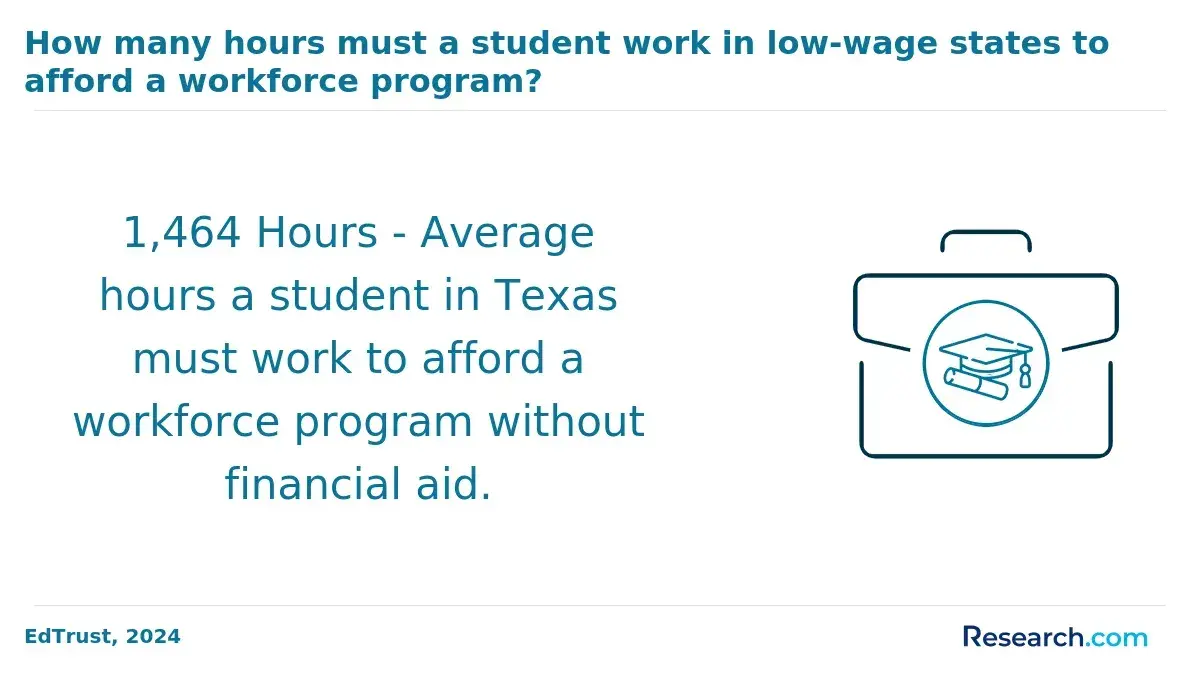
Accounting majors should look for internships with a defined training plan, supervised accounting work, access to feedback, and a clear connection to entry-level hiring. The title matters less than the duties. A "tax intern" who prepares workpapers, reviews source documents, and learns research procedures gains more career value than an "accounting intern" who only scans invoices without context.
The best program type depends on your career goal. Public accounting is often strongest for students who want audit, tax, advisory, or CPA-track roles. Corporate accounting is often better for students who want to understand one company's internal reporting cycle. Government and nonprofit internships can be excellent for students interested in compliance, public finance, or mission-driven accounting.
The table below compares major accounting internship settings. Use it to match your internship search to the work environment you want after graduation.
| Program type | Typical work exposure | Career value | Good fit when |
| Public accounting firm | Audit support, tax preparation, client documentation, workpapers, testing, research | Strong pathway to staff accountant, tax associate, audit associate, or advisory roles | You want CPA-track experience and can handle seasonal deadlines |
| Corporate accounting department | Reconciliations, close support, fixed assets, accounts payable, receivables, reporting | Strong pathway to staff accountant, financial reporting, internal audit, or FP&A-adjacent roles | You prefer learning one company's systems and internal controls |
| Government agency | Budgeting, compliance review, fund accounting, grants, procurement controls | Useful for public-sector accounting and auditing paths | You value stability, compliance work, and public service |
| Nonprofit organization | Grant tracking, restricted funds, donor reporting, payroll support, compliance | Useful for nonprofit finance and grant-accounting roles | You want mission-driven experience and broader responsibility |
| Forensic, advisory, or risk internship | Data review, controls testing, transaction analysis, documentation of irregularities | Useful for specialized accounting careers | You have strong analytical skills and want investigative or consulting exposure |
Students comparing accounting with broader business leadership paths may also consider whether a future graduate business credential fits their goals; for example, some working professionals research easy online MBA programs after gaining accounting experience. For current accounting majors, however, the immediate priority is usually to secure supervised technical experience before graduation.
Be cautious with internships that have vague descriptions, no named supervisor, no accounting software exposure, or no feedback process. Those roles can still be useful if you are starting from zero, but they should not be your only experience if your goal is a competitive full-time accounting role.
Accounting internships should teach both technical execution and professional judgment. Students often expect to "do accounting," but the day-to-day work can include reviewing invoices, preparing schedules, tying out balances, testing support, documenting findings, cleaning spreadsheet data, attending team meetings, and asking clarifying questions before posting or recommending anything.
AI and automation are changing the entry-level skill mix. Interns may use workflow tools, optical character recognition, automated reconciliations, ERP systems, or AI-assisted research, but employers still expect them to understand the accounting treatment, review exceptions, and document decisions. Automation reduces some repetitive work; it does not remove the need for judgment.
The table below connects common accounting internship roles with the skills students should expect to build. Use it to evaluate whether a job description offers meaningful development.
| Internship role | Common responsibilities | Skills likely developed | Useful software exposure |
| Audit intern | Testing samples, tying schedules to support, documenting controls, preparing workpapers | Professional skepticism, documentation, materiality awareness, client communication | Excel, audit platforms, document management systems |
| Tax intern | Organizing client documents, preparing basic returns, researching tax issues, checking forms | Tax compliance, attention to detail, research discipline, deadline management | Tax preparation software, Excel, research databases |
| Corporate accounting intern | Supporting close, preparing reconciliations, reviewing AP or AR, assisting with journal entries | Accrual accounting, variance analysis, internal controls, process improvement | ERP systems, Excel, Power BI or reporting tools |
| Internal audit intern | Testing controls, reviewing procedures, documenting exceptions, supporting risk assessments | Control design, evidence gathering, risk thinking, interview skills | GRC tools, Excel, audit workflow platforms |
| Forensic or advisory intern | Reviewing transaction data, organizing evidence, preparing analyses, supporting reports | Analytical reasoning, data integrity, investigative documentation, client-ready communication | Excel, data analytics tools, visualization tools |
Good internships also teach workplace habits that are hard to learn in class: how to ask questions without appearing unprepared, how to manage review notes, how to track billable or project time, how to protect client information, and how to communicate when a deadline is at risk.
If an internship is mostly repetitive, ask for context. For example, if you are reconciling accounts, ask how the reconciliation affects financial reporting, controls, or audit readiness. That kind of curiosity helps turn routine tasks into learning and can improve your supervisor's confidence in you.
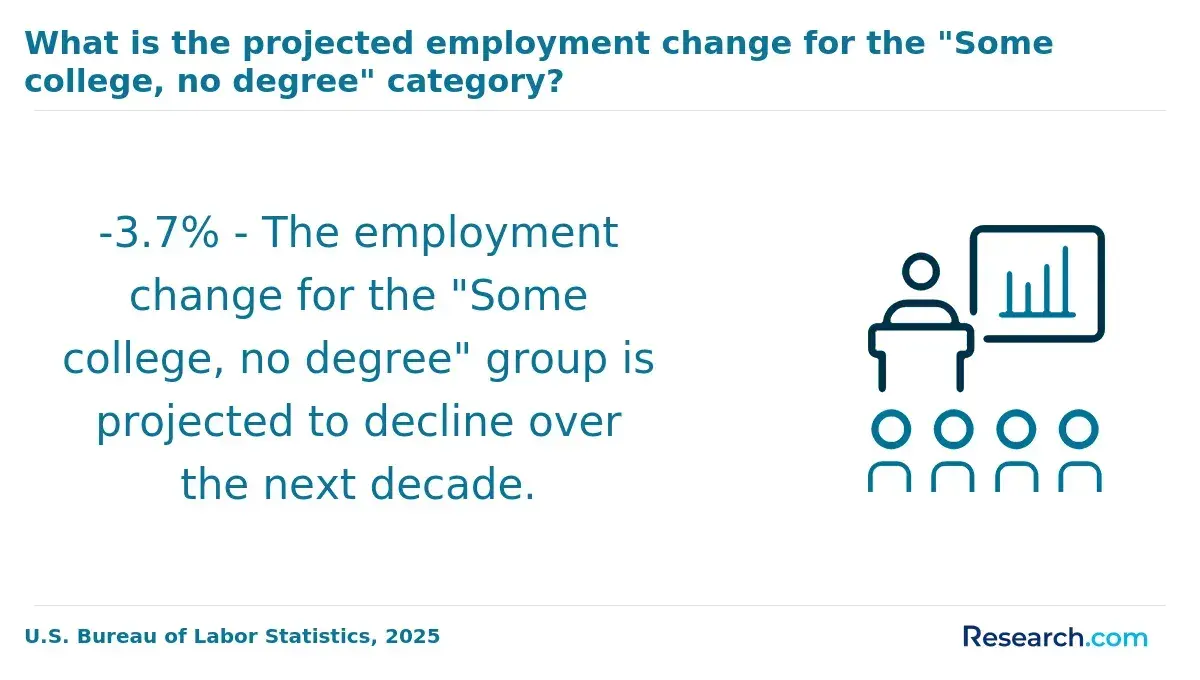
Remote accounting internships can be valuable when they are structured, supervised, and connected to real accounting systems. They are weaker when students are left alone with isolated spreadsheet tasks and little feedback. The format is less important than the quality of communication, training, data access, and review.
In-person internships often offer stronger informal learning because students can overhear explanations, observe office norms, and ask quick questions. Remote internships can offer flexibility, lower commuting costs, and access to employers outside a student's local market. Hybrid programs often provide the best balance when they combine office-based training with remote project execution.
The table below compares internship formats in practical terms. Use it when deciding whether a remote offer is worth accepting over an in-person or hybrid option.
| Format | Strengths | Risks | Best fit |
| In-person | More informal coaching, easier relationship building, better exposure to office culture | Commuting costs, geographic limits, less schedule flexibility | Students seeking mentorship, return offers, and confidence in professional settings |
| Remote | Flexible schedule, broader employer access, lower transportation costs | Isolation, slower feedback, limited networking if poorly designed | Self-directed students with reliable technology and strong written communication |
| Hybrid | Combines structured training with independent work time | Coordination problems if expectations are unclear | Students who want both mentorship and flexibility |
| Project-based micro-internship | Fast way to build evidence of skill and fill experience gaps | Limited depth, weaker return-offer potential | Students exploring accounting or adding experience before a larger internship |
Before accepting a remote accounting internship, ask how training works, who reviews your work, what software you will use, how often you will meet with the team, and whether interns are considered for full-time roles. A remote internship with weekly review meetings and real close or audit tasks can be stronger than an in-person role with no supervision.
A common mistake is assuming that in-person automatically means better. The better question is whether the internship creates verified accounting experience, feedback, and relationships. If the remote role has a clear supervisor, defined accounting deliverables, secure data procedures, and regular performance feedback, it can deliver strong value.
Yes. Paid internships are widely available for accounting degree students, especially in public accounting firms, corporate accounting departments, financial services companies, consulting firms, and larger government-related programs. Unpaid roles still exist, particularly in small nonprofits, volunteer tax programs, very small businesses, or academic-credit arrangements, but they should be evaluated carefully.
NACE's 2024 internship reporting placed average bachelor's-level intern pay at about $24 per hour across majors. That benchmark is useful because accounting students can compare an offer against the broader intern market while remembering that pay varies by city, employer size, busy-season demand, and role type.
The following list shows how to think about internship compensation beyond the hourly rate. These factors help determine whether a "paid" offer actually makes financial sense.
- Hourly wage or stipend amount, including whether overtime is allowed during busy season.
- Commuting, parking, professional clothing, relocation, housing, and meal costs.
- Academic credit fees if the school requires paid tuition for internship credit.
- Training value, mentorship access, and whether the employer has a history of hiring interns full time.
- Schedule flexibility during tax season, month-end close, or exam periods.
An unpaid accounting internship may be worth considering only when it offers unusual learning value, academic credit you need, access to a hard-to-enter field, or a short-term bridge to paid experience. It is less attractive if the employer expects regular staff-level accounting work without compensation, provides no supervisor, or cannot explain what skills you will learn.
To compare offers, calculate the net value rather than just the gross hourly wage. For example, a higher-paying internship with expensive commuting and little mentorship may be less valuable than a slightly lower-paying internship that provides structured audit training, partner exposure, and a realistic return-offer path.
Accounting internships often convert into full-time opportunities, especially when they are designed as recruiting pipelines. Public accounting firms in particular use internships to evaluate technical aptitude, work ethic, coachability, professionalism, and cultural fit before making staff-level offers.
Broad employer surveys from NACE in 2024 continued to show internships as a major conversion channel, with employers commonly using intern performance to fill entry-level roles. Accounting-specific conversion rates vary by firm, office, service line, headcount needs, economic conditions, and whether the intern is close to graduation or CPA eligibility.
The table below gives a practical way to interpret conversion probability without treating any rate as guaranteed. Use it to identify whether an internship is built for placement or only short-term support.
| Conversion indicator | What it means | Placement implication | Student action |
| Formal internship class with training | The employer invests in interns as future hires | Generally stronger return-offer potential | Ask how return offers are evaluated |
| Supervisor and scheduled feedback | Performance is being reviewed against expectations | Better chance to improve before final decisions | Request mid-internship feedback and act on it quickly |
| Interns assigned to client or close-cycle work | The work resembles entry-level staff duties | Better evidence of job readiness | Document accomplishments and review notes |
| No clear hiring pathway | The role may exist only for temporary support | Lower direct conversion potential | Use the experience to apply elsewhere early |
| Employer asks about graduation and CPA timeline | The team is assessing full-time fit | Potentially stronger hiring signal | Be ready to explain your credit hours and exam plan |
Students can improve return-offer odds by treating the internship like an extended interview. That means showing up prepared, taking notes, meeting deadlines, checking work before submission, asking thoughtful questions, and responding well to review comments.
If you receive competing internship offers with different deadlines, do not ignore the issue. Ask each employer politely whether the deadline is flexible, consult your career center, and compare the role's training, pay, location, conversion history, and alignment with your target path. Reneging after accepting can damage relationships, especially in local accounting markets where recruiters know each other.
Accounting internships can affect long-term outcomes by helping students choose a specialty earlier, build references, enter stronger first jobs, and develop confidence before graduation. The first accounting role often shapes the next several years because it determines whether a graduate builds experience in audit, tax, corporate close, reporting, internal controls, advisory, government accounting, or nonprofit finance.
The BLS projects continued demand for accountants and auditors during the 2024 to 2034 period, with employment growth tied to economic activity, regulation, globalization of business, and financial transparency needs. For students, that means internships are not just résumé boosters; they are screening tools that help employers identify candidates who can perform in a detail-oriented, deadline-driven profession.
Long-term career benefits are strongest when the internship provides skills that transfer across employers. For example, audit documentation, Excel modeling, account reconciliations, ERP navigation, variance analysis, and client communication remain useful even if a student later moves from public accounting to corporate finance or internal audit.
The following outcomes are realistic benefits of a strong accounting internship. They are not guaranteed, but they are common reasons students prioritize paid, structured experience.
- Clearer specialty choice between audit, tax, corporate accounting, advisory, government, nonprofit, or forensic accounting.
- Stronger professional references from supervisors who can verify work quality and reliability.
- Better interview examples because the student can discuss real deadlines, review notes, reconciliations, testing, or client documentation.
- Earlier understanding of CPA eligibility, state licensure planning, and whether graduate study is necessary.
- Improved confidence using accounting technology, collaboration tools, and secure document workflows.
Some accounting professionals later move into teaching, research, executive leadership, data analytics, or doctoral study. If you eventually compare long-term academic pathways, resources on options such as 1 year PhD programs online free can help frame the difference between professional experience, graduate business education, and research-oriented credentials. For undergraduate accounting majors, however, the immediate career lever is usually high-quality supervised experience.
The main limitation is that not all internships produce equal value. A brand-name employer can help, but the strongest long-term signal is verified responsibility: what you did, what systems you used, what feedback you received, and whether your supervisor would hire you again.
Accounting internships can influence starting salaries indirectly by improving access to stronger employers, return offers, specialized roles, and better negotiation context. An internship does not automatically raise pay, but it can help students compete for roles with clearer advancement paths, CPA support, signing bonuses, overtime eligibility, or structured promotion timelines.
The May 2024 BLS median wage of $81,680 for accountants and auditors is not an entry-level salary figure, but it provides useful labor-market context. Starting pay will vary by region, firm size, service line, industry, credit hours, CPA eligibility, and cost of living. Students should compare entry-level offers against local market conditions rather than assuming one national number applies to all graduates.
The table below shows how internships can affect salary outcomes through employability factors rather than through a guaranteed wage premium.
| Internship factor | How it can affect starting pay | Why it matters | What to verify |
| Return offer from a structured program | May reduce job-search uncertainty and place the student into a defined staff role | Large firms and corporations often have established salary bands | Ask about base pay, overtime, bonus, benefits, and CPA support |
| Specialized tax, audit, advisory, or analytics exposure | Can make the student more competitive for targeted roles | Specialized experience may stand out in interviews | Confirm whether the work was substantive enough to discuss |
| Strong supervisor reference | Can improve credibility with other employers | References reduce perceived hiring risk | Ask whether the supervisor can speak to specific skills |
| CPA eligibility progress | Can affect access to CPA-track roles | Some employers prefer candidates who can sit for the exam soon | Check state board rules and employer expectations |
| Remote-only experience without feedback | May have weaker salary impact if duties are hard to verify | Employers value evidence of supervised responsibility | Keep work samples, metrics, and review documentation when allowed |
Students comparing accounting with people-centered graduate career paths, such as MFT online programs, should evaluate salary differently. Accounting internship ROI is often tied to early professional placement, licensure planning, and employer pipelines, while other fields may have different clinical-hour, supervision, and state-licensure requirements.
When comparing full-time offers after an internship, look beyond base pay. CPA exam reimbursement, paid study time, overtime rules, busy-season expectations, promotion timelines, health benefits, relocation support, and mentorship can change the real value of an offer.
Competitive accounting internships are won through preparation, not last-minute applications. Employers usually evaluate GPA, coursework, communication skills, professionalism, work authorization requirements, graduation date, CPA eligibility path, and evidence that the student understands the role.
Because accounting work is detail-heavy, small errors can hurt an application. A résumé with inconsistent dates, vague bullet points, or typos may signal the same lack of care that employers fear in reconciliations, workpapers, and tax documentation.
Use the following steps to strengthen your candidacy before application season. These actions are especially important if your school is not a major recruiting target for large firms.
- Build a role-specific résumé that names accounting coursework, Excel skills, software exposure, tax preparation experience, bookkeeping projects, volunteer income tax work, or audit-related class projects.
- Translate class work into outcomes, such as preparing a mock statement of cash flows, reconciling a bank account, analyzing variances, or documenting internal control weaknesses.
- Attend accounting career fairs early and speak with firms before applications open, because recruiters often remember students who ask informed questions.
- Prepare a 30-second explanation of why you are interested in audit, tax, corporate accounting, advisory, government accounting, or nonprofit finance.
- Practice behavioral interview answers using accounting examples, including how you handled deadlines, checked your work, responded to feedback, and managed confidential information.
- Follow up professionally after interviews and networking events, referencing one specific point from the conversation instead of sending a generic thank-you message.
Students considering adjacent legal, compliance, or business operations paths may compare accounting internships with options tied to credentials such as the cheapest ABA-approved paralegal programs. That comparison can be useful if you are drawn to tax controversy, forensic accounting, compliance, or regulatory documentation, but accounting internships should still demonstrate financial analysis and accounting-system exposure.
One practical way to stand out is to create a small evidence portfolio. This does not need to include confidential employer data. Instead, you can include a sanitized Excel reconciliation, a class-based audit planning memo, a tax research summary, or a dashboard built from public financial statement data. The goal is to show how you think, organize information, and explain accounting work.
Other Things You Should Know About Accounting
Sometimes, but only under specific conditions. An unpaid internship may be reasonable if it is short, supervised, tied to academic credit, provides real accounting exposure, or helps you enter a hard-to-access niche. Avoid unpaid roles that replace staff labor, offer vague duties, or provide no feedback.
Many competitive firms prefer a solid GPA, but requirements vary by employer, office, and role. If your GPA is not your strongest asset, emphasize accounting coursework, Excel ability, tax or bookkeeping experience, leadership, work ethic, and improved performance in upper-level accounting classes.
Choose audit if you want broad exposure to financial statements and client industries, tax if you enjoy rules and compliance deadlines, and corporate accounting if you want to understand one company's reporting cycle. If you are unsure, prioritize the internship with better supervision and transferable accounting tasks.
Treat the internship as a long interview. Meet deadlines, check your work, take notes, ask for feedback, respond well to review comments, communicate early when you are stuck, and show interest in the employer's full-time hiring process before the internship ends.
See What Experts Have To Say About Studying Accounting
Read our interview with Accounting experts

Yaw M. Mensah
Accounting Expert
Professor and Interim Vice Dean for Strategic Partnerships
Rutgers Business School

John Wermert, Ph.D., CPA
Accounting Expert
Associate Professor of Accounting
Middle Tennessee State University

- Internship Program https://www.wendroffcpa.com/internship-program/
- Top Seven Firms with Paid Accounting Internships https://www.gradsiren.com/career-advice/top-seven-firms-paid-accounting-internships/
- Why Early Accounting Internships Build Better Careers https://sorren.com/insights/accounting-internships-career-benefits/
- Internship Statistics in the USA (2023/2024) https://internexxus.com/internship-statistics-in-the-usa-2023-2024/
- 105 Internship Statistics: Pay, Intern Employment, and More https://flair.hr/en/blog/internship-statistics
- Paid vs. Unpaid Internships https://www.hrblock.com/tax-center/lifestyle/education/paid-or-unpaid-summer-internships/
- Paid vs Unpaid Internships: How to Decide Which Is Right for You https://www.careerflow.ai/blog/paid-vs-unpaid-internships
- Vault | The Career Engagement Platform - Vault https://vault.com/best-internships-rankings-search/best-internships-by-industry/accounting
- Information Management and Business Review (ISSN 2220-3796) ... https://ojs.amhinternational.com/index.php/imbr/article/download/3905/2568/
- NCACPA Blog | CPA Today https://www.ncacpa.org/blog/