2027 Accounting Degree Licensure Outcomes Report: Pass Rates, Barriers, and Career Impact

Co-Founder and Chief Data Scientist
Choosing an accounting degree is not only about finishing courses; for many students, the real goal is becoming licensed. The Bureau of Labor Statistics reports median annual pay of $81,680 for accountants and auditors, while recent NASBA/AICPA reporting shows CPA Exam sections often post pass rates below 60%. That gap matters.
This guide is for prospective students, current accounting majors, and career changers who want to understand CPA eligibility, exam outcomes, licensing barriers, costs, and whether licensure is likely to improve career access and return on investment.
Key Things You Should Know
- Graduation does not automatically lead to accounting licensure; most CPA candidates must complete a bachelor's degree, 150 semester hours, required accounting and business coursework, exam passage, and supervised experience that varies by state.
- CPA Exam outcomes should be read carefully because first-time pass rates, repeat-attempt pass rates, section-level pass rates, cohort size, and reporting year can tell very different stories about graduate readiness.
- Licensure can expand access to audit, public accounting, management, and ownership pathways, but barriers such as extra credits, exam retakes, fees, work-hour requirements, and state-specific rules affect both cost and timeline.
- Is Professional Licensure Required for Accounting Degree Careers?
- How Do Accounting Degree Graduates Qualify for Professional Licensure?
Is Professional Licensure Required for Accounting Degree Careers?
Professional licensure is required for some accounting careers, but not all of them. The most common U.S. accounting license is the Certified Public Accountant, or CPA. A CPA license is issued by a state board of accountancy and gives the holder authority to perform certain regulated services, especially signing audit reports and representing professional competence to the public.
For students comparing accounting degrees, the key question is not simply "Can I get an accounting job?" but "Does this degree support the credential needed for the accounting work I want?" Many accounting graduates work successfully without a CPA license, but some roles either require it or strongly prefer it.
The table below separates career goals where licensure is usually central from careers where an accounting degree may be enough. Use it to decide whether licensure outcomes should be a top factor in your program search.
| Career goal | Is a CPA license usually required? | Why it matters |
| External audit and attest services | Often required for signing authority and advancement | Public accounting firms need licensed professionals for regulated client work. |
| Tax preparation and advisory | Not always required, but often valuable | CPA status can improve credibility and may support higher-level client advisory work. |
| Corporate accounting | Not always required | Many staff accountant and senior accountant roles accept non-licensed graduates, but CPA status can help with promotion. |
| Government accounting | Usually not required at entry level | Licensure may support advancement, especially in audit or oversight roles. |
| Bookkeeping, payroll, and accounts payable | Usually not required | These roles may value experience, software skills, and accuracy more than licensure. |
| Controller, finance director, or partner track | Often preferred | Employers frequently view CPA licensure as evidence of technical depth and professional readiness. |
If your goal is public accounting, audit, or long-term leadership in accounting, licensure outcomes should be a major part of your degree evaluation. If your goal is entry-level bookkeeping, accounting operations, or analyst work, a non-licensed path may still be practical, especially if you build strong software, tax, and reporting skills.
How Do Accounting Degree Graduates Qualify for Professional Licensure?
Accounting licensure is a sequence, not a single event. Most candidates first earn an accounting or business degree, then complete additional credit-hour and coursework requirements, pass the Uniform CPA Examination, and meet experience and ethics requirements set by their state board.
The typical CPA pathway includes several checkpoints. Missing one can delay licensure even if you graduate with strong grades.
- Confirm your state board's education rules before enrolling or transferring credits.
- Complete a bachelor's degree with the required accounting and business coursework.
- Reach the required total credit hours, commonly 150 semester hours for CPA licensure.
- Apply to sit for the CPA Exam through the correct state board or testing administrator.
- Pass all required CPA Exam sections within the state's permitted testing window.
- Complete qualifying supervised experience, often under a licensed CPA.
- Submit license paperwork, fees, transcripts, experience verification, and any required ethics exam or course.
One common misunderstanding is that an accounting bachelor's degree automatically satisfies CPA requirements. Many bachelor's programs contain about 120 semester hours, so students may need a master's degree, additional undergraduate credits, a graduate certificate, or approved community college coursework to reach 150 hours. The least expensive route depends on your state rules, transfer policy, financial aid eligibility, and whether graduate study will improve your job prospects.
Online accounting degrees can support licensure, but format alone does not determine eligibility. What matters is whether the institution is accredited, whether the coursework meets state board categories, and whether the program provides enough accounting content for the jurisdiction where you plan to become licensed.
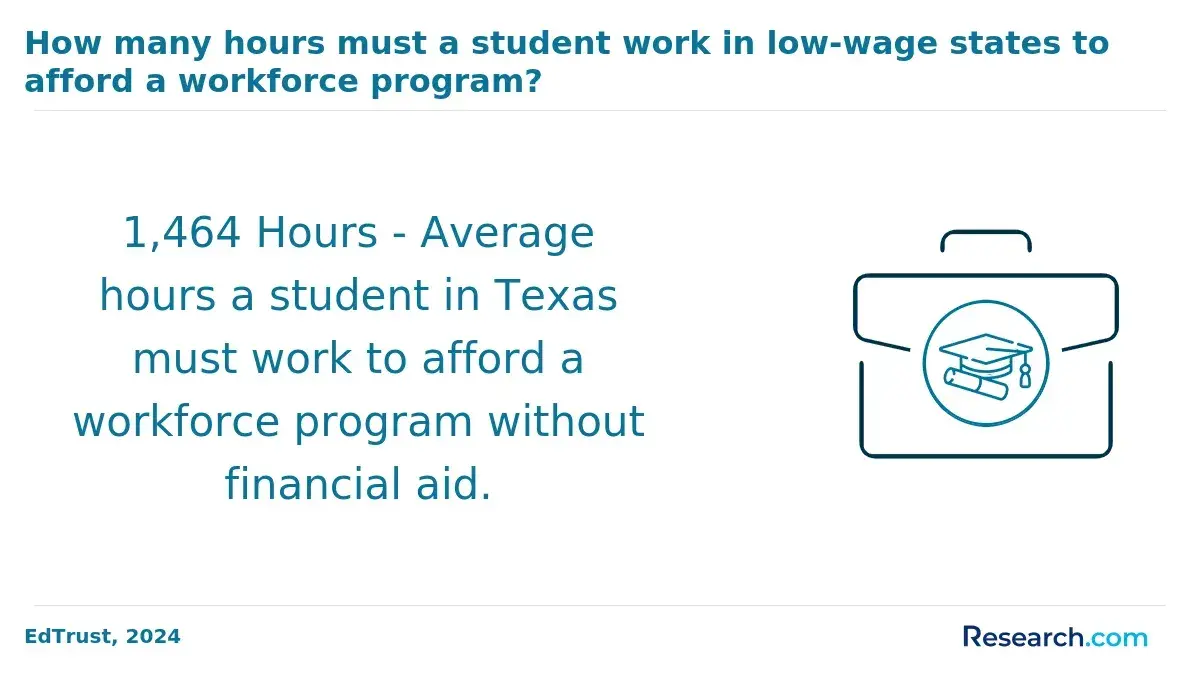
CPA Exam pass rates are one of the most useful outcome indicators for accounting students, but they are also easy to misread. A pass rate may refer to first-time test takers, all attempts, a single exam section, a school cohort, a calendar year, or a national candidate pool.
Recent national CPA Exam reporting from NASBA and the AICPA has shown that section pass rates often fall below 60%. For students, that means exam readiness should be treated as a serious academic and financial planning issue, not as a final formality after graduation.
The table below explains the main pass-rate terms you are likely to see when comparing schools. Understanding the definitions helps you avoid choosing a program based on a misleading number.
| Metric | What it measures | How to use it |
| First-time pass rate | The share of candidates who pass a section on their first attempt | Best indicator of how well coursework and exam preparation align. |
| Overall pass rate | Passes across first-time and repeat attempts | Useful, but it may look stronger if candidates eventually pass after multiple retakes. |
| Section pass rate | Performance on one CPA Exam section | Important because candidates may perform differently in auditing, regulation, financial accounting, and discipline areas. |
| Program-level pass rate | Performance by graduates or candidates from one school | Helpful only if the school reports cohort size, year, and candidate definition. |
| National pass rate | Performance across all reported candidates | Useful as a benchmark, but it does not show how one program supports its students. |
A strong program does more than publish a high pass rate. It should be able to explain how many graduates sat for the exam, how soon after graduation they tested, how many needed retakes, and whether students received structured CPA review support. A red flag is a school that advertises "high CPA success" without defining the reporting period, candidate count, or whether the rate includes repeat attempts.
The most common barriers to accounting licensure are not always academic failure. Many candidates are delayed by credit-hour gaps, state-specific coursework rules, exam scheduling, retake costs, work experience documentation, or uncertainty about where they plan to become licensed.
The table below highlights barriers that can increase the time, cost, or uncertainty of becoming licensed. Use it as a risk checklist before you enroll, transfer, or choose an exam timeline.
| Barrier | How it affects candidates | Why it matters for degree choice |
| Missing 150-hour requirement | Candidate may graduate but remain short of license eligibility | The program should show how students can complete extra credits affordably. |
| Insufficient accounting coursework | State board may reject or question transcript categories | Course titles and content must match state rules, not just degree names. |
| Exam section failure | Retakes add fees, study time, and possible delays | Programs with stronger exam preparation may reduce avoidable risk. |
| Work experience mismatch | Experience may not qualify if supervision or duties do not meet board rules | Students should understand internship and employer pathways early. |
| Out-of-state enrollment confusion | Online students may prepare for the wrong jurisdiction | Programs should disclose state authorization and licensure eligibility limits. |
| Delayed transcript or paperwork review | Administrative issues can slow exam approval or licensure | Schools with strong advising can help students sequence applications correctly. |
Several mistakes are especially costly because they are preventable. Students should avoid these traps when evaluating accounting degree outcomes.
- Do not compare pass rates unless you know whether they are first-time, overall, section-specific, or based on a small cohort.
- Do not assume an online accounting degree qualifies you in every state; check the state board where you want the license.
- Do not choose the cheapest program without calculating the cost of missing credits, exam review, retakes, and delayed employment advancement.
- Do not focus only on CPA passage while ignoring graduation rates, course availability, internship access, and faculty support.
- Do not assume licensure guarantees a job or salary increase; it improves eligibility and credibility, but outcomes still depend on experience, market, and employer needs.
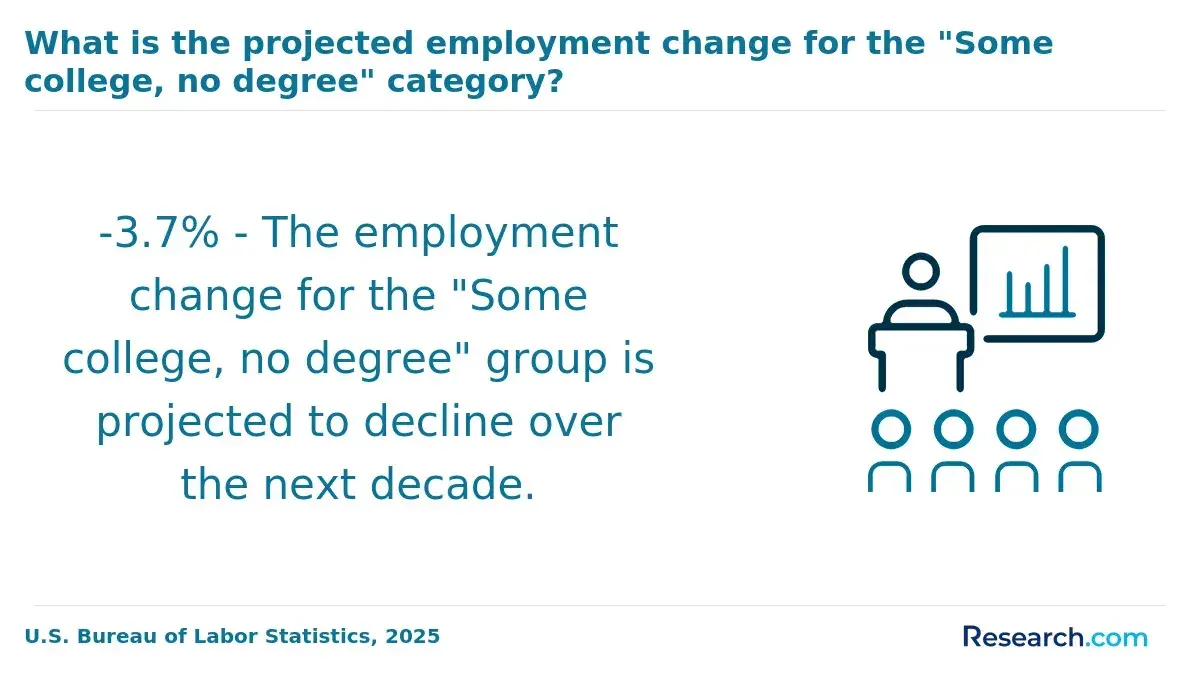
Good exam preparation starts before graduation. Because the CPA Exam tests applied judgment as well as technical knowledge, students should build a plan that connects coursework, review materials, testing order, work obligations, and retake strategy.
The most practical preparation plan is sequential. It gives you a way to move from degree planning to exam completion without waiting until your final semester to discover eligibility problems.
- Request a CPA eligibility audit from your advisor and compare it with your state board's published rules.
- Map remaining accounting, business, ethics, and total-credit requirements before registering for senior-year courses.
- Ask whether the program reports CPA Exam outcomes for first-time test takers and whether review resources are included in tuition or fees.
- Choose an exam section order that fits your strengths, work schedule, and state testing window.
- Use practice exams to identify weak areas before paying for an official exam appointment.
- Budget for at least one possible retake so a failed section does not stop your licensure plan.
- If you fail a section, review the score report, adjust your study method, and retest before knowledge fades.
Remediation should be specific, not simply "study more." Candidates who struggle with financial accounting may need problem repetition and standards review, while candidates who struggle with audit may need more practice interpreting scenarios and evidence. If a school offers tutoring, faculty-led review sessions, or employer-sponsored CPA preparation, those supports can meaningfully reduce friction.
Students should also consider timing. Working full time in public accounting during busy season can make exam preparation harder, even for strong graduates. A program that helps students plan internships, exam windows, and credit completion together may produce better licensure outcomes than a program that treats the exam as entirely separate from the degree.
Accounting licensure is state-based, so requirements and portability rules matter. A candidate may study in one state, sit for the exam through another state board, work for an employer in a third state, and later move. That flexibility can be helpful, but only if the candidate understands jurisdiction rules early.
Most states follow broadly similar CPA expectations, including education, exam, experience, and ethics components, but details vary. Differences may involve required upper-division accounting credits, acceptable experience, who can verify work, ethics exams, residency rules, and timing windows for exam credit.
The table below explains how state variation can affect common student scenarios. It is especially important for online learners and military families who may move before completing licensure.
| Scenario | Licensure risk | What to check |
| You study online from another state | Your program may not be designed for your board's course rules | Ask for written disclosure of state licensure alignment. |
| You plan to move after graduation | Your original exam jurisdiction may not match your employment state | Compare initial licensure and reciprocal licensing rules. |
| You complete experience under a non-CPA supervisor | Experience may not qualify in some jurisdictions | Confirm who must verify your work and what duties count. |
| You pass the exam but delay licensing | Some requirements or documentation may change over time | Track deadlines, ethics rules, and experience submission requirements. |
Portability concerns are common across licensed professions, not just accounting. Students comparing accounting with fields such as MFT online programs should pay close attention to state authorization, supervised experience, and license transfer rules before enrolling.
Before choosing a program, contact the state board directly or review its official education checklist. Admissions advisors can be helpful, but the licensing board is the authority that decides whether your credits, exam record, and experience qualify.
The cost of accounting licensure includes more than tuition. Students often need extra credits beyond the bachelor's degree, exam application and section fees, review materials, transcript evaluations, license application fees, and potential retake fees. The total timeline also depends on whether the student studies full time, works while preparing, and completes qualifying experience promptly.
Typical CPA Exam-related expenses can exceed $1,000 before review materials, and commercial review courses may add a substantial additional cost. Because fees vary by state and provider, students should build a personalized budget instead of relying on a single national estimate.
The table below shows the main cost and time categories. It is designed to help you identify which parts are fixed, which vary by state, and which depend on your program choice.
| Cost or time factor | What it includes | Decision impact |
| Additional credits | Courses needed to reach total-hour and subject requirements | May make a master's, certificate, or lower-cost transfer credits worth comparing. |
| Exam fees | Application, registration, and exam section charges | Retakes increase total cost, so preparation support matters. |
| Review materials | CPA review course, practice exams, and study tools | Included review resources can improve value even if tuition is higher. |
| Experience period | Qualifying work under required supervision | Licensure may take longer if employment does not meet board rules. |
| License application | Board fees, transcripts, ethics requirements, and documentation | Administrative planning prevents avoidable delays. |
To estimate your own cost, compare at least two routes to 150 hours: a bachelor's-plus-master's pathway and a bachelor's-plus-additional-credit pathway. A graduate accounting degree may support recruiting and advanced coursework, while lower-cost approved credits may reduce debt if your main goal is simply eligibility.
Be careful when comparing CPA licensure with unrelated accelerated degree marketing, such as 1-year PhD programs online free. CPA timelines are controlled by state board rules, exam passage, and verified experience, so speed claims should never replace a licensure eligibility audit.
Licensure can affect accounting careers in three main ways: job eligibility, credibility, and advancement. It does not guarantee employment or a specific salary, but it can open doors that may be harder to access with a degree alone, especially in public accounting, audit, tax advisory, financial reporting leadership, and partner-track roles.
The Bureau of Labor Statistics reports median annual pay of $81,680 for accountants and auditors. That figure includes a broad mix of licensed and non-licensed workers, so it should be used as a labor-market benchmark rather than a CPA-specific salary promise.
The table below compares how licensed and non-licensed pathways may differ. The goal is to clarify career access, not to suggest that one path is always better for every student.
| Career factor | Licensed CPA pathway | Non-licensed accounting pathway |
| Public accounting advancement | Often important for manager, partner, and signing authority roles | May be limited in audit or attest tracks. |
| Corporate accounting | Can strengthen candidacy for senior accountant, controller, and reporting roles | Still viable, especially with strong experience and systems skills. |
| Client trust and marketability | Recognized credential signals regulated competence | Credibility depends more on experience, employer reputation, and portfolio. |
| Career mobility | May improve portability across firms and industries | Mobility may depend more on niche expertise or software knowledge. |
| Cost and time | Requires extra credits, exam preparation, fees, and experience | May allow faster entry into paid accounting roles. |
Current accounting trends make the licensure decision more strategic. Automation and AI are changing routine bookkeeping and reconciliation tasks, which increases the value of judgment-based skills such as audit analysis, tax planning, internal controls, data interpretation, and advisory communication. CPA licensure can support those higher-responsibility paths, but students also need technology fluency and practical experience.
Some accounting graduates later compare CPA licensure with business leadership credentials, including easy online MBA programs. The better choice depends on whether your goal is regulated accounting authority, broader management mobility, or a combination of both.
Not every accounting graduate needs a CPA license to build a stable career. A non-licensed path may be a good fit if you want to enter the workforce quickly, avoid additional education costs, specialize in accounting operations, or work in roles where employers prioritize experience and technical skills over regulated authority.
Several career options are commonly available to accounting graduates without professional licensure. These roles may still require strong accounting knowledge, spreadsheet ability, enterprise resource planning software experience, and attention to deadlines.
- Staff accountant roles focused on reconciliations, journal entries, month-end close, and financial reporting support.
- Accounts payable or accounts receivable roles involving vendor payments, invoicing, collections, and internal controls.
- Payroll specialist roles requiring wage calculations, tax withholding knowledge, compliance awareness, and HR coordination.
- Tax associate roles in firms or companies where a CPA is preferred for advancement but not always required at entry level.
- Budget analyst or financial analyst roles that combine accounting knowledge with forecasting, reporting, and business analysis.
- Internal audit support roles where certifications such as Certified Internal Auditor may become relevant later.
- Bookkeeping or small business accounting roles where software proficiency and client service are central.
A non-licensed path may be less suitable if your goal is to sign audit opinions, become a public accounting partner, hold yourself out as a CPA, or compete for senior technical accounting positions that list CPA licensure as required. In those cases, choosing a degree without confirming licensure alignment can create an expensive detour.
The best decision is goal-based. If you want regulated accounting authority and long-term advancement in audit, tax, or financial reporting leadership, prioritize CPA eligibility, exam preparation, and state-board alignment. If you want faster workforce entry and are comfortable building advancement through experience, software skills, and employer-specific expertise, a non-licensed accounting path can still be worthwhile.
Accreditation and program quality affect licensure outcomes because state boards rely on transcripts, institutional recognition, and course categories when deciding whether a candidate is eligible. Regional or institutional accreditation is usually the baseline. Specialized business or accounting accreditation, such as AACSB accounting accreditation, can be a positive quality signal, although state boards still make the final eligibility decision.
Students should not assume that a well-known school, an online format, or a low tuition price automatically means CPA eligibility. The right question is whether the program's credits and courses match the rules of the state where you plan to test and become licensed.
The table below summarizes quality factors that influence licensure readiness. These are not guarantees, but they help you compare programs with less guesswork.
| Program factor | Why it affects licensure outcomes | What to verify |
| Institutional accreditation | State boards commonly require credits from recognized institutions | Confirm the accreditor is accepted by your state board. |
| Accounting course depth | CPA eligibility often requires specific accounting subjects | Check coverage in audit, tax, financial accounting, cost accounting, and accounting information systems. |
| 150-hour planning | Bachelor's-only plans may leave students short of licensure credit totals | Ask for a written pathway to 150 semester hours. |
| CPA review integration | Exam-aligned preparation can reduce the risk of retakes | Ask whether review tools, practice exams, or capstone preparation are included. |
| Outcome transparency | Clear reporting helps students assess risk | Request pass rates by year, section, first-time status, and cohort size. |
Accreditation checks are also important in other credential-sensitive fields; students comparing accounting with legal support careers may notice similar concerns when reviewing the cheapest ABA-approved paralegal programs. The broader lesson is the same: affordability matters, but recognized academic quality and licensure alignment matter too.
Other Things You Should Know About Accounting
No. An accounting degree may satisfy part of the education requirement, but CPA licensure usually also requires specific coursework, 150 semester hours, CPA Exam passage, supervised experience, and state board approval.
A first-time pass rate counts candidates who pass on their first attempt. An overall pass rate may include repeat attempts, so it can look stronger while hiding how often graduates needed retakes.
It can be, if the institution is properly accredited and the coursework meets the rules of the state where you plan to become licensed. Always verify eligibility with the state board before enrolling.
It depends on your career goal. Licensure is most valuable for public accounting, audit, tax advisory, and senior financial reporting paths. For bookkeeping, payroll, and some corporate accounting roles, experience and technical skills may matter more than licensure.
See What Experts Have To Say About Studying Accounting
Read our interview with Accounting experts


Yaw M. Mensah
Accounting Expert
Professor and Interim Vice Dean for Strategic Partnerships
Rutgers Business School

- CPA Exam Performance - The CPA Journal https://www.cpajournal.com/2019/10/02/cpa-exam-performance/
- Deferred CPA: Accountancy Graduates Decision in Taking ... https://journal.ijris.com/index.php/ijris/article/download/19/24/42
- Report: 'Startling differences' in teacher licensure pass rates among states https://www.k12dive.com/news/report-startling-differences-in-teacher-licensure-pass-rates-among-state/603601/
- Has COVID-19 impacted pass rates for tests and exams? | PSI https://www.psiexams.com/knowledge-hub/pass-rate-concerns-in-the-testing-industry/
- Brief: How Preparation Predicts Teaching Performance ... https://learningpolicyinstitute.org/media/4312/download
- Accounting Career: Outlook and Overview | DeVry University https://www.devry.edu/blog/accounting-career-outlook.html
- CPA Exam Pass Rates - Universal CPA Review https://www.universalcpareview.com/cpa-exam-pass-rates/
- CPA Exam Pass Rates (2025 Updates) https://www.efficientlearning.com/cpa/resources/cpa-exam-pass-rates/
- CPA Exam Pass Rates https://accounting.uworld.com/cpa-review/cpa-exam/pass-rates/
- Evaluating Declining Pass Rates: Looking Beyond the Numbers https://www.credentialinginsights.org/Article/evaluating-declining-pass-rates-looking-beyond-the-numbers