2027 Accounting Degree Wage Advantage by Region: Where Graduates Gain the Biggest Earnings Edge

Co-Founder and Chief Data Scientist
Choosing where to use an accounting degree can change the value of your salary as much as the degree itself. The U.S. Bureau of Labor Statistics reports a 2024 median annual wage of $81,680 for accountants and auditors, well above the all-occupations median of about $49,500.
This guide is for students, new graduates, career changers, and working professionals comparing regions for pay, affordability, advancement, and return on investment. You will learn where accounting salaries stretch furthest, when relocation makes sense, and how to avoid choosing a market based on salary alone.
Key Things You Should Know
- The clearest accounting wage advantage appears when a region combines above-average accounting pay with manageable housing, tax, and commuting costs; high nominal salaries alone do not always produce the best financial outcome.
- BLS 2024 data places the national median wage for accountants and auditors at $81,680, while regional premiums tend to be strongest in finance, technology, government contracting, energy, consulting, and corporate headquarters markets.
- New graduates usually benefit most from regions with strong hiring pipelines and CPA support, while experienced accountants often gain more by targeting high-premium industries or specialized roles such as SEC reporting, tax planning, audit management, forensic accounting, and analytics.
- What Is the Regional Wage Advantage for Accounting Graduates?
- Which U.S. Regions Offer the Highest Salaries for Accounting Graduates?
What Is the Regional Wage Advantage for Accounting Graduates?
The regional wage advantage for accounting graduates is the extra economic value a graduate can gain by working in one region instead of another. It is not just the stated salary. A meaningful comparison looks at wages, cost of living, state taxes, commute costs, industry mix, advancement potential, and whether the region supports the graduate's credential goals, such as CPA licensure.
For accounting graduates, the wage advantage usually comes from three sources: the local demand for accounting talent, the concentration of higher-paying employers, and the cost structure of the region. A $90,000 salary in a high-rent coastal city may not outperform a $78,000 salary in a lower-cost metro if housing and transportation consume the difference. The strongest regions are often those where accounting work is tied to complex businesses, regulated industries, or fast-growing companies that need strong financial controls.
The table below shows how to think about the wage advantage by region. It does not imply that every city in a region pays the same; major metros, suburban business hubs, and rural areas can differ sharply within the same state.
| Region type | Typical wage advantage driver | Best fit for | Main trade-off |
| Northeast financial and corporate hubs | Finance, insurance, audit, tax, private equity, and headquarters demand | Graduates seeking public accounting, corporate finance, or high-end tax roles | High housing and commuting costs can reduce take-home value |
| West Coast technology and growth markets | Technology, venture-backed firms, equity compensation, and complex reporting needs | Accountants interested in tech, revenue recognition, internal controls, and IPO readiness | Cost of living and competition can be intense in the largest metros |
| South and Sun Belt metros | Business migration, population growth, logistics, healthcare, energy, and regional headquarters | New graduates seeking job availability and experienced professionals seeking affordability | Salary levels may vary widely by city and industry |
| Midwest business centers | Manufacturing, healthcare, insurance, agriculture, and stable corporate employers | Graduates prioritizing affordability, stability, and predictable career ladders | Top-end salaries may be lower than in coastal finance or tech centers |
| Federal and government contracting markets | Compliance, audit, grants accounting, defense contracting, and public-sector oversight | Accountants interested in government, nonprofit, audit, and contracting work | Credential requirements and security-related hiring processes may be more specific |
An accounting degree fits students who like structured problem-solving, financial reporting, regulation, tax rules, data accuracy, and business decision-making. Most entry-level accounting roles prefer at least a bachelor's degree, and CPA-track students often need 150 semester hours depending on state board rules. Students should verify regional CPA requirements from their program in college before choosing a school or relocating, because education, exam, and experience rules vary by jurisdiction.
Which U.S. Regions Offer the Highest Salaries for Accounting Graduates?
The highest accounting salaries tend to cluster in regions with dense financial activity, large corporate headquarters, sophisticated tax work, government contracting, technology firms, and regulated industries. BLS 2024 wage data consistently shows that high-paying accounting markets are not randomly distributed; they appear where financial complexity is high and employers compete for specialized talent.
The table below summarizes the regional salary picture in decision terms. Use it to narrow your search before comparing specific cities, employers, and cost-of-living data.
| Regional market | Salary strength | Common accounting roles | Why wages tend to be stronger |
| New York, New Jersey, Connecticut, and nearby Northeast metros | Very strong | Audit associate, tax associate, fund accountant, financial reporting analyst, controller-track roles | Finance, insurance, investment management, public accounting, and corporate headquarters concentration |
| California and Pacific technology hubs | Very strong | Revenue accountant, technical accountant, internal controls analyst, stock compensation accountant | Technology, entertainment, venture-backed companies, and complex reporting environments |
| Washington, D.C., Northern Virginia, and Maryland | Strong | Government auditor, grants accountant, compliance analyst, defense contractor accountant | Federal agencies, contractors, nonprofits, and regulated funding streams |
| Texas, Georgia, Florida, North Carolina, and Tennessee metros | Strong and growing | Corporate accountant, tax associate, healthcare accountant, energy accountant, shared services analyst | Business migration, regional headquarters, population growth, and expanding professional services |
| Illinois, Minnesota, Ohio, Wisconsin, and Michigan business centers | Moderate to strong | Cost accountant, manufacturing accountant, healthcare accountant, internal auditor | Established employers, manufacturing, insurance, healthcare, and lower operating costs |
The biggest nominal paycheck is often in the Northeast or West Coast, but the biggest usable wage advantage may be in a fast-growing Southern or Midwestern metro with lower rent and strong employer demand. For students, that means the "best" region depends on whether the goal is maximizing salary, saving faster, entering a specific industry, or building experience with a brand-name employer.
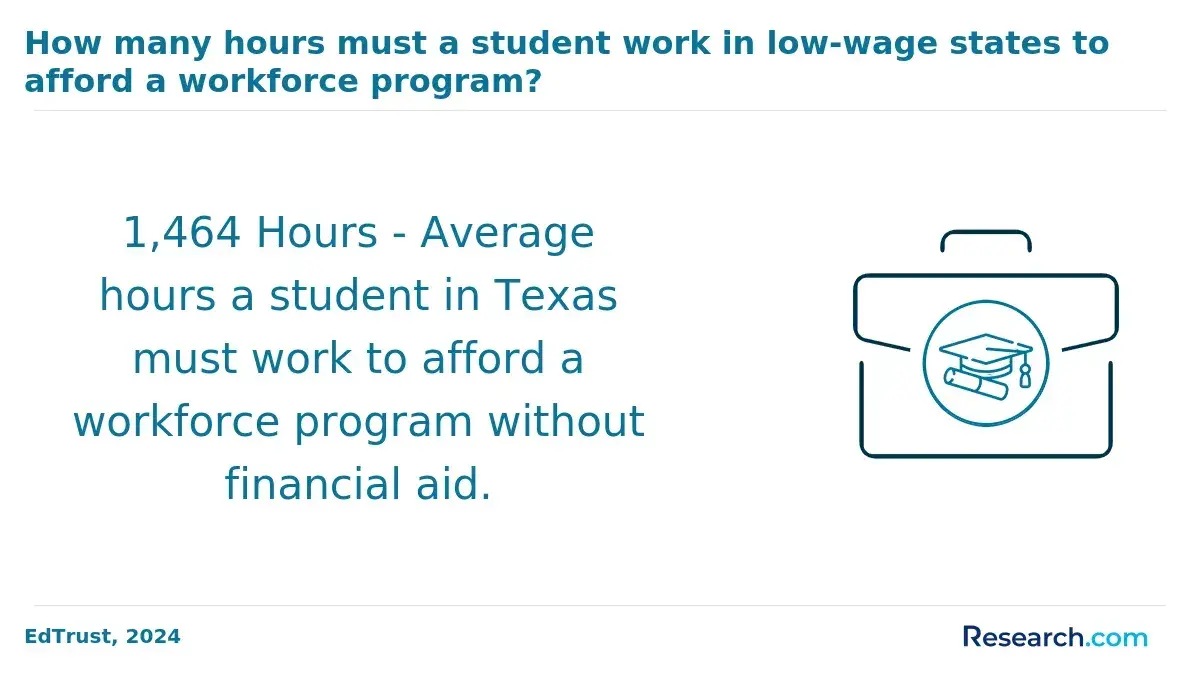
Cost of living can turn a high accounting salary into an average financial outcome. The Bureau of Economic Analysis uses Regional Price Parities to compare how expensive places are relative to the national average, where 100 represents the U.S. average. For accounting graduates, this matters because rent, transportation, food, insurance, and taxes affect how much of a salary can be saved, invested, or used to repay student loans.
The table below compares common regional salary trade-offs. It is designed to help you evaluate real purchasing power rather than relying only on job-posting salaries.
| Region profile | Salary pattern | Cost-of-living pressure | How to interpret the wage advantage |
| High salary, high cost | Common in major coastal finance and technology metros | High housing, parking, taxes, and commuting costs | Best if the role offers faster promotion, specialized experience, bonus potential, or brand-name career capital |
| Strong salary, moderate cost | Common in Sun Belt and second-tier corporate metros | Housing costs vary, but many markets remain more affordable than coastal hubs | Often a strong balance for graduates trying to build savings and experience at the same time |
| Moderate salary, low cost | Common in smaller Midwest, South, and interior markets | Lower housing and commuting costs can increase disposable income | Can be attractive for debt repayment, family stability, or long-term homeownership goals |
| Low salary, low cost | Common in smaller rural or less diversified markets | Living costs may be low, but employer options can be limited | Works best when the graduate has a clear advancement path, remote options, or a low debt burden |
A practical way to compare offers is to calculate an adjusted salary. Start with gross salary, subtract estimated federal and state taxes, then subtract housing, transportation, health insurance contributions, loan payments, and CPA exam or continuing education costs. If two offers look similar after those deductions, choose the region with better supervision, promotion history, industry fit, and credential support.
The common mistake is treating cost of living as a single number. A region may look affordable overall but still be expensive near major employers. Before accepting an offer, compare neighborhood-level rent, commute time, parking, public transit access, and whether the employer expects overtime during busy season. For accountants, hours and commute patterns can materially affect the real value of the salary.
Entry-level and experienced accounting salaries differ by region because early-career roles pay for potential and trainability, while senior roles pay for judgment, specialization, client responsibility, systems knowledge, and risk management. A new graduate may not immediately capture the full regional wage premium, but the region can still matter if it offers better training, CPA supervision, and promotion ladders.
BLS 2024 data reports a national median annual wage of $81,680 for accountants and auditors. For readers, the key takeaway is that the median includes both newer and experienced workers; entry-level offers often sit below the median, while senior accountants, managers, controllers, specialized tax professionals, and technical accounting specialists may exceed it depending on region and employer.
The table below shows how regional value can change by career stage. It helps explain why a region that is ideal for a first job may not be the best long-term market, and vice versa.
| Career stage | What matters most | Regions that often fit well | Decision guidance |
| Internship and first job | Training, CPA supervision, public accounting access, mentorship, exam support | Large metro areas, college-adjacent business centers, regional public accounting hubs | Prioritize learning quality and promotion structure over a small salary difference |
| Staff to senior accountant | Industry exposure, ERP experience, audit or tax depth, reporting responsibility | Corporate headquarters markets, healthcare hubs, finance centers, manufacturing regions | Move only if the new region expands responsibility, not just title |
| Manager and specialist | Leadership, technical expertise, client management, controllership path | High-complexity finance, tech, consulting, government contracting, and energy markets | Compare bonus potential, advancement, and cost of living before relocating |
| Controller, director, partner-track, or advisory | Strategic decision-making, risk ownership, business development, advanced credentials | Major business hubs and regions with concentrated industry demand | Salary premiums are more likely when expertise matches the local industry base |
New graduates should be careful about moving solely for a small pay bump. If the higher-paying region has higher rent, a longer commute, and weaker mentoring, the move can slow career growth. Experienced professionals, however, may benefit from relocation when the move gives access to specialized industries, larger teams, equity compensation, partnership opportunities, or senior corporate finance roles.
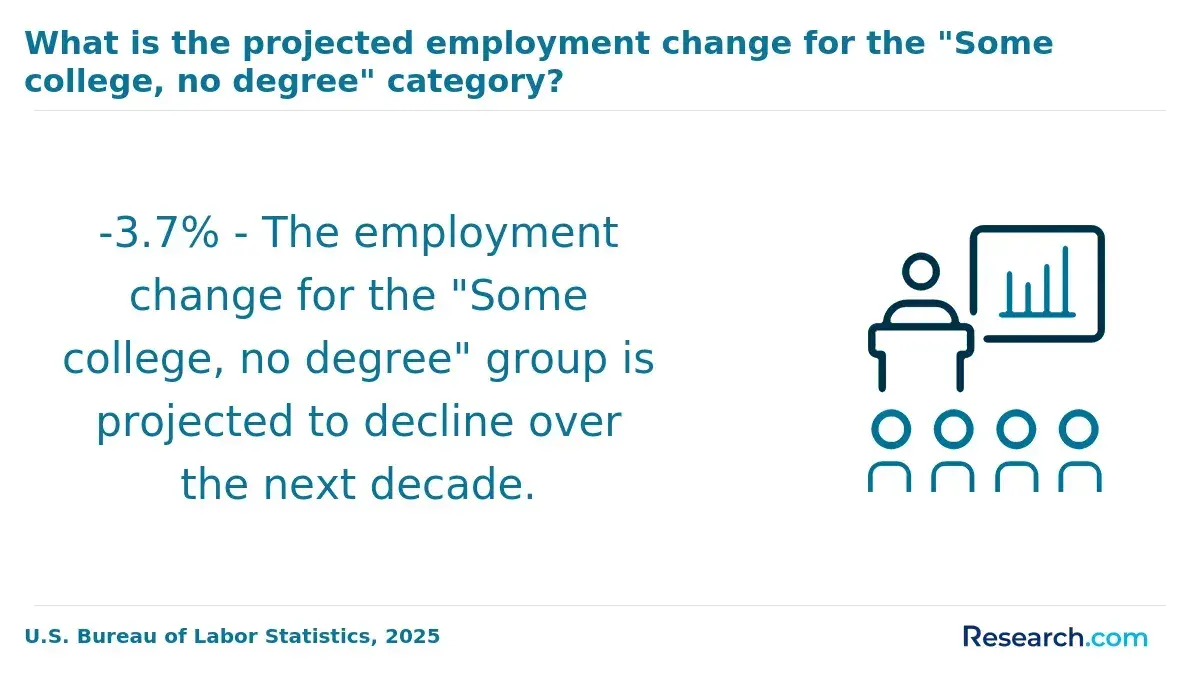
The best return on investment for an accounting degree usually comes from regions where graduates can find stable roles, progress toward CPA eligibility, keep living costs under control, and move into higher-value specialties. ROI is strongest when the degree cost is reasonable and the regional labor market provides enough employer choice to support promotions or lateral moves.
Accounting degree ROI depends on more than tuition. Students should include application fees, books, technology, commuting or housing, lost work hours, CPA exam costs, graduate credits if needed for the 150-hour requirement, and the time it takes to reach a higher-paying role. Accreditation also matters: students should favor properly accredited institutions and, for CPA goals, verify that coursework meets their state board's education requirements.
The table below compares regional ROI profiles rather than ranking every state. It helps students decide whether a market is better for fast earnings, savings, career mobility, or long-term advancement.
| Region profile | ROI strength | Why it can work | Who should be cautious |
| High-wage coastal hubs | High for specialized or fast-advancing candidates | Large employers, public accounting networks, finance and technology premiums | Students with high debt, no housing plan, or limited interest in intense competition |
| Sun Belt corporate growth metros | Often strong | Growing employer base, moderate costs in many markets, expanding healthcare, logistics, finance, and tech operations | Students assuming every fast-growing city has the same salary level |
| Midwest business centers | Often strong for affordability | Stable employers, lower housing costs in many areas, manufacturing and healthcare accounting demand | Students seeking the highest top-end salaries immediately after graduation |
| State capitals and government contracting regions | Strong for stability and benefits | Audit, compliance, grants, nonprofit, and public-sector accounting needs | Students who prefer rapid compensation growth over predictable career ladders |
| Smaller local markets | Variable | Lower living costs and less competition may help graduates build early experience | Students needing multiple employer options or specialized industry exposure |
Some accounting graduates improve ROI by combining accounting with management, analytics, or finance training. Those considering leadership roles can compare flexible graduate business options, including easy online MBA programs, but the added credential should be evaluated against tuition, employer reimbursement, and whether local employers reward the skill set.
The biggest ROI mistake is assuming that a more expensive school or a higher-cost region automatically leads to better outcomes. A lower-cost accredited accounting program paired with a strong regional internship pipeline can outperform a higher-cost option if it leads to CPA eligibility, relevant experience, and manageable debt.
Accounting graduates should relocate for higher-paying opportunities only when the move improves total financial value, career trajectory, or both. A higher salary is not enough. The better question is whether the new region provides a stronger combination of net income, promotion potential, industry specialization, credential support, and quality of life.
Use the following steps before accepting an out-of-region accounting offer. They are designed to prevent the most common relocation mistake: comparing salary numbers without comparing real costs and career fit.
- Calculate net monthly pay after federal taxes, state taxes, payroll deductions, insurance, retirement contributions, and expected overtime patterns.
- Compare realistic housing costs near the job, not just regional averages, and include parking, transit, fuel, and commute time.
- Ask whether the employer supports CPA exam preparation, continuing education, licensing documentation, and supervised experience where required.
- Evaluate whether the region has multiple employers in your target specialty so you are not dependent on one company for career mobility.
- Compare the new role's responsibilities with your current path; a lateral title with better learning can be worthwhile, while a higher salary with narrow duties may limit growth.
Accounting is relatively portable compared with some licensed fields, but CPA rules still vary by state board. That differs from professions with more direct state-specific clinical licensure pathways, such as graduates researching MFT online programs. For accounting graduates, relocation research should include CPA education requirements, experience rules, exam status, firm mobility, and whether a future license transfer may be needed.
Staying put can make more sense when your current region offers strong mentorship, low living costs, employer-paid CPA support, and a clear promotion path. Relocation is more compelling when the new market gives access to an industry you cannot enter locally, such as investment accounting, technology revenue recognition, federal contracting, or energy accounting.
Skills can increase the regional wage advantage because they help graduates qualify for higher-complexity roles in the industries that dominate a market. In accounting, employers increasingly value people who can combine technical accuracy with systems fluency, data interpretation, communication, and compliance judgment.
The most valuable skills vary by region and industry. The following list shows which capabilities tend to convert a general accounting degree into stronger salary leverage.
- CPA-track readiness: Completing the coursework needed for CPA eligibility can improve access to audit, tax, reporting, and advancement-focused roles, especially in public accounting and corporate finance hubs.
- Accounting systems and ERP tools: Experience with platforms used in corporate accounting, audit, consolidation, payroll, procurement, or enterprise reporting can make a graduate more competitive in headquarters markets.
- Data analytics: Excel, SQL basics, visualization tools, and audit analytics help accountants work with larger datasets and support automation-resistant judgment tasks.
- Technical accounting: Knowledge of revenue recognition, leases, consolidations, stock compensation, and internal controls is especially valuable in technology, public-company, and high-growth markets.
- Tax and regulatory knowledge: State and local tax, partnership tax, international tax exposure, nonprofit rules, or government accounting knowledge can create premiums in regions where those needs are concentrated.
- Communication and client skills: Accountants who can explain financial results, document controls, manage stakeholders, and advise nonaccountants often advance faster than those who only process transactions.
AI and automation are changing the skill premium. Routine reconciliations, invoice processing, and basic classification work are increasingly supported by software, but employers still need accountants who can verify outputs, interpret exceptions, design controls, and explain business implications. Graduates who treat technology as a core accounting tool rather than a threat are better positioned in competitive regions.
Students considering advanced education should avoid adding credentials without a clear wage rationale. For example, doctoral pathways such as 1 year PhD programs online free may interest learners exploring research-heavy or academic routes, but most regional accounting wage advantages come from CPA eligibility, experience, industry specialization, analytics, or management progression rather than a doctorate.
The fastest salary growth for accounting careers is likely to appear in regions where business formation, corporate relocation, technology adoption, healthcare expansion, infrastructure spending, energy investment, and regulatory complexity are increasing the need for skilled financial professionals. Salary growth can also occur when employers compete for CPA-qualified candidates and experienced accounting managers.
BLS projections published for accountants and auditors show employment growth of 6% from 2023 to 2033, with roughly 130,800 openings expected each year on average. For readers, the important point is that national growth does not land evenly; regions with expanding employer bases and industry specialization may feel tighter labor markets than slower-growth areas.
The table below identifies regional patterns that may support faster wage growth. It avoids treating growth as a guarantee because salaries depend on local employer demand, competition, credentials, and broader economic cycles.
| Region or market pattern | Why salary growth may be stronger | Accounting specialties to watch | Risk to consider |
| Sun Belt business migration metros | Corporate relocations, population growth, and expanding professional services create demand for finance teams | Corporate accounting, tax, audit, shared services, healthcare finance | Rapid population growth can raise housing costs and reduce the affordability advantage |
| Technology and innovation corridors | High-growth companies need revenue accounting, controls, equity reporting, and scalable systems | Technical accounting, revenue recognition, internal controls, ERP implementation | Hiring can be cyclical when venture funding or tech spending slows |
| Government contracting and infrastructure regions | Public funding, grants, contracts, and compliance requirements increase demand for specialized accounting | Grant accounting, contract compliance, audit readiness, cost accounting | Some roles require specialized knowledge, documentation, or clearance-related hiring steps |
| Healthcare growth markets | Large health systems and payer complexity require budgeting, reimbursement, audit, and compliance expertise | Healthcare accounting, nonprofit reporting, internal audit, compliance finance | Regulatory and reimbursement changes can affect budgets and hiring priorities |
| Manufacturing and logistics hubs | Supply chain investment and production growth create demand for cost accounting and controls | Cost accounting, inventory accounting, operations finance, internal controls | Regional demand can shift with trade, energy, and production cycles |
A region with rapid salary growth is not automatically better than a region with consistently high wages. Rapid-growth regions may offer faster advancement and lower starting costs, but established high-wage regions may provide stronger training networks and specialized employers. The best choice depends on whether you need immediate income, long-term promotion potential, or entry into a specific industry.
Students should choose the best region for an accounting career by matching three things: career goal, credential plan, and financial reality. The region that looks best for a Big Four audit path may not be best for a future controller in manufacturing, a tax specialist, a government auditor, or a graduate trying to repay loans quickly.
Use this decision sequence to compare regions without overvaluing salary headlines. It works for students choosing a college location, graduates comparing job offers, and professionals considering relocation.
- Define your target role: Choose whether you are aiming for public accounting, corporate accounting, tax, audit, government, nonprofit, forensic accounting, analytics, or controllership.
- Check education requirements: Confirm whether the accounting program is properly accredited and whether its coursework supports CPA eligibility in the state where you plan to work.
- Compare employer concentration: Look for regions with multiple employers in your preferred industry so you have options after your first job.
- Estimate adjusted salary: Compare salary after taxes, rent, transportation, loan payments, exam costs, and expected overtime demands.
- Evaluate advancement evidence: Ask employers about promotion timelines, turnover, mentoring, CPA support, busy-season expectations, and internal mobility.
- Consider lifestyle fit: Include commute tolerance, family needs, housing goals, professional networks, and willingness to live in a large metro or smaller market.
- Avoid one-number decisions: Do not choose a region based only on average salary, job growth, or cost of living; the best outcome usually comes from the combination.
Program choice also affects regional wage advantage. A bachelor's degree in accounting is the common entry route, while a master's in accounting may help students reach CPA credit requirements or deepen technical preparation. Online programs can be practical for working adults, but students should verify accreditation, state board recognition, transfer credit rules, internship access, employer recruiting relationships, and total cost before enrolling.
A good final test is to ask: "If I stay in this region for three years, will I have better credentials, stronger experience, lower debt, and more job options?" If the answer is yes, the region may offer a real wage advantage even if it is not the highest-paying market on paper.
Industries drive regional accounting salaries because they determine the complexity, risk, and urgency of the work. Accounting roles tied to high-value transactions, strict regulation, audits, tax planning, mergers, public reporting, healthcare reimbursement, energy operations, and government funding often carry stronger wage premiums than routine bookkeeping or basic accounts payable roles.
The table below connects industries to regions where accounting graduates often find stronger salary potential. Use it to identify where your coursework, internships, or certifications may translate into a premium.
| Industry | Regions where it often raises pay | High-value accounting work | Best preparation |
| Finance, insurance, and investment management | Northeast financial hubs, Chicago, Charlotte, Dallas, Atlanta | Fund accounting, audit, regulatory reporting, tax, risk controls | CPA track, Excel, financial reporting, audit internships, data analysis |
| Technology and software | West Coast, Austin, Seattle, Denver, Raleigh-Durham, Boston | Revenue recognition, stock compensation, internal controls, SaaS metrics | Accounting information systems, ASC 606 exposure, ERP tools, analytics |
| Energy and utilities | Texas, Oklahoma, Louisiana, Colorado, Pennsylvania | Cost accounting, joint interest billing, tax, asset accounting, compliance | Cost accounting, tax, regulatory knowledge, industry internships |
| Healthcare | Major metros across the South, Midwest, Northeast, and West | Reimbursement accounting, nonprofit reporting, budgeting, internal audit | Healthcare finance, nonprofit accounting, compliance, audit experience |
| Government contracting and public sector | Washington, D.C. region, defense corridors, state capitals | Grant accounting, contract compliance, audit readiness, cost accounting | Government accounting, compliance coursework, security-clearance readiness where relevant |
Students comparing related professional paths should also consider how industry regulation shapes wage potential. For example, legal compliance and finance can overlap in contract-heavy employers, so someone comparing accounting with law-adjacent support careers may also review the cheapest ABA-approved paralegal programs to understand the education-cost trade-off before choosing a path.
The red flag is choosing a region because it has many accounting jobs without asking what kind of accounting jobs dominate the market. A region with many low-complexity payroll or clerical accounting openings may offer less advancement than a region with fewer openings but more roles in audit, tax, SEC reporting, healthcare finance, or corporate controllership.
Other Things You Should Know About Accounting
The biggest advantage often appears in regions that combine strong accounting salaries with manageable living costs and good employer variety. Coastal finance and technology hubs may offer the highest salaries, while many Sun Belt and Midwest metros can offer better adjusted value after housing and commuting costs.
It can be, especially for corporate accounting, internal audit, government, nonprofit, payroll, budgeting, and financial analysis roles. However, CPA eligibility can improve advancement options in public accounting, audit, tax, and controller-track careers, so students should compare their goals before deciding.
A large city can be worthwhile if it provides stronger training, internships, public accounting access, and industry exposure. It may not be worth it if higher rent and commuting costs erase the salary premium or if a smaller region offers better mentorship and CPA support.
The biggest mistake is comparing gross salary without adjusting for cost of living, taxes, commute costs, student loan payments, and advancement potential. A lower nominal salary can produce a better financial outcome if the region is affordable and offers a clear career path.
See What Experts Have To Say About Studying Accounting
Read our interview with Accounting experts

John Wermert, Ph.D., CPA
Accounting Expert
Associate Professor of Accounting
Middle Tennessee State University

Yaw M. Mensah
Accounting Expert
Professor and Interim Vice Dean for Strategic Partnerships
Rutgers Business School

- How does a college degree improve graduates’ employment and earnings potential? - APLU https://www.aplu.org/our-work/4-policy-and-advocacy/publicuvalues/employment-earnings/
- States Where a High School Diploma Pays Off the Most https://unitedwaynca.org/blog/states-where-high-school-diplomas-pay-most/
- Expectations of accounting students in relation to their ... https://sevenpubl.com.br/anais7/article/download/4780/8840/19578
- IMA Publications - Financial News, Reports, Case Studies, & More https://www.imatoday.org/courses/key-factors-influencing-accounting-majors-money-jobs-and-recognition
- Show me the money: What are the highest paying accounting jobs? https://www.becker.com/blog/career/show-me-the-money-the-highest-paying-accounting-jobs
- How Much More High School Graduates Earn Than Non-Graduates in Every State | U.S. Career Institute https://www.uscareerinstitute.edu/blog/how-much-more-high-school-graduates-earn-than-non-graduates
- Economic Advantages of an Accounting Degree at CW https://www.cw.edu/blog/the-economic-benefits-of-pursuing-an-accounting-major/
- Transferring to the website... https://sid.ir/paper/401856/en
- Ten States Where Accounting Professionals’ Salaries Go Further https://controllerscouncil.org/ten-states-where-accounting-professionals-salaries-go-further/
- Recruitonomics | Substack https://www.recruitonomics.com/