2027 Community Organization Roles You Can Target With a Social & Behavioral Sciences Degree

Co-Founder and Chief Data Scientist
Facing the challenge of positioning oneself for community organization roles amid shifting workforce demands requires navigating discrepancies between educational offerings and employer expectations. The U.S. Department of Education reported a 12% surge in adult learners enrolling in online social science programs in 2024, signaling greater flexibility but also intensifying competition among candidates balancing work and study.
This trend complicates timing decisions, as accelerated programs might sacrifice depth while traditional formats delay workforce entry. Understanding how to align a social & behavioral sciences degree with specific organizational needs impacts employability and career progress in meaningful ways.
This article identifies targeted community organization roles accessible through such degrees and guides strategic educational choices to maximize career alignment and advancement.
Key Things You Should Know
- 88% of community organization roles requiring social & behavioral sciences degrees involve grant writing and program evaluation, forcing candidates to balance qualitative fieldwork skills with quantitative data analysis capabilities, a tradeoff often underestimated by new entrants, according to 2024 BLS data.
- Employers increasingly prioritize interdisciplinary fluency, combining social & behavioral sciences with tech literacy; 67% of hiring managers in nonprofits report deficits in candidates' digital competencies, impacting advancement opportunities within two years, per 2024 nonprofit HR surveys.
- Median credential attainment cost rose 15% since 2021, extending average job-entry timelines for social & behavioral sciences graduates to 7.4 months, per NCES statistics, influencing candidates' strategic decisions on part-time study versus full-time immersion to mitigate financial strain.
What community organization jobs can you pursue with a social and behavioral sciences degree?
Community organization careers with a social and behavioral sciences degree often require balancing diverse, sector-specific demands that significantly influence employability and daily responsibilities. Entry-level jobs in community organizations for social and behavioral sciences graduates, such as community outreach coordinators, demand cultural competence tailored to varied populations and practical experience in public health, social services, and education.
These roles typically involve direct program design to serve at-risk groups, with median wages around $51,030 and projected job growth at 11% over ten years, reflecting stable but competitive labor market conditions.
Other common roles like program evaluators emphasize analytic rigor and proficiency with tools like SPSS or NVivo to assess intervention outcomes, which can introduce additional training obligations beyond initial degree completion. Policy analysts require familiarity with regulatory frameworks, increasing entry barriers and necessitating supplemental expertise.
Case managers and health educators blend interpersonal and administrative skills, with the latter often needing state certification—a variable that adds cost and time hurdles. These practical realities complicate straightforward career entry despite strong demand forecasts.
For those evaluating accelerated psychology programs or related disciplines, strategic decisions hinge on weighing the tradeoffs between quicker credentialing and acquiring market-relevant skills. Candidates benefit from targeting roles aligned with their strengths and readiness to commit to ongoing skill development and networking for sustained career progress.
More detailed program and credential options, including accelerated psychology programs, can be explored.
Which social and behavioral sciences careers are most in demand in community organizations?
Demand for social and behavioral sciences careers in community organizations centers heavily on roles that combine leadership with operational acuity. Social and community service managers, for example, earn a median annual wage of $78,240 as of May 2024 and face a projected 6% employment growth from 2024 to 2034, reflecting steady investment in public and nonprofit social services.
In practice, high-demand community organization roles for social and behavioral sciences graduates require navigating complex regulatory standards and aligning funding with service delivery—such as a manager at a health nonprofit overseeing compliance while leading diverse teams. This work emphasizes both programmatic oversight and nuanced knowledge of behavioral interventions and community needs.
Other positions like case management specialists, behavioral health coordinators, and outreach program directors offer operational experience and direct client engagement but with different tradeoffs, often starting with lower pay and fewer supervisory duties. Certification requirements, including social work or counseling credentials, further influence accessibility and career trajectory.
Candidates are also expected to demonstrate measurable community impact, grant writing skills, and interdisciplinary collaboration. Those weighing immediate entry into operational roles against longer-term leadership pathways should consider available credentials and workforce expectations carefully.
For those comparing educational options, exploring affordable psychology masters programs may provide a strategic means to acquire credentials valued in this competitive labor market.
What salary ranges and job outlook can you expect in community-based roles?
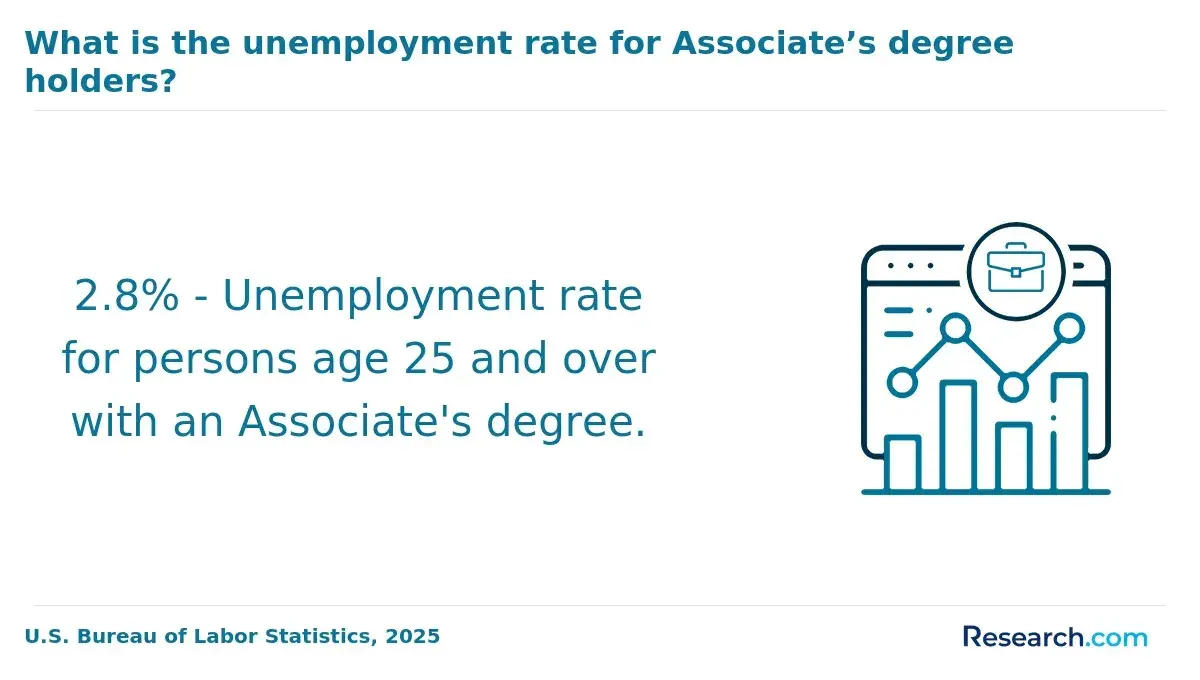
Salaries for community-based roles in social & behavioral sciences reflect a practical balance between social impact and financial reward, typically ranging from $35,000 to $50,000 annually. This salary range, noted in data from 2025 for program coordinators in nonprofit organizations, signals entry- to mid-level positioning primarily in nonprofit management, public health outreach, and community advocacy.
Employers value candidates with demonstrated skills in program development and stakeholder engagement grounded in sound social science knowledge.
The job outlook for social and behavioral sciences community roles remains steady, with workforce projections from authoritative sources indicating moderate growth near the national average through 2026. However, competition intensifies in positions centered on direct program coordination and grant writing, largely due to the prevalence of grant-funded posts and relatively limited upward mobility.
For example, a program coordinator in a large urban nonprofit overseeing multi-year grants and larger teams might command salaries near the top of this range, while smaller rural organizations generally offer lower pay and less job security. Advancement beyond these roles usually entails additional qualifications or shifting toward administrative or policy tasks that demand broader expertise, managerial experience, or specialized skills.
To secure sustainable employment, candidates should prioritize organizations with stable funding streams or complement social & behavioral sciences credentials with competencies in data analysis, communications, or fundraising. Those considering graduate study might explore clinical psychology masters programs online for such specialization and career flexibility.
What types of community organizations commonly hire social and behavioral sciences graduates?
Community organizations hiring social and behavioral sciences graduates often require applied skills that extend beyond theoretical knowledge. Public health agencies, nonprofit advocacy groups, and treatment centers for substance abuse and mental health rely heavily on graduates to execute interventions and provide direct client support.
For instance, substance abuse treatment centers prioritize candidates with competencies in crisis intervention, culturally sensitive communication, and behavioral assessment, positioning these roles at the intersection of practical care delivery and evidence-based methodology.
Graduates pursuing social and behavioral sciences degrees must also navigate funding and reporting frameworks, balancing the demands of multidisciplinary teams and bureaucratic oversight.
Public health departments and nonprofits focused on social equity tend to seek expertise in data analysis related to social determinants of health and program evaluation, requiring familiarity with research methods embedded in these curricula.
Tradeoffs exist between employer types: nonprofits generally offer greater client engagement but fewer resources, while government agencies provide job stability and increased administrative tasks. Career paths in this sector reflect a growing labor market, with the Bureau of Labor Statistics projecting 17% growth for substance abuse and mental health counselors through 2034 and a median wage around $59,190.
Those targeting these roles must demonstrate applied experience, certifications, and state licensure where required to remain competitive. Graduates should also consider compensation realities carefully, including factors such as health information management salary entry-level benchmarks, which inform salary expectations in related health fields.
What coursework best prepares you for careers in community organizations?
Effective preparation for careers in community organizations depends on interdisciplinary coursework emphasizing sociology, psychology, public health, and rigorous research methodology.
Students must master data collection, survey design, and behavioral assessment to measure program outcomes accurately—a community health worker, for instance, applying statistical analysis to evaluate chronic disease interventions can pivot strategies based on real-time evidence.
Practical skills such as communication, conflict resolution, and cultural competence are essential to tailor interventions for diverse populations. Programs that incorporate case studies or experiential fieldwork expose students to complex social dynamics beyond theoretical understanding, better equipping them for diverse workplace environments like nonprofits or public health agencies.
Competency in public policy and program management underpins roles involving budgeting, funding proposals, and inter-agency coordination. Candidates must navigate regulatory frameworks to maintain compliance and optimize limited resources within competitive funding landscapes.
Employment data from the U.S. Bureau of Labor Statistics shows that community health workers earn a median wage of $51,030 annually with projected growth of 11% from 2024 to 2034, underscoring sustained demand for professionals who can translate social and behavioral science into actionable community programs.
Choosing programs integrating applied learning with current public health strategies enables candidates to align their skillset with workforce expectations and evolving social determinants of health.
How do online social and behavioral sciences programs compare with campus-based options?
Choosing between online and campus-based social & behavioral sciences programs demands evaluation of distinct tradeoffs affecting employability and skill acquisition. Online formats provide flexibility that suits working professionals balancing jobs and studies, significantly reducing logistical hurdles.
However, these programs require strong self-discipline and dependable technology and may fall short in offering the immersive, hands-on practicums crucial for roles requiring applied experience, such as internships in public health settings.
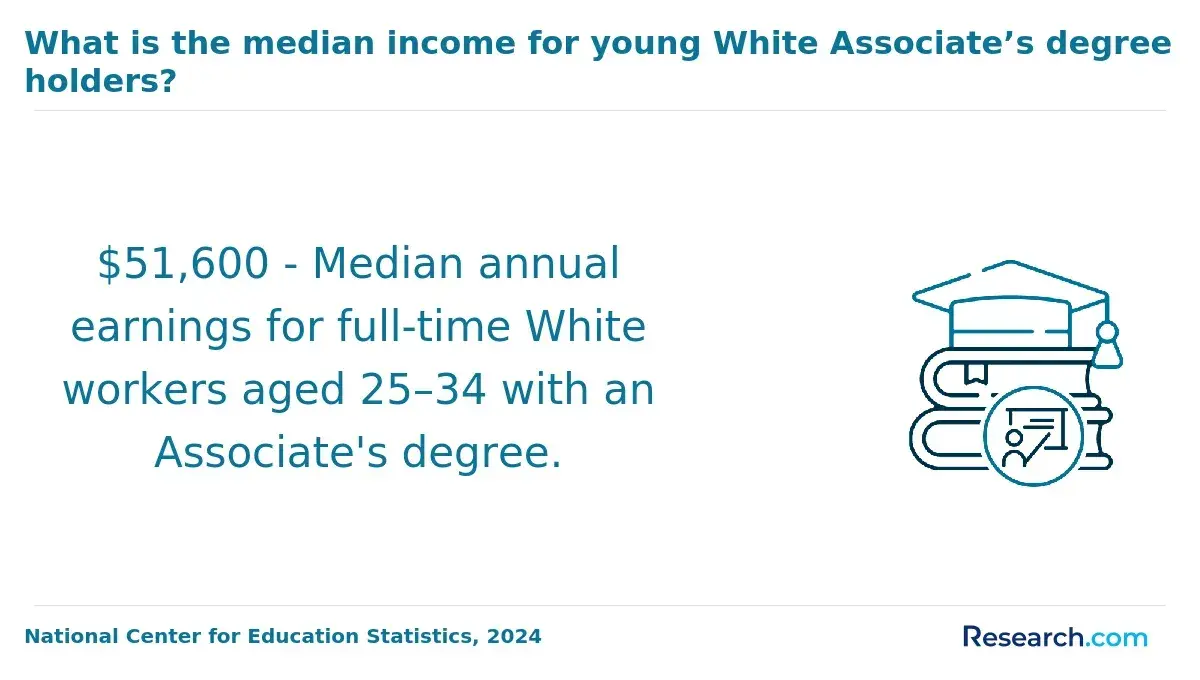
Employers in community health sectors often value candidates who have demonstrated practical competencies alongside theoretical knowledge. For example, health education specialists earned a median wage of $63,000 annually with projected job growth of 4% from 2024 to 2034, according to May 2024 U.S. Bureau of Labor Statistics data shared by Public Health Online.
Such roles depend on real-world exposure and networking opportunities, typically more accessible through campus programs.
Prospective students need to assess:
- Capacity for autonomous learning without daily instructor oversight
- Technological resources and stable internet access
- Availability of field placements that accommodate online learners' locations
- Local employer recognition of online versus traditional credentials
Accreditation and practicum integration vary widely, so careful program vetting is essential. While hybrid models attempt to bridge gaps, candidates targeting competitive community health careers should weigh convenience against experiential learning to align educational choices with workforce expectations.
What admission requirements and prerequisites do social and behavioral sciences degrees typically have?
Admission requirements for social & behavioral sciences degrees reflect balancing academic readiness with field-specific expectations, impacting graduate employability and credentialing speed. Typically, a high school diploma with a GPA between 2.5 and 3.0 suffices, but competitive programs expect stronger academic records, particularly in foundational subjects like English and mathematics.
Standardized test scores (SAT or ACT) often serve as benchmarks, though an increasing number of programs waive these in favor of evaluating relevant community service or behavioral health experience.
Applicants pursuing roles such as social workers must meet additional prerequisites, including prior coursework in psychology or sociology and often compliance with background checks or immunization requirements. These ensure preparedness for field placements and align with licensure standards.
For example, social workers earn a median annual salary near $61,000, with healthcare social workers making closer to $68,000, emphasizing the financial and professional payoff of meeting these entry conditions.
Accreditation also plays a decisive role; employers frequently prefer candidates from programs accredited by bodies like the Council on Social Work Education (CSWE). Transfer students face practical challenges as credit acceptance varies, potentially delaying progress.
Furthermore, working adults in part-time or online formats must manage timing and prerequisites carefully to maintain steady advancement and meet industry credential expectations without sacrificing employment or personal obligations.
How long does it usually take to earn a social and behavioral sciences degree, and what does it cost?
Completing a social & behavioral sciences degree presents a balance between time investment, cost, and post-graduation opportunities. Bachelor's degrees generally require four years full-time and prepare graduates for independent roles such as case management or counseling. Associate degrees, usually two years, often restrict graduates to assistant-level positions with lower earning potentials.
Tuition costs vary significantly: public in-state schools average $10,000 annually, while private institutions can exceed $35,000, pushing total expenses above $140,000 for a bachelor's degree, excluding living costs and fees.
This investment directly impacts employment readiness and salary outcomes. For instance, assistant counselors earned an average of $55,423 annually, indicative of entry-level roles tied to associate or bachelor's credentials. Employers prize bachelor's graduates for enhanced analytical and project management abilities, which influence career advancement.
However, accelerated programs that shorten degree duration often compress practical training and internships—key for sector networking—potentially limiting long-term professional growth.
Students choosing part-time or online formats face extended timeframes beyond six years, increasing total tuition costs due to prolonged enrollment. Budget planning must also consider unpaid internships or supervised fieldwork that are often mandatory; delays here can postpone graduation and delay workforce entry, affecting early salary trajectories and career progression.
How can you verify accreditation and quality for social and behavioral sciences programs?
Accreditation status is a pivotal factor shaping the practical value of social and behavioral sciences degrees, directly influencing financial aid access, credit transfer, and employability.
Students should verify institutional accreditation through the U.S. Department of Education's Database of Accredited Postsecondary Institutions and Programs (DAPIP) before committing. Programmatic accreditation from bodies like CACREP or CSWE carries distinct weight, aligning coursework with industry standards and licensure requirements.
Consider the wage gaps between roles requiring different credentials: social and human service assistants earn a median annual wage of $45,120, whereas master's-level social and community service managers average $78,240. This disparity underscores how attending accredited programs with recognized credentials positions graduates for higher-paying roles and upward mobility.
Evaluating graduation rates, job placement data, and employer partnerships provides further insight into a program's practical return. For instance, licensed mental health counselors command a median wage of $59,190 but face state-dependent licensure prerequisites that often mandate documented internships within accredited settings. Neglecting these verification steps risks enrolling in programs that lack critical industry integration or licensure alignment.
Due diligence entails cross-referencing claims against national databases, accreditation directories, and state licensing boards to ensure educational choices support realistic career objectives and workforce entry requirements.
Are any licenses or certifications needed for community organization roles in this field?
Licensure requirements for roles linked to a social & behavioral sciences degree vary significantly based on job function and employer standards. Positions involving direct clinical work, such as counseling, usually demand state licensure like Licensed Clinical Social Worker (LCSW) or Licensed Professional Counselor (LPC).
These credentials require a graduate degree, supervised clinical hours, and passing a licensing exam, which can extend the timeline to independent practice by several years.
Conversely, roles such as community outreach coordinators or research assistants rarely require formal licenses but often benefit from certifications in project management or nonprofit administration to boost marketability.
Employers increasingly prioritize demonstrated competencies through certifications rather than degree alone, especially for entry-level jobs where behavioral health first aid or community health work credentials provide a measurable advantage.
Prospective candidates should evaluate their target positions with attention to state mandates and agency policies. Those pursuing clinical career tracks face longer preparatory pathways with higher barriers to entry, while nonclinical roles offer faster certification routes that enhance employability without the extensive clinical requirements.
This shapes educational decisions and professional timelines, emphasizing strategic credential alignment over generic credential accumulation.
Other Things You Should Know About Social & Behavioral Sicences
Yes, the degree offers broad analytical and research skills applicable beyond classic social service roles. However, the versatility depends on how you tailor your electives and internships. Prioritize programs or experiences focusing on quantitative methods, program evaluation, and policy analysis if you aim for strategic or leadership positions, as many community employers increasingly seek these competencies.
The gap can be substantial, especially in practical skills like grant writing and stakeholder communication. Many programs emphasize theory over applied work, resulting in graduates needing additional on-the-job training. To reduce this gap, prioritize experiential learning opportunities and seek certificates or workshops that complement your core degree with applied skills employers value.
Specializing can boost your appeal for niche roles but may limit flexibility across diverse community organizations. Broad tracks increase adaptability and eligibility for a wider range of positions but may not meet specialized skill demands in competitive areas. If you plan to advance quickly or target leadership roles, prioritize specializations aligned with in-demand competencies such as community health or behavioral data analysis.
References
- 12 top careers in community services built for people who care | Acknowledge Education https://www.acknowledgeeducation.edu.au/knowledge-hub/careers-community-services-opportunities
- 10 Careers for Social Work Majors https://www.umassglobal.edu/blog-news/careers-for-social-work-majors
- What Degree Should I Get to Work in Nonprofits? https://www.pointloma.edu/resources/undergraduate-studies/what-degree-should-i-get-work-nonprofits
- Social and Behavioral Science Careers and Education | PublicHealthOnline.org https://www.publichealthonline.org/social-and-behavioral-science/
- A Guide to Career Paths in Behavioral Science - Social Science Space https://www.socialsciencespace.com/2021/08/a-guide-to-career-paths-in-behavioral-science/
- Social and Behavioral Health https://www.publichealthdegrees.org/specializations/social-behavioral-science/
- Association for Behavior Analysis International https://www.abainternational.org/higher-education.aspx
- 2025-2026 Academic Catalog https://curriculum.pasadena.edu/academic-programs/social-behavioral-sciences/social-behavioral-sciences-aa/