2027 Social & Behavioral Sciences Salary by State Report

Co-Founder and Chief Data Scientist
Mid-career professionals in social & behavioral sciences often confront a pressing dilemma: determining where to invest time and resources in education that will maximize salary returns amid widely differing state economies. With the U. S. Bureau of Labor Statistics projecting an 8% growth in related roles over the next decade, regional salary disparities can shift the trajectory of career advancement significantly. Simultaneously, the rise in adult learners enrolling in flexible, hybrid programs-which the National Center for Education Statistics reports grew by 12% since 2023-demands strategic program choices aligned with local labor markets. This report provides detailed state-by-state salary data and analysis to guide informed decisions on educational timing, program selection, and geographic career mobility for social & behavioral sciences professionals.
Key Things You Should Know
- Median 2026 salaries in social & behavioral sciences vary by 28% between states, with Massachusetts at $81,000 and Mississippi near $63,000, forcing candidates to weigh regional cost-of-living against wage premiums per Bureau of Labor Statistics data.
- Employers increasingly require specialized skills in data analytics within social & behavioral sciences roles, per National Science Foundation trends, creating a strategic upskilling dilemma for professionals balancing current job requirements with long-term marketability.
- Public universities in lower-wage states offer 15-25% cheaper graduate programs, but extended average degree completion times, shown by IPEDS 2024 data, inflate opportunity costs, impacting career pivot timing and earnings trajectories.
What are typical social and behavioral sciences salaries by state in the United States?
Salary ranges for social and behavioral sciences professionals vary widely across states, influenced by cost of living, local demand, and funding. For instance, salaries in California or New York typically exceed the national median of $61,330, often surpassing $75,000 in healthcare or education sectors. This contrasts sharply with states like Mississippi or West Virginia, where budgets and urbanization limit earnings closer to $50,000. Such differences illustrate the tradeoff between higher salaries and increased living expenses, a critical consideration for those weighing relocation or long-term career moves.
Projected employment growth of 6% nationally from 2024 to 2034 will disproportionately affect states with aging populations and expanding social services, such as Florida and Arizona. However, wage growth in these areas may lag behind states with already elevated baseline pay. Professionals targeting salary growth should consider specializing in clinical social work or policy analysis within urban centers, where demand is stronger and compensation more competitive.
Employers in mid-tier states frequently require advanced degrees or certifications for top-tier earnings, forcing candidates to balance education costs against immediate income. Evaluating benefit packages and regional funding stability can be as important as salary alone in understanding true earning potential. Those exploring educational upgrades might also evaluate programs relevant to their interests, including options like an online social media marketing degree, which can complement a social and behavioral sciences salary ranges by state knowledge with valuable digital skills.
Which social and behavioral sciences careers offer the highest salaries in each state?
Salary disparities in social and behavioral sciences highest paying careers by state reflect localized economic conditions and sectoral emphases rather than uniform wage structures. Federal agency hubs like Virginia, Maryland, and Washington D.C. elevate earnings for policy analysts and quantitative social scientists, with top Social Scientists and Related Workers reaching median annual wages near $95,890 and upper deciles exceeding $150,000, as reported by U.S. Bureau of Labor Statistics in May 2023.
By contrast, tech-focused states such as California and Massachusetts prioritize social data scientists and behavioral economists embedded in product innovation and market research, rewarding advanced quantitative and interdisciplinary expertise. In New York and Illinois, clinical social workers with behavioral health specializations command higher salaries aligned with advanced clinical credentials. These distinctions illustrate key tradeoffs prospective professionals face when targeting lucrative roles.
Those weighing the highest paying careers often confront a choice between relocation to high-cost states with salaries surpassing $120,000 but requiring continuous technical skill development, versus more stable but modest compensation ($60,000-$75,000) in states with lower costs and demand concentrated in education, government, or nonprofits. Understanding employer expectations for interdisciplinary skills and applied research capabilities is critical to navigating job market saturation and optimizing income potential across regions with distinct social and behavioral sciences salary rankings across states.
For candidates planning strategic pivots, considering credential requirements alongside these regional labor market patterns enhances realistic career planning. Exploring options such as specialized advanced degrees can be necessary, especially when accessed through flexible formats like online psychology master's programs that balance credential attainment with work commitments.
How do social and behavioral sciences salaries compare across regions and cost of living levels?
Wage disparities for social and behavioral sciences professionals across U.S. regions strongly influence both career choices and long-term financial outcomes. For instance, Virginia offers a median annual salary of $141,410 for Social Scientists and Related Workers, All Other, which exceeds the national median of $95,890 by 47% according to 2023 BLS data compiled by LaborDataHub. This premium largely results from a dense concentration of federal agencies and research institutions demanding advanced expertise. Such regional salary differences for social and behavioral sciences professionals underscore the tension between higher wages and elevated living costs, notably housing and commuting expenses common in high-demand urban centers.
Midwestern and Southern states typically present salaries 20-30% below the national median, reflecting local supply-demand imbalances and funding challenges. Professionals relocating from these areas to higher-wage regions must evaluate whether the nominal salary increase sufficiently offsets the cost-of-living surge. For example, a social scientist moving from the Midwest to Virginia might gain $45,000 annually but face 30-50% higher housing costs.
Candidates optimizing their career pivots should consider:
- Focusing on regions with stable funding and strong demand in their specialization
- Aligning credentials with employer expectations in urban labor markets
- Incorporating total compensation and local living costs into decision-making
- Leveraging remote work options when possible to maximize earnings with minimal relocation burden
Access to cheap psychology degree online programs can facilitate acquiring credentials while managing geographic constraints, especially relevant for professionals facing regional salary differences for social and behavioral sciences professionals that affect affordability and mobility.
What degrees are needed for common social and behavioral sciences careers and salary tiers?
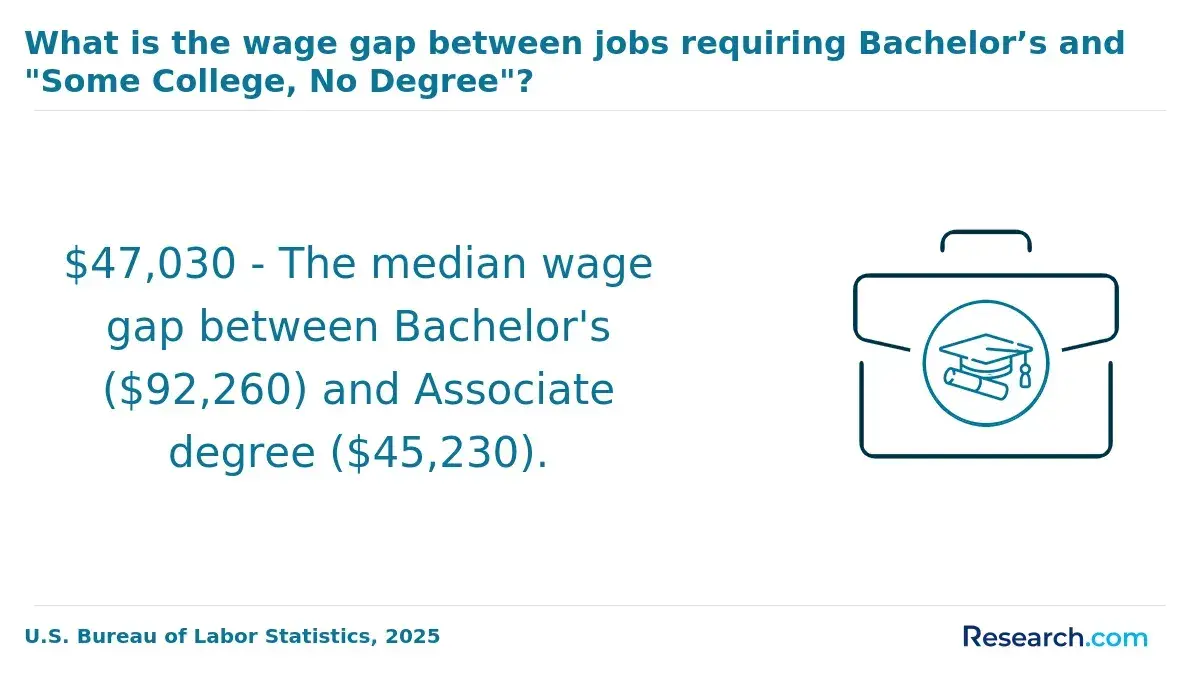
Entry-level roles in social and behavioral sciences, such as research assistants and policy analysts, typically require a bachelor's degree in psychology, sociology, anthropology, or political science, which provide foundational research methods and data analysis skills. These are critical for earning steady wage growth within this occupational tier. Mid-level positions-including licensed counselors and advanced research analysts-generally necessitate master's degrees with focused training, such as clinical psychology or social work, unlocking salary increases often 20-40% higher than bachelor's-level wages. This reflects employer expectations for specialized expertise and greater independence. This disparity aligns with prevailing social and behavioral sciences degree requirements by state, where credential demands shift notably by role.
Leadership positions, like senior social scientists or faculty members, almost always require a PhD or equivalent doctorate, granting access to premier salary brackets and research leadership. However, the extended time to degree-commonly 5-8 years beyond a bachelor's-delays workforce entry and income. Without advanced credentials, professionals may encounter restricted upward mobility and limited access to grant-funded or policy-shaping roles.
Regional wage differences further complicate prospects. According to California Labor Market Information (OES wage data), median salaries for social scientists statewide are about $99,065, rising above $104,000 in metro areas like Anaheim-Santa Ana-Irvine. A master's-level demographer in such urban markets can command 10-15% higher wages than peers in rural settings due to cost-of-living and employer demand. Employer hiring practices emphasize applied research skills and statistical software proficiency, highlighting the importance of practical capabilities over mere credential attainment.
For those considering advanced degrees, it is crucial to weigh the financial and temporal investments against tangible wage returns and career flexibility. Notably, certain roles advance through certifications or relevant experience without formal degrees. Prospective students interested in clinical pathways may explore accelerated mental health counseling programs online as a shorter-term option to fulfill specialized credential requisites.
How do online social and behavioral sciences programs compare to campus options for career outcomes?
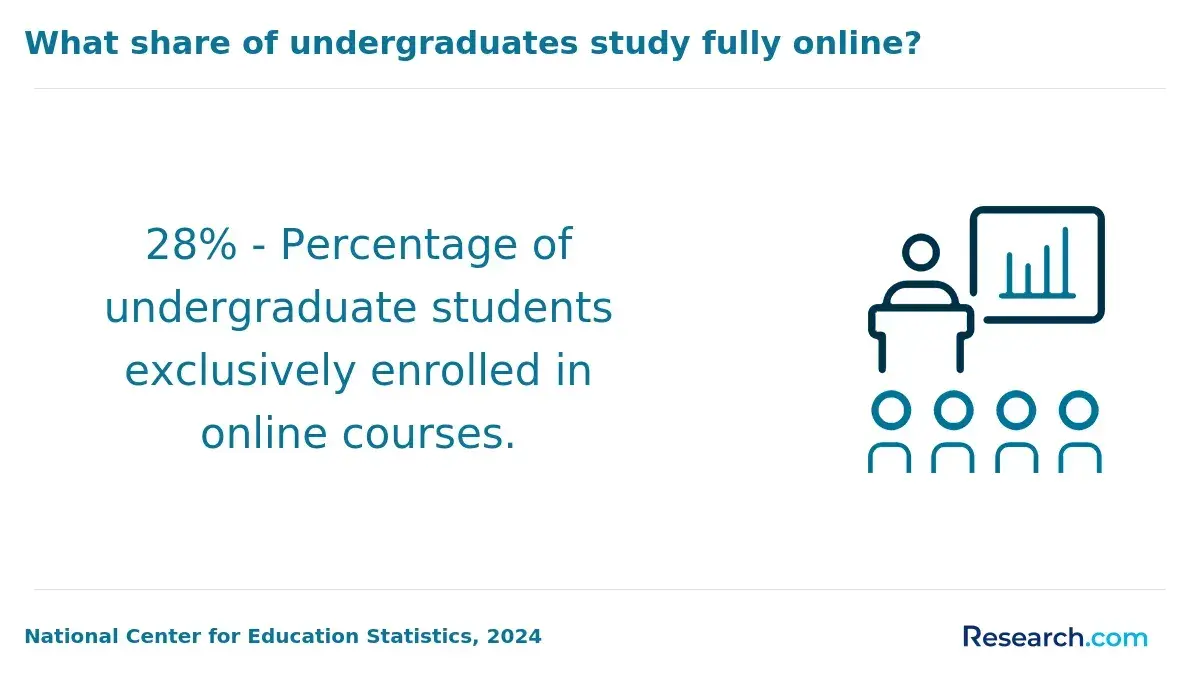
Employer preference for campus-based social and behavioral sciences degrees often hinges on experiential advantages embedded in in-person programs. Unlike online alternatives, campus options typically integrate supervised internships, direct research involvement, and face-to-face mentorship, all of which foster networking opportunities that influence hiring decisions in fields like public health and clinical social work. This dynamic results in graduates from campus programs frequently securing salaries at or above the $44,160 U.S. average annual pay reported for these roles as of June 2025.
Online learners face the distinct challenge of independently arranging practical experiences such as internships or community placements, which can prolong the timeline to workforce readiness. Employers routinely prioritize candidates with demonstrated teamwork and communication skills, competencies nurtured more organically in on-campus group settings. For those targeting community engagement or clinical practice roles, the absence of structured fieldwork access online presents a tangible barrier that can complicate hiring prospects.
Prospective students should carefully assess the tradeoffs between the flexibility offered by online study and the enhanced employer networks and applied skill development fostered by campus immersion, especially in competitive job markets tied to social policy, counseling, and behavioral research.
What accreditation should social and behavioral sciences programs have to support licensure and mobility?
Choosing a Social & Behavioral Sciences program without CEPH or equivalent accreditation carries significant practical risks, particularly for those targeting public health licensure or positions requiring strict credential validation. Graduates from non-accredited programs often face delayed or denied licensure, additional coursework, or restricted geographic mobility. For example, a public health social scientist candidate from an unaccredited program may be compelled to retake classes or provide supplementary evidence of competency, slowing entry into the field.
Licensing boards and employers commonly require completion of accredited curricula to guarantee consistent professional standards, aiding interstate license reciprocity. This directly affects workforce flexibility, as unaccredited degrees can confine a professional to limited state markets or extend the credentialing process with added cost and time.
Federal labor data shows social and behavioral scientists in public health earn a national average of $80,450, with Virginia's average reaching $103,640 and over 31,000 professionals employed nationwide. These figures underscore a competitive labor market that privileges recognized qualifications aligning with regulatory expectations.
Prospective students should:
- Verify program accreditation before enrollment to ensure licensure eligibility.
- Research state-specific licensure mandates tied to accredited education.
- Consider how accreditation impacts mobility between regions and employers.
Such due diligence mitigates educational investment risks and preserves long-term career flexibility within the Social & Behavioral Sciences labor market.
What are typical tuition, fees, and financial aid options for social and behavioral sciences degrees?
Selecting a social & behavioral sciences degree requires balancing program costs against regional job market realities and credential requirements. Public in-state undergraduate tuition averages $10,000 to $12,000 annually, while private institutions often charge more than $35,000. Graduate programs, particularly those targeting Board Certified Behavior Analyst (BCBA) certification, range widely in tuition-from $15,000 to over $40,000-depending on residency status and institutional prestige.
Wage disparities by location significantly impact return on investment. For instance, AppliedBehaviorAnalysisEdu.org's 2026 data show Alaska's BCBA median salary at $79,220 with top earners reaching $129,990, compared to Alabama's median of $48,880. Prospective students should weigh these regional variations carefully to avoid high debt burdens that outpace earning potential.
Effective financial planning involves:
- Verifying program accreditation and alignment with certification boards to ensure exam eligibility.
- Assessing regional labor demand and median wages for targeted occupations.
- Maximizing financial aid while anticipating shortfalls that require additional funding sources.
- Budgeting for non-tuition costs such as certification exams, supervision, and continuing education.
For working professionals, employer tuition assistance and flexible program formats-like part-time or online options-help balance education expenses with ongoing income, reducing total opportunity costs and financial strain during career transitions.
What is the current job outlook for social and behavioral sciences careers by state?
Salary and job growth prospects in social and behavioral sciences vary widely by state, influenced by regional demand, funding, and living costs. For example, social workers in New York earn over $90,000 annually on average-more than 50% above the national median of $58,380-reflecting the premiums paid in states with larger urban social service systems.
This variation requires candidates to weigh the significant upfront costs of advanced certifications and licensing, especially when relocating. A social worker moving to New York must account for higher living expenses and licensing fees but may justify these through substantially higher wages.
Lower-paying states often offer slower growth and fewer advancement opportunities, pressuring professionals to diversify skills or obtain additional credentials to stay competitive. Public policy fluctuations and funding cuts compound risks, underscoring the need to evaluate job security alongside salary.
Practical considerations include employer expectations: for example, bilingual fluency is increasingly important in states like California, while trauma-informed approaches carry weight in metropolitan areas. These skills often dictate hiring and salary negotiations.
Successful navigation of this field depends on detailed labor market research at the state level, including licensure requirements and social service capacity. Prospective students and mid-career professionals must balance salary potential against costs of training and local market conditions for a realistic career trajectory.
What licenses or certifications are required for major social and behavioral sciences roles?
Licensure requirements in social and behavioral sciences shape professional trajectories more than academic credentials alone. For clinical social workers, obtaining an LCSW license mandates a master's degree, 2-3 years of supervised practice, and successful completion of a challenging exam-barriers that directly influence employability and salary. States vary widely, creating a patchwork of timelines and costs that professionals must navigate strategically, especially when considering relocation or career shifts.
School psychologists typically need state certification linked to advanced degrees and internship hours. Licensed professional counselors (LPC) encounter similar demands, including a master's degree, 2,000 to 3,000 supervised clinical hours, and passing the National Counselor Examination (NCE). These requirements reflect an investment in validated competence essential to access client-facing roles with oversight and responsibility.
Some behavioral science roles, particularly research-oriented or administrative positions, do not require formal licensure but favor certifications like Certified Behavioral Analyst or project management credentials to demonstrate specialized expertise. This distinction highlights a tradeoff: clinical licensure affords higher pay and advancement but involves significant credentialing hurdles, unlike nonclinical pathways.
According to AllPsychologySchools' 2024 data, social workers labeled "Social Workers, All Other" earn a median salary of $69,480, with the top 10% exceeding $112,000 annually-a differential tied largely to licensure and specialization. Employers prioritize licensed candidates due to regulatory compliance and quality assurance, making licensure a gateway rather than a formality.
Practical decision-making involves balancing immediate workforce entry against pursuing licenses that enable leadership roles. States offering license reciprocity or temporary permits can ease transitions, but without credentials, upward mobility remains limited regardless of degree attainment.
How can prospective students choose a reputable social and behavioral sciences program in any state?
Choosing a social and behavioral sciences program without considering accreditation and workforce alignment can hinder licensure eligibility and limit job opportunities, especially in fields like social work or counseling. For instance, a Master of Social Work (MSW) degree typically increases annual earnings by over $13,000 compared to a Bachelor of Social Work (BSW), according to the National Association of Social Workers "Social Work Salaries" report.
Programs lacking robust field placement options often leave graduates with less hands-on experience, resulting in extended job searches and slower salary growth. Practical, locally relevant internships or practicum are essential for meeting state licensure requirements and employer expectations.
Online social and behavioral sciences degrees can provide flexibility but require scrutiny to confirm they maintain accreditation and rigorous fieldwork standards. Without these, graduates may face challenges in meeting professional benchmarks.
Long-term salary progression typically increases by about $419 annually per year of experience in social work. This underscores the importance of programs that enable timely workforce entry. Students should also evaluate faculty expertise and research emphasis to align with specialized career goals, especially in policy or academia.
Other Things You Should Know About Social & Behavioral Sciences
Specialization significantly impacts salary outcomes in social & behavioral sciences, with fields like industrial-organizational psychology or quantitative sociology typically offering higher pay than generalist roles. Employers often favor candidates with technically demanding expertise or skills in data analysis, which means program choice should prioritize curricula that provide strong methodological training. Students aiming for better salary returns should focus on specializations with clear applications in business, healthcare, or policy-making rather than broader, less technical tracks.
The 2027 Social & Behavioral Sciences Salary by State Report provides detailed salary data across different U.S. states for professionals in this field. It analyzes trends, averages, and factors influencing earnings, offering insights into regional salary variations. The report serves as a resource for prospective and current professionals to understand potential earnings by location.
Employers in this field increasingly require proficiency in quantitative methods, software tools, and data interpretation, impacting both hiring decisions and salary offers. Candidates lacking advanced technical skills face limited opportunities beyond entry-level positions and slower salary growth. Prioritizing skill acquisition in areas like statistical programming or geographic information systems (GIS) significantly improves competitiveness and earning potential, making technical competency a critical factor in career planning.
Private sector roles often provide higher starting salaries and faster advancement but may demand longer hours and greater performance pressures. Public sector jobs usually offer more job security, predictable schedules, and benefits, though salaries tend to be lower. Candidates should prioritize based on their tolerance for job stability versus income maximization, recognizing that private employers often require demonstrable impact and flexibility, while government roles emphasize compliance and service delivery.
References
- Income vs Cost of Living in Europe: The Real Divide Behind Prices https://finorum.com/income-vs-cost-of-living-europe/
- A Guide to Career Paths in Behavioral Science - Social Science Space https://www.socialsciencespace.com/2021/08/a-guide-to-career-paths-in-behavioral-science/
- Types of Social Workers: Exploring the Many Fields in Which They Serve https://www.umassglobal.edu/blog-news/types-of-social-workers
- Application and tuition fees - SWPS University https://english.swps.pl/programs/apply/application-and-tuition-fees
- Social and Behavioral Science Careers and Education | PublicHealthOnline.org https://www.publichealthonline.org/social-and-behavioral-science/
- High-demand social work roles in California: trends and opportunities https://socialwork.pacific.edu/blog/high-demand-social-work-roles-california-trends-and-opportunities
- The Importance of a CSWE Accredited Program in Social Work - Tulane School of Social Work https://socialwork.tulane.edu/blog/importance-of-cswe-accredited-program/
- Financial Aid for Psychology Students https://www.onlinepsychologydegrees.com/financial-aid/
- 2022 Guide to Social Work Scholarships and Financial Aid https://www.onlinemswprograms.com/resources/scholarships-financial-aid-guide/
- Studying Human Behavior with a Behavioral Science Major https://www.cune.edu/news/studying-human-behavior-behavioral-science-major