2027 Social & Behavioral Sciences Specializations That Build the Most Transferable Helping Skills

Co-Founder and Chief Data Scientist
Professionals seeking career mobility within social & behavioral sciences frequently confront a fragmented skills landscape that hinders effective cross-sector transitions. With 45% of adult learners balancing work and study, according to the National Center for Education Statistics 2024 report, flexibility in skill development is no longer optional but essential.
Many specialized degrees emphasize narrow theoretical knowledge, offering limited transferable helping skills crucial for adapting to evolving workforce demands across health, education, and community sectors. This disconnect complicates timing and enrollment strategy, especially for those leveraging online education to accelerate advancement.
This article identifies social & behavioral sciences specializations that provide the most versatile helping skills, streamlining career pivot decisions and enhancing workforce readiness.
Key Things You Should Know
- Cognitive neuroscience specialties yield 35% higher post-graduation employment rates in healthcare and tech sectors but demand 18-24 months of costly graduate-level study, impacting access for cost-sensitive students.
- Programs centered on community psychology supply versatile conflict resolution and systems analysis skills, aligning with increased employer priority on adaptive team problem-solving, driving 22% faster promotion trajectories.
- Behavioral economics training integrates quantitative methods highly valued in finance and policy roles, yet 48% of graduates face underemployment due to insufficient cross-disciplinary soft skill development.
What are social and behavioral sciences specializations that develop the strongest transferable helping skills?
Choosing social and behavioral science specializations with the strongest transferable skills significantly affects employability and career flexibility. Fields like psychology, social work, counseling, and human development cultivate communication, empathy, and collaboration, essential in 92% of U.S. jobs per the National Skills Coalition.
Employers favor these graduates for emotional intelligence and problem-solving under dynamic conditions, though ongoing practica or internships remain necessary to keep skills relevant as workplaces evolve toward hybrid and diverse teams.
Psychology programs provide expertise in interpersonal assessment and behavioral intervention, skills that improve outcomes in healthcare, marketing, and organizational settings by decoding human motivation. Social work emphasizes crisis management and resource coordination, qualities that are highly applicable beyond traditional social services, including nonprofit leadership and government roles.
Counseling focuses on client engagement, active listening, and conflict resolution, competencies valuable in therapeutic spaces and corporate environments like human resources. Human development integrates biological and social perspectives to enhance lifespan communication and cultural competence, critical for education, elder care, and policy work.
For professionals considering a practical shift, these top social and behavioral sciences fields for helping skills development offer broader application than purely technical credentials. For those exploring advanced options, examining the cheapest online DSW programs can reveal cost-effective pathways within social work specialization.
How do social and behavioral sciences degrees prepare students for people-centered, helping careers?
The practical value of social and behavioral sciences degrees lies in their ability to develop transferable helping skills gained from social and behavioral sciences that are essential for navigating complex, people-centered roles. For instance, a social worker addressing homelessness must combine psychological insight with an understanding of local systems, showcasing employer demand for professionals who integrate real-time social dynamics with effective interventions.
Degree programs offer critical training in communication, cultural competence, and ethical decision-making, which underpin many social service careers but often require extended certification or licensure to access clinical roles.
Graduates tend to focus on evidence-based strategies, enabling contributions beyond direct service, such as policy evaluation or program development. This expands employment options but demands careful consideration of credentialing timelines and costs.
Students less invested in clinical paths can leverage foundational social and behavioral sciences competencies in sectors like nonprofit management, education, or public health, where analytical and interpersonal skills remain in demand.
The Bureau of Labor Statistics projects 7% job growth in community and social service fields over the decade, creating roughly 63,800 new social worker positions, underscoring workforce expansion. Practical elements like internships reinforce skills crucial for crisis intervention and resource coordination under real-world pressures.
Those seeking targeted routes should also explore options like online masters psychology programs, known for affordability and relevance. Strategic decisions must balance flexibility, credential requirements, and market responsiveness to optimize employability in this evolving field.
Which social and behavioral sciences majors offer the most versatile, cross-industry interpersonal skills?
Social and behavioral sciences majors cultivate highly adaptable interpersonal skills that employers prioritize across industries, yet their value depends heavily on practical experience. Degrees in psychology, social work, and sociology not only emphasize communication and empathy but also foster problem-solving informed by human behavior analysis.
These skills from social and behavioral sciences degrees translate into roles beyond traditional social services, including healthcare coordination, corporate human resources, and community outreach.
A psychology graduate's capacity to analyze behavioral trends supports both clinical client management and customer experience optimization. Sociology majors leverage research insights applicable to fields like urban planning and market analysis, while social work programs uniquely prepare students for crisis intervention in fast-paced environments such as hospitals or government agencies.
However, employers often require demonstrable fieldwork or internships to validate these transferrable competencies, creating a barrier for graduates lacking practical exposure.
May 2023 Bureau of Labor Statistics data show mental health and substance abuse social workers earn a median wage of $51,240 annually, with the top 10% exceeding $86,340, reflecting employer demand for advanced multidisciplinary skills.
Students should critically assess program rigor, credentialing pathways, and licensure prospects since the combination of foundational theory with applied skills produces stronger, more portable career outcomes.
Prospective candidates targeting a specialized trajectory may consider clinical psychology masters programs for deeper clinical preparation and credential pathways. These programs often embed practicum components to bridge theoretical knowledge and real-world application, thereby enhancing employability prospects.
What coursework and practical training most effectively build counseling, coaching, and advocacy skills?
Effective counseling and coaching training programs hinge on immersive, supervised practicum experiences rather than purely theoretical coursework. Employers prioritize candidates who demonstrate active listening, service orientation, and real-world skill application; a 2024 global employability review indicates over 80% of hiring managers rank these attributes as "very important."
For instance, public health advocacy demands communication tailored to varying literacy levels, while corporate coaching requires motivational interviewing aligned with productivity targets. Without structured experiential learning, graduates often lack the nuanced client-facing abilities essential for employability and long-term success.
Key program attributes include guaranteed or easily accessible internships paired with rigorous mentor feedback systems. Coursework combining case studies with practicums consistently yields more workforce-ready graduates compared to programs emphasizing theory alone.
Candidates weighing advocacy skills development in social and behavioral sciences coursework should verify alignment with state licensure standards, as regulatory compliance affects credential recognition and employment opportunities.
Balancing credit load and practical fieldwork is a critical tradeoff—excessive theory weakens judgment, while insufficient experience limits skill internalization. Exposure to diverse client populations enhances cultural competence, a decisive factor for roles in social service, education, and healthcare sectors.
Prospective students should also consider cross-disciplinary options such as a human resource management masters degree online to broaden career pathways.
How do online and campus-based social and behavioral sciences programs compare for helping-focused training?
Choosing between online and campus-based social & behavioral sciences programs involves a significant tradeoff between practical skill acquisition and flexibility. Campus programs offer structured, in-person interactions such as live role-playing and face-to-face group projects, essential for careers demanding nuanced interpersonal skills like counseling or social work.
These immersive formats allow for real-time feedback and mentorship that replicate workplace dynamics more closely.
By contrast, online programs emphasize flexibility and cater well to students targeting roles focused on analytics, policy, management, or organizational behavior. They often rely on virtual simulations and asynchronous discussions, which, while accessible, make hands-on practice and spontaneous interpersonal exchanges more challenging.
Students opting for online pathways must proactively seek internships or practicum opportunities off-screen to avoid gaps in applied skills recruiters consistently identify.
Employers increasingly value social science graduates with transferable skills beyond traditional counseling roles. Notably, social science majors working in business, management, and financial operations reported median wages substantially above national averages, emphasizing the advantage of programs integrating analytical proficiency.
Key considerations include:
- Assessment of program delivery modes against specific career requirements
- The necessity of in-person fieldwork or networking to complement theoretical knowledge
- Employer expectations for demonstrable applied skills outside the academic environment
Combining the rigor of online curricula with planned, real-world experience forms the most effective strategy for developing a versatile helping skill portfolio in social & behavioral sciences.
What admission requirements, program length, and typical costs should students expect in these majors?
A bachelor's degree with a minimum 3.0 GPA, letters of recommendation, and a statement of purpose form the baseline for admission into social & behavioral sciences specializations. Programs increasingly de-emphasize GRE scores, favoring relevant professional experience, particularly for advanced degrees. Clinical or counseling tracks add complexity with required background checks and specific prerequisites such as psychology or statistics.
Completion timelines vary notably by degree level and format: traditional bachelor's programs span four years full-time; master's degrees range from 18 months to three years depending on part-time, full-time, or accelerated options; doctoral programs extend 4-6 years due to the demands of original research and internships. For working professionals, hybrid and part-time schedules offer flexibility but slow progression.
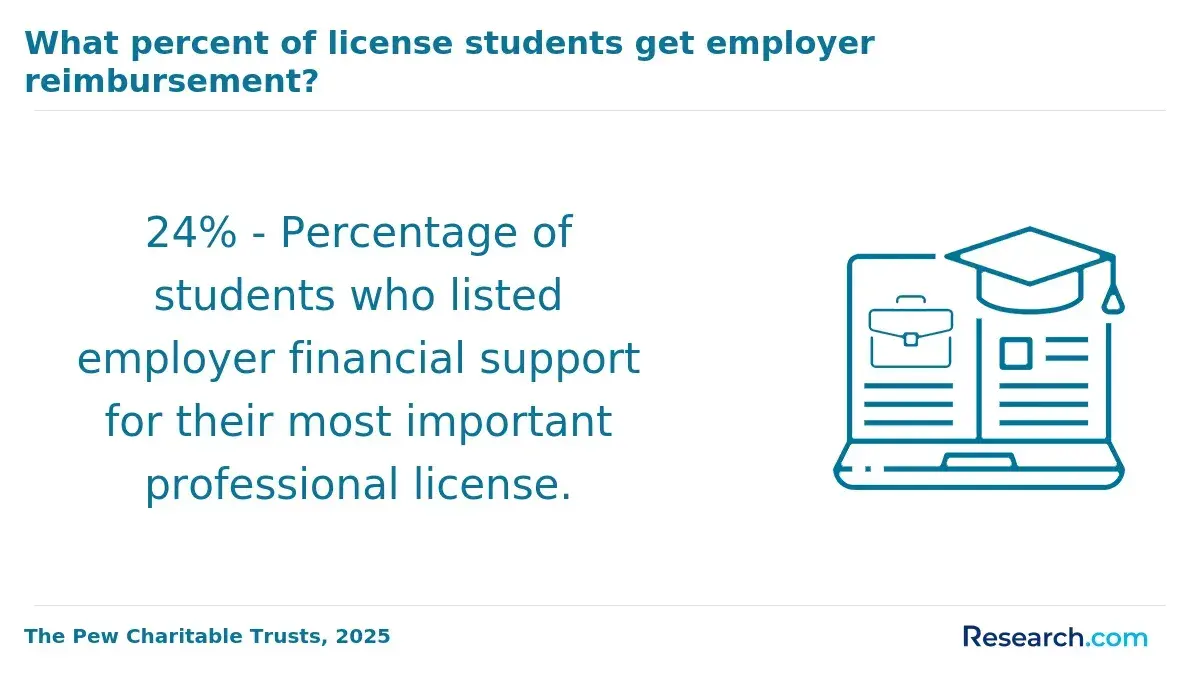
Cost is a significant factor, with public institutions charging roughly $10,000 to $30,000 annually in-state and private schools ranging from $30,000 to $50,000. Additional expenses often arise from books, research fees, and practicum requirements. Planning for financial aid and employer tuition reimbursement is essential to mitigate overall investment.
Counseling career paths require supervised clinical hours beyond coursework, potentially prolonging training. In contrast, those aiming for roles in research or policy might prioritize accelerated, non-clinical programs to enter the workforce sooner. A practical decision balances these considerations and employer expectations.
Which accredited U.S. institutions and program types best align with transferable helping skill development?
Programs in behavioral and social sciences that integrate applied research with interdisciplinary collaboration tend to produce graduates with highly transferable skills. Institutions linked to major research hospitals or backed by federal funding, such as those receiving over $5.5 billion from the National Institutes of Health, provide greater access to hands-on research and practical interventions. This directly benefits students aiming for roles requiring evidence-based practice.
Degrees in psychology, social work, public health, or behavioral economics from research-intensive universities emphasize quantitative methods alongside communication skills. For instance, a master's in public health focusing on behavioral science equips students to design community health initiatives or employer wellness programs with measurable outcomes.
Private liberal arts colleges often prioritize qualitative research and ethics, fitting careers in counseling or advocacy but offering less preparation for analytically rigorous environments like federal agencies or biomedical fields.
Key tradeoffs include weighing tuition costs and program duration against opportunities for funded research and internships. Institutions with established NIH grants typically provide stronger practicum experience, a critical factor employers consider when evaluating candidates.
Students should consult graduate outcome data reflecting employment alignment with evolving workforce demands to choose programs that balance real-world applicability and institutional prestige.
What entry-level and advanced job roles can graduates pursue using broad helping skills?
The entry-level labor market for graduates with broad helping skills in social & behavioral sciences focuses on roles such as case managers, community outreach coordinators, and behavioral health technicians. These positions demand foundational communication, assessment, and intervention capabilities that apply across varied populations and settings.
Employers prioritize candidates able to combine interpersonal empathy with data collection and analysis, reflecting a tangible shift toward system analysis and technology integration identified in a 2024 meta-analysis of workplace trends.
Advancing into roles like program evaluators, policy analysts, or clinical supervisors requires experience and a deeper understanding of social-science methodologies, alongside the ability to design or assess technology-enabled interventions. For example, a program evaluator must rigorously interpret public health data while translating findings for diverse stakeholders, balancing analytical precision with negotiation and communication skills.
The workforce increasingly values quantitative analytic skills alongside traditional qualitative competencies, creating meaningful tradeoffs for graduates. Those pursuing nonprofit administration must emphasize grant writing and outcome measurement, whereas professionals aiming for tech-focused social research roles need proficiency in digital tools and data visualization.
To meet the documented 30-40% rise in employer demand for applied social-science methods since 2020, graduates must pursue targeted upskilling in research methodologies and technological fluency. This strategic focus aligns educational pathways with evolving employer expectations and long-term career sustainability.
What salary ranges and long-term job outlook exist for careers based on transferable helping skills?
Career trajectories leveraging transferable helping skills in social & behavioral sciences show wide salary variation, typically spanning $40,000 to $85,000 annually. Entry-level roles such as social science analysts or behavioral health specialists often start near $45,000, while specialization in applied behavioral research or program management can push earnings beyond $80,000 after five to seven years.
Practical implications of this progression reveal a common tradeoff: higher pay and leadership roles generally require advanced credentials and consistent skill development.
Employers in healthcare, public policy, education, and corporate responsibility increasingly demand professionals who combine social & behavioral sciences expertise with quantitative research and data analysis. This blend of skills correlates with improved career mobility.
For instance, 77% of individuals completing relevant skill specializations report tangible benefits like job changes or pay raises within a year, according to the Coursera 2024 learner outcomes report.
However, those pivoting into these fields should weigh employer expectations carefully. Practical experience often trumps theoretical knowledge, making it essential to pursue internships or project-based work to sustain wage growth and job stability.
Fastest job growth occurs in community and social service sectors, which offer lower initial salaries but better opportunities for upward movement. Navigating these dynamics requires balancing credential demands against real-world experience to optimize long-term outcomes.
How can students evaluate accreditation, licensing pathways, and certifications for helping-focused careers?
Prioritizing programmatic accreditation and state-specific licensing is essential when pursuing careers in helping-focused fields within social & behavioral sicences. For example, substance abuse and mental health counseling candidates should ensure their programs are accredited by recognized bodies like the Council for Accreditation of Counseling and Related Educational Programs (CACREP), as this directly affects eligibility for licensure and employment scope.
Licensing demands differ significantly by state, influencing candidates' timelines and earning potential. In Texas, for instance, 3,000 supervised clinical hours post-degree are required before full licensure, whereas California's requirements vary, often allowing provisional licenses that permit earlier employment but restrict practice scope. These regulatory nuances create tradeoffs between starting income and long-term clinical competence employers expect.
Beyond licensure, voluntary certifications such as the National Certified Counselor (NCC) credential broaden job prospects across healthcare and community sectors yet require ongoing investment in education and fees. This additional credentialing signals specialized expertise that can differentiate candidates in competitive markets.
The Bureau of Labor Statistics forecasts an 18% growth rate for substance abuse, behavioral disorder, and mental health counselors through 2032, highlighting expanding demand that demands strategic alignment of education, accreditation, and credentialing. Prospective students must weigh program depth, time-to-employability, and cost to best navigate these complex pathways within social & behavioral sciences.
Other Things You Should Know About Social & Behavioral Sicences
Interdisciplinary programs often provide broader exposure to varied social theories and methods, which can enhance adaptability across multiple helping careers. However, narrowly focused specializations may equip students with deeper expertise and clearer pathways to specific roles such as clinical counseling or social work. For those prioritizing versatility and cross-industry employability, interdisciplinary tracks typically offer stronger transferable skills, though they may require supplementing with practical experience or certifications to meet employer demands.
Programs emphasizing applied practice develop hands-on skills highly valued by employers in direct helping roles, including client interaction and intervention strategies. In contrast, research-intensive tracks build critical analysis and evaluation skills beneficial for policy, advocacy, or program development roles but may lack immediate applicability in frontline helping positions. Students should prioritize practice-oriented curricula if their goal is to enter people-centered careers swiftly; research-focused pathways suit those aiming for broader systemic influence but may delay practical skill accumulation.
Heavy course loads with poorly sequenced classes can hinder skill mastery by limiting time for reflection, practical application, and internships crucial to helping careers. Programs that stagger foundational theory before introducing applied practice enable better absorption and integration of complex interpersonal skills. Prospective students should evaluate programs for balanced pacing and opportunities for experiential learning rather than choosing solely based on program length or prestige, as this directly affects skill depth and confidence in professional contexts.
In 2027, interdisciplinary social and behavioral sciences specializations typically offer a broader range of transferable helping skills. They integrate diverse perspectives and methodologies, preparing students to address complex issues across various fields, making them adaptable to multiple career paths.
References
- 9 Resources: Training for Counselors in 2026 https://www.risecounselingandcoaching.com/post/training-for-counselors
- Coaching and Counselling English Year 1 - ACC https://www.counselling.nl/en/trainings/coaching-and-counselling/
- College Admissions Glossary (Categories)) — Elite Educational Institute https://eliteprep.com/college-admissions-glossary-categories
- High School Classes Required for College Admission - National Association for College Admission Counseling (NACAC) https://www.nacacnet.org/high-school-classes-required-for-college-admission/
- The Human Advantage: Why Interpersonal Skills Matter More Than Ever | Insight Into Academia https://insightintoacademia.com/the-human-advantage/
- What are transferable skills? https://peopleforce.io/hr-glossary/transferable-skills
- ADVOCACY Academy Training, Coaching and Consulting https://www.advocacy-academy.com/
- From Experience to Opportunity: Mapping Your Transferable Skills https://jobs.citizensbank.com/transferable-skills
- The Most Versatile Degrees: Courses That Keep Career Options Open https://www.distance-learning-centre.co.uk/most-versatile-degrees/
- Social and Behavioral Health https://www.publichealthdegrees.org/specializations/social-behavioral-science/