2027 Online Social & Behavioral Sciences Degrees for Human Services Coordinator Roles

Co-Founder and Chief Data Scientist
Human services coordinators managing complex caseloads often confront a critical challenge: advancing their qualifications without interrupting employment or sacrificing flexible schedules. For many mid-career professionals, especially those balancing caregiving or financial constraints, traditional campus programs impose unrealistic barriers.
Recent data from the National Center for Education Statistics reveals that online enrollment among adult learners increased by 17% in 2023, signaling a sharp rise in demand for accessible degree formats that accommodate varied lifestyles. This shift not only reflects growing workforce mobility but also intensifies competition for credentialed coordinators, pushing candidates to prioritize flexible, accredited online options with real-world applicability.
This article examines leading online social & behavioral sciences degrees tailored for human services coordinator roles, emphasizing program features that directly address accessibility, career advancement, and employer expectations.
Key Things You Should Know
- Online social & behavioral sciences degrees show 18% higher employment placement rates in human services coordinator roles versus generalist pathways, but extended program durations increase total education costs by 12%, reshaping ROI calculations.
- Employers prioritize candidates with applied internship credits—present in 64% of top online programs surveyed by the National Association of Social Workers in 2024—impacting hiring preference and long-term retention projections.
- Geographic enrollment disparities persist, with rural students accessing 35% fewer accredited online social & behavioral sciences programs, limiting timely entry into human services careers and widening regional workforce gaps.
What do human services coordinators do, and how do social and behavioral sciences degrees prepare you?
Human services coordinators face ongoing challenges that demand both nuanced understanding and practical skills acquired through online social and behavioral sciences programs. In practice, coordinators must assess diverse client needs to craft tailored care plans, often under high caseload pressure and shifting social policies.
For example, those operating in community health settings apply behavioral science frameworks to balance regulatory demands with sensitive mental health support, a contrast to nonprofit housing coordinators who focus on resource allocation amid social stratification complexities.
These distinctions illustrate why preparing for human services coordinator roles with social and behavioral sciences degrees requires an emphasis on interdisciplinary analysis and applied research.
Employers prioritize candidates who can navigate systemic barriers and interpret evolving data trends to advocate and implement evidence-based interventions. The scope of the role extends beyond client interaction to include logistical coordination among agencies and meticulous documentation within compliance frameworks.
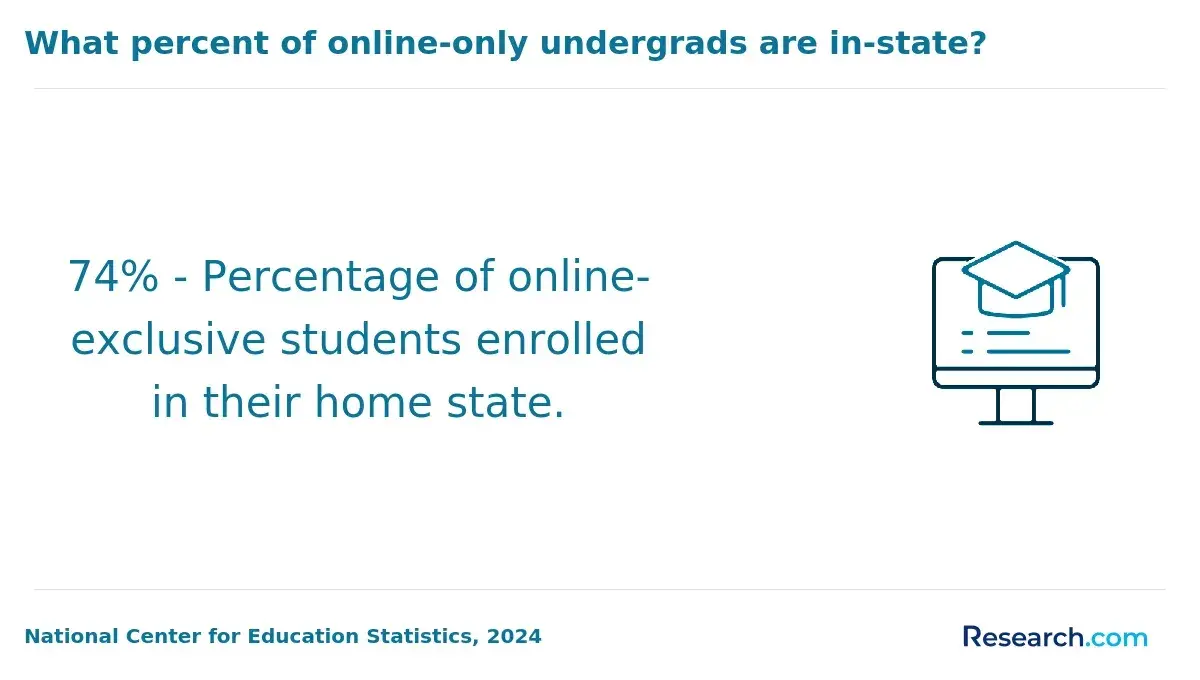
Graduates of fully online programs, enrolling 34% of undergraduates by 2025, benefit from flexible scheduling that supports working professionals without sacrificing income, though students must weigh the tradeoff between flexibility and the need for disciplined, self-directed study.
Key competencies fostered through these degrees include crisis intervention, ethical decision-making, cultural competency, and teamwork—skills critical to operational effectiveness in varied settings.
Prospective students examining their pathways should consider how degree curricula address practical challenges they will encounter on the job. Those interested in broader industry insights may also explore the best colleges for social media marketing, which highlights evolving digital communication trends relevant to advocacy and community engagement.
Which online social and behavioral sciences degrees best align with human services coordinator careers?
Human services coordinator roles demand degrees that blend strategic knowledge with practical application, and online social and behavioral sciences degrees for human services coordinator roles most aligned with these positions emphasize core skills in case management, client advocacy, and resource coordination.
A Bachelor of Social Work (BSW) online is typically prioritized for its direct focus on social welfare policies and program management essential to supervising caseworkers and managing diverse client needs. Psychology degrees further contribute by deepening understanding of behavioral health, aiding coordinators in intervention planning and healthcare collaboration.
Degrees in sociology or anthropology often lack immediate applicability to coordinator roles because they emphasize theory over hands-on experience. Candidates benefit more from programs incorporating field placements or practicum requirements to acquire firsthand familiarity with complex systems such as housing, healthcare, and social assistance.
For example, an online human services degree with mandatory internships better prepares students for operational realities than those without experiential components.
The U.S. Bureau of Labor Statistics forecasts a 6% growth rate for social and human service assistants through 2034, with roughly 50,600 annual openings. This employer demand favors candidates holding degrees that combine rigorous academics with practical experience; credentials lacking such elements often require additional certification or on-the-job training, delaying professional progress.
Deciding on the best online social and behavioral sciences programs for human services coordination thus involves evaluating how well curriculum demands align with regional agency partnerships and regulatory knowledge.
Prospective students may also reference NASP school psychology programs for comparative insights into behavioral sciences education models emphasizing applied competencies.
How do online human services and social science programs compare to campus-based options?
Choosing between online human services coordinator degree programs involves weighing flexibility against hands-on training critical to certain roles. Online formats deliver core theoretical knowledge akin to campus courses but provide asynchronous schedules and geographic independence that benefit working professionals and those with family commitments. This particularly suits full-time case managers needing education that adapts around existing job responsibilities without relocation or fixed class times.
Campus programs, by contrast, offer direct interpersonal engagement, frequent faculty contact, and access to on-site practicum placements vital for experiential learning. Such elements are often indispensable for individuals entering human services without prior experience, where nuanced interpersonal skills and immediate support services play a defining role.
Peer networking and stronger connections to institutional resources frequently translate to enhanced referrals and employment opportunities, valued by many public sector and larger nonprofit employers.
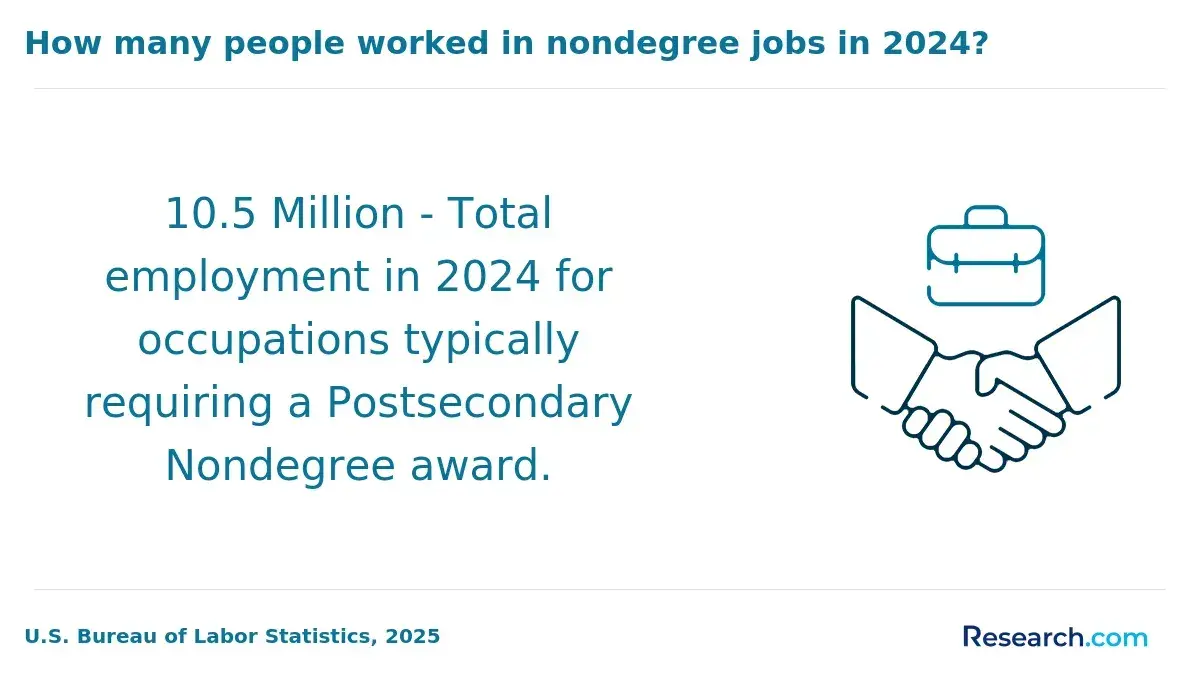
Employer preferences may diverge based on context—some emphasize academic rigor and peer collaboration typical of on-campus training, while others prioritize demonstrable competencies and project completion flexibility found in online cohorts. The U.S. Bureau of Labor Statistics cites a median annual wage of $78,240 for social and community service managers, indicating stable market demand across sectors.
Strategic decision-making depends on aligning educational delivery with individual career targets, workforce demands, and long-term networking goals. For specialized pathways, such as pursuing a forensic psychology major, considering program format in relation to practical training access is essential.
What accreditation and institutional approvals should online social and behavioral sciences programs have?
Regional accreditation recognized by the U.S. Department of Education or the Council for Higher Education Accreditation is a baseline necessity for online social and behavioral sciences program accreditation. Without this, graduates often encounter restricted credit transferability, ineligibility for federal aid, and diminished employer recognition.
For example, students earning an online social sciences bachelor's from a non-regionally accredited institution may find their earning potential capped around the national assistant average of $45,120 annually, according to the U.S. Bureau of Labor Statistics via HumanServicesEdu.org.
State authorization also carries substantial weight for human services coordinator roles, impacting whether graduates can lawfully practice or obtain licensure across different jurisdictions. This regulatory layer often remains overlooked but directly affects workforce mobility and employment options.
Programmatic accreditation from specialized bodies like the Council on Social Work Education adds credibility, though it is less common for broader social and behavioral degrees. Candidates targeting human services coordinator careers benefit from alignment with occupational benchmarks such as those by the Human Services-Board Certified Practitioner (HS-BCP), which better reflect practical job requirements than general accreditation alone.
Prospective students should seek programs with documented regional accreditation and confirmed state approvals to avoid costly credentialing delays and license restrictions. Evaluating regional approvals for human services coordinator degrees alongside accreditation is critical to ensuring a degree translates effectively into career advancement.
Those assessing educational pathways can also compare alternatives with programs listed among online human resource management masters programs, considering their differing workforce outcomes.
What courses and specializations are typically included in online programs for human services coordinators?
Online human services coordinator programs concentrate on core psychology, sociology, and human development courses to ground students in client dynamics and social context. Beyond foundational theory, specialized coursework in case management, counseling techniques, ethical standards, and cultural competence equips students to manage diverse client needs and organizational demands effectively.
Given the 17% job growth projection for substance abuse and mental health counselors between 2024 and 2034 by the U.S. Bureau of Labor Statistics, skills in assessment, treatment planning, and crisis response are increasingly sought after by employers.
Specialization tracks like gerontology, child and family services, or community advocacy create clear alignment with sector-specific employer needs. For instance, a coordinator in a nonprofit youth program gains advantage from adolescent development and trauma-informed care training, whereas a role in public health benefits more from policy analysis and program evaluation expertise.
Practicum requirements present a significant workload consideration, often involving supervised fieldwork necessary for competency and networking. These can affect scheduling flexibility and employment continuity, necessitating careful planning to balance academic and job responsibilities.
Additionally, proficiency in data management and client documentation meets compliance needs and enhances competitiveness, particularly where grant funding and reporting metrics influence organizational priorities.
What are the typical admission requirements for online social and behavioral sciences degrees?
Admission criteria for online social & behavioral sciences degrees significantly influence the timeline and value of credential attainment in human services domains. Many programs require a high school diploma with minimum GPAs around 2.5, but the increasing test-optional policies for SAT or ACT scores alter the applicant pool in ways that may affect workforce readiness, especially where academic rigor correlates with job performance.
Transcripts and recommendation letters serve as practical filters, prioritizing candidates with demonstrated aptitude relevant to social service roles.
Applicants should anticipate diverse expectations, including:
- Essays or personal statements that assess fit for human services coordinator duties.
- Background screenings, particularly for those programs with clinical practicum requirements.
- Work experience prerequisites, often mandatory or strongly recommended, that enhance employability through demonstrated practical skills.
A bachelor's-level entry usually demands foundational coursework in psychology, sociology, or communication—critical for genuine workplace applicability—while associate degrees offer a quicker workforce entry with less prescriptive requirements.
Real-world consideration: transfer credit delays can disrupt career timelines, underscoring the need for candidates to weigh program-specific admission speed and credential recognition, especially for working adults aiming for swift employment changes.
Nearly 20% of community and social services enrollment in 2025 occurred online, reflecting labor market shifts toward flexible learning without compromising employer expectations or state licensing demands.
How long do online social and behavioral sciences degrees take, and what do they cost?
Choosing an educational path in social & behavioral sciences for human services coordination involves balancing time, cost, and career objectives with employer standards. Associate degrees typically require about two years but often limit advancement opportunities in specialized or supervisory roles, which frequently demand a full bachelor's degree spanning four years of full-time study.
Accelerated programs can shorten timelines to 18-24 months by leveraging transfer credits or year-round coursework, though this may reduce depth in critical areas.
Cost considerations further complicate decisions. Community college associate degrees generally cost between $6,000 and $15,000 total, whereas public university bachelor's degrees can range from $20,000 to $50,000 for in-state students, with private institutions frequently exceeding $40,000. Additional fees for technology, textbooks, and practicum requirements must be anticipated.
From a workforce perspective in Minnesota, entry-level human services workers make a median hourly wage of $22.54, with experienced practitioners reaching almost $30. For individuals seeking rapid entry into local job markets, an accelerated associate degree combined with targeted certifications might suffice.
Conversely, those targeting supervisory roles or positions requiring specialized expertise should plan for longer bachelor's programs and the associated expenses. Realistically assessing current commitments, financial resources, and employer expectations is crucial to aligning educational investments with intended career outcomes.
What are the salary ranges and earning potential for human services coordinators in the U.S.?
Salary outcomes for human services coordinators vary significantly based on geographic location, employer type, and credentials. Median annual earnings typically range from $42,000 to $59,000, with entry-level positions in nonprofits often closer to the lower end due to budget constraints.
By contrast, government and healthcare sectors tend to offer salaries approaching or surpassing $60,000. Practical experience combined with advanced qualifications such as a master's degree or relevant certifications can increase earning potential, especially when supervisory duties are involved.
Comparatively, specialized clinical roles connected to social & behavioral sciences, like occupational therapists, command substantially higher median salaries—around $98,340 nationally—reflecting the tradeoff between broad human services positions and careers requiring licensure and advanced education.
Employers expect human services coordinators to manage complex caseloads, coordinate across agencies, and maintain accountability, with leadership roles typically increasing salaries by 20-40%. Prospective students or professionals should consider how investing in graduate credentials or specialized certifications impacts not only immediate compensation but also career trajectory within public and nonprofit systems.
Regional cost-of-living and organizational type further shape realistic salary expectations and advancement opportunities. Decisions on pursuing online social & behavioral sciences degrees must weigh these variables alongside workforce demand and the practicalities of managing client outcomes and administrative responsibilities.
What is the job outlook for human services coordinators and related community service roles?
The projected 12% growth for human services coordinators reflects sustained demand but masks crucial variations in job function and location. Urban healthcare employers prioritize coordinators with certifications in case management, while nonprofits emphasize grant writing and community outreach.
This shapes educational choices: a program heavy on clinical skills may limit opportunities in rural or nonprofit sectors, where policy navigation and fundraising dominate. Candidates often face tradeoffs between specialized credentials and flexible skill sets applicable across settings.
Adult learners pursuing online human services degrees, a majority being over age 25, must weigh program structure against workload intensity and real-life obligations such as employment and caregiving. Programs that fail to provide robust practicum experiences miss an essential link to client-facing roles, reducing readiness for employer expectations.
Key factors for prospective students include:
- Alignment of program schedules with professional and personal demands to prevent burnout or incomplete degrees.
- Direct client interaction opportunities through quality internships or practicum placements.
- Understanding local labor market saturation and credential requirements, such as Licensed Social Worker status, to maintain eligibility for advancement.
- Choosing specializations that address actual employer needs in targeted sectors.
The interplay of these elements determines employability and career trajectory in human services, underscoring the need for careful evaluation beyond general program features.
How can prospective students choose a reputable online program for human services coordination careers?
Selection of programs with accreditation from bodies like the Council for Accreditation of Counseling and Related Educational Programs (CACREP) or the Council on Social Work Education (CSWE) significantly impacts graduate employability and employer recognition.
Candidates targeting roles within underserved urban communities should prioritize programs with strong partnerships with local agencies and fieldwork tailored to those environments, whereas those aiming for federal or larger healthcare institutions should seek curriculum focused on policy and program management.
Balancing online program flexibility against the necessity for live interaction and supervised fieldwork is essential since practical experience influences licensure eligibility and job readiness. Verification of virtual practicum acceptance within specific state certification frameworks safeguards against post-graduation barriers. Cost must be evaluated alongside measurable outcomes such as graduate placement rates and average starting salaries to avoid relying solely on tuition metrics.
Projected employment growth in combined health education and community health roles nearing 17% (21,100 new jobs) through 2030 calls for interdisciplinary training that stays current with emerging trends like digital client engagement, data-driven evaluation, and culturally competent care. This ensures alignment with evolving employer demands and improves a graduate's adaptability in a shifting labor market.
Programs that transparently communicate outcomes and maintain curriculum currency provide a clearer view of long-term return on investment, helping prospective students make strategic choices grounded in real-world expectations.
Other Things You Should Know About Social & Behavioral Sicences
Online social & behavioral sciences degrees vary widely in rigor and practical relevance. Employers in human services prioritize candidates who demonstrate applied skills and critical thinking over mere credential acquisition. Programs that integrate real-world case studies, internships, or community engagement components tend to produce graduates who meet or exceed employer expectations. When choosing an online program, prioritize options with structured practicum or service-learning elements to ensure practical readiness.
The self-directed nature of online social & behavioral sciences degrees requires a high level of discipline, especially for working professionals. Without the structure of in-person classes, students must manage time effectively to balance coursework, assignments, and concurrent job responsibilities. Candidates should evaluate their ability to commit regular weekly hours and remain accountable without direct oversight, as failure to do so significantly reduces program success and credential value in career advancement.
Prioritizing accredited programs with specific human services tracks enhances alignment with employer needs and practical competencies. Broader social science degrees may offer theoretical knowledge but often lack concentrated training in client interaction, case management, and local resource navigation. For those targeting human services coordinator roles, specialized accreditation and curriculum tailored to the field provide a clearer advantage in job placement and career growth.
In 2027, online degrees in social & behavioral sciences offer flexibility and diverse coursework to prepare students for human services coordinator roles. They provide theoretical knowledge essential for understanding human behavior while integrating practical assignments and virtual simulations to enhance relevant skills needed in the field.
References
- Online Behavioral Science Degree Programs | University of Phoenix https://www.phoenix.edu/online-behavioral-sciences-degrees.html
- University Accreditation & Approvals https://www.calsouthern.edu/accreditation-licensure/
- Human Services Careers | PublicHealthOnline.org https://www.publichealthonline.org/human-services/
- Accreditation and Consumer Information https://salve.edu/our-mission/campus-offices-and-services/institutional-research-and-effectiveness/accreditation-and-consumer-information
- B.S. Behavioral & Social Science - Bethel University Online https://ags.betheluniversity.edu/degrees/bs-bachelors-behavioral-social-science/
- 4 Human Services Careers https://www.albany.edu/education/communications/human-services-careers
- Online Bachelor's Degrees in Human Services: Top Schools https://www.edumed.org/online-schools/human-services-degrees/bachelors/
- St. Petersburg College https://www.spcollege.edu/future-students/degrees-training/social-and-behavioral-sciences-and-human-services/human-services/human-services-bs-degree
- Human Services, BS - Hilbert College https://www.hilbert.edu/programs/human-services-bs/
- Online Associate in Human Services | AcademicEarth.org https://academicearth.org/associate-in-human-services/