2027 Patient Advocate Roles You Can Target With a Social & Behavioral Sciences Degree

Co-Founder and Chief Data Scientist
Facing a full-time job while planning a career shift into patient advocacy presents a tough balancing act for social & behavioral sciences graduates. Despite strong employer demand for interdisciplinary skills, 48% of adult learners report enrollment delays due to inflexible program schedules and limited online options, according to the National Center for Education Statistics. This bottleneck extends the time to workforce entry, impacting income trajectories and career momentum.
As healthcare systems lean on patient advocates for navigating complex care ecosystems, aligning education access with workforce readiness becomes crucial. This article maps targeted patient advocate roles suited for social & behavioral sciences degrees while addressing pathways that optimize timing, flexibility, and career mobility.
Key Things You Should Know
- Patient advocate roles demanding social & behavioral sciences degrees grew 14% from 2023 to 2025, driven by healthcare systems' rising emphasis on health equity; this expansion intensifies competition, favoring candidates with specialized analytical skills over broad generalists.
- Employers prioritize candidates who integrate social determinants of health with behavioral interventions, increasing demand for advanced competencies in data interpretation and policy translation, which reshapes job qualifications and narrows entry pathways.
- Median educational debt for social & behavioral sciences graduates pursuing patient advocacy rose 8% in 2024, forcing candidates to balance longer credentialing timelines against entry-level wage caps averaging $50K regionally, affecting timely workforce integration.
What patient advocate careers can you pursue with a social and behavioral sciences degree?
Patient advocate jobs for social and behavioral sciences graduates often center on navigating complex healthcare systems rather than clinical intervention. Roles in hospitals demand clear communication between medical staff, patients, and families to mitigate misunderstandings or conflicts over treatment plans. In contrast, public health agencies hire advocates to design and implement outreach programs that address disparities in vulnerable populations, emphasizing equity and systemic knowledge.
Career paths in patient advocacy with a social and behavioral sciences degree frequently require additional skills such as cultural competence and policy fluency. For example, tribal health advocates apply anthropological insights to address social determinants of health in marginalized communities, a challenge distinct from typical clinical roles. Employers now expect a baseline of data literacy to analyze patient satisfaction and quality metrics, reflecting a shift toward evidence-informed advocacy.
Certification requirements vary by state, introducing practical hurdles that can delay workforce entry. According to Healthcare Patient Advocate Glassdoor data, median pay is approximately $56,000 annually as of October 2025, indicating modest financial growth compared with clinical professions. Selecting appropriate patient advocate jobs for social and behavioral sciences graduates means weighing these credentialing demands and sector-specific expectations.
Those considering further education might evaluate a DSW program to deepen policy and leadership competencies supporting advanced roles in healthcare navigation and advocacy.
How does a social and behavioral sciences major prepare you for patient advocacy work?
Social and behavioral sciences graduates moving into patient advocacy must integrate theoretical knowledge with operational skills. Key competencies include interpreting social determinants of health and managing systemic disparities while navigating fragmented healthcare settings. This practical lens is essential for advocates tasked with bridging communication gaps and tailoring interventions to diverse populations. For example, a behavioral health care advocate supporting mental health patients relies on specialized insight into psychological triggers and community resources-skills derived from coursework in social psychology and public health. This expertise supports improving adherence to treatment plans and reducing access barriers, illustrating the tangible outcomes of these career pathways for social and behavioral sciences graduates.
Employers in this niche emphasize readiness in data collection, ethical standards, and policy navigation. Workforce data indicates that behavioral health care advocates earned an average of $61,835 annually in 2025, reflecting demand for expertise combining patient rights education with crisis intervention. Hands-on experience, often via internships with hospitals or community groups, remains a decisive factor in preparing graduates for the documentation and case management realities of the profession.
Those evaluating degree programs should also consider accreditation and practical program components. Prospective students targeting robust preparation might explore NASP accredited programs, which can complement social and behavioral sciences curricula by providing recognized standards and specialized skill sets that align with workforce expectations.
What education, training, and skills are required to become a patient advocate?
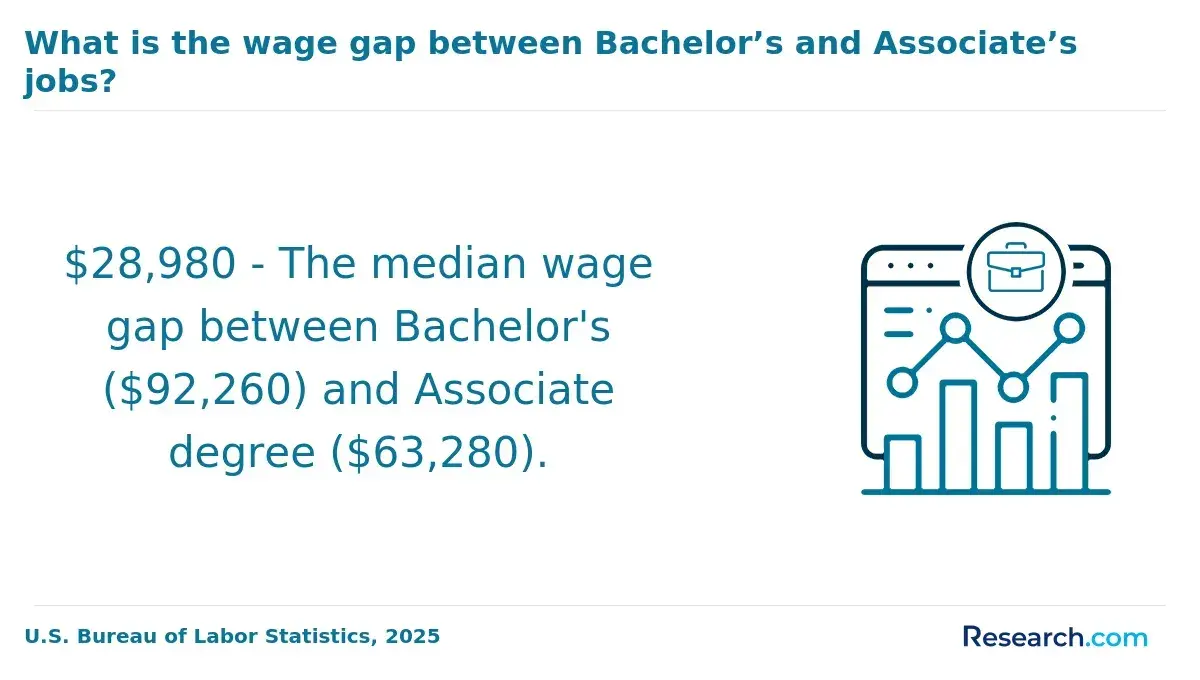
The educational baseline for patient advocate careers in the United States typically requires a bachelor's degree in social & behavioral sciences or a related field such as health administration or psychology. This level of education establishes crucial insights into healthcare systems and human behavior, but the path to employment demands more than academics. Employers emphasize practical skills gained from internships or volunteer work in clinical or legal settings, where candidates encounter direct challenges like clarifying patients' legal rights or negotiating insurance disputes. Such experience is often the dividing line between theoretical knowledge and effective patient advocacy.
Skills and training needed for patient advocate careers with a social & behavioral sciences degree extend to understanding federal regulations like HIPAA and state-specific patient protection laws, which can significantly impact salary potential. For instance, Maryland's 2025 salary data for a Patient's Rights Advocate II ranges from $66,314 to $84,876 annually, with growth opportunities reaching $103,309 based on expertise and experience. Candidates lacking healthcare experience confront steep learning curves, making targeted mentorship or specialized certification valuable, though not always mandatory.
Prospective students should weigh the tradeoffs between immediate entry-level positions and investing time in extended education. Those considering this route may explore inexpensive academic pathways; a cheap online psychology degree can offer accessible options relevant to foundational preparation. Continuous professional development in healthcare law, mental health first aid, and trauma-informed care remains essential for advancement in this evolving field.
Which patient advocacy roles exist in hospitals, insurance companies, nonprofits, and private practice?
Patient advocate jobs in hospitals, insurance, and nonprofit sectors require distinct skills shaped by each setting's operational focus. Hospitals emphasize discharge planning, patient rights, and communication across clinical teams and families, demanding familiarity with medical terminology and coordination. In contrast, insurance company advocates concentrate on claims assistance, appeal processes, and navigating policy complexities, calling for a steep learning curve in regulatory compliance and health plan specifics. Nonprofits primarily engage advocates to address social determinants of health and connect underserved populations to community resources, where cultural competence and resource navigation are pivotal.
Private practices typically rely on advocates to streamline patient intake, consent management, and education, applying social and behavioral sciences degree roles in private practice patient advocacy on a more individualized scale. Transitioning between these sectors often requires targeted upskilling; for example, moving from nonprofit to insurance roles entails mastering policy nuances and formal appeals.
The U.S. Bureau of Labor Statistics projects about 50,600 openings annually for social and human service assistants, with a median salary near $45,120, underscoring steady demand but variable salary prospects across contexts. Prospective advocates must weigh these financial and skill-based tradeoffs when selecting their workplace focus.
Understanding these differences alongside practical qualifications can guide students seeking role-specific credentials or continuing education. For deeper insight into related compensation pathways, including health information roles, see health information management degree salary.
What is the typical salary range and earning potential for patient advocates in the U.S.?
Salaries for patient advocates in the U.S. vary sharply based on skill level, credentials, and job setting, with ranges typically between $45,000 and $85,000 annually. Specialized roles, such as healthcare social workers acting as clinical patient advocates, tend to command pay near the upper bound. For example, EMSI labor market data projects a median salary of $73,019 for healthcare social workers in Greater Philadelphia, alongside strong projected growth and a large job base exceeding 25,600 roles.
Key employer expectations include advanced communication skills, patient navigation expertise, and regulatory knowledge. Entry-level advocates, often tasked with administrative or community outreach functions, start near $45,000, while those holding clinical licenses or social work certifications routinely surpass $70,000 when positioned within hospitals or major health systems.
Prospective social & behavioral sciences graduates should weigh these salary differentials against the additional time and cost of advanced certifications. Geographic variation also matters: regions with less developed healthcare infrastructure exhibit flatter salary growth, making relocation or enhanced skill sets critical for income advancement.
Operationally, advocates must manage evolving healthcare policies and reimbursement frameworks. Higher compensation frequently correlates with demonstrable outcomes such as reducing patient readmissions or improving care coordination, rather than tenure alone. Candidates should consider these trade-offs before committing to specialized educational pathways.
What is the job outlook and demand for patient advocates and related roles?
Employment growth for patient advocates and related roles continues to outpace many other areas, driven by the increasing complexity of healthcare systems and an aging population with layered needs. According to the U.S. Bureau of Labor Statistics, positions in healthcare social work and community health work are projected to increase by 12% between 2022 and 2032. This growth demands professionals adept at navigating insurance processes, mental health services, and chronic disease management within interdisciplinary teams.
For example, mental and behavioral health case managers play an essential role in delivering coordinated care, with average annual salaries around $49,834 nationally. Employers prioritize candidates holding degrees in social & behavioral sciences who display strong cultural competence, communication skills, and critical thinking. Practical experience managing insurance paperwork, client counseling, and legislative nuances often distinguishes credible applicants.
These roles commonly involve variable schedules and significant emotional labor. However, social & behavioral sciences graduates equipped with certifications like Certified Case Manager (CCM) can leverage this demand. Networking with healthcare providers and mastering multidisciplinary collaboration are critical for success in environments ranging from hospitals to nonprofits. For instance, a patient advocate embedded in hospital discharge planning can reduce readmissions by arranging follow-ups and community support, aligning with value-based care incentives.
Are online social and behavioral sciences programs as credible as campus-based options for patient advocacy?
Employers in patient advocacy prioritize verified competencies and practical experience over whether credentials come from online or campus programs, particularly when bilingual skills and community engagement are essential. For instance, bilingual patient advocates in South Austin earn between $45,136 and $50,544 annually, with a starting hourly wage of $21.70, reflecting the premium on language proficiency and cultural competency regardless of educational delivery.
Online social & behavioral sciences programs offer flexibility but often lack the embedded networking and hands-on opportunities afforded by campus settings. Graduates pursuing online routes must intentionally seek community collaborations or local field placements to gain similar experiential depth that campus students more readily access through simulated clinical environments and peer interaction.
Real-world hiring scenarios demand that advocates adeptly manage institutional policies and diverse cultural needs. Campus-based education tends to ease transitions into these roles by providing immediate access to practical environments and employer contacts. By contrast, online students face the tradeoff of self-directed immersion and the imperative to build external networks to meet employer expectations.
Ultimately, the choice between online and campus social & behavioral sciences programs hinges on individual circumstances-balancing flexibility against structured immersion-but both require targeted practical experience to ensure employability in patient advocacy roles beyond 2026.
How can you compare accredited social and behavioral sciences programs that lead to patient advocate careers?
Employer demand for patient advocates increasingly favors candidates with master's degrees, a requirement for half of relevant roles according to Franklin University's 2024 analysis. This expectation rigorously filters applicants and shifts the evaluation beyond curriculum to measurable graduate outcomes, especially employment rates and applicable skill acquisition.
Key program characteristics that meaningfully impact workforce readiness include:
- Accreditation by bodies such as CACREP or regional agencies that validate quality and reassure employers of program integrity.
- Integrated curricula covering healthcare systems, legal frameworks, ethical considerations, and communication skills designed for navigating complex patient interactions.
- Internship or practicum opportunities embedded within healthcare environments, which translate abstract knowledge into workplace competence.
- Short timeframes from graduation to employment, reflecting employer preferences for candidates who require less onboarding.
- Faculty expertise and active research engagement ensuring that programs reflect evolving norms and innovations in patient advocacy.
For a professional transitioning from human services into hospital-based roles, selecting evening programs with clinical internships permits maintaining employment while gaining specific experience. Conversely, entry-level candidates should favor programs with robust career services and health system alumni connections to mitigate initial workforce entry challenges. Ignoring such distinctions can lead to enrolling in programs that do not meet the master's threshold or lack vital real-world exposure critical for hiring in 2026 patient advocacy careers.
What courses and competencies in social and behavioral sciences are most valuable for patient advocacy?
Effective patient advocacy hinges on mastering communication, ethics, and health policy within social and behavioral sciences curricula. Advocates must skillfully interpret complex medical data and navigate insurance and regulatory systems to represent patients accurately, especially in cases where patient preferences diverge from standard care. For instance, supporting a chronically ill patient requires evaluating evidence beyond clinical trials, incorporating lifestyle and psychosocial factors that influence treatment adherence and outcomes.
Competency in qualitative and quantitative research methods is not optional; it enables advocates to critically assess clinical evidence and public health data, making them credible members of healthcare teams rather than relying on anecdotal reports. Additionally, coursework on cultural competence and social determinants of health prepares candidates for distinct challenges in diverse settings, such as differences in urban versus rural patient populations, which directly affect trust and care equity.
The labor market outlook reinforces this interdisciplinary approach: the U.S. Bureau of Labor Statistics projects above-average employment growth for healthcare roles, including patient advocates, through 2034. Employers increasingly demand professionals with integrated behavioral insights and systemic knowledge, making programs that combine social and behavioral sciences with practical health systems expertise a strategic, albeit complex, pathway.
- Master interpersonal communication and counseling techniques
- Understand health insurance, patient rights, and regulations
- Apply ethical frameworks balancing autonomy and medical guidance
- Develop rigorous research skills for evidence-based advocacy
- Address cultural and socioeconomic factors influencing care
Do patient advocates need professional certification or licensing, and how do you obtain it?
Patient advocate roles vary widely in credential expectations, but those seeking meaningful differentiation should weigh certification versus licensure based on their target work environment. Certification like the Certified Patient Advocate (CPA) credential substantiates competence in healthcare management and patient rights, typically requiring a bachelor's degree in social and behavioral sciences, exam passage, and roughly 1,000 documented work hours. This pathway suits advocates in nonprofit or insurance navigation settings where formal licensing is uncommon.
Licensing remains scarce, mainly confined to allied health professions such as healthcare social work or nursing, which demand a master's degree, supervised clinical hours, and state exams. For hospital-based or clinical patient advocates, pursuing licensure often represents a practical necessity aligned with employer expectations and regulatory compliance.
Employers increasingly favor candidates with verifiable credentials due to the complexity of healthcare laws and chronic disease management. Prospective advocates should consider:
- Nonclinical roles: prioritize CPA or equivalent certifications for competitive differentiation.
- Clinical roles: focus on obtaining appropriate licensure or certifications tied to healthcare practice.
- Those bypassing credentials often face entry-level wages and restricted progression.
Investment in accredited training-online or in-person-is frequently essential, reflecting in the average starting salary near $47,543 for graduates in the Greater Philadelphia region per EMSI 2025 data. This highlights a practical tradeoff: credentialing costs and time versus improved employability and wage potential in Social & Behavioral Sciences -related advocacy careers.
Other Things You Should Know About Social & Behavioral Sciences
Specializing too early in a narrow subfield of social and behavioral sciences can limit exposure to the broader healthcare context patient advocates face. Many employers favor candidates with a versatile skill set encompassing communication, ethics, and health policy rather than deep theoretical focus. Prioritizing a balanced curriculum that includes applied social science methods and healthcare systems is critical to remain adaptable and competitive in patient advocacy positions.
The workload in social and behavioral sciences programs equips students with critical thinking, communication, and research skills. While demanding, it builds resilience and adaptability, essential for dealing with multifaceted patient advocate roles by 2026.
Advanced degrees often provide a competitive edge for senior or specialized patient advocate roles, especially in policy development and clinical research settings. Yet, a graduate degree entails significant time and financial investment with delayed workforce entry. Prospective students should weigh whether their career goals align with roles requiring master's-level expertise versus gaining hands-on experience in entry-level positions sooner to build practical skills.
Focus on programs with strong connections to healthcare organizations and clear pathways for field experience, which increase employability after graduation. Accreditation alone is not enough; assess the curriculum's alignment with patient advocacy competencies including health communication, ethics, and cultural competence. Prioritize programs offering mentorship, career support, and networking opportunities in the patient advocacy ecosystem to bridge academic learning with workforce requirements.
References
- Overview of the Profession of Health and Patient Advocacy | The Alliance of Professional Health Advocates https://aphadvocates.org/profession-overview/
- Competencies and Best Practices https://www.pacboard.org/competencies/
- How Do You Become a Patient Advocate? - Healthcare Administration Degree Programs https://www.healthcare-administration-degree.net/faq/patient-advocate/
- Behavioral Health Career Descriptions | SAMHSA https://www.samhsa.gov/about/careers/behavioral-health-workforce/careers-by-state/descriptions
- Social and Behavioral Science Careers and Education | PublicHealthOnline.org https://www.publichealthonline.org/social-and-behavioral-science/
- Patient Advocacy (Concentration) https://www.assumption.edu/undergraduate/patient-advocacy-concentration
- Comparing Social Service Degrees https://socialworklicensemap.com/social-work-resources/comparing-social-service-degrees/
- Patient Advocate https://ace.edu/student-success/career-guides/patient-advocate/
- Social and Behavioral Science https://www.publichealth.org/careers/social-behavioral-science/
- Certificate of Patient Advocacy - The Beryl Institute https://theberylinstitute.org/body-of-knowledge-overview/body-of-knowledge-certificate-programs/certificate-of-patient-advocacy/