2027 Community Support Specialist vs Patient Advocate vs Program Coordinator: Pay, Growth, and Promotion Potential

Co-Founder and Chief Data Scientist
When deciding between roles like Community Support Specialist, Patient Advocate, and Program Coordinator, professionals face complex trade-offs in career trajectory, compensation, and skill application. The U.S. Bureau of Labor Statistics projects a 12% growth in community and social service occupations by 2032, reflecting rising demand but also intensifying competition and specialization. Simultaneously, nearly 60% of adult learners prioritize flexible online programs per the National Center for Education Statistics, highlighting evolving educational access that redefines timing and entry points into these fields. This article examines pay structures, advancement opportunities, and growth potential across these roles to clarify which pathway aligns best with individual goals and market realities.
Key Things You Should Know
- Community Support Specialists average 12% lower median wages than Patient Advocates but show 18% faster job growth rates per 2024 BLS data, complicating tradeoffs between immediate pay and long-term earnings trajectory.
- Employers prioritize Patient Advocates' credentials in health policy over Program Coordinator's administrative skills, which narrows advancement to program management, limiting cross-sector mobility according to 2024 SHRM workforce surveys.
- Program Coordinators' requirement for a bachelor's degree plus 3-5 years experience creates a 14-month median upskilling delay versus Specialist roles, impacting strategic timing for career pivots reported in National Education Statistics 2024.
How do community support specialist, patient advocate, and program coordinator roles differ?
Choosing between community support specialists, patient advocates, and program coordinators involves evaluating distinct operational scopes, educational demands, and career trajectories. Those considering the community support specialist vs patient advocate job responsibilities should note that community support specialists work directly with clients facing mental health or developmental issues, requiring interpersonal skills and case management. Patient advocates, conversely, focus on navigating healthcare systems and ensuring patient rights, necessitating fluency in healthcare law and effective collaboration with medical staff.
Program coordinators have a markedly different role, managing the design, execution, and evaluation of social service initiatives. Their position involves administrative oversight, budgeting, and managing teams, underscoring the program coordinator role differences and career growth in strategic and leadership capacities often accessible with a bachelor's degree and project management experience.
Employment data indicate that social and community service roles pay a median wage of $57,530, above the general U.S. median, with strong projected job openings. However, educational investment decisions must consider tradeoffs: community support specialists usually enter with associate degrees and certifications; patient advocates might require healthcare policy expertise; program coordinators often need a bachelor's plus leadership skills. Those aiming to advance in this field might explore a DSW program for higher administrative or policy roles, given its emphasis on practical leadership and system-level impact.
Which job pays more: community support specialist, patient advocate, or program coordinator?
Program coordinators typically earn more than community support specialists and patient advocates, reflecting the distinct responsibilities and skillsets these roles demand. In a community support specialist vs patient advocate salary comparison, the median national salary for community support specialists is approximately $59,190, with top earners reaching $98,210. Patient advocates usually earn less, between $45,000 and $60,000-primarily due to nonprofit budgets and entry-level positions.
Program coordinators, especially those handling grants or complex healthcare projects, regularly command salaries from $65,000 to $85,000 or higher, depending on experience and organizational scale. This pay disparity stems from the need for competencies in project management, budgeting, and strategic planning. In contrast, community support specialists offer supervised client assistance with more limited advancement prospects, while patient advocates focus on healthcare system navigation under tighter financial constraints.
The decision to pursue a program coordinator role often necessitates additional training, such as project management certifications or graduate education, which correlate with higher earning potential and promotion likelihood. For those balancing fast entry into the workforce with salary expectations, community support positions may suit better but have earlier pay plateaus. In practical terms, patient advocacy remains valuable yet frequently involves reconciling passion with modest compensation.
Prospective students aiming to pivot or advance in the social & behavioral sciences field should weigh these tradeoffs carefully. For accelerated academic pathways, programs like an accelerated master's in psychology online can provide targeted credentials that enhance competitiveness for higher-paying coordinator roles.
What education do these careers typically require?
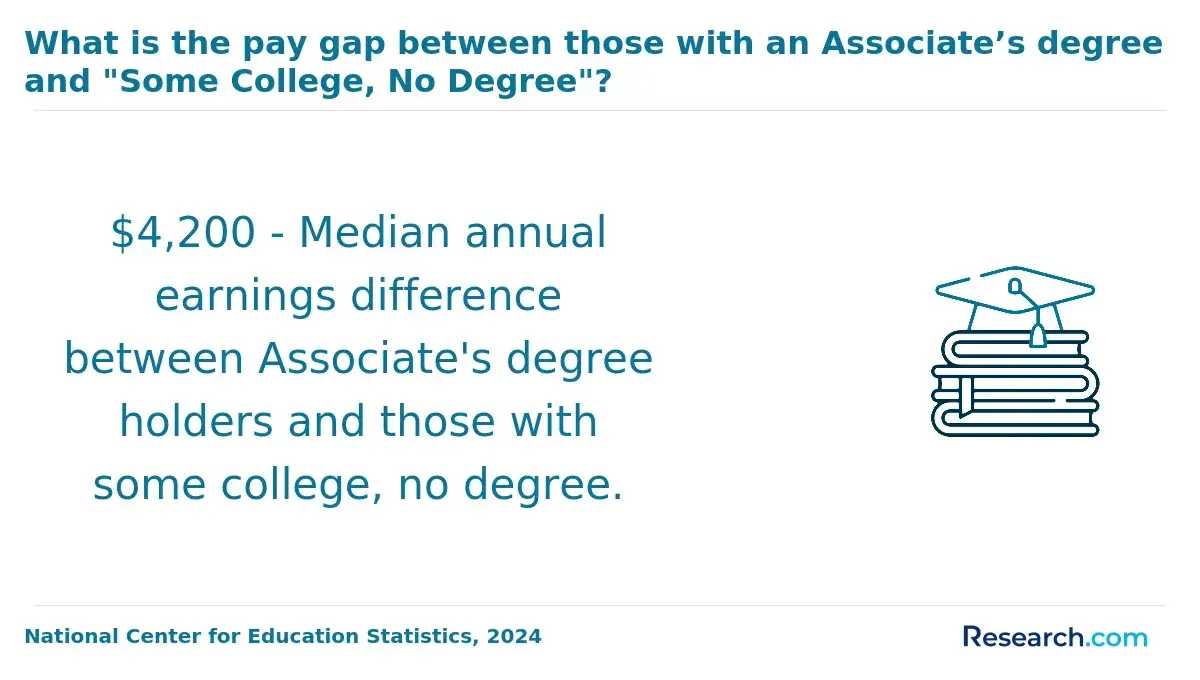
The educational requirements for community support specialists, patient advocates, and program coordinators reveal distinct workforce paths shaped by varying employer expectations and career goals. Those pursuing community support specialist education requirements typically start with vocational training or associate degrees, often supplemented by certifications and supervised clinical hours, especially in mental health or addiction support roles. This pathway favors quick entry but may limit upward mobility without further credentials.
By contrast, patient advocate program coordinator degree qualifications emphasize at least a bachelor's degree, often in social & behavioral sciences disciplines such as social work or psychology. Employers expect competencies extending beyond foundational knowledge: program coordinators usually need skills in project management, grant writing, and data analysis, sometimes requiring certificates or master's-level education in public administration or nonprofit management. Patient advocates often enhance their marketability and salary prospects through specific certification programs focusing on healthcare systems navigation.
Choosing between these tracks involves assessing tradeoffs between immediate employment and long-term professional development. For example, individuals targeting rapid leadership roles may invest in graduate education, whereas those focused on direct client interaction might prioritize certifications combined with practical experience. Salary data from Salary.com reports an average annual wage of $45,699 for patient advocates as of January 1, 2025, signifying moderate returns relative to educational investment. Prospective students should consider accessible options, such as pursuing an affordable psychology degree online, to balance cost and career outcomes effectively.
Do these roles require certifications or licenses?
Community support specialists and patient advocates in the US often face a hiring environment where certification requirements are not mandated but strongly preferred to signal expertise and improve employability. Employers favor credentials like Certified Community Health Worker (CCHW) or Patient Advocate Certification for roles involving direct client interaction and case management, reflecting real-world demands for validated communication and healthcare navigation skills. For patient advocates, particularly those addressing legal or insurance-related issues, specialized certifications related to healthcare law or ethics become critical differentiators.
Program coordinators encounter a more rigorous credential landscape. Although necessary licenses for patient advocates and program coordinators in the US are generally not required, employers typically seek certifications such as Certified Health Education Specialist (CHES) or Project Management Professional (PMP) to verify advanced administrative competence. This preference aligns with increased earnings, as program coordinators earned an average annual salary of $48,644 in October 2024, benefiting from skills in budgeting, grant management, and regulatory compliance that exceed entry-level training.
Targeted credentialing directly impacts hiring speed and upward mobility, but candidates must align certifications with their job focus to avoid inefficiencies. For example, community support specialists engaged in behavioral health gain a significant advantage from mental health first aid or trauma-informed care certifications. Professionals shifting into these roles may consider exploring mental health counseling online masters programs for deeper specialization.
Given these dynamics, candidates without appropriate certifications face longer job searches and fewer advancement opportunities, particularly in program coordination, where verified administrative skills meet employer expectations most directly.
What degree programs prepare you for these careers?
Degree programs in social work, psychology, human services, and public health equip candidates with targeted skills required by employers hiring community support specialists, patient advocates, and program coordinators. Entry-level roles typically require at least a bachelor's degree focused on counseling strategies, ethics, case management, and community resource navigation. Practical internships or fieldwork are essential, reflecting employer demand for candidates with applied experience.
Community support specialists benefit from mental health and substance abuse counseling coursework, while patient advocates need a solid grounding in healthcare systems and patient rights found in public health programs. Program coordinators require training in organizational management and program evaluation, commonly emphasized in social work and nonprofit management curricula. These degrees integrate client management, stakeholder communication, and regulatory compliance skills critical to effective job performance across these roles.
The workforce landscape shows a median wage of $57,530 for these occupations, approximately 16% above the U.S. median wage, according to the U.S. Bureau of Labor Statistics. For working adults, part-time or online programs offering experiential learning can facilitate career shifts or advancement. However, roles beyond entry level frequently demand a master's degree or professional certification, increasing time and financial commitment.
Are online or campus programs better for these career paths?
Campus-based programs in social & behavioral sciences deliver a distinct advantage for roles like community support specialist, patient advocate, and program coordinator by embedding applied skills through internships, lab sessions, and direct community engagement. For example, a patient advocate completing clinical rotations with local hospitals gains supervised, practical experience that significantly enhances job readiness compared to candidates from online programs.
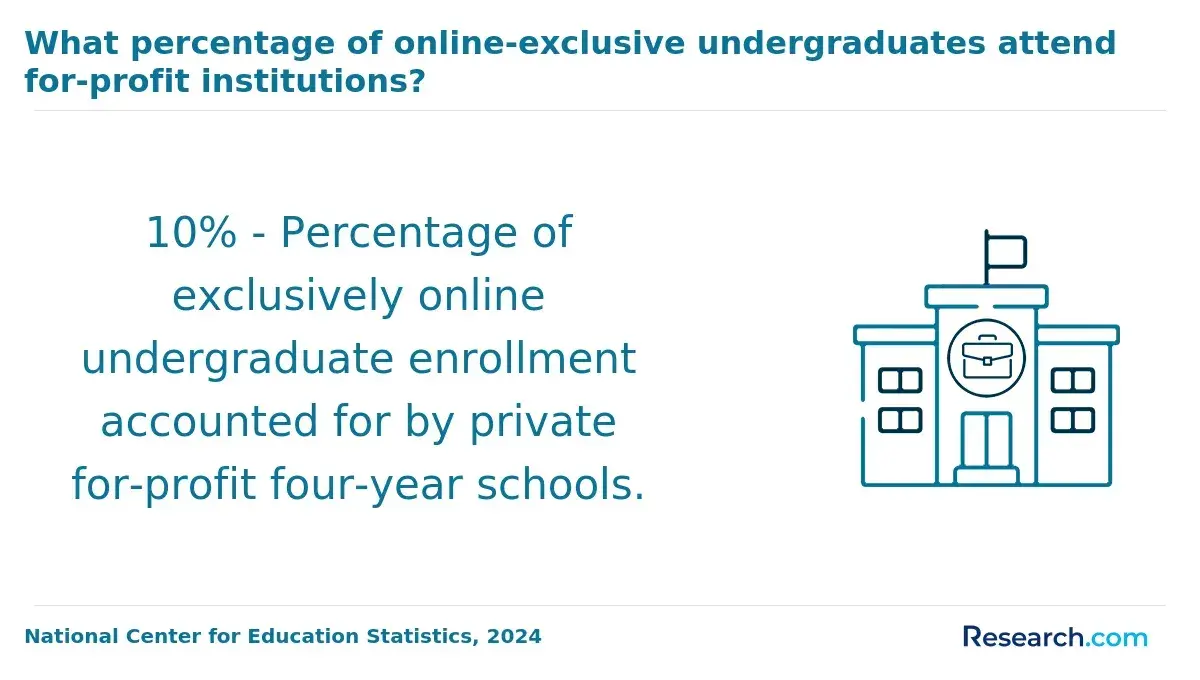
Online programs offer flexibility for working professionals or geographically isolated students but often lack structured opportunities to build interpersonal skills under professional supervision-a key hiring criterion in social and behavioral sciences careers. This absence can delay promotions or require additional unpaid internships to bridge experience gaps.
With employment in community and social service occupations expected to add roughly 313,700 positions annually between 2024 and 2034, credentials offering measurable workforce applicability become essential. Campus routes typically align more closely with employer expectations by integrating supervised practicums and fostering stronger connections to local agencies.
Professionals pursuing online education should actively seek local volunteer roles or internships to offset this experiential deficit. Choosing the campus pathway accelerates situational judgment development and community network-building, which are crucial for career advancement in this labor market.
What coursework and skills do these programs usually include?
Community support specialists, patient advocates, and program coordinators require a distinct blend of practical skills and specialized knowledge tailored to their roles within health-related social services. While program coordinators prioritize project management abilities like budgeting, data analysis, and regulatory compliance to optimize service delivery, patient advocates must be well-versed in legal and ethical frameworks to safeguard client rights amid complex healthcare policies.
Coursework reflects this divide by emphasizing:
- Behavioral health theories and crisis intervention techniques for effective client management.
- Health informatics training crucial for precise case documentation and tracking.
- Community outreach and grant writing skills that empower program coordinators in funding acquisition and stakeholder engagement.
- Legal compliance issues focused on patient confidentiality, HIPAA, and advocacy ethics.
- Cultural competence for serving diverse populations without bias.
For program coordinators, an entry-level salary averages $44,232 annually, growing modestly with experience to just under $50,000 within 7-12 years. This wage trajectory highlights the need for advanced administrative and analytical competencies beyond foundational social support expertise to improve career sustainability and earning potential.
The choice between these roles involves evaluating the tradeoffs between direct client advocacy with deep legal knowledge and program coordination that demands broader managerial skill sets. Those seeking to pivot or upscale within Social & Behavioral Sciences should carefully assess how specialized coursework aligns with their targeted workforce outcomes and salary expectations.
How long do these programs take and what do they cost?
Choosing among community support specialist, patient advocate, and program coordinator pathways requires weighing distinct time, cost, and career trajectory factors. Community support specialist programs offer the quickest entry, with certificate or associate training lasting six months to a year and costing $4,000 to $10,000. This path focuses on practical client interaction and crisis management skills but often leads to limited initial pay growth.
Meanwhile, patient advocate roles demand more varied credentials, from intensive certification courses costing $2,500 to $8,000 over a few months up to a year, to bachelor's degrees in social work or related fields requiring four years of study. The premium on advanced healthcare experience and formal certification is clear: top patient advocate salaries can reach $130,000 annually, per ZipRecruiter's 2026 data.
Program coordinators must generally invest the most time and money, pursuing bachelor's degrees plus specialized training spanning two to four years, with tuition between $15,000 and $30,000 per year. Credentials in project or nonprofit management improve upward mobility but increase upfront commitments significantly compared to other routes.
Employers evaluate candidates based on credential relevance and job context:
- Healthcare environments prioritize patient advocates with formal certification and healthcare experience.
- Nonprofit settings lean toward coordinators combining leadership training with practical management experience.
- Shorter community specialist programs suit entry-level roles but restrict long-term salary advancement.
In effect, students must balance immediate workforce entry against longer-term earning potential and career scope when selecting a social & behavioral sciences pathway.
What promotion opportunities exist in these careers?
Promotion within roles such as community support specialists, patient advocates, and program coordinators hinges significantly on demonstrated experience, relevant education, and the specific workplace environment. Advancing typically means shifting from entry-level functions to senior or supervisory roles where managing teams, overseeing multiple initiatives, and shaping policy are core responsibilities. For example, a community support specialist employed by a nonprofit might move up to a program coordinator position responsible for outreach strategy and evaluation. In healthcare settings, patient advocates may transition into administrative leadership or compliance roles, a move that demands a broader skill set.
Higher education credentials-most notably a master's degree in social work, public health, or related Social & Behavioral Sciences fields-are often essential for these senior roles because they require complex case management and grant oversight. Employers prioritize candidates who combine interpersonal skills with regulatory fluency and grant-writing competence when considering promotions to coordinator or director levels.
Median wages illustrate the tangible benefits of promotion. According to CareersInPsychology.org's review of May 2026 BLS data, social workers, including victim and program advocates, earn a median annual salary of $69,480. That figure rises to $95,390 at the 75th percentile and reaches $112,740 at the 90th percentile for more advanced roles involving strategic planning and staff supervision.
Success in advancing requires navigating several workforce challenges:
- Acquiring specialized certifications
- Showing measurable outcomes in advocacy or program success
- Adapting proactively to evolving healthcare and social service regulations
For instance, a patient advocate promoted to a program coordinator within a hospital must handle cross-departmental projects and communication demands far beyond routine casework, requiring refined project management capabilities usually absent at the entry level.
What is the job outlook for these social service careers?
Candidates pursuing roles as community support specialists, patient advocates, or program coordinators confront distinct labor market dynamics shaped by funding volatility, sector priorities, and credential expectations. Program coordinators typically experience stronger long-term growth linked to public health expansions but face greater geographic and fiscal variability, with salaries from $35,000 to $66,000 across states like Nevada and Connecticut. This range reflects differing responsibilities and funding sources.
Patient advocates tend to hold positions within hospitals or legal settings where specialized healthcare navigation skills moderate wage growth but often plateau due to constrained reimbursement frameworks. In contrast, community support specialists operate broadly across mental health and social welfare programs, with job stability tied closely to fluctuating government and private investments.
Employers emphasize practical competencies-such as grant writing and data management-for advancement over general credentials. Candidates pursuing career pivots or advancement should assess the tradeoff between immediate salary and potential for promotion, balancing geographic funding realities and labor market demand.
- Program coordinators require higher educational investment but gain access to supervisory roles unavailable to generalists.
- Community support specialists benefit from steady entry-level increases but need ongoing credentialing for upward mobility.
- Patient advocates may accept lower growth in favor of immediate base salary stability.
Deciding which pathway to follow depends on aligning skills with local labor environments and understanding how sector-specific funding fluctuations impact employment and wage trajectories in Social & Behavioral Sciences fields.
Other Things You Should Know About Social & Behavioral Sciences
Specialization increases employability in targeted roles like patient advocacy by developing specific skill sets valued by employers. However, a broad interdisciplinary foundation facilitates adaptability across multiple roles, crucial for career advancement in fluid markets. For those aiming for rapid entry, prioritize specialization; for longer-term flexibility and promotion potential, pursue broader studies that include policy, psychology, and organizational behavior.
Entry-level positions such as community support specialist often feature heavy workloads with limited autonomy, requiring resilience over immediate advancement. Program coordinators typically face greater responsibility but also clearer pathways for salary increases and promotions. Understanding these tradeoffs helps candidates align career choices with personal tolerance for workload and desire for advancement speed.
Employers in social & behavioral sciences expect continuous skill updates, especially in areas like data management, compliance, and interpersonal communication. Formal education builds foundational knowledge but rarely covers evolving regulatory environments or technology used in case management. Anticipate ongoing certification and on-the-job training as necessary for maintaining employability and promotion eligibility.
References
- 12 Jobs That Help People and Support Communities | USAHS https://www.usa.edu/blog/12-jobs-that-help-people-and-support-communities/
- Community Support Specialist: Jobs, Salary & Job Description https://www.appliedbehavioranalysisedu.org/jobs-related-to-applied-behavior-analysis/community-support-specialist/
- Career development opportunities: better than a promotion https://www.neobrain.io/en/blog/redefining-career-growth-opportunities
- How (and When) To List Relevant Coursework on a Resume https://resumeworded.com/relevant-coursework-on-resume-key-advice
- How to List Relevant Coursework on Your Resume https://resume.io/blog/relevant-coursework-on-your-resume
- Care Coordinators vs. Advocates: Understanding the Differences - Ardynn https://ardynn.com/blog/care-coordinators-vs-advocates-understanding-the-differences
- How Online College Degree Programs Can Transform Your Life https://www.tuw.edu/school-news/online-degree-programs-transform-your-life/
- Top Degrees in Demand for the Future: 2026 & Beyond https://skillifysolutions.com/blogs/career-growth/top-degrees-in-demand-for-the-future/
- Most Useful Degrees https://www.collegeadvisor.com/resources/most-useful-degrees/
- What is a Patient Advocate? https://gnanow.org/blogs/what-is-a-patient-advocate.html