2027 Best Online Social & Behavioral Sciences Programs for Professionals Seeking Public Health Prep

Co-Founder and Chief Data Scientist
Professionals aiming to pivot into public health often face inflexible program schedules and geographic constraints that delay critical career transitions. The challenge intensifies given that the National Center for Education Statistics recently reported a 22% surge in online enrollment for adult learners in health-related fields, signaling increased demand but also heightened competition for accessible programs. These trends reveal a broader shift toward prioritizing flexible, competency-based pathways that accommodate working professionals without sacrificing rigor.
Selecting the right online social & behavioral sciences program directly influences timely credential completion and job market readiness. This article identifies and evaluates the best programs tailored for pragmatic public health preparation under these conditions.
Key Things You Should Know
- Social & Behavioral Sciences programs with public health prep increasingly require interdisciplinary methods, forcing candidates to balance depth in behavioral theory against broad epidemiological skills, complicating specialization decisions amid employer demands for integrated expertise.
- Employers prioritize candidates proficient in data analytics and culturally competent intervention design, with the Bureau of Labor Statistics projecting 12% growth in relevant roles by 2030, intensifying pressure for programs to evolve beyond traditional curricula.
- Rising enrollment costs averaging $18,000 per year for accredited online options create a tradeoff between accelerated completion timelines and debt load, compelling professionals to optimize program length against long-term ROI in government and non-profit sectors.
What are online social and behavioral sciences programs that prepare professionals for public health?
The pragmatic demands of public health agencies and nonprofits emphasize the need for professionals trained in social and behavioral sciences to possess both multidisciplinary knowledge and applied skills. Online social and behavioral sciences programs for public health careers integrate epidemiology, health behavior theories, biostatistics, and policy analysis, preparing students to design data-driven interventions responsive to social determinants of health.
Working professionals in government health departments or community organizations face variable funding and reporting requirements. Programs that offer flexible schedules and asynchronous coursework enable students to maintain employment while advancing their qualifications. Practical elements such as internships and applied research projects are critical for employers looking for workforce-ready graduates.
Labor market data shows 28,246 social and behavioral sciences degrees that prepare professionals for public health with sustained demand, reflecting 17.5% projected employment growth through 2035 and median salaries around $100,000. Nonetheless, prospective students should weigh tradeoffs between program duration, tuition, and specialization tracks like health communication or program evaluation, which may bolster employability but extend time to credentialing. Credential alignment, including certifications like CHES, adds another dimension to consider when selecting a program.
For those comparing program formats or seeking streamlined options, a human services online program can provide alternate pathways with potentially shorter completion times, suited to specific career pivots within the broader public health ecosystem.
How do online social and behavioral sciences degrees compare to campus-based options for public health prep?
Online social and behavioral sciences degrees versus campus-based programs for public health present a critical tradeoff between flexibility and the depth of practical training. Campus programs typically integrate direct participation in community health projects, internships, and labs essential for applied skills, whereas online formats depend on virtual simulations and remote partnerships to approximate these experiences. For working adults or those in rural areas, online degrees offer necessary flexibility but require intentional effort to secure local practical engagements matching the experiential advantages of campus study.
Employer expectations increasingly prioritize documented field experience alongside academic knowledge, notably in growing roles such as medical and health services managers whose job market is expanding rapidly. Campus students benefit from streamlined access to internships and on-site career networks. By contrast, online students must proactively cultivate digital networking and leverage regional professional groups, impacting initial job placement and long-term workforce integration.
Deciding between online and campus options demands a realistic assessment of one's current location, existing professional connections, and ability to supplement coursework with direct experience. Working professionals with established contacts may find online pathways effective for career pivoting, while recent graduates often face barriers without immersive campus environments. These differences influence both learning dynamics and alignment with employer standards in public health preparation through social and behavioral sciences education. For those evaluating degree options, resources such as masters in psychology online degrees reflect broader trends in program affordability juxtaposed with practical outcomes.
Which types of social and behavioral sciences degrees best support public health career pathways?
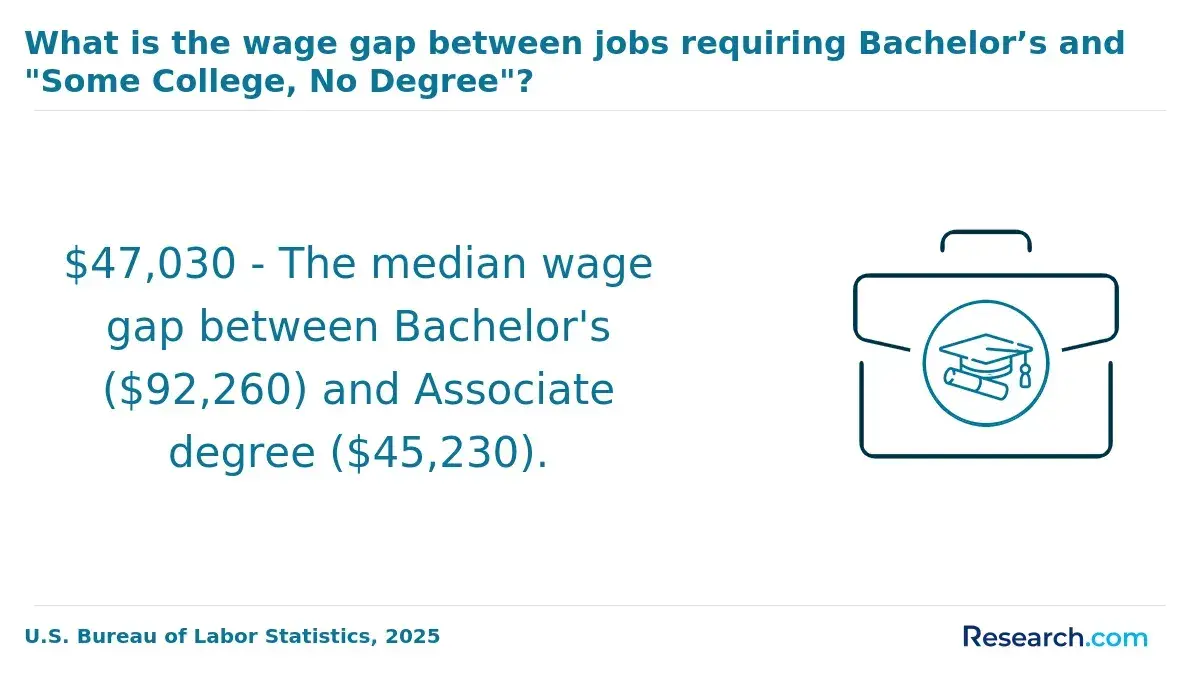
Degrees integrating social and behavioral sciences into public health career pathways demand a pragmatic lens focused on interdisciplinary skills like health behavior analysis, community engagement, and data application for health interventions. For instance, professionals targeting chronic disease reduction in underserved urban populations gain measurable advantages from coursework emphasizing cultural competence and program evaluation. Such programs align well with employer priorities for roles including social and community service managers, who earn a median wage of $77,030 annually and face a growth projection of 31,900 new jobs by 2032, according to U.S. labor statistics.
Choosing between degrees requires understanding key tradeoffs: traditional sociology may lack practical public health methodologies, whereas behavioral science concentrations embed actionable policy and epidemiological skills. Practical exposure through agency partnerships or practicum experiences substantially improves candidate marketability, especially for leadership ambitions. For example, designing mental health interventions in school settings benefits from behavioral science frameworks that offer nuanced insight into individual and community dynamics, which public health administration programs might underemphasize.
Prospective students prioritizing roles in program design and evaluation should consider degrees with strong behavioral science content, while those aiming for supervisory or policy-driven positions might favor administrative public health credentials. Those evaluating social and behavioral sciences degrees for public health careers should also explore cost-effective pathways, such as a cheap psychology degree online, balancing affordability with practical outcomes.
Ultimately, public health career pathways with social and behavioral sciences programs demand strategic alignment between curriculum rigor, workforce needs, and individual career trajectories.
What accreditation and quality standards should online social and behavioral sciences programs meet?
Regional accreditation by recognized bodies like the Higher Learning Commission or WASC Senior College and University Commission remains the baseline requirement for online social and behavioral sciences programs in the US, directly impacting credit transfer and academic credibility. However, when focusing on public health or specialized behavioral science routes, adherence to quality criteria for accredited public health and behavioral science degrees demands additional programmatic accreditation such as CEPH. This certification often determines a graduate's eligibility for specific jobs and certifications within public health agencies, which increasingly filter candidates based on such credentials.
Employers prioritize graduates equipped with skills verified through accredited programs, particularly in areas including data analytics, health communication, and behavior change theories. Absence of CEPH accreditation can restrict candidates from competitive roles emphasizing health behavior interventions. Community and social service occupations are projected to grow by 12%, adding roughly 348,600 jobs between 2019 and 2029, emphasizing the importance of program alignment with these workforce demands.
Programs that provide practical bridges-like internships or practica with nonprofit or governmental public health entities-significantly improve job readiness and reinforce skill application beyond theory. Learner support and technology infrastructure in online settings affect mastery of research methods and collaboration, which are critical in Social & Behavioral Sciences education.
For those evaluating investment returns, the bachelor of science in health information management salary data offers a comparative lens on potential earnings linked to related pathways, highlighting trade-offs in specialization choice and employability within healthcare and public health spheres.
What public health-focused courses and competencies are taught in these online programs?
Core competencies in online social & behavioral sciences public health programs directly shape graduates' effectiveness in applied settings. Essential skills include epidemiology, biostatistics, and health behavior theories, all framed around data-driven decision-making and quantitative analysis of population health trends. Practical training in program planning and evaluation often distinguishes candidates able to bridge theory with community-tailored prevention strategies.
Employers favor proficiency in analytic software such as SAS or R, alongside a nuanced understanding of social determinants of health. This expertise is vital for roles in government agencies or NGOs focusing on culturally competent interventions, especially in diverse urban contexts where socioeconomic factors heavily influence health outcomes.
The quality gap between online and traditional campus-based MPH programs is diminishing, yet workforce readiness hinges on hands-on experience. Graduates lacking practicum opportunities or applied research may struggle with roles requiring both epidemiological rigor and effective community engagement.
- Data software proficiency (SAS, R)
- Applied public health practicum
- Policy analysis and health communication
- Culturally competent care models
Prospective students must critically assess program structures to ensure balance between flexible online delivery and access to mentoring with collaborative projects that simulate real-world health interventions. Evaluating these factors alongside peer assessment scores-ranging from 4.7 at Johns Hopkins to 3.7 at Yale-can guide candidates toward programs that align with specific workforce demands and practical career goals.
What are typical admission requirements and prerequisites for online social and behavioral sciences degrees?
Admission requirements for online social and behavioral sciences degrees often create a tension between academic prerequisites and practical experience, significantly impacting applicant trajectories. Programs typically demand a bachelor's degree with a minimum GPA of 3.0 to 3.5 and foundational coursework in statistics, psychology, sociology, or biology. However, for candidates from public health backgrounds, relevant work experience or graduate-level courses can partially substitute these prerequisites, which reduces the need for preparatory classes.
Admission committees prioritize application materials that reflect measurable contributions to community health, program evaluation, or health communication over standardized tests like the GRE, which many programs now waive. This shift favors professionals demonstrating applied skills, particularly those seeking strategic roles in public health. Importantly, missing core behavioral sciences coursework often necessitates additional bridge programs, delaying entry into core MPH courses and affecting time-to-degree completion.
- Applicants must submit official transcripts, two to three letters of recommendation, and a personal statement detailing career objectives and program fit.
- Resume documentation showing quantifiable impact in relevant public health contexts can offset gaps in formal prerequisites.
- Timely and complete submissions significantly influence acceptance chances, reflecting workforce demands for readiness over purely academic credentials.
According to University of Massachusetts Lowell career data, median salaries near $100,000 with 2,746 annual job openings underscore the financial incentive to meet these requirements efficiently. Failure to align preparations with employer expectations risks delayed workforce entry and reduced return on investment, making upfront admission planning critical for those targeting social and behavioral sciences careers within public health.
How long do these online programs take, and what do they cost for working adults?
Duration and cost represent the most immediate tradeoffs for professionals pursuing an online master's in social & behavioral sciences, with programs typically spanning 18 to 36 months based on enrollment pace. Full-time study accelerates completion within two years, while part-time tracks extending to three years or more accommodate working adults who must maintain income and avoid burnout. For instance, a public health worker clocking 40+ hours weekly might deliberately choose a longer timeline to preserve work-life balance without compromising academic rigor.
Financially, tuition varies widely-from roughly $15,000 to upwards of $45,000-reflecting significant divergence in institutional resources, specialization depth, and market recognition. Lower-cost options often entail tradeoffs such as fewer networking opportunities and limited curriculum flexibility, potentially constraining competitiveness in crowded job markets. Conversely, costlier programs generally offer enhanced employer recognition, career services, and alumni networks that can materially affect hiring outcomes.
Beyond tuition, candidates should factor in ancillary expenses like technology fees, course materials, and potential income reduction if work hours are cut. Accessing employer tuition reimbursement or scholarships requires proactive documentation linking the degree to job relevance. According to 2025 data from Educations.com, at least 16 accredited online programs globally cater to this field, expanding choices but also intensifying the need for strategic selection.
- Evaluate workload realistically to avoid burnout during program pacing.
- Calculate total education cost, including hidden fees and opportunity costs.
- Prioritize programs aligning with employer expectations and competencies.
- Secure financial aid or sponsorship early to minimize fiscal pressure.
What public health roles and practice settings can graduates pursue with these degrees?
Graduates with degrees in social & behavioral sciences pursuing public health roles encounter a complex labor market marked by varied organizational cultures and demands. Employment often spans community agencies, healthcare systems, state and local health departments, and voluntary health groups where designing and evaluating health interventions centered on social determinants and behavioral risks is fundamental.
For instance, local health department professionals juggle epidemiological surveillance alongside culturally tailored community outreach, necessitating precise data interpretation and communication skills. Healthcare settings increasingly prioritize roles blending behavioral health with clinical services to mitigate chronic diseases and enhance patient outcomes.
Temple University program outcomes demonstrate graduates stepping into roles requiring navigation of multi-sector collaborations and enforcement of public health policies. Voluntary organizations engage practitioners in grant writing and program management, highlighting a need for analytical and interpersonal versatility.
Decision makers face a practical tradeoff:
- Governmental agency positions offer policy influence but typically slower advancement
- Community-based roles provide quicker visible impact yet less institutional support
Employers expect proficiency in quantitative analysis, behavioral theories, and implementation science to address emerging crises like opioid misuse and health equity gaps. Compliance with evolving public health regulations and fluency with digital health technologies for population monitoring remain critical skill areas.
What salary ranges and job outlook can social and behavioral sciences graduates expect in public health?
Salary ranges for social and behavioral sciences graduates entering public health vary notably, with social workers earning medians around $50,470 and sociologists closer to $83,420. These differences stem from distinct job functions, credential requirements, and employer funding streams. For example, social workers in community health often face stagnant wages due to tight budgets despite steady demand, whereas sociologists in research or government roles typically access higher, grant-supported salaries but encounter competitive hiring and project-based employment cycles.
Job growth projections emphasize this contrast. Substance abuse and mental health counselors, a subset with licensure and specialized skills, show employment growth up to 25%, signaling robust demand tied to expanding public initiatives on behavioral health. Entry-level positions without advanced credentials typically offer lower pay and less stability, affecting long-term career trajectories.
Practical career planning requires weighing these tradeoffs:
- Advanced credentials correlate with better salaries and job security but require significant educational investment and licensure hurdles.
- Direct service roles offer immediate job opportunities but may limit wage growth and advancement.
- Funding stability varies by sector, influencing salary reliability and hiring consistency.
Students should prioritize programs that align with licensure pathways or research skills sought by government and institutional employers to maximize employability. Navigating public health sectors demands awareness of how funding and certification environments shape both entry and progression. These considerations underscore the practical complexities behind program selection beyond mere salary benchmarks.
How can professionals choose a reputable online program aligned with their public health goals?
Selecting an online program in social & behavioral sciences demands more than academic accreditation; it requires alignment with targeted workforce roles and practical skill sets. For instance, epidemiologists aiming to influence community health outcomes must assess if the curriculum includes applied behavioral epidemiology, while policy advisors benefit from training focused on health behavior models and program evaluation. Accreditation establishes a quality baseline, but verifying faculty expertise and employer connections better predicts real-world applicability.
The projected 5% job growth and addition of over 68,000 positions in life, physical, and social science fields from 2019 to 2029 underscore the value of interdisciplinary training that connects social & behavioral sciences with public health. Programs offering practicum or capstone projects tied to public health agencies provide candidates with demonstrable experience, a critical factor for employers demanding evidence of applied skills beyond theoretical knowledge.
Working professionals must weigh logistical factors such as flexible or asynchronous course delivery and access to career services, including networking opportunities with research institutions. Cost considerations should be benchmarked against transparent alumni outcome data, ideally sourced from reputable government and academic databases, to evaluate salary growth and role advancement realistically.
Balancing rigor, applied exposure, and workforce integration is key; prospective students should prioritize programs that foster practical experience through real-world projects and maintain strong ties to evolving public health demands within social & behavioral sciences.
Other Things You Should Know About Social & Behavioral Sciences
Program flexibility is crucial for working professionals as it allows them to balance work, study, and personal responsibilities. In 2027, many online social & behavioral sciences programs offer asynchronous courses, enabling students to learn at their own pace and manage their time effectively, thus facilitating career advancement in public health.
Programs with a strong emphasis on applied skills, such as data analysis, program evaluation, and behavior change methodologies, tend to prepare graduates for mid-to-upper-level public health roles. A program focused mainly on theory may limit immediate job readiness. Professionals targeting advancement should choose curricula with measurable skill development aligned to employer expectations for practical public health interventions.
Yes, prioritizing interdisciplinary programs is advantageous because public health problems are multifaceted, requiring knowledge across psychology, sociology, and health communication. Such programs enhance adaptability and make candidates more competitive for diverse roles. However, ensure the interdisciplinary content does not dilute core public health competencies critical for your targeted roles.
Specialized degrees offer in-depth expertise that can position graduates for niche public health positions but may limit broader career flexibility. Broad degrees provide versatility across various public health functions but risk insufficient depth in any one area. Professionals must weigh immediate job market demands against long-term career adaptability when selecting the focus of their degree.
References
- Behavioral Health Accreditation Promotes Accountability - NCQA https://www.ncqa.org/blog/behavioral-health-accreditation-promotes-accountability/
- Social and Behavioral Health https://courses.nextgenu.org/course/view.php
- Best Online MPH Degree Programs for 2025 https://www.princetonreview.com/grad-school-rankings
- Online Master’s in Social Psychology: Compare Top Schools https://www.onlinemastersdegrees.org/best-programs/psychology/social-psychology/
- Best Online Degrees for Working Adults in 2026 https://www.straighterline.com/blog/degreecompletion-best-online-degrees-for-working-adults-in-2026
- Careers https://www.publichealthdegrees.org/careers/
- 10 Careers for Social Work Majors https://www.umassglobal.edu/blog-news/careers-for-social-work-majors
- Online Public Health Degrees: Find Your Program https://www.degreesforgood.org/online-degrees/public-health-programs/
- Social and Behavioral Science Careers and Education | PublicHealthOnline.org https://www.publichealthonline.org/social-and-behavioral-science/
- Educations https://www.educations.com