2027 Online Social & Behavioral Sciences Degrees for Youth Program Roles

Co-Founder and Chief Data Scientist
Professionals aiming to transition into youth program roles within social & behavioral sciences face a multifaceted obstacle: balancing timely credential acquisition with evolving workforce demands. The Bureau of Labor Statistics projects a 7% growth in relevant social service occupations over the next decade, intensifying competition and pressing candidates to secure flexible education paths. Yet nationally, over 45% of adult learners report that inflexible program structures deter their enrollment, highlighting a critical mismatch between program design and nontraditional student needs. Understanding which online degrees offer practical scheduling, credible outcomes, and alignment with sector expectations is essential for strategic career moves in youth-focused environments. This article evaluates current online social & behavioral sciences degrees tailored for youth program roles to simplify informed decisions about program accessibility, rigor, and workplace relevance.
Key Things You Should Know
- Data from the U.S. Bureau of Labor Statistics in 2024 show that bachelor's degrees in social & behavioral sciences yield 12% slower median wage growth than STEM fields, forcing prospective students to weigh long-term ROI against foundational career access.
- Employers increasingly demand quantitative skills; 67% in 2024 social services roles reported preferring candidates with applied data analysis experience, pressuring programs to integrate practical statistics at the cost of traditional qualitative depth.
- Program length and cost remain key barriers: education department reports indicate average completion time for affordable, regionally accredited degrees exceeds 4.5 years, limiting timely career pivots for working youth pursuing social & behavioral sciences roles.
What are online social and behavioral sciences degrees for youth program careers?
Online social and behavioral sciences degrees for youth program careers address a specific labor market need by preparing candidates with skills directly applicable to youth development and mental health sectors. The projected 17% employment growth for substance abuse and mental health counselors from 2024 to 2034 aligns with the workforce demand for professionals skilled in intervention, risk assessment, and culturally responsive communication. Such competencies are highly valued by employers seeking evidence-based practice capabilities and effective case management.
Graduates aiming for roles like youth counselors or addiction specialists must often obtain certification or licensure, making curriculum choices critical for credential preparation. For working professionals, an online social and behavioral sciences youth program career option offers scheduling flexibility but requires self-directed learning discipline and proactive planning to secure practicum experiences through community partnerships. These field placements are essential for translating theoretical knowledge into practical skill sets and improving employability.
Students considering these programs should weigh tradeoffs such as limited face-to-face networking and potential difficulties acquiring supervised internships, which remain key for long-term career mobility. Understanding employer priorities allows candidates to tailor electives or certificates accordingly. For those seeking accelerated educational pathways, programs like the masters in human services provide focused options within social and behavioral sciences youth program career fields, balancing completion time with market readiness.
Which social and behavioral sciences degrees best prepare you for youth program roles?
Selecting social and behavioral sciences degrees for youth development careers demands weighing direct applicability against practical barriers. Psychology, sociology, social work, and human development supply foundational expertise: psychology informs youth cognitive and emotional growth critical for intervention design; sociology contextualizes community dynamics and systemic challenges; social work trains students in case management and advocacy essential for at-risk youth; human development supports age-specific programming with measurable outcomes.
Employers often seek candidates who combine data interpretation, evidence-based practices, and inter-agency coordination. For instance, a youth program coordinator in a state health department leverages sociological analysis of community risks alongside psychological frameworks to implement trauma-informed care.
Tradeoffs arise in program format and requirements. Bachelor's programs in social work or psychology include field placements often exceeding 400 hours, complicating schedules for employed students. Conversely, online sociology degrees may allow more timeline flexibility but typically offer less clinical experience, impacting readiness for therapeutic roles. These differences influence employability in youth services contexts, where experiential learning and quantifiable skills remain priorities.
Salary data underscores this focus: social and behavioral scientists in public health earn an average national salary of $80,450, with Virginia offering top compensation near $103,640. Aligning degree choice with workforce expectations optimizes outcomes, especially when considering the best online social and behavioral sciences programs for youth services roles. Professionals looking to deepen specialization might explore masters child and adolescent mental health to expand their applied credentials.
How do online social and behavioral sciences programs compare with campus-based options?
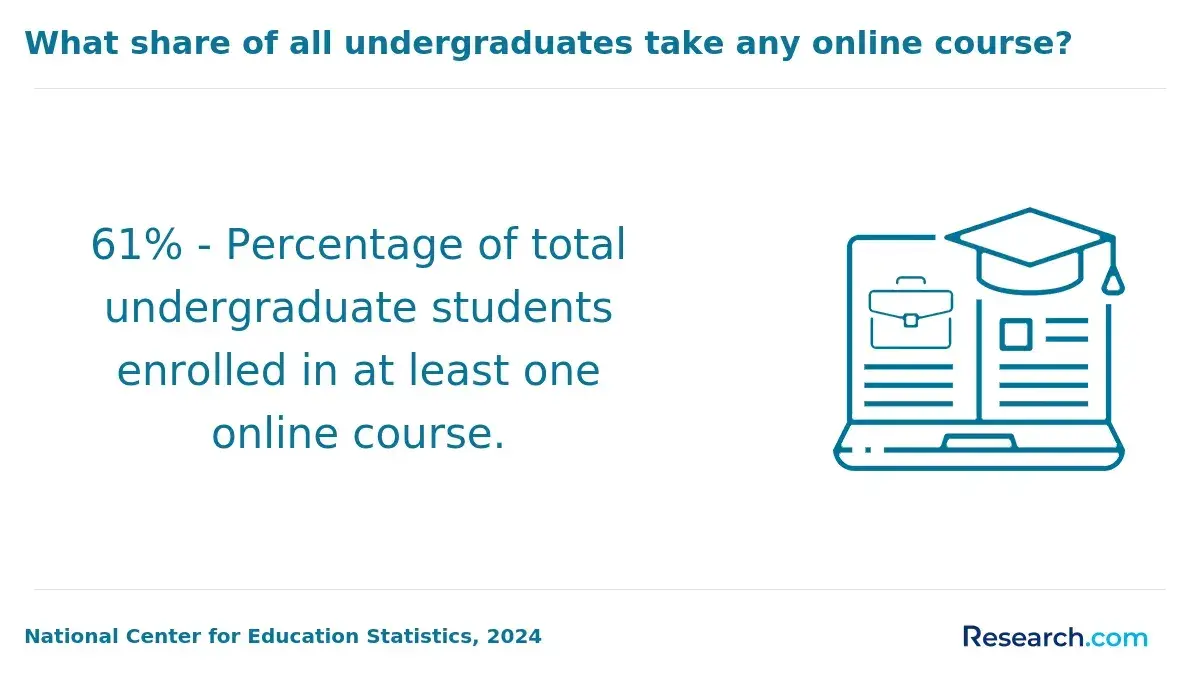
Choosing between campus and online social and behavioral sciences degrees requires balancing hands-on experience against flexibility. Campus programs generally facilitate structured internships and peer networking, which closely align with employer expectations for community engagement skills. In contrast, online programs offer the scheduling adaptability essential for working professionals or those in remote locations but place the onus on students to independently secure local field placements, leading to inconsistent practicum quality. This operational difference directly impacts readiness for youth program roles where direct interaction is vital.
For example, an online student targeting a community health worker position-an occupation projected to grow 11% from 2024 to 2034 according to Public Health Online's citation of BLS data-might complete coursework remotely but must self-arrange practical placements, affecting the depth of supervised experience. Campus students benefit from institutional partnerships that assure consistent standards and mentorship, which employers may regard as markers of program rigor, influencing early career competitiveness.
Key considerations for those evaluating online social and behavioral sciences program benefits include proactive network building and early internship planning to mitigate gaps in experiential learning. Decision-makers should weigh how these tradeoffs affect long-term employability within youth services. Prospective students can explore detailed options at online sociology bachelor programs that illustrate practical pathways tailored to diverse learner needs.
What admission requirements do online social and behavioral sciences programs typically have?
Admission criteria for online social and behavioral sciences programs prioritize demonstrated academic readiness and practical experience aligned with workforce demands. While a high school diploma or GED typically suffices for undergraduate entry, graduate tracks require relevant bachelor's degrees, commonly in social sciences or psychology. Minimum GPAs of 2.5 to 3.0 on a 4.0 scale are frequent benchmarks, alongside submission of official transcripts to authenticate prior education. These requirements underscore the need for applicants to navigate academic rigor effectively, especially as programs balancing theoretical knowledge and applied skills become the norm.
Standardized tests like the SAT or ACT are increasingly optional, though some selective institutions maintain these criteria to evaluate readiness. Letters of recommendation from professionals acquainted with youth services enhance applications, as do statements of purpose clarifying career intent. Many programs mandate or recommend documented internships, volunteer work, or employment directly involving youth populations, translating academic concepts into actionable leadership capacities. This requirement reflects an operational preference by employers for candidates who combine theory with hands-on experience.
Working professionals often benefit from admissions policies that accept resumes detailing relevant employment, which can substitute traditional academic metrics. Such flexibility corresponds to salary trends where social and community service managers earn median incomes near $74,240 annually, with top percentiles exceeding $126,270. Technological proficiency and prerequisite coursework in statistics or research methods frequently appear among enrollment requisites, recognizing the demands of online delivery.
Prospective students evaluating requirements for enrolling in online social and behavioral sciences degrees should weigh how these admissions factors align with career objectives and employer expectations. For comprehensive exploration of accredited educational pathways in adjacent health fields, consider examining CAHIIM accredited health information management degree online, which shares similar rigor in accreditation and workforce relevance.
What core courses and specializations focus on youth development and programming?
Core coursework in online social & behavioral sciences degrees targeting youth program roles centers on developmental psychology, adolescent behavioral health, and evaluation methods tailored to real-world intervention. These courses provide critical insight into age-specific cognitive and emotional development, essential for designing effective youth engagement strategies. Specializations often include counseling techniques, community outreach, and trauma-informed care-skills employers expect for addressing diverse youth populations across educational, recreational, and clinical environments.
Practical training components like case study analyses and service-learning projects bridge theoretical knowledge with application challenges, particularly in settings such as juvenile justice where behavioral science informs risk assessment and rehabilitation. This intersection demands targeted coursework in criminology and social policy to prepare students adequately.
Choosing a youth programming focus equips students with the ability to develop evidence-based interventions, track behavioral outcomes with data, and embed cultural competence throughout program delivery. These competencies align with a projected 9% job growth in youth-focused social & behavioral sciences roles and an average salary near $49,380 for graduates of online B.A. pathways reported by Walsh University.
Job candidates face a strategic tradeoff between acquiring broad foundational knowledge and concentrating in youth-specific electives, which influences market readiness across settings like schools, nonprofits, and public agencies. Understanding these academic and workforce nuances informs informed decision-making for meaningful career impact.
How can you verify accreditation and quality for online social and behavioral sciences programs?
Accreditation is the foundational element that determines the real-world value of online social and behavioral sciences degrees. Degrees lacking recognized regional or programmatic accreditation from bodies like the Council on Social Work Education (CSWE) or regional accreditors risk non-acceptance by employers and licensure boards. For instance, a graduate holding a non-CSWE-accredited Bachelor of Social Work may find themselves disqualified from state licensure, effectively blocking entry into many youth services positions. This disconnect between degree and credential standards can delay or derail critical early career steps.
Evaluating program quality goes beyond accreditation: graduation rates, job placement outcomes, faculty expertise, and curricular alignment with professional skills are key markers. Tuition pricing, such as Liberty University's $250 per credit hour for its online Bachelor of Social Work, offers a benchmark for the investment expected in credible online programs. However, high cost does not always equate to quality; transparency around practicum and local internship facilitation is crucial, as hands-on experience is often mandated for licensing and practical readiness.
To navigate complexities and avoid pitfalls in selecting an online social and behavioral sciences program, consider the following:
- Use official accreditor websites like CHEA or the U.S. Department of Education to independently verify accreditation claims.
- Request detailed program outcome statistics from admissions offices to assess effectiveness.
- Consult local licensing boards to confirm degree acceptance and licensure eligibility before enrolling.
What is the typical length and cost of online social and behavioral sciences degrees?
Time-to-completion and cost considerations directly shape the value of social & behavioral sciences degrees in workforce terms. Associate degrees typically require 18 to 24 months, offering foundational skills for entry-level youth roles, while bachelor's degrees usually span four years-though accelerated or competency-based formats can shorten this to three years. For working professionals, these accelerated paths reduce opportunity costs and expedite access to growing behavioral health fields.
Public state universities charge about $5,000 to $15,000 annually for in-state students, while private programs often exceed $30,000 per year, making total bachelor's degree tuition range from $15,000 to over $60,000. This variance impacts net affordability and return on educational investment, especially when factoring in financial aid and residency status.
Employment projections indicate a 17% growth in substance abuse and mental health counseling roles from 2024 to 2034, demanding timely program completion with accredited curricula and required supervised clinical hours. Licensing prerequisites vary by state and frequently compel candidates to select programs aligned with regulatory standards, underscoring the importance of practical trade-offs between program duration, cost, and licensure preparedness.
What youth-focused careers can you pursue with these degrees?
Online social & behavioral sciences degrees aimed at youth-focused careers require more than theoretical knowledge; they demand practical skills adapted to adolescent development within diverse social contexts. For instance, a youth program coordinator at a nonprofit must tailor initiatives to address factors like educational gaps or family dynamics, necessitating both cultural competence and data literacy.
Employers prioritize candidates who combine degree credentials with direct experience such as internships or supervised fieldwork. This is particularly true in government or school settings where licensure and certifications like Certified Youth Development Professional affect job prospects and advancement. Without these qualifications, degree holders often encounter limited growth opportunities despite their academic preparation.
Salary outcomes vary significantly based on credentials and role specificity. Entry-level youth outreach workers earn median salaries near $38,000, whereas licensed behavioral health counselors with clinical qualifications can surpass $55,000 annually. Geographic location also impacts job availability and competition, with urban centers favoring applicants with advanced credentials.
The presence of approximately 40 distance-learning behavioral science programs worldwide, as noted by educations.com, broadens access but increases market saturation. Prospective students must critically evaluate program accreditation, practicum quality, and technology resources to avoid underemployment risks. Inadequate practical preparation often undermines workforce readiness despite theoretical rigor.
What salaries and advancement opportunities exist in youth program and services roles?
In youth program roles, entry-level salaries typically start between $35,000 and $45,000 annually but vary considerably based on location and employer type. Within five to seven years, those with a bachelor's degree in social & behavioral sciences can expect to earn $55,000 to $75,000, reflecting a 15-20% median wage premium over the general bachelor's degree population, according to U.S. Bureau of Labor Statistics data from 2024.
Practical skills consistently outweigh credentials alone in this field. Employers prioritize crisis intervention, youth counseling, and culturally responsive programming, all of which shape promotional trajectories more than academic titles. For example, a federally funded youth outreach coordinator with grant writing expertise and demonstrable youth impact can move into program leadership, whereas professionals in smaller nonprofits often hit pay and position ceilings without further education or strategic role shifts.
Advancement demands balancing administrative responsibilities like budgeting and staff supervision against the demands of fieldwork, a tradeoff that influences job satisfaction and retention. The sector's career mobility hinges heavily on experience, certifications, and proficiency in securing funding aligned with evolving federal and state youth program standards.
Effective advancement also requires early and sustained networking with community partners and continual skill enhancement linked to funding priorities, underscoring the importance of adaptable, applied competencies over fixed credentials in social & behavioral sciences careers.
Are licenses or certifications needed for youth program and related counseling roles?
Licensure requirements substantially shape entry and progression within youth-focused social and behavioral sciences careers, limiting options for those lacking credentials. For instance, becoming a school social worker involves obtaining a Licensed Clinical Social Worker (LCSW) credential, which entails a master's degree, supervised clinical hours, and passing a stringent licensure exam. Without these qualifications, professionals often remain confined to non-clinical roles like case management, which typically offer lower compensation and less stability.
Employment projections by the Bureau of Labor Statistics anticipate a 6% growth for social workers through 2034, which reflects rising demand but also intensifies competition for licensed practitioners. Employers explicitly seek candidates with verifiable, active licenses to minimize legal risks and comply with state regulations. This emphasis on licensure affects career trajectories since many leadership and specialized clinical roles mandate such credentials.
Key decisions for prospective students include:
- Early verification of state-specific license requirements to avoid later credentialing roadblocks.
- Choosing degree programs that provide explicit pathways to licensure, balancing time and financial investment against job market realities.
- Anticipating ongoing continuing education demands necessary to maintain licenses and professional standing.
Programs ignoring these licensing imperatives may inadvertently undermine graduates' employability in regulated youth intervention and counseling roles. Understanding this regulatory and economic framework is vital for realistic planning, particularly for professionals aiming to pivot successfully into Social & Behavioral Sciences careers.
Other Things You Should Know About Social & Behavioral Sciences
Online social & behavioral sciences programs require significant self-discipline and time management due to their asynchronous study formats. Students must balance extensive reading, data analysis assignments, and applied projects without the immediate structure of a campus environment. The practical coursework often demands both qualitative and quantitative skills, which can strain those lacking prior research experience. Prioritizing programs with built-in mentorship or real-time discussion components helps mitigate isolation and improves comprehension of complex social theories and methodologies.
Employers in youth services prioritize relevant practical experience and demonstrable skills over whether a degree was earned online or on-campus. However, not all online programs are equal: degrees from institutions with strong industry connections and applied learning opportunities hold greater weight. Candidates should highlight internships, community engagement, and project-based learning within their online degree to overcome potential skepticism about online learning. When choosing a program, prioritize those offering practicum placements or partnerships with youth organizations to ensure marketability.
Specialization enhances knowledge and skills in specific areas, making graduates more competitive for dedicated roles in youth programs. In 2027, having a specialized focus can increase job opportunities and lead to advancements by aligning education with the specific needs of employers in the field.
Theory-heavy programs offer deep conceptual frameworks but can lack immediate applicability, potentially lengthening the time to job readiness in youth program roles. Practice-oriented programs focus more on interventions, case management, and community engagement skills valued by employers but may sacrifice breadth of foundational knowledge. Students seeking quicker entry into frontline youth roles should favor practice-oriented curricula, while those aiming for leadership, policy, or research careers should consider theory-intensive paths. Evaluating program course content with this tradeoff in mind is crucial for aligning education with career goals.
References
- Social and Behavioral Health https://www.publichealthdegrees.org/specializations/social-behavioral-science/
- What does a Youth Development Specialist do? Career Overview, Roles, Jobs | NASWVA https://careers.naswva.org/career/youth-development-specialist
- Educations https://educations.com
- Explore 7 Groups of High-Demand Careers for Today's Students https://www.standrewsgreenvalley.com/future-careers-for-students/
- A Guide to Career Paths in Behavioral Science - Social Science Space https://www.socialsciencespace.com/2021/08/a-guide-to-career-paths-in-behavioral-science/
- What Can You Do with a Degree in Children Youth Studies? https://www.brooklyn.edu/children-and-youth-studies/what-can-you-do-with-a-degree-in-children-youth-studies/
- Online Degree vs. Traditional: Choosing the Right Path https://beal.edu/online-degree-vs-traditional/
- Course List https://www.idea.edu/programs/curriculum/youth-development/masters-degree
- Career Exploration and Skill Development https://youth.gov/youth-topics/youth-employment/career-exploration-and-skill-development
- Bachelor’s in Psychology Programs Online https://www.onlinemswprograms.com/careers/social-work-vs-counseling-vs-psychology/ba-psychology/