2027 Best Online Social & Behavioral Sciences Degrees for Helping-Profession Career Mobility

Co-Founder and Chief Data Scientist
Professionals aiming to transition into helping careers face a pivotal barrier: balancing urgent workforce demands with flexible education options. Nearly 60% of adult learners now enroll in at least some online courses, according to the National Center for Education Statistics, reflecting a rise in nontraditional pathways crucial for social and behavioral sciences careers. This shift reveals how traditional, rigid degree programs often fail working students seeking practical career mobility.
Employers increasingly prioritize relevant skills and adaptable study formats that integrate with job commitments, complicating degree selection decisions. This article evaluates top online social and behavioral sciences degrees that enhance career advancement by addressing these real-world constraints directly.
Key Things You Should Know
- Graduates with online degrees in social & behavioral sciences face wage penalties of up to 12% compared to in-person peers, reflecting employer skepticism on applied skills despite 15% sector growth forecasts from the Bureau of Labor Statistics through 2032.
- Employers prioritize advanced research methods and data literacy in candidates, pushing prospective students toward blended programs with strong quantitative training to overcome credential inflation and enhance career mobility.
- Cost and duration tradeoffs are acute; while online formats reduce housing costs, average completion times extend by 20%, increasing tuition and opportunity costs, with financial aid access varying significantly by institution, according to NCES 2024 data.
What are the best online social and behavioral sciences degrees for helping careers?
Employers in healthcare, education, and nonprofit sectors increasingly expect social and behavioral sciences graduates to possess both solid theoretical knowledge and applied skills aligned with licensure and practical service demands. For example, candidates aiming for licensed clinical social work must complete programs accredited by the Council on Social Work Education with supervised fieldwork, without which entry into state licensing is impossible. This reflects the practical friction many students face when selecting programs, where degrees like psychology may enable entry-level roles but typically require further certification for counseling licensure.
Growth projections by the U.S. Bureau of Labor Statistics indicate a 7.3% rise in community and social service jobs through 2032, emphasizing demand for professionals skilled in crisis intervention, data-driven program evaluation, and cultural competence. Choosing a human services online program offers interdisciplinary exposure but may limit clinical licensure opportunities, demonstrating a tradeoff between breadth and direct career pathways.
Prospective students should critically assess program accreditation, licensure preparation, and supervised internship availability. These elements affect immediate employability and long-term advancement given varied state regulatory landscapes. The best online social and behavioral sciences degrees for helping careers integrate these components, balancing realistic career entry requirements against professional growth trajectories.
How do online social and behavioral sciences degrees compare with campus programs?
Online social and behavioral sciences degree quality comparison reveals a distinct operational divide between online and campus programs, driven largely by workforce expectations and student circumstances. While online bachelor's social science programs accounted for 36% of all U.S. social science degrees in 2024-up from 28% in 2020-this shift reflects more than just accessibility; it signals a recalibration in how academic rigor and employer acceptance align with practical training needs.
Campus versus online social and behavioral sciences programs outcomes differ most notably in areas requiring supervised, in-person experiences. For example, those pursuing licensure in clinical social work gain clear advantages from campus-based mentorship and structured fieldwork. Conversely, working professionals or caregivers find online degrees better suited to balancing responsibilities without geographic restrictions.
Graduates from online programs tend to match campus peers in employability for roles like data analysis, policy research, and case management where competencies outweigh delivery mode. However, online learners must independently secure quality practicum opportunities and cultivate self-discipline. Those evaluating pathways should note:
- Campus programs offer direct access to hands-on labs, networking, and clinical mentorship critical for applied roles.
- Online options provide scheduling flexibility, vital for adults navigating work and caregiving.
- Employer acceptance of accredited online degrees is contingent on demonstrated practical experience.
For prospective students weighing this decision, programs offering strong local practicum support enhance online outcomes. Those seeking economical paths might consider masters in psychology online cheap to gain advanced credentials without relocation or career interruption.
What accreditation should an online social and behavioral sciences program have?
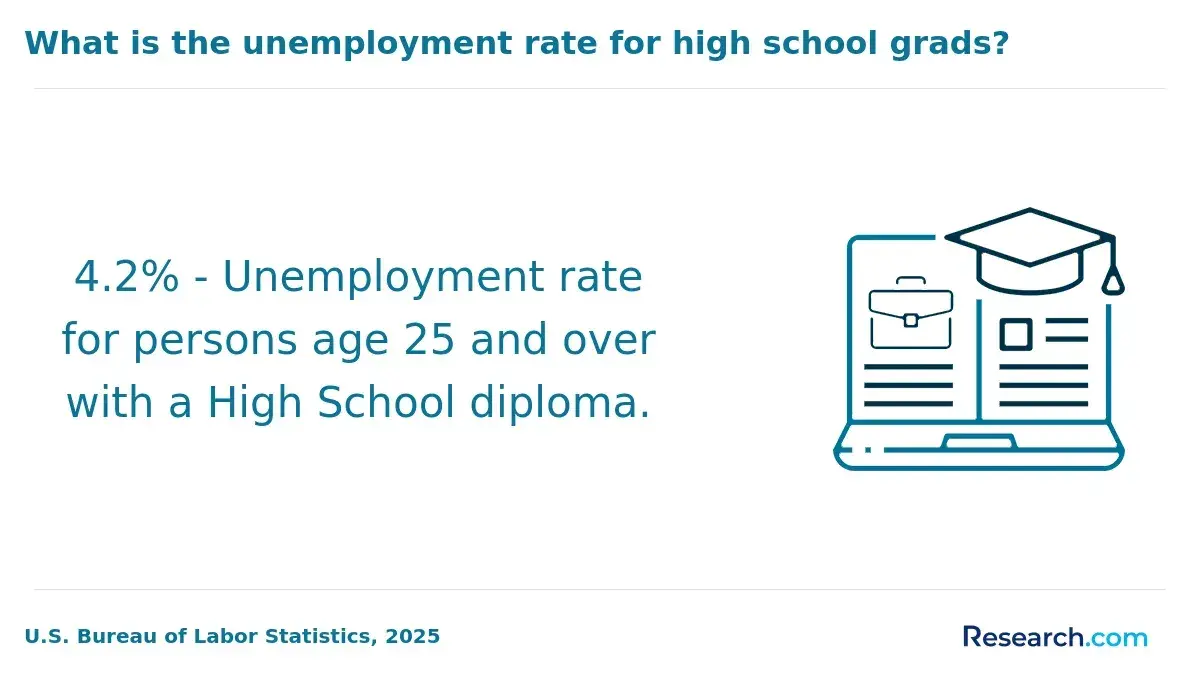
Regional accreditation holds decisive practical value for students pursuing an online social and behavioral sciences program accreditation standards, as this determines degree legitimacy across employers and licensing boards. For example, graduates targeting clinical or counseling careers must select programs accredited by specialized bodies like CACREP; otherwise, state licensure eligibility and employer hiring prospects are jeopardized.
National accreditation alone often restricts credit transfer and diminishes recognition beyond specific institutions, creating obstacles during job changes or graduate study. Agencies such as the Higher Learning Commission (HLC) confer widely respected credentials essential for mobility in diverse social and behavioral sciences degrees. Employment outcomes hinge on this: best-ranked accredited online programs report median early-career salaries about $5,900 higher than their non-ranked counterparts, reflecting employer preference for validated competencies.
Specialized accreditations further impact workforce readiness. Social work students should ensure Commission on Accreditation (CSWE) approval to access internships that critically affect employability within government or nonprofit sectors. Without appropriate accreditation, graduates often face verification difficulties and skepticism from employers, which directly slows career progress.
When evaluating online offerings, confirm continuous regional accreditation and relevant program-specific approvals. This diligence minimizes "handshake friction" at hiring and maintains eligibility for federal aid. For those seeking to align educational investment with future roles in social and behavioral sciences, understanding these nuances is essential. Prospective students considering advanced study might also examine options like an online forensic psychology masters, where accreditation similarly shapes credibility and outcomes.
What careers can you pursue with a social and behavioral sciences degree?
Social and behavioral sciences graduates navigating career options must weigh sector-specific demands and realistic advancement hurdles. Common roles such as case managers or social services coordinators require not only foundational knowledge but also the capacity to interpret client needs and connect resources efficiently. Entry points often exist in public health departments or nonprofit organizations, yet these positions demand demonstrated practical skills to stand out in a competitive labor market.
Top job opportunities for social and behavioral sciences graduates in the United States tend to concentrate in human services, mental health support, community outreach, research analysis, and policy evaluation. A nuanced labor market analysis reveals a 9-11% wage growth between 2020 and 2024 in human and social services roles, with median earnings ranging from $48,000 to $55,000 annually. This trend signals a demand for professionals who combine social research methods with actionable program management abilities.
Career trajectories diverge sharply depending on specialization. Clinical pathways require further certification beyond the bachelor's degree, while policy-focused roles typically involve working with government agencies or think tanks. Developing data literacy alongside interpersonal communication is increasingly pivotal, and supplementing academic credentials with practical workshops or internships is critical for career mobility.
Graduates are advised to strategically select concentrations like community psychology or health promotion that align with roles incorporating grant writing, client advocacy, or program evaluation. Understanding these tradeoffs and acquiring applied social research skills improve prospects. For those evaluating educational pathways in allied fields, exploring CAHIIM accredited health information management programs online can offer alternative or complementary career options.
What coursework is included in online social and behavioral sciences degrees?
Specializing in social and behavioral sciences within public health confers measurable advantages in workforce positioning, but students must weigh curriculum demands against practical outcomes. Core coursework integrates behavioral theories like Social Cognitive Theory and the Health Belief Model, which are essential for designing targeted interventions such as adolescent mental health outreach or smoking cessation programs-applications directly valued by employers in health education and policy roles.
Quantitative skills also dominate, with epidemiology and statistics forming a foundation for interpreting population health trends that impact resource distribution decisions. Graduates gain expertise in applied ethics and cultural competence, skills indispensable for navigating client confidentiality and diverse social contexts in counseling and social service environments.
While rigorous online formats offer flexibility for working professionals, managing time and executing field-based capstone projects involving primary data collection or agency collaboration remains a significant hurdle. Employment data from PublicHealthDegrees indicates MPH graduates who focus on this specialization command median salaries approximately 23% higher than peers in generalist tracks, signaling employer demand for analytic and behavioral competence.
For practitioners aiming to pivot or ascend within program evaluation, health education, or policy analysis, success hinges on selecting programs that align with targeted career trajectories, balancing specialized knowledge acquisition against foreseeable workload and practical application challenges.
What admissions requirements do online social and behavioral sciences programs usually ask for?
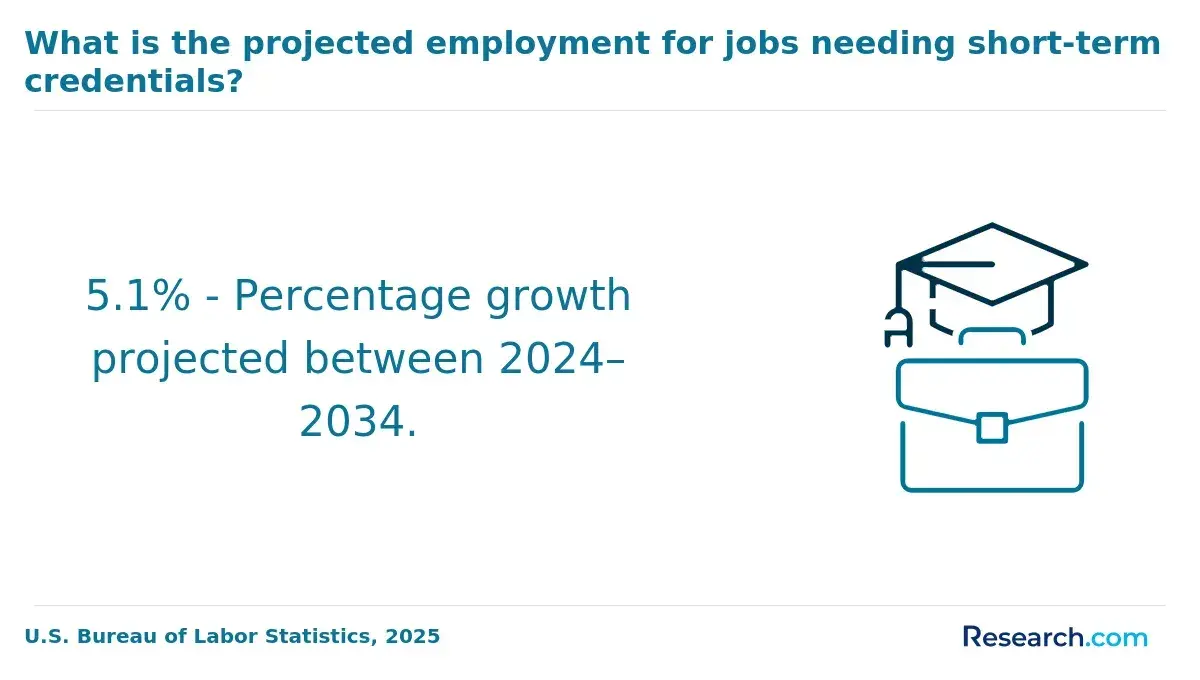
Admission into online social and behavioral sciences programs reflects a necessary calibration between academic preparedness and workforce readiness, directly influencing employability and practical success. Undergraduate entry typically requires a high school diploma or equivalent, with many bachelor's degrees insisting on previous postsecondary credits or an associate degree, signaling a clear expectation of foundational knowledge before advanced study. At the graduate level, a bachelor's degree with a minimum GPA around 3.0 to 3.2 is standard, with programs selectively vetting candidates to ensure they can meet professional standards.
Applicants must provide detailed materials-application forms, personal statements outlining career intentions, and recommendation letters highlighting relevant skills-that go beyond mere paperwork to demonstrate tangible potential in social and behavioral sciences roles. For clinical or counseling tracks, prerequisite coursework in psychology or sociology is often non-negotiable, serving as a baseline for effective practice.
Technical competence is increasingly scrutinized, with documented proof of reliable internet access and device compatibility becoming mandatory. Some programs employ timed placement tests or interviews to evaluate analytical and communication capabilities critical for helping professions. Employer-sponsored students face variable credit recognition for prior experience, underscoring the need to verify program policies to avoid unexpected delays.
Cost savings remain a pragmatic advantage: data from OnlineU for 2024 indicates online associate degrees in social sciences cost about 31% less than on-campus equivalents, averaging roughly $8,500 annually full-time. This price differential can decisively impact choices for those balancing affordability with career transitions.
How long does an online social and behavioral sciences degree take to finish?
Completion times for online social and behavioral sciences degrees hinge on program structure and student circumstances, with practical implications for workforce entry. Bachelor's degrees typically span four years of full-time study or two to three years if accelerated or transfer-friendly, reflecting the 120-credit-hour industry norm. Associate degrees offer foundational credentials in about two years, serving as stepping stones rather than endpoints for most clinical or counseling roles.
Shorter credentials, such as certificates and microcredentials, now account for a growing 42% increase worldwide in behavioral science offerings between 2022/2023 and 2024/2025, according to data from Educations.com. These are appealing for professionals prioritizing swift skill acquisition, requiring only 6 to 20 credits and often completing in under a year.
Different enrollment formats create further time tradeoffs: part-time students juggling employment extend duration, while competency-based or self-paced designs enable faster progress through prior knowledge application. Employers generally expect bachelor's degrees for licensed counseling roles, while certificates mainly satisfy paraprofessional positions or support functions.
Consider a social worker seeking licensure as a counselor. Pursuing a fast certificate provides immediate credentials for work while concurrently completing a bachelor's part-time addresses licensure standards. This layered approach demands robust time and financial management but aligns education with licensure and market expectations.
How much do online social and behavioral sciences degrees cost?
Investing in an online social and behavioral sciences degree requires weighing tuition costs against tangible career outcomes, especially given the broad $15,000 to $60,000 price range influenced by program level, residency, and institution type. Public universities present the most affordable options for in-state students, while private and out-of-state programs may significantly increase expenses. Beyond tuition, students must account for additional costs such as technology fees, textbooks, and practicum requirements that can affect both finances and scheduling.
For example, a working professional pursuing an online master's in public health with a social and behavioral sciences focus might save on commuting but faces challenges balancing time-intensive practicums with steady income, making employer tuition assistance valuable yet often conditional on approval and scheduling flexibility.
Employment in public health roles connected to social and behavioral sciences has grown by 15% from 2019 to 2024, with median salaries between $65,000 and $75,000. While this supports a moderate return on investment, candidates must consider local job markets and sector variability. Government and nonprofit employers now typically require at least a bachelor's degree plus relevant experience, pressuring students to evaluate if accelerated programs justify higher costs through faster workforce entry.
What licenses or certifications are needed for helping-profession careers?
Licensing and certification requirements in social & behavioral sciences careers create significant barriers to entry and mobility, shaping the practical choices candidates must make. For example, clinical social workers in California face a demanding prerequisite of 3,200 supervised hours over two years before they can even sit for licensure exams. This extended timeline requires financial resources and patience but enables fully independent practice in a regulated environment.
States mandate different routes: mental health counselors typically pursue licensure such as LPC, necessitating standardized exams and supervised clinical experience. School counselors must navigate state-specific certifications involving coursework and content exams. Peer support roles, by contrast, may accept less rigorous credentials like the National Certified Peer Specialist, which suits nonclinical work but limits advancement in traditional counseling tracks.
Psychologists encounter some of the most stringent licensing demands, including doctoral degrees and up to 3,000 supervised hours, which constrains flexibility and delays workforce entry. Behavioral analysts must secure certification from the Behavior Analyst Certification Board, requiring targeted training and supervised practice to verify specialized competencies.
Supplemental certifications-such as those in trauma-informed care or substance abuse-can enhance employability, especially where competition is high. However, these credentials come with administrative burdens and complicate interstate transitions due to varying state requirements.
Arizona State University reports that 87% of ASU Online social and behavioral sciences graduates were employed, in graduate school, or in service programs within six months of graduation in 2024, indicating that credentialing aligned with these frameworks facilitates tangible workforce outcomes.
How do you choose a reputable online social and behavioral sciences school?
Choosing an online social & behavioral sciences program requires evaluating beyond surface credentials, focusing on measurable outcomes and career alignment. Accreditation from recognized regional or national bodies ensures program legitimacy and access to federal aid, but the return on investment hinges on factors like graduation rates and employment statistics.
Data from BestColleges indicates that online bachelor's graduates in social sciences recoup their educational expenses in a median of 6.2 years-faster than the 8.1 years for on-campus equivalents-largely due to lower tuition and the ability to work while studying. This difference reflects the real-world advantage of maintaining employment to offset costs during the program, rather than purely the mode of delivery.
Prospective students should analyze curriculum content for practical skills such as data analysis or community intervention applicable to target roles. Faculty qualifications matter; instructors with active research or industry experience improve relevance over those with solely academic backgrounds.
Balancing work and study demands reviewing program flexibility, including asynchronous schedules and practicum availability to fulfill licensure needs without career disruption. Evaluating total costs alongside financial aid options and time to ROI benchmarks, using government data from 2024 onwards, grounds decisions in realistic financial planning.
Other Things You Should Know About Social & Behavioral Sciences
Employers in social and behavioral sciences fields value program reputation, practical experience, and relevant skill sets more than delivery format. However, some traditional employers may prefer degrees from programs with hybrid components or in-person practicums that demonstrate hands-on ability. When choosing an online program, prioritize those that integrate fieldwork, internships, or applied projects to meet employer expectations for real-world readiness.
Consider factors such as demand in the job market, alignment with your interests, and the potential for career advancement. Research employer preferences and seek guidance from academic advisors to ensure the chosen specialization aligns with your career goals and offers substantial opportunities in helping professions.
Specialization tracks can increase employability in specific helping professions by providing targeted knowledge and skills valued by employers. But broader curricula offer versatility if you aim to pivot across related roles or industries. If your career goal is clear, prioritize programs with focused specializations aligned to that path; if uncertain, choose programs with strong interdisciplinary foundations and elective options to maintain flexibility.
Since many helping professions require supervised clinical hours, online degrees without affiliated local practicum options may delay licensure eligibility. Students must confirm early whether programs facilitate practical placements in their geographic area. Without this, degree completion alone won't meet state licensing criteria, causing significant delays or additional coursework. Prioritize programs with established field placement support to avoid barriers post-graduation.
References
- Psychology Grad School Guide & Requirements | Psychology.org https://www.psychology.org/resources/graduate-application-guide/
- 11 Types of Healthcare Careers - Education & Requirements https://nursinglicensemap.com/resources/healthcare-careers/
- Online Social Science Courses | University of Phoenix https://www.phoenix.edu/online-courses/social-science.html
- Helping Professions You Need to Know About (And How to Get Involved) | Rasmussen University https://www.rasmussen.edu/degrees/human-services/blog/helping-professions/
- Psychology Accreditation: What you need to know https://www.onlinepsychologydegrees.com/articles/accreditation/
- B.S. Behavioral & Social Science - Bethel University Online https://ags.betheluniversity.edu/degrees/bs-bachelors-behavioral-social-science/
- Social and Behavioral Health https://www.publichealthdegrees.org/specializations/social-behavioral-science/
- Certifications | CareerOneStop https://www.careeronestop.org/FindTraining/Types/certifications.aspx
- A Guide to Career Paths in Behavioral Science - Social Science Space https://www.socialsciencespace.com/2021/08/a-guide-to-career-paths-in-behavioral-science/
- Online Social Work Degree | Programs And Career Options https://www.learnhowtobecome.org/best-online-bachelors-in-social-work-degree-programs/