2027 Online Organizational Leadership Degrees With Strong Coaching and Mentoring Training

Co-Founder and Chief Data Scientist
Professionals with diverse backgrounds often find it challenging to transition into leadership roles without formal training in coaching and mentoring. This gap can hinder career advancement and limit effectiveness in managing teams. Organizations increasingly value leaders who can foster growth and guide talent through personalized support. For those seeking to build these skills while earning an accredited degree, accessible educational options are essential.
This article explores online organizational leadership programs that emphasize strong coaching and mentoring components, providing flexible pathways for professionals aiming to develop practical leadership abilities and successfully shift into leadership careers.
Key Things You Should Know
- Online organizational leadership degrees in 2026 increasingly integrate coaching and mentoring, with over 65% of programs embedding these skills to boost leadership effectiveness.
- Graduates with coaching and mentoring training report 20% higher career advancement rates within two years of completion compared to peers without such focus.
- Top programs emphasize experiential learning, combining theory with real-world coaching projects, aligning curricula with evolving corporate demands for transformational leadership capabilities.
What is an online organizational leadership degree with coaching and mentoring training?
An online organizational leadership degree with coaching and mentoring focus equips students with essential skills to guide individuals and teams effectively across diverse professional settings. These programs blend core leadership principles with specialized coaching techniques and mentoring strategies, enabling graduates to facilitate employee development, enhance performance, and promote continuous learning cultures. This combination fosters practical application of leadership theories with an emphasis on personalized growth and relationship building.
Curricula often cover key topics such as:
- Leadership theories and ethical decision-making
- Coaching models and feedback methods
- Mentoring program design and evaluation
- Communication skills for influence and motivation
- Conflict resolution and emotional intelligence
Flexibility of online formats benefits working professionals aiming to advance careers in corporate, nonprofit, or educational sectors. Programs frequently include real-world case studies that simulate coaching and mentoring challenges in industries like healthcare or business.
Considering the demand for leadership development, 51% of L&D leaders globally rank leadership and management skills as their top learning investment priority, according to LinkedIn's 2024 Workplace Learning Report. This highlights the value of programs recognized among the online doctoral programs without dissertation that emphasize coaching and mentoring expertise.
Those seeking the best online organizational leadership programs with coaching training will find opportunities to prepare for roles such as executive coach, leadership development specialist, or human resource manager, while also positioning themselves for senior leadership advancement through improved interpersonal skills.
Which accreditation should online leadership programs have?
Accreditation is vital for online organizational leadership degrees, ensuring academic quality, rigor, and relevance. Regional accreditation for online organizational leadership degrees most commonly comes from agencies such as the Higher Learning Commission (HLC), Middle States Commission on Higher Education (MSCHE), and Southern Association of Colleges and Schools Commission on Colleges (SACSCOC). These bodies evaluate institutional standards including faculty credentials, curriculum quality, and student support services.
Many programs also pursue specialized accreditation to affirm their focus on leadership coaching and mentoring. For instance, affiliations with the International Coach Federation (ICF) lend valuable credibility to leadership programs offering coaching concentrations. Meanwhile, accreditation from the Association to Advance Collegiate Schools of Business (AACSB) benefits programs integrating business leadership and management principles, reflecting adherence to established corporate and nonprofit sector standards.
Such accreditation is crucial for graduates seeking professional recognition and certifications that support careers in coaching and mentoring. Research shows organizations that emphasize coaching and mentoring in leadership development report stronger financial performance, underscoring the importance of accredited curricula that align with these strategies. Prospective students should confirm both accreditation and curriculum emphasis on coaching methods, ideally incorporating experiential learning to ensure preparedness.
Those weighing their educational options may also consider related fields, such as an MBA operations management online to complement leadership skills with operational expertise.
How do online and campus leadership programs compare?
Online and campus organizational leadership degree programs with coaching and mentoring differ mainly in delivery methods, flexibility, and networking opportunities. Online programs allow professionals to manage work, family, and study without the need to relocate, making them ideal for working adults aiming to advance careers. In contrast, campus programs offer face-to-face interactions that can build stronger peer and faculty connections, enhancing mentorship and collaborative learning.
The curriculum often covers similar leadership theories, coaching strategies, and organizational development topics, but interaction varies. Online students participate through virtual discussions and video conferencing, while campus students engage in in-person workshops and group projects. Both formats develop leadership skills, but campus programs may provide easier access to career services, internships, and networking events.
Cost and time commitments differ as well. Online programs reduce commuting costs and offer self-paced study but require disciplined time management. Campus programs typically require full-time enrollment, which might limit employment options during study but provide a structured schedule.
According to the University of Texas System's SeekUT earnings data, graduates with an MS in Leadership and Organizational Development earn median salaries of $157,000 one year after graduation and $212,000 five years later in Texas. This demonstrates that both campuses and online options lead to strong career outcomes.
Prospective students weighing campus versus online organizational leadership training comparison must consider their learning preferences, professional commitments, and networking needs carefully. For those exploring related fields, a project manager bachelor degree could also be a valuable option.
What courses are included in coaching and mentoring curricula?
Coaching and mentoring course content online within organizational leadership programs covers a wide range of topics essential for developing both practical skills and theoretical knowledge. Core subjects typically include leadership theories, communication techniques, conflict resolution, and emotional intelligence. These foundational areas help students understand various leadership styles and tailor their coaching to fit individual and group dynamics.
Curriculum topics for organizational leadership coaching often dive deeper into coaching methods, mentoring strategies, and performance management. Students are trained to create customized coaching plans, engage in active listening, provide constructive feedback, and support personal and professional development. Courses in developmental psychology and adult learning principles enable coaches to better comprehend how people learn and evolve, enhancing their effectiveness in mentoring relationships.
Ethics and cultural competence play a significant role, ensuring future leaders can navigate ethical boundaries and mentor diverse teams with inclusivity. Additional courses on organizational change management and team dynamics prepare students to facilitate broader changes through coaching at multiple organizational levels.
Practical experience is emphasized through internships or practicum courses, allowing students to apply what they learn in real or simulated settings, boosting confidence and skill evaluation. According to the University of Georgia, the fully online Master of Learning, Leadership & Organization Development program costs $21,285 in tuition, showing that a graduate leadership degree with strong coaching and mentoring training can be attainable near $20K at a public university.
For those interested in related fields, programs such as the online sports management bachelor's degree also offer practical leadership and management skills applicable in various industries.
What admission requirements do these programs usually ask for?
Admission requirements for online organizational leadership degrees that emphasize coaching and mentoring usually include a completed application and official transcripts from accredited undergraduate or graduate institutions. A bachelor's degree is typically required for master's programs, while doctoral degrees demand a relevant master's, often in leadership, education, or business.
Most programs ask for two or three letters of recommendation from academic or professional sources who can speak to the applicant's leadership skills. Applicants commonly submit a statement of purpose outlining career goals, leadership philosophy, and reasons for pursuing advanced coaching and mentoring training.
Standardized test scores such as the GRE or GMAT may be requested but are increasingly optional or waived depending on academic or professional experience. Programs often expect a minimum GPA around 3.0 on a 4.0 scale, though this varies.
Work experience in leadership is emphasized, especially for doctoral and executive tracks, where three to five years of demonstrated leadership or coaching is often required. An interview may also be part of the selection process to evaluate fit and motivation.
Recent rankings by EddPrograms.org highlight the University of Illinois Urbana-Champaign's online Ed.D. in Education, Policy, Organization and Leadership as one of the most affordable top-ranked programs, with a total online tuition of $34,432. The rise in new online organizational leadership doctorates reflects growing accessibility and diversity in admission standards nationwide.
How long does an online organizational leadership degree take?
The time needed to complete an online organizational leadership degree depends on the study level, program structure, and student workload. A bachelor's degree typically takes around four years for full-time students. Accelerated options can reduce this to two or three years by providing continuous courses and flexible scheduling. Part-time learners balancing jobs may need five to six years to finish.
Master's programs usually last 18 to 24 months full-time, but some allow working professionals to extend coursework to three or four years. Doctoral degrees often span three to five years, including research and coaching training components.
Programs emphasizing coaching and mentoring require additional practical elements like leadership labs or internships. These may increase duration but significantly improve real-world leadership skills. According to a 2025 leadership development report by WifiTalents, organizations with strong coaching cultures have 3.5 times higher employee engagement, highlighting the value of programs that integrate this training.
Prospective students should consider:
- Full-time vs. part-time enrollment options
- Accelerated or flexible program lengths
- Incorporation of coaching and mentoring practicums
- Alignment with career goals and work-life balance
How much do online leadership degrees cost?
Online organizational leadership degrees can range significantly in cost, typically between $15,000 and $60,000 for full bachelor's or master's programs. Public universities often provide more affordable tuition, with annual in-state rates averaging $8,000 to $15,000. Private institutions usually charge $25,000 or more per year.
For those seeking shorter, focused study, certificate and graduate certificate programs in coaching and mentoring usually cost between $2,000 and $7,500. These options are popular among working professionals looking to enhance skills without committing to a full degree.
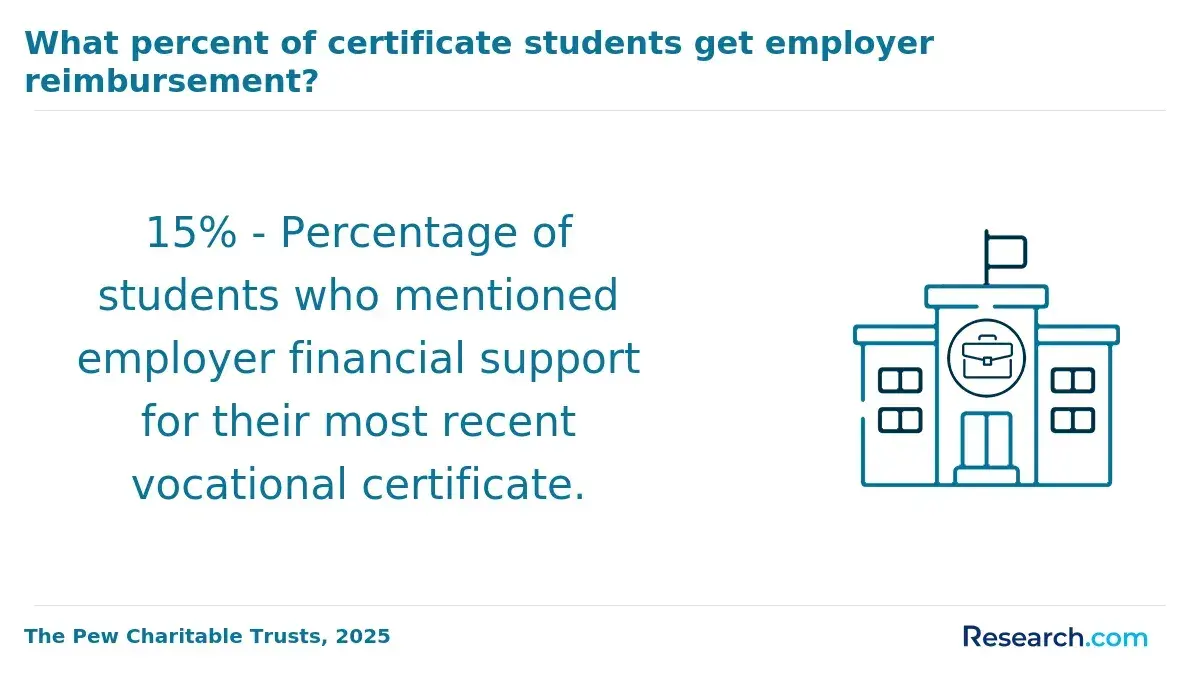
Financial aid, scholarships, and employer tuition reimbursement can lower expenses. It's important to check refund policies and credit transfer agreements, especially for flexible or accelerated programs. Many online schools charge per credit hour, with prices ranging from $400 to $1,200 depending on reputation and accreditation.
Programs emphasizing coaching and mentoring skills offer strong value since 68% of HR leaders in WifiTalents' 2026 leadership training statistics consider these competencies essential for people managers. For example, a 30-credit graduate certificate focusing on coaching might cost around $6,000, while a 36-credit master's degree emphasizing leadership and mentoring can exceed $40,000.
Balancing cost, program length, and curriculum relevance is key for matching career goals in leadership roles that demand validated skills.
What jobs can you get with this degree?
Graduates with an organizational leadership degree focusing on coaching and mentoring are well-prepared for roles that enhance employee development and team management. Common positions include leadership development specialist, corporate trainer, human resources manager, and talent development coordinator, all of which involve creating coaching programs to improve performance and results.
Additional career options include executive coach, organizational development consultant, and employee engagement manager. These roles require mentoring skills to build leadership pipelines and improve workplace culture. For example, executive coaches support senior leaders in improving decision-making and interpersonal skills, while consultants tackle systemic organizational challenges.
Essential skills across these careers include strong communication, conflict resolution, and strategic planning, reinforced by hands-on coaching experience. According to the WifiTalents 2026 leadership training report, 72% of professionals prefer hybrid or online leadership development, highlighting the advantage of proficiency in virtual coaching methods.
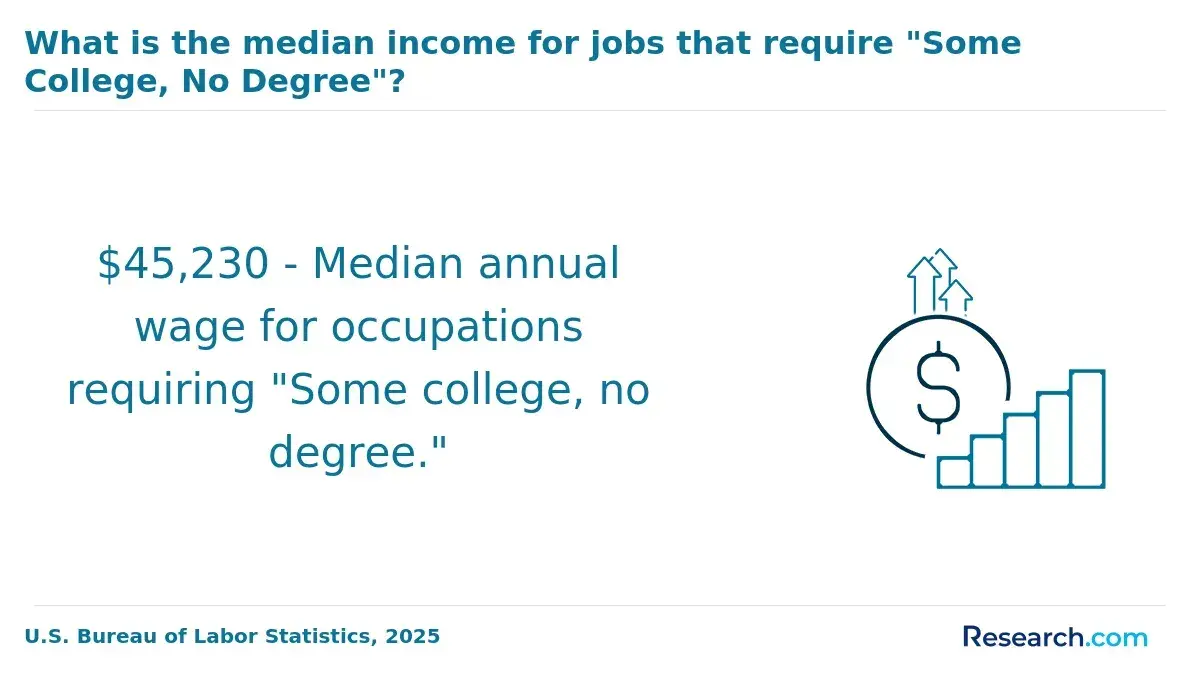
Salary ranges typically fall between $60,000 and $120,000 annually, varying by industry and experience. Nonprofit and public administration roles may offer lower salaries but greater social impact. Earning coaching certifications alongside a degree can boost employability, as employers look for candidates with a blend of academic knowledge and practical mentoring skills.
What salaries do organizational leadership graduates earn?
Graduates with a degree in organizational leadership in the U.S. earn between $60,000 and $110,000 annually, influenced by experience, role, and industry. Entry-level roles such as leadership coordinators typically start around $60,000 to $70,000, while mid-career professionals, including project managers and department supervisors, earn between $80,000 and $95,000. Senior-level leaders like directors and executive coaches can expect salaries over $100,000, with some exceeding $120,000 in large organizations or specialized fields.
Experts with coaching and mentoring skills often command higher earnings. According to a 2026 leadership training statistics report, 63% of organizations investing in coaching-based leadership programs see better inclusivity in decision-making, compared to 38% relying on traditional training. This advantage can translate into salary premiums of 10% or more.
Sector variations also impact wages:
- Healthcare administration roles offer around $95,000 due to complex team management.
- Corporate leadership in finance or technology often surpasses $110,000 because of strategic demands.
- Nonprofit organizations generally provide $60,000 to $75,000 but offer valuable soft skill development and community engagement.
Organizational leadership graduates should target roles that use coaching skills to boost both earnings and career growth in a competitive market.
How do you choose a reputable leadership program?
When evaluating organizational leadership programs, focus on curriculum relevance, faculty expertise, and measurable outcomes. Prioritize programs that incorporate coaching and mentoring reflecting real-world challenges. Recent data from WifiTalents shows 41% of organizations use AI-supported coaching platforms, with expectations rising above 60% within three years, underscoring the value of training in these technologies.
Accreditation matters: look for regional accreditation and, where possible, specialized credentials in leadership or management fields. Faculty with a balance of academic credentials and practical leadership experience often provide deeper insights. Instructors involved in leadership development or published in the field enhance program quality.
Key course topics should include mentoring best practices, conflict resolution, organizational behavior, and emerging coaching methodologies. Programs teaching data-driven feedback and digital coaching tools equip graduates for evolving environments.
- Internship availability and mentorship opportunities support professional growth.
- Alumni networks can facilitate career connections.
- Review graduation rates, job placements, and employer partnerships as indicators of success.
Consider program formats-online, hybrid, or in-person-to fit your schedule and commitments. Flexible scheduling benefits working professionals. Request syllabi or consult admissions advisors to understand how technology-enhanced coaching is integrated into the curriculum.
Other Things You Should Know About Organizational Leadership
Organizational leadership programs that include coaching and mentoring training focus on developing strong communication, emotional intelligence, and conflict resolution skills. They also emphasize strategic thinking and the ability to inspire and motivate teams effectively. These skills prepare graduates to foster positive workplace cultures and guide individuals toward their professional goals.
Yes, degrees in organizational leadership equip students with tools to enhance team performance by teaching methods for effective coaching, mentoring, and leadership. Graduates learn how to identify team strengths and weaknesses and apply motivational strategies to boost productivity. The training also covers building trust and accountability within teams.
Online organizational leadership programs in 2027 offer virtual networking opportunities, such as online forums, webinars, and alumni networks. These platforms enable students to connect with peers, instructors, and industry professionals, fostering relationships and professional growth despite the online format.
Earning a degree in organizational leadership with coaching and mentoring training can lead to improved leadership capabilities, making professionals eligible for management and executive roles. The degree enhances skills in guiding teams, managing change, and solving organizational challenges. This often results in higher job responsibility and increased earning potential.
References
- Leadership Coaching and Mentorship Programs Course https://upskilldevelopment.com/leadership-coaching-and-mentorship-programs-course
- What do the Best Online Leadership and Management Courses Offer? https://www.upskillist.com/blog/what-do-the-best-online-leadership-and-management-courses-offer/
- Eddprograms https://www.EddPrograms.org
- Leadership Programs: How To Choose The Right Provider https://colinjamesmethod.com/leadership-development-programs-how-to-choose-the-right-provider/
- Online master's in leadership degrees | edX https://www.edx.org/masters/masters-in-leadership-online
- Coaching and Mentoring in Education* https://realtraining.co.uk/learning-conversations-mentoring-and-coaching
- Top 10 Leadership Development Programs of 2025 https://www.corpoladder.com/blog/top-leadership-development-programs
- Online Leadership Courses | University of Phoenix https://www.phoenix.edu/online-courses/leadership.html
- Leadership Training Programs https://www.ccl.org/leadership-programs/