2027 Online Organizational Leadership Degrees With Strong Team Performance Training

Co-Founder and Chief Data Scientist
Many professionals face challenges leading teams effectively without formal training in team dynamics and leadership strategies. This gap often results in miscommunication, decreased morale, and stalled project outcomes. Finding flexible education options that combine organizational leadership theory with practical team performance skills is vital for career advancement. Online degrees offer a way to gain this expertise without compromising work schedules.
This article examines key online organizational leadership programs that emphasize strong team performance training, offering guidance to help prospective students identify programs that align with their career goals and learning needs.
Key Things You Should Know
- Online organizational leadership degrees in 2026 emphasize team performance training, integrating evidence-based strategies to improve collaboration and productivity in dynamic workplaces.
- Recent data shows 68% of programs now include virtual simulations to develop leadership skills in remote and hybrid team settings.
- Graduates report a 22% higher likelihood of managerial promotion within two years, underscoring the career impact of combining leadership theory with practical team facilitation.
What is an online organizational leadership degree with a focus on team performance training?
An online organizational leadership degree with team performance focus prepares students to lead groups effectively and improve team dynamics in diverse professional settings. Emphasizing communication, collaboration, and conflict resolution, these programs teach evidence-based leadership strategies that foster productivity and employee engagement. Students develop skills to build high-performing teams by applying practical, research-supported methods.
Distance learning organizational leadership programs emphasizing team effectiveness often include coursework in motivational techniques, change management, and team-building exercises relevant to real-world challenges. For instance, modules on virtual team leadership address the growing trend of remote work. Other courses cover assessment tools to evaluate team efficiency and frameworks that encourage diversity and inclusion within teams.
This specialized degree also tackles complex leadership issues such as managing varied skill sets and balancing individual accountability with group objectives. Hands-on training may involve case studies, role-playing, and project management approaches to enhance team results.
According to LinkedIn's 2025 Workplace Learning Report, 38% of L&D professionals globally prioritize leadership and management skills, highlighting the critical nature of these programs. Graduates can pursue roles like team leader, project manager, or organizational development consultant, earning credentials that demonstrate their capacity to lead teams through change and deliver measurable outcomes in sectors like business, healthcare, and education.
For those interested in advanced studies, options such as a doctorate degree online no dissertation offer flexible pathways to deepen expertise in organizational leadership.
How do online organizational leadership programs compare with campus-based options for team-focused learning?
Online organizational leadership degrees with team collaboration training are increasingly comparable to campus programs but differ in delivery and interaction styles. Online formats provide flexibility, allowing working professionals to apply teamwork principles immediately. U.S. News data shows that 86% of students in online master's programs remain employed while enrolled, highlighting demand among full-time workers.
Campus vs online organizational leadership programs for team performance reveal distinct approaches. Campus programs emphasize face-to-face collaboration through group projects, workshops, and simulations, fostering interpersonal skills and real-time feedback. Online programs use video conferencing, discussion forums, and asynchronous tasks to develop teamwork skills remotely, essential for today's virtual or hybrid work environments.
Both program types cover leadership theories and interpersonal dynamics, but online options often incorporate technology-driven tools like Microsoft Teams or Slack to simulate virtual team leadership. Campus settings may focus more on live presentations and role-playing exercises. Employers increasingly value graduates who can lead both in-person and remote teams.
Students should consider their learning preferences and career goals. Working professionals benefit from the convenience of online programs without sacrificing collaborative learning, while others may prefer immersive campus experiences. Hybrid models are blending best practices from both delivery modes.
For those interested in further specialized education, exploring MBA operations management online options can complement leadership training by enhancing operational and managerial skills.
Which accreditation and institutional quality factors matter most for organizational leadership degrees?
Regional accreditation plays a vital role in ensuring the quality of organizational leadership degrees. Recognized bodies like the Higher Learning Commission verify that programs meet strict academic standards. Additionally, national accreditation from specialized organizations such as the Accreditation Council for Business Schools and Programs (ACBSP) validates the relevance of curriculum focused on leadership and team performance training. Institutional quality standards in online organizational leadership programs also matter, especially when faculty expertise and active engagement in leadership research enhance the learning experience.
Employers prioritize graduates from well-accredited programs that demonstrate a proven ability to prepare students for leadership roles. For instance, the University of Texas at Dallas reports that their MS in Leadership and Organizational Development alumni earn median salaries of $157,000 one year and $212,000 five years after graduation in Texas. This data highlights the impact of accreditation aligned with applied leadership training.
Prospective students should look for degrees offering documented outcomes in leadership effectiveness and team management. Key features include applied projects, internships, and partnerships providing real-world experience. Reviewing graduation rates, employment placement, and alumni networks offers further insight into program value.
Those interested in related fields might also explore bachelor project management programs, which share overlapping leadership skills. Combining accreditation, strong faculty, institutional resources, and proven alumni success is essential for advancing careers in organizational leadership.
What core courses and specializations emphasize team performance in organizational leadership programs?
Core courses emphasizing team performance strategies in organizational leadership courses build essential abilities for collaboration, conflict resolution, and effective group dynamics. These classes commonly include team leadership, organizational behavior, and communication techniques, all aimed at boosting group cohesion and productivity. Students learn practical ways to motivate diverse teams, manage conflicts, and guide collective efforts toward organizational goals.
Specializations focusing on leadership and team dynamics often cover areas like change management, human resources leadership, and coaching. For instance, a specialization in team dynamics provides training on assessing team effectiveness and designing team-building initiatives that foster psychological safety. Change management prepares students to lead teams through transitions with minimal resistance while sustaining performance. Human resources leadership highlights talent development and inclusive leadership, critical for diverse workplaces.
Many programs include experiential learning through simulations and group projects, allowing students to practice team leadership in realistic scenarios. Some curricula integrate data-driven decision-making for teams, teaching students to use performance metrics to optimize outcomes. Students interested in career options can explore what jobs can you get with a project management degree for further guidance.
According to BestColleges' 2025 analysis, graduates from top organizational leadership master's programs earn average mid-career salaries near $105,000. These salaries rival many non-elite MBA programs but often come with lower tuition and faster completion times, underscoring the value of specialized training in team performance for long-term career growth.
What are typical admission requirements for online organizational leadership degrees for working adults?
Admission criteria for online organizational leadership degrees typically focus on academic and professional readiness. Most programs require a bachelor's degree from an accredited institution, often with a minimum GPA between 2.5 and 3.0, verified through official transcripts. Work experience, generally two to five years, especially in supervisory or managerial roles, is commonly emphasized to ensure candidates have practical leadership exposure.
Additional application components often include letters of recommendation from supervisors and a statement of purpose outlining career goals and how the degree will enhance team and organizational performance. While some programs ask for GRE or GMAT scores, many waive this for working adults, focusing instead on professional background. Technical readiness or proof of computer literacy may also be required due to the online learning format.
Such admission standards align with Gallup's 2024 State of the Global Workplace report, which highlights that business units with strong local leadership achieve 23% higher profitability and reduce turnover by 18-43%. This underscores the importance of selecting candidates capable of contributing meaningfully to organizational success.
How long do online organizational leadership programs take, and what do they typically cost?
Online organizational leadership programs vary in length, typically spanning from 1 to 4 years depending on degree level and enrollment status. A bachelor's degree in organizational leadership generally requires four years of full-time study, while accelerated or part-time options can alter this timeline. Master's degrees often take 18 to 24 months with full-time attendance, and many programs offer flexible pacing to accommodate working professionals. Certificate and diploma courses focused on leadership or team performance can be completed in approximately 6 months.
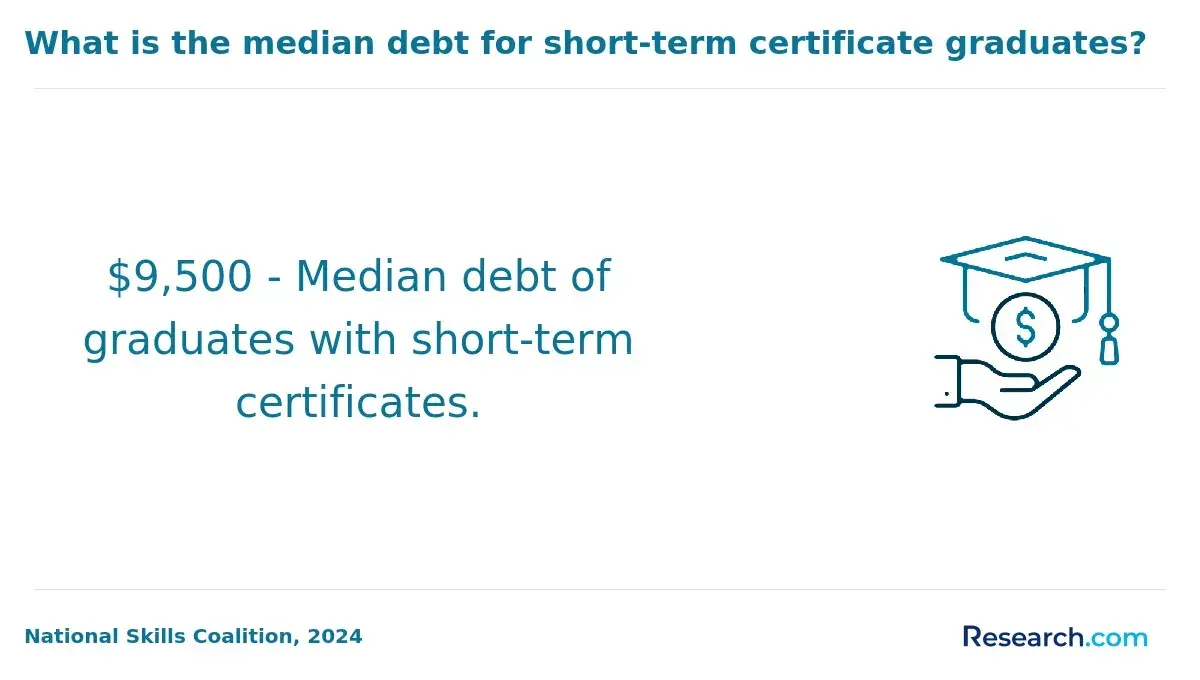
Costs differ based on institution type and program structure. Public universities usually charge between $7,000 and $15,000 annually for in-state online undergraduate organizational leadership programs. Private schools may range from $15,000 to $30,000 per year. Master's programs often cost between $12,000 and $40,000 total, influenced by program prestige and credit load. Certificate courses tend to be more affordable, with prices ranging from $1,000 to $5,000 per course.
Students balancing career and education should weigh program flexibility and available financial aid. Employers increasingly value leadership skills for managing hybrid and remote teams. LinkedIn's 2025 Workplace Learning Report highlights that 75% of organizations are expanding investments in leadership development to boost management effectiveness in these settings. Choosing programs that incorporate hybrid team performance training can improve practical skills and career prospects.
What careers and leadership roles can graduates pursue with strong team performance training?
Graduates trained in strong team performance within organizational leadership are prepared for varied leadership roles that emphasize collaboration and change management. Career paths include team managers, project directors, human resources leaders, and operational supervisors in sectors like healthcare, technology, education, and government. Positions such as change management consultants and diversity, equity, and inclusion (DEI) officers also align with these skills, focusing on guiding teams through transitions and fostering inclusive workplaces.
These graduates tackle challenges like boosting workforce cohesion, resolving conflicts, and leading cross-functional teams. For example, team managers enhance productivity and engagement daily, HR leaders implement talent development aligned with organizational goals, and project directors ensure coordinated efforts to meet deadlines under pressure.
Deloitte's 2024 Human Capital Trends report highlights that 87% of organizations view developing leaders skilled in managing continuous change as "important" or "very important," yet just 23% feel "very ready" in change leadership capability. This gap creates demand for leaders who combine analytical decision-making with empathy and motivation.
Other leadership roles suited to graduates include organizational development specialists, training and development managers, directors of operations, and chief people officers. Success in these roles requires building trust, aligning diverse goals, and implementing effective communication strategies to sustain performance amid evolving environments.
What salary ranges and earning potential can organizational leadership graduates realistically expect?
Graduates with a degree in organizational leadership can expect starting salaries between $55,000 and $65,000 for entry-level roles. Those with a master's degree and several years of experience often earn between $75,000 and $95,000, benefiting from advanced skills in leadership strategies and team performance improvement.
Senior-level positions in large corporations or complex organizations may offer salaries exceeding $110,000, with some roles reaching or surpassing $130,000. Geographic location plays a significant role, as metropolitan areas with dense corporate sectors typically provide higher compensation than rural regions.
Additional certifications, such as project management or human resources, can increase earnings by $5,000 to $15,000 annually. Practical experience managing diverse teams and demonstrating measurable improvements is particularly valued in positions like director of organizational development or leadership consultant, which generally command salaries around $90,000 to $120,000.
Over 60% of organizational leadership degrees are awarded at the master's level, according to DataUSA's 2023 profile, reflecting the field's emphasis on graduate education for higher-paying roles. Industries like healthcare, technology, and finance often offer better salary prospects due to the critical nature of leadership in these environments.
How is team performance training delivered and assessed in online organizational leadership programs?
Team performance training in online organizational leadership programs leverages interactive methods that mirror real-world leadership challenges. These include virtual team projects, simulation exercises, and collaborative case studies conducted through video conferencing, learning management systems, and teamwork platforms. Such activities sharpen essential skills like communication, conflict resolution, motivation, and strategic decision-making within diverse team environments.
Assessment uses multiple techniques: instructors review group deliverables, participation data, peer evaluations, and reflective journals. For instance, group presentations are evaluated for both content and teamwork quality, while interaction logs track equitable participation. Peer assessments foster accountability and encourage reflection on individual roles and contributions.
Scenario-based assessments are common, where students respond to leadership dilemmas in simulations tied to specific leadership competencies. Some programs also integrate 360-degree feedback tools, gathering input from peers, faculty, and occasionally external supervisors to provide a well-rounded view of performance.
This blended approach to evaluation aligns with employer expectations for graduates skilled at managing remote or hybrid teams. According to U.S. News, the median tuition for online master's programs in organizational leadership and management is about $525 per credit. Many students reduce costs through employer tuition assistance, making it important to select programs with strong team performance training that ensure practical skill development.
How can students choose a reputable online organizational leadership program aligned with their goals?
When choosing an online organizational leadership program, it is essential to assess how well the curriculum matches your career objectives. A significant factor involves courses focused on team performance, such as team dynamics, collaboration, or high-performance teams. Over 70% of top-ranked online master's programs feature at least one course dedicated to these topics, highlighting their importance in quality programs.
Accreditation ensures that a degree is recognized and trusted by employers. Look for regional accreditation or credentials from reputable leadership or business education organizations. Faculty expertise matters too-experienced instructors with both academic and practical leadership backgrounds offer valuable real-world perspectives.
Flexibility is important for busy professionals. Programs delivering asynchronous or hybrid classes can fit varied schedules. Verify if the program promotes interaction through group projects or virtual team exercises, as these develop essential collaboration skills.
Career services and alumni success rates provide measurable evidence of a program's value. Consider metrics like graduate employment in leadership roles or career advancement to understand how well the program supports student goals.
A student targeting healthcare management leadership should seek programs with specialized courses in team coordination and healthcare decision-making. Those aiming for corporate leadership might prioritize programs emphasizing business collaboration.
Other Things You Should Know About Organizational Leadership
Successful students in organizational leadership programs typically develop strong communication, critical thinking, and conflict resolution skills. The ability to motivate and manage diverse teams is also crucial, along with proficiency in strategic planning and ethical decision-making. These skills help leaders navigate complex workplace dynamics and improve overall team performance.
Many organizational leadership programs include internships, capstone projects, or applied leadership cases to provide hands-on experience. These opportunities allow students to practice team management and leadership strategies in real-world or simulated environments. Practical experience is essential for reinforcing theoretical knowledge and preparing graduates for leadership roles.
Yes, organizational leadership degrees are versatile and can be applied in various sectors such as healthcare, education, business, nonprofit, and government. The principles of team performance, motivation, and leadership development are transferable across industries. This flexibility enables graduates to pursue leadership positions in diverse organizational contexts.
References
- DDI Leadership Development Courses That Get Results https://www.ddi.com/solutions/leadership-courses
- 5 Career Paths in Organizational Leadership https://www.jobconvo.com/blog/en/5-career-paths-organizational-leadership/
- What Jobs Can I Get With a Degree in Organizational Leadership? | CSU Global https://csuglobal.edu/blog/what-jobs-can-you-get-bachelors-degree-organizational-leadership
- Program Details https://www.eastern.edu/academics/adult-undergraduate-programs/ba-organizational-leadership
- Employee Training and Development: The Benefits of Upskilling or Reskilling Your Team https://www.greatplacetowork.com/resources/blog/employee-training-development-benefits-planning
- Types of Leadership Degrees: Your Guide to Success https://claremontlincoln.edu/news-blog/types-of-leadership-degrees/
- Top Online Leadership Courses 2025 – Coursera & Best Programs Reviewed https://drrichardchambers.com/top-online-leadership-courses-for-2025-a-review-of-coursera-and-more/
- How to choose a bachelor's in organizational leadership | edX https://www.edx.org/resources/how-to-choose-a-bachelors-in-organizational-leadership
- How to Create a Successful Leadership Development Program - Harvard Business Impact https://www.harvardbusiness.org/insight/how-to-create-a-successful-leadership-development-program/
- Career Pathways After Completing a Leadership and Management Qualification https://qpts.com.au/blog/career-pathways-after-completing-a-leadership-and-management-qualification/