2027 Best Online Bachelor's in Mechanical Engineering for Working Adults

Co-Founder and Chief Data Scientist
Choosing an online mechanical engineering bachelor's degree is a high-stakes decision because the field is technical, lab-based, and accreditation-sensitive. The payoff can be meaningful, the U.S. Bureau of Labor Statistics reported 2024 median pay of $102,320 for mechanical engineers.
This guide is for working adults comparing flexible programs, transfer options, costs, and career outcomes. You will learn how online mechanical engineering degrees work, what to verify before enrolling, and how to choose a program that supports your schedule, budget, and long-term engineering goals.
Key Things You Should Know
- ABET accreditation is the key quality marker for online mechanical engineering bachelor's programs because many employers, graduate schools, and professional engineering licensure boards rely on it.
- Most bachelor's programs require about 120 to 130 credits, so working adults usually finish fastest when they can transfer prior math, science, general education, or engineering technology coursework.
- BLS projections published for 2023 to 2033 show mechanical engineer employment growing 11%, but outcomes still vary by industry, location, experience, internships, and technical software skills.
What is an online bachelor's in mechanical engineering and how does it work for adults?
An online bachelor's in mechanical engineering is an undergraduate engineering degree focused on designing, analyzing, testing, and improving mechanical systems. Students study areas such as calculus, physics, materials, thermodynamics, fluid mechanics, machine design, manufacturing, controls, and computer-aided engineering. For working adults, the online format can reduce relocation and commuting barriers, but it does not remove the technical intensity of the degree.
Most programs use a mix of asynchronous coursework, live sessions, virtual labs, simulation software, proctored exams, and scheduled design projects. Some require short campus visits, approved local lab arrangements, or in-person proctored assessments. That matters because mechanical engineering is not only theoretical; students must learn to measure, model, prototype, and validate systems.
The degree is usually best for adults who want engineering roles involving product design, manufacturing, energy systems, robotics, automotive systems, aerospace components, or mechanical product testing. It may not be the best fit for someone who wants a quick career change with minimal math, because the curriculum is calculus-heavy and builds sequentially. If you are still comparing broader engineering degrees, pay close attention to whether each program leads to a true engineering credential, an engineering technology credential, or a general applied science degree.
The table below explains how common online formats affect adult learners. Use it to match program structure with your work schedule before focusing on rankings or brand names.
| Online format | How it usually works | Best fit for working adults | Main caution |
| Mostly asynchronous | Lectures and assignments can be completed within weekly deadlines | Adults with rotating shifts, caregiving duties, or unpredictable work hours | Requires strong self-management and fewer real-time interactions |
| Synchronous online | Students attend live evening or scheduled virtual classes | Adults who want structure and instructor access | Class times may conflict with overtime, travel, or family responsibilities |
| Hybrid or low-residency | Most coursework is online, with limited campus labs or design sessions | Adults within travel distance or those who can plan occasional visits | Travel costs and time off work can add to the real cost |
| Transfer-completion model | Students enter with prior credits and complete upper-division engineering work online | Adults with community college, military, or prior university credits | Prerequisite gaps can delay progress if not reviewed early |
Are online mechanical engineering bachelor's degrees respected and properly accredited in the U.S.?
Online mechanical engineering bachelor's degrees can be respected in the U.S. when they come from properly accredited institutions and, ideally, ABET-accredited engineering programs. Employers generally care more about the institution, program accreditation, skills, projects, internship experience, and software competence than whether lectures were delivered online.
There are two accreditation layers to check. Institutional accreditation applies to the college or university as a whole and affects federal financial aid eligibility, transfer credit, and general academic recognition. Programmatic accreditation, especially ABET accreditation for engineering, evaluates whether a specific engineering program meets recognized professional standards.
For mechanical engineering, ABET accreditation is especially important if you may pursue the Fundamentals of Engineering exam, Professional Engineer licensure, public-sector engineering work, or graduate engineering study. Requirements vary by state licensing board, so do not assume that any online engineering degree automatically satisfies licensure pathways.
Before applying, verify these items directly with the school and the accreditor rather than relying only on marketing language:
- Confirm that the bachelor's program itself is ABET-accredited, not just another program at the same university.
- Check whether the transcript and diploma identify the same degree title as the on-campus version, if an on-campus version exists.
- Ask how laboratory, design, and testing requirements are completed for distance learners.
- Review whether the program supports FE exam preparation or provides licensure guidance for your state.
- Confirm that transfer credits will apply to the degree plan before you enroll, not after your first term begins.
A respected online mechanical engineering program should be transparent about accreditation, faculty qualifications, lab delivery, student support, outcomes, and graduation requirements. If admissions staff cannot clearly explain these points, treat that as a red flag.
How do online mechanical engineering programs compare with on-campus degrees for quality and outcomes?
Online and on-campus mechanical engineering degrees can be similar in academic quality when the same faculty, curriculum standards, assessment expectations, and accreditation criteria apply. The biggest differences are not usually the equations or course titles, they are access to labs, peer collaboration, campus recruiting, and hands-on project logistics.
The comparison below shows where online programs can match campus programs and where adults should look more closely. This can help you avoid assuming that "online" automatically means easier, cheaper, or less rigorous.
| Factor | Online mechanical engineering | On-campus mechanical engineering | Decision point |
| Academic rigor | Can be comparable when accredited and built around the same outcomes | Often follows a traditional sequence with in-person assessment | Check ABET status and required design outcomes |
| Labs | May use lab kits, simulation tools, remote labs, local partnerships, or residencies | Usually provides direct access to campus equipment | Ask how measurement, testing, and fabrication skills are assessed |
| Flexibility | Generally stronger for employed adults | Usually better for students who can attend full time on campus | Match schedule flexibility to your work and family obligations |
| Networking | Depends heavily on virtual teams, employer partnerships, and career services | Often benefits from student clubs, labs, and campus recruiting | Look for active project teams, mentoring, and employer connections |
| Cost control | May reduce relocation and commuting costs | May offer more campus resources but can require housing or travel | Compare total cost, not tuition alone |
For adults already working in manufacturing, maintenance, aerospace support, energy, construction, or technical operations, an online program can be especially valuable because workplace experience may help make engineering concepts concrete. However, students without a technical background should make sure the program provides tutoring, math placement support, and early advising.
Quality outcomes depend on more than delivery mode. A strong online student portfolio should include design reports, CAD models, analysis projects, lab documentation, senior capstone work, and evidence of teamwork. Employers reviewing early-career candidates often want to see what applicants can build, model, test, and explain.
What admission requirements do online mechanical engineering bachelor's programs typically have?
Admission requirements vary, but online mechanical engineering bachelor's programs are usually more selective than general online bachelor's degrees because the curriculum depends on math and science readiness. Adult applicants may enter as first-year students, transfer students, military-affiliated students, or degree-completion students.
Most programs review a combination of academic preparation and placement readiness. The following requirements are common because they help schools determine whether you can begin the engineering sequence without falling behind:
- High school diploma, GED, or equivalent credential.
- Official transcripts from all high schools and colleges previously attended.
- College algebra, precalculus, or calculus readiness, sometimes verified through placement testing.
- Prior coursework in physics, chemistry, and laboratory science for students entering with transfer credit.
- Minimum GPA requirements for direct admission or transfer admission into the engineering major.
- English composition and general education prerequisites, especially for degree-completion tracks.
- Resume, personal statement, or proof of technical experience for some adult-focused programs.
Working adults should pay special attention to prerequisite sequencing. Calculus I may unlock physics, statics, dynamics, and later design courses. If you are missing one early math course, your graduation timeline can stretch even if you have many general education credits.
A practical application strategy is to request an unofficial transfer review before applying broadly. Ask the admissions or engineering advising office which credits count toward the major, which count only as electives, and which must be repeated because of age limits, lab requirements, or accreditation rules.
How long does an online mechanical engineering bachelor's take and what does it cost?
Most online bachelor's in mechanical engineering programs require about 120 to 130 credits. A full-time first-time student commonly needs around four years, while a working adult studying part time may need longer. Transfer students with completed calculus, physics, chemistry, and general education credits may shorten the path, but only if those credits apply cleanly to the engineering plan.
Cost depends on residency status, public versus private tuition, online fees, transfer credits, lab requirements, software, books, and travel. College Board's 2024 pricing data reported average published tuition and fees of $11,610 for in-state students at public four-year institutions and $30,780 for out-of-state students. For online mechanical engineering students, the practical lesson is to compare your program-specific net price rather than relying on national averages.
Because tuition is only one part of the total investment, adults should estimate the following costs before enrolling:
- Per-credit tuition for lower-division, upper-division, and engineering-specific courses.
- Online learning, technology, proctoring, lab kit, or engineering course fees.
- Required software, hardware, calculator, and computer specifications.
- Travel, lodging, or unpaid time off if the program requires campus residencies.
- Repeated-course risk for calculus, physics, or engineering prerequisites.
- Opportunity cost if the course load requires reducing work hours.
Cost comparisons are useful across many online STEM and applied science programs, including an animal science bachelor degree online, because lab requirements can affect the real price in ways that are not obvious from tuition alone. For mechanical engineering, always ask whether lab fees, software licenses, or residency costs are included in published estimates.
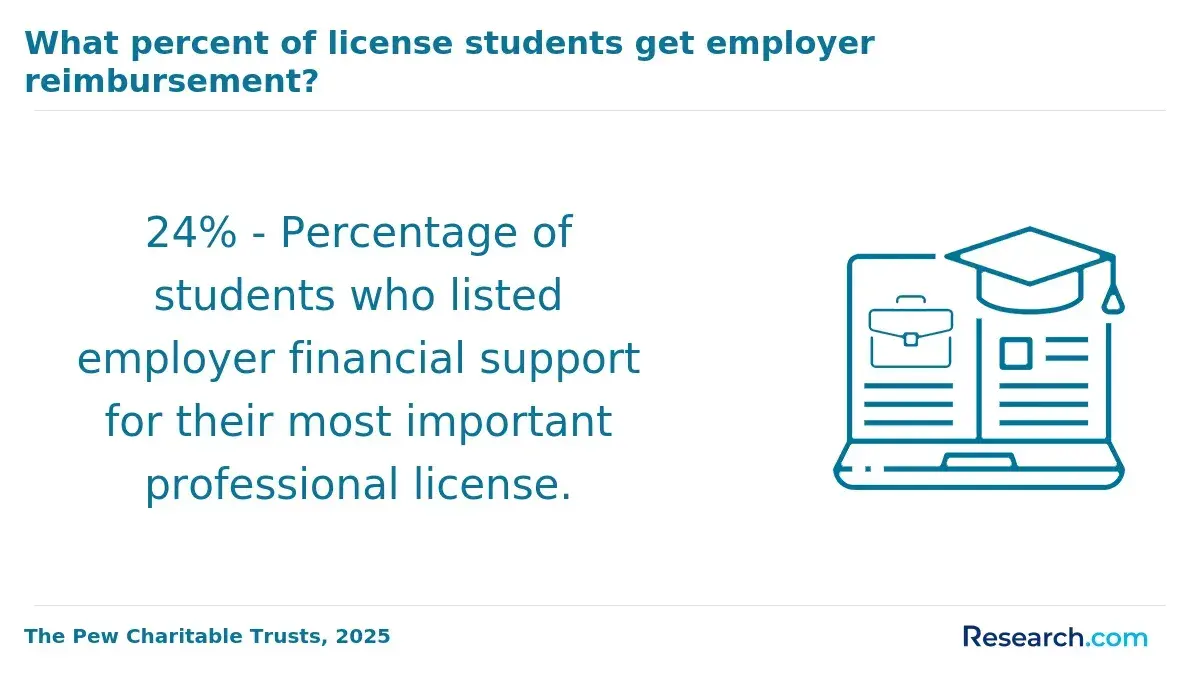
To control cost, prioritize transfer-friendly public universities, employer tuition assistance, military or veteran benefits, scholarships for adult learners, and part-time pacing that avoids course withdrawals. The cheapest program is not always the best value if poor advising, limited course availability, or non-accredited status delays graduation or limits career options.
What core courses and technical skills are covered in online mechanical engineering curricula?
An online mechanical engineering curriculum is built around applied math, physical science, engineering analysis, design, and testing. The early years usually focus on calculus, differential equations, physics, chemistry, computing, and statics. Upper-division coursework moves into mechanical systems, energy, manufacturing, controls, and capstone design.
The table below summarizes core areas and the skills they are meant to build. Use it to compare programs because two degrees with the same title may emphasize different industries or tools.
| Curriculum area | Typical courses | Skills developed | Why it matters |
| Math and science foundation | Calculus, differential equations, physics, chemistry | Modeling, quantitative reasoning, problem setup | Engineering decisions depend on accurate analysis, not guesswork |
| Mechanics and materials | Statics, dynamics, mechanics of materials, materials science | Force analysis, failure analysis, material selection | These courses support safe product and structure design |
| Thermal and fluid systems | Thermodynamics, heat transfer, fluid mechanics | Energy analysis, flow modeling, thermal design | Important for HVAC, engines, turbines, batteries, and process systems |
| Design and manufacturing | Machine design, CAD, manufacturing processes, capstone | 3D modeling, tolerancing, prototyping, design documentation | Employers often evaluate portfolios and design experience |
| Controls and computation | System dynamics, controls, programming, numerical methods | Simulation, automation logic, data interpretation | Automation and smart systems are increasingly common in engineering work |
Current industry expectations make software fluency especially important. Students should look for exposure to CAD, finite element analysis, computational tools, programming, simulation, data visualization, and technical communication. AI-assisted design, digital twins, additive manufacturing, robotics, and predictive maintenance are changing how mechanical engineers work, but they do not replace the need to understand physics and constraints.
Adults who enjoy the computational side of engineering may later move into analytics, robotics, simulation, or advanced research paths. Those who become especially interested in machine learning and complex modeling may eventually compare graduate options such as an online data science PhD, although that is a much different commitment than a bachelor's degree.
What careers can you pursue with an online mechanical engineering bachelor's degree?
An online bachelor's in mechanical engineering can support entry into mechanical design, manufacturing, product development, energy systems, testing, quality, robotics, automotive, aerospace, and industrial operations. The strongest candidates usually combine the degree with internships, co-ops, employer-based projects, capstone work, and a portfolio of technical deliverables.
The table below outlines common career directions. It focuses on role fit and responsibilities rather than promising specific outcomes, because hiring requirements vary by employer, region, industry, and experience level.
| Career path | Typical responsibilities | Helpful preparation | Common employers |
| Mechanical engineer | Design, analyze, test, and improve mechanical components or systems | ABET-accredited degree, CAD, mechanics, capstone design | Manufacturing, energy, aerospace, automotive, consulting |
| Product design engineer | Create and refine parts, assemblies, prototypes, and documentation | CAD portfolio, tolerancing, materials, design for manufacturing | Consumer products, medical devices, industrial equipment |
| Manufacturing engineer | Improve production processes, tooling, quality, and throughput | Manufacturing processes, lean methods, automation basics | Factories, suppliers, electronics, automotive, aerospace |
| Test engineer | Plan experiments, collect data, validate performance, write reports | Instrumentation, statistics, lab documentation, programming | Defense, aerospace, energy, product development labs |
| Quality engineer | Analyze defects, improve reliability, support standards compliance | Data analysis, root-cause methods, manufacturing knowledge | Regulated manufacturing, suppliers, medical devices |
| Project or systems engineer | Coordinate technical requirements, schedules, vendors, and teams | Communication, systems thinking, design experience | Engineering firms, utilities, aerospace, industrial companies |
Some graduates also move into technical sales, applications engineering, operations management, patent support, or engineering project coordination. These paths can be attractive for adults who already have industry experience and want to combine technical credibility with client, leadership, or business responsibilities.
A mechanical engineering bachelor's may not be necessary for every technical role. If your target is drafting, technician work, maintenance supervision, or machine operation, an associate degree, engineering technology program, certificate, apprenticeship, or employer training may be faster and less expensive. The bachelor's becomes more compelling when your goal is professional engineering work, design authority, advancement into engineering leadership, or eligibility for graduate engineering study.
What salary ranges and earning potential can mechanical engineering graduates expect?
Mechanical engineering salaries vary by industry, region, experience, licensure, security clearance, software skills, and leadership responsibility. BLS reported 2024 median annual pay of $102,320 for mechanical engineers, which means half of workers in the occupation earned more and half earned less. Use that figure as a labor-market benchmark, not as a promise for any specific graduate or program.
For working adults, earning potential often depends on how the degree combines with previous experience. Someone who already works in manufacturing, maintenance, quality assurance, construction, or technical operations may be able to reposition into engineering-adjacent roles faster than someone entering the field with no technical background. However, some employers reserve engineer titles for candidates with ABET-accredited engineering degrees, so credential fit matters.
The salary picture is also shaped by specialization. Energy systems, aerospace, defense, medical devices, automation, and advanced manufacturing may value different combinations of skills. CAD alone is rarely enough for stronger opportunities; employers often look for analysis, testing, documentation, programming, and the ability to explain trade-offs.
To evaluate ROI, compare expected total program cost with realistic career scenarios. A good ROI review should include your current earnings, time to completion, transfer credits, employer tuition support, likely entry point after graduation, and whether the program improves access to roles you cannot reasonably reach with your current credentials.
What is the job outlook for mechanical engineers and related roles in the coming years?
The job outlook for mechanical engineers is positive but not uniform across every industry. BLS projections for 2023 to 2033 show mechanical engineer employment growing 11%, which is faster than the average for all occupations. For readers, this suggests continued demand, but it does not remove the need to choose a relevant specialization and build practical experience.
Several trends are influencing hiring. Advanced manufacturing, automation, electric vehicles, battery systems, clean energy, robotics, aerospace modernization, and supply-chain resilience all require engineers who can integrate mechanical knowledge with digital tools. At the same time, AI and simulation are changing workflows by speeding up design iteration, failure analysis, documentation, and predictive maintenance.
The best-prepared graduates are not just "mechanical" in a narrow sense. They can work with cross-functional teams, interpret sensor data, use simulation software responsibly, understand manufacturability, and communicate risk. Adult learners should use projects and electives to signal a direction rather than graduating with a generic résumé.
Licensure can also affect long-term opportunities. Many mechanical engineers work successfully without becoming Professional Engineers, especially in product design or manufacturing. However, PE licensure may matter more in consulting, public infrastructure, HVAC design, energy systems, forensic engineering, and roles where engineers sign or seal work. State rules vary, so students with licensure goals should verify requirements before choosing a program.
How can working adults choose a reputable online mechanical engineering program that fits their goals?
Working adults should choose an online mechanical engineering program by starting with career fit, not rankings alone. The best program for you is the one that is accredited, affordable enough to complete, realistic for your schedule, strong in your target area, and transparent about labs, transfer credits, and student outcomes.
Use the following steps before committing. They are designed to reduce the most common enrollment mistakes adults make when comparing online engineering programs:
- Define your target role first, such as mechanical design, manufacturing, HVAC, robotics, aerospace, energy, or quality engineering.
- Verify institutional accreditation and whether the specific mechanical engineering program has ABET accreditation.
- Request a written transfer-credit evaluation that shows exactly which credits apply to the degree requirements.
- Ask how labs, design projects, proctored exams, and capstone work are completed by online students.
- Compare total cost, including fees, software, hardware, travel, repeated prerequisites, and time away from work.
- Check course rotation so you know whether required upper-division classes are available every term, once per year, or less often.
- Review faculty expertise, industry partnerships, internship support, career services, and student project examples.
- Ask whether the program supports FE exam preparation and whether graduates pursue licensure, graduate school, or industry roles.
The table below summarizes common red flags and better alternatives. Use it as a quick screening tool when speaking with admissions advisors.
| Red flag | Why it matters | Better alternative |
| Accreditation details are vague | You may face transfer, licensure, or employer recognition problems | Choose a school that clearly identifies institutional and programmatic accreditation |
| Tuition is advertised without fees | Engineering programs can add software, lab, proctoring, and residency costs | Request a full cost estimate for your degree plan |
| No clear lab plan for online students | Mechanical engineering requires applied measurement and testing skills | Ask for examples of lab kits, remote labs, local labs, or residency requirements |
| Transfer credits are discussed only generally | Unused credits can extend your timeline and cost | Get a course-by-course transfer evaluation in writing |
| The program does not match your career goal | Mechanical engineering, engineering technology, and applied science degrees can lead to different outcomes | Compare curriculum, accreditation, and employer requirements for your target roles |
If you are still unsure whether mechanical engineering fits your interests, compare it with fields that use different strengths. For example, a resource on what is library science can show how another degree path emphasizes information organization, research support, and public service rather than mechanical design and analysis. The point is not to switch fields casually, but to make sure your chosen degree matches the work you actually want to do.
A strong final shortlist should include no more than a few programs that meet your non-negotiables: accreditation, affordability, schedule fit, transfer efficiency, lab feasibility, and alignment with your target industry. Once those are satisfied, compare student support, faculty access, project quality, and employer connections.
Other Things You Should Know About Mechanical Engineering
Yes, but it is demanding. Many adults take one or two technical courses per term because calculus, physics, labs, and design projects require consistent study time. Ask each school for a sample part-time plan before enrolling.
In 2027, online mechanical engineering students can access virtual internships, allowing them to work remotely for companies globally. These internships offer flexibility and are designed to accommodate schedules for working adults, providing valuable industry experience while maintaining their current jobs.
The content is not necessarily harder online, but the format requires more self-discipline. Adults must manage deadlines, software, labs, team projects, and exams without the daily structure of campus attendance.
Most students need a reliable high-speed internet connection and a computer capable of running engineering software. Requirements vary by program, so confirm processor, memory, graphics, operating system, webcam, and software specifications before buying equipment.
References
- Learning and Development https://www.imeche.org/training-qualifications
- Online mechanical engineering courses | edX https://www.edx.org/learn/mechanical-engineering
- Mechanical Engineering BS Salary Guide | University of Bridgeport https://www.bridgeport.edu/news/bachelors-in-mechanical-engineering-salary-guide/
- Online Mechanical Engineering Degrees 2025 https://www.affordablecollegesonline.org/degrees/engineering-programs/mechanical-engineering/
- 2025 Best Online Mechanical Engineering Degrees https://www.onlineu.com/degrees/mechanical-engineering
- Mechanical Engineering https://mitocw.ups.edu.ec/courses/mechanical-engineering
- How much does a mechanical engineer earn? https://www.hull.ac.uk/study/undergraduate/courses/mechanical-engineering-beng-meng-hons/how-much-does-a-mechanical-engineer-earn
- Campus vs Online Engineering Degrees - What Employers Think https://www.itcareerfinder.com/brain-food/blog/entry/what-employers-think-about-online-engineering-degrees.html
- The Future of Mechanical Engineering Jobs in the UK https://www.pin-point.co.uk/post/the-future-of-mechanical-engineering-jobs-in-the-uk