2027 Online Legal Studies Degrees That Help Build Review and Audit Support Skills

Co-Founder and Chief Data Scientist
Professionals entering the legal field often encounter the challenge of mastering complex review and audit support functions remotely while balancing ongoing work commitments. According to the U. S. Department of Education, enrollment in online higher education programs surged by over 15% in 2024, reflecting a growing demand for flexible learning that accommodates adult learners managing full-time jobs.
This trend signals a critical shift in how aspiring legal specialists approach skill acquisition-prioritizing programs that offer practical application alongside adaptable schedules. This article evaluates online legal studies degrees that specifically develop review and audit support expertise, helping readers identify programs that address real-world requirements and career advancement needs.
Key Things You Should Know
- Programs emphasizing audit support skills often require 24-30 credit hours and a minimum 6-month internship, delaying workforce entry and increasing opportunity costs by up to 15% compared to general legal studies.
- Employers prioritize graduates with dual expertise in compliance software and legal research tools, with 68% of surveyed legal firms in 2024 favoring candidates demonstrating both for audit-related roles.
- Investing in online degrees without hands-on audit experience risks mismatch; Bureau of Labor Statistics data shows that practical exposure reduces onboarding time by 30%, a critical factor in competitive hiring markets.
What is an online legal studies degree focused on review and audit support skills?
An online legal studies degree with audit support focus sharpens analytical skills essential for assessing compliance and regulatory adherence in diverse industries. Graduates gain hands-on experience reviewing contracts, managing audit documentation, and identifying legal risks-tasks that employers in finance, healthcare, and corporate governance prioritize.
The emphasis on practical review and compliance skills addresses a distinct niche; however, students must weigh program accreditation and the balance between theoretical frameworks and applied learning to ensure readiness for roles demanding precision and ethical rigor. This legal studies program specializing in review and compliance skills offers coursework in legal research, regulatory frameworks, document management, and audit methodologies.
Such structured training prepares students to support attorneys, compliance officers, or auditors who require meticulous examination of case files, financial data, and regulatory submissions. For instance, healthcare compliance professionals may audit patient consent forms and billing records to mitigate fraud risks, while corporate auditors scrutinize contract adherence amid evolving regulations.
With the median 2025 wage for legal occupations at $102,500 and steady employment growth through 2034, expertise in audit support bolsters both job stability and upward mobility. Prospective learners should evaluate opportunities for practicum experiences as these foster applied skills and improve employability. Those investigating relevant pathways can consult the best online paralegal programs to benchmark program structures and outcomes.
How do online legal studies programs compare to campus options for audit-focused training?
Employers seeking candidates for audit and compliance roles prioritize practical skills alongside theoretical knowledge, which shapes the real-world value of online legal studies audit training programs. While online formats offer unmatched scheduling flexibility and accessibility, they commonly lack in-person elements such as supervised internal audit practicums or live compliance reviews found in campus settings.
This tradeoff means students aiming for roles demanding hands-on audit experience must cautiously weigh the depth of immersion versus convenience. Campus vs online legal studies for audit support reveals key differences: campus programs integrate internships, networking opportunities, and direct exposure to institutional audit tools that increase employability in competitive markets.
Conversely, robust online programs increasingly compensate with virtual simulations, case-based learning, and synchronous sessions to foster critical skills but require high self-discipline, especially for those without prior compliance experience. Projected global regulatory compliance spending reaching $216 billion by 2026, heavily weighted toward staffing costs, intensifies demand for graduates who can function immediately with minimal training.
Prospective students already employed in compliance-heavy sectors may find online study offers efficient targeted skill upgrades while maintaining employment. Meanwhile, newcomers benefit more from campus programs delivering structured mentorship and direct workflow experience.
Cost and logistics influence accessibility, with online programs removing relocation and commuting barriers that affect workforce participation. For those evaluating pathways, the range of options includes practical associate-level credentials such as the criminal justice associate degree online, which can serve as a foundation for audit roles within legal studies.
What accreditation should online legal studies degrees have for compliance and audit careers?
For professionals targeting compliance and audit roles, accreditation from regional bodies recognized by the U.S. Department of Education is a critical filter in hiring and credential validation. Employers in government agencies and corporate settings prioritize graduates from programs accredited by entities like the Middle States Commission on Higher Education (MSCHE), the Higher Learning Commission (HLC), or the Southern Association of Colleges and Schools Commission on Colleges (SACSCOC).
While the American Bar Association (ABA) accreditation is less common for purely legal studies programs, it offers an advantage in compliance fields requiring in-depth legal knowledge, such as health care or financial services. Graduates of ABA-accredited programs demonstrate readiness for roles involving complex regulatory frameworks and nuanced audit protocols.
Online legal studies programs accredited by these regional bodies typically cost between $360 and $500 per credit, representing a 50-65% cost reduction compared to private on-campus options without compromising curriculum rigor or recognition. This price point is especially relevant for working professionals considering a shift into compliance support roles, where affordability and credential value must be balanced.
Verification of accreditation status via the U.S. Department of Education database remains essential, as accreditation impacts federal financial aid eligibility, credit transfer, and acceptance by regulatory auditors. Without recognized accreditation, candidates may face limitations in government and corporate compliance departments.
Prioritizing programs that integrate training in regulatory frameworks such as HIPAA, SOX, or GDPR proves crucial for practical audit readiness across sectors like healthcare, finance, and manufacturing. Prospective students seeking rigorous and accessible pathways can explore options among the best online criminal justice degree programs for comparative insights on affordability and accreditation.
What courses and skills do legal studies majors learn for review and audit support roles?
Legal studies courses for audit support careers center on skills that meet stringent employer demands for precision in regulatory compliance and document management. These programs prioritize operational competencies such as case file organization, error detection, and maintaining audit trails, directly addressing challenges legal professionals face when managing voluminous and sensitive records.
A common example is the review of discovery materials in complex litigation, requiring auditors to swiftly isolate relevant evidence while ensuring intact chain-of-custody to protect case integrity. Key skills learned in legal studies for review roles include proficiency in specialized legal databases and case management software, both essential for handling dynamic document workflows in corporate or law firm environments.
Training also stresses understanding federal and state regulatory frameworks, which are critical when supporting audits in healthcare, finance, or corporate compliance sectors where legal risks intersect with operational controls. Students also learn rigorous data accuracy and analytical techniques necessary for identifying documentation inconsistencies-skills that determine audit outcomes and influence litigation strategies.
The workforce implications are significant: the U.S. Bureau of Labor Statistics forecasts a 4% growth rate through 2034 for paralegals and legal assistants, with approximately 45,700 annual job openings. This highlights ongoing demand for specialized legal studies programs to provide targeted training that matches employer expectations in review, audit support, and legal documentation.
For professionals assessing educational pathways, balancing practical training with tuition cost and duration is vital; those considering a strategic shift may find relevant insights by exploring options such as a masters degree in marketing to complement legal knowledge with business acumen.
What admission requirements and prior experience do audit-support legal studies programs expect?
Entering online legal studies programs focused on audit-support roles demands more than a high school diploma; competitive applicants often bring some college coursework or associate degrees in areas like business or finance. Prior experience in accounting, compliance, or administrative functions is a practical necessity rather than a convenience, as employers seek candidates able to navigate regulatory frameworks and perform document analysis effectively.
For instance, professionals transitioning from adjacent fields typically must verify two years of work in risk assessment or internal auditing. This real-world experience matters because entry-level compliance officers earned a median wage of $78,900 in 2025, while financial examiners made $86,720-both roles valuing applied legal knowledge without a Juris Doctor.
Programs that prioritize foundational coursework in law, ethics, and financial principles better align graduates with regulatory-intensive industries such as banking and healthcare. Without relevant experience, students encounter additional prerequisite courses and extended timelines before workforce entry, which can delay income and increase costs.
Prospective students should audit their backgrounds carefully, targeting certifications or coursework that enhance their practical legal and compliance skill sets. This strategic preparation can minimize friction during admission and reduce the lag between completing education and gaining employment.
How long do online legal studies degrees take and what do they typically cost?
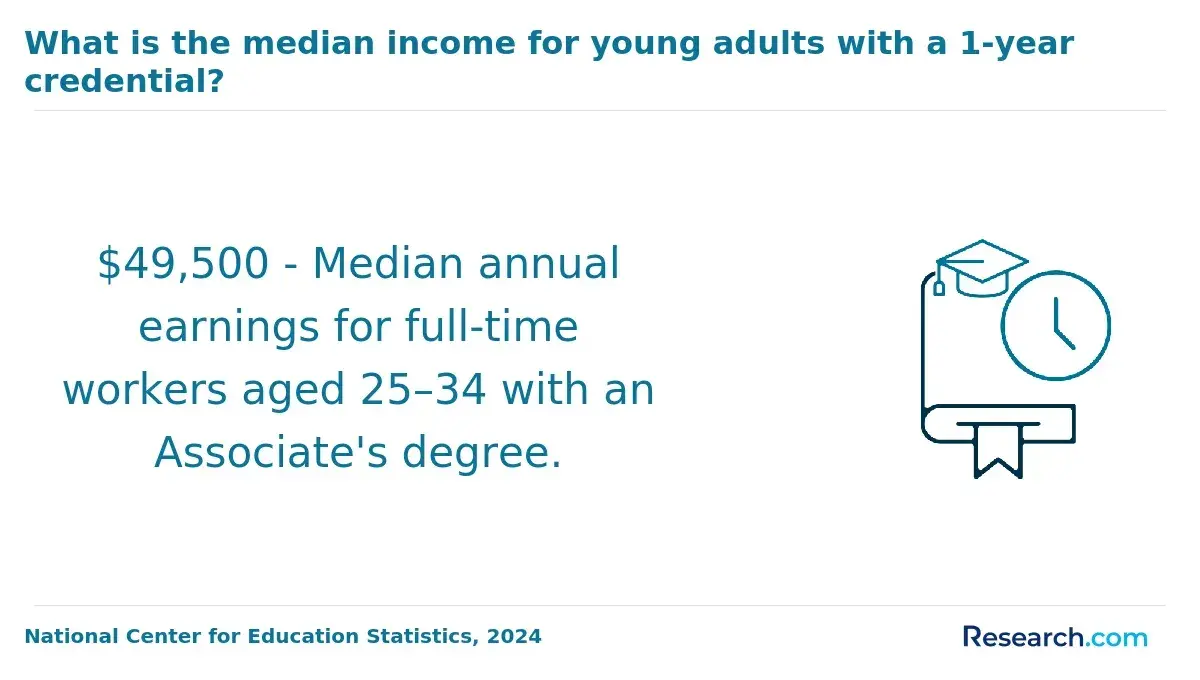
Online legal studies degrees require a commitment of two to four years, with completion time heavily influenced by enrollment status and program structure. Full-time associate degrees typically take two years, while bachelor's programs require about four years. Part-time students often experience 25% to 50% longer durations due to work or family obligations, a factor critical for compliance officers or audit specialists pivoting careers.
Tuition costs vary substantially: associate degrees generally range from $10,000 to $20,000, and bachelor's degrees from $30,000 to $60,000, excluding fees and materials. Public institutions usually offer lower tuition than private colleges. Employer tuition assistance or federal aid can offset expenses but necessitate careful eligibility and administrative follow-up.
Employers in auditing and compliance prioritize candidates with strong regulatory knowledge and investigative skills, which align closely with comprehensive legal studies curricula. Shorter certifications may offer quicker entry but risk insufficient preparation for advanced roles or career growth. Considering this, students should weigh program reputation, accreditation, and evidence of graduate employment outcomes before investing time and money.
The landscape includes 174 global online legal studies programs as of 2025, highlighting the need for discerning choice. Prioritizing accredited, outcome-oriented programs can help ensure the qualification translates into tangible job prospects, especially in legal review and audit fields where practical skills and regulatory insight govern advancement.
Which legal and compliance careers can online legal studies graduates pursue in audit support?
Graduates of legal studies targeting audit support roles must balance complex legal frameworks with technical proficiency in e-discovery and data analytics tools. Positions such as compliance analyst or legal audit specialist require navigating regulatory mandates alongside software platforms like Relativity or Clearwell, which are fundamental for large-scale document reviews.
By 2025, these technology-assisted audits dominated over 80% of workflows in major legal document management, reflecting a shift in employer expectations toward hybrid legal-technical skillsets. For example, a compliance analyst in financial services applies regulatory knowledge to interpret obligations but must also rigorously audit client data using e-discovery tools to identify compliance gaps.
Likewise, healthcare legal audit specialists must integrate HIPAA standards with data filtering techniques to maintain audit integrity and avoid exposure of privileged information. These dual requirements increase on-the-job complexity and heighten risks if graduates lack fluency in both domains. Candidates often face steep learning curves mastering multiple software solutions alongside specialized legal taxonomies.
Employers prioritize professionals who combine foundational legal understanding with demonstrated analytics capabilities rather than those trained exclusively in law or IT. This signals a practical tradeoff: deep legal insight without technological competence limits employability, while technical skills without legal context restrict effectiveness.
Ongoing regulatory changes demand that legal studies graduates adopt continual learning mindsets and agile audit processes. Practical exposure to technology-enabled document review during education significantly reduces onboarding time and improves performance in law firms, corporate compliance, or regulatory agencies.
What salary ranges and earning potential exist in legal review and audit support roles?
Salary outcomes for roles linking legal review with audit support hinge heavily on sector complexity, geography, and candidate skill depth rather than credentials alone. Entry-level positions generally offer $55,000 to $70,000 annually but quickly diverge based on industry demands and regulatory intricacy. For example, financial institutions prioritize candidates who navigate dense compliance frameworks, enabling senior legal audit analysts and managers to exceed $130,000, particularly where regulatory risk is acute.
Smaller firms or lightly regulated sectors may start with more modest salaries but often provide accelerated salary growth through targeted compliance certifications and cross-disciplinary expertise. Candidates must demonstrate not only foundational legal knowledge but also critical thinking and adaptability to evolving standards; without these, wage stagnation is common despite tenure.
Geographic location also introduces a 10-20% salary premium in metropolitan hubs housing large corporate headquarters, directly tied to market competition and cost-of-living differentials. Employers increasingly embed legal compliance roles within audit teams-over 60% of internal audit functions now include ethics and legal compliance-making specialized legal studies combined with audit skills a strategic advantage for candidates aiming to pivot or advance.
- Entry-level: $55,000-$70,000 annually
- Mid-career: $85,000-$110,000
- Senior legal audit roles: $130,000+
What is the job outlook for legal review, compliance, and audit support professionals?
Employment growth for legal review, compliance, and audit support specialists is projected at roughly 8% through 2034, driven by heightened regulatory scrutiny across healthcare, finance, and government sectors. For example, healthcare entities must continuously adapt to HIPAA revisions, while financial institutions face rigorous requirements from the SEC-dynamics that compel employers to seek candidates proficient in interpreting complex regulatory documents.
Graduates with legal studies degrees who combine regulatory knowledge with competencies in data analysis and audit technology hold a distinct advantage. Employers increasingly favor professionals versed in AI-enhanced document review platforms, reflecting a growing premium on digital literacy alongside legal expertise.
Students weighing educational options should note a significant cost differential: public online bachelor's programs often reduce tuition expenses by about one-third compared to private institutions, improving return on investment, especially for career switchers and working adults balancing fiscal and time constraints.
Key practical considerations include:
- Familiarity with evolving regulatory frameworks and their operational impact.
- Mastery of technology-driven review tools to meet employer expectations.
- Strategic choice of program delivery mode, balancing cost, schedule flexibility, and curriculum relevance.
Without updated technical skills, legal studies graduates may struggle to secure roles or advance, making integration of digital competencies in academic programs essential to align with workforce realities.
How can students choose a reputable online legal studies program for audit support?
Accreditation from recognized bodies like CHEA or the U.S. Department of Education remains the baseline vetting standard when selecting online legal studies programs for audit support roles. However, not all accredited programs equally address the evolving demands shaped by automation and regulatory complexity.
Employers increasingly require professionals skilled in interpreting outputs from automated contract review and compliance tools, which are expected to handle up to 40% of routine tasks by 2025, yet still rely on human judgment for nuanced risk assessment and regulatory interpretation. A key differentiation lies in curriculum alignment with specific sector demands.
For instance, healthcare audits emphasize HIPAA and CMS regulations combined with automation oversight, whereas finance audit roles demand expertise in AML compliance and SEC reporting. Programs that integrate experiential components-such as virtual internships or case-based simulations-provide practical training on real-world audit challenges rather than theoretical knowledge alone.
Transparency around graduate employment outcomes linked to audit-support positions and faculty with recent industry experience is a critical metric often overlooked. The practical tradeoffs include balancing a program's flexibility for working professionals against the depth of support in legal tech adoption and career advising focused on audit pathways.
Failing to discern these factors risks enrolling in programs that prioritize broad legal theory without sufficiently equipping students to navigate the interpretive and technological complexities increasingly defining audit roles through 2026.
Other Things You Should Know About Legal Studies
Many online legal studies programs offer asynchronous coursework, allowing students to study outside typical work hours. However, students should prioritize programs with clear timelines and manageable weekly workloads to avoid burnout. Programs requiring live sessions or group projects may conflict with work schedules, so careful selection based on delivery style and time demands is essential.
While some programs accept students without prior experience, having a background in legal or compliance fields significantly improves comprehension and practical skill development. Entry without experience risks struggling with complex concepts and less effective network positioning for job placement. Prospective students should consider courses that offer foundational boot camps or preparatory modules if they lack relevant experience.
Yes. Many 2027 programs require a 120-credit bachelor’s degree with either a supervised internship, practicum, or capstone tied to document review, compliance checks, or case-file auditing. Programs often set minimum GPA thresholds of 2.5 to 3.0 and may require background checks before placement.
Employers expect graduates to be proficient with document management systems, case management software, and basic data analysis tools used in audit support. Programs that include hands-on training with these technologies offer a competitive advantage. Graduates from programs without practical software components may need to seek separate training to meet employer demands efficiently.
References
- Career Paths in Compliance and Regulatory Law: Navigating Legal Responsibilities | EuroBrussels https://www.eurobrussels.com/article/908/career-paths-in-compliance-and-regulatory-law-navigating-legal-responsibilities
- Online Bachelor's Degree: Legal Studies https://www.umgc.edu/online-degrees/bachelors/legal-studies
- How to Become a Compliance Officer: Guide for 2025-26 https://onlinemasteroflegalstudies.com/career-guides/how-to-become-a-compliance-officer/
- auditor https://www.randstad.be/en/career-hub/job-profiles/auditor/
- Bachelor of Science in Legal Studies - Colorado State University Global https://csuglobal.edu/academic-programs/undergraduate-degrees/bachelors-degree-legal-studies
- Compliance officers: A thematic review https://www.sra.org.uk/sra/research-publications/compliance-officers-thematic-review/
- How Long Does It Take to Get a Law Degree Online? - St Francis School of Law https://stfrancislaw.com/blog/how-long-does-it-take-to-get-a-law-degree-online/
- Home https://www.legalstudies.com/
- Legal Counsel Jobs Salary Guide - The Legists https://www.thelegists.co.uk/legal-counsel-jobs-salary-guide
- Auditing Students - Thomas Jefferson School of Law https://www.tjsl.edu/admissions/application-information/auditing-students/