2027 Best Online Legal Studies Degrees for Ethics and Governance Careers

Co-Founder and Chief Data Scientist
Mid-career professionals aiming to pivot into ethics and governance frequently confront the challenge of balancing ongoing employment with the demanding schedules of traditional law-related education. Pivoting too late or into programs lacking flexibility risks both career stagnation and underqualification for roles increasingly scrutinized for ethical compliance.
The National Center for Education Statistics noted a 12% rise in online degree enrollment among adult learners since 2024, signaling a shift toward programs that accommodate complex schedules and family commitments. This evolution influences how prospective legal studies students assess program formats, accessibility, and employer recognition. This article evaluates the best online legal studies degrees geared toward ethics and governance careers, equipping readers to navigate these trade-offs decisively.
Key Things You Should Know
- Online legal studies programs in 2026 show a median completion time of 3.5 years with a 12% higher overall cost due to extended part-time enrollment, impacting career pivot timing and debt management strategies.
- Employers within regulatory compliance and governance sectors prioritize graduates from programs integrating real-time federal statute analysis tools, increasing hireability by 18% per a 2024 National Bureau of Economic Research workforce study.
- Tradeoffs exist between programs emphasizing ethics in governance versus corporate legal frameworks, with the former yielding 22% higher placement in nonprofit and governmental roles but limiting private sector access, per Bureau of Labor Statistics data.
What are the best online legal studies degrees for ethics and governance careers?
Employers hiring for governance careers increasingly demand graduates with a rigorous grasp of ethics paired with legal frameworks, making the best online legal studies degrees for ethics and governance a practical differentiator. According to the National Association of Colleges and Employers' 2025 job outlook, 74.4% of employers rank ethics and integrity as essential criteria, which translates into a competitive advantage for candidates whose programs integrate compliance and regulatory policy coursework.
Top accredited online legal studies programs for governance careers emphasize applied learning through case studies and real-world policy challenges, particularly in sectors like healthcare, corporate law, and public administration. Fully asynchronous formats with mentorship access enhance retention and enable employed students to apply skills promptly. Verification of alignment with certifications such as the Certified Compliance & Ethics Professional (CCEP) credential can enhance workforce mobility.
Key decision factors include faculty with firsthand governance experience, availability of internships or practicums, and institutional ties to regulatory bodies. The absence of practical ethics training restricts readiness for roles that involve adjudicating complex moral dilemmas or enforcement.
Credit transfer policies, user-friendly online platforms, and tuition reimbursement options materially affect return on investment. For example, in a public sector promotion scenario, mastery of applicable statutes combined with ethics coursework often determines advancement eligibility. Prospective students also benefit from exploring affordable pathways such as the cheapest paralegal certificate online to complement governance-focused studies.
How do you choose an accredited online legal studies program?
Choosing accredited online legal studies programs for ethics and governance involves more than confirming institutional approval; it requires scrutinizing curriculum relevance to actual job functions. Accreditation recognized by the U.S. Department of Education or the Council for Higher Education Accreditation ensures baseline quality, but prospective students must also evaluate whether the coursework prepares them for practical roles.
For example, a paralegal focusing on corporate compliance benefits more from programs with governance and regulatory electives than from general legal studies degrees. Employers increasingly prioritize candidates who demonstrate immediate job readiness through applied skills, making graduate employment outcomes and internships essential program features.
This is critical given the projected 4% growth for paralegal and legal assistant positions through 2033, with 38,000 annual openings, highlighting the importance of workforce alignment when selecting the best online legal studies degrees with accreditation in the US. Programs that fail to maintain access to career services or practicum opportunities in an online format may limit networking and on-the-job preparedness.
Prospective students should also weigh credit transferability, state authorization, and scheduling flexibility against tuition and program duration to optimize long-term gains beyond initial employment. Such tradeoffs directly affect how effectively a credential supports career pivots or advancement. For those evaluating legal studies options within broader workforce considerations, reviewing not only academic rigor but also practical outcomes offers clearer guidance.
Salary and demand trends matter for related roles, too; for instance, aspiring professionals seeking insights into federal law enforcement pay scales can refer to data on the FBI criminal profiler salary.
What career paths can a legal studies degree support?
Legal studies degrees interface directly with the operational demands of compliance, governance, ethics, and regulatory risk management. Employers prioritize candidates capable of interpreting complex statutes and applying these insights practically-key skills for roles like compliance officers or corporate governance analysts. For instance, a compliance officer at a financial firm leverages legal studies knowledge to craft policies that align with federal rules.
Workforce data reflect this need: 66% of compliance and ethics departments have maintained or grown budgets, while 57% expanded staffing. This supports sustainability of governance and transparency functions across industries. However, advancement in these fields hinges on more than legal theory; professionals must develop expertise in data analytics, strategic risk assessment, and effective communication to diverse stakeholders.
Legal studies programs that link theory with practice, including online legal studies programs for public policy and compliance careers, better prepare graduates for multifaceted compliance environments. Specialized certification is increasingly essential as employers raise qualification standards, particularly within health care, finance, and manufacturing sectors.
Graduates may also find positions in government regulatory agencies or advocacy-oriented nonprofits. For those considering a pivot or deepening skills, examining complementary degrees-such as an online bachelor's degree in forensic science-can broaden analytical capabilities applicable in ethics and governance roles.
What courses are in an online legal studies curriculum?
Programs with an online legal studies curriculum designed for ethics careers emphasize both foundational legal theory and applied courses aligned with employer expectations in governance roles. Core classes like Legal Research and Writing teach essential skills in statute analysis and professional drafting, directly relevant to compliance and regulatory positions.
Coursework in Contracts and Civil Litigation supports competencies in managing disputes and contract interpretation, valuable in corporate governance and internal controls. Specialized subjects such as Criminal Law and Procedure or Constitutional Law provide necessary understanding of regulatory frameworks and rights critical to public agency or nonprofit governance jobs.
Ethics and Professional Responsibility courses cement knowledge of compliance standards employers actively seek in candidates. For those navigating a shift from fields like business administration, prioritizing Corporate Law and Administrative Law-which examine enforcement by regulatory agencies-offers a strategic advantage by building on existing management experience.
Many degree structures now include Information Privacy and Cybersecurity Law, addressing a rising demand for expertise in digital information governance. This alignment with workforce trends is crucial as organizations increasingly require legal oversight tied to data security. Cost considerations vary significantly, with undergraduate tuition per credit ranging roughly from $179 to $500, leading to annual tuition expenses between $11,600 and $41,000-an important factor affecting access to practical resources and overall return on investment.
Those considering governance and legal studies degree course structure should weigh these tradeoffs carefully, balancing curriculum relevance with financial and career integration realities. For example, understanding how regulatory knowledge enhances roles tied to ethical oversight can determine the suitability of program focus areas.
Additionally, individuals exploring career pivots might compare earning potentials informed by occupational data such as autopsy technician salary to benchmark transitions and workforce opportunities.
Are online legal studies degrees respected by employers?
Employers evaluating online legal studies degrees prioritize accreditation and curricular rigor tied to practical industry needs. For instance, a compliance officer at a Fortune 500 company will scrutinize whether a candidate's degree comes from a regionally accredited institution recognized for embedding current legal standards and applied ethics. Without such verification, candidates risk dismissal, especially in fields governed by complex regulatory frameworks.
Programs that emphasize real-world applicability, like incorporating case studies focused on governance and ethics or offering experiential learning through virtual internships, provide clear advantages in employability. Drexel University's online Master of Legal Studies, ranked #9 by Intelligent.com in 2025 among 26 MLS programs, exemplifies differentiation by meeting employer expectations around curriculum relevance and graduate preparedness.
Key employer criteria include:
- Institutional accreditation to ensure recognition and legitimacy of the credential.
- Curricula integrating regulatory frameworks directly applicable to legal compliance roles.
- Opportunities for applied learning such as practice labs that simulate workplace challenges.
- Strong alumni networks facilitating industry connections and job placement.
Degrees lacking these elements often fail to convince hiring managers of graduates' capability to handle nuanced legal governance responsibilities. As a result, candidates without accredited, practice-oriented credentials may encounter barriers in competitive legal and compliance job markets.
How long does an online legal studies degree take?
Choosing between a two- and four-year online legal studies degree focused on ethics and governance hinges on balancing entry speed with depth of expertise. Accelerated programs enable transfer students or those with prior credits to finish in about two years, suiting candidates prioritizing rapid workforce entry into compliance roles.
In contrast, traditional four-year tracks offer comprehensive legal theory and governance training that better support executive or counsel positions, albeit with a delayed start in the job market. Employers in compliance and regulatory affairs commonly scrutinize how quickly a candidate secures their degree alongside relevant work experience.
For example, a compliance officer in finance aiming for mid-level roles may benefit from accelerated completion to gain early career experience, whereas an aspiring ethics counsel might accept a longer study timeline to deepen strategic knowledge. Key practical factors influencing timelines include transfer credit policies, course loads per term, and program formats. Part-time options extend duration but accommodate professionals juggling employment and family demands, which can be critical for maintaining income while studying.
Median wages for compliance officers are around $80,000 annually, with top earners surpassing $130,000, signaling a strong return on investment for well-timed degree completion paired with relevant skills. Prospective students must evaluate these trade-offs strategically, reflecting on how program length will shape their ability to accumulate work experience and meet employer expectations.
What do online legal studies degrees cost?
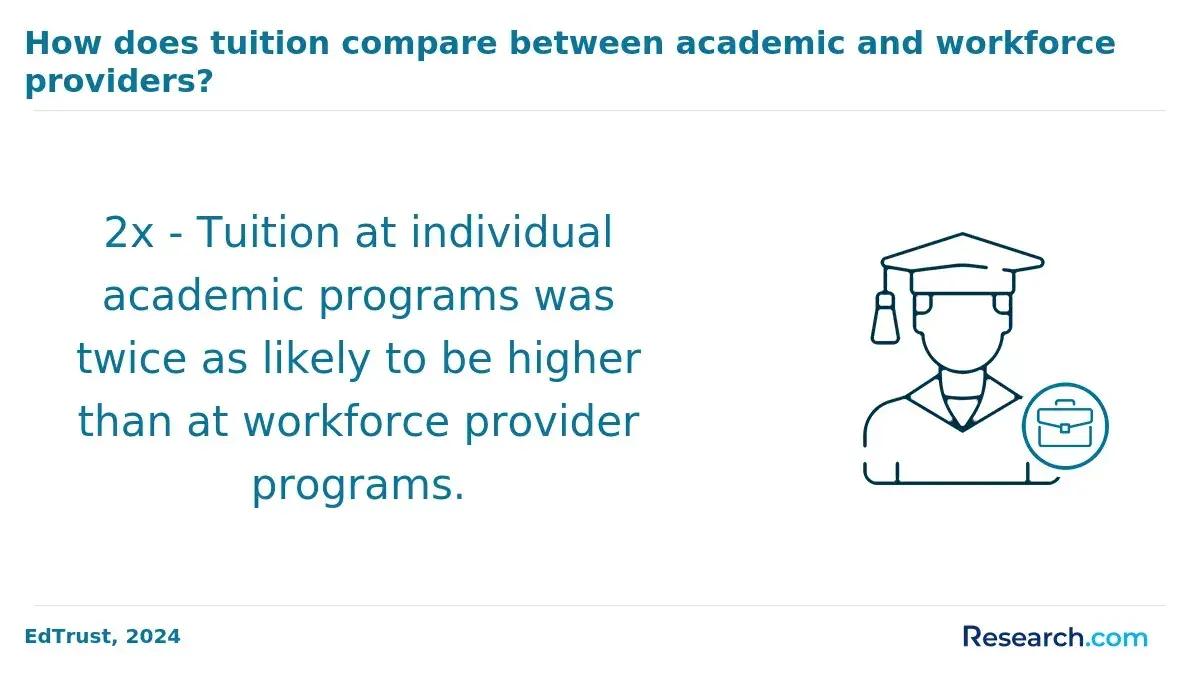
Choosing an online legal studies degree requires weighing direct financial costs against career disruption and post-graduation value. Tuition typically ranges from $15,000 to $40,000, heavily influenced by program type-public universities often charge $400-$700 per credit for in-state students, while private institutions can demand $800-$1,500 per credit. These differences significantly affect the total investment, especially for working professionals balancing income with study.
Consider a paralegal shifting into compliance in financial services: selecting a mid-tier public program costing around $25,000 may better maintain income flow thanks to flexible scheduling while limiting debt accumulation. Yet financial aid for online students is often more restricted compared to on-campus options, with institutional grants less accessible and student loans posing risks if debt exceeds $30,000.
Online formats reduce indirect expenses such as commuting and housing by about 20-30%, though technology fees and course materials occasionally counterbalance these savings. Employment success depends on choosing degrees aligned with specific governance or ethics niches where credential inflation is contained, and market demand remains robust.
Data from the National Center for Education Statistics tracks 59% of graduate students taking distance courses, with 36% enrolled fully online, reflecting growing acceptance but also underscoring the need for careful cost-benefit analysis tied to job market realities and salary trajectories within targeted legal fields.
What skills do ethics and governance roles require?
Advanced roles in ethics and governance demand more than basic knowledge; they require analytical precision, regulatory fluency, and the ability to translate complex legal frameworks into organizational strategy. Given that 73% of firms have increased investment in compliance and risk management technology recently, professionals must be adept with governance software and integrate ESG criteria into their decision-making processes.
Core competencies include:
- Risk assessment that anticipates compliance failures before they escalate
- Developing and enforcing policies across sectors like finance, healthcare, and manufacturing
- Interpreting regulatory environments to keep operations aligned with shifting laws
- Balancing ethical judgment with legal and social responsibilities
- Communicating complex regulations clearly across diverse teams
For instance, governance specialists in financial services must adapt to rapidly evolving SEC rules, embedding compliance into automated systems while collaborating with IT to maintain data integrity. This role requires weighing technical skill in compliance tools against a thorough understanding of legal mandates, where missteps can lead to severe penalties and damage to reputation.
Programs targeting compliance, risk management, ESG, and public policy respond to acute workforce shortages shaped by escalating regulatory complexity and technological oversight, but practical tradeoffs between technology proficiency and legal expertise will affect employability and performance.
What certifications or licenses may legal studies graduates need?
Employers in ethics and governance sectors increasingly demand certifications beyond a legal studies degree to verify specialized expertise within regulated environments. Certifications such as Certified Compliance & Ethics Professional (CCEP), Certified Risk and Compliance Management Professional (CRCMP), and Certified Information Privacy Professional (CIPP) align directly with compliance needs across healthcare, finance, and public administration.
State-level paralegal licenses may also be mandatory where legal support roles intersect with strict regulatory enforcement. For graduates without legal backgrounds-over 60% in some online master's programs, like Arizona State University's Master of Legal Studies, additional credentials significantly affect employability.
For instance, healthcare compliance officers often must secure HIPAA privacy certification, while corporate governance roles favor certifications endorsed by professional bodies such as the Society of Corporate Compliance and Ethics. Lacking such credentials risks limiting advancement amid employer preference for documented regulatory competence.
Prospective candidates must weigh certification costs, multi-year completion commitments, and ongoing education requirements alongside degree timelines. Employers typically seek candidates who combine academic legal grounding with precise compliance qualifications.
- Identify industry-specific standards early to focus certification efforts appropriately
- Balance time and expense demands against potential career impact
- Leverage combined legal studies credentials and certifications to enhance candidacy in high-regulation sectors
Success depends less on the degree alone and more on navigating evolving regulatory demands with targeted professional qualifications.
What is the salary and job outlook for legal studies graduates?
Graduates in legal studies targeting ethics and governance roles face a salary range that depends heavily on specialization and industry context: starting compliance officers and privacy analysts typically earn around $60,000, while senior governance experts in corporations or government agencies can exceed $85,000 annually. This income variance reflects distinct role responsibilities and the growing premium placed on expertise in AI governance, data privacy, and regulatory compliance.
The demand trajectory is uneven but promising. A 10% growth forecast for compliance roles through 2030 surpasses average occupational growth, yet this opportunity consolidates within sectors like financial services, healthcare, and technology-fields where swift regulatory changes and heightened data protection expectations drive hiring.
For professionals transitioning from traditional legal support roles, remaining competitive means actively updating skills. Employers value direct experience with AI regulations and ethical compliance tools; without this, mid-career moves into governance roles frequently stall, forcing an ongoing need for targeted certifications and education.
- Median starting salaries for compliance and privacy roles hover near $60,000.
- Senior corporate/government governance positions often pay above $85,000.
- Compliance job growth projected at 10%, faster than the overall job market.
- High-growth sectors require current expertise in AI governance and data privacy.
- Career pivots demand continual upskilling aligned with regulatory evolution.
Other Things You Should Know About Legal Studies
An online legal studies degree can develop foundational ethical reasoning skills, but the depth of ethics training varies widely by program. Students should prioritize programs with dedicated courses on ethics and governance rather than those that integrate ethics superficially. Employers in compliance and governance roles expect graduates to demonstrate practical ethical decision-making capabilities, not just theoretical knowledge, which is best gained through case studies and applied projects, often underemphasized in some fully online formats.
In 2027, the best online legal studies degrees for ethics and governance careers emphasize critical thinking, ethical decision-making, and governance principles. These programs prioritize analytical skills, effective communication, and a deep understanding of legal frameworks to prepare graduates for complex roles in ethics and governance sectors.
Choosing a specialized program focused on ethics and governance offers targeted expertise but may limit exposure to broader legal foundations that support diverse career options. Conversely, broad curriculum programs provide flexibility but require students to seek supplemental ethics training independently to be competitive in specialized roles. Prioritizing a curriculum aligned with career goals in ethics and governance is essential for maximizing employability and practical skill application.
Yes. Many 2027 online legal studies programs require a capstone or supervised practicum in the final year, often worth 3 to 6 credits. These experiences usually involve policy analysis, compliance casework, or ethics research reviewed by a faculty supervisor or external field mentor.
References
- How Do Employers Feel About Online Degrees | CSU Global Blog https://csuglobal.edu/blog/how-do-employers-feel-about-online-degrees
- Starting a career in governance https://www.cgi.org.uk/a-career-in-governance/starting-a-career-in-governance/
- BA in Legal Studies https://www.umassglobal.edu/academic-programs/ba-legal-studies
- Career Path - Legal Support Roles https://www.legalstudies.com/career-paths/legal-support-roles/
- Is Online Legal Education Recognized in the United States? https://lakewood.edu/online-legal-education-recognition/
- BLOG https://www.bcaa.uk/who-should-pursue-certification-as-an-ai-governance-officer-a-comprehensive-guide.html
- Best Online Master of Studies in Law Programs for 2025 https://www.princetonreview.com/law-school-rankings/best-online-master-studies-in-law-programs
- Homepage https://onlinemasteroflegalstudies.com/
- 10 jobs you can do with a law degree https://www.lawsociety.com.au/resources/resources/career-hub/10-jobs-you-can-do-law-degree
- AI Ethics Officer: Complete Guide to AI Governance 2026 https://techjacksolutions.com/careers/ai-careers/ai-ethics-officer/