2027 Best Online Bachelor's in Legal Studies at Accredited U.S. Universities

Co-Founder and Chief Data Scientist
Professionals aiming to transition into legal careers often face obstacles balancing employment, family, and the rigid structures of traditional programs. As workforce demands evolve, nearly 45% of U. S. adult learners now seek flexible online bachelor's degrees, according to the National Center for Education Statistics, emphasizing accessibility over geographic constraints.
This shift challenges prospective legal studies students to discern which online programs combine accreditation, relevant curriculum, and career alignment without compromising rigor or recognition. Choosing poorly can delay certification or limit job prospects in competitive markets. This article evaluates accredited online bachelor's in legal studies, offering a focused guide to help students navigate program quality, flexibility, and long-term value.
Key Things You Should Know
- Legal studies bachelor's graduates face a 12% wage premium compared to non-degree holders, yet 35% report needing additional certification or paralegal training for competitive roles, per 2024 BLS data.
- Employers prioritize programs with experiential learning; 68% of legal firms prefer candidates from universities offering internships or clinics, linking practical exposure to 40% higher job placement.
- Median completion time extends to 5.2 years in part-time legal studies programs, increasing indirect costs by 18%, impacting working students balancing career pivot urgency and affordability, based on NCES statistics.
What is an online bachelor's in legal studies?
Online bachelor's in legal studies programs in the U.S. function primarily as vocationally oriented degrees focused on applied legal knowledge rather than bar exam eligibility or licensure. Graduates often move into roles such as paralegals, compliance officers, or policy analysts where practical legal literacy enhances organizational effectiveness, especially in sectors like corporate, healthcare, and government.
Unlike a Juris Doctor or a pre-law path, these programs emphasize operational understanding over theoretical law, which can be a decisive factor for working adults needing a fast, cost-effective career pivot. The curriculum combines criminal law, contracts, civil procedures, legal research, and ethics with an online format designed to fit the schedules of professionals.
Yet students must possess self-discipline and time management skills to balance coursework alongside employment. Knowledge of court processes or regulatory compliance is particularly valued in roles within HR, finance, or public administration given its direct impact on mitigating legal risks. Choosing an accredited online legal studies bachelor's degree is important, since some employers prioritize ABA-approved or regionally accredited programs for legal-related positions.
Arizona State University reported 52,896 students enrolled in online law and legal studies programs in 2024, reflecting robust demand and growing employer acceptance of online credentials. However, students should evaluate the extent to which their degree translates to market value and plan for possible professional certifications or additional training for specialized roles.
Research on paralegal salary associate's degree paths shows that an online bachelor's in legal studies can provide a stronger foundation and broader career flexibility. This pathway suits candidates targeting compliance, contract management, or court administration jobs where immediate application of practical legal skills matters.
How do I choose an accredited online legal studies program?
Choosing accredited online legal studies programs in the U.S. demands more than verifying institutional legitimacy; one must prioritize programmatic accreditation recognized by the U.S. Department of Education or the Council for Higher Education Accreditation to ensure employer acceptance and transferable credits. For example, a student targeting compliance roles in finance should select programs emphasizing regulatory affairs and corporate law over general legal theory, highlighting the distinct curriculum paths within the best online legal studies degrees at accredited American universities.
Cost disparities significantly affect long-term outcomes. Tuition ranges from roughly $8,000 at public in-state schools to $38,000 at private nonprofits, influencing debt burden and ROI. Many mid-career professionals underestimate how tuition impacts lifetime earnings and must weigh part-time options or employer tuition assistance to manage expenses effectively.
Program delivery models also shape feasibility. Asynchronous courses with strong tech support accommodate working professionals more effectively than synchronous schedules. Additionally, robust career services-resume workshops, interview coaching, and internship placement-directly correlate with post-graduation employment success, a critical factor given the legal sector's preference for demonstrable skills over credentials alone.
Prospective students should examine employment outcome reports and alumni networks for job placement data and salary benchmarks to avoid costly pivots. This practical diligence is particularly important if you're considering options related to what can a felon go to college for, where program quality and pathway clarity are paramount.
What are the admission requirements for online legal studies degrees?
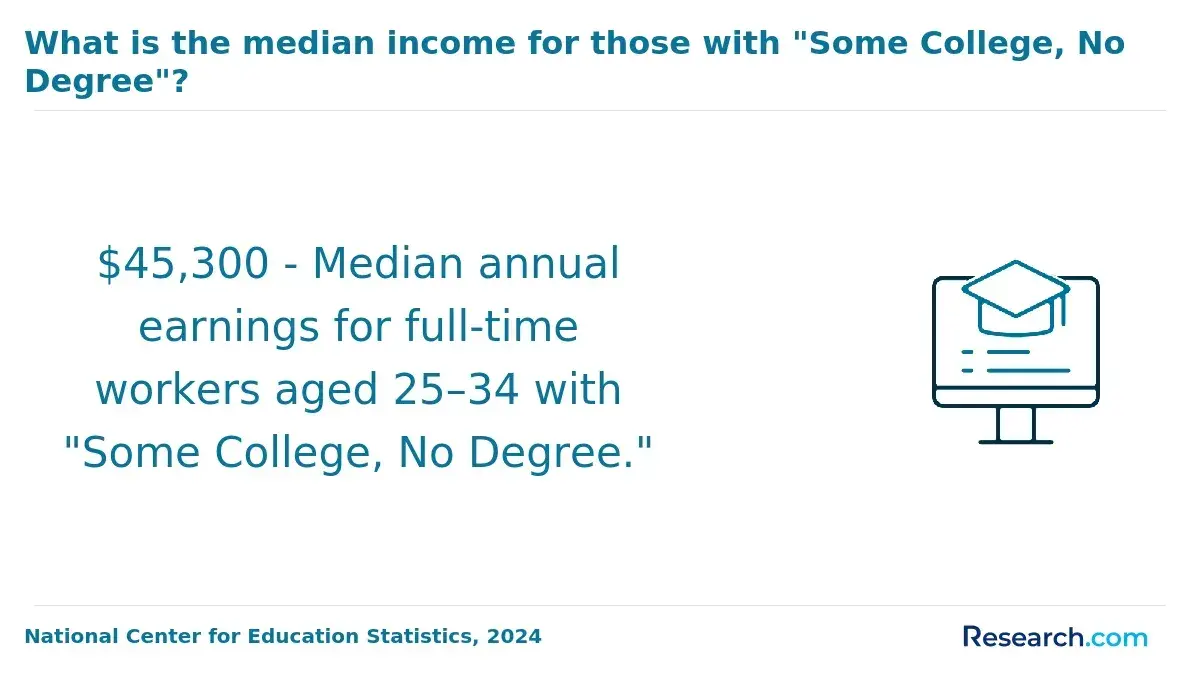
Admission criteria for online legal studies degree programs at accredited U.S. universities emphasize foundational academic benchmarks and workforce relevance. Typically, institutions require a high school diploma or equivalent and official transcripts reflecting a minimum GPA of 2.0 to 2.5. Though standardized tests like the SAT or ACT are standard, many programs waive these for transfer students or experienced professionals with prior credits.
Due to the sensitive nature of legal education, background checks and disclosure of legal infractions often factor into eligibility, especially for tracks oriented toward paralegal certification. Applicants without prior college experience usually must submit personal statements conveying a clear understanding of the demands in legal professions. Practical exposure to legal or administrative work can sometimes substitute formal prerequisites and bolster acceptance odds.
For working adults aiming to pivot careers, transcript evaluation and transfer credit recognition vary widely and should be scrutinized against each program's curriculum and outcomes. Those targeting paralegal roles face a competitive labor market with a median annual wage of $60,970 as of May 2023 and a projected 4% employment growth through 2032.
Prioritizing accredited programs acknowledged by employers is critical to avoiding credential obsolescence. Technical readiness, including reliable internet access and platform proficiency, also impacts student success in online delivery modalities. Financial documentation or FAFSA submissions remain common requirements for federally supported programs and must be prepared in advance.
Awareness of admissions timelines and required materials ensures candidates avoid enrollment delays and aligns their efforts with practical career progressions. For those comparing options, exploring the cheapest online PhD in criminal justice pathways may offer insights into affordable degree programs related to legal curriculum.
How does online legal studies compare with campus programs?
Choosing between online legal studies versus campus programs in the U.S. requires weighing differences in experiential learning and networking access, which materially affect job market readiness. Campus programs provide structured clinical opportunities, internships, and direct faculty interaction, enabling relationship building crucial for mentorship and referrals in legal and compliance hiring.
Online programs, while flexible for working professionals, necessitate proactive pursuit of local internships and engagement with professional associations to develop applied skills that employers increasingly demand. Employment projections estimate compliance officer roles will grow by about 13,200 nationally from 2022 to 2032, with a median wage around $79,240, reflecting growing regulatory complexity.
Candidates demonstrating real-world regulatory and ethical practice experience alongside academic credentials gain a competitive edge. For those balancing work and study, accredited U.S. universities legal studies online comparison reveals flexibility benefits but a need for disciplined self-advocacy to offset limited campus career service access.
Key tradeoffs include:
- Online pathways offer scheduling adaptability ideal for remote learners or those seeking architecture degree online and legal studies combinations.
- Campus options deliver richer networking, clinic participation, and immediate career service access.
- Success in legal compliance careers hinges increasingly on documented applied regulatory skills, which online students must obtain through external practical experiences.
- Ultimately, prior experience and willingness to build relationships significantly shape which modality optimizes career outcomes.
What courses are included in a legal studies curriculum?
Legal studies programs prioritize foundational knowledge of the U.S. legal system, focusing on constitutional, criminal, and civil law alongside practical skills in contract law, torts, property law, and legal research. These core courses emphasize legal reasoning and writing, which are critical for paralegal and compliance roles where employers scrutinize proficiency rigorously.
Electives allow customization toward specific career objectives; for instance, professionals targeting corporate compliance should select business law and administrative regulation courses, while those aiming for public interest work might focus on civil rights and advocacy. This alignment improves job market relevance but requires strategic course selection based on workforce demands.
Programs incorporate experiential learning such as virtual simulations and internships, essential for translating theory into applicable skills. However, online formats, increasingly common with undergraduate enrollments surpassing 10,000 students in recent top-ranked programs, demand strong self-discipline to match campus-based academic rigor and professional standards.
Key considerations include:
- Allocating significant time to develop legal writing and reasoning, as these are decisive in hiring decisions.
- Understanding that specialized electives influence employability more than generic coursework.
- Anticipating discipline and structure challenges in online learning environments.
Students evaluating legal studies should weigh immediate market needs versus long-term adaptability and carefully assess program delivery modes against their personal learning habits and career goals.
How long does an online legal studies bachelor's take?
Completion timelines for an online legal studies bachelor's degree vary widely based on pacing and student circumstances, with full-time students generally finishing in four years. However, part-time enrollment, common among working adults, may extend completion to five or six years. Conversely, accelerated formats can reduce time to approximately three years but require intensive commitment.
Program specializations such as pre-law, compliance, and criminal justice influence course sequencing and duration. Students aiming for law school must carefully time degree completion to remain competitive; stretched-out programs risk misalignment with law school admissions cycles and may weaken the candidate's perceived momentum. According to UniversityHQ, legal studies remain a significant feeder into law schools, with over 34,000 first-year law students in 2023 coming from these majors.
Employer expectations notably affect the strategic value of degree completion timeframes. Hiring managers in compliance and criminal justice sectors often associate timely graduation with reliability and goal orientation, while extended durations can raise concerns about commitment or external distractions.
Students should pragmatically assess their situation by:
- Evaluating if concurrent employment necessitates part-time pacing.
- Confirming employer or graduate program benchmarks for degree completion.
- Considering institutions offering credit for relevant prior coursework or experience to reduce semesters.
How much does an online legal studies degree cost?
The upfront financial commitment for an online legal studies bachelor's degree varies widely, generally ranging from $15,000 to $40,000 at accredited U.S. institutions. Public universities may offer rates below $10,000 for in-state students, while private institutions often approach or surpass $40,000. Additional expenses, such as books and technology fees, typically add $1,000 to $2,000 annually, making this path significantly less costly and time-consuming than law school, which averages above $100,000 plus three extra years before entering the workforce.
Graduates with legal studies degrees often transition quickly into roles such as paralegals or compliance specialists, earning starting salaries between $50,000 and $80,000. This provides an earlier return on investment compared to the longer trajectory in law school, which delays earning potential. For working professionals balancing employment, program flexibility-such as part-time enrollment, accelerated courses, or flat-rate tuition-can reduce total costs and time to completion.
Prospective students should carefully evaluate credit transfer policies and seek financial aid options targeted to this field. These choices strongly influence net costs and the feasibility of career pivots or advancement. Considering practical workforce implications, an online legal studies degree offers a strategic, cost-efficient route into legal roles without the extended financial and temporal commitments required by a juris doctor.
What jobs can you get with a legal studies degree?
Legal studies degrees primarily prepare graduates for roles such as paralegals, compliance analysts, contract specialists, and court clerks, where the focus lies in managing legal documents, supporting attorneys, ensuring regulatory compliance, and overseeing legal record-keeping. For instance, contract specialists in finance or healthcare must verify that agreements meet strict regulatory criteria, mitigating organizational risks.
Choosing a legal studies program requires balancing accessibility with program rigor. Acceptance rates vary widely-from as low as 19% at the University of Miami to nearly 89% at George Mason University-affecting graduate readiness and employer perception. Government and large corporations increasingly demand compliance specialists due to complex regulations, while smaller firms depend on paralegals for litigation support. This divergence shapes job availability based on sector and geography.
Direct progression into attorney roles generally necessitates a Juris Doctor degree; a bachelor's in legal studies acts as a foundational step rather than a terminal credential. Attaining certifications like Certified Paralegal or Compliance Professional often enhances employment prospects and salary potential but requires additional investment of time and resources.
Applicants targeting selective programs may access stronger placement networks but face tougher admissions; conversely, more accessible programs offer expedited entry into the workforce. Aligning educational choices with realistic career objectives and local job markets is essential, especially where proximity to courts or regulatory bodies influences opportunities.
How much can legal studies graduates earn?
Graduates holding a bachelor's in legal studies typically start with salaries ranging from $50,000 to $75,000 within the first five years, influenced heavily by sector and location. For example, entry-level roles in government agencies hover near $49,000, while corporate or private law firms can push earnings closer to $70,000 within a few years. Higher living cost metropolitan areas also tend to offer salaries at the top end of this scale.
Specialization and post-degree certifications significantly shape income growth and job prospects. Roles in compliance or contract analysis commonly surpass $80,000 when paired with industry credentials, whereas nonprofit legal aid positions often start closer to $40,000 due to tighter budgets despite their societal importance. Employers prioritize candidates with practical skills, such as expertise in case management software and legal documentation, over solely academic credentials.
Students considering this path must evaluate tradeoffs such as tuition costs versus career placement effectiveness-institutions offering lower tuition but strong job services typically provide better financial outcomes. For those transitioning from executive assistant roles, entering legal scheduling or regulatory affairs can yield a roughly 15% salary increase post-degree.
Graduates from more than 20 regionally accredited programs offering fully online legal studies degrees face competitive job markets that reward hands-on skills and alignment with target industry needs.
Do legal studies graduates need certifications or licenses?
A bachelor's degree in legal studies by itself opens doors primarily to entry-level roles such as legal assistants or compliance analysts, but it does not confer licensure or guarantee advancement. For instance, paralegals often pursue voluntary certification from bodies like the National Association of Legal Assistants (NALA) to enhance their marketability and earning potential, though this is not a legal requirement. In contrast, those targeting attorney roles must take the more demanding route of law school and pass the Bar exam, representing a fundamentally different credentialing path.
Employers in regulated sectors-including corporate compliance, government, and insurance-tend to prioritize candidates holding certifications such as the Certified Compliance & Ethics Professional (CCEP), which demand ongoing testing and education. Graduates aiming to be competitive in these fields should anticipate lifelong learning commitments and credential maintenance.
Financially, supplementary certifications and advanced degrees represent a significant investment. However, some programs, like Herzing University's online legal studies degree, report high rates of financial aid availability-over 90%-which can mitigate upfront costs. Graduates must balance these expenses against the real potential for improved job security and salary growth.
Without additional credentials, legal studies graduates may face a constrained job market with fewer advancement options. Strategic career planning will involve:
- Researching specific employer certification preferences.
- Aligning educational pursuits with targeted regulatory or compliance niches.
- Recognizing that a bachelor's degree offers foundational legal knowledge but not a license to practice law.
Other Things You Should Know About Legal Studies
Many accredited U.S. programs require a final capstone or internship, often worth 3 to 6 credits, to meet upper-division graduation requirements. Some schools allow a research project instead of field placement, and internships may need prior approval from the department or career office.
Programs differ in whether they emphasize criminal justice, paralegal skills, or legal theory. This variation impacts both the workload and the type of jobs graduates qualify for. Prioritize programs aligned with your career target-for example, choose a paralegal-focused curriculum if you aim for support roles in law firms rather than broad theory-based study, which may be less immediately applicable in the job market.
Online legal studies often involve extensive reading, research projects, and writing assignments demanding significant time and focus. The asynchronous nature can tempt procrastination, but deadlines and complex material create a high cognitive load. Working students must realistically assess their capacity to consistently meet these requirements without sacrificing job performance or personal time, sometimes necessitating reduced work hours or employer support.
References
- Main navigation menu https://www.lsac.org/discover-law/types-law-programs/legal-certificate-programs
- Pros and Cons of Getting a Legal Degree Online https://onlinemasteroflegalstudies.com/mls-degrees/pros-and-cons-of-online-legal-degrees/
- Best Online Master of Studies in Law Programs for 2025 https://www.princetonreview.com/law-school-rankings/best-online-master-studies-in-law-programs
- Online Bachelor in Legal Studies (BSLS) Degree https://www.southuniversity.edu/online/degrees-programs/criminal-justice-and-legal-studies/legal-studies-bs
- Online Bachelor's Degree: Legal Studies https://www.umgc.edu/online-degrees/bachelors/legal-studies
- Law Student Hub | LexisNexis UK https://www.lexisnexis.co.uk/law-students/overview.html
- Online Legal Studies Degrees https://www.affordablecollegesonline.org/degrees/best-online-bachelors-in-legal-studies-programs/
- BA in Legal Studies https://www.umassglobal.edu/academic-programs/ba-legal-studies
- Higher Certificate in Legal Studies | Pursue Justice https://www.emeris.ac.za/qualifications/higher-certificate-in-legal-studies
- Explore Careers And Jobs That Require A Professional License https://www.accreditedschoolsonline.org/resources/jobs-requiring-professional-license/