2027 Best Online Legal Studies Degrees for Adults Returning to College

Co-Founder and Chief Data Scientist
Juggling a full-time job, family obligations, and uncertain financial footing leaves many adults reconsidering how to break into or advance within the legal sector. With traditional on-campus programs often incompatible with these realities, flexible yet rigorous online legal studies degrees become essential.
Recent U.S. Department of Education data reveal that adult enrollment in online undergraduate programs grew by over 15% in the last two years, signaling a shift toward accessible learning that accommodates working professionals. This growth reflects the pressing need for programs balancing academic rigor with scheduling adaptability—critical factors for those weighing immediate employability against long-term career investment.
This article examines the best online legal studies degrees that align practical learning with adult returners' real-world demands, helping prospective students make informed choices that optimize career advancement and timing.
Key Things You Should Know
- Online legal studies degrees often delay workforce reentry by an average of 18 months due to part-time pacing; this temporal tradeoff impacts adult earners balancing job retention versus accelerated credentialing, per NCES data.
- Employers prioritize practical legal technology skills embedded in curricula, with 62% of law firms favoring candidates from programs certified by ABA-connected advisory panels, directly affecting hireability.
- Cost variability spans $12,000 to $35,000 for online legal degrees, with community college partnerships reducing out-of-pocket expenses by 42%, critically influencing affordability decisions for financially constrained adults.
What is an online legal studies degree and how does it differ from a law degree?
The distinction between an online legal studies degree and a law degree is critical for prospective students navigating career pathways in legal fields. Unlike a law degree, which prepares candidates for licensure and legal practice through mastery of case law and bar exam readiness, a legal studies degree focuses on applied skills essential to support roles.
This pathway suits individuals targeting positions such as paralegals, legal assistants, or compliance analysts, where practical knowledge of regulatory frameworks and document preparation is paramount.
For example, compliance officers in finance may leverage a legal studies degree to efficiently interpret regulatory mandates without undertaking the extended commitments typical of a Juris Doctor (JD) program. These roles emphasize immediate operational competence over theoretical legal expertise.
Adults pursuing legal studies often benefit from program flexibility, with 37% of undergraduates enrolling in online courses and 40% of those students aged 25 or older, reflecting an educational pivot toward accessible upskilling. However, it is essential to acknowledge that a legal studies degree does not confer eligibility for law practice or bar certification, restricting upward mobility in attorney-specific careers.
Decision-making should consider employer expectations and credential requirements carefully. Determining if a JD is necessary or if the legal studies credential suffices depends on targeted roles and industry demands. Those seeking foundational support roles may find value in paralegal courses online aligned with their goals.
Are online legal studies degrees respected and properly accredited in the United States?
Employers consistently prioritize online legal studies degree accreditation in the United States, as it signals that a program adheres to rigorous academic and professional standards. Graduates from accredited programs encounter fewer barriers when pursuing paralegal certification or legal assistant roles, as their education reliably covers essential skills like legal research, writing, and ethics.
Conversely, degrees from unaccredited or unauthorized programs often face skepticism, reducing credit transferability and limiting employment opportunities—a critical consideration for working adults balancing career transitions.
Employment for paralegals and legal assistants is projected to grow 4% between 2023 and 2033, with a median wage around $60,970. For prospective students, the difference between accredited and non-accredited programs maps directly onto employability and readiness to meet the demands of complex legal workplaces.
This underscores the importance of ensuring any online legal studies program has explicit state authorization and, ideally, connections to recognized legal certification bodies.
Decisions about program selection should also factor in regional recognition and the specific legal sectors targeted, such as corporate law or criminal justice support. Without this, students risk delays entering the workforce or enrolling in programs that do not translate into meaningful credentials.
Additionally, students interested in intersecting fields might explore how legal studies complement related pathways, such as forensic career paths, enhancing versatility within the justice system and expanding professional options.
Reliance on accredited, properly authorized programs is fundamental to respect and recognition of online legal studies programs in US colleges, ensuring the long-term value and applicability of the degree for career pivots or advancement.
How do online legal studies programs compare to on-campus options for adult learners?
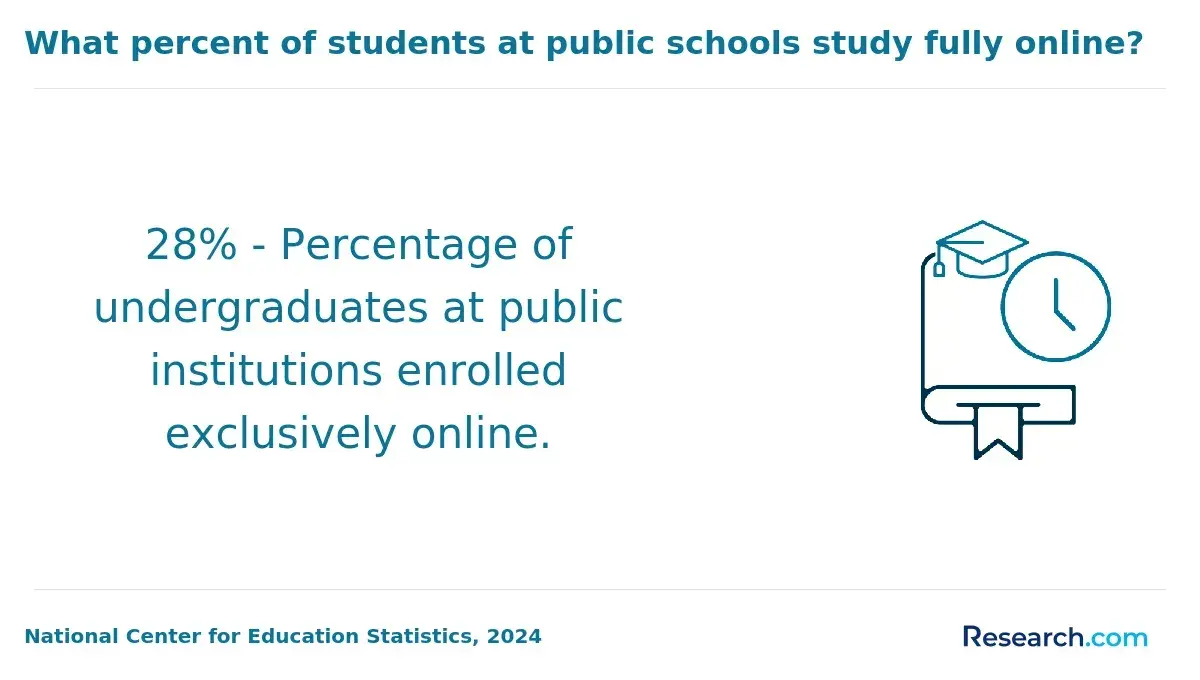
Opting for online legal studies programs versus on-campus alternatives introduces consequential differences, especially for returning adult students balancing work and family commitments. While online options offer scheduling flexibility critical for these learners, tuition costs reveal clear tradeoffs: in 2024, public institutions charged between $250 and $296 per credit in-state and $554 and $600 per credit out-of-state for online bachelor's legal studies programs, making them more accessible than their on-campus counterparts.
Yet flexible legal studies degree options for returning adult students often come with practical limitations. On-campus formats provide immediate access to internships, physical legal research resources, and face-to-face mentorship—elements that frequently sway employer preferences, particularly in larger law firms.
By contrast, online programs commonly emphasize asynchronous learning and virtual simulations, which can delay hands-on proficiency essential for roles like paralegals transitioning into litigation support. Students must scrutinize if experiential components meet specific court or firm standards to maintain employability.
Employer acceptance varies: bigger law firms still lean toward traditional campus credentials due to networking advantages, while mid-size firms and corporate legal departments increasingly value demonstrated skills over the mode of delivery. Adult learners also need to navigate challenges such as time zone differences and limited peer collaboration inherent in online formats.
Those exploring legal studies pathways might consider comparison points with criminal justice majors, who face similar tuition and format considerations in workforce integration.
What admission requirements do online legal studies programs typically have for returning adults?
Admission criteria for online legal studies programs for adult learners prioritize prior academic work and demonstrated ability to manage complex demands alongside professional responsibilities.
Returning adults applying to online legal studies degrees typically must present at least 24 to 30 transferable college credits, official transcripts, and a targeted personal statement emphasizing their career trajectory. Letters of recommendation that address academic rigor and professional growth improve a candidate's profile, while many programs waive standardized tests like the GRE or SAT for applicants with substantial college experience or relevant work history.
Transfer credits evaluation is a significant practical barrier, as many students use legal studies online as a stepping stone toward earning a Juris Doctor degree. The American Bar Association permits up to 50% of JD credits—approximately 45 in a standard 90-credit curriculum—to be completed via distance learning, enhancing transferable value.
Students should prepare by securing thorough credit assessments and academic advising to avoid redundant or misaligned coursework that can prolong degree completion timelines.
Admissions logistics are further complicated by the need to balance rigid program schedules with work and family obligations. Programs featuring rolling admissions and flexible start dates mitigate these hurdles. For working professionals pivoting careers, submitting a resume that highlights legal-adjacent experience—even outside strictly legal roles—can strengthen applications.
Prospective students should also review financial documentation requirements carefully, particularly when balancing educational investment against ongoing responsibilities.
For individuals comparing alternative pathways, understanding the timeframe is crucial. For example, those simultaneously exploring options related to law or allied fields may want context on similar program durations, such as "How long does it take to study architecture?" to gauge commitment and planning.
How long does an online legal studies degree take and what does it cost?
Choosing an online legal studies degree requires balancing time, cost, and career outcomes amid shifting employer preferences. Employers increasingly favor candidates with bachelor's credentials or specialized certifications, pushing many to consider accelerated bachelor's programs despite their higher intensity.
For instance, professionals aiming for paralegal or compliance roles often weigh whether to pursue a two-year associate degree for quicker entry or invest up to four years in a bachelor's degree to access broader advancement and wage growth.
Completion timelines vary significantly: full-time associate degrees typically require about two years, while bachelor's degrees extend to four years, with accelerated options compressing that to 18-24 months for motivated learners leveraging transfer credits. Part-time study, common among working adults, can lengthen completion beyond four years, trading off immediate affordability against delayed employment gains.
Cost differences remain substantial. Public in-state tuition for bachelor's programs can range from $5,000 to $15,000 annually, while private institutions often exceed $20,000 per year. Many students rely on employer tuition assistance or scholarships to reduce net expenses substantially. Evaluating total investment against prospective salary and hiring requirements is crucial.
In 2025, over 174 online legal studies degree options worldwide reflected growing accessibility and employer demand for scalable legal education. Understanding these dynamics helps professionals align educational choices with realistic workforce entry timelines and long-term career strategy.
What courses and concentrations are usually offered in online legal studies programs?
Online legal studies programs serve distinct workforce needs by balancing core foundational knowledge with specialized tracks that align tightly with specific job markets. Candidates targeting corporate compliance roles typically emphasize administrative law, ethics, and regulatory frameworks found in business law concentrations, reflecting employer demand for niche expertise over broad legal theory.
Meanwhile, those pursuing criminal justice pathways focus on criminal procedure, corrections, and investigative methods, which better prepare them for roles in government agencies or law enforcement.
Practical training—such as case analysis, legal writing, and internships—is essential for meeting employer expectations that graduates be job-ready from day one, particularly in paralegal or legal assistant positions where median wages start around $48,500 but can grow with experience and specialization.
However, selecting a concentration requires weighing tradeoffs, as the difference in median salary between legal occupations ($105,690) and adjacent roles highlights the premium placed on accreditation, program rigor, and skill relevance.
Decision-makers must align curriculum focus with tangible employment outcomes, factoring in real-world workforce demand and the legal field's salary stratifications. Legal studies programs that simply cover general legal principles provide less return compared to those with clear employment pathways and recognized credentials, which are critical for both immediate placement and eligibility for advanced studies.
What careers can you pursue with an online legal studies degree?
Online legal studies degrees primarily serve candidates aiming for practical roles that require legal knowledge without the full jurisdictional authority of a juris doctor. Common employment outcomes include paralegal and legal assistant positions, where meticulous document handling and procedural comprehension are critical.
Graduates may also enter corporate compliance fields, navigating regulatory landscapes without practicing law, or specialize as title examiners and real estate legal professionals, focusing on property and contract law nuances.
Legal studies graduates often find roles in governmental agencies managing policy enforcement, case documentation, or administrative hearings. Opportunities also exist in insurance claims adjusting and human resources compliance, areas that rely on understanding legal frameworks but do not necessitate legal representation capabilities.
Employers value candidates combining applied legal knowledge with operational efficiency. Still, upward mobility often hinges on certifications—paralegals benefit from credentialing, while compliance officers require sector-specific expertise, especially in finance or healthcare regulations.
Programs designed for working adults typically range from one to four years, with students dedicating 15 to 35 hours weekly. This pacing aligns with the balance many learners maintain between employment and education, enabling steady progression in competitive yet accessible career tracks.
Prospective students must evaluate the distinction between roles centered on legal application versus law practice, as this impacts credentialing needs, salary trajectories, and long-term career flexibility.
What salary ranges and earning potential are common for legal studies graduates?
Graduates in legal studies face a salary range influenced heavily by role, geography, and certification. Entry-level positions like legal assistants or paralegals typically start between $40,000 and $50,000, particularly in smaller markets or non-profit sectors. Mid-level roles within corporate legal departments, government agencies, or larger firms often offer salaries from $60,000 to $75,000, reflecting increased responsibility and experience.
Employers increasingly expect not just academic credentials but also relevant certifications, especially for paralegals and specialized legal roles such as intellectual property or regulatory affairs. These certifications can significantly affect compensation and career trajectory.
Location plays a decisive role; legal support roles in metropolitan areas usually command wages 10-20% higher than those in smaller towns. Additionally, private sector roles may include bonuses and profit-sharing opportunities, unlike many government positions that tend to provide steadier but comparatively lower salaries.
Data comparing online versus traditional programs reveal comparable employment outcomes, suggesting that mode of program delivery does not markedly impact salary prospects. However, prospective students should weigh employer expectations for experience and certification as critical factors beyond degree attainment.
Do legal studies graduates need licenses or certifications for common legal support roles?
Most legal support roles—such as paralegals, legal assistants, and compliance clerks—do not require formal licenses or certifications. Employers typically prioritize demonstrated skills, relevant experience, and sometimes employer-led training over official credentials. However, specialized positions like court reporters, certified paralegals, and legal transcriptionists often mandate passing professional exams from organizations such as NALA or NFPA.
Without these certifications, graduates risk limiting their job prospects and earning potential, especially in competitive urban markets where credential benchmarks influence hiring and wages.
In sectors subject to heavy regulation, including corporate compliance and real estate law, certification functions as a trusted signal of validated expertise, reducing onboarding costs and improving candidate viability. Students pursuing online legal studies should critically evaluate the certification requirements tied to their target roles, considering the additional costs and preparation time beyond degree completion.
Key practical considerations include:
- Direct entry roles versus certified positions: Choosing immediate employment may save time but restrict upward mobility.
- Financial aid availability: With 86% of first-time, full-time legal studies undergraduates receiving aid, credential expenses can be manageable.
- Labor market geography: Urban employers often favor credentialed candidates, influencing career trajectory.
Gathering role-specific job data and industry expectations is essential before deciding to forgo or pursue professional certification beyond a legal studies degree.
How can adults returning to college choose a reputable online legal studies program?
Adults pursuing a return to college should focus on accredited legal studies programs that directly address evolving workforce demands, particularly in legal support roles involving e-discovery and legal technologies. The U.S. Bureau of Labor Statistics projects a 7% growth in these fields between 2023 and 2033, emphasizing the value of programs emphasizing practical skills with current legal software and workflows.
For instance, a working professional transitioning into legal tech support gains significantly more by enrolling in programs offering internships or practicum experiences with law firms or tech providers, rather than solely theoretical curricula.
In evaluating such programs, it is critical to examine more than just completion rates; compare job placement data from credible institutional or third-party sources to verify outcomes.
Flexibility in course delivery is another key factor, as asynchronous formats that maintain access to faculty and career advising can substantially reduce dropout rates for adults balancing work and family. However, accelerated programs may limit depth, an important tradeoff when preparing for complex regulatory or compliance roles.
Transfer credit policies and availability of prerequisite courses further impact adult learners, especially those entering legal studies without prior legal education. Programs offering structured pathways to foundational knowledge minimize costly delays and promote smoother progression. Prioritizing programs aligned with real-world employer expectations, verifiable career outcomes, and adult learner logistics ultimately anchors a sound educational investment.
Other Things You Should Know About Legal Studies
Online legal studies degrees can support a quicker transition into paralegal roles if the program includes specific paralegal training and industry-aligned coursework. However, not all programs prioritize this practical focus, so students must scrutinize the curriculum for applied legal skills, internship options, and certification preparation. Those seeking rapid employment should prioritize programs with strong employer connections and hands-on components rather than purely theoretical courses.
The workload in online legal studies programs varies but typically demands consistent weekly time commitments comparable to on-campus programs. For working adults, asynchronous courses offer flexibility, yet the depth of reading, case study analysis, and writing assignments often requires disciplined time management. Choosing programs with modular structures and clear deadlines helps balance work, study, and personal life without extended delays in graduation.
Look for institutional accreditation from a U.S. Department of Education-recognized agency, such as a regional accreditor, and confirm whether the college’s paralegal program follows ABA guidelines. If you want eligibility for federal aid, the school must also participate in Title IV financial aid programs.
References
- Online Bachelor's Degree: Legal Studies https://www.umgc.edu/online-degrees/bachelors/legal-studies
- Career Path - Legal Support Roles https://www.legalstudies.com/career-paths/legal-support-roles/
- How to start studying law in Canada: Law school enrollment guide https://www.canadianlawyermag.com/resources/legal-education/how-to-start-studying-law-in-canada-law-school-enrollment-guide/392938
- Paralegal vs. Lawyer: Legal Studies & Programs Explained https://www.allcriminaljusticeschools.com/blog/paralegal-vs-legal-studies/
- What Are the Benefits of Online Education for Adult Learners? https://www.straighterline.com/blog/self-paced-what-are-the-benefits-of-online-education-for-adult-learners
- BA in Legal Studies https://www.umassglobal.edu/academic-programs/ba-legal-studies
- Five potential jobs after finishing your legal services course - MM Legal College https://www.mmlegalcollege.com.au/jobs-legal-services-course/
- Pros and Cons of Getting a Legal Degree Online https://onlinemasteroflegalstudies.com/mls-degrees/pros-and-cons-of-online-legal-degrees/
- Law School Rankings by Median Salary https://www.ilrg.com/rankings/law/median
- Online Accredited Legal Training | Study Law With Us https://www.collegalpractice.com/for-students