2027 Online Legal Studies Degrees With Healthcare Law Concentrations

Co-Founder and Chief Data Scientist
Balancing a demanding legal career pivot with ongoing professional responsibilities poses a formidable challenge for many aspiring specialists. Particularly in healthcare law, where regulations shift rapidly and compliance stakes are high, missing coursework or flexible scheduling can delay critical advancement. Data from the National Center for Education Statistics reveals that over 60% of online learners in higher education are adults juggling work and family, underscoring a shift toward demand for adaptable program formats without sacrificing rigor or employer recognition.
This article examines current online legal studies degrees with healthcare law concentrations, spotlighting options that meet the real-world needs of professionals seeking timely, accessible qualifications aligned with evolving industry expectations.
Key Things You Should Know
- Online legal studies degrees with healthcare law concentrations often cost 15-25% less than on-campus equivalents according to NCES, making them accessible but requiring scrutiny of potential gaps in experiential learning critical for compliance roles.
- Employers increasingly demand graduates with verified knowledge of evolving healthcare regulations; a 2024 AHLA workforce survey found 62% prioritize specialized legal backgrounds, pressuring students to select programs with up-to-date curricula and practical case studies.
- Cohort pacing and asynchronous models reduce time-to-degree variance but pose tradeoffs-data from the BLS shows a median 18-month delay to full credentialing when practical internships are insufficient, affecting market entry timing.
What is an online legal studies degree with a healthcare law concentration?
An online legal studies degree with healthcare law specialization addresses a specific employer demand for professionals versed in both legal frameworks and healthcare regulations. Unlike a general legal studies degree, this concentration equips students to tackle real-world issues such as navigating HIPAA compliance, understanding the Affordable Care Act, and managing patient privacy, all within a healthcare context that consumes nearly one-fifth of the U.S. GDP. This dual expertise is vital for roles in hospitals, insurance firms, and government agencies where regulatory complexities directly impact operational risk and audit compliance.
Students undertaking a healthcare law focus must balance interdisciplinary content with dynamic policy updates and state-specific compliance standards. Expectations include analyzing legal cases remotely and drafting regulatory documentation, which demands strong self-motivation typical of online learning environments. Graduates often pursue careers as compliance officers or healthcare policy analysts, positions that require interpreting layered statutes essential to medical law practice.
This pathway offers a pragmatic tradeoff: it narrows job focus compared to broader legal studies but falls short of the broad qualifications a full JD provides. For prospective students exploring financing options aligned with this niche, resources like online interdisciplinary studies degree financial aid can guide thoughtful investment in their education plans.
How do online healthcare law concentrations compare to campus-based legal studies programs?
Choosing between online healthcare law concentrations vs campus legal studies programs hinges on key operational tradeoffs tied to employer expectations and hands-on readiness. Campus-based programs deliver direct access to practicing attorneys and compliance experts, providing live negotiation workshops and simulation labs essential for mastering litigation and enforcement skills demanded by hospital administration and healthcare consulting roles.
In contrast, online programs offer flexibility critical to mid-career professionals who must balance existing healthcare roles while applying legal coursework in real time. This format suits those with strong digital communication abilities and prior healthcare experience but requires heightened self-discipline and misses spontaneous, interactive discussions that cultivate the rapid decision-making essential in handling fraud investigations involving multi-million-dollar recoveries, as documented by the U.S. Department of Health and Human Services Office of Inspector General's recent $3.0 billion recovery report.
Prospective students weighing differences between online and campus-based healthcare law degrees should factor in:
- Campus programs excel in immersive mentorship and practical skill-building aligned with regulated sector demands.
- Online education prioritizes convenience and immediate applicability over real-time peer interaction and networking.
Those eyeing sector roles requiring robust compliance knowledge should also consider broader educational pathways, including exploring the best online associate degree programs in criminal justice, which may complement healthcare law studies by enhancing investigatory competencies.
Are online legal studies degrees with healthcare law specializations accredited and reputable?
Accreditation remains the foundational filter when assessing online legal studies degrees with healthcare law accreditation, but it is not a sole guarantor of program quality or market relevance. Employers in healthcare compliance increasingly demand demonstrated expertise in complex federal regulations such as HIPAA and Medicare policies, alongside practical skills in mitigation of healthcare fraud and bioethical issues. For instance, a compliance officer overseeing a hospital's risk management requires not only theoretical knowledge but also applied understanding of real-time regulatory shifts. Programs labeled as reputable online legal studies programs specializing in healthcare law often vary in faculty experience and curriculum rigor, which directly impacts graduate readiness for such nuanced roles.
Beyond accreditation, critical evaluation metrics include faculty credentials, incorporation of up-to-date legal frameworks, and the presence of experiential learning components tailored to healthcare law. Graduates targeting roles like healthcare compliance analysts or medical and health services managers-jobs projected to grow substantially-must validate their qualifications through tangible outcomes such as employment rates and compatibility with certifications like Certified in Healthcare Compliance. Neglecting these factors risks enrolling in programs misaligned with evolving employer expectations.
Prospective students seeking to pivot or advance strategically in legal studies should cross-reference program offerings with industry feedback and professional standards. Curating this information supports informed decision-making that aligns educational investment with realistic, sector-specific career trajectories. For insights on adjacent pathways, see jobs I can get with a masters in forensic psychology.
What admission requirements do online healthcare law concentration programs typically have?
Admission criteria for online legal studies healthcare law degrees often reflect the need for candidates to balance foundational academic credentials with relevant professional expertise. Applicants typically must hold a bachelor's degree from an accredited institution, frequently in legal studies, health administration, or related fields, with a GPA around 3.0 expected. While some programs demand GRE scores, numerous admit candidates without them if they demonstrate significant experience in healthcare or legal settings, which aligns with hiring preferences for practical knowledge over standardized test performance.
Applicants should prepare to submit detailed professional resumes emphasizing roles in regulatory compliance, healthcare operations, or legal frameworks. Letters of recommendation are most impactful when coming from supervisors or academic mentors capable of vouching for analytical abilities and understanding of healthcare policy. A statement of purpose is generally required and should articulate how the healthcare law concentration supports career objectives like in-house counsel positions or compliance oversight, recognizing that prior legal coursework or a JD may expedite progression but is not mandatory.
International candidates face additional barriers such as demonstrating English proficiency via TOEFL or IELTS and providing credential-evaluated transcripts. Some programs require foundational legal coursework upfront or conditionally. This selective approach corresponds with the workforce reality that medical and health services managers earn a median annual wage of $130,680, incentivizing candidates who integrate legal expertise and healthcare operations knowledge to maximize employment ROI.
For students navigating degree options, comparing prerequisites and admissions demands against career timelines is critical. Those considering foundational undergraduate paths might evaluate online bachelors in animal science as a parallel example of aligning educational investments with practical career outcomes.
How long do online legal studies degrees with healthcare law concentrations usually take?
Completing an online legal studies degree with a healthcare law concentration typically demands a balance between program length and workload intensity, with durations ranging from 18 to 36 months. Full-time tracks compress this to 12-18 months but require 10-15 weekly hours of focused study, which can challenge working professionals managing jobs and family obligations. Part-time options extend up to three years, providing flexibility at the cost of slower progression and potentially delayed labor market re-entry.
The choice between accelerated and extended timelines carries implications for depth of learning and employer perception. Healthcare compliance and policy roles generally expect two to three years of specialized study to ensure proficiency with complex regulations and patient rights. Fast-track formats may expedite credentialing but risk superficial coverage of intricate legal concepts critical for workplace readiness.
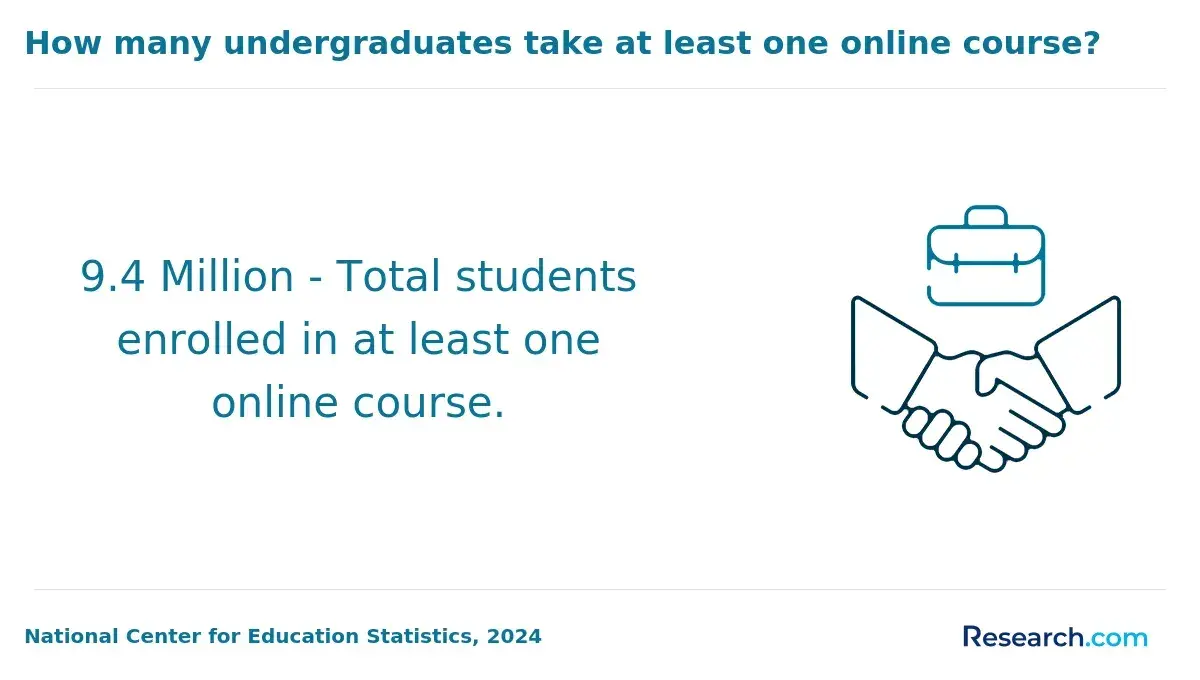
Enrollment data from the National Center for Education Statistics confirms that 76% of U.S. graduate students take at least one online course, reflecting widespread acceptance of asynchronous models. However, balancing synchronous seminars with self-paced deadlines impacts students' ability to sustain steady progress.
Prospective students should carefully evaluate:
- Their weekly availability to consistently allocate study time necessary for shorter programs.
- Additional practicum or capstone requirements that might extend actual program length.
- Program accreditation and reputation, as longer completion often correlates with comprehensive practical preparation.
What core courses and specialized healthcare law topics are covered in these programs?
Core courses in online legal studies with healthcare law focus reflect practical compliance challenges faced by healthcare providers and organizations. These programs prioritize understanding nuanced regulations such as HIPAA's privacy mandates, the Stark Law, and the Anti-Kickback Statute-knowledge essential for mitigating risks in environments like hospitals and insurance firms.
Beyond foundational law, students study specialized areas including healthcare fraud, administrative law, bioethics, and telehealth regulations, equipping them to draft regulatory filings, conduct audits, and advise on reimbursement disputes. For example, grasping HIPAA's detailed requirements enables developing compliance policies tailored to electronic health records, a critical operational need.
The rapid 65% expansion of online master's legal studies programs between 2019 and 2024 corresponds with employer demand for professionals who can navigate healthcare's evolving legal landscape. However, this growth introduces tradeoffs: candidates must evaluate program flexibility against accreditation and curriculum relevance to ensure skills remain actionable amid shifting regulations.
Workforce roles like compliance officers, paralegals, and legal consultants benefit most when graduates blend legal expertise with sector-specific workflows. Employers increasingly expect not just theoretical knowledge but proficiency in practical tools such as internal audit techniques and healthcare transactions competency.
How much do online legal studies degrees with healthcare law concentrations cost?
Cost structures for online legal studies degrees with healthcare law concentrations vary significantly, with per-credit fees ranging from $500 to $900. Liberty University's online Juris Master in Health Law, for example, charges $580 per credit for full-time graduate students in the 2025-2026 academic year, placing it in the more affordable tier of online programs. However, focusing solely on tuition overlooks essential additional costs such as technology fees, textbooks, and licensing exam expenses, which commonly add 10% to 15% beyond base tuition.
For professionals balancing work and education, part-time enrollment offers flexibility but extends the time before leveraging degree-related roles or salary gains. Early pursuit of scholarships and federal aid is advisable since many financial aid options exclude court-adjacent legal certifications. Consider workforce realities:
- Employers increasingly require specialized legal knowledge validated by accredited programs.
- Programs priced approximately between $20,000 and $30,000 in total tuition correlate with mid-career salary growth that offsets educational investment within three to five years.
- Degree formats and institutional prestige can influence how employers perceive credentials in compliance and legal consulting roles.
Choosing programs with transparent, per-credit pricing that aligns with employer recognition helps maximize return on investment. Decision-making should weigh total costs, time commitments, and expected salary trajectories in legal studies careers focused on healthcare compliance and regulation.
What careers can graduates pursue with a legal studies degree focused on healthcare law?
Healthcare law specialists with a legal studies degree face multifaceted challenges demanding both regulatory savvy and sector-specific insight. Navigating frameworks like HIPAA and the Affordable Care Act requires roles such as compliance officers or healthcare consultants to balance risk mitigation with evolving policy demands. For instance, a hospital compliance officer's routine includes creating protocols that prevent legal penalties while handling sensitive patient data-this contrasts with healthcare consultants who advise biotech firms on FDA clinical trial regulations, merging legal knowledge with industry trends.
Employers prioritize applicants with practical skills beyond theoretical knowledge: drafting contracts, resolving medical malpractice disputes, and conducting fraud investigations. Specializing mid-career in niches like bioethics or health IT law can differentiate candidates, especially in organizations focused on corporate governance or product compliance.
Workforce surveys emphasize the growing importance of educational flexibility. By 2024, 89% of online graduate students rated flexible scheduling as "very important," and 74% preferred to stay with online formats, enabling professionals to maintain employment while gaining critical internship or clinical experience. This adaptability is vital when preparing for rapid regulatory changes and technology integration in legal compliance systems.
Successful legal studies graduates in healthcare law often combine legal expertise with complementary skills in healthcare administration or information technology, positioning themselves in roles requiring interdisciplinary agility. Continuous training in digital records and policy updates is non-negotiable to sustain employer competitiveness in this dynamic field.
What salary ranges and job outlook apply to healthcare law-related legal careers?
Healthcare law careers offer a broad pay range from $65,000 to $130,000 annually, reflecting the complex interplay of experience, employer size, and location. Entry roles like compliance officers or legal assistants typically start between $65,000 and $85,000, while seasoned attorneys or compliance directors with expertise in HIPAA, bioethics, or healthcare data privacy exceed $110,000. Metro areas and large systems skew toward upper salary tiers. The Bureau of Labor Statistics anticipates a 7% growth rate for healthcare compliance and legal advisory positions through 2032, outpacing the 5% for general occupations due to escalating regulatory complexity.
Practical competence in managing health data governance, vendor contract negotiation for cybersecurity technology, and interpreting emerging telehealth regulations are decisive for employability. Those without IT security law experience or hands-on compliance skills face significant hiring barriers. Increasing healthcare cybersecurity spending, which topped $17.8 billion recently with a sharp 17% surge since 2022, underscores the demand for legal professionals adept at navigating these evolving requirements.
Students aiming to pivot into healthcare law should focus on acquiring targeted certifications or coursework in healthcare regulation enforcement, privacy law, and technology risk management. Strategic acquisition of these specialized skills is crucial to capitalizing on workforce opportunities and mitigating challenges posed by rapid technological and regulatory change.
How can students choose the best online healthcare law concentration program for their goals?
Programs aligned with the evolving demands of healthcare law must prioritize applied regulatory compliance, privacy, and dispute resolution skills as class action lawsuits in healthcare have surged 32% from 2020 to 2024. Legal professionals working with pharmaceutical companies or insurers face high-stakes litigation scenarios where classroom theory alone falls short; experiential learning such as virtual clinics and negotiation simulations directly correlates with workforce readiness and employer expectations.
Prospective students should focus on program accreditation and faculty with substantive healthcare law practice experience. Those aiming to transition into corporate counsel roles benefit from coursework on healthcare transactions and ethics, while advocacy-oriented professionals require deeper engagement with public health law. Flexibility in delivery-through part-time or asynchronous formats-facilitates practical application for working professionals, making timing and workload significant decision factors.
Employment outcomes must be critically reviewed; transparent graduate placement data with healthcare organizations, law firms, or government agencies provide a realistic gauge of program ROI, especially when balanced against tuition costs and sector salary growth driven by litigation volume. Effective online programs also mitigate common challenges by integrating recent case studies and ensuring robust digital interaction between students and faculty.
- Emphasize practical skills over theoretical knowledge to meet real-world employer demands.
- Prioritize programs demonstrating clear graduate employment in healthcare legal settings.
- Balance flexible study formats against personal and professional constraints to optimize career pivot readiness.
Source: Milliman Research Report on Healthcare Litigation Trends 2024
Other Things You Should Know About Legal Studies
Online legal studies programs focused on healthcare law typically cover key regulatory frameworks such as HIPAA and the Affordable Care Act, which are essential for compliance roles. However, the depth of practical application training varies widely between programs. Students should prioritize programs offering simulated case studies, real-world projects, or internships to build applicable skills, as many employers look for candidates who can navigate compliance beyond theoretical knowledge.
Most programs include healthcare compliance, medical privacy law, health insurance regulation, bioethics, and legal research. Many require 120 credit hours for a bachelor’s degree, with 30 to 36 credits in the major and concentration. Some also add an internship or capstone tied to HIPAA and state healthcare rules.
Employers generally value accreditation and demonstrated competence over delivery format, so a well-recognized online legal studies degree with a healthcare law concentration can be equally competitive. Still, candidates should strengthen their resumes with relevant internships, certifications, or practical experience to offset any lingering bias towards online credentials. Prioritizing programs with strong career services or industry connections enhances employer perception.
References
- Homepage https://onlinemasteroflegalstudies.com/
- Professional LLM in Health Law - Osgoode Professional Development https://osgoodepd.ca/academic-programs/professional-llms/health-law/
- Online Legal Studies Degrees https://www.affordablecollegesonline.org/degrees/best-online-bachelors-in-legal-studies-programs/
- What Can You Do With a Master of Legal Studies? https://onlinemls.law.umkc.edu/articles/what-can-you-do-master-legal-studies/
- What does a Health Care Attorney do? Career Overview, Roles, Jobs | ACC https://jobline.acc.com/career/health-care-attorney
- Top 20 Online Healthcare Law Degree Programs - Healthcare Management Degree Guide https://www.healthcare-management-degree.net/best/top-online-healthcare-law-degree-programs/
- How Long Does It Take to Get a Law Degree Online? - St Francis School of Law https://stfrancislaw.com/blog/how-long-does-it-take-to-get-a-law-degree-online/
- Top 10 Online Masters in Healthcare Law https://legaldegree.org/top-10-online-masters-in-healthcare-law/
- Law Schools & Careers | How To Become A Lawyer https://www.learnhowtobecome.org/lawyer/
- LLM Programs in Health Law / Medical Law - United States https://llm-guide.com/schools/usa/concentration/health-law-medical-law