2027 Legal Studies Roles Growing Fast in Compliance and Regulatory Affairs

Co-Founder and Chief Data Scientist
Facing sudden regulatory shifts, many compliance professionals struggle to match escalating employer demands while managing workload and certification hurdles. For those aiming to break into or move up within compliance and regulatory affairs, access to flexible, accessible education matters deeply. The National Center for Education Statistics reports that in 2024, over 40% of undergraduate enrollments are now in fully online programs, a clear response to adult learners balancing job and family obligations. This trend signals a fundamental shift in how aspiring legal studies students time their education and maintain career momentum amid expanding workforce needs.
Understanding these dynamics, this article explores the fastest-growing legal studies roles in compliance and regulatory affairs, offering targeted guidance for candidates navigating education choices and career trajectories in this evolving market.
Key Things You Should Know
- Compliance and regulatory affairs roles linked to legal studies are expanding at a 12% CAGR through 2030, driven by new federal policies requiring nuanced legal-analytical expertise, stressing accelerated credentialing despite rising certification costs.
- Employers in finance and healthcare prioritize candidates with combined legal studies and data analytics skills, increasing demand but creating tension for programs to balance traditional law curriculum with applied tech training.
- Time-to-employment averages 9 months post-program as many legal studies graduates pursue part-time certifications to meet evolving compliance mandates, raising opportunity costs and necessitating strategic program selection based on sector-specific regulatory complexity.
What are compliance and regulatory affairs jobs in legal studies?
Compliance and regulatory affairs careers in legal studies demand more than policy awareness; they require navigating complex regulatory environments that impact organizational risk and operational strategy. For instance, compliance professionals in finance implement procedures that strictly adhere to Securities and Exchange Commission regulations, while healthcare-focused roles emphasize compliance with HIPAA and FDA mandates. These legal studies roles in compliance and regulatory sectors involve evaluating risk, conducting audits, and producing detailed reports for oversight bodies.
Employers expect candidates to manage compliance programs with precision and to handle regulatory investigations effectively. These positions require ongoing education to stay current with evolving laws and often require certifications like Certified Regulatory Compliance Manager (CRCM) for sustained advancement. The U.S. Bureau of Labor Statistics forecasts a 3% growth rate for compliance officers through 2034, indicating steady but competitive demand with roughly 33,300 openings annually.
Cross-department collaboration is essential, as compliance professionals guide legal, operational, and executive teams through regulatory implications, while regulatory affairs specialists focus on approval processes in fields like pharmaceuticals. Graduates face tradeoffs balancing legal mandates with business objectives, highlighting the need for practical experience gained via internships or sector-specific projects.
Students exploring this path might consider accredited, cost-effective education options such as ABA-approved online paralegal programs that offer foundational legal training relevant to these sectors.
Which legal studies degrees lead to compliance careers?
Degrees that blend legal theory with regulatory application most reliably position graduates for compliance careers, especially amid rising demand in sectors like finance and healthcare. Employers prioritize candidates able to interpret complex statutes and implement governance frameworks over those with only general legal knowledge. Bachelor's degrees focused on compliance, regulatory affairs, or corporate law are among the best legal studies degrees for compliance jobs because they integrate practical regulatory policy with risk management concepts directly applicable to these roles.
Advanced credentials such as an LL.M. in Compliance or Regulatory Law enhance employability by deepening expertise in enforcement mechanisms and ethical standards. These programs emphasize skills critical in real-world compliance work, including audit management, investigative procedures, and program design, reflecting employer demands highlighted by a 37% rise in Singapore's legal compliance job roles despite overall recruitment declines.
Associate degrees in paralegal studies with compliance coursework offer an initial entry point but often require completion of further certifications or hands-on experience to progress into decision-making positions. Notably, degrees concentrated on litigation or criminal law without compliance modules generally do not translate directly to compliance careers, limiting immediate job market access.
Practical obstacles include aligning academic programs with industry-specific regulations and securing internships within compliance teams, where demonstrated regulatory knowledge and communication skills outweigh abstract legal theory. Students evaluating legal studies programs for regulatory affairs careers should also review options like the best online associate degree programs in criminal justice as potential pathways for developing foundational skills.
Choosing degrees that combine legal analysis with applied regulatory content equips graduates to address nuanced risks and evolving compliance challenges across diverse industries.
How do online and campus legal studies programs compare?
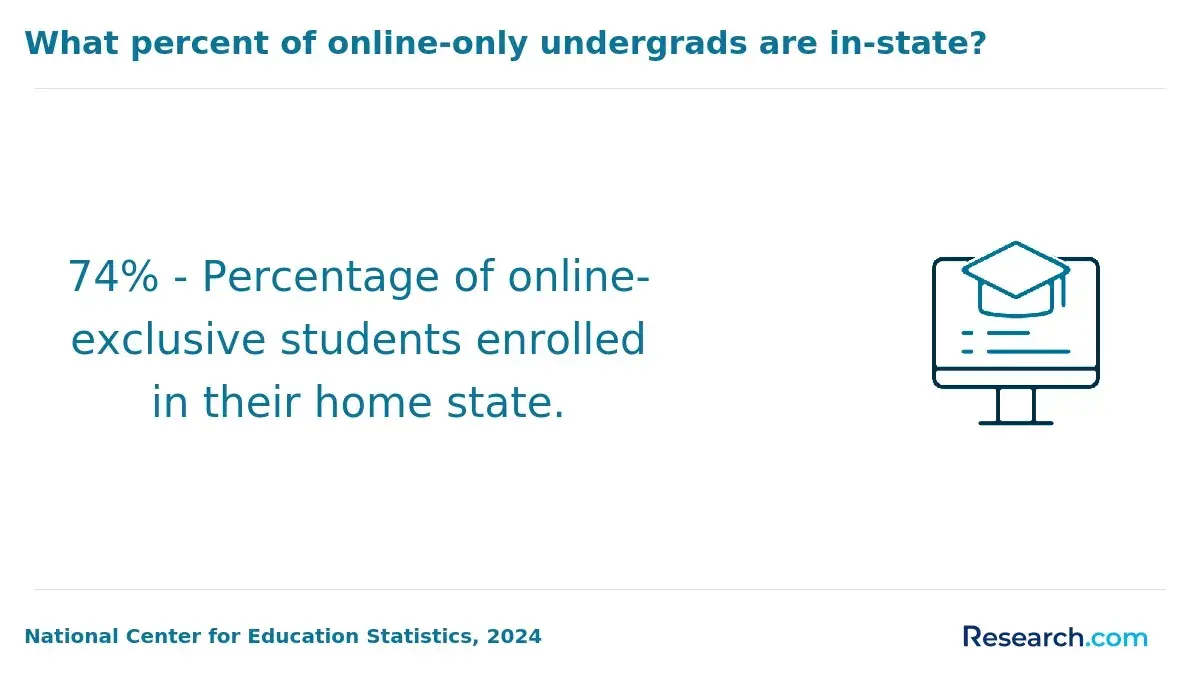
Choosing between online and campus legal studies programs entails weighing the distinct tradeoffs in experience, cost, and employer perceptions that directly affect career outcomes. While online legal studies program benefits include flexibility and reduced expenses-often 10-40% less with no commuting or relocation-these savings may be offset by longer completion times and less direct exposure to hands-on compliance roles.
Campus programs excel in providing immersive, in-person engagement through moot court, legal clinics, and workshops that foster essential collaboration skills. Such programs remain favored by employers in regulated sectors like finance and healthcare, who prioritize applicants demonstrating tangible practical experience and institutional rigor. Conversely, online curricula may integrate virtual simulations and remote internships to partially fill this gap but often lack the immediacy of mentorship and networking vital for some compliance career trajectories.
Career-focused candidates should consider key workforce realities:
- Compliance jobs in cybersecurity value certification-plus-practical skills-areas where online programs can offer direct integration.
- Federal regulatory agencies typically expect graduates from campus programs for entry-level legal analyst roles.
- Choosing programs aligned to employer expectations influences salary trajectory, with compliance officers earning a median $78,420 annually as of May 2024.
For those balancing flexibility and cost while prioritizing job readiness, exploring the cheapest online criminal justice degree options may present viable pathways consistent with targeted industry demands and workflow constraints.
Ultimately, campus versus online legal studies experience should be evaluated in light of targeted roles, personal learning preferences, and the demand for hands-on competence over purely academic credentials.
What accreditation should a legal studies program have?
Choosing a legal studies program requires prioritizing regional accreditation recognized by the U.S. Department of Education to ensure rigorous academic standards and maximum employer acceptance. Employers in regulatory affairs, who manage complex compliance across pharmaceuticals, finance, and environmental law, emphasize degrees that validate both theoretical and practical understanding of legal frameworks. Programs lacking regional accreditation often present significant barriers to career progression due to restricted credit transferability and limited certification eligibility.
National or specialized accreditations, such as ABA approval, can provide targeted credibility but do not substitute regional accreditation necessary for most compliance-related roles. The best accredited legal studies programs in the US tailor curricula to regulatory policies, risk management, and real-world compliance scenarios, which equips graduates to meet the increasing workforce demand-O*NET projects an addition of 94,400 regulatory affairs jobs by 2032.
Prospective students should verify accreditation status through official databases and assess whether experiential learning opportunities align with compliance job requirements. A pragmatic approach includes evaluating how well a program supports career pivots, particularly for professionals aiming at compliance sectors.
Those interested in accelerating degree completion while maintaining cost-effectiveness might consider options like a Spanish degree online as an example of strategic program selection balancing duration and affordability, which can apply analogously to legal studies pathways.
What coursework prepares students for compliance roles?
Compliance roles require an integrated curriculum combining law, risk management, and sector-specific regulation to meet industry demands effectively. Core courses such as administrative law, corporate governance, and ethics form the legal foundation vital to navigating regulatory environments. Specialized coursework in areas like data privacy, healthcare law, or financial services fine-tunes expertise for sectors as varied as technology, banking, and healthcare.
Practical training distinguishes programs equipped to prepare candidates for the complexities of regulatory work. For example, pharmaceutical compliance professionals must master FDA approval processes and Good Manufacturing Practices, which necessitate coursework augmented by simulations or case studies. Without such experiential learning, new graduates face delays in attaining functional autonomy, as employers expect proficiency beyond theory.
Risk assessment and internal controls represent additional critical skill sets. Training in audit methods, corporate risk frameworks, and monitoring systems enables professionals to preempt compliance failures that could trigger costly penalties or reputational harm.
Crucially, business intelligence and data analytics capabilities have become prerequisites; compliance officers must harness technology to interpret evolving regulations and ensure sustained adherence.
Industry compensation reflects these demands. The national median total pay for a Vice President in regulatory affairs is $338,000, according to RAPS cited by Northeastern University, signaling employers' premium on combined legal knowledge and practical risk management.
What admissions requirements do legal studies programs usually ask for?
Admission to legal studies programs often hinges on a combination of academic history and subject-matter relevance, with a typical minimum GPA requirement around 2.5 to 3.0. While standardized tests like the SAT or ACT are commonly requested, some programs waive these for applicants with pertinent work experience or prior postsecondary credits. A targeted personal statement demonstrating an understanding of compliance and regulatory affairs adds critical context, alongside letters of recommendation to confirm a candidate's academic and professional readiness.
Individuals moving from non-legal roles must strategically address gaps in regulatory knowledge. For example, a finance professional aiming to enter healthcare compliance should explicitly document familiarity with healthcare laws or take prerequisite courses in administrative law or corporate governance. These foundational elements shape how admission committees evaluate potential for success in increasingly complex regulatory fields.
Employers in corporate legal sectors have expanded legal role opportunities by nearly 38% over the past decade, creating a competitive environment that demands both specialized credentials and rigorous critical thinking. Non-traditional or part-time programs may offer flexibility around documentation and prior learning, but candidates must weigh this against how admissions requirements signal employability in niche compliance areas.
- Minimum GPA typically ranges between 2.5 and 3.0.
- Standardized test requirements may be waived with relevant experience.
- Personal statements must clarify career objectives in compliance and regulatory affairs.
- Prerequisite coursework can compensate for limited regulatory background.
- Letters of recommendation validate professional and academic readiness.
- Rapid job growth stresses importance of critical thinking and detail orientation.
- Flexible admissions in part-time programs may impact career alignment.
How long does a legal studies degree usually take?
Completing a legal studies degree typically takes four years full-time, aligning with the standard U.S. bachelor's timeline. However, this duration is more than an academic metric; it shapes a graduate's market readiness and timing to enter specialized fields like compliance and regulatory affairs. Part-time students or professionals balancing jobs may extend completion to five or six years, which can delay career pivots or entry into roles where timely expertise is crucial.
Accelerated or hybrid formats condense studies into two to three years for experienced professionals, but these demand rigorous time management and focus. Such programs often target applied knowledge areas valued in roles where legal insight supports strategic risk management. Starting salaries for general counsel positions, for example, range between $222,750 and $270,500 according to Robert Half's 2026 projections, reflecting premium compensation for combined legal and compliance expertise.
Key decision factors include prerequisites, elective availability, and internship opportunities embedded in curricula that influence practical experience and placement success. Adding certifications can extend study by one to two years but may yield better employer alignment and long-term returns. Conversely, students who delay degree completion risk missing windows shaped by evolving regulatory complexity in industries like finance, healthcare, and technology.
Prospective students evaluating legal studies paths must weigh opportunity costs against immediate workforce demands, recognizing that earlier exposure to real-world environments often correlates with more strategic hiring outcomes and higher initial earning potential.
What certifications help in compliance and regulatory affairs?
Choosing between broadly scoped and niche compliance certifications directly shapes career trajectories and market mobility in legal and regulatory fields. The Certified Compliance & Ethics Professional (CCEP) credential offers a wide-ranging framework suited for multiple industries, such as financial services, healthcare, and manufacturing, focusing on ethics governance. In contrast, the Certified Regulatory Compliance Manager (CRCM) confines its focus primarily to banking compliance and operational risk, appealing to specialists in the financial sector where regulatory adherence is highly technical and localized.
Compliance roles connected to environmental governance highlight a rising sector trend where certified expertise in ESG frameworks matters increasingly. For example, Singapore's Green Plan 2030 has catalyzed a 5% growth in sustainability-related compliance positions, underscoring how macro policy shifts can affect demand for compliance professionals fluent in environmental, social, and governance standards.
- Healthcare compliance candidates frequently pursue Certified in Healthcare Compliance (CHC) credentials, addressing medical regulation complexities.
- Information security compliance professionals often rely on Certified Information Privacy Professional (CIPP) or Certified Information Systems Auditor (CISA) credentials to navigate data protection mandates.
However, pursuing credentials without corresponding practical experience risks signaling theoretical knowledge without operational competence. Employers seek verifiable regulatory skills and adaptability across evolving frameworks.
Tradeoffs include time and cost investments against credential recognition within the participant's target industry. Over-specialization, such as an exclusive banking focus via CRCM, may confine opportunities to narrowly defined sectors, whereas a broader certification like CCEP can enhance lateral mobility across industries. Integrating directed credentialing with real-world legal studies coursework or applicable job experience often yields the strongest employment outcomes when navigating compliance and legal studies roles.
What jobs can legal studies graduates get in compliance?
Compliance roles for legal studies graduates require fluency in industry-specific regulations and the ability to implement internal controls that effectively mitigate risk. For example, healthcare compliance analysts must ensure conformity with HIPAA and FDA mandates, while finance professionals focus on SEC and FINRA rules. The workforce data underscores that nearly three-quarters of regulatory specialists operate within regulated industries, reflecting persistent demand driven by growing complexity.
Differences across sectors mean candidates face unique compliance challenges-from manufacturing to technology and environmental fields-making specialized legal coursework essential. Employers expect mastery not only of regulatory law but also practical skills in compliance software and auditing, often necessitating supplemental certifications alongside degrees.
Key hurdles include keeping pace with evolving regulations and translating legal requirements into actionable guidance for non-legal teams. Maintaining relevant expertise demands ongoing education, especially for those aiming for federal or state regulatory positions, where familiarity with administrative law offers a competitive edge.
New graduates should consider:
- Securing 1-3 years of industry experience through internships or cooperative education to meet entry-level benchmarks
- Balancing legal theory with operational knowledge to navigate complex compliance environments
- Preparing for frequent updates in regulatory frameworks requiring adaptability and communication skills
What salary and job outlook do compliance roles offer?
The compensation range for compliance roles in 2026, notably for legal operations specialists, sits between $74,750 and $99,500, reflecting the sector's rising complexity and regulatory scrutiny. This range varies partly because employers demand a dual skill set: substantive legal knowledge paired with operational management capabilities. Candidates who combine hands-on compliance certifications with experience in cross-departmental risk assessments gain a meaningful advantage in hiring processes.
Compliance roles differ significantly by industry, influenced by sector-specific regulations and operational priorities. For instance:
- Finance compliance officers focus on detecting fraudulent transactions and require strong analytical skills alongside effective collaboration with auditors and IT.
- Healthcare compliance specialists prioritize adherence to HIPAA rules and patient data protections, demanding ongoing adaptation to shifting federal health policies.
Regulatory affairs career growth is propelled by expanding government oversight and evolving governance standards, with the U.S. Bureau of Labor Statistics projecting above-average role growth. Hiring increasingly favors professionals equipped with practical legal frameworks, even those without traditional law degrees, emphasizing adaptability and risk mitigation outcomes.
Mid-career pivots into compliance from legal studies backgrounds often yield stronger salary growth and job stability but require continuous certification and familiarity with dynamic laws. Practical attention to this ongoing learning is critical for maintaining relevance across industries like finance, healthcare, and technology.
Other Things You Should Know About Legal Studies
Yes. Many compliance and regulatory affairs employers run criminal, employment, and education background checks before hiring. Roles in banking, healthcare, and government contracting may also require fingerprinting, sanctions screening, or a security clearance review under employer policy or federal rules.
Choosing a legal studies program with a specialized compliance track provides focused training that aligns more closely with employer needs in regulatory fields. However, broader degrees may offer wider career mobility beyond compliance if students anticipate shifting roles or industries. Prospective students must assess their commitment to compliance long-term versus their desire for versatile legal foundations when selecting a program.
Yes, employers value candidates who supplement legal studies with skills in data analysis, risk management, or information technology, as these enhance compliance capabilities. Candidates with interdisciplinary expertise are better equipped to navigate complex regulatory environments, making them more competitive. Students should consider acquiring complementary skills alongside their legal studies to meet evolving employer expectations.
References
- Master's in Legal Studies: Career Paths, Salary, and Opportunities Beyond Law https://www.strideu.org/blog/masters-in-legal-studies-career-paths-salary-and-opportunities-beyond-law
- How to Upskill for High-Demand Compliance Careers https://www.collegesoflaw.edu/blog/2025/11/24/compliance-careers-mblt-degree/
- Pros and Cons of Getting a Legal Degree Online https://onlinemasteroflegalstudies.com/mls-degrees/pros-and-cons-of-online-legal-degrees/
- What Are the Job Prospects for Recent Law Graduates in Compliance? - Redstone Search https://redstonesearch.com/job-prospects-for-law-graduates-in-compliance/
- How to Become a Compliance Officer | Accounting.com https://www.accounting.com/careers/compliance-officer/how-to-become/
- Articles | Regulatory Jobs https://regulatoryjobs.com/articles/top-regulatory-affairs-certifications
- Head of Legal, Compliance & Regulatory – Head Agent https://www.headagent.se/showcase-jobs/3259-head-of-legal-compliance-regulatory/
- Regulatory Legal Jobs – Compliance & ESG | Larson Maddox https://www.larsonmaddox.com/en-us/jobs/s-regulatory
- Admission criteria/entry requirements | LLM GUIDE https://llm-guide.com/board/general-forum/admission-criteria-entry-requirements-202990
- Legal, Corporate Affairs & Compliance | Barilla Group https://jobs.barillagroup.com/go/Legal%2C-Corporate-Affairs-&-Compliance/9527101/