2027 Best Online Bachelor's in Game Programming and Development at Accredited U.S. Universities

Co-Founder and Chief Data Scientist
Choosing an online game programming degree is really a choice about cost, credibility, portfolio quality, and career fit. U. S. video game consumer spending reached $58.7 billion in 2024, according to the Entertainment Software Association, but competition for game jobs remains intense. This guide is for students comparing accredited U. S. universities, career changers, transfer students, and parents evaluating value. You will learn what these programs teach, how online formats work, what accreditation matters, what graduates can do, and how to choose a program that supports a real career plan.
Key Things You Should Know
- The "best" online bachelor's in game programming and development should be regionally accredited, portfolio-driven, transfer-friendly, and aligned with technical roles such as gameplay programmer, software developer, tools programmer, QA analyst, or technical designer.
- Cost varies widely: College Board's 2024 data put average published tuition and fees at $11,610 for in-state public four-year colleges and $43,350 for private nonprofit four-year colleges, before grants, scholarships, and transfer credits.
- The strongest salary benchmark is broader software work, not game-only hiring: the BLS reported a 2024 median annual wage of $133,080 for software developers, while game-specific outcomes depend heavily on portfolio strength, location, studio size, and experience.
What is an online bachelor's in game programming and development and who is it for?
An online bachelor's in game programming and development is a four-year undergraduate degree focused on the technical side of building interactive games and real-time digital experiences. Depending on the university, the degree may be called game programming, game development, game software development, interactive media, simulation and game design, computer science with a game concentration, or digital game development.
The core difference between this degree and a general game design degree is the level of coding and systems work. Programming-focused programs usually emphasize languages such as C++, C#, Java, or Python; game engines such as Unity or Unreal Engine; algorithms; physics; artificial intelligence for games; networking; debugging; and collaborative production pipelines. Design-focused programs may spend more time on storytelling, level design, user experience, art direction, and game mechanics.
This degree is usually a strong fit for students who want to build playable systems rather than only conceptualize game ideas. It can also serve students interested in simulation, virtual reality, augmented reality, training software, educational technology, serious games, defense simulation, healthcare visualization, or interactive media.
Before enrolling, it helps to be honest about your preferred work style. Students who enjoy structured problem-solving, mathematics, coding practice, version control, and iterative testing tend to be better matched to game programming than students who mainly want to write stories or create visual art. Those students may be better served by game art, animation, interaction design, or digital media programs.
A practical way to understand the options is to compare the degree title against the career it is designed to support. The table below summarizes common undergraduate pathways and when each may make sense.
| Program type | Typical focus | Best fit | Watch for |
| Game programming or game software development | Coding, engines, gameplay systems, debugging, math, tools | Students aiming for technical game or software roles | Programs that are too light on computer science fundamentals |
| Game design | Mechanics, levels, story, player experience, prototyping | Students interested in design documents, playtesting, and creative systems | Assuming design programs automatically prepare students for programming jobs |
| Computer science with game concentration | Broad CS foundation plus game electives | Students who want flexibility across software, games, and tech | Fewer portfolio-specific game production courses |
| Interactive media or digital media | Multimedia production, UX, web, animation, interaction | Students interested in creative technology beyond games | Insufficient depth for engine or systems programming roles |
For most students, the safest choice is a program that combines solid computer science foundations with a sequence of game-specific projects. A portfolio of finished, playable work often matters as much as the diploma when applying for internships and entry-level roles.
How do online game programming and development degrees compare to campus-based programs?
Online and campus-based game development degrees can lead to similar credentials when they are offered by accredited U.S. institutions, but the learning experience can feel very different. The best online programs are not simply recorded lectures; they include structured projects, code reviews, engine-based labs, team collaboration, faculty feedback, and portfolio milestones.
Online learning can be especially useful for students who work, live far from a university, have family responsibilities, or want access to a specialized program without relocating. However, students must be comfortable troubleshooting software, managing deadlines, and communicating frequently in virtual production teams. Game development is collaborative, so a weak online program that lacks team-based production can leave graduates underprepared.
The table below shows how the two formats usually compare. Use it to decide which environment fits your schedule, learning style, and need for in-person networking.
| Factor | Online bachelor's program | Campus-based program | Decision point |
| Schedule | Often asynchronous or evening-friendly | More fixed class and lab times | Online is better for working adults; campus may be better for students who need external structure |
| Collaboration | Uses Git, Discord, LMS tools, video meetings, and virtual sprints | Offers in-person studios, labs, and live playtesting | Ask how often students complete team projects, not just individual assignments |
| Equipment | Requires a capable computer and reliable internet | May provide access to labs, VR equipment, mocap spaces, or testing rooms | Online students should budget for hardware and software needs |
| Networking | Depends on virtual events, alumni groups, faculty access, and career services | May offer more local studio visits and in-person showcases | Check whether online students get equal access to career support |
| Portfolio development | Can be strong if courses require playable builds and public-facing projects | Can be strong if labs and studios support production | Format matters less than the quality of completed work |
Students comparing different online fields can use similar evaluation criteria. For example, many library science degrees online are judged by accreditation, faculty access, internship options, and career alignment; game development programs should be reviewed with the same attention to practical outcomes and professional preparation.
Online programs are not automatically easier or less rigorous. In many cases, they require more self-direction because students must install tools, solve setup issues, track milestones, and document their work independently. If you need frequent in-person coaching or access to specialized equipment, a campus or hybrid program may be a better fit.
What accreditation should online game programming and development programs have in the United States?
Accreditation is one of the most important filters when choosing an online bachelor's in game programming and development. In the United States, accreditation affects credit transfer, federal financial aid eligibility, graduate school options, and employer trust. A program may sound exciting, but if the institution is not properly accredited, the degree may create problems later.
The first requirement is institutional accreditation from an agency recognized by the U.S. Department of Education or the Council for Higher Education Accreditation. Most reputable U.S. universities hold regional institutional accreditation, although the federal system now recognizes institutional accreditors rather than using the old regional-versus-national hierarchy as the main distinction.
Programmatic accreditation is different. Some computer science-related programs may hold ABET accreditation, which can be valuable for programs with a strong computing or engineering orientation. However, many legitimate game development degrees do not have ABET accreditation because game programs often sit in media, arts, design, or technology departments. Lack of ABET accreditation is not automatically a red flag, but lack of institutional accreditation is.
Before applying, students should verify several items directly rather than relying only on marketing pages. These checks help reduce the risk of enrolling in a program that will not support transfer, aid, or employment goals.
- Confirm the university's institutional accreditation through the U.S. Department of Education's Database of Accredited Postsecondary Institutions and Programs or CHEA's directory.
- Check whether the online program is authorized to enroll students in your state, especially if you live outside the university's home state.
- Ask whether the degree name on the transcript matches the advertised online program and whether online students receive the same credential as campus students.
- Review transfer-credit policies before enrolling, including limits on community college credits, prior learning, military training, and previous programming courses.
- If you plan to attend graduate school later, ask whether graduates have been admitted to computer science, interactive media, or related master's programs.
Game programming is not a licensed profession in the way nursing, teaching, or engineering can be. Still, accreditation matters because it protects academic legitimacy. It also gives students access to federal financial aid if the school participates in Title IV programs.
What courses and skills are taught in an online game programming and development curriculum?
A strong online game programming and development curriculum should teach both software engineering fundamentals and game-specific production skills. Students should graduate with more than isolated assignments; they should have a portfolio that shows playable games, clean code, teamwork, documentation, and the ability to solve technical problems.
The curriculum usually becomes more specialized over time. Early courses build the programming and math foundation, while upper-division courses focus on engines, systems, multiplayer, AI behavior, optimization, and capstone production. The table below explains the major learning areas and why they matter for career preparation.
| Curriculum area | What students learn | Why it matters |
| Programming foundations | Variables, data structures, object-oriented programming, algorithms, debugging | Supports gameplay coding, tools development, and broader software roles |
| Game engines | Unity, Unreal Engine, scripting, asset integration, build pipelines | Prepares students to work with common industry production environments |
| Mathematics and physics | Linear algebra, vectors, collision, motion, simulation, probability | Helps with movement, camera systems, physics-based mechanics, and optimization |
| Game AI and behavior | Pathfinding, decision trees, state machines, procedural systems | Supports enemy behavior, NPC systems, adaptive gameplay, and simulation |
| Software engineering | Version control, testing, code review, architecture, documentation | Shows employers that students can work in teams and maintain code |
| Production and capstone | Agile methods, milestones, playtesting, publishing, postmortems | Turns coursework into portfolio evidence |
Artificial intelligence is also changing the field, but students should treat AI tools as support rather than a substitute for technical competence. Generative AI can assist with prototyping, dialogue drafts, asset iteration, and code suggestions, while employers still need people who can evaluate output, fix bugs, optimize performance, and understand intellectual property concerns. Students interested in deeper machine learning or AI engineering may want to compare this path with an AI degree, especially if they want roles beyond games.
Students should look for courses that require original work and iterative feedback. A program that only teaches engine tutorials without deeper programming, architecture, and production practice may not be enough for competitive technical roles.
The most valuable skills to build during the degree are practical and demonstrable. Students should prioritize the following outcomes while they study.
- Build at least three polished portfolio projects, including one team project and one technically ambitious project that demonstrates systems thinking.
- Use version control consistently so employers can see commit history, collaboration habits, and code organization.
- Document design and programming decisions through README files, technical breakdowns, postmortems, and short demo videos.
- Learn to profile and optimize performance rather than only making features work in ideal conditions.
- Practice communicating with artists, designers, producers, and QA testers, because game development depends on cross-functional collaboration.
What admission requirements and prerequisites do online game development bachelor's programs have?
Admission requirements for online bachelor's in game development programs vary by institution, but most accredited U.S. universities use standard undergraduate criteria. First-year applicants typically need a high school diploma or equivalent, transcripts, an application form, and sometimes a personal statement. Test scores may be optional, depending on the school.
Transfer applicants usually submit college transcripts and may need a minimum GPA. Many online students enter with community college credits, prior computer science coursework, military education, or previous college experience. Transfer policy can have a major effect on cost and time to graduation, so it is worth reviewing before applying.
Not every program requires a portfolio for admission, but some design-heavy or competitive programs may request one. Programming-focused bachelor's programs are more likely to expect readiness in math and computing than polished art samples. Students who lack coding experience can still qualify for many programs, but they should check whether the curriculum starts with beginner programming or assumes prior knowledge.
Common application and readiness factors include several academic and technical items. Reviewing them early helps students avoid being admitted into a program that does not match their preparation level.
- High school diploma, GED, or equivalent credential for first-year admission.
- Official transcripts from high school and all previously attended colleges.
- Minimum GPA requirement, which varies by institution and may differ for transfer students.
- College algebra, precalculus, or other math readiness expectations for programming-heavy tracks.
- Introductory programming experience or placement into a beginner coding course.
- Computer hardware that can run required engines, development tools, and collaboration software.
- Possible portfolio, essay, or statement of purpose for programs with selective or creative admission.
A common mistake is choosing a program because the game screenshots look impressive without checking whether incoming students receive enough support in coding and math. If you are new to programming, ask whether tutoring, bridge courses, bootcamp-style refreshers, or early diagnostic assessments are available.

How long does it take to earn an online bachelor's in game programming and development?
Most online bachelor's degrees in game programming and development require about 120 credits, which generally equals four years of full-time study for first-time college students. However, online learners often follow more flexible timelines because many are transfer students or working adults.
The timeline depends on course load, transfer credits, academic calendar, and whether the program uses traditional semesters, accelerated terms, or competency-based pacing. The table below summarizes common paths and the trade-offs students should consider.
| Student path | Typical time frame | Best for | Main trade-off |
| Full-time first-year student | About four years | Students who can take a standard course load each term | Less flexibility for full-time work |
| Transfer student with an associate degree | About two to three years | Students with completed general education and lower-division credits | Some credits may not apply to the major |
| Part-time online student | Often five to six years or more | Working adults and caregivers | Lower term-by-term workload but longer time to completion |
| Accelerated online student | Potentially under four years | Students with strong preparation and available study time | Fast pacing can reduce time for portfolio polish |
Accelerated programs can be appealing, but speed is not always the best measure of value. In game development, students need time to build, test, revise, and polish projects. A faster timeline may reduce opportunity for internships, game jams, collaborative production, and portfolio refinement.
Students trying to shorten the degree should take a careful, step-by-step approach. The goal is to reduce unnecessary credits without weakening technical preparation.
- Request an unofficial transfer evaluation before committing to a program.
- Ask which credits apply to general education, electives, and major requirements rather than only asking how many credits transfer.
- Prioritize prerequisite sequencing because programming, math, and engine courses may need to be taken in order.
- Consider summer courses for general education or electives, but avoid overloading during project-heavy game production terms.
- Build portfolio work continuously instead of waiting for the final capstone.
How much do online game programming and development degrees cost, and what financial aid is available?
The cost of an online bachelor's in game programming and development depends on tuition, fees, transfer credits, residency status, technology requirements, course materials, and time to completion. Students should compare total program cost rather than only the per-credit rate because a cheaper per-credit program can become more expensive if fewer credits transfer.
Recent national pricing data can help students evaluate whether a quoted tuition rate is unusually high or low. College Board's 2024 Trends in College Pricing data reported the following average published tuition and fees for full-time undergraduates before aid.
- $11,610 for in-state students at public four-year institutions in 2024-25.
- $30,780 for out-of-state students at public four-year institutions in 2024-25.
- $43,350 for students at private nonprofit four-year institutions in 2024-25.
- $7,395 was the maximum Federal Pell Grant for the 2024-25 award year for eligible students.
These figures are benchmarks, not program quotes. Online tuition may be lower, similar, or higher than campus tuition depending on the university. Some public universities charge all online students the same rate regardless of residency, while others use in-state and out-of-state pricing. Private nonprofit universities can be expensive before aid but may offer institutional scholarships that lower the net price.
Students should also budget for indirect costs. A game development student may need a capable laptop or desktop, external storage, headset, controller, drawing tablet, or VR equipment if required by the curriculum. Many engines have free student or personal versions, but some courses may require paid software, cloud storage, or specialized subscriptions.
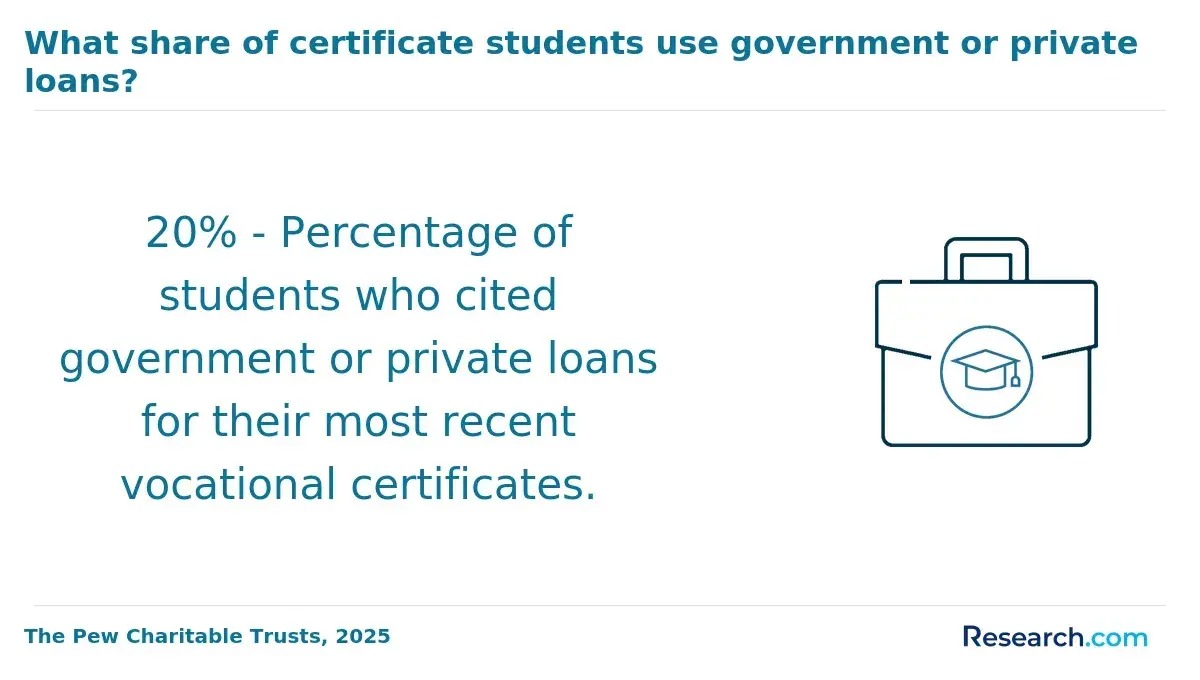
The main financial aid options are federal grants, federal student loans, state aid, institutional scholarships, employer tuition assistance, military education benefits, and private scholarships. To access federal aid, students must complete the FAFSA and attend an eligible institution. Borrowing can be appropriate for some students, but it should be tied to a realistic career plan and a manageable debt level.
To reduce cost without weakening outcomes, students should use a deliberate cost-control strategy. The most effective steps usually happen before enrollment, not after the first bill arrives.
- Complete general education courses at an accredited community college when transfer rules are clear.
- Compare net price after grants and scholarships, not just published tuition.
- Ask whether online students pay technology, platform, graduation, portfolio review, or proctoring fees.
- Use transfer evaluations from multiple schools to see which option accepts the most applicable credits.
- Prioritize programs with strong career services, internship support, and portfolio development because low tuition alone does not create career value.
What careers can graduates with an online game programming and development degree pursue?
Graduates with an online bachelor's in game programming and development can pursue game-specific roles and broader software-related roles. Because the game industry is competitive and project-based, many graduates start in adjacent positions such as QA, junior development, tools support, simulation, web development, or interactive media before moving into specialized game programming.
The degree is most useful when paired with a strong portfolio. Employers often want to see playable builds, code samples, team projects, problem-solving notes, and evidence that a candidate can finish work. A transcript shows academic preparation, but the portfolio shows production ability.
The table below outlines common roles connected to game programming degrees. It also shows why some roles are more technical while others blend design, art, testing, or production.
| Career path | Typical responsibilities | How the degree helps |
| Gameplay programmer | Builds mechanics, controls, combat systems, UI behavior, and player interactions | Uses coding, math, engine, debugging, and systems design skills |
| Tools programmer | Creates internal tools that help artists, designers, and developers work faster | Combines software engineering with understanding of production pipelines |
| Game AI programmer | Develops NPC behavior, pathfinding, procedural systems, and decision logic | Applies algorithms, AI concepts, and game-specific behavior models |
| QA analyst or game tester | Tests builds, documents bugs, verifies fixes, and supports release quality | Can be an entry point when paired with technical scripting and automation skills |
| Software developer | Builds applications, platforms, systems, or internal tools outside games | Uses programming and software engineering foundations from the degree |
| Technical designer | Bridges design and programming through scripting, prototypes, and implementation | Fits students who enjoy both mechanics and hands-on engine work |
Some students discover that they are more interested in visuals, branding, interface design, or digital production than engine programming. In that case, a graphic design degree online may better match careers in visual communication, UI assets, digital media, or creative production.
Career preparation should start early. Students should join game jams, publish small projects, contribute to open-source or modding communities when appropriate, seek internships, and document their technical process. A smaller finished game is usually more impressive than a large unfinished idea.
What salaries and job outlook can game programmers and developers expect in the U.S.?
Salary expectations for game programming graduates should be based on role, industry, location, experience, and portfolio quality. It is risky to use game-industry anecdotes as a personal forecast because studios vary widely, hiring can be cyclical, and entry-level competition is strong.
The most reliable national benchmarks come from the U.S. Bureau of Labor Statistics. In May 2024, the BLS reported a median annual wage of $133,080 for software developers. This figure is not game-specific, but it is useful because many game programming graduates compete for roles that use similar coding and software engineering skills.
The table below provides a salary context using broad U.S. occupational categories related to game development. These figures should be used as labor-market reference points rather than promises for a first job.
| Related occupation | 2024 median annual wage | How to interpret it |
| Software developers | $133,080 | Best benchmark for graduates pursuing coding-heavy roles in games, tools, simulation, or general software |
| Computer programmers | $98,670 | Relevant for coding roles, though this occupation has been affected by automation, outsourcing, and changing job titles |
| Special effects artists and animators | $99,060 | Useful for students comparing technical development with animation or visual effects pathways |
| Software quality assurance analysts and testers | $102,610 | Relevant for technical QA, automation testing, and release-quality roles |
Job outlook also depends on the role. The BLS projected employment for software developers, quality assurance analysts, and testers to grow 17% from 2023 to 2033, much faster than the average for all occupations. For students, this means broader software skills can create more flexibility than a narrow game-only skill set.
Game studios may still be selective, especially for entry-level roles. Candidates often strengthen their prospects by learning transferable technologies such as C++, C#, Python, Git, cloud collaboration, build systems, automated testing, and performance profiling. A student who can apply game programming skills to simulation, training, education, healthcare, defense, or enterprise software may have more options than one who only targets entertainment studios.
Students should also understand that salary can vary by region. Major hubs such as California, Washington, Texas, New York, and Massachusetts may offer more opportunities but also higher living costs. Remote work exists in game development, but junior candidates may still benefit from internships, hybrid teams, or local industry networks.
How can students evaluate and choose the best online game programming and development program?
The best online bachelor's in game programming and development is not necessarily the most famous or the fastest. It is the accredited program that fits your career goal, budget, schedule, technical preparation, and learning style while helping you graduate with a credible portfolio.
Start by defining the role you want. If your goal is gameplay programming, you need deeper coding, math, engines, and debugging. If your goal is technical design, you need scripting, prototyping, systems thinking, and communication. If your goal is game art or UI, a programming-heavy degree may not be the best match.
Use a structured evaluation process before speaking with admissions. This helps you compare schools on substance rather than marketing language.
- Verify institutional accreditation and state authorization before reviewing curriculum details.
- Match the curriculum to your target role by checking required courses, not just electives.
- Review student work samples, capstone projects, game jam participation, and portfolio expectations.
- Ask whether online students complete team projects using industry-standard collaboration tools.
- Compare transfer-credit acceptance, total cost, fees, hardware requirements, and estimated time to completion.
- Request information about internships, employer relationships, alumni outcomes, career coaching, and portfolio review.
- Check faculty experience in games, software development, interactive media, or simulation.
- Look for academic support in programming, math, engine setup, tutoring, and career preparation.
Students should also watch for red flags. The table below summarizes common mistakes and the better alternative.
| Common mistake | Why it is risky | Better approach |
| Choosing only by tuition | Low cost may come with weak portfolio support or poor transfer fit | Compare net cost, outcomes, curriculum depth, and career services together |
| Ignoring accreditation | Credits, aid, and degree recognition may be affected | Verify institutional accreditation before applying |
| Assuming game design and game programming are the same | The curriculum may not prepare you for technical roles | Review required coding, math, engine, and software engineering courses |
| Relying only on rankings | Rankings may not reflect your transfer credits, budget, or career goal | Create a personal shortlist based on fit and evidence |
| Waiting until senior year to build a portfolio | Career applications require proof of work long before graduation | Build and document projects every term |
It is also reasonable to compare adjacent academic paths. Students drawn to simulation, level design, environmental systems, or city-building tools may eventually explore masters urban planning online options if their long-term interests shift toward geospatial planning, smart cities, or urban technology rather than entertainment games.
Before enrolling, ask admissions and program faculty direct questions. Strong programs should be able to explain how online students collaborate, what software is required, how projects are evaluated, how faculty give feedback, and what graduates typically do after finishing the degree.
The smartest final decision is evidence-based: choose the program that gives you the strongest combination of accreditation, applicable transfer credit, affordable net price, rigorous technical curriculum, portfolio production, and career support.
Other Things You Should Know About Game Programming & Development
It can be worth it if you want technical roles and the program is accredited, affordable, project-based, and strong in programming fundamentals. It is less likely to be worth it if you only want to play games, dislike coding, or choose a program without checking portfolio outcomes and total cost.
Employers are generally more concerned with accreditation, skills, portfolio quality, experience, and interview performance than whether the degree was online. The key is choosing a credible university and graduating with finished projects that demonstrate real technical ability.
C# is common for Unity, and C++ is widely used in Unreal Engine and many performance-heavy game systems. Beginners may also use Python to learn programming logic, but students aiming for game programming roles should eventually build competence in C# or C++.
Yes. Many accredited U.S. online bachelor’s programs accept prior learning assessment, portfolio review, or transfer credit, usually capped at 30 to 90 semester hours. Schools may require documented work samples, course syllabi, or exams such as CLEP or DSST to award credit.
References
- Bachelor of Science inGame Design and Development Online or On Campus https://www.albany.edu/cehc/programs/bs-game-design-and-development
- We help game developers learn and grow https://gamedev.tv/
- What can you do with a Games degree? https://www.falmouth.ac.uk/study/undergraduate/what-can-you-do-games-degree
- Game Programming Bachelor’s Degree at University of Advancing Technology https://www.uat.edu/game-programming-degree
- Online Game Development Courses | Learn from Top Game Devs https://www.cgspectrum.com/courses/game-development
- Online Game Development Courses: The Path to Mastering Virtual Worlds and Career Success https://macrobiangames.com/blog/online-game-development-courses/
- 2025 Top Game Design Programs https://www.princetonreview.com/college-rankings/game-design
- Intro to Game Development: Course | Codecademy https://www.codecademy.com/learn/introduction-to-game-development
- Career Path and Salary for Video Game Designers | ComputerScience.org https://www.computerscience.org/careers/video-game-designer/career-outlook-and-salary/
- Game Developer Salaries by Country 2025-2026 https://optiveum.com/articles/game-developer-salaries-by-country/