2027 Forensic Science Salary by State Report

Co-Founder and Chief Data Scientist
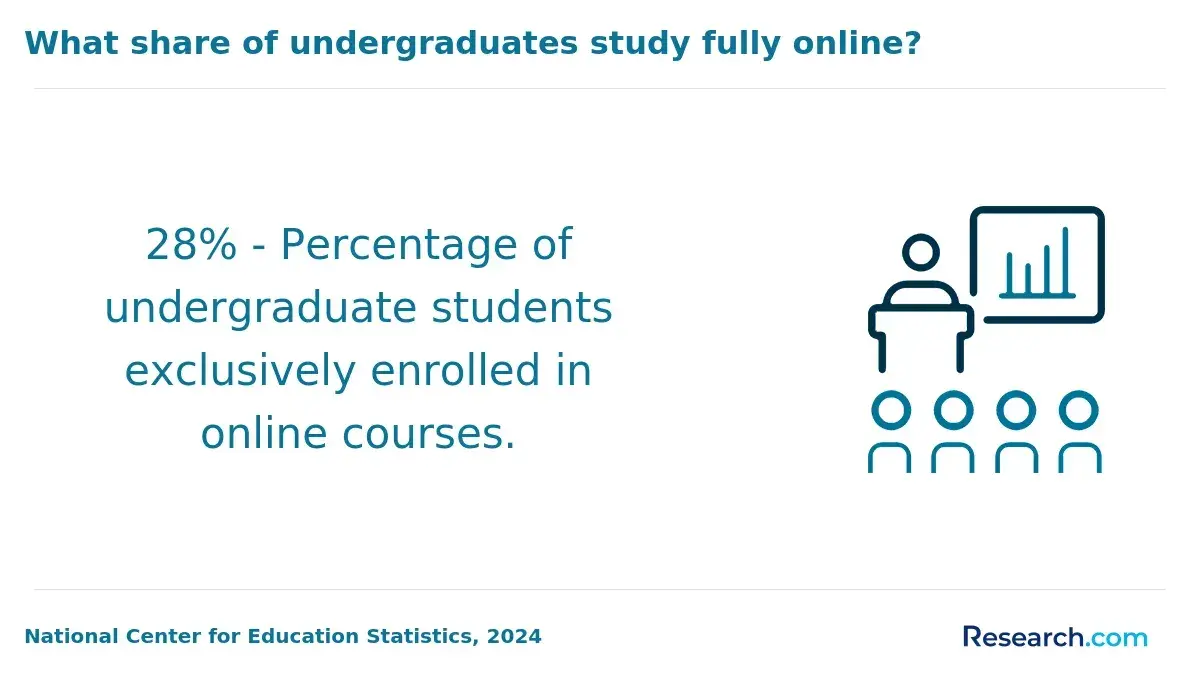
Securing a stable forensic science position requires navigating significant geographic salary disparities, with many capable professionals facing the tough choice of relocating or accepting stagnant wages. This challenge intensifies as nearly 40% of adult learners in STEM-related fields now opt for flexible online programs, according to National Center for Education Statistics data from 2024, reflecting a shift toward education models that demand balancing work, study, and location constraints. Such trends can impact career mobility and timing, particularly when state-specific forensic science salaries vary sharply. This article analyzes forensic science salary differences by state to guide strategic career decisions around earning potential, relocation, and long-term advancement.
Key Things You Should Know
- Median forensic science salaries vary by over 35% across states, with California averaging $85K versus Mississippi's $55K, creating a tradeoff between cost-of-living and income potential for career pivots based on geographic relocation.
- Federal agencies prioritize candidates with combined forensic and cybersecurity expertise, signaling employers' growing demand for interdisciplinary skills that reshape workforce entry requirements and job competitiveness.
- States with fewer accredited forensic science programs show a 20% longer time-to-hire lag, reflecting barriers in timely credential acquisition that constrain salary growth and career advancement speed.
What is the average forensic science salary by state?
Salary ranges across states reveal tangible tradeoffs influencing career decisions in forensic science. For instance, professionals eyeing higher compensation often consider relocation to states like California or Massachusetts, where salaries typically range from $85,000 to $95,000 due to complex caseloads and higher living costs. However, these gains come with heightened competition and stricter qualification demands, including advanced certifications and technological proficiency. Conversely, smaller states with limited forensic infrastructure, such as Mississippi and West Virginia, offer salaries between $55,000 and $65,000 but may provide accelerated promotion potential and reduced job market competition.
Understanding average forensic science salary by state helps prioritize education investments aligned with employer expectations. For example, a forensic chemist in Texas might earn $10,000 more annually than a peer in Nebraska, yet certification and courtroom experience strongly influence earning potential within both markets. States with expansive forensic operations-integrating forensic biology, digital forensics, and drug chemistry-are driving salary growth and demanding multidisciplinary expertise.
Students and professionals targeting these roles should also consider training pathways that address workforce shortages and budget constraints. Programs offering relevant credentials and practical experience have an advantage, especially in metropolitan regions requiring advanced skill sets.
Those exploring academic options might evaluate specialized credentials like an online forensic psychology masters to complement technical training and broaden career adaptability within the evolving forensic science salary ranges across states.
Which states pay forensic scientists the most?
Illinois offers the highest mean salary for forensic scientists in the United States at $106,120, positioning it as the top state for forensic science salaries despite a smaller job market. This wage premium reflects more demanding hiring standards and advanced technical expertise required, which impacts accessibility for entry-level professionals. In contrast, California represents the largest employment hub for forensic scientists, marked by competitive salaries concentrated in metros like Los Angeles and San Francisco. However, its average wages don't reach Illinois's peak levels, and higher living costs there can significantly reduce net income.
The decision between these top states for forensic science salaries involves clear trade-offs:
- Illinois prioritizes higher pay but comes with fewer openings and potentially limited geographic mobility.
- California offers abundant positions with diverse requirements but exposes candidates to tougher competition and cost pressures.
Professional certification reciprocity, ongoing education access, and workload intensity also vary, shaping job satisfaction and advancement prospects differently in each state. Aspiring forensic scientists weighing employment options must consider how these regional dynamics align with their skills and career goals.
Those exploring adjacent career paths may find it useful to analyze what can you get with an environmental science degree, since related disciplines often share investigative and analytical skills relevant to forensic work.
What affects forensic science salaries in each state?
Forensic science salary differences by state reflect complex interactions of local funding, labor market dynamics, and industry specialization rather than uniform national standards. States with major urban centers like California and New York typically pay near or above the 75th-percentile wage of $84,720 (May 2023 BLS data), benefiting from higher budgets and a necessity for specialists to manage large caseloads. In contrast, rural regions often hover around or below the median wage of $64,940, influenced by smaller tax bases limiting forensic lab resources and workforce expansion.
Regional factors influencing forensic science pay also include credentialing demands. States with strict certification requirements offer premiums to candidates with advanced degrees or industry-recognized credentials, recognizing the cost reductions and accuracy improvements these professionals bring. For example, a forensic technician with a master's degree working in Texas's oil and gas sector can command higher wages compared to a technician performing general crime lab analyses in less specialized locales. Workforce shortages and competition with federal labs further pressure salaries upward in select areas, sometimes accompanied by signing bonuses.
Individuals evaluating educational pathways must consider these differentiated pay scales alongside living costs and career trajectory. Pursuing targeted credentials, potentially through the best online library science programs, can enhance employability by aligning skill sets with regional demands and specialized forensic sectors.
What degree do you need for forensic science jobs?
Entry into forensic science roles generally demands a bachelor's degree in forensic science or a closely related field such as biology, chemistry, or criminal justice. However, simply holding a bachelor's degree often caps earnings and limits access to specialized roles, which is a critical hiring reality to understand for students evaluating forensic science degree requirements in each state. Entry-level positions-typically crime lab technicians or evidence analysts-average a starting salary near $46,000 nationally, reflecting the baseline for scientific competence combined with laboratory skills.
Those targeting advanced roles in areas like DNA analysis or toxicology benefit substantially from master's degrees or professional certifications that validate expertise in analytical instrumentation and methodologies. This is particularly important in state or federal agencies, where competition is stiff and salaries can approach or exceed $102,000. These advanced credentials align closely with the best degrees for forensic science jobs by state, given jurisdictional variations in demand and hiring standards.
For applicants without formal forensic science degrees, such as those holding biology or chemistry degrees, gaining relevant lab experience alongside supplemental forensic training becomes necessary to meet employer expectations-delaying workforce entry with added time and cost. Similarly, professionals entering forensic science from allied disciplines often pursue post-bachelor's certificates while navigating state licensure requirements that vary widely by location.
Decisions about educational pathways should weigh these trade-offs carefully, considering that practical competency increasingly shapes employability over academic credentials alone. Prospective students should also explore interdisciplinary options, including exercise science degrees online, which may support related career pivots or skill expansions within forensic applications.
Which forensic science certifications improve job prospects?
Certifications like the American Board of Criminalistics (ABC) offer a tangible wage advantage for forensic science professionals, particularly in federal employment where average salaries approach $107,810 annually, nearly double those in state and local government roles. This gap underscores a clear employer preference for validated expertise capable of managing complex analyses in areas such as molecular biology and firearms examination.
Job candidates must weigh the financial and time investment of certifications against their target sector's priorities. Federal agencies often support certification costs, accelerating clearance and career progression, while state and local employers may place greater emphasis on practical experience, sometimes diminishing the immediate value of credentials.
In private-sector forensic work or consulting, possessing multiple specialized certifications like Certified Forensic Computer Examiner (CFCE) or credentials from the American Board of Forensic Toxicology can differentiate applicants by enhancing credibility, which often translates to better contract terms and job stability.
- Federal roles value certifications and offer tuition assistance.
- State/local positions may prioritize hands-on experience.
- Private sector rewards niche expertise with higher salaries.
Strategically selecting certifications that align with employer expectations and targeted forensic disciplines determines whether investments in credentialing yield tangible career advancement or remain secondary to experiential qualifications.
Are online forensic science degrees respected by employers?
The value of online forensic science degrees hinges on how well they integrate practical, hands-on experience with academic rigor, as most federal and state labs emphasize traditional training. For example, a laboratory in the Pacific region-where average salaries hover around $75,378-typically favors candidates with supervised internships or fieldwork over those holding purely theoretical online credentials. Regional accreditation combined with validated lab exposure can help bridge this credibility gap, yet many employers remain cautious without evidence of controlled environment proficiency.
Hiring managers in agencies with strict chain-of-custody and manual evidence handling protocols often dismiss degrees lacking in-person training, limiting applicants' access to advanced roles or specialty assignments. Conversely, regions facing technician shortages may accept online degree holders if supplemented by required externships or supervised laboratory work. The tradeoff is clear: convenience of online study often demands upfront planning to secure quality internships that satisfy these operational prerequisites.
Prospective students should take geographic wage differentials and jurisdictional preferences into account. Forensic technicians in New England, earning closer to $67,402, might face distinct hiring expectations compared to the Pacific, impacting the balance between convenience and employer-desired practical exposure. Early identification of programs offering on-site labs or local partnerships is essential to unlocking competitive opportunities in this field.
What forensic science courses are included in degree programs?
Balancing theoretical knowledge with practical skills defines the effectiveness of forensic science degree programs in preparing graduates for workforce demands. Candidates who lack direct experience with evidence documentation, chain-of-custody protocols, and applied laboratory techniques risk falling behind in competitive markets. For example, crime labs in California prioritize toxicology and serology expertise paired with hands-on instrumentation skills like mass spectrometry, creating a pathway that rewards practical proficiencies over broad but shallow coursework.
Specialized electives such as forensic psychology or questioned document analysis offer niche differentiation but often prolong time-to-completion, which may delay entry into a labor market that values immediate, demonstrable competencies. Students should weigh the cost-benefit of such electives against state licensure and accreditation requirements that shape employability more directly than specialized knowledge areas.
Key program features to evaluate include integrated internships or externships that expose students to operational forensic environments. Without this exposure, graduates face a steep learning curve when transitioning from academic theory to real-world applications. Equipping oneself with statistics and experimental design skills is essential for interpreting forensic data consistent with court standards and employer expectations.
Strategic course selection oriented toward applied forensic specialties enhances adaptability in evolving casework scenarios, while overemphasis on theory risks narrowing problem-solving agility. Prospective forensic scientists must prioritize options fostering both immediate job readiness and sustained professional growth in environments demanding multidisciplinary expertise.
How long does a forensic science degree take to finish?
An undergraduate degree in forensic science typically takes four years of full-time study, establishing the minimum baseline for entry-level roles. Students seeking to expedite their education might reduce this timeline to about three years through summer courses or heavier credit loads, while those balancing work or attending part-time may require five or more years. Employers emphasize not only formal education but also hands-on laboratory experience and internships, which can add 6 to 12 months of supervised practical training before eligibility for many positions.
Graduate education extends total study time, with a master's degree commonly adding two years beyond the bachelor's, often required for advanced roles and higher salary brackets. This formal progression explains the wide income gap-from roughly $41,410 at the 10th percentile to $107,490 at the 90th percentile as reported by the U.S. Bureau of Labor Statistics in May 2023.
Practical implications for candidates include:
- Allocating four to six years for education and practical experience to remain competitive.
- Understanding that certificate programs can supplement but rarely substitute for comprehensive degrees.
- Recognizing that rushing foundational coursework risks employability and undercuts earning potential, given the roughly 2.6 times salary difference between entry-level and senior forensic scientists.
For example, a forensic toxicology technician at a state crime lab must combine coursework with extended practical experience to meet hiring standards-highlighting the importance of balancing academic pacing with applied learning.
What forensic science jobs pay the best by state?
Forensic science careers reveal stark salary disparities shaped by geography, specialization, and institutional funding. Forensic toxicologists earn over $90,000 annually in states like California and New York, where demand for complex chemical evidence analysis is high. Meanwhile, digital forensics analysts surpass $85,000 in regions such as Virginia and Maryland, reflecting the growing need for cybercrime expertise within law enforcement frameworks.
In states with well-funded medical examiner systems, such as Massachusetts and Illinois, forensic pathologists achieve salaries exceeding $110,000, illustrating how state investment and caseload complexity directly impact earning potential. These variations highlight crucial tradeoffs for aspiring forensic professionals: remaining in lower-paying jurisdictions often requires additional certifications or relocation to access higher salaries.
Senior forensic scientists at the 90th percentile earn above $110,710, compared to a national mean near $75,260, signaling that experience and niche skills drive financial progression. Employers consistently value candidates who combine hands-on expertise with fluency in evolving forensic technologies, emphasizing adaptability in a dynamic labor market.
Decisions about educational pathways should consider not only salary but also regional infrastructure stability, advancement opportunities, and cross-disciplinary skill sets. Practical workforce analysis suggests that prospective forensic science students prioritize states with established forensic infrastructure and well-defined routes to senior roles to maximize return on investment.
What is the job outlook for forensic science careers?
Projected growth of 12.8% for forensic science technicians by 2026 outpaces overall occupational growth significantly, reflecting increasing demand for specialized skills in criminal investigations, not the least promising high paying jobs in forensics. This expansion primarily stems from advances in forensic genomics, digital forensics, and toxicology, demanding more technically skilled candidates in state and federal agencies.
Hiring trends favor those combining formal forensic science education with practical experience gained through internships or certifications. However, applicants must navigate competitive environments, particularly in high-profile labs where emerging technology proficiency is a differentiator. Geographic disparities also influence career trajectories: urban centers offer larger caseloads and potential for quicker salary progression, while rural areas require more versatile skillsets but often provide fewer openings.
Employers expect candidates adaptable to evolving tools and methodologies, which requires ongoing skill development beyond initial qualifications. Certification requirements vary by state, sometimes complicating job mobility and affecting salary benchmarks.
The national median salary at $67,440 illustrates solid compensation but masks underlying variability tied to location and lab resources. Candidates should evaluate these practical realities carefully when considering entry or advancement in forensic science, balancing the sector's fast growth with the need for continuous, applied learning to maintain employability.
Other Things You Should Know About Forensic Science
Forensic scientists working in high-volume urban labs often manage heavy caseloads, which can lead to overtime pay and bonuses but also increased stress and burnout risk. Conversely, those in smaller or rural labs handle fewer cases, allowing deeper case involvement but potentially lower compensation and fewer advancement chances. Employers weigh workload capacity when assigning pay increases, so understanding the tradeoff between workload intensity and long-term career sustainability is vital. Seek roles that balance manageable case complexity with steady compensation growth.
Public sector forensic scientist roles typically offer greater job stability, pension benefits, and opportunities for government-funded training, but come with rigid pay scales and slower salary growth tied to government budgets. Private sector positions often provide higher initial salaries and performance incentives but tend to have less job security and fewer benefits. Deciding between these sectors depends on whether you prioritize steady employment and benefits or higher short-term earnings and potential mobility.
Several states require forensic scientists in crime labs to follow lab accreditation and licensing rules, especially for latent prints, drug analysis, and toxicology. Texas, for example, uses the Texas Forensic Science Commission, while other states rely on employer standards, board certification, or court admissibility rules under Daubert or Frye.
References
- Careers in Forensic Science https://www.aafs.org/careers-forensic-science
- Top Forensic Science Career Guide | Forensic Science Online https://www.forensicscienceonline.org/top-careers/
- Forensic Science degrees https://www.whatuni.com/degree-courses/search
- Forensic Science Salaries 2025 - Average Pay by State https://www.crimesceneinvestigatoredu.org/forensic-science-salaries/
- BSc Hons Forensic Science: Course Details, Syllabus, Career Scope & Top Colleges in India https://sageuniversity.in/blogs/bsc-hons-forensic-science-course-details-syllabus-career-scope-top-colleges-india
- Careers in forensic science https://www.justice-ni.gov.uk/articles/careers-forensic-science
- Forensic Science Salary: A Complete Overview https://lifs.co.in/blog/forensic-science-salary.html
- Forensic Scientist Salary: State-by-State Median Guide https://www.allcriminaljusticeschools.com/forensics/salary/
- Where can you study? – Canadian Society of Forensic Science https://www.csfs.ca/student-zone/where-can-you-study/
- 2025 Most Popular Online Forensic Science Degrees https://www.onlineu.com/degrees/forensic-science