2027 Online Food Industry Management Degrees That Prepare Students for Food Retail and Merchandising Careers

Co-Founder and Chief Data Scientist
Choosing a food industry management degree is really a career decision: do you want to manage products, pricing, suppliers, stores, or food operations? The field matters because USDA Economic Research Service data published in 2024 showed U.S. food expenditures above $2.6 trillion, making food retail, distribution, and merchandising a large employment ecosystem. This guide is for students, career changers, and retail workers comparing online degree options. You will learn what these programs teach, how online formats compare, what they cost, and which career paths may fit your goals.
Key Things You Should Know
- Online food industry management degrees usually combine business, supply chain, food safety, retail analytics, merchandising, and consumer behavior, making them most useful for grocery, food distribution, category management, and operations careers.
- Cost varies widely, but College Board data for 2024-2025 lists average published tuition and fees at $11,610 for in-state public four-year colleges and $43,350 for private nonprofit four-year colleges, so transfer credits and employer tuition support can significantly affect ROI.
- Career outcomes depend on role and experience: BLS May 2024 data reports median pay of $80,880 for logisticians and $74,720 for buyers and purchasing agents, while advancement into sales, operations, or category leadership can require several years of measurable retail results.
What is an online food industry management degree and how does it support food retail careers?
An online food industry management degree is a business-focused program that applies management training to food retail, grocery merchandising, food distribution, food service purchasing, and consumer packaged goods operations. It is not the same as culinary school, and it is usually broader than a food science degree. Instead of focusing mainly on cooking techniques or laboratory product development, students learn how food products move from suppliers to shelves, how retailers decide what to stock, and how managers balance sales, margins, safety, labor, and customer demand.
For food retail careers, the degree is useful because grocery and food merchandising jobs are increasingly data-driven. A store department manager, category analyst, buyer, or distribution coordinator may need to understand point-of-sale data, inventory turns, shrinkage, seasonal demand, vendor negotiations, traceability expectations, and promotion strategy. Online coursework can help students connect those business decisions to food-specific constraints such as perishability, cold chain logistics, labeling rules, allergen control, and food safety culture.
The best fit is usually someone who wants to move beyond front-line retail or food service work into supervision, purchasing, merchandising, operations, logistics, or account management. It can also fit students who already work for grocery chains, distributors, convenience store operators, food manufacturers, or food service companies and need a flexible credential to qualify for internal promotion.
This degree may not be the best investment if your primary goal is to become a registered dietitian, food scientist, chef, or restaurant owner without interest in corporate retail systems. Those goals may require nutrition, dietetics, culinary arts, hospitality, food science, entrepreneurship, or a different business pathway. The key question is whether your target job involves managing food products, people, vendors, data, stores, or distribution networks.
How do online food industry management programs compare to campus-based options for food merchandising?
Online and campus-based food industry management programs can lead to similar academic outcomes when they are accredited and offer relevant coursework, but they fit different kinds of students. The most important difference is not whether the class is online; it is whether the format gives you access to internships, employer projects, faculty support, and industry-relevant tools.
The table below compares practical trade-offs for students preparing for food retail and merchandising careers. Use it to decide whether flexibility, networking, hands-on labs, or local employer access should carry more weight in your search.
| Factor | Online food industry management program | Campus-based program | Best fit |
| Schedule | Often asynchronous or evening-based, which helps working retail and food service employees continue earning income. | More fixed class times, with easier access to in-person events and student organizations. | Online is stronger for working adults; campus is stronger for students who can study full time. |
| Industry exposure | May rely on virtual projects, local internships, employer partnerships, or a student's current workplace. | May offer site visits, career fairs, labs, and closer interaction with regional food companies. | Campus can help students without industry experience; online works well if you already work in food retail. |
| Merchandising practice | Can teach category analysis, retail math, forecasting, and digital merchandising through simulations and case studies. | May provide more in-person merchandising labs or store-based learning if the school has local partnerships. | Choose the program with stronger employer projects, not just the delivery mode. |
| Networking | Requires more intentional effort through virtual office hours, LinkedIn, alumni groups, and professional associations. | Networking can happen more naturally through campus events and faculty introductions. | Online students should ask how the program supports career connections before enrolling. |
| Cost control | May reduce relocation, commuting, and housing costs, though tuition can still be high. | May be more expensive if relocation or on-campus housing is required. | Online often helps cost-conscious students, especially those using transfer credits or employer benefits. |
A good online program should not feel like a self-study library. Before enrolling, look for live advising, clear instructor access, career services for distance learners, internship flexibility, and assignments that use real food retail scenarios. If a program cannot explain how online students build industry experience, compare other options.
Campus-based programs may be better for students who are new to the field and need structured internships or local employer introductions. Online programs may be better for experienced workers who can turn their current job into a learning laboratory by applying coursework to inventory, scheduling, merchandising, supplier communication, or store performance projects.
What types of accredited online food industry management degrees are available in the United States?
Food industry management is not always offered under one exact degree title. Depending on the school, the closest accredited options may be called food industry management, food business management, agribusiness, food marketing, supply chain management, hospitality management, retail management, or business administration with a food, retail, or operations concentration.
The table below summarizes common degree levels available in the United States and how each one may support food retail and merchandising goals. It is especially useful if you are deciding between a shorter credential and a full bachelor's or master's degree.
| Credential type | Typical focus | Common student profile | Food retail career use |
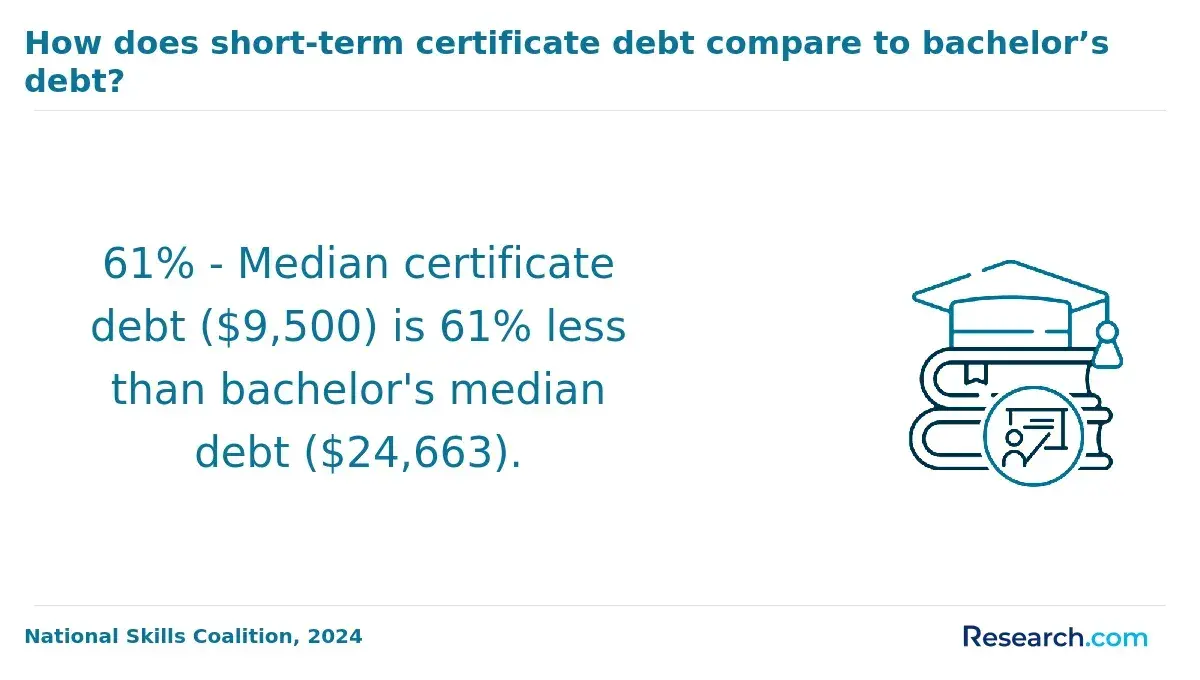
| Certificate or undergraduate certificate | Retail operations, food safety, business basics, merchandising, or supply chain fundamentals. | Current workers who need targeted skills without committing to a full degree. | Can support entry-level promotion, but may not meet degree preferences for corporate roles. |
| Associate degree | General business, retail management, food service operations, accounting, and introductory management. | Students seeking a lower-cost starting point or a transfer pathway to a bachelor's program. | Can help with department supervisor, assistant manager, or operations coordinator roles. |
| Bachelor's degree | Management, marketing, supply chain, food systems, consumer behavior, analytics, and strategic retail decision-making. | Students targeting buyer, category analyst, store leadership, district training, or corporate retail pathways. | Often the strongest all-around credential for food merchandising and retail management advancement. |
| Master's degree | Leadership, analytics, strategic operations, global supply chains, finance, and advanced management. | Experienced professionals seeking regional, corporate, distribution, or senior operations roles. | Most useful when paired with work experience; less necessary for many entry-level retail roles. |
Accreditation should be non-negotiable. At minimum, confirm that the institution is accredited by an agency recognized by the U.S. Department of Education or the Council for Higher Education Accreditation. For business-heavy programs, programmatic accreditation from organizations such as AACSB, ACBSP, or IACBE can add credibility, but it is not always required for employment in food retail.
If you cannot find a dedicated food industry management major, a business degree with relevant electives can still work. Students comparing broader options may want to review online business degree programs accredited by recognized institutions, then prioritize schools that offer retail, supply chain, agribusiness, marketing analytics, or food systems coursework.
What core courses and specializations are included in food industry management programs?
Core courses in food industry management programs usually sit at the intersection of business and food systems. The goal is to prepare students to make practical decisions about products, people, suppliers, inventory, pricing, compliance, and customer demand.
Students should look for courses that build both business fluency and food-specific judgment. The most useful curricula commonly include the following areas:
- Food retail management, including store operations, department supervision, labor planning, customer service, and profit-and-loss basics.
- Food merchandising and category management, including assortment planning, shelf strategy, pricing, promotions, private labels, and vendor relationships.
- Supply chain and logistics, including purchasing, distribution, cold chain handling, inventory control, forecasting, and supplier performance.
- Food safety and quality systems, including sanitation, hazard controls, traceability, labeling awareness, and regulatory responsibilities that affect retail operations.
- Marketing and consumer behavior, including shopper insights, brand positioning, e-commerce, loyalty programs, and digital promotion strategy.
- Business analytics and retail math, including margins, inventory turns, shrink, sales velocity, basket analysis, and basic data visualization.
- Leadership and human resources, including scheduling, training, conflict resolution, performance management, and ethical decision-making.
Specializations can matter when they connect directly to your target job. For example, a student aiming for grocery category management should prioritize analytics, merchandising, and vendor negotiation. A student aiming for distribution management should look for logistics, procurement, warehouse operations, and quality assurance. A student interested in wellness-focused retail, prepared foods, or product education may benefit from nutrition-related coursework, though dietetics careers have separate requirements.
Some students compare food management programs with nutrition programs because both involve food, health, and consumers. If your goal is nutrition education, wellness programming, or food-related health communication rather than retail merchandising, researching the cheapest online nutrition degree options may be more relevant than a food industry management degree.
A strong program should include applied projects. Useful assignments might ask students to analyze a grocery category, propose a plan to reduce shrink, evaluate a supplier issue, design a seasonal promotion, or improve a store's inventory process. These projects are valuable because they can become portfolio examples for interviews.
What admission requirements and prerequisites do online food industry management degrees have?
Admission requirements vary by school and degree level, but most online food industry management programs look for evidence that a student can handle business coursework and complete an online program independently. Requirements are usually more accessible at the associate and bachelor's levels and more selective for graduate programs.
Applicants should prepare for several common requirements. The exact list depends on the institution, so always compare the official admissions page with what an advisor tells you.
- High school diploma, GED, or equivalent for undergraduate admission.
- Official transcripts from high school and any colleges previously attended.
- Minimum GPA, which may be flexible for adult learners or transfer applicants depending on the school.
- Transfer credit evaluation for students with prior college coursework, military training, or completed certificates.
- Personal statement or short essay explaining career goals, especially for completion or graduate programs.
- Resume or work history for programs designed for working professionals.
- Prerequisite courses such as college algebra, composition, accounting, economics, statistics, or introductory business for some upper-division or graduate programs.
Standardized tests are less common than they used to be for many online undergraduate business programs, but policies vary. Graduate programs may waive entrance exams for applicants with sufficient work experience, a previous degree, or a strong GPA. Do not assume a waiver applies until the school confirms it in writing.
Students without food retail experience can still apply, but they should look for programs with internships, capstones, or employer-connected projects. Students with retail or food service experience should ask whether current work responsibilities can count toward internship or practicum requirements. That flexibility can make the difference between a manageable program and one that creates scheduling problems.
Common admissions mistakes include sending unofficial transcripts when official ones are required, overlooking math prerequisites, assuming all transfer credits will apply to the major, and enrolling before confirming online course availability. A practical approach is to ask for a written degree plan before paying a deposit, especially if you are transferring credits.
How long do online food industry management programs take, and what do they cost?
Program length depends on credential level, transfer credits, enrollment intensity, and whether courses are offered every term. A full bachelor's degree commonly requires about 120 credits, but completion programs may take much less time for students who already have an associate degree or significant transfer credit.
Cost should be evaluated as total cost, not just tuition per credit. College Board's 2024-2025 figures provide useful national benchmarks for published tuition and fees, though online students may pay different rates depending on institution policy, residency, and program structure.
- Public two-year in-district average published tuition and fees: $4,050.
- Public four-year in-state average published tuition and fees: $11,610.
- Public four-year out-of-state average published tuition and fees: $30,780.
- Private nonprofit four-year average published tuition and fees: $43,350.
These figures are not program-specific prices, but they help you judge whether a quoted online tuition rate is low, moderate, or high compared with national college pricing. The best financial decision often comes from combining transfer credits, in-state online tuition, employer reimbursement, and careful borrowing rather than choosing the cheapest sticker price alone.
The table below shows typical timelines and cost considerations by program type. Use it to estimate how quickly a credential may pay off relative to your current experience and target role.
| Program type | Typical completion time | Cost factors to check | ROI consideration |
| Certificate | A few months to one year. | Per-course tuition, whether credits apply to a later degree, and employer reimbursement eligibility. | Best when it fills a specific skill gap or supports an immediate internal promotion. |
| Associate degree | About two years full time; longer part time. | Community college tuition, transfer agreements, books, and online course fees. | Best as a lower-cost entry point or transfer path to a bachelor's degree. |
| Bachelor's degree | About four years full time; one to three years for many degree-completion students. | Residency rules, transfer credit limits, upper-division tuition, technology fees, and internship requirements. | Often the most versatile credential for food retail management and merchandising advancement. |
| Master's degree | About one to two years full time; longer part time. | Graduate tuition, employer support, cohort fees, and whether the program requires travel or residencies. | Best for experienced professionals seeking leadership, analytics, corporate, or multi-unit roles. |
To reduce costs, start with a transfer audit, not a tuition comparison. A school with a slightly higher per-credit rate may cost less overall if it accepts more credits and offers the exact courses you need on schedule. Also ask whether online students qualify for scholarships, whether tuition is locked by cohort, and whether internship credits add extra cost.
What jobs can graduates of food industry management degrees get in food retail and merchandising?
Graduates of food industry management programs can pursue roles across grocery retail, food distribution, convenience retail, warehouse operations, food service supply, merchandising offices, and consumer packaged goods companies. Entry-level titles vary widely, so students should focus on responsibilities rather than job titles alone.
The table below connects common career paths with the kind of work they involve. It can help you identify whether you need a broad management degree, a supply chain-heavy program, or a merchandising and analytics-focused curriculum.
| Role | Typical responsibilities | Helpful preparation |
| Grocery department manager | Supervises staff, manages ordering, reduces shrink, maintains displays, tracks sales, and handles customer issues. | Retail operations, food safety, leadership, scheduling, and inventory control. |
| Assistant store manager or store manager | Oversees store performance, labor, compliance, customer experience, merchandising execution, and department coordination. | Management, accounting, human resources, retail analytics, and operations strategy. |
| Category analyst | Analyzes sales, assortment, pricing, promotions, and shopper behavior to support category decisions. | Retail math, data analytics, consumer behavior, merchandising, and spreadsheet or visualization tools. |
| Buyer or purchasing agent | Evaluates suppliers, negotiates terms, monitors demand, manages product availability, and coordinates promotions. | Procurement, supply chain, negotiation, finance, and product knowledge. |
| Food distribution coordinator | Coordinates inventory flow, delivery schedules, warehouse communication, and cold chain requirements. | Logistics, transportation, inventory systems, quality assurance, and communication. |
| Vendor or account manager | Works with retailers or distributors to grow product placement, improve promotions, and solve supply or merchandising issues. | Sales management, relationship management, category strategy, and market analysis. |
Healthcare, senior living, and institutional food operations can also be relevant for graduates who understand food procurement, safety, nutrition-sensitive service environments, and operational management. Students aiming at larger healthcare food operations or administrative roles may also compare an online masters in healthcare management if they want to move beyond food purchasing into broader facility or healthcare operations leadership.
Employers often value experience as much as education in this field. A student working in produce, meat, bakery, deli, grocery, warehouse, or food service operations can strengthen job prospects by documenting measurable results such as reduced shrinkage, improved ordering accuracy, faster inventory turns, stronger safety audit performance, or successful promotion execution.
Technology is changing these roles. Retailers increasingly use demand forecasting, digital shelf tools, loyalty data, automated replenishment, and AI-assisted pricing models. That does not eliminate the need for managers; it changes what good managers must know. Graduates who can combine food operations judgment with data interpretation may be more competitive than those who only understand traditional store routines.
What are typical salaries and earning potential in food retail and food merchandising careers?
Salaries in food retail and merchandising depend heavily on role, employer size, region, product category, union environment, bonuses, and experience. A degree can support advancement, but it does not guarantee a specific salary. The most reliable way to use salary data is to compare target occupations and then evaluate whether a program teaches the skills those roles require.
The table below uses U.S. Bureau of Labor Statistics May 2024 Occupational Employment and Wage Statistics medians for occupations related to food retail, merchandising, logistics, and management. These national medians are useful benchmarks, but local wages can be higher or lower.
| Occupation | May 2024 median annual wage | How it relates to food retail and merchandising |
| First-line supervisors of retail sales workers | $45,250 | Common pathway for department supervisors, shift leaders, and early store leadership roles. |
| Buyers and purchasing agents | $74,720 | Relevant to grocery buying, food service purchasing, supplier selection, and product sourcing. |
| Logisticians | $80,880 | Relevant to food distribution, transportation coordination, inventory planning, and cold chain operations. |
| Food service managers | $66,010 | Relevant to prepared foods, food service retail, institutional dining, and multi-unit food operations. |
| Sales managers | $138,060 | Relevant to vendor, account management, regional sales, and consumer packaged goods leadership roles. |
For students, the salary lesson is that the same degree can point toward very different earnings depending on the pathway. Store supervision may be the fastest promotion route for someone already in retail, while analytics, logistics, buying, or sales management may require stronger quantitative skills and more experience but can lead to different compensation structures.
When estimating ROI, compare the cost of the degree with realistic next-step roles, not only long-term executive roles. If you are currently an hourly department associate, the first return may come from moving into supervisor or assistant manager work. If you already manage a store or department, the better return may come from qualifying for category, district, distribution, or corporate positions.
How is the job outlook for food industry management roles in U.S. food retail and distribution?
The job outlook for food industry management roles is mixed because "food retail" includes both stable essential services and occupations affected by automation, consolidation, and changing consumer behavior. Grocery demand remains fundamental, but the work is shifting toward omnichannel fulfillment, tighter inventory control, digital merchandising, and more sophisticated supply chain planning.
The table below summarizes selected U.S. Bureau of Labor Statistics employment projections for 2023-2033, released in 2024. These projections are national and occupational, so they should be used as directional signals rather than guarantees for a specific local market.
| Occupation | Projected employment change, 2023-2033 | What it means for students |
| Logisticians | 19% growth | Supply chain and distribution skills are especially valuable as retailers manage e-commerce, replenishment, and resilience. |
| Sales managers | 6% growth | Vendor and account leadership can remain attractive for professionals who combine product knowledge with relationship and data skills. |
| Food service managers | 2% growth | Growth is modest, so experience, operational results, and multi-unit skills may matter more than the degree alone. |
| Purchasing managers, buyers, and purchasing agents | 4% decline | Automation and centralized procurement may reduce some roles, making analytics, negotiation, and category expertise more important. |
| Retail sales workers | 2% decline | Front-line retail roles may be pressured, but leadership, merchandising, and operations positions can still exist within essential food channels. |
Food traceability and safety expectations are also influencing the field. The FDA Food Traceability Rule has a compliance date in 2026 for covered foods, which means retailers and distributors need managers who understand records, supplier coordination, lot tracking, and recall readiness. Students do not need to become regulatory lawyers, but they should understand how compliance affects everyday operations.
AI and automation are most likely to change tasks rather than remove the need for human judgment. Automated ordering can suggest quantities, but managers still interpret local events, weather, supplier reliability, display quality, and customer behavior. A strong degree program should help students learn to question data, not just accept system recommendations.
How can students evaluate and choose a reputable, accredited online food industry management program?
Choosing a reputable online food industry management program requires more than checking whether the school offers flexible classes. The best program is the one that is accredited, affordable for your situation, aligned with your target role, and strong enough to help you build evidence of job-ready skills.
Use the following process before enrolling. These steps are designed to prevent the most expensive mistakes students make when comparing online degrees.
- Verify institutional accreditation through a recognized accreditor and confirm that the program is eligible for federal financial aid if you plan to use aid.
- Ask for a written transfer credit evaluation before committing, including which credits apply to general education, electives, and major requirements.
- Compare total program cost, including tuition, fees, books, technology charges, internship credits, payment plans, and any required travel.
- Review the curriculum against your target role, making sure it includes the right mix of merchandising, analytics, supply chain, food safety, leadership, and finance.
- Ask how online students complete internships, capstones, employer projects, or portfolio assignments related to food retail or distribution.
- Check whether faculty or instructors have relevant experience in food retail, food distribution, agribusiness, merchandising, analytics, or operations.
- Evaluate career support for online learners, including resume help, interview preparation, alumni access, employer events, and job search coaching.
- Confirm course rotation and graduation timeline so you do not discover later that required courses are offered only once per year.
Students who want broader operations leadership may also compare food industry management with other business pathways. For example, a project management bachelor degree online may fit better if your goal is to manage cross-functional initiatives, store remodels, supply chain implementations, or technology rollouts rather than specialize in food merchandising.
Watch for red flags. Be cautious if a school is unclear about accreditation, refuses to provide a full cost estimate, overpromises job placement, cannot explain career outcomes for online students, or uses high-pressure enrollment tactics. Also be careful with programs that sound food-related but contain mostly generic business courses without retail, supply chain, merchandising, or food safety content.
The smartest choice is usually the program that matches your current starting point. New students may need a low-cost associate-to-bachelor's pathway with strong advising. Experienced grocery workers may benefit from a bachelor's completion program that accepts transfer credits and allows workplace-based projects. Managers aiming for corporate roles may need graduate-level analytics, finance, or supply chain coursework instead of another general management credential.
Other Things You Should Know About Food Industry Management
It can be worth it if your goal is advancement in grocery retail, food distribution, category management, purchasing, or operations. The degree is less likely to pay off if it is not accredited, does not match your target role, or costs more than your realistic career next step can support.
Yes. Some professionals enter through retail experience, sales, supply chain, marketing, or business degrees. However, a relevant degree can help you build formal skills in retail math, merchandising strategy, food safety, analytics, and management.
Some do, especially bachelor's programs with applied learning requirements. Others use capstone projects, employer-based assignments, or simulations. Working students should ask whether their current job can satisfy experiential learning requirements.
In 2027, online food industry management degrees focus on developing skills like supply chain management, marketing strategies, consumer behavior analysis, and digital merchandising technology. These programs aim to equip students with the expertise needed for successful careers in food retail and merchandising.
References
- Food Science Jobs And Career Paths: Everything to Know | Innopharma Education https://www.innopharmaeducation.com/blog/food-science-jobs-and-career-paths-everything-to-know
- Industry Ambassadors https://tastycareers.org.uk/job-descriptions/retail-manager
- Food Industry Management https://www.niagara.edu/programs/food-industry-management/
- Employment Growth in the Agri-Food Sector: Dynamics in the United States and Canada - Linman & Associates https://linmanandassociates.com/en/employment-agri-food-north-america/
- How to choose a culinary and restaurant management course? https://insights.ehl.edu/choosing-culinary-and-restaurant-management-course
- What are the highest salaries in US Food Production?|The Sterling Choice https://thesterlingchoice.com/blog/the-top-paying-positions-in-us-food-production/
- What’s Working: How Food Retailers Invest in Talent https://www.fmi.org/blog/view/fmi-blog/2024/08/07/what-s-working--how-food-retailers-invest-in-talent
- Foodservice Distribution Careers | The Comprehensive Guide https://ifdaonline.org/food-distributor-jobs/
- Master in Food & Beverage Management Online | Rome Business School https://romebusinessschool.com/master-online-in-food-and-beverage-management/
- Food Industry Careers & Jobs | General Mills Careers https://careers.generalmills.com/career-areas