2027 Best AI Degrees for Students Interested in Real Estate Technology

Co-Founder and Chief Data Scientist
Professionals aiming to enter real estate technology often face obstacles when seeking relevant degrees that integrate artificial intelligence with property innovation. Traditional programs may lack the specialized focus or flexibility needed to bridge prior experience with this emerging field.
This gap complicates career transitions for those without a STEM background but strong interest in data-driven real estate solutions. Identifying accredited, flexible graduate options that combine these disciplines can streamline the path to expertise.
This article outlines top AI degrees tailored for students eager to pivot into real estate technology, highlighting programs that balance accessibility with industry relevance.
Key Things You Should Know
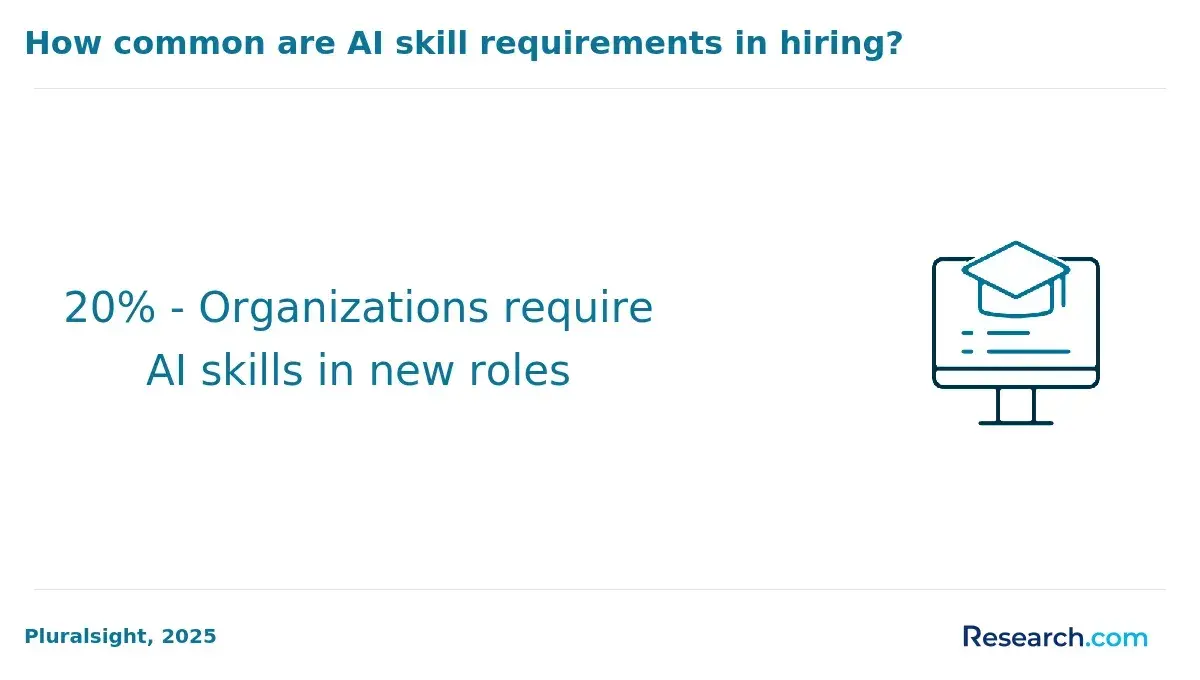
- Degrees combining ai and real estate technology emphasize data analytics, machine learning, and geospatial tools, addressing an industry projected to grow 20% in technology adoption by 2028.
- Graduates with expertise in ai-driven property valuation and smart building automation are increasingly sought, with 65% of real estate tech firms prioritizing these skills in 2025.
- Interdisciplinary programs often feature partnerships with tech companies, offering hands-on experience crucial for entering competitive roles in proptech innovation and real estate data science.
What is real estate technology, and how is AI used in it?
Real estate technology, or proptech, leverages digital innovations to advance property management, sales, and investment processes. It transforms how stakeholders interact with and analyze assets through intelligent automation and data insights.
A key driver is artificial intelligence, which enhances property management and analysis by automating complex tasks and improving decision-making accuracy. AI applications in this field include:
- Predictive analytics that forecast property values and rental returns using market trends and location data
- Natural language processing powering chatbots and virtual assistants for instant customer support and personalized service
- Computer vision technologies enabling virtual tours and automated inspections to detect issues efficiently
- Automated transaction processing that speeds up deals and reduces paperwork with smart contract reviews
- Smart building systems optimizing energy consumption, security, and maintenance through sensor data analysis
Generative AI has the potential to add between $110 billion and $180 billion annually by improving customer engagement, property operations, and transactional support. This demonstrates AI's pivotal role in enhancing both financial performance and the overall customer experience.
Students interested in proptech careers should pursue programs that combine artificial intelligence with data science, urban planning, or real estate management. Practical machine learning, data visualization, and software development skills are essential.
Those seeking accelerated paths can consider an accelerated computer science degree online to build a strong foundation and enter the field sooner.
What AI degrees best prepare students for real estate technology careers?
Degrees in computer science, data science, and artificial intelligence best prepare students for careers in real estate technology. These programs provide essential skills in machine learning, data analysis, and algorithmic development, which are vital for automating property valuation, optimizing real estate investments, and enhancing customer engagement.
Lightcast highlighted that job postings mentioning "Generative AI" are rapidly growing, often combined with data and machine learning skills, underscoring the practical value of such programs in preparing students for tomorrow's real estate tech roles.
Computer science degrees offer broad technical foundations including programming, databases, and software engineering, enabling graduates to develop AI systems integrated within real estate platforms for predictive analytics and smart property management.
Data science degrees focus on statistical modeling, data mining, and visualization, transforming expansive real estate data into powerful business insights. These are among the best AI programs preparing students for real estate innovation.
Artificial intelligence-focused programs dive deeper into neural networks, natural language processing, and robotics, empowering students to create AI-powered tools like chatbots for customer service or generative models simulating market scenarios.
Specialized certifications in real estate analytics or AI applications in finance can further enhance targeted expertise.
Students should seek programs with hands-on projects using real estate datasets or partnerships with property tech firms to gain domain-specific experience, important for managing spatial data and regulatory issues.
Those researching options might also consider the cheapest online master's mechanical engineering degrees as examples of affordable technical education pathways relevant to STEM fields.
Which schools offer accredited AI programs relevant to PropTech?
Several U.S. universities offer accredited artificial intelligence degrees for real estate technology, providing essential credentials for careers in PropTech. Carnegie Mellon University's School of Computer Science delivers ABET-accredited degrees with specializations in machine learning and data science, focusing on applications like real estate analytics and smart building technologies.
The University of California, Berkeley features ABET-accredited programs in electrical engineering and computer sciences, incorporating AI coursework centered on computer vision, robotics, and big data-skills vital for innovations in property management automation and predictive maintenance.
Georgia Institute of Technology's College of Computing offers ABET-accredited degrees emphasizing hands-on AI algorithms and cloud computing experience, foundational for scalable PropTech solutions such as virtual property tours and AI-driven investment analysis.
ABET accredits over 700 computing programs worldwide, ensuring curriculum quality and industry relevance critical for students aiming at PropTech AI careers. Prioritizing programs with ABET accreditation is key for technical rigor and employer recognition.
Top schools offering AI programs in property technology share common features prospective students should seek:
- ABET accreditation in computing disciplines
- Courses focused on AI, data science, and machine learning relevant to real estate technology
- Industry partnerships or applied research opportunities in PropTech or smart infrastructure
For those seeking flexibility, exploring online artificial intelligence degree programs can also provide pathways into this evolving field.
Should you choose an online or on-campus AI program for PropTech?
Choosing between online vs on-campus AI programs for PropTech careers depends largely on your learning preferences, schedule flexibility, and the importance of networking.
Online AI education offers the advantage of balancing work, internships, or family commitments, with many accredited programs providing live lectures, interactive projects, and virtual labs focused on real estate technology applications like predictive analytics and automated property valuation.
On-campus programs emphasize face-to-face mentoring, hands-on laboratories, and direct access to faculty, which can be vital for building industry connections and engaging in collaborative AI development. Campus resources such as AI research centers also provide deeper insights into emerging PropTech trends.
When assessing benefits of virtual and traditional AI education in real estate technology, consider your priorities. Flexibility and immediate skill application are strengths of online programs, while immersive learning and experiential labs are hallmarks of on-campus study.
Hybrid models that combine online convenience with occasional in-person sessions offer a balanced option.
It's important to carefully review curricula for PropTech-focused AI courses. For professionals looking for affordable, flexible options, exploring MS Data Science online programs can also be beneficial.
What courses and skills matter most for AI in real estate?
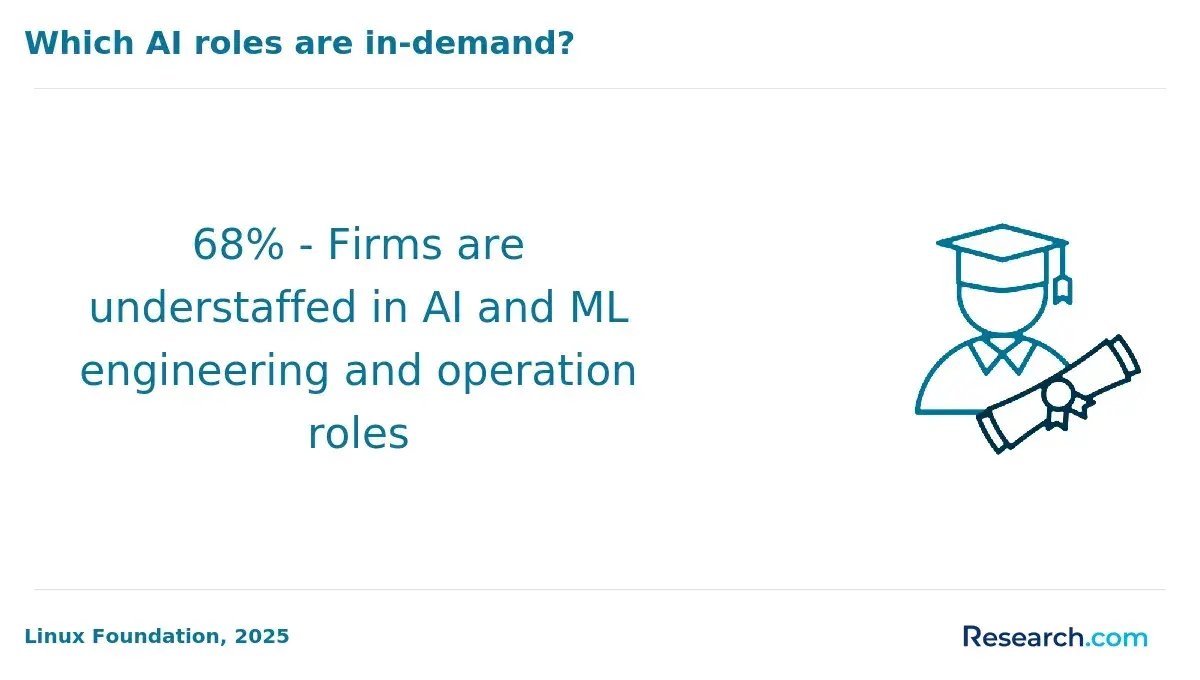
Expertise in machine learning, data engineering, analytics, and model deployment is essential for leveraging artificial intelligence in real estate. These skills power advancements in property valuation, predictive analytics, customer segmentation, and automated management systems.
Over half of organizations have integrated AI into at least one business function, demonstrating broad industry demand beyond purely technical roles.
Machine learning education should include both supervised and unsupervised techniques to analyze pricing trends and client behavior. Data engineering is vital for managing large datasets from sources like geographic information systems (GIS) and property transactions.
Cloud computing and database management enable scalable AI solutions widely used in property management platforms.
Analytics courses emphasize statistical methods and business intelligence tools that help assess investment risks and opportunities. Proficiency in Python, R, or SQL supports data manipulation and visualization, which are crucial for optimizing real estate portfolios.
Deploying AI models efficiently in real-world applications, such as chatbots and automated leasing systems, requires practical skills. Natural language processing (NLP) is valuable for sentiment analysis of market reports and social media trends impacting housing demand.
Collaborative software development skills and knowledge of ethical AI practices are important as specialists often work with finance, marketing, and urban planning teams to build transparent, compliant AI systems.
What admissions requirements are common for AI bachelor's and master's programs?
Admissions for AI bachelor's and master's programs in the U.S. typically center on academic preparation, relevant experience, and varied testing policies. Bachelor applicants usually need a high school diploma with strong math and science backgrounds, including calculus and computer science basics.
Most programs expect transcripts showing a GPA of about 3.0 or higher, alongside letters of recommendation and personal statements outlining interest in AI and real estate technology.
Master's applicants should hold a bachelor's degree in computer science, engineering, mathematics, or related fields, with demonstrated skills in programming, statistics, and foundational AI concepts through coursework or professional experience.
A GPA around 3.0 is commonly required. Notably, over 80% of U.S. graduate programs now often waive GRE/GMAT scores, favoring holistic reviews that consider work experience, research projects, or portfolios (Graduate Management Admission Council/GMAC, 2024).
Additional common requirements include:
- Statement of purpose specifying career goals in AI within real estate technology
- Letters of recommendation highlighting analytical skills and collaboration
- Relevant internships, research, or industry exposure in AI or data analytics
Programs may also offer flexibility for candidates with strong professional backgrounds but nontraditional academic records through interviews or prerequisite courses. Prospective students should carefully check each school's admissions webpage to confirm up-to-date criteria and deadlines.
How long do AI degrees take, and what do they cost?
AI degrees generally require two to four years of full-time study, depending on the education level. An associate degree typically takes about two years, a bachelor's around four years, and a master's degree in AI or related fields like computer science usually adds one to two years beyond a bachelor's.
Accelerated programs may combine bachelor's and master's degrees to finish in five years. Part-time and online options are available but can extend study time.
Tuition costs vary widely by institution and residency. Public four-year universities often charge around $11,610 annually for in-state students, while private universities may exceed $40,000 per year.
Additional costs such as textbooks, software, and living expenses increase the total investment. Many students benefit from financial aid, scholarships, or employer tuition reimbursement programs.
Online programs may offer more affordable and flexible options but require scrutiny of accreditation and industry recognition.
- Associate degrees: 2 years, approximately $7,000-$15,000 total for in-state students at community colleges
- Bachelor's degrees: 4 years, about $46,000 in tuition and fees for in-state students at public universities (4 x $11,610)
- Master's degrees: 1-2 years, costs range from $20,000 to over $60,000 depending on the institution
Choosing a degree depends on career goals in real estate technology, balancing duration, cost, and technical depth. Early career professionals often find a bachelor's sufficient, while specialized positions may require a master's degree. For detailed guidance, exploring accredited programs with solid industry connections is advisable.
What jobs can you get in PropTech with an AI degree?
An AI degree opens diverse career paths in PropTech, where technology enhances real estate markets. Graduates often become data scientists, applying machine learning to analyze market trends, optimize property values, and guide investment decisions.
The U.S. Bureau of Labor Statistics forecasts a 35% growth in data scientist jobs from 2022 to 2032, reflecting strong demand for AI expertise in this sector.
Other vital roles include AI software engineers who design smart building systems that improve energy efficiency and tenant services. Predictive analysts use AI models to forecast rental prices, property demand, and maintenance needs by processing data from IoT devices and urban sensors.
Real estate technology consultants leverage AI insights to help companies reduce costs and boost revenues, while GIS analysts combine spatial data with AI to support urban planning and site selection initiatives.
Typical responsibilities encompass:
- Developing AI-driven platforms for automated property valuation and risk assessments
- Creating chatbots and virtual assistants for enhanced customer service in real estate
- Using AI-powered image recognition to assess property conditions
- Analyzing tenant behaviors and lease patterns to optimize rental portfolios
Prospective students should build skills in AI programming, data modeling, and real estate principles. Practical experience with Python, TensorFlow, and cloud computing tools is highly beneficial. Navigating large and diverse datasets is crucial due to the data-intensive nature of PropTech analytics and modeling roles.
What salary can you expect in AI-driven real estate roles?
AI-driven roles in real estate offer competitive salaries that closely match data science benchmarks. The median U.S. salary for data scientists was $108,020 per year as of May 2023, according to the U.S. Bureau of Labor Statistics.
This figure serves as a useful benchmark for AI-focused positions in PropTech, including pricing and valuation modeling, market analytics, and predictive maintenance.
Salaries vary by experience and specialization:
- Entry-level AI analysts typically earn between $70,000 and $90,000 annually.
- Experienced professionals working on machine learning for property valuation or asset management command $110,000 to $140,000.
- Specialist roles like AI product managers or architects may surpass $150,000 depending on company size and location.
Geographic location plays a key role in compensation. Urban markets such as New York, San Francisco, and Boston generally offer higher pay, often supplemented by bonuses or stock options. Sought-after skills include proficiency in Python, R, machine learning frameworks, and real estate economics.
Combining AI expertise with real estate knowledge significantly boosts negotiation power and job security.
For students and graduates, aligning AI degrees with real estate technology opens doors to these promising and growing careers, especially as PropTech adoption accelerates and AI solutions become a core part of real estate investment and management.
What certifications or licenses help for AI and real estate technology careers?
Certifications and licenses play a crucial role in advancing careers in artificial intelligence and real estate technology by validating specialized skills. The Project Management Professional (PMP) certification, held by over 1.4 million professionals globally, is highly regarded for demonstrating expertise in managing complex projects-an essential ability for delivering AI-driven PropTech solutions efficiently.
Technical credentials focusing on artificial intelligence and data science are equally important. Certifications like Certified Artificial Intelligence Practitioner (CAIP) or those from major providers such as Microsoft and Google confirm skills in machine learning, computer vision, and natural language processing.
These competencies directly support work in real estate analytics, smart building technologies, and automated property valuation.
Real estate-specific licenses, including state real estate broker's licenses, enhance professionals' ability to navigate regulatory frameworks and client relations. Combining these with AI expertise creates a unique hybrid skill set valuable in PropTech roles that bridge technical innovation and market strategy.
Data privacy certifications, such as Certified Information Privacy Professional (CIPP), are increasingly vital due to the sensitivity of real estate data. Understanding privacy laws ensures ethical AI deployment and compliance with industry standards.
Agile methodology credentials like Certified ScrumMaster (CSM) support flexible, iterative development common in PropTech advancements. Students and professionals should align certification choices with their career goals, balancing technical, regulatory, and project management skills for maximum impact.
Other Things You Should Know About Artificial Intelligence
Ethical concerns in artificial intelligence for real estate include data privacy, algorithmic bias, and transparency in decision-making. AI systems may unintentionally discriminate based on factors like race or income when analyzing property values or rental applications.
Ensuring fairness and protecting consumer data are critical challenges developers and users of AI must address.
Artificial intelligence enhances property management by automating routine tasks such as rent collection, maintenance scheduling, and tenant screening. AI-powered predictive analytics help managers anticipate issues like equipment failures and optimize resource allocation. This leads to improved efficiency and cost savings within property operations.
Yes, AI can analyze large datasets to identify market trends, forecast property values, and assess risks more accurately than traditional methods. It helps investors make data-driven decisions by providing insights into neighborhood patterns, economic indicators, and buyer behavior. These tools improve the accuracy and speed of investment evaluations.
In 2027, leading institutions like Stanford University, MIT, and Carnegie Mellon offer specialized AI degrees with courses on real estate technology. These programs blend AI, data analytics, and real estate to prepare students for the industry's emerging challenges and opportunities.
For a successful career in real estate technology in 2027, mastering skills like data analysis, machine learning, computer vision, and natural language processing is crucial. These competencies are critical for innovative applications, akin to how an artificial intelligence and finance degree prepares grads for finance-focused AI roles.
References
- Best AI Certifications to Boost Your Career in 2026 – Dataquest https://www.dataquest.io/blog/best-ai-certifications/
- Student Feedback https://www.oxfordhomestudy.com/courses/ai-courses-online/artificial-intelligence-and-real-estate
- Top In Demand AI Skills (2025) https://www.skillsoft.com/blog/essential-ai-skills-everyone-should-have
- 16 Artificial Intelligence Career Paths https://www.calmu.edu/news/artificial-intelligence-career-paths
- Majors That Will Remain Employable After AI Disruption (Next 10 Years) https://goelite.com/blogs/majors-in-ai-age
- How Long Do AI Courses Take? https://www.nobledesktop.com/learn/ai/how-long-do-ai-courses-take
- AI in Real Estate: Key Use Cases, Solutions, and Challenges https://www.v7labs.com/blog/ai-in-real-estate
- Courses in AI in Real Estate Technology and Smart Building Management in San Sebastián, Spain https://ia.university/academic-programs/ai-real-estate-technology-smart-building-management-san-sebastian-spain-ia-ai/
- Artificial Intelligence (AI) in Real Estate https://proptechjobs.com/artificial-intelligence-ai-in-real-estate/