2027 National University Online PhD-MFT in Medical Family Therapy: Cost, Curriculum, Admissions, and Career Outcomes

Co-Founder and Chief Data Scientist
Determining whether to pursue an online PhD-MFT in medical family therapy at National University often centers on balancing academic rigor with flexible scheduling. Many potential candidates juggle professional, personal, and financial responsibilities, seeking programs that accommodate their complex lives without sacrificing quality.
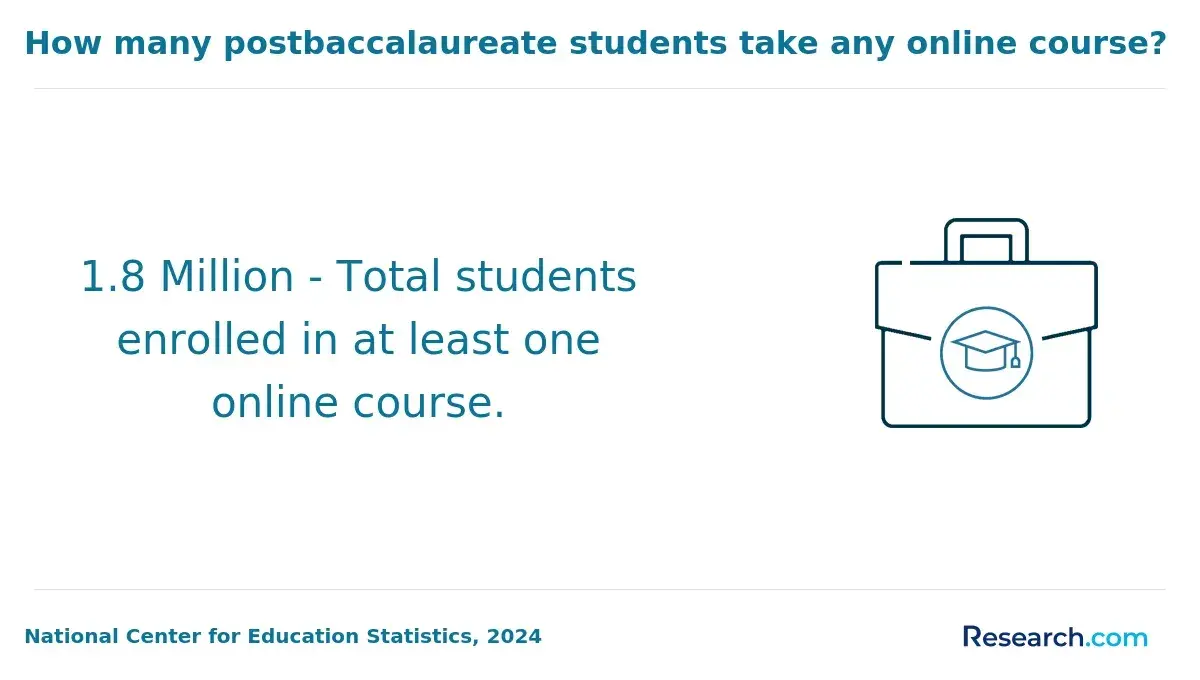
Notably, the National Center for Education Statistics reports a steady 8% annual growth in graduate enrollments in online programs, reflecting rising demand for accessible, advanced degrees. This trend highlights a shift in adult learners prioritizing programs that support career mobility and workload management.
This article examines the cost, curriculum, admissions, and career outcomes to clarify if this program aligns with your goals and circumstances.
Key Points About National University's PhD-MFT in Medical Family Therapy Program
- With an open admission policy and total tuition of $38,943, National University's online PhD-MFT in Medical Family Therapy offers financial transparency but requires careful evaluation of return on investment given its specialized focus.
- Regional accreditation ensures recognized academic standards, yet students should assess how faculty expertise aligns with specific research interests and career goals in medical family therapy.
- Graduates tend to find employer recognition in healthcare and therapy sectors, highlighting the degree's practical relevance for advancing clinical or research careers amid competitive job markets.
What can students expect from National University's online PhD-MFT in Medical Family Therapy curriculum?
The online PhD-MFT curriculum in medical family therapy at National University is deliberately structured to align with national standards, emphasizing a balance of theoretical knowledge, clinical proficiency, and research competence essential for workforce relevance. For example, a clinician aiming to lead interdisciplinary healthcare teams must navigate complex family dynamics alongside medical challenges-this program's integrated coursework supports that real-world preparation. Below are three primary coursework components typical of National University's Medical Family Therapy program coursework that reflect this practical orientation:
- Advanced Clinical Assessment: Students engage with sophisticated family therapy models, focusing on biopsychosocial assessment and intervention strategies tailored to chronic health conditions. This rigor prepares them to diagnose and treat multifaceted family problems in healthcare contexts effectively.
- Research Methods and Dissertation: Emphasis on qualitative and quantitative research techniques equips students to conduct original studies that can inform policy or clinical practice, a key skill for those pursuing academic or leadership roles.
- Ethics and Cultural Competency: Coursework emphasizes navigating ethical dilemmas and delivering culturally responsive care-critical competencies as therapists encounter increasingly diverse populations with complex medical and psychological profiles.
National University's alignment with established PhD-MFT frameworks includes advanced supervision and policy analysis, which enhances readiness for clinical leadership positions. Given the program's online format, students benefit from flexibility but must self-manage demanding academic and professional commitments. Prospective applicants who need financial planning support might consider exploring options through FAFSA approved online colleges to understand potential aid in managing program costs. Overall, this curriculum aims to forge practitioners who can influence both clinical settings and healthcare delivery at systemic levels.
What are National University's admission requirements for online PhD-MFT in Medical Family Therapy program?
Admission to National University's online PhD-MFT in Medical Family Therapy requires navigating flexible but foundational prerequisites designed to balance accessibility with academic rigor. For example, a student who has significant professional experience but limited formal academic credentials may still gain entry due to the open admission policy, though they will need to demonstrate readiness through documentation and relevant experience. Prospective students should carefully prepare several key admissions components to meet institutional expectations and support a successful doctoral trajectory.
Below are essential admission requirements for the PhD-MFT program:
- Educational Background: Applicants must have completed a high school education or hold a General Educational Development (GED) credential. Unlike many doctoral programs, there is no SAT or ACT score requirement, broadening access, though this can raise questions about applicant preparedness in more advanced academic skills.
- Official Transcripts: Submission of official transcripts is mandatory to verify previous academic achievements. These documents help the university evaluate the applicant's foundational knowledge and identify transfer credits or advanced placement where applicable.
- Resume or Curriculum Vitae: A detailed resume or CV emphasizing academic background and professional experience related to medical family therapy or similar fields is crucial. This provides context on practical experience that may offset traditional academic markers.
- Life Experience and Advanced Placement Credits: The program recognizes credits for relevant life experience and AP credits, allowing non-traditional students to leverage prior learning. However, dual credit is not accepted, so applicants cannot combine high school and college credits for acceleration.
- Computer Access: While no computer purchase or lease plans are offered, possessing a reliable computer is required due to the program's fully online format. Students lacking this risk hindering their ability to participate and succeed administratively and academically.
Is it difficult to get admitted to National University's online PhD-MFT in Medical Family Therapy program?
PhD programs in Medical Family Therapy often involve competitive admissions due to limited slots and the specialized nature of training, restricting access despite a growing demand for advanced practitioners. Such selectivity reflects the intensive mentorship and research resources required, influencing workforce readiness and employer expectations. Candidates may face hurdles that extend beyond academic qualifications, including tightly capped cohorts and rigorous screening processes at many institutions.
In contrast, National University's online PhD-MFT in Medical Family Therapy program operates under an open admission policy, removing common entry barriers like standardized test scores and competitive ranking. This approach significantly simplifies acceptance, allowing nearly all applicants who meet baseline criteria to enroll. While this enhances accessibility and supports broader participation in the field, applicants should weigh this against the program's academic rigor and the need for self-directed discipline in an online format. The absence of intense admissions competition means students are primarily challenged by course demands rather than entry hurdles.
When I applied to National University's program, I initially worried about competing against a large applicant pool with limited spots. The open admission policy was a relief, especially while transitioning from full-time work, because it allowed me to focus on preparing for the workload rather than the uncertainty of acceptance. I did hesitate briefly, concerned whether the lack of selective admission might affect the program's reputation in clinical settings, but the flexibility and immediate start outweighed that. Ultimately, the ease of entry made timely enrollment possible during a career pivot, highlighting that admissions difficulty there is minimal compared to program rigor.
What is the cost of attending an online PhD-MFT in Medical Family Therapy program at National University?
Tuition for the online PhD-MFT in Medical Family Therapy program at National University is set at a flat rate of $13,320 annually, a pricing model that eliminates location-based cost variations for online learners. While this base tuition is predictable, students should also plan for additional expenses such as $936 annually for books and supplies. This flat-rate approach contrasts with some programs that impose variable fees or technology charges, which can complicate financial planning for professionals balancing work and study.
When comparing the cost of attending National University online phd-mft medical family therapy program to other institutions, it is evident that National University's overall expenses, which total approximately $38,943 annually including room, board, and other fees, remain competitive. Many similar doctoral programs exceed this range due to differences in institutional type and geographic factors. While the Federal Scorecard estimates a slightly lower total cost of $37,116 for in-state, on-campus students, this figure incorporates living expenses and may not reflect the distinct budgeting needed for remote learners.
The tuition cost for online phd-mft in medical family therapy at National University has practical implications for applicants who must weigh educational investment against potential career trajectories in a field where financial clarity supports informed decision-making. The program's consistent pricing enables candidates from diverse locations and backgrounds to assess costs transparently, which is advantageous in evaluating long-term professional development options within behavioral health systems.
Prospective students exploring doctoral options should also consider broader educational pathways, including shorter credential programs that can complement or precede a PhD in Medical Family Therapy. Resources detailing online associate degrees can provide insight into accelerated credentialing opportunities that impact workforce readiness and cost management strategies.
Are there financial aid options for online PhD-MFT in Medical Family Therapy students at National University?
Financial aid options for students enrolled in the online PhD-MFT in Medical Family Therapy at National University are somewhat limited but still offer multiple pathways to offset costs. Given the high expenses of doctoral study and the specialized nature of the field, prospective students need to weigh these funding mechanisms carefully as part of their decision process, especially since some aid requires eligibility criteria that not all applicants will meet. The following outlines key financial supports available to help manage tuition and related educational expenses.
- Institutional Scholarships: These scholarships are merit- or need-based grants available to graduate students, including those in the PhD-MFT program. Awards vary widely and often require application deadlines and maintaining satisfactory academic progress.
- Federal Financial Aid: Eligible students can pursue Direct Unsubsidized Loans and Graduate PLUS Loans after filing the FAFSA. These loans reduce upfront costs but must be repaid with interest, influencing long-term debt levels.
- Veteran Benefits: Military-affiliated students may utilize education benefits such as the GI Bill, which can cover a significant portion of tuition if eligibility and enrollment criteria are met.
- Employer Tuition Reimbursement: Some students may offset costs through tuition assistance offered by their employers, although participation and reimbursement caps vary, requiring negotiation with human resources departments.
- Institutional Aid and Payment Plans: Additional support such as emergency grants or structured payment plans might be available, providing flexibility for students experiencing short-term financial challenges during their studies.

What learning resources are available to online PhD-MFT in Medical Family Therapy students at National University?
Access to comprehensive learning resources significantly influences the ability of online PhD-MFT in Medical Family Therapy students at National University to navigate the demands of both advanced academic research and clinical practice. For instance, students balancing professional roles with doctoral studies often rely heavily on digital platforms to maintain continuity in learning despite their complex schedules. The availability of tailored academic and professional support can be a critical differentiator when weighing programs, impacting time to degree completion and readiness for workforce integration. The following outlines key learning resource categories that shape the educational experience and practical outcomes for these students.
- Digital Infrastructure: National University provides a stable online learning environment with seamless access to course materials, virtual classrooms, and specialized research databases. This technological foundation allows students to engage with rigorous content efficiently, which is essential in professional doctoral studies where access to current literature and synchronous learning is expected.
- Technical Support: Dedicated IT teams assist students in resolving any technology-related issues, minimizing downtime and supporting uninterrupted progress. For working professionals, this reduces frustration and ensures consistent engagement with course requirements despite potential technical hurdles.
- Academic Advising and Writing Support: Personalized advising helps students tailor their research trajectories and manage academic expectations aligned with the PhD-MFT's specialized focus. Writing centers facilitate development of scholarly communication skills, addressing the considerable demands of doctoral-level publishing and dissertation preparation.
- Faculty Mentorship: Access to experienced faculty mentors offers critical guidance on complex theoretical frameworks and clinical applications. These relationships are vital for developing competencies that meet employer standards in healthcare settings that require evidence-based practice coupled with advanced clinical insight.
- Professional Placement and Networking: The program's connections with healthcare organizations and clinical sites provide access to applied learning opportunities essential for transitioning from academic study to professional roles. Networking infrastructure also fosters collaboration with peers and multidisciplinary professionals, supporting long-term career development and research partnership building.
Does National University's online PhD-MFT in Medical Family Therapy program have in-person clinicals or practicums?
In-person clinical experience remains a cornerstone of competence verification in Marriage and Family Therapy (MFT) education, particularly to meet licensure standards and employer expectations. National University's online PhD-MFT in Medical Family Therapy aligns with this professional imperative by incorporating hands-on practicum requirements that cannot be fulfilled through remote learning alone. For students balancing work or geographic constraints, this necessity introduces logistical considerations that can affect the feasibility and timing of program completion.
Industry standards for clinical training in MFT often require between 500 and 1,000 hours of supervised practice. Reflecting these norms, National University online PhD-MFT clinical practicum requirements include in-person clinicals or practicums conducted in approved healthcare or community settings. This ensures that students gain direct client contact experience under professional supervision, a critical factor for both accreditation compliance and readiness for real-world practice. The blended program design thus offers coursework remotely but mandates physical presence for applied components, differentiating it from programs claiming fully online clinical fulfillment.
Students pursuing the National University PhD-MFT in Medical Family Therapy must arrange local clinical placements adhering to program and state guidelines, emphasizing the student's active role in securing suitable sites. While the university provides support, the responsibility largely rests on the graduate to integrate these requirements within their communities. This hybrid training model addresses core clinical competencies but may impact students from regions with limited practicum options or those seeking fully virtual pathways. For those evaluating educational options alongside certificate programs that pay well, understanding these practicum realities is crucial for informed decision-making.
What careers can graduates of online PhD-MFT in Medical Family Therapy at National University secure?
The utility of a PhD-MFT in Medical Family Therapy from National University hinges on its ability to equip graduates with credentials that translate effectively into specialized careers. The program's interdisciplinary approach is designed to meet evolving demands in healthcare and academic sectors, but its practical value depends on aligning one's career goals with these roles. Graduates navigating job prospects after National University online PhD-MFT in medical family therapy find that success often requires blending clinical expertise with capabilities in leadership, research, or education. This degree can open doors beyond traditional therapy positions, yet candidates must weigh tradeoffs such as the necessity for licensure, experience needed, and the competitive nature of academic appointments. Below are typical career trajectories reflecting these realities.
- Licensed Medical Family Therapist: Professionals in this role provide integrative therapy addressing both medical and psychosocial patient needs. Their work involves managing chronic illnesses and behavioral challenges, usually within multidisciplinary healthcare teams. Salaries can vary widely based on setting and location but generally reflect clinical expertise.
- Academic Faculty and Researchers: Holding a PhD-MFT allows graduates to pursue university faculty or research positions focused on advancing family therapy knowledge. These roles often demand publishing, teaching, and developing innovative models, with compensation linked to institutional type and rank.
- Healthcare Administration and Policy: Some graduates leverage their clinical insights into administrative or policy-making roles to influence healthcare program effectiveness and family services. Such positions require leadership acumen and can offer competitive remuneration within hospital systems or public agencies.
- Clinical Supervisors or Program Directors: These roles involve overseeing therapeutic services and mentoring practitioners in hospitals or community centers. Responsibilities include program development and staff training, with salaries reflecting managerial duties and healthcare sector standards.
Students evaluating careers for online phd-mft medical family therapy graduates in national university should consider that labor markets for such advanced credentials are evolving, with non profit online universities increasingly competing within these niches. Aligning credential outcomes with employer expectations and practical workforce demands remains essential.
What is the salary outlook for online PhD-MFT in Medical Family Therapy graduates?
Salary prospects for graduates holding an online PhD-MFT in Medical Family Therapy lean toward alignment with advanced allied health degrees rather than general psychology fields. For example, National University's alumni report a median annual salary of $67,548, which offers a tangible financial benchmark shortly after program completion. This median places graduates below specialized categories like Allied Health Diagnostic, Intervention, and Treatment Professions, where median salaries reach $94,452, evidencing a tradeoff in specialization versus broader healthcare administration roles.
The average earnings for National University PhD-MFT in Medical Family Therapy alumni indicate a moderate premium relative to interdisciplinary or general clinical psychology careers that often hover between $35,518 and $36,571. Employers in healthcare systems increasingly value integrated family therapy expertise, which can translate into roles beyond direct clinical practice, including health administration and policy development-fields where doctoral qualifications can justify above-average salaries.
Decision-makers weighing a PhD-MFT path should consider that while this degree opens doors within allied health, the salary outlook may not match the upper echelon of nursing administration or specialized allied professions earning around $85,563 or higher. Prospective students can explore how the program's outcomes compare with competing credentials and even best degrees for older adults to assess alignment with personal career and financial goals.
How do you know if National University's online PhD-MFT in Medical Family Therapy program is the right choice for you?
Choosing whether national university's online PhD-MFT in Medical Family Therapy fits your professional path requires assessing how well its structure and objectives align with your specific learning style, career ambitions, and life circumstances. A mismatch can lead to wasted time or financial strain, especially given the program's commitment to asynchronous delivery and advanced research integration. Consider these critical factors to guide your decision:
- Flexibility and Learning Format: Determine if self-directed, mostly asynchronous coursework suits your daily obligations and motivation levels. This is vital because the online nature means less real-time interaction, which can affect engagement and mastery depending on your preferred study habits.
- Research and Clinical Integration: Evaluate whether the program's strong emphasis on combining medical knowledge with family therapy research aligns with your interest and intended practice settings. Depth in clinical research often influences employability in healthcare environments with interdisciplinary teams.
- Community and Support Networks: Assess the effectiveness of virtual mentorship and peer collaboration opportunities. The program's cohort model aims to create connection despite distance, but the benefits hinge on your willingness and capacity to participate actively online.
- Cultural Competency and Inclusiveness: Reflect on how critical culturally-informed practice is to your professional goals. The program's diversity focus may enhance your ability to engage marginalized populations, which is increasingly valued but may require personal commitment to these principles.
A former student shared that their choice hinged on balancing work as a clinician with doctoral study demands. Initially hesitant about an online format, they appreciated managing coursework around irregular shifts but found the limited synchronous engagement sometimes isolating. Over time, active participation in online forums and mentorship calls became key to sustaining momentum. Their goal was to strengthen clinical research skills while maintaining employment, and this program offered a workable compromise-though they noted it wouldn't suit those needing daily, in-person faculty interaction or campus resources. This lived experience underscores the importance of honestly weighing how program design meshes with your daily reality and long-term aspirations before committing.
What Graduates Say About National University's PhD-MFT in Medical Family Therapy Program
- Aiden: "Studying at National University provided me with a grounded understanding of clinical and systemic interventions that I found invaluable when navigating post-graduate roles. The hands-on internships embedded in the PhD-MFT in Medical Family Therapy program were especially crucial, allowing me to build a portfolio that employers actually prioritized over just licensure. While some advanced positions still require additional certifications, the practical experience I gained gave me a clear edge in securing remote work opportunities within healthcare settings."
- Simon: "The PhD-MFT in Medical Family Therapy program at National University challenged me to critically analyze how family systems interact within medical contexts, which has been essential as I shifted careers from traditional therapy roles to research-driven positions. I found that while the theoretical components were rigorous, the slower pace of salary growth in my field means I need to balance advanced degrees with strategic certifications. National University's flexible online structure also enabled me to enter the workforce faster and maintain steady employment throughout my studies, which was a huge benefit."
- Bryce: "Choosing National University for my PhD-MFT in Medical Family Therapy was a pragmatic decision influenced by the program's emphasis on real-world application rather than just academic theory. The faculty's insights on hiring realities-such as the frequent preference employers have for candidates with extensive internship hours or specialty certifications-prepared me for the competitive nature of clinical roles well before I graduated. Since completing the program, I've noticed that being adaptable and continuing professional development are just as important as the degree itself in advancing my career."
Other Things You Should Know About Degrees
In 2027, National University's Online PhD-MFT in Medical Family Therapy program presents challenges for students conducting research and dissertation work. These include limited access to physical research resources, the need for self-discipline in managing time effectively, and reduced face-to-face mentorship opportunities, which may impact guidance and feedback.
Undertaking research remotely in this program presents challenges such as limited face-to-face mentorship and potential delays in accessing research participants or clinical sites. Although faculty advisors are accessible virtually, the absence of in-person interaction can complicate nuanced guidance and collaborative problem-solving. Students should prioritize strong self-motivation, technological proficiency, and proactive communication to mitigate these issues effectively.
Employers generally recognize National University's phd-mft in medical family therapy as credible, but some may still prefer candidates with traditional or hybrid educational experiences, especially in highly clinical or institutional settings. Students aiming for top-tier academic or hospital-based roles might weigh this factor carefully and consider supplementing their education with in-person networking or internships. For many community-based or private practice employers, the online format holds equivalent weight, making it a pragmatic choice for those prioritizing convenience without compromising credential quality.
It is advisable for applicants with limited clinical experience to gain more practical exposure before enrolling, as the phd-mft in medical family therapy at National University assumes a foundational understanding of clinical practice. Jumping in prematurely can lead to steep learning curves and increased stress, particularly during applied research and practicum components. Prior hands-on experience enhances the ability to contextualize coursework and supports a smoother transition to doctoral-level expectations, making it a strategic investment for long-term success.
References
- Marriage and Family Therapy, Medical Family Therapy Specialization, MA https://catalog.ncu.edu/preview_program.php
- NU ATA | Teaching and Learning Resources https://www.atalearning.org/
- Is an MFT Degree Worth It? https://onlinecounselingprograms.com/online-counseling-degrees/online-mft-masters-programs/mft-degree-worth-it/
- Top 5 Low-Cost Doctorate Degrees in Marriage and Family Counseling https://www.greatvaluecolleges.net/affordable/online-doctorate-marriage-family-therapy/
- Doctoral Programs — Medical Family Therapy https://www.medicalfamilytherapy.net/doctoral-programs
- National University - California MFT https://californiamft.org/mft-programs/national-university/
- Verifying that you are not a robot... https://draudrey.net/2025/10/08/what-about-marriage-and-family-therapist-education-requirements/
- Textbooks https://nu.concerncenter.com/resource/7240