2027 Florida Institute of Technology Review for Online Students: Tuition, Programs, and Admissions

Co-Founder and Chief Data Scientist
Choosing an online program requires evaluating how well a school's offerings align with career goals and practical constraints. Florida Institute of Technology presents options in STEM and business fields, but prospective students must weigh program depth, tuition costs, and admissions competitiveness. With over 60% of adult learners prioritizing flexibility and affordability in their online education (according to an EduTrend report), understanding these factors is critical before committing.
This article examines Florida Institute of Technology's online programs, tuition structure, admissions process, and student experience. It provides clarity on whether the institution meets the needs of students seeking practical, outcome-focused online education options.
Key Points About Florida Institute of Technology Online Programs
- Admission to Florida Institute of Technology's online programs requires a balanced academic record, reflecting moderate selectivity. This standard ensures readiness for a challenging STEM curriculum that aligns with industry expectations in technical fields.
- The total tuition cost is $65,900, which demands evaluation against career trajectories in STEM sectors. Return on investment depends on leveraging technical credentials in high-demand roles with adequate salary growth.
- Online student life prioritizes structured academic support but limits spontaneous networking available on campus. Success depends on proactive engagement and self-driven use of institutional resources for professional connections.
What is the academic reputation of Florida Institute of Technology?
Florida Institute of Technology is recognized for strong STEM and aerospace programs, with applied research and industry partnerships driving practical outcomes. Its graduates often enter engineering and technology sectors with skills valued for real-world problem solving, which appeals to employers seeking industry-ready professionals rather than purely theoretical credentials.
Recruiters typically respect Florida Institute of Technology's focus on applied learning but may weigh its academic standing below top-tier research universities. A recent EduTrends Analytics study found that 58% of employers increasingly accept accredited online STEM degrees when combined with relevant work experience, highlighting that online graduates from Florida Institute of Technology can compete effectively if they leverage practical expertise alongside their credentials.
Online students should note the tradeoffs in faculty interaction and varied course rigor, which sometimes affect the perceived value of online programs. While the academic reputation is not elite, Florida Institute of Technology offers pragmatic education suited to those prioritizing industry relevance over prestige in tech-driven job markets.
Are online programs at Florida Institute of Technology accredited?
Florida Institute of Technology maintains regional accreditation through the Southern Association of Colleges and Schools Commission on Colleges (SACSCOC), validating the academic quality of its campus and online programs. Specialized accreditations, such as ABET endorsement for engineering degrees, add discipline-specific credibility, enhancing the rigor of its technical offerings online.
For online students targeting employment in STEM or technical sectors, this layered accreditation signals to employers a reliable baseline of knowledge and skills. Companies in these fields often require degrees from accredited institutions to ensure candidates meet industry standards, which directly affects job prospects and earning potential after graduation.
Accreditation also matters for students planning further education or seeking federal financial aid, as it can determine credit transferability and eligibility. A recent report by the National Center for Education Statistics found that 71.3% of online students consider institutional accreditation a top priority, reflecting its critical role in both educational value and workforce mobility.
Prospective students should verify the current accreditation status of specific programs by consulting Florida Institute of Technology's official accreditation disclosures or directly contacting program administrators. This due diligence is essential since accreditation can evolve and may vary by academic discipline, which impacts both academic outcomes and professional recognition.
What are the top online programs at Florida Institute of Technology?
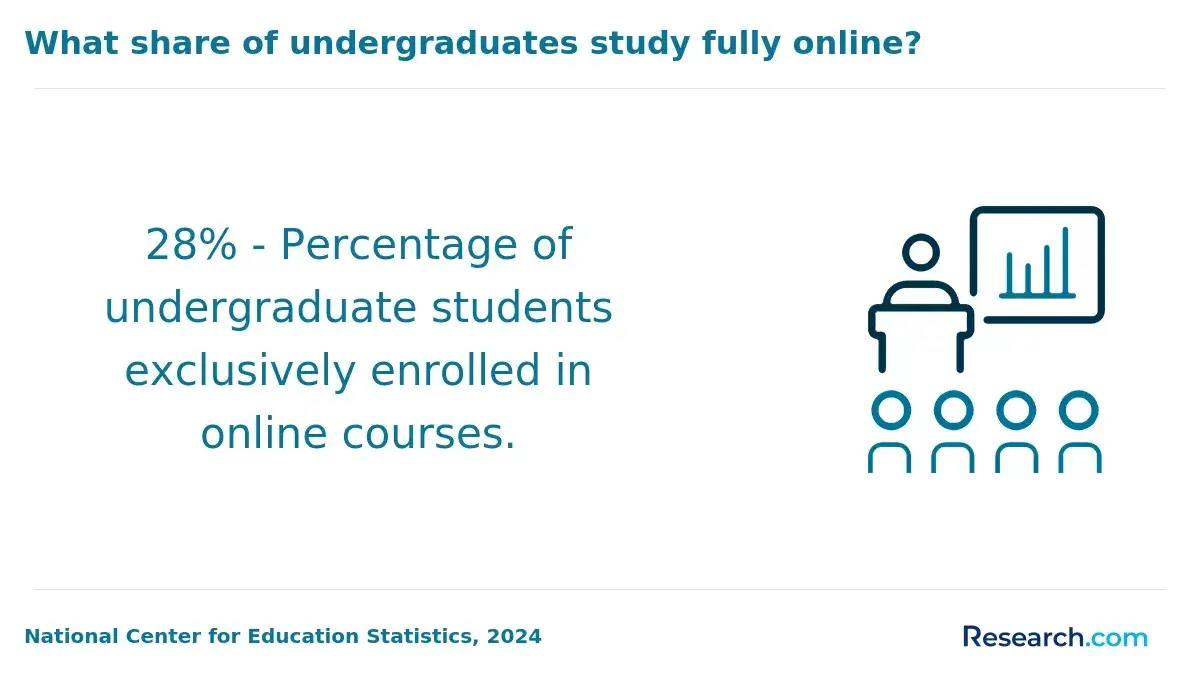
Florida Institute of Technology's online undergraduate programs address a range of workforce needs, blending flexibility with career-relevant content. These programs matter especially for those juggling work while acquiring skills that directly impact employability.
For instance, an IT professional seeking to upskill in cybersecurity may find the program's focus on practical system administration valuable for transitioning into higher-demand roles. Below is a concise overview of five key online undergraduate offerings.
- Information Technology: This program centers on cybersecurity, networking, and systems administration. It prepares students for in-demand IT roles through a mix of synchronous and asynchronous learning, balancing real-time interaction with flexible study schedules.
- Aeronautics: Focused on aviation management and operations, this curriculum targets careers in commercial aviation or aerospace. Delivery includes interactive sessions that simulate operational decision-making, enhancing practical comprehension.
- Psychology: Covering foundational theories and research methods, this program prepares students for human services roles or future graduate study. The asynchronous format supports self-directed learners while promoting engagement through scheduled discussions.
- Business Administration: Students examine management, marketing, and finance through combined live sessions and on-demand materials. This hybrid approach allows working adults to participate in real-time case studies while managing their own pace.
- Criminal Justice: This program investigates law enforcement, corrections, and the justice system, aimed at public safety professionals seeking advancement. Courses mix flexible asynchronous content with occasional synchronous discussions to fit demanding schedules.
A 2024 study from the Online Learning Consortium found that 62.7% of online degree seekers prefer blended delivery models that combine live interaction with recorded content. This preference illustrates why Florida Institute of Technology's balance of synchronous and asynchronous formats is crucial; it addresses the practical need for engagement while accommodating variable life demands.
Such adaptable learning models align with workforce realities, enhancing outcomes for students pursuing top online degree programs at Florida Institute of Technology. Prospective learners evaluating options might also consider comparisons found in research on online master's programs to understand the evolving landscape and optimize their educational investments.
Does Florida Institute of Technology offer online graduate degrees and professional certifications?
Florida Institute of Technology delivers online graduate degrees and professional certifications that blend technical rigor with the flexibility demanded by working adults and remote learners. However, the choice between synchronous and asynchronous learning modalities impacts peer engagement and employer perceptions.
For instance, a cybersecurity analyst advancing credentials must balance real-time interaction against scheduling constraints while maintaining skills that align with industry collaboration expectations. Below are key online offerings that highlight this programmatic range and delivery styles.
- Master of Science in Cybersecurity: Focuses on network defense, risk management, and digital forensics, often combining synchronous lectures with asynchronous assignments to mimic real-world incident response scenarios.
- Master of Science in Data Science: Emphasizes statistical modeling and machine learning with flexible formats tailored for professionals aiming to handle big data projects across sectors.
- MBA with Concentrations: Offers tracks such as project management and finance, integrating case studies through live sessions and asynchronous coursework to develop leadership competence.
- Master of Science in Engineering Management: Trains students in leading technical teams and projects, using a hybrid approach to foster both independent study and group collaboration.
- Master of Science in Applied Behavior Analysis: Prepares students for evidence-based interventions using coursework designed for remote learners, balancing theory with practical application through online discussions.
Most programs use a hybrid format to enhance flexibility while maintaining some real-time engagement. This structure caters to varied learning preferences but demands self-discipline. A recent study from the National Center for Education Statistics finds 42% of graduate students prefer fully asynchronous options for convenience, yet employers often favor candidates who demonstrate teamwork skills fostered in synchronous or hybrid settings.
Prospective students evaluating Florida Institute of Technology online graduate degree programs should weigh these factors carefully, especially regarding post-graduation networking and career advancement.
Florida Institute of Technology also offers professional certification options online targeting high-demand areas like project management and cybersecurity. These credentials focus on practical skills development necessary for career mobility in competitive fields.
Given the growing popularity of accelerated degree programs, students seeking faster, skill-specific credentials might find certifications provide focused alternatives to full degree paths, though with different employment implications.
What are the admission requirements for online programs at Florida Institute of Technology?
Florida Institute of Technology's online admissions process reflects a balance between selectivity and accessibility. With a 63% acceptance rate, it is neither an open access institution nor highly competitive. This approach ensures that students admitted possess a foundational academic readiness, which aligns with employer preferences for credible qualifications from rigorous programs.
For example, a working adult returning to school will face a clear but manageable set of expectations, helping to protect the value of the degree without creating unnecessary barriers.
Applicants who underestimate these requirements risk investing in a program that may not meet employer standards or could delay their progress due to unmet prerequisites. According to recent data from the National Center for Education Statistics, employers increasingly consider standardized admissions criteria as a proxy for graduate reliability when evaluating online degrees, making these thresholds a critical filter in the hiring pipeline.
The following outlines key admission requirements for Florida Institute of Technology's online programs, emphasizing the practical steps necessary for applicants to demonstrate their readiness and align with workforce expectations.
- Secondary School Record and Minimum GPA: Submission of an official secondary school transcript is mandatory, showcasing completion of foundational coursework. A minimum GPA is required to ensure applicants have maintained academic consistency, reflecting preparedness for collegiate-level study.
- SAT or ACT Scores: Prospective students must provide standardized test scores, with SAT verbal scores between 570-660 and math between 560-660, or ACT scores ranging from 23-28. These ranges confirm mastery of essential skills employers value in technical and analytical roles.
- High School Completion or GED: Completion of high school or an equivalent credential like the General Educational Development test is a baseline requirement, validating basic educational attainment necessary for degree-level work.
- TOEFL for Non-Native English Speakers: Applicants whose first language is not English must demonstrate proficiency through the TOEFL exam, ensuring they can succeed in rigorous academic communication and readings.
- Optional Standardized Tests: Tests such as the Wonderlic or WISC-III are recommended but not compulsory, offering additional context on cognitive abilities or learning aptitudes for those who choose to submit them.
- Advanced Placement Credits: While life experience or dual credits are not credited, AP credits are accepted. This reward for prior advanced study can reduce time to degree completion, benefiting applicants with strong high school preparation.
Is it difficult to transfer to an online program at Florida Institute of Technology?
Transferring to an online program at Florida Institute of Technology is moderately challenging, reflecting an average acceptance rate for transfer credits. The institution's policies accommodate credits from various sources, including ACE recommendations and credit exams like CLEP and DSST, making transfer credit acceptance generally competitive but not prohibitive.
Transfer students should prepare detailed academic transcripts, standardized credit documentation, and course descriptions. These materials help align previous coursework with Florida Tech's curriculum, a crucial step given that course equivalency evaluations can delay progress. Transfers can occur in fall, spring, or summer, providing flexibility but requiring careful timing to avoid gaps.
Adapting from in-person programs or other online institutions means mastering new online learning platforms and self-directed study routines. Prospective students should assess their readiness for these dynamics, as success hinges on managing different instructional technologies and increased independent learning demands.
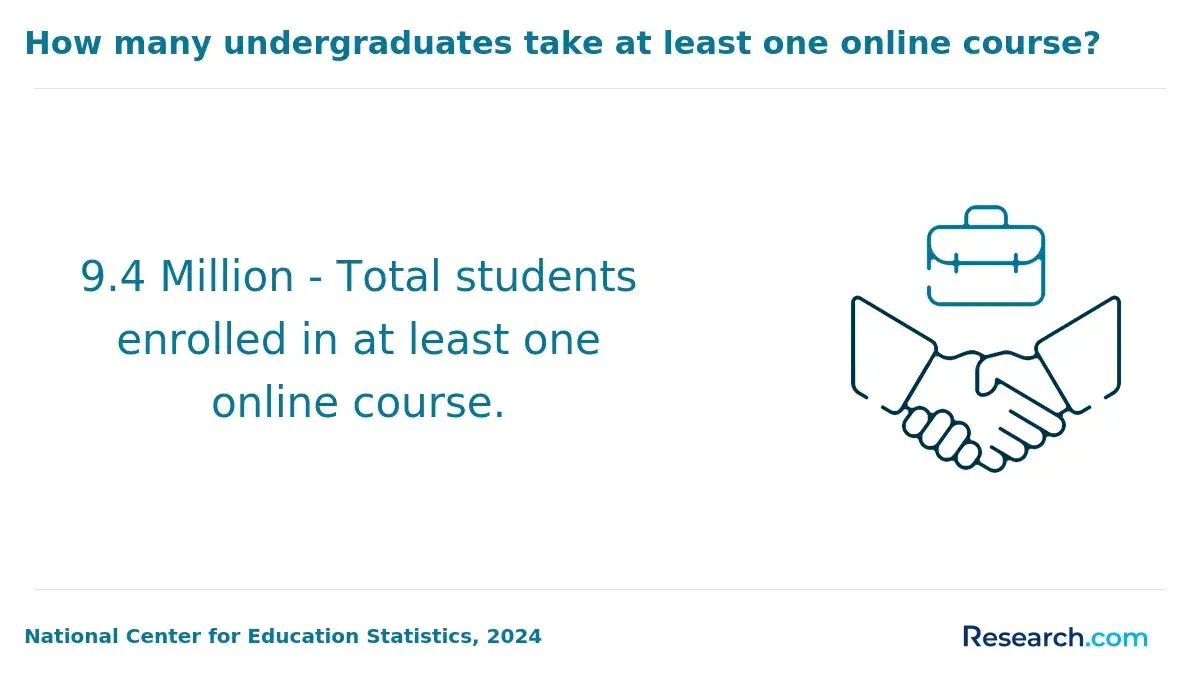
National Student Clearinghouse data shows 18% of all transfers now involve distance education, highlighting a trend toward flexible education options. This underscores the importance of thorough credit transfer planning and a strong grasp of distance learning realities to ensure retention and timely degree completion at Florida Institute of Technology.
One Florida Institute of Technology graduate recalled, "Moving from a community college's daytime classes to Florida Tech's online program was tough at first. I underestimated how much independent discipline was needed. My transfer credits mostly transferred, but I had to reach out often to advisors to fit everything into my plan."
"It was a bit frustrating, especially balancing work, but once I adapted to the online tools, it got easier." This experience reveals how practical challenges and timely support access shape transfer success beyond credit evaluation alone.
How much does it cost to study an online program at Florida Institute of Technology?
Online tuition rates at Florida Institute of Technology place the total annual cost of attendance around $65,900, with base tuition and fees at $44,360. Additional expenses include $1,200 for books and supplies, while room and board may not affect fully remote students but factor into overall cost estimates. This total cost exceeds many public university online programs, indicating a financial premium for Florida Tech's offerings.
Florida Institute of Technology does not appear to offer fixed tuition rates based on residency or online enrollment, nor separate online-specific technology fees. Costs can vary by program requirements, reflecting broader national trends where online education expenses rise faster than inflation. This variability means prospective students must assess their program's specific demands alongside tuition when budgeting.
The institution reports that 100% of undergraduates receive financial aid, with an average award of $24,420, which can significantly mitigate out-of-pocket costs. Given the high sticker price, strong financial aid availability is crucial to making attendance feasible and comparing net costs to alternatives offering lower tuition.
Choosing Florida Institute of Technology's online degrees involves weighing these costs against employer expectations favoring verifiable skills as well as credentials. Those unable to absorb the premium may consider options highlighted in the cheapest online master's degree research, which explores more affordable pathways aligned with career investments.
What is the online student experience like at Florida Institute of Technology
Studying online at Florida Institute of Technology offers a mixed but resource-rich experience that demands self-discipline and strategic engagement from students. While the institution provides a solid digital infrastructure and avenues for academic interaction, the remote format inherently limits spontaneous networking and hands-on learning opportunities important for STEM fields.
This gap requires students to actively seek supplemental experiences or risk falling short of the practical skill development employers expect. A key challenge highlighted by a 2024 study from the Online Learning Consortium reveals that 63% of online students struggle to maintain consistent interaction with instructors and peers, which can dampen motivation and persistence.
For Florida Institute of Technology's online learners, leveraging specific resources can make the difference between isolated coursework and a productive, career-aligned education. Below are key resources and experiences to consider:
- Online Library Access: The extensive digital library offers scholarly journals and textbooks that support research-intensive projects, crucial for maintaining academic rigor remotely and preparing students for evidence-based industry roles.
- Official Student Forums: These platforms foster peer-to-peer interaction, allowing students to discuss coursework and build study groups, which helps counteract the sense of isolation common in online learning.
- Virtual Events: Periodic webinars and networking events provide opportunities for engagement beyond static content, helping students develop professional connections despite geographic distances.
- Flexible Coursework Delivery: The program format allows students to learn on their own schedules, accommodating working professionals who must balance job demands with study, although this requires strong time management skills.
- Limited Hands-On Lab Access: While on-campus labs are integral to some programs, online students face restrictions here, necessitating alternative strategies such as virtual simulations or local partnerships to gain practical experience.
- Academic Support Services: Online tutoring and advising services are available but require proactive student outreach, emphasizing that success hinges on individual initiative more than passive access.
- Career Readiness Resources: The school offers online career counseling and job placement support tailored for distance learners, important for navigating competitive STEM job markets without in-person alumni networks.
One graduate of the online engineering program shared how balancing a full-time job with coursework was initially overwhelming. They noted, "At first, I underestimated how isolated I'd feel without in-person labs. Joining the student forums was a turning point. It felt less like just assignments and more like community."
"But I had to schedule weekly virtual events into my calendar to build connections actively. The flexibility was invaluable, but it was on me to fight procrastination and reach out for help when I needed it."
This perspective highlights the dual edge of Florida Institute of Technology's online experience: valuable resources exist, but their impact depends heavily on the student's proactive engagement and personal discipline.
What is the employment outlook like for Florida Institute of Technology online degree graduates?
Employment prospects for Florida Institute of Technology online degree graduates are cautiously optimistic but vary by discipline and local labor market conditions. Securing a position can be challenging without relevant experience or certifications, as some employers require proof of practical skills alongside an online credential.
Data shows about 78% of these graduates find employment within six months, reflecting moderate success relative to national averages. This aligns with a 12% rise in employers who now view online degrees as equally credible if paired with applicable work experience, underscoring the importance of combining education with on-the-job expertise for smoother transitions.
For example, a graduate in cybersecurity with hands-on projects or internships will likely have an edge over one without demonstrable practical skills. These dynamics are crucial when evaluating Florida Institute of Technology online degree employment rates in Florida and elsewhere. Below is a closer look at where graduates typically find roles:
- Aerospace Engineering: Graduates often work as systems engineers, technical analysts, or project coordinators contributing to aerospace design and development projects.
- Information Technology: Roles include software developers, network administrators, and cybersecurity specialists focusing on securing and optimizing IT infrastructure.
- Business Management: Positions such as financial analysts, marketing managers, and operations coordinators are common, supporting organizational efficiency and strategy.
- Project Management: Professionals lead interdisciplinary teams and manage timelines and resources across engineering or IT projects.
- Cybersecurity: Specialists defend digital assets, assess vulnerabilities, and implement security frameworks within public or private sector firms.
- Data Analytics: Graduates analyze complex data sets to inform business or technical decisions through statistical tools and software.
- Engineering Consulting: Graduates provide expert advice on technical challenges in manufacturing, aerospace, or environmental fields.
Overall, the employment outlook for Florida Institute of Technology online graduates reflects broader US labor market trends where credentials paired with experience substantially improve job placement. Prospective students should weigh existing skills and local conditions when considering their career prospects post-graduation. Those interested in accelerated options might explore programs such as the shortest masters program to align education timelines with market demands.
Do Florida Institute of Technology online degree graduates have a good salary outlook?
The median salary for Florida Institute of Technology online degree graduates is $43,137, setting a baseline for financial outcomes across all disciplines.
Graduates in technical sectors like Computer Science ($67,475), Electrical Engineering ($67,184), and Computer Engineering ($66,682) earn substantially more, reflecting strong employer demand in STEM fields. For a professional deciding between early career options, this means online programs in high-demand areas can significantly improve income potential compared to non-technical tracks.
Conversely, fields such as general biology ($25,174) and clinical and counseling psychology ($24,787) yield median salaries well below national averages. These figures underscore a crucial tradeoff for prospective students weighing program costs against realistic earnings. Understanding these nuances is key when considering Florida Institute of Technology online degree salary prospects and long-term career returns.
Employers recruiting Florida Institute of Technology graduates largely come from aerospace, engineering, IT, and business sectors, demanding specialized skills. Given that the U.S. Bureau of Labor Statistics shows the average professional salary around $58,260, students in technical disciplines align closer to or exceed this benchmark, while others may face challenges achieving similar financial returns.
This wage disparity highlights the importance of aligning degree choices with labor market demands rather than relying solely on brand reputation. For those interested in advanced credentials, programs like the online PhD criminal justice no dissertation can offer tailored options for professional growth.
What Graduates Say About Florida Institute of Technology
- Chloe: "Choosing to pursue my online degree at Florida Institute of Technology was a calculated decision to balance work and study without putting my job on hold. The program's flexibility allowed me to delve deeply into topics relevant to my industry, which proved valuable when I transitioned into a mid-level engineering role. However, I noticed that many employers also emphasized hands-on experience and certifications, so I supplemented my degree with targeted internships and labs to strengthen my portfolio."
- Hope: "Studying online at Florida Institute of Technology enabled me to pivot my career toward data analytics without relocating or quitting my position. The curriculum was challenging but realistic for someone managing a full-time job, and the faculty's practical approach helped me build skills that translated directly to my role. After graduation, I found that while my degree opened doors, advancing quickly still required me to demonstrate consistent project results and earn specialized certificates beyond the core program."
- Eva: "My experience with Florida Institute of Technology's online program was one of steady growth rather than rapid career leaps. The coursework was rigorous and aligned well with industry standards, which gave me confidence entering the workforce. Still, I quickly realized that salary increases and promotions often depended on networking and real-world accomplishments, so I focused on applying what I learned on the job and seeking mentorship while leveraging the degree as a foundation."
Other Things You Should Know About Florida Institute of Technology Degrees
Interaction in Florida Institute of Technology's online programs tends to be structured around discussion boards, occasional video conferences, and email communication. This format provides moderate engagement but may not offer the depth of personalized mentorship or collaborative group work found in traditional settings.
Students who value frequent, real-time feedback or networking should consider how these limitations could impact their ability to develop soft skills and feel connected to the academic community, which can influence motivation and success.
Programs tend to focus on practical applications and current industry standards, especially in STEM and technology disciplines, which aligns fairly well with employer expectations.
However, the absence of in-person lab work or hands-on projects can be a drawback for certain roles that prioritize demonstrated technical proficiency. Students should assess whether supplemental certifications or on-the-job training will be necessary to fully meet the practical skill demands of their targeted career path.
The workload is comparable to on-campus programs, with similar reading volumes, assignment complexity, and project deadlines. However, the self-directed nature of online learning requires stronger discipline, as there are fewer immediate reminders and oversight. Students with limited previous online learning experience should expect to invest extra time initially to adapt and may want to plan their schedules conservatively to accommodate this adjustment period for long-term success.
References
- Distance Learning https://www.sf-institute.com/content/distance-learning
- International Admission Requirement - FTU https://ftuflorida.com/admissions-aid/international-admission-requirement/
- Florida Institute of Technology - Top Ten Online Colleges https://www.top10onlinecolleges.org/school-profiles/florida-institute-of-technology/
- Can you transfer from Florida Institute of Technology (Florida Tech) to the University of Florida (UF)? | BestAccreditedColleges.org https://bestaccreditedcolleges.org/articles/careers-and-education/can-you-transfer-from-florida-institute-of-technology-florida-tech-to-the-university-of-florida-uf.html
- Florida Institute of Technology https://collegetransfer.org/FloridaInstituteOfTechnology/TransferProfile/tabid/145/Default.aspx
- FIT Salaries - Melbourne Wages https://www.academicjobs.com/employers/florida-institute-of-technology/4420/salaries
- Florida Institute of Technology Ranking | 2025 https://cwur.org/2025/florida-institute-of-technology.php
- Florida Institute of Technology (Florida Tech) https://www.princetonreview.com/college/florida-institute-technology-1023516
- Florida Institute of Technology https://www.chea.org/florida-institute-technology