2027 Johns Hopkins University Online MS in Environmental Sciences and Policy - Environmental Justice and Equity: Cost, Curriculum, Admissions, and Career Outcomes

Co-Founder and Chief Data Scientist
Increasing demand for professionals adept at addressing environmental justice and equity highlights the need for specialized graduate programs tailored to these challenges. Online education enrollment surged by over 20% in 2024, according to the National Center for Education Statistics, reflecting growing preferences for flexible, accessible learning among adult and working students.
Evaluating an online MS in Environmental Sciences and Policy - Environmental Justice and Equity at Johns Hopkins University requires understanding how its curriculum, admissions process, and career outcomes align with ambitions for practical impact in this evolving field. This article examines these factors to help prospective students determine if the program matches their academic goals and professional needs.
Key Points About Johns Hopkins University's MS in Environmental Sciences and Policy - Environmental Justice and Equity Program
- The program's 8% acceptance rate indicates intense competition, requiring strong academic backgrounds and readiness for rigorous interdisciplinary study, which can affect applicants' chances and preparation strategies.
- Graduates' specialized knowledge in environmental justice and policy aligns with employer demand, supporting career entry and advancement in sectors focused on sustainability and equity.
- The $80,778 tuition reflects a significant financial commitment, necessitating careful consideration of return on investment given the program's niche focus and graduate outcomes.
What can students expect from Johns Hopkins University's online MS in Environmental Sciences and Policy - Environmental Justice and Equity curriculum?
The ms in environmental sciences and policy - environmental justice and equity curriculum at Johns Hopkins University demands a comprehensive grasp of scientific principles paired with policy analysis skills, prioritizing justice and equity over traditional environmental science programs. For example, students examining a case where urban pollution disproportionately affects low-income neighborhoods must integrate ecological data with policy frameworks to propose actionable, equitable interventions. This integration reflects broader distinctions from standard US environmental sciences coursework, focusing deeply on social determinants alongside ecological systems. Below are key components of the curriculum that define this approach:
- Environmental Risk Assessment: This coursework requires students to analyze environmental hazards using quantitative data, emphasizing how risks are unevenly distributed among communities. Mastery of this topic is crucial for workforce readiness, as professionals must translate complex data into policy recommendations that mitigate disproportionate impacts.
- Community-Based Resource Management: Students engage with case studies prioritizing local stakeholder input and governance models. This fosters practical skills for working within diverse communities to co-develop sustainable environmental solutions, a vital capability for nonprofit and government roles.
- Regulatory Processes and Justice: Focusing on the legal and administrative frameworks that influence environmental health, this area sharpens students' ability to assess policy implications for vulnerable populations. Real-world policy navigation and intervention design are central outcomes.
Overall, Johns Hopkins University's online environmental justice and equity curriculum equips students with a nuanced understanding of how environmental science and policy intersect with societal factors. Graduates are prepared to address challenges requiring an interdisciplinary lens, which is increasingly valued in sectors pursuing equitable environmental outcomes. For those evaluating programs, it's helpful to contrast this curriculum with other offerings in the field and consider how well it aligns with their career objectives in environmental justice or policy analysis. This program's specialized focus complements a growing number of masters degrees online that blend scientific coursework with social equity themes, reflecting evolving workforce demands.
What are Johns Hopkins University's admission requirements for online MS in Environmental Sciences and Policy - Environmental Justice and Equity program?
Admission to Johns Hopkins University's online MS in Environmental Sciences and Policy - Environmental Justice and Equity requires a balance of academic preparation and demonstrable competencies, reflecting selective standards rather than open enrollment. Applicants should expect to substantiate their readiness through documents that confirm a solid academic foundation, alongside evidence of language proficiency if applicable. To illustrate, a candidate coming from a non-English-speaking country must prioritize securing valid TOEFL scores early in the process to avoid admission delays, given the program's rigorous demands. The following summarizes key elements institutions look for to assess suitability:
- Academic Background: Applicants must have completed high school or hold a GED certificate, with a strong recommendation for a college-preparatory curriculum. This requirement ensures candidates possess the foundational knowledge needed for graduate-level environmental studies.
- Transcripts and GPA: Submission of secondary school records with GPA details is mandatory, emphasizing Johns Hopkins University's preference for measurable academic performance rather than standardized test scores like the SAT or ACT, which are not requested.
- Letters of Recommendation: These are required to provide qualitative insights into an applicant's skills, character, and potential for success, offering the admissions committee a more holistic view beyond numerical grades.
- English Proficiency: Non-native English speakers must submit TOEFL scores, demonstrating the ability to engage with intensive academic content and ensuring effective communication in an English-dominant learning environment.
- Advanced Placement Credits: Although credit for life experience or dual credits is not accepted, recognition of advanced placement credits allows applicants with prior relevant college coursework to leverage academic achievements, potentially reducing program duration or workload.
Is it difficult to get admitted to Johns Hopkins University's online MS in Environmental Sciences and Policy - Environmental Justice and Equity program?
Admissions to a typical MS in Environmental Sciences and Policy - Environmental Justice and Equity program often involve moderate competitiveness, with programs seeking candidates who balance academic ability and relevant experience. However, gaining entry to Johns Hopkins University's online offering is markedly more selective, reflecting the institution's overall rigorous admission standards and the program's niche focus. The 8% acceptance rate signals a highly competitive process that demands applicants demonstrate exceptional qualifications compared to many peer programs.
Applicants to Johns Hopkins must contend with stringent criteria, including SAT scores ranging from 750 to 780 in verbal and 780 to 800 in math or ACT scores between 34 to 36, which exceeds typical environmental sciences graduate program thresholds. This selectivity narrows the applicant pool, meaning only those with strong academic records and well-articulated commitment to environmental justice issues are likely to succeed. The program's focus on equity and justice attracts candidates with diverse backgrounds and specialized goals, increasing competition further.
One graduate recalled the admissions journey as both daunting and clarifying: "I hesitated to apply because my background wasn't a textbook match, but I emphasized my community-based work on environmental equity in my application. The process felt intense-I had to tailor each piece precisely, knowing the acceptance rate was so low. When I got the offer, it was a relief but also a reminder of how essential it is to present a compelling, multifaceted profile beyond grades alone."
What is the cost of attending an online MS in Environmental Sciences and Policy - Environmental Justice and Equity program at Johns Hopkins University?
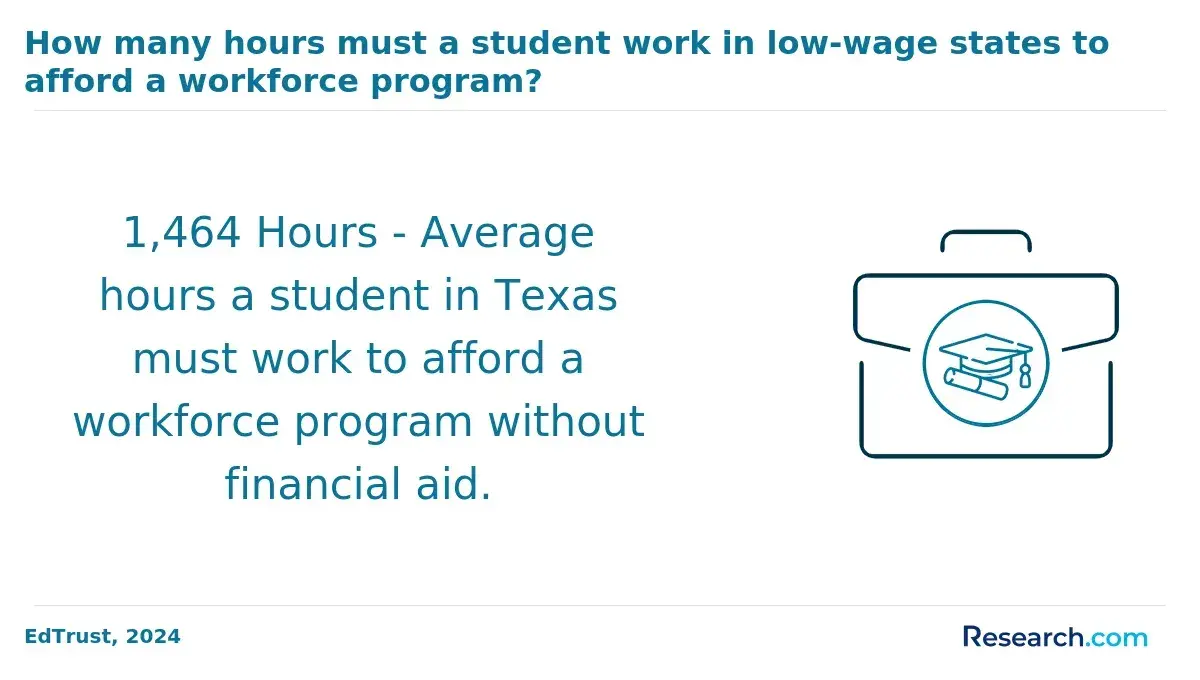
Charging $63,340 for base tuition and fees, the online MS in Environmental Sciences and Policy - Environmental Justice and Equity program at Johns Hopkins University represents a significant financial investment, especially when total estimated costs including books and living expenses approach $80,778 annually. This high cost factors heavily into decision-making for prospective students, many of whom must balance the program's specialized curriculum against the economic realities of student debt and opportunity costs. While Johns Hopkins does not levy specific technology fees for online learners, the absence of a flat-rate in-state tuition means that geographic location generally does not reduce the overall tuition burden.
Comparatively, many environmental sciences programs focused on environmental justice and policy tend to be more affordable, particularly at public or less research-intensive institutions. The elevated expense at Johns Hopkins aligns with its private university status and the depth of resources supporting its curriculum, but students should weigh whether equivalent outcomes in terms of career mobility and employer demand might be found at lower-cost alternatives. This cost discrepancy is crucial for those considering whether the premium is justified by program reputation and networking access.
Students aiming to enter sectors focused on environmental equity and policy must also consider employer preferences toward degrees versus practical experience. In certain cases, the significant financial outlay may only translate into marginally improved hiring prospects or salary gains over other programs, affecting return-on-investment calculations. Prospective enrollees might benefit from analyzing labor market data and employer expectations closely, especially when assessing the comprehensive cost of attending Johns Hopkins University environmental justice and equity program alongside other credential pathways.
Moreover, it is valuable to contextualize this investment within broader trends, such as demand for bachelor degrees that pay well and advanced degrees that bolster specialization. For many, the decision will hinge on how well the program's rigorous academic structure and institutional reputation align with their specific career goals and geographic mobility, making cost a pivotal but not standalone factor.
Are there financial aid options for online MS in Environmental Sciences and Policy - Environmental Justice and Equity students at Johns Hopkins University?
Access to financial aid can critically influence whether pursuing an online MS in Environmental Sciences and Policy - Environmental Justice and Equity at Johns Hopkins University is a feasible investment for many students. For professionals balancing work and study, leveraging employer tuition assistance or federal aid can meaningfully reduce out-of-pocket costs, though navigating eligibility and application timelines requires proactive engagement. Considering the varied aid sources available is essential, as some forms-like institutional grants-may depend on demonstrating academic merit or financial need, while others target specific student populations such as veterans.
The program's financial support landscape includes several key options:
- University Grants and Scholarships: Awarded based on academic achievement and commitment to environmental justice themes, these often require departmental application and can significantly offset tuition for qualified students.
- Employer Tuition Reimbursement: Professionals supported by their organizations often access this aid, which depends on employer policies and may necessitate proof of course relevance or grade performance.
- Federal Benefits for Veterans: Active or former military service members can apply GI Bill benefits toward tuition, representing a substantial funding source but requiring adherence to federal processing standards.
- Federal Student Aid: Pell Grants and federal loans are accessible for eligible students, offering flexible repayment but also adding long-term financial obligations.
- Institutional Aid: Additional university-funded assistance may be available based on financial need or professional background, typically requiring separate applications and careful documentation.
What learning resources are available to online MS in Environmental Sciences and Policy - Environmental Justice and Equity students at Johns Hopkins University?
Success in an online MS in Environmental Sciences and Policy - Environmental Justice and Equity program depends heavily on accessible and relevant learning resources, which can shape a student's ability to acquire expertise and marketable skills. The effectiveness of these resources can influence how well students navigate the challenges of remote learning, from technical hurdles to maintaining engagement in applied policy work.
For instance, having seamless interaction with course materials and faculty is crucial for mastering complex environmental justice topics that intertwine science with policy, often requiring nuanced understanding and critical analysis. The following resources illustrate how Johns Hopkins University supports these practical demands while preparing students for workforce realities:
- Advanced Learning Platforms: The university deploys robust digital platforms designed to provide uninterrupted access to lectures, readings, and interactive tools, ensuring that technical issues do not impede student progress or reduce contact with instructors who contextualize environmental policy challenges.
- Technical Support: Dedicated teams offer prompt assistance with connectivity and software issues, which is essential given that delays in resolving such problems can disproportionately affect students balancing work or personal commitments alongside their studies.
- Specialized Library Access: Tailored library resources give students immediate availability to scientific journals, policy reports, and legal texts specifically relevant to environmental justice, supporting deeper research and evidence-based analysis crucial for career roles involving regulatory or advocacy work.
- Academic Advising and Workshops: Personalized advising helps students align their coursework and career goals, while workshops focus on research methodology and professional writing-skills frequently scrutinized by employers seeking applicants who can clearly articulate complex environmental and equity issues.
- Career Services and Networking: Services aimed at resume crafting, interview preparation, and job placement emphasize fields in environmental justice and policy, augmented by access to alumni networks and connections with governmental and nonprofit organizations that can facilitate internships or employment opportunities.
Does Johns Hopkins University's online MS in Environmental Sciences and Policy - Environmental Justice and Equity program have in-person clinicals or practicums?
Many graduate programs in environmental sciences emphasize in-person practical experiences, reflecting employer preferences for candidates with tangible fieldwork or clinical backgrounds. However, the MS in Environmental Sciences and Policy - Environmental Justice and Equity at Johns Hopkins University notably diverges from this model by not requiring traditional in-person clinicals or practicum placements. This distinction can affect graduates' readiness for roles that prioritize hands-on environmental fieldwork over policy analysis or community-oriented work.
Industry norms often expect students in environmental justice and equity fields to engage in direct field exposure or lab practicums to demonstrate practical competencies. The MS in Environmental Sciences and Policy - Environmental Justice and Equity program from Johns Hopkins University substitutes these requirements with virtual case studies, project-based assignments, and remote collaboration with community organizations or governmental agencies. This approach offers flexibility for working professionals or students unable to relocate, aligning well with digital-era workforce practices but potentially limiting those seeking immersive, site-specific training.
Specifically, the program eliminates centralized, on-site clinical or practicum components in favor of adaptable applied learning tailored to individual circumstances. This accommodates a broad student demographic while still fostering field relevance via local internships or remote projects. Prospective students researching clinical or practicum components in Johns Hopkins University's environmental sciences and policy MS program should recognize that while in-person placements are not mandatory, opportunities for experiential learning exist through partnerships that support community engagement.
For individuals weighing options among online colleges, this format highlights a critical tradeoff between flexibility and hands-on exposure in environmental justice education. More information on the broader landscape of accredited programs is available through online colleges.
What careers can graduates of online MS in Environmental Sciences and Policy - Environmental Justice and Equity at Johns Hopkins University secure?
Graduates of the online MS in Environmental Sciences and Policy - Environmental Justice and Equity from Johns Hopkins University translate their interdisciplinary training into roles that balance science with policy impact, an essential measure of program value. Navigating these careers often involves real tradeoffs between fieldwork, community engagement, and policy advocacy within the evolving environmental justice landscape. Recognizing these complexities is crucial for those exploring online environmental policy jobs in the United States for Johns Hopkins University graduates. Below is a snapshot of common roles and their workforce implications.
- Environmental Policy Analyst: These professionals assess environmental regulations and develop strategies aiming for equitable outcomes. The role demands analytical rigor and often sees salaries varying by government or private sector employment.
- Environmental Justice Coordinator: Focusing on marginalized communities, this position ensures fair participation in environmental decisions through community outreach and stakeholder management, key to advancing equity-driven policies.
- Public Health Specialist: Applying environmental science knowledge, these specialists evaluate how factors like pollution affect vulnerable populations, informing interventions with increasing demand across healthcare systems.
- Sustainability Consultant: Advising organizations on reducing environmental impact while addressing social equity challenges, this role blends science with business strategy, often requiring multidisciplinary expertise.
- Research and Advocacy Roles: Positions in NGOs or government agencies involve data-driven research and policy proposal drafting, emphasizing community engagement and evidence-based advocacy.
Career prospects from this program vary by sector but often lead to leadership positions influencing environmental justice policy. Prospective students must weigh these pathways carefully when considering whether obtaining a degree like the MS in Environmental Sciences and Policy - Environmental Justice and Equity aligns with their long-term career goals. For those seeking efficient educational options, exploring a fastest online master's degree programs may also factor into their decision-making process.
What is the salary outlook for online MS in Environmental Sciences and Policy - Environmental Justice and Equity graduates?
The salary outlook for graduates with an online MS in Environmental Sciences and Policy - Environmental Justice and Equity reflects a realistic earnings range shaped by the interdisciplinary nature of the field. Many graduates find roles intersecting with public health, economics, or policy analysis, which influences their initial paycheck and career trajectory. For instance, someone moving into a government position focused on environmental justice may earn less initially than peers in tech or engineering but gain meaningful growth potential as the sector expands.
The career earnings for Johns Hopkins University environmental justice graduates show a median alumni salary around $87,555 across related disciplines, situating the program's likely earning potential between lower-paid public health fields ($29,383 median) and higher-paid engineering roles ($70,563 to $105,950 median). This highlights a tradeoff between specialized policy work and broader technical fields that often command higher starting salaries but may lack the focused impact found in environmental justice roles.
Students weighing this MS in Environmental Sciences and Policy - Environmental Justice and Equity should consider the career implications carefully, as salary variability depends heavily on position, sector, and geography. For those prioritizing timely enrollment and flexibility in navigating these options, exploring online colleges that start immediately may offer more operational convenience while maintaining access to competitive fields.
How do you know if Johns Hopkins University's online MS in Environmental Sciences and Policy - Environmental Justice and Equity program is the right choice for you?
Determining if johns hopkins university's online ms in environmental sciences and policy - environmental justice and equity fits your needs requires careful assessment of your learning style, career aims, and the program's features. This evaluation helps avoid costly mismatches, especially given the specialized blend of policy focus and environmental science that defines the curriculum. Consider these key areas to guide your decision:
- Program Format and Flexibility: Assess if a fully online curriculum suits your schedule and learning preferences. Flexible formats benefit those balancing professional or personal commitments but may pose challenges for learners who thrive in hands-on or in-person environments.
- Focus on Policy and Equity: Reflect on whether your career goals include policy intervention and social justice. The program's strength lies in integrating environmental science with systemic equity issues, which may be less relevant for students seeking purely technical environmental science roles.
- Community and Networking: Evaluate the importance of a collaborative student culture. A supportive, diverse cohort can be crucial for motivation and professional connections, especially in research-driven, interdisciplinary fields.
- Faculty Expertise and Research Access: Consider the value of guidance from faculty engaged in cutting-edge environmental justice research. Access to such expertise can enhance your analytical skills and employability but expect a curriculum leaning more toward policy analysis than lab work.
A graduate who navigated this choice recalled hesitation due to their desire for practical, community-oriented work but limited time for on-campus programs. They appreciated that johns hopkins allowed them to pursue advanced policy understanding without relocation, fitting their busy schedule as a nonprofit professional. Yet, early on, they questioned if the emphasis on equity over technical environmental science might restrict certain job paths. Ultimately, the program's strong policy engagement deepened their ability to influence systemic change, reflecting a tradeoff that suited their long-term impact goals but required a conscious acceptance of less laboratory-intensive training.
What Graduates Say About Johns Hopkins University's MS in Environmental Sciences and Policy - Environmental Justice and Equity Program
- Elijah: "Studying at Johns Hopkins University provided me with a rigorous curriculum that sharpened my ability to analyze complex environmental justice issues through a policy lens. The program's interdisciplinary approach, especially the emphasis on equity-driven frameworks, has been invaluable in my current role designing community engagement strategies. Realistically, many employers in this sector value hands-on project portfolios and relevant internship experience alongside the degree, so I made sure to balance my coursework with actionable fieldwork-this strategy opened doors faster than relying on licensure alone."
- Rhett: "Johns Hopkins University's program was demanding but rewarding, pushing me to deeply evaluate the systemic inequities present in environmental policy. One unexpected takeaway was realizing how competitive some job markets remain despite the specialized training, often requiring supplemental certifications or practical experience beyond the degree. For me, the flexibility of the online format meant I could pivot careers without a break, but I found advancement opportunities sometimes plateaued without additional credentials in specific regulatory areas. Still, the program laid the groundwork for me to thoughtfully navigate these realities."
- Marcus: "The MS in Environmental Sciences and Policy - Environmental Justice and Equity at Johns Hopkins University gave me a solid foundation to transition smoothly into the renewable energy sector with a focus on community-centered projects. I appreciated the real-world case studies and guest lectures that illustrated the nuanced challenges companies face when balancing equity and environmental goals. While the degree enhanced my credibility, I quickly learned that ongoing networking and building a portfolio of successful projects were critical to climbing the ladder, particularly in organizations prioritizing measurable impact over just formal education."
Other Things You Should Know About Degrees
The program is designed to accommodate working professionals, but the interdisciplinary nature and rigorous analytical content require a consistent weekly time commitment, often between 15 to 20 hours. Students juggling full-time jobs should prioritize time management, as the asynchronous format offers flexibility but also demands self-discipline to meet deadlines and engage deeply with complex policy and science topics. Those unable to commit this level of effort may find the pace challenging and could struggle to fully benefit from the interdisciplinary curriculum.
Although the curriculum emphasizes policy analysis, equity frameworks, and environmental data interpretation, the lack of mandatory in-person field experiences can be a drawback for students seeking practical leadership skills grounded in community engagement. Graduates aiming for leadership should consider supplementing their studies with local internships or volunteer roles in environmental justice organizations to gain real-world exposure. This combination is often essential for employers prioritizing both theoretical knowledge and demonstrated field competency in leadership candidates.
The program expects a certain level of quantitative and scientific literacy, so students without this background may face hurdles early on, particularly in data analysis and environmental science modules. Prospective students from non-science fields should strongly consider completing preparatory courses in statistics and environmental fundamentals before enrolling. Doing so not only enhances comprehension but also improves performance, enabling a smoother transition into the program's interdisciplinary demands.
References
- Master of Science in Environmental Sciences and Policy https://www.ceu.edu/academics/degrees/ms-environmental-sciences-policy
- Environmental and Community Justice Career Outlook - NWF EcoLeaders https://www.nwfecoleaders.org/careercenter/enviro-justice
- MSc in Environmental Sciences and Policy | AdmissionAbroad https://www.admissionabroad.com/product-page/msc-in-environmental-sciences-and-policy
- How to take advantage of Hopkins resources https://www.jhunewsletter.com/article/2020/08/how-to-take-advantage-of-hopkins-resources
- Environmental Sciences and Policy | Masters https://www.terra.do/climate-jobs/job-board/environmental-sciences-and-policy-masters-8377040/
- Master in Environmental Policy https://www.sciencespo.fr/psia/academics/masters/master-environmental-policy/
- Energy and Environmental Policy https://www.fastweb.com/directory/scholarships-for-energy-and-environmental-policy-majors