2027 Fairfield University Pros and Cons for Online Students

Co-Founder and Chief Data Scientist
Deciding whether to enroll in online programs at Fairfield University often involves balancing work commitments, family duties, and financial constraints. Many prospective students juggle these responsibilities while seeking a flexible education option that fits their lifestyle. National surveys indicate that 63% of online learners prioritize program flexibility alongside support services, which highlights the significance of assessing how well Fairfield University accommodates these needs for working adults.
Every online program presents trade-offs in terms of interaction, pacing, and access to resources. The right choice depends on personal goals, learning styles, and career ambitions. This article examines the advantages and limitations of Fairfield University's online offerings to help students make a decision grounded in practical realities and long-term outcomes.
Key Points About Fairfield University Pros and Cons for Online Students
- Fairfield University's online programs offer asynchronous classes and strong scheduling flexibility, suited for working professionals and transfer students seeking faculty support; however, acceptance is selective with a 45% rate, affecting admissions accessibility.
- Students face technological glitches, limited networking, occasional hidden fees, and slow advisor responses, which can hinder engagement and delay academic progress in an online setting.
- The total tuition averages $77,870 with median debt at $26,000; alumni earn a median salary of $88,794, producing a 3.42x earnings-to-debt ratio and an 84% graduation rate, reflecting moderate financial return on investment.
What are the biggest advantages of studying online at Fairfield University?
The advantages of online learning differ widely based on individual priorities and life circumstances. For example, a working parent may value scheduling flexibility far more than campus interactions, while a recent high school graduate might prioritize academic rigor or financial aid. Evaluating Fairfield University's online offerings requires understanding how its strengths align with these varied needs.
Online students must consider both the practical support structures and tangible outcomes to judge fit. The following points highlight the most significant advantages Fairfield provides to online learners.
- Flexible Scheduling With Asynchronous Delivery: Online courses at Fairfield accommodate students who juggle work or family by allowing study outside standard hours. This flexibility benefits adult learners or those living in different time zones, helping sustain progress without sacrificing personal commitments.
- Consistent Faculty Quality: The same professors who teach on campus also instruct online, ensuring academic standards do not drop with the mode of delivery. Students seeking rigorous coursework and faculty engagement find this continuity crucial for maintaining educational value.
- High Financial Aid Accessibility: With 98% of students receiving aid and average packages around $25,080, Fairfield lessens financial barriers for many learners. This advantage is vital for those balancing tuition costs against other expenses, improving overall affordability of online education.
- Strong Career Services Tailored to Online Students: Career support is designed with remote learners in mind, helping students connect with employers and navigate job markets effectively. Graduate earnings near $88,794 reflect how these services can influence post-degree employment prospects positively.
- Effective Student Retention and Support: A graduation rate of 84% suggests that Fairfield's online programs help keep students engaged and on track. This level of retention typically leads to better long-term outcomes and justifies the effort invested by learners.
- Validated Student Satisfaction and Institutional Responsiveness: According to a 2024 EduSatisfaction study, 72% of Fairfield's online students rate the institution highly for responsiveness and career support. This factor is key in mitigating isolation and fostering a practical support network in digital learning environments.
What are the biggest drawbacks of Fairfield University's online programs?
Every online learning environment involves trade-offs that affect accessibility, cost, and student engagement. Recognizing potential drawbacks before enrolling helps prospective students assess if Fairfield University's online programs align with their goals and circumstances. Financial commitments, technical reliability, and social interaction are core factors influencing the effectiveness of these programs.
Evaluating these limitations alongside practical considerations enhances informed decision-making. Below are several key challenges to consider.
- High overall tuition and costs: Fairfield's total tuition of $77,870 combined with reported median graduate debt of $26,000 signals a substantial financial investment. Out-of-state students face even higher rates, sometimes without clear upfront disclosure, complicating budgeting and increasing financial risk for those prioritizing affordability.
- Hidden administrative and technology fees: Beyond tuition, students report unexpected fees for technology use and administrative services. These add to the total cost and may impact students with strict budgets or limited financial flexibility the most, requiring careful review of all program-related expenses.
- Technical issues with online platforms: Users often encounter downtime and clunky interfaces in Fairfield's learning management system, disrupting study routines and lowering engagement. Students less comfortable with frequent technical troubleshooting may find this especially discouraging.
- Limited digital library and resource access: Restricted availability of online academic resources can hinder research and depth of study. Students relying heavily on digital materials may need to supplement with off-campus resources or consider programs with more robust virtual libraries.
- Social isolation and weak networking opportunities: Many students feel isolated due to minimal peer collaboration and limited access to campus career fairs. A 2024 National Center for Education Statistics study found that 48% of online students view isolation as a key academic barrier, which impacts motivation and networking crucial for career paths. This impacts students needing strong professional connections.
- Challenges for degree completion in New England: Students pursuing Fairfield University online program limitations in New England should weigh these drawbacks against local alternatives. Regional competitors might offer more transparent costs or better technical support, affecting long-term satisfaction and success.
- Alternative affordable options exist: Considering these trade-offs is important as students might find better financial and academic fits through cheap online PhD programs that reduce debt burdens and offer smoother digital experiences.
How flexible is Fairfield University for online students?
Flexibility remains one of the top concerns for students selecting an online program because it extends beyond studying from home. It involves accommodating varying schedules, family duties, work obligations, and learning preferences. For many students, the ability to balance these demands while maintaining steady academic progress is critical.
However, flexibility does not imply absence of structure; it requires institutions to provide adaptable frameworks without compromising essential course rigor and deadlines. Fairfield University's online programs incorporate hybrid formats that mix synchronous and asynchronous learning, enabling students to engage with live sessions and access recorded lectures at their convenience.
This setup benefits students managing work, family, or military service commitments by offering interaction and real-time support without rigid attendance mandates. For example, a working parent could attend live discussions when available yet catch missed content on their own schedule, reflecting the practical value of Fairfield University online program flexibility.
Still, this flexibility has limits. Assignment due dates generally align with academic calendars, and proctoring windows often require weekday availability during business hours. While part-time and full-time enrollment options can adjust course loads each semester, some programs may enforce stricter policies on pacing or participation. These constraints mean students with highly variable or unconventional schedules might experience tension between institutional demands and personal availability.
Prospective students should carefully assess their own responsibilities, learning styles, and degree objectives to determine if Fairfield's hybrid structure fits their needs. The university's policies on term breaks and degree completion timelines offer some leeway, but the overall flexibility depends on the chosen program. Research from the International Journal of Educational Technology finds that hybrid models like Fairfield's improve retention and employability, in part by blending access with engagement effectively.
For those seeking options like an associate degree in 6 months online, it is essential to verify if accelerated pathways align with individual circumstances and institutional guidelines.
How strong is the online learning experience at Fairfield University?
Quality in online learning hinges on more than course delivery. Factors like student engagement, instructor interaction, course design, and academic support shape how well a program prepares learners. Meaningful learning requires active involvement and accessible guidance, not just content availability. Nationally, 74% of online students identify regular, meaningful interaction with instructors and peers as the foremost marker of quality.
Fairfield University's online model offers reliable technology and updated curricula but shows variable peer engagement and instructor interaction. This approach suits self-motivated learners comfortable with asynchronous study who can navigate occasional system challenges. However, students relying on continuous direct support or frequent group dynamics may find the experience mixed, as interaction largely depends on individual courses and faculty commitment.
Thus, the model's strengths can align well with independent learners but create friction for those needing more structured engagement. Prospective students need to assess if Fairfield University's online format fits their learning style, communication preferences, and independence level. Evaluating sample courses or speaking with advisors about interactivity and support can clarify fit.
Considering employer expectations for adaptability and self-direction, candidates should weigh whether the balance between virtual rigor and variable interaction meets their long-term goals and daily realities before enrolling. One graduate recalls initially doubting Fairfield University's online format given a demanding work schedule. Early navigation issues and less frequent live interaction raised concerns.
Over time, responsive faculty during office hours and clear course design helped build confidence and academic skills. This shift not only supported completing the degree but also enhanced workplace communication and problem-solving, ultimately turning skepticism into practical appreciation for the flexible yet rigorous online experience.
Is Fairfield University affordable for online students?
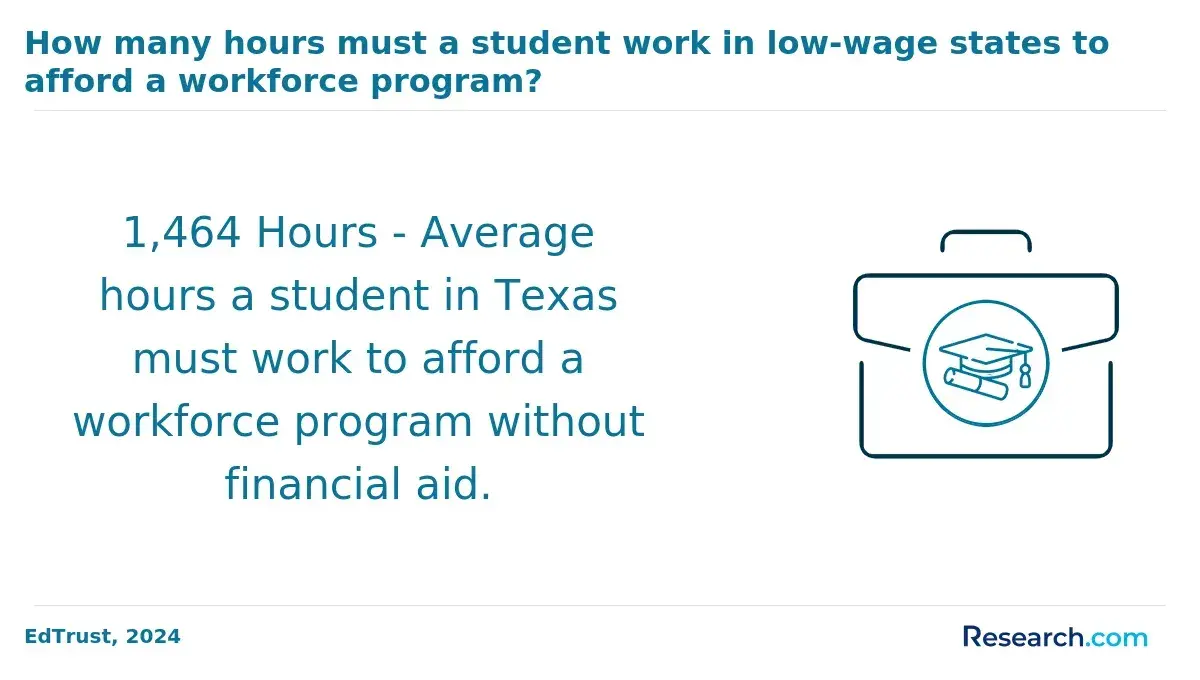
Evaluating Fairfield University's affordability goes beyond examining tuition alone. The total tuition cost of $77,870 and federal-reported attendance cost of $73,371 represent significant financial commitments. However, 98% of students receive financial aid averaging $25,080 for undergraduates, which reduces immediate expenses considerably. Affordability should be viewed through the lens of total cost, long-term debt impact, and the degree's value relative to future earnings rather than sticker price alone.
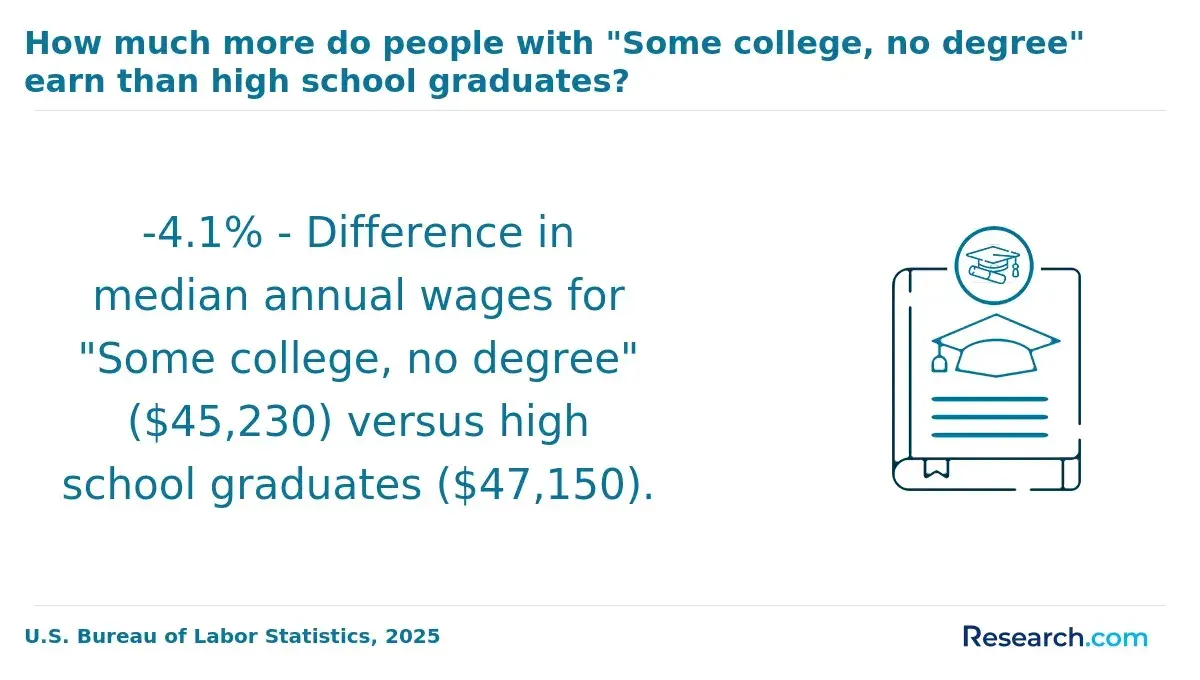
For online learners, the ability to maintain employment during study offsets some costs. Savings also come from reduced commuting and housing expenses compared to on-campus study. Yet, hidden fees like technology charges or online proctoring, which average $600 annually according to a 2024 National Center for Education Statistics study for comparable schools, influence total expenses.
Affordability varies by individual financial planning and the return on investment within specific fields, especially when median graduate debt sits at $26,000 paired with a 3.42 earnings-to-debt ratio. Prospective students should assess how Fairfield University's online tuition costs fit their unique situations. This includes factoring in current employment, expected time to graduate, financial resources, and career goals.
Those seeking accelerated paths may also consider 1-year degree programs as alternatives for cost-efficiency. Affordability remains personal, requiring careful evaluation of both direct and indirect costs alongside anticipated professional outcomes.
How do online programs at Fairfield University affect graduation time?
Graduation time for online programs depends on more than just the delivery format. Factors such as enrollment pace, course availability, scheduling flexibility, and individual circumstances play critical roles. For example, students juggling work or family commitments often enroll part-time, which naturally extends their time to degree. Additionally, limited offerings of certain key courses during specific terms can slow progress regardless of the program's online nature.
Fairfield University's online format offers 8-week courses and year-round enrollment that can accelerate progress for some students. However, those managing multiple responsibilities like military service or full-time jobs may find these options insufficient to maintain a full course load. This means online learning does not inherently shorten or lengthen graduation time; rather, the pace depends on how students use available flexibility alongside their external demands and personal priorities.
Consistency in academic progress and clear educational goals can help balance speed with realistic pacing. Understanding Fairfield's course structure and a realistic appraisal of personal capacity will highlight whether their path may be closer to the average 84% graduation rate or more extended than the national trend where online students take about 35% longer than on-campus peers to complete degrees.
One Fairfield University student initially aimed to graduate within four years but soon realized that keeping up with part-time work and family care made a full course load unmanageable. They shifted to an 8-week course schedule with fewer classes each term, extending their timeline by roughly a year. The adjustment brought relief by reducing burnout and allowed steady progress without sacrificing job performance.
They noted, "Stretching out my degree was not what I planned, but it made finishing possible while staying present for my family and work." This realistic pacing ultimately gave them a clear and sustainable graduation trajectory aligned with their situation.
Who is most likely to succeed in Fairfield University's online programs?
Success in an online program depends less on age or background and more on a student's ability to manage the demands of independent learning. This means being able to organize time, communicate proactively, and maintain motivation without the direct oversight of in-person instructors. A common scenario illustrates this: a working professional who balances family obligations but sets consistent weekly study blocks often outperforms peers with more flexible schedules who lack such discipline.
According to a 2024 study published by the Journal of Online Learning, students with strong time management skills were 35% more likely to graduate on schedule. Below are key profiles of students who tend to thrive in Fairfield University's online programs.
- Self-Disciplined and Motivated Independent Learners: These students excel because they create and follow a study routine that fits their life demands. Their ability to stay focused without daily supervision helps navigate Fairfield's rigorous curriculum. While motivation can fluctuate, those who develop consistent habits will see better progress.
- Students with a Solid Academic Foundation: Those who meet Fairfield's admission standards usually demonstrate the analytical and writing skills needed for success. Prior academic experience in college-preparatory settings prepares them for the complexity of online coursework. However, academic skills can be enhanced through targeted tutoring or workshops when needed.
- Tech-Savvy or Digitally Comfortable Individuals: Students who quickly adapt to learning platforms and digital tools gain an advantage in managing assignments and communication. Although Fairfield does not require owning a computer, those comfortable with technology find it easier to participate fully. Digital literacy can be learned, but it takes deliberate effort early in the program.
- Effective Time Managers with Realistic Scheduling: People who realistically allocate study time around work and family balance improve their chance of finishing assignments timely. They anticipate workload spikes and plan accordingly rather than procrastinating. Developing these skills improves both academic performance and reduces stress.
- Communicators Who Seek Support Proactively: Students who reach out promptly to instructors or peers about challenges tend to avoid falling behind. In Fairfield's less structured environment, waiting too long to address difficulties risks missing critical deadlines. Engagement skills can be built through practice and by viewing communication as an essential academic tool.
- Goal-Oriented Learners with Clear Career Focus: Those with well-defined educational and professional objectives maintain greater motivation during academic setbacks. They approach coursework as an investment aligned with measurable outcomes, which employers often value in graduates. This clarity helps sustain persistence despite competing priorities.
- Individuals Comfortable With Ambiguity and Flexibility: Online learning requires adapting to less direct supervision and variable pacing. Students who tolerate uncertainty around deadlines or course dynamics adjust more easily to Fairfield's format. While this trait can develop over time, initial comfort making independent decisions about workflow aids early success.
How does Fairfield University compare with other online colleges?
Choosing an online college extends beyond rankings or reputation. Students must assess how each institution aligns with their educational needs, learning preferences, and career goals. Different programs suit different career paths, especially when considering practical return on investment. For example, a working professional aiming to quickly enter a high-demand field may prioritize affordable tuition combined with robust career support.
In contrast, another student may value graduation rates and alumni earnings above all else. The following points highlight key factors for comparing Fairfield University online programs with other regional online colleges and examining Fairfield University online student support and graduation rates.
- Total cost versus value: Fairfield University's tuition of $77,870 is higher than many public in-state online options but comparable to private peers. Students should weigh whether the stronger earnings potential (median alumni salary $88,794) offsets the upfront cost and median debt of $26,000. Those with financial constraints may find better fits in more affordable institutions.
- Graduation rate impact: Fairfield's 84% graduation rate is solid and exceeds many regional online programs. This consistency benefits students who prioritize timely degree completion but should be balanced against how well academic support services match individual learning styles.
- Career outcomes and support access: While Fairfield shows a favorable earnings-to-debt ratio (3.42x), it lacks extensive exclusive industry partnerships. Students needing specialized career placement might consider colleges with stronger corporate ties or dedicated internship networks.
- Program specialization relevance: Some prospective students face decisions about program focus, such as finding what is the easiest bachelor's degree to get to balance workload and career goals. Fairfield's program offerings may not be the most flexible or broad compared with some online universities emphasizing rapidly growing fields.
- Student support services: Comparing online student support is critical since Fairfield performs well but not exceptionally. Students requiring additional tutoring, technical help, or personalized advising should evaluate how various schools handle remote service delivery.
- Institutional reputation versus practical fit: Fairfield's private status may influence employers' perceptions differently regionally. Prospective students should research local industries' recognition of credentials when choosing between schools for fields tied to geographic job markets.
- Long-term debt management: Although the earnings-to-debt ratio suggests Fairfield graduates generally manage debt effectively, individuals with different financial backgrounds should consider personal risk tolerance. The overall cost may not be justified if alternative programs offer equivalent credentials with lower debt burdens.
What student support services are available for online learners at Fairfield University?
Effective support services are critical for the success of online learners because they help bridge the gap created by physical distance. These services address obstacles such as technical challenges, academic advising, career preparation, and mental health support-areas that directly impact persistence and completion rates. Especially for remote students balancing work and family, immediate access to assistance can prevent small issues from becoming barriers to progress.
For instance, a student juggling a demanding job may rely heavily on Fairfield University's 24/7 help desk to resolve technical problems outside of regular hours, allowing continuous study without interruption. Below are key support categories relevant to Fairfield University online students.
- Comprehensive Academic Advising: Fairfield University provides dedicated academic advisors to help remote learners navigate course selections and degree requirements. This support is vital for students who need clear academic guidance away from campus, particularly those pursuing complex or accelerated programs.
- Technical Support and Help Desk: A 24/7 help desk addresses urgent technical issues, critical for working adults managing asynchronous learning schedules. Continuous availability minimizes downtime and prevents frustration that could otherwise derail progress.
- Career Services for Virtual Students: Resume workshops, virtual job fairs, and alumni mentoring are tailored to remote learners. These resources resonate with students prioritizing career readiness, enhancing employability after graduation.
- Robust Digital Academic Resources: Remote access to library databases, online tutoring, and writing labs provides essential support for asynchronous learning. These resources help maintain academic rigor without requiring physical campus visits.
- Mental Health and Wellness Support: While details are limited, Fairfield University's services acknowledge the importance of emotional well-being. A national survey by the Online Learning Consortium found 68% of online students prioritize accessible mental health and technical resources, showing how crucial these supports are for retention.
- Accessibility Services for Diverse Learners: Support for students with disabilities or non-traditional needs ensures equitable access to education. Such accommodations contribute to academic success by addressing unique challenges that can hinder progress.
- Flexible Enrollment Options: Many online students benefit from accelerated degree programs for working adults at Fairfield University, allowing them to balance education with professional and personal responsibilities efficiently.
Is Fairfield University the right choice for your career goals?
Choosing an online college requires prioritizing career fit over convenience, cost, or reputation alone. An online business degree with a median alumni salary near $88,794 offers markedly different prospects than programs in fields like Biology, where earnings fall much lower. Selecting Fairfield University based on such differentiated outcomes means acknowledging how program value varies by discipline and labor market demand rather than assuming uniform returns across all majors.
Fairfield University's online offerings include strong programs in Nursing and Engineering, which align with stable markets and competitive salaries, but may not suit every professional path. The university provides flexibility and moderate regional recognition, yet its networking and employer influence may be less robust than larger or nationally recognized institutions. Students targeting local industries or fields with solid demand might benefit, while those seeking broader prestige or specialized fields may encounter tradeoffs in career leverage.
Prospective students should assess Fairfield University by mapping their career goals against outcomes data, current employment needs, and learning preferences. For instance, a working nurse aiming to deepen expertise amid increasing healthcare demand might find Fairfield's Nursing track fitting. Conversely, someone seeking high-profile roles in competitive sectors might require more nationally recognized credentials.
What Graduates Say About Fairfield University Pros and Cons for Online Students
- Aubrey: "Studying online at Fairfield University gave me the flexibility to complete coursework around my demanding job and family responsibilities, which was a huge advantage. However, I found the lack of in-person interaction sometimes made it challenging to stay motivated and fully engage with peers and professors. I compensated by setting strict daily schedules and participating actively in discussion boards, which ultimately helped me maintain focus and feel more connected despite the distance."
- Phoebe: "My experience with Fairfield University's online program was largely positive because it allowed me to tailor my study hours to fit my irregular work shifts. The coursework was rigorous and well-structured, but I did struggle initially with the self-discipline required to meet deadlines without the structure of a physical classroom. Over time, I developed better time management skills that not only helped me succeed academically but also prepared me for the autonomy expected in my professional career."
- Mariah: "Enrolling in Fairfield University's online program was a practical decision for me as a working parent, offering the convenience of learning from home without sacrificing family time. The most significant con was occasionally feeling isolated due to limited face-to-face interactions, which sometimes made collaboration and networking harder than in traditional settings. Despite this, the strong online support system and accessible faculty made the experience rewarding and helped build my confidence to advance in my field."
Other Things You Should Know About Fairfield University Degrees
Fairfield University provides robust career services for online students, including virtual career counseling, job placement assistance, and networking events. This support is designed to help students enhance their career prospects and leverage their degrees effectively in the job market.
The workload is typically structured in fixed-length terms with regular assignments and exams, which can challenge students managing full-time jobs. Unlike self-paced programs, Fairfield's schedule demands consistent weekly engagement and time management, so prospective students should realistically assess whether their outside commitments allow steady progress rather than sporadic bursts of study.
Online students at Fairfield have limited access to informal, face-to-face networking found on campus, potentially narrowing connections with peers and faculty. While virtual events exist, they may not fully replicate spontaneous professional relationships critical for career growth. Students prioritizing industry networking might need to supplement their online experience with external professional groups or local meetups.
Fairfield's online degrees are founded on traditional curricula that support solid foundational knowledge, but the pace and format might not align with accelerated career moves. Students seeking quicker skill acquisition or industry-specific certifications may find these programs less efficient. Those prioritizing fast-track career changes should weigh whether the program's timeframe and generalist approach meet their specific advancement goals.
References
- Fairfield University Campus Guides | CampusWink https://campuswink.com/guides/schools/fairfield-university
- Fairfield University (Fairfield) https://www.princetonreview.com/college/fairfield-university-1022992
- Pros and Cons of Fairfield https://talk.collegeconfidential.com/t/pros-and-cons-of-fairfield/3499256
- Manage Your Student Gmail https://fairfield-university.atlassian.net/wiki/spaces/ITSKB/pages/30345558
- Fairfield University Reviews | GradReports https://www.gradreports.com/colleges/fairfield-university
- Student Support and Welfare Services - Fairfield School of Business https://fsb.ac.uk/study/student-support/