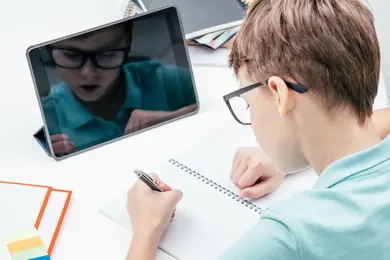
Sweden Swapped Textbooks For Laptops In 2009. Now It's Paying To Undo It.


Co-Founder and Chief Data Scientist
Sweden once led the charge toward digital classrooms. Now, fifteen years after embracing an all-digital approach to education, the country is spending $104 million to bring paper books back into schools. The reversal marks one of the most significant about-faces in modern education policy.
The decision comes after mounting evidence that screens may be doing more harm than good in the classroom. What began as an innovative leap forward has become a cautionary tale about the limits of technology in learning.
When Digital Dreams Met Classroom Reality
In 2009, Sweden's government saw digitization as the inevitable future of education. Computers and tablets promised to make learning more engaging and accessible. Printed textbooks gradually disappeared from classrooms, replaced by digital materials that officials believed would be more flexible and cost-effective over time.
The transition seemed logical at the time. Yet the expected results never materialized. While Sweden remains among the world's top-performing education systems, recent studies and testimony from parents and teachers have exposed the shortcomings of the digital-first approach.
The problems extended far beyond simple technical glitches or outdated software.
The Hidden Costs of Screen-Based Learning
Research has accumulated over the years showing that reading on digital devices—particularly backlit screens—causes more eye fatigue and reduces concentration. Multiple studies found that screens also impair memory retention and text comprehension compared to reading on paper.
But the physical toll represented only part of the problem. The distractions inherent to digital devices became a major obstacle to learning. Rather than focusing on lessons, many students used their classroom technology to play games or browse the internet.
This growing screen dependency raised concerns beyond academic performance. Teachers and parents worried about the development of social skills and classroom attention spans. The devices meant to enhance education were undermining the fundamentals.
A $104 Million Course Correction
Swedish officials observed a decline in students' foundational skills, particularly in reading and writing. They attributed these difficulties to excessive exposure to digital tools from an early age. Parents expressed mounting frustration as their children's computers strayed from educational purposes.
The government's response is both ambitious and practical. Between 2022 and 2025, Sweden will invest $104 million to ensure that eventually every student has a paper textbook for every subject.
The funding will also support awareness campaigns and help schools manage the transition. The goal isn't to eliminate technology entirely, but to restore balance. Swedish education officials want digital tools to complement traditional learning methods rather than replace them.
Finding the Middle Ground
The return to paper books doesn't represent a complete rejection of digital technology. Computer-based tools have proven valuable in certain contexts, such as diversifying teaching approaches or accessing online resources.
Sweden now intends to use these tools sparingly and in specific situations where they add genuine value. The shift reflects a more nuanced understanding of technology's role in education—one that recognizes both its potential and its limitations.
What Sweden discovered over fifteen years is that innovation doesn't always mean replacing old methods with new ones. Sometimes the most progressive approach is knowing when to step back. The country's experiment with all-digital education revealed something schools worldwide are still grappling with: the human brain may not learn best from a screen, no matter how advanced the technology becomes.