2027 Software Engineering Degree Oversupply or Undersupply? Student Volume vs Employer Demand

Co-Founder and Chief Data Scientist
Facing the choice to pursue a software engineering degree, an individual must weigh whether the influx of new graduates matches actual job market openings. In 2024, the U.S. added roughly 120,000 software engineering graduates, while employer postings increased only by 45,000, signaling potential oversupply in key regions. This imbalance risks heightening competition, depressing entry-level positions, and increasing underemployment, especially where skill demands exceed standard curricula.
Conversely, certain tech hubs report persistent talent shortages due to rapid industry growth and evolving technical needs. Such disparities influence the degree's practical value, career trajectory decisions, and the advisability of further specialization. This article examines software engineering student volume in relation to employer demand, job growth, industry requirements, regional factors, and skill gaps to clarify whether the field offers sustainable opportunities or rising competition.
Key Things to Know About Software Engineering Graduate Supply and Employer Demand
- Graduate numbers grew 12% annually from 2020 to 2023, outpacing entry-level job growth near 5%, increasing competition and lengthening job search durations in saturated metro tech hubs.
- Employers report skill mismatches in advanced system design and cloud-native expertise, driving demand for specialized training beyond general degrees, altering hiring criteria and candidate preparation.
- Geographic concentration of jobs in coastal regions limits access for graduates elsewhere, forcing relocation or remote-work negotiation, impacting cost and timing of workforce entry for many students.
- Key Things to Know About Software Engineering Graduate Supply and Employer Demand Key Things to Know
- Is There an Oversupply or Undersupply of Software Engineering Graduates? Graduate Oversupply or Shortage
- How is Software Engineering Degree Enrollment Changing? Degree Enrollment Trends
- How Many Software Engineering Graduates Enter the Workforce Each Year? Annual Graduate Workforce Entry
- Does Job Growth Support the Rising Supply of Software Engineering Graduates? Job Growth Versus Supply
- How Competitive is the Entry-Level Market for Software Engineering Graduates? Entry-Level Market Competition
- Which Industries Have the Greatest Demand for Software Engineering Graduates? Top Hiring Industries
- Where are Software Engineering Graduates Most in Demand? Top Geographic Demand
- Which Software Engineering Specializations and Degree Levels Face the Strongest Demand? Specializations
- Are Employer Skill Gaps Affecting Demand for Software Engineering Graduates? Skill Gaps
- What is the Future Supply-and-Demand Outlook for Software Engineering Graduates? Future Supply-Demand Outlook
Is There an Oversupply or Undersupply of Software Engineering Graduates?
The current dynamics between software engineering graduate supply and employer demand reflect a highly segmented labor market rather than a straightforward oversupply or undersupply scenario. Nationally, openings for software developers and engineers are expanding faster than bachelor's degree completions, especially in major tech hubs like San Francisco and Seattle, indicating localized undersupply.
However, this contrast masks significant regional disparities where graduate volume often surpasses available positions, intensifying competition and extending job searches outside these concentrated markets. Employers increasingly value specialized skills and experience, so graduates lacking expertise in areas such as cloud computing or cybersecurity may still find themselves at a disadvantage despite general demand growth.
The interplay of regional differences in software engineering degree availability and job openings further complicates the picture, as less tech-saturated areas frequently experience oversupply conditions. Fields requiring niche programming capabilities or security clearances can show persistent vacancies, even while more generalized roles attract large candidate pools.
Meanwhile, graduate enrollment expansion-with annual growth near 5%-and increasing employer expectations for internships or project experience have shifted the supply-demand balance. For professionals aiming to optimize their career prospects, prioritizing advanced specialization or seeking programs aligned with evolving industry needs, including options like affordable MSW programs online that integrate complementary skills, can mitigate risks associated with credential mismatch and variable hiring patterns.
How is Software Engineering Degree Enrollment Changing?
Enrollment growth in software engineering degree programs has shifted from rapid expansion to a more moderated pace, reflecting evolving employer demand and changing student demographics. The rise of online and hybrid delivery formats has increased accessibility, especially for working adults and those outside traditional academic pathways, diversifying the student body but also complicating hands-on skill development prized by employers.
While bachelor's degree completions continue to rise, suggesting a steady pipeline of entry-level candidates, growing master's enrollments signal heightened demand for specialized expertise in fields like cybersecurity and AI. However, community college pathways through associate degrees face stagnation, potentially narrowing access for some sectors of the workforce and underscoring that regional labor market dynamics, not just national enrollment totals, determine opportunity and graduate competition.
Misinterpreting these trends can lead to misaligned expectations: for instance, assuming all rising graduate numbers imply oversupply risks underestimating the need for niche skills or local shortages tied to industry clusters. Conversely, viewing slowing enrollment as a sign of tightened opportunity may overlook employers' demand for quality over quantity, especially as they seek candidates with proven, practical competencies.The balance between supply and demand remains sensitive to economic conditions and institutional shifts, requiring careful analysis beyond headline figures to gauge true workforce readiness and market saturation in software engineering specialties.
How Many Software Engineering Graduates Enter the Workforce Each Year?
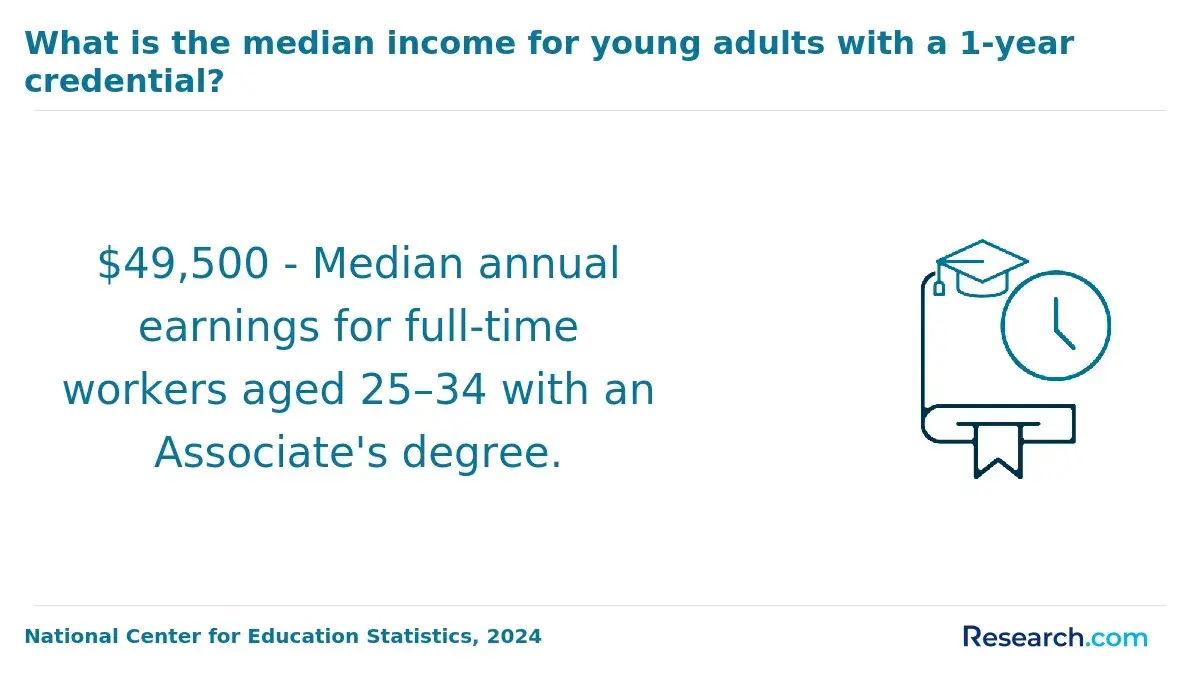
The number of software engineering graduates produced annually is an incomplete indicator of labor market balance, as the transition from degree attainment to employment is mediated by multiple factors. Data from the National Center for Education Statistics and related agencies show that roughly 65,000 to 72,000 bachelor's degrees in software engineering and related fields are awarded in the U.S. each year, but only about 55% to 65% of these graduates enter software engineering roles within the first year post-graduation.
This gap reflects variable career trajectories including advanced study, employment in adjacent tech roles, or geographic and skills mismatches that affect initial placement. Workforce datasets also highlight that not all graduates compete for the same positions simultaneously, nor are employer demands uniform across regions or industry sectors. Employers increasingly prioritize candidates with demonstrated proficiency in current programming languages, frameworks, and practical experience, which creates a differential advantage beyond the credential alone.
This imbalance means that supply figures must be interpreted in light of skill readiness, local job market conditions, and replacement versus new job openings, rather than raw graduation counts. For example, an oversupply in one urban tech hub may coincide with shortages in emerging tech markets or specialized application areas, underscoring the regional and functional complexity behind software engineering workforce dynamics.
Does Job Growth Support the Rising Supply of Software Engineering Graduates?
Despite projections indicating a roughly 15% increase in software developer employment over the next decade, this growth does not uniformly align with the surge in software engineering graduate supply. The National Center for Education Statistics reports a more than 20% rise in bachelor's degrees in software engineering and computer science, intensifying competition, particularly for entry-level roles that often require practical experience or niche skills in areas like AI and cloud computing.
Graduates focusing solely on general software engineering risk underemployment unless they secure internships or specialized training, a tradeoff that underscores the complexity of employer demand beyond headline growth rates. Regional and sectoral differences further complicate workforce outcomes. High demand in tech hubs contrasts with slower absorption in rural or less diversified markets, while sectors like healthcare and finance show sustained openings tied to digital transformation.
Replacement hiring and ongoing upskilling demands create openings but also heighten expectations for new talent, frequently privileging master's degree holders or candidates proficient in emerging technologies. Prospective students and current professionals should assess these patterns critically, especially when considering regional preferences and the potential saturation at the bachelor's level, rather than assuming straightforward alignment between graduate volumes and job market absorption.
For those weighing educational options, pathways such as online affordable master's programs can offer strategic advantages by bridging gaps in specialized skills and experience, often improving employability in this nuanced environment. Navigating the software engineering graduate job growth trends in the US requires a precise understanding of employer expectations, regional demand for entry-level software engineering talent, and the necessity of aligning academic qualifications with practical, in-demand competencies.
How Competitive is the Entry-Level Market for Software Engineering Graduates?
The entry-level job market for software engineering graduates in 2024 remains tightly contested, shaped by a complex mix of graduate volume, employer expectations, and uneven demand. While overall job postings have increased moderately according to the U.S. Bureau of Labor Statistics and Lightcast, the influx of new graduates entering the workforce continues to outpace permanent role availability.
Many employers now seek candidates with one to two years of practical experience or internships, raising barriers for fresh graduates. This dynamic results less from a simple oversupply and more from evolving skill requirements and regional market imbalances. The following factors clarify why competition persists and what candidates should consider when navigating early career opportunities:
- Graduate Volume: The annual number of software engineering graduates frequently exceeds the number of entry-level positions available, intensifying competition. Candidates must assess local hiring rates versus graduate output to identify realistic prospects.
- Experience Expectations: Growing employer demand for prior internships or applied project work means many new graduates face challenges securing roles without demonstrable hands-on skills. Practical exposure significantly boosts employability.
- Industry Demand Variability: Digital transformation efforts drive hiring in some sectors, yet others remain static or decline, producing uneven job creation. Graduates should target industries showing sustained growth rather than generalized software roles.
- Geographic Concentration: Tech hubs experience talent shortages, but regional disparities create pockets of surplus in less tech-centric areas. Location flexibility affects hiring odds and career trajectory decisions.
- Technology Specialization: Employers increasingly prioritize expertise with modern frameworks, programming languages, and collaborative tools. Broad or outdated skill sets may limit candidates' appeal.
- Remote Work Competition: The rise of remote roles expands applicant pools nationally and internationally, heightening competition for positions once accessible primarily to local graduates.
- Soft Skills and Collaboration: Candidates must demonstrate teamwork, communication, and adaptability alongside technical abilities, reflecting current employer priorities and affecting hiring outcomes.
Which Industries Have the Greatest Demand for Software Engineering Graduates?
Demand for software engineering graduates concentrates in industries where digital transformation directly drives product and service innovation. Not all sectors with high job postings guarantee accessible openings; competition levels vary with specialization requirements, geographic location, and firm scale.
For instance, a graduate weighing roles in technology versus healthcare might encounter more openings in tech but face deeper competition and quicker skill obsolescence, while healthcare roles may be fewer but offer specialization aligned with compliance and long-term domain expertise. Evaluating software engineering graduate demand by industry sector involves balancing volume, skill alignment, and advancement potential.
Key sectors illustrating these dynamics include:
- Technology Sector: This remains the largest employer of software engineering graduates, dominated by software publishers, internet service providers, and computer systems design firms. Demand is driven by rapid innovation cycles and constant product development, with roles ranging from junior developer to specialized systems architect. Technical skills such as cloud computing, DevOps, and agile development practices are highly sought.
- Financial Services: Banking, insurance, and fintech startups emphasize secure coding, data analytics, and compliance. Employers favor candidates versed in machine learning integration and regulatory frameworks, reflecting an intersection of software proficiency with industry-specific knowledge. The demand balances robust job volume with moderate competition and opportunities for cross-domain advancement.
- Healthcare and Pharmaceuticals: Growth here ties to electronic health records, telemedicine, and health informatics. Employers require familiarity with standards like HIPAA, making this sector more favorable for graduates with specialized training or interests in compliance-driven software development. Job volume is smaller but often less crowded, with potential for stable career paths.
- Manufacturing and IoT: Sectors adopting smart factory technologies need engineers with embedded systems and automation expertise. Demand is regionally concentrated, offering roles focused on hardware-software integration and industrial control systems. Competition varies but technical depth is essential.
- Retail and E-commerce: Digital front-end development and cloud-based infrastructure modernization propel hiring. Positions often emphasize customer experience engineering and scalable solution design, with growing demand for skills in UI/UX and microservices architecture.
- Government Agencies: Investing in digital services modernization, these agencies require engineers to maintain legacy systems and develop secure, user-friendly platforms. Entry-level roles may focus on maintenance, advancing to cybersecurity and public safety applications.
Those exploring pathways should also consider complementary educational offerings such as office administration courses, which can bolster practical workplace skills alongside technical expertise for better employability in certain sectors. Navigating the top US industries hiring software engineering graduates requires a nuanced understanding of how market dynamics, required competencies, and long-term trends intersect to shape both immediate job prospects and sustained career growth.
Where are Software Engineering Graduates Most in Demand?
Aggregate national demand data for software engineering often obscures significant regional disparities that critically affect graduate employment outcomes. For example, while major tech hubs on the West Coast, like the San Francisco Bay Area and Seattle, list numerous openings, these markets also harbor intense competition and high living costs that can diminish practical job accessibility for new graduates. In contrast, emerging areas such as Austin or parts of the Midwest report employer demand exceeding local graduate supply, offering graduates relocating there better chances to secure positions with competitive compensation, though often with tradeoffs in lifestyle or industry diversity.
Beyond sheer job volume, employer expectations and industry specialization shape the real opportunity landscape for software engineering graduates. Regions with concentrated tech ecosystems emphasize experience and adaptability, often privileging candidates who have completed internships or worked on projects aligned with sector-specific needs, such as fintech in New York or healthcare technology in Boston.
Areas facing engineer shortages tend to value broader software skillsets combined with domain knowledge, signaling that graduates willing to target these niche markets may gain leverage despite fewer overall postings. Moreover, rising remote-work adoption adds nuance, enabling some graduates to tap into strong markets without relocation, but this often depends on employer flexibility and role requirements. For students weighing where to build their careers, the interaction of supply-demand dynamics with local cost structures and sectoral focus is crucial.
A graduate choosing a saturated metro might face prolonged job searches or lower negotiating power despite abundant listings, while others relocating to less crowded markets benefit from accelerated integration into the workforce but may contend with limited networking and fewer specialized roles. According to the U.S. Bureau of Labor Statistics and Lightcast data from 2024, decision-making grounded in these layered factors typically outperforms selections based solely on headline job counts, underscoring the importance of contextualizing labor market signals for nuanced career planning.
Which Software Engineering Specializations and Degree Levels Face the Strongest Demand?
Employer demand for software engineering talent is unevenly spread across specialization areas and degree levels, resulting in varying market conditions for graduates. While general software development skills remain widely needed, employers show a clear preference for candidates with niche expertise or advanced qualifications in cutting-edge fields.
This divergence creates a landscape where two similarly credentialed graduates may face very different hiring realities depending on their focus area and educational attainment. For example, a bachelor's degree holder with front-end development experience might encounter a crowded job market with intense competition, whereas a master's degree graduate specializing in machine learning may find more targeted opportunities with fewer qualified applicants.
Here are key specialization and degree combinations currently commanding the strongest employer demand:
- Cybersecurity Engineering: Heightened threats to information security drive robust hiring for engineers skilled in threat detection, secure systems design, and incident response. Certifications combined with bachelor's or master's degrees are often required in industries like finance, government, and healthcare where protection of sensitive data is paramount.
- Cloud Computing Specialists: Rapid cloud infrastructure adoption fuels demand for engineers experienced with platforms like AWS or Azure. Employers seek those who hold advanced certifications or degrees with practical cloud architecture skills to support migration, scalability, and cost optimization efforts.
- Machine Learning Engineering: Integration of AI solutions across sectors creates strong demand for candidates with master's-level education or higher who understand algorithms, data pipelines, and applied AI modeling, often backed by specialized certifications or research experience.
- Enterprise Software Architects: Senior roles requiring comprehensive system design knowledge usually favor master's degree holders with proven cross-platform development experience and strategic planning capabilities serving large organizations.
- Data Science and Analytics Specialists: Employers increasingly seek candidates with graduate-level training in software engineering combined with statistics and data analysis skills to translate big data into actionable business insights, especially in technology and healthcare sectors.
- General Software Developers with Specialized Experience: While entry-level roles with bachelor's degrees remain abundant, candidates who supplement general development skills with certifications or project experience in high-demand fields stand better chances amid oversupply.
Are Employer Skill Gaps Affecting Demand for Software Engineering Graduates?
Employer skill gaps in software engineering hiring reflect a shortage not of graduates but of candidates possessing current, specialized technical competencies and practical experience. Many employers prioritize familiarity with specific programming languages, cloud platforms, cybersecurity practices, and effective communication skills over degree alone. For example, a tech firm might bypass numerous entry-level applicants with software engineering degrees if those candidates lack internships or projects demonstrating applied expertise, extending vacancy durations and increasing recruitment costs.
This dynamic complicates straightforward interpretations of graduate supply and demand, often creating localized or sector-specific hiring bottlenecks despite high graduate numbers. The impact of software engineering graduate skill mismatch extends beyond immediate hiring challenges, influencing competition levels and career trajectories. Graduates with generalist credentials frequently compete for limited roles against peers offering niche, employer-aligned skills or recognized certifications.
This drives credential inflation without necessarily improving job quality or compensation and can obscure true undersupply areas in specialized roles. Prospective students and current degree holders should thus scrutinize program alignment with evolving industry needs and seek experiential learning opportunities. Aligning with resources like best competency-based colleges that emphasize applied skills and digital proficiency helps narrow skill gaps and improves market signals for hiring decisions.
What is the Future Supply-and-Demand Outlook for Software Engineering Graduates?
Job seekers with software engineering degrees generally find better outcomes when focusing on targeted applications rather than broadly distributing resumes. Graduates who identify specific entry-level roles aligned with their skill sets and concentrate on industries and regions showing stronger hiring trends, such as expanding tech hubs or sectors undergoing digital transformation, significantly improve their chances.
For example, a graduate concentrating on embedded systems roles in a regional market experiencing growth can avoid saturated job pools and demonstrate focused expertise. Tailoring resumes to reflect the language used in job postings and providing concrete examples from projects or internships that align with employer priorities further distinguishes candidates in competitive markets influenced by the future software engineering graduate supply and employer demand trends in the US.
Timing and market research also matter; submitting applications when demand peaks and maintaining awareness of evolving skill requirements helps graduates align with employer expectations. Networking and connections, while helpful, should be coupled with clear evidence of readiness, such as certifications or demonstrable capabilities rather than general experience claims.
Those who cast too wide a net without this precision often face prolonged job searches despite rising graduate numbers. Prospective students and professionals evaluating educational pathways alongside labor-market conditions may benefit from reviewing curated program lists such as the best online MPA programs to understand how focused credentials integrate with workforce needs, especially when considering the regional outlook for Software Engineering degree hiring growth and workforce needs.
References:
- Understanding the Software Engineer Shortage - nCube https://ncube.com/software-engineer-shortage
- 10 Essential Skills for Software Engineer Graduate Jobs - Bristow Holland https://www.bristowholland.com/insights/software-engineering-insights/10-essential-skills-for-software-engineer-graduate-jobs/
- Software Engineer Unemployment Stats 2026 https://rockstardeveloperuniversity.com/software-engineer-unemployment-statistics/
- Employers will increasingly focus on graduates’ skills over technical knowledge https://wonkhe.com/blogs/employers-will-increasingly-focus-on-graduates-skills-over-technical-knowledge/
- The rise—and fall—of the software developer https://www.adpresearch.com/research/the-rise-and-fall-of-the-software-developer
- Industries and Professions Using Software Engineering https://blog.nobledesktop.com/learn/software-engineering/software-engineering-industries-and-professions
- Software Engineers Face Hiring Challenges https://www.pennyforward.com/software-engineers-face-hiring-challenges/
- The Next Two Years of Software Engineering https://addyosmani.com/blog/next-two-years/
- Software Developer Shortage in the US https://www.griddynamics.com/blog/software-developer-shortage-us
- The Future of the Software Engineering Career https://adventures.nodeland.dev/archive/the-future-of-the-software-engineering-career/
Other Things You Should Know About Software Engineering
Given that many employers prioritize candidates with hands-on experience in specific technologies or methodologies, prospective students should closely examine how well programs integrate real-world projects, internships, or co-op opportunities. Programs with a strong emphasis on applied learning tend to better prepare graduates for employer expectations in a competitive market. Simply holding the degree is often insufficient without demonstrating relevant, practical skills that align with industry needs, so students must prioritize curricula that offer clear pathways to build these competencies.
Traditional degrees often provide broader theoretical foundations and recognized credentials, which can open doors for diverse career options and long-term advancement. However, they require significant time and financial investment. Alternatives like coding bootcamps or certifications may offer faster entry into the workforce but can limit exposure to foundational engineering principles that employers value for complex roles. Students should weigh immediacy and cost against depth of training, especially if aiming for roles demanding robust systems understanding and long-term career growth.
Programs with high workload but limited practical application risk overwhelming students without adequately preparing them for actual job demands. Conversely, those balancing theoretical rigor with project-based learning tend to foster both endurance and relevant skills. Students must consider whether a program's pacing allows mastery of concepts alongside skill development, as programs that emphasize consistent, applied practice produce graduates who navigate workplace challenges more effectively.
Graduates should proactively seek upskilling or reskilling opportunities focused on emerging tools and specialized fields rather than relying solely on their initial degree. Because employer demand can evolve faster than academic programs, remaining adaptable and investing in continuous learning often outweighs static credential value. Networking, certifications in high-demand niches, or targeted project experience can improve employability more than simply holding an outdated degree or waiting for traditional advancement routes.