2027 Software Engineering Affordability by State: Where Students Pay the Most and Least

Co-Founder and Chief Data Scientist
Choosing between a $10,000 annual in-state tuition program in one state and a $30,000 out-of-state option elsewhere presents acute financial pressure for students pursuing software engineering. The challenge intensifies when hidden expenses, like housing and transportation, push the total cost beyond initial estimates.
A 2024 National Center for Education Statistics report highlights that average out-of-state tuition rates rose 6% faster than in-state rates nationwide over the past two years, reflecting widening affordability gaps. This trend often forces budget-conscious students to compromise on quality or location.
This article analyzes state-by-state affordability to help prospective software engineering students identify where education remains financially accessible or prohibitively costly.
Key Things to Know About Software Engineering Affordability by State
- States with lower tuition often have higher living costs that offset savings; for software engineering students, this tradeoff demands careful total cost assessment beyond sticker price.
- Out-of-state tuition premiums discourage mobility but can reflect states' investment gaps, influencing workforce pipelines and employer access to locally trained software engineers.
- Recent 2024 data shows growing reliance on scholarships to offset stagnant state funding, meaning timing your enrollment to maximize financial aid access materially affects net software engineering education costs.
- Key Things to Know About Software Engineering Affordability by State Key Things to Know About Software Engineering Affordability by State
- Which States Have the Most Affordable Software Engineering Degree Programs? Most Affordable State Programs
- Which States Have the Highest Software Engineering Degree Costs? Highest State Tuition Costs
- How Much Does a Software Engineering Degree Cost by State? Degree Costs by State
- Why Does Software Engineering Affordability Vary So Much Between States? State Affordability Variations
- How Do In-State and Out-of-State Tuition Rates Affect Software Engineering Affordability? In-State vs. Out-of-State Rates
- How Does the Cost of Living Impact Overall Software Engineering Affordability by State? Living Costs and Affordability
- Which States Offer the Best Value for a Software Engineering Degree? Best Value State Degrees
- What Financial Aid and Scholarship Opportunities Can Reduce Software Engineering Costs? What Financial Aid and Scholarship Opportunities Can Reduce Software Engineering Costs?
- Are Online Software Engineering Degree Programs More Affordable Than On-Campus Options? Are Online Software Engineering Degree Programs More Affordable Than On-Campus Options?
- Is a Software Engineering Degree Worth the Cost Based on Career Outcomes and ROI? Degree ROI and Outcomes
Which States Have the Most Affordable Software Engineering Degree Programs?
Affordability in software engineering degree programs often hinges on complex state-level dynamics rather than straightforward tuition figures alone. States like Wyoming and New Mexico maintain notably lower average in-state tuition partly through sustained public investment in higher education and policies favoring resident rates, which can reduce yearly costs below $6,000-significantly lower than the national public average exceeding $10,000.
However, this advantage sometimes comes with tradeoffs involving limited program scale or fewer institutional options, making it essential for students to weigh affordability against program availability and local job market conditions. Cost-conscious students who can establish residency may find substantial long-term value by targeting states with these funding models, as lower debt burdens improve postgraduate financial flexibility and mitigate early-career stress.
Regional cost variations further color this affordability landscape, as expenses beyond tuition, such as housing and transportation, differ widely and influence overall financial feasibility. For example, states offering some of the lowest tuition must also be evaluated in the context of living costs to understand the total burden on students, particularly those who rely less on financial aid or must attend full time to graduate on schedule.
Residency policies that dramatically reduce tuition for in-state students amplify disparities in affordability, often making an out-of-state option prohibitively expensive despite competitive base tuition. Recognizing these nuances is crucial for students navigating the most affordable software engineering degree programs by state and deciding when relocating or leveraging online options aligns better with their financial and educational goals. Students interested in online alternatives might consider comparing offerings such as the cheapest online masters in artificial intelligence, which can offer flexibility and cost benefits without relocation.
Which States Have the Highest Software Engineering Degree Costs?
The notably higher costs of software engineering degrees in certain states stem largely from complex interactions between tuition policies, local living expenses, and the balance of public versus private institution availability. States with major tech hubs often exhibit elevated in-state tuition alongside steep housing and daily living costs, which together push total expenses well beyond national averages.
Additionally, reductions in state funding for public universities have compelled schools to increasingly rely on tuition revenue, disproportionately affecting expensive urban centers where demand for tech programs is high. These financial pressures create a tradeoff for students: paying a premium upfront with the anticipation of stronger local employment networks versus seeking more affordable programs elsewhere that might offer weaker regional connections but less financial strain.
The choice of whether to enroll in-state, relocate, or pursue online options hinges on this affordability calculus, as residing in states with pronounced cost-of-living differences can quickly alter the economic viability of the degree path. Enrollment patterns in regions with a mix of private and public universities also impact pricing, since private institutions typically charge higher rates and are more prevalent in dense metropolitan areas.
According to the 2024 Integrated Postsecondary Education Data System, students in states like California and Massachusetts face tuition expenses significantly higher than the median for public four-year institutions offering software engineering. As students weigh these differences, they must consider the possibility of increased living costs, potential financial aid limitations, and whether local industry prospects justify paying a premium versus pursuing education in less costly areas with different market dynamics.
A recent graduate recalled grappling with the decision to attend a California public university versus a more affordable out-of-state option. Initially drawn to the university's reputation and proximity to Silicon Valley, the student soon realized that in-state tuition combined with the region's high rent and transportation costs led to a budget far exceeding initial estimates. Despite qualifying for some financial aid, the cumulative expenses raised concerns about long-term debt and opportunity costs.
Ultimately, the student opted for a more economically manageable program out of state but remained ambivalent about missing the direct networking advantages available in the higher-cost region, illustrating the nuanced considerations that often accompany these financial tradeoffs.
How Much Does a Software Engineering Degree Cost by State?
Tuition differences for software engineering degrees across U.S. states stem largely from divergent public university funding models, residency policies, and local economic conditions, creating distinct cost profiles that merit careful scrutiny. For instance, in states like Wyoming, in-state tuition at public four-year schools may hover around $6,000 annually, whereas Vermont's rates exceed $16,000, illustrating how state policy and market dynamics drive wide disparities. Out-of-state students generally face two to three times higher tuition, which often leads to significant borrowing or compromises such as enrolling in online programs or relocating, decisions that carry long-term financial and career considerations.
Beyond sticker price, students must weigh regional cost of living, which can double annual expenses in places like Massachusetts or California due to housing and transportation costs. These non-tuition expenditures shape the total financial commitment and influence whether a degree's return justifies the upfront investment, especially when employer networks and local job markets factor into post-graduation opportunities. States with stronger public college funding and targeted financial aid tend to offer smoother pathways, lowering barriers that might otherwise deter qualified but budget-conscious applicants from enrolling in rigorous software engineering programs.
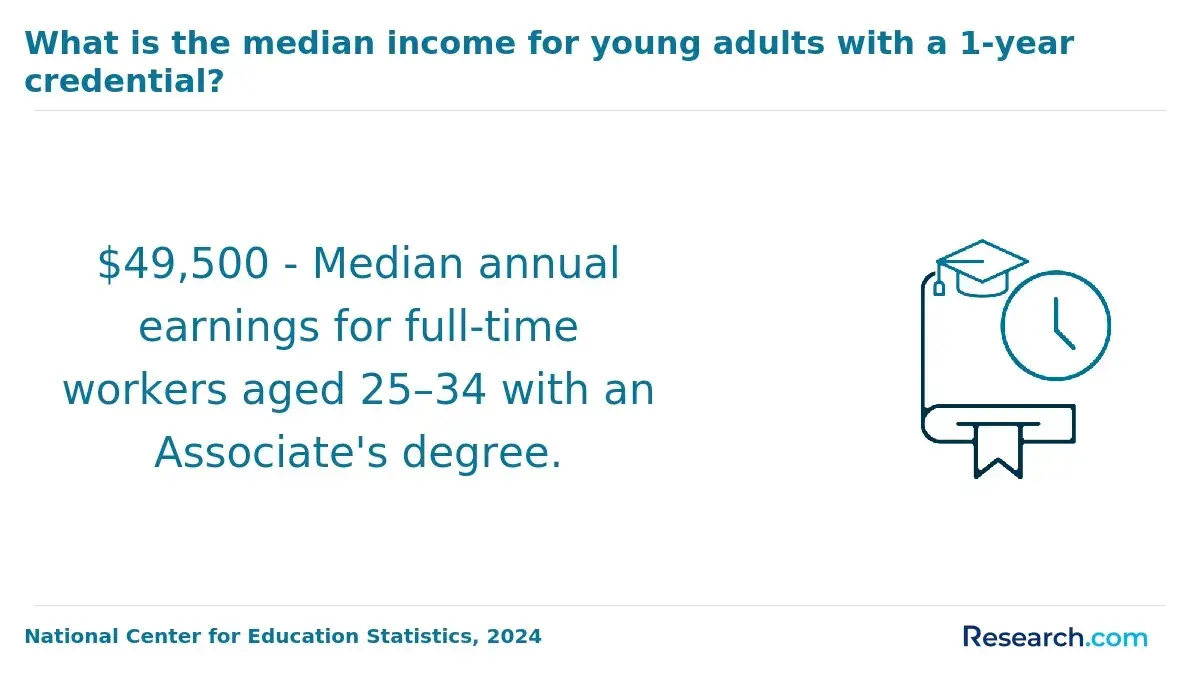
Understanding these state-level variations is crucial for strategic planning, especially as many software engineering roles increasingly concentrate in tech hubs with higher living costs. Data from the National Center for Education Statistics highlights that private institutions charge more than $35,000 annually on average nationwide, a cost often detached from local economies but impactful for students evaluating debt risks and access. Prospective learners should therefore balance tuition against tangible career prospects, local industry demand, and financial aid availability, ensuring that their choice aligns not only with affordability but realistic workforce integration in their chosen region.
Why Does Software Engineering Affordability Vary So Much Between States?
Variations in software engineering degree cost differences by state stem largely from how states allocate public funds and regulate in-state tuition benefits. For instance, Wyoming and New Mexico, which rank high in state appropriations per full-time student according to the National Center for Education Statistics in 2024, typically offer more affordable resident tuition.
In contrast, states with reduced support, especially those with a higher share of private institutions, see inflated program costs. This dynamic encourages cost-conscious students to weigh options carefully, sometimes opting for out-of-state online alternatives or transferring to public institutions with stronger tuition subsidies to manage expenses without sacrificing the quality needed for workforce readiness.
Local economic factors also shape affordability, as states like California and New York present a compounded financial challenge due to elevated living costs that drive up the total price beyond tuition alone. Residency requirements and financial aid availability further influence enrollment patterns, affecting where students choose to pursue software engineering.
These trade-offs can impact long-term educational planning, especially for learners balancing budget constraints with employer expectations for practical skills and accredited program outcomes. Comparing affordable online master's programs can provide flexible pathways that lessen geographic and financial barriers, crucial for those navigating these regional disparities while aiming for sustained employability in a competitive tech labor market.
How Do In-State and Out-of-State Tuition Rates Affect Software Engineering Affordability?
The disparity between in-state and out-of-state tuition rates significantly shapes the financial calculus prospective software engineering students must navigate. Public universities typically offer subsidies that reduce costs for residents, with data from the National Center for Education Statistics showing average annual in-state tuition around $10,500, compared to roughly $27,000 for non-residents. The steep difference often compels students to reconsider their choice of institution or residence, especially when factoring in the additional living expenses incurred by relocating to higher-cost urban areas.
Some regional reciprocity agreements, like the Western Undergraduate Exchange, mitigate these divides by offering discounted out-of-state rates to neighboring states, which can open geographically proximate yet more affordable program options and influence candidates' enrollment strategies.
Private institutions do not differentiate tuition by residency but generally set rates between public in-state and out-of-state prices, adding another layer to the affordability matrix. Financial aid availability tends to favor residents through state grants, further increasing the cost challenges faced by out-of-state enrollees. Online software engineering programs provide an alternative with more uniform pricing but vary widely in reputation and outcomes, necessitating careful evaluation. Students weighing these factors must balance institutional prestige and career prospects against the practical limitations of state funding policies and residency reclassification processes, given that long-term debt can be substantially influenced by initial tuition decisions.
One recent software engineering graduate recounted hesitating before enrolling out-of-state because the tuition nearly tripled what they would have paid as a resident. Despite moving to the university's city, they struggled to establish residency quickly enough to qualify for in-state rates and found the added living costs tougher than anticipated. This experience led them to question whether the program's advantages truly justified the financial burden, underscoring how residency status and timing can complicate both planning and perceptions of affordability in software engineering education.
How Does the Cost of Living Impact Overall Software Engineering Affordability by State?
The true cost of earning a software engineering degree extends far beyond tuition, with regional living expenses fundamentally shaping students' financial realities. For example, states such as California and Massachusetts impose steep housing costs that can consume nearly half of a student's budget, forcing tough tradeoffs in daily spending and often increasing reliance on loans or extended part-time work. Conversely, Midwestern states like Ohio offer markedly lower rent and transportation expenses, allowing students to allocate more funds toward educational resources or reduce debt burdens despite similar tuition rates.
Transportation and healthcare add layers of complexity to software engineering affordability by state and cost of living considerations. Urban students benefiting from robust public transit can significantly cut commuting costs compared to peers in rural areas who depend on personal vehicles and grapple with fluctuating fuel prices. Additionally, variations in healthcare costs can sharply affect monthly expenses, influencing whether financial aid packages suffice or whether students must budget conservatively to avoid deferred medical bills. These factors also impact enrollment decisions, prompting some to consider flexible degree-completion strategies such as online study or relocating to states with a more manageable cost profile.
Students must weigh these regional economic factors against long-term outcomes and workforce opportunities to make informed plans that address the impact of regional living expenses on software engineering degree costs beyond sticker prices. This includes evaluating local wages, inflation risks, and essential expenses through a comprehensive lens rather than relying solely on tuition comparisons. For learners exploring adjacent fields or alternate pathways, resources like master in art therapy programs highlight how similar financial analyses apply across disciplines, underscoring the universal importance of cost-of-living factors in educational affordability.
Which States Offer the Best Value for a Software Engineering Degree?
Evaluating where to pursue a software engineering degree requires looking beyond nominal tuition costs to the broader financial and academic ecosystem within each state. For example, while Wyoming offers some of the lowest in-state tuition rates-averaging under $6,000 annually-this affordability is strengthened by a below-average cost of living and graduation rates above 60%, underscoring the importance of combining educational expenses with successful degree completion metrics. Similarly, states like North Dakota provide significant state-funded aid paired with low tuition, reducing long-term debt burdens, but students must also consider whether these programs align with workforce demands and regional job markets post-graduation.
Conversely, states with vibrant tech economies such as Washington and Colorado often justify higher tuition and living expenses through stronger employment prospects and faster salary growth; however, the initial financial strain of tuition exceeding $10,000 and elevated metropolitan living costs demands careful weighing of debt versus likely income. Moreover, states with complex cost-of-living variations—Texas being a prime example—can present affordability challenges that are uneven across cities, affecting the net value of degree investments. Access to community college pathways and articulation agreements in states like Texas and Florida can offer strategic entry points that lower upfront costs but may extend time to degree and require consideration of how transfer credits map onto software engineering programs.
Students should also factor in residency rules that impact tuition eligibility, the balance of public versus private institution options, and the potential for online study to mitigate relocation costs. Data from the College Scorecard and NCES in 2024 highlight that the best value states balance moderate tuition, reasonable living expenses, and sector-specific employment outcomes rather than simply presenting the lowest sticker price. Ultimately, the cheapest tuition might not translate to highest value if it coincides with lower graduation rates or limited local job opportunities, making a holistic, state-specific cost-benefit analysis critical when selecting where to invest in a software engineering education.
For students prioritizing speed alongside cost, accelerated online degree programs can further improve the overall value equation by shortening time to graduation, which reduces cumulative living expenses and allows entry into the software engineering workforce sooner.
What Financial Aid and Scholarship Opportunities Can Reduce Software Engineering Costs?
Federal and state financial aid programs significantly shape the affordability landscape for prospective software engineering students, but their practical value depends heavily on nuanced eligibility criteria and geographic factors. For example, while about 30% of undergraduates in software engineering receive Pell Grants, these need-based awards require timely applications and consistent academic performance to maintain eligibility, influencing long-term planning and enrollment decisions.
State grant and merit scholarship availability often hinges on residency and academic thresholds, creating stark cost disparities for students who may qualify in one state but face higher tuition or less aid in another, a critical consideration for out-of-state or transfer students weighing their options.
Institution-level scholarships and tuition reciprocity agreements can partially mitigate these disparities but tend to be competitive and not uniformly accessible, particularly in programs with increasing demand from employers seeking graduates with practical skills. Employer-sponsored tuition assistance is an increasingly important supplement, especially for working students juggling part-time or online software engineering programs, though such benefits often come with commitments that affect career flexibility.
The interplay of aid stacking limits, renewal requirements, and institutional policies means students must carefully evaluate how combining federal, state, and institutional aid sources might reduce upfront costs but also impact eventual debt load and educational outcomes.
Are Online Software Engineering Degree Programs More Affordable Than On-Campus Options?
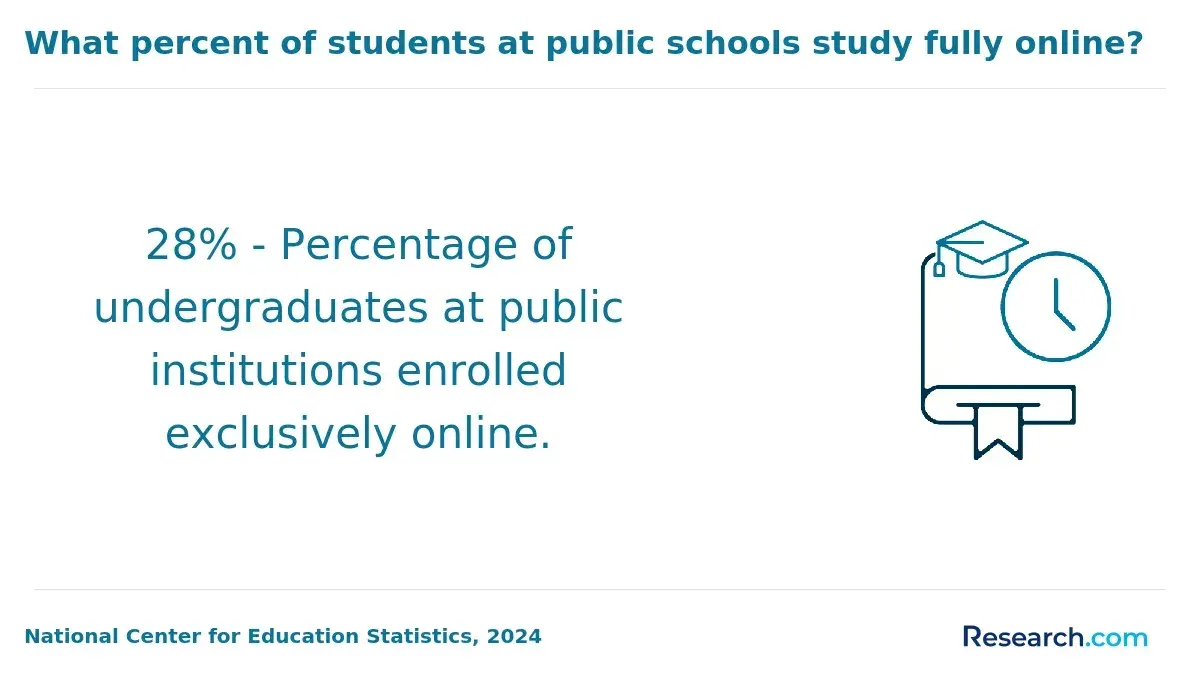
The affordability of online software engineering degree programs compared to on-campus options hinges on multiple variables beyond just sticker tuition. While public online programs often advertise tuition rates 15-30% lower than their on-campus counterparts, this cost difference is uneven across states due to residency restrictions that can eliminate or reduce online tuition discounts for non-resident students. Additionally, many online learners avoid substantial expenses such as campus housing and transportation, especially in high-cost states like California or New York where room and board can exceed $12,000 annually, presenting a clear financial advantage for remote students who live at home or in lower-cost areas.
However, the true cost comparison of online versus on-campus software engineering programs must also consider technology fees, hardware upgrades, and sometimes limited access to campus-based financial aid or employer tuition benefits. These factors can offset nominal tuition savings, particularly for students balancing part-time work schedules, where program flexibility plays a critical role in managing opportunity costs. For budget-conscious learners evaluating affordability by state, understanding these nuanced tradeoffs informs more accurate financial planning and realistic expectations about total expenses when choosing between delivery models.
Prospective students looking for an affordable pathway should also explore how different state policies affect online tuition and financial aid availability. For those interested in cost-effective STEM degrees with considerable work flexibility, programs similar to an online physics degree illustrate the broader landscape of online affordability that can parallel software engineering options, offering insight into strategic degree selection. Ultimately, affordability varies widely based on enrollment status, program design, and individual circumstances, making detailed cost analysis crucial for meaningful comparisons.
Is a Software Engineering Degree Worth the Cost Based on Career Outcomes and ROI?
The value of a software engineering degree varies notably across states due to differences in tuition costs, graduation rates, and regional economic conditions, all of which shape career outcomes for software engineering graduates in the US. For instance, states like Wyoming offer average annual tuition under $6,000, lowering upfront costs and potential debt, while places like Vermont exceed $12,000, increasing the financial barrier. Graduates facing higher tuition must weigh these costs against local salary expectations and living expenses, as states with thriving tech hubs such as California and Washington generally provide higher wages but also higher costs of living, which can neutralize apparent earning advantages.
Beyond sticker price, students must consider opportunity costs, debt burden, and geographic mobility. States with higher completion rates, like Massachusetts with a 75% graduation rate in computer-related programs, lessen financial risk by improving the likelihood of degree attainment and subsequent employment. Furthermore, practical skills, certifications, and industry demand contribute to ROI, underscoring that a degree's value extends beyond tuition alone. Budget-conscious learners exploring affordable options might find value in programs listed among the affordable online general studies degree pathways, which can offer flexibility without sacrificing employability.
Ultimately, assessing a software engineering degree's worth requires a nuanced approach that accounts for diverse financial and labor market variables rather than a one-size-fits-all ROI metric. Students comparing high-cost and low-cost pathways must evaluate not only immediate expenses but also long-term career trajectories, program quality, and alignment with personal goals to make informed decisions that optimize both educational investment and workforce integration.
References
- Discover Scholarships for Computer Science Majors https://www.computerscience.org/scholarships-overview/
- Software Development Statistics for 2026: Key Facts & Trends https://www.itransition.com/software-development/statistics
- Is a Software Engineering Degree Worth It? ROI, Jobs & Career Demand https://www.gisma.com/blog/is-a-software-engineering-degree-worth-it-assessing-roi-and-job-market-demand
- Most Affordable Software Engineering Degrees 2026 https://hakia.com/degrees/software-engineering/most-affordable-programs/
- IT Scholarships: Your Chance for a Funded Tech Degree https://code.berlin/en/blog/it-stipendien/
- Is a Master's/PhD degree worth the effort/money in the Software Engineering universe? https://dev.to/fedekau/is-a-mastersphd-degree-worth-the-effortmoney-in-the-software-engineering-universe-27m1
- 2024 Guide to Software Development Costs | Capaciteam https://capaciteam.com/software-development-costs-need-to-know/
- Key Factors Driving Custom Software Development Costs https://www.ipstechnologyservices.com/blog/factors-that-influence-the-cost-of-custom-software-development/
- Software engineer salary review 2022: How does your state compare? | Hack Reactor https://www.hackreactor.com/resources/software-engineer-salary-review-2022-how-does-your-state-compare/
- Numbeo Cost of Living Ranking 2025: Strategic Analysis for Tech Workers https://www.eurotoptech.com/blog/numbeo-cost-living-ranking-2025-developer-analysis
Other Things You Should Know About Software Engineering
While tuition rates are a primary consideration, the reputation of software engineering programs within a state can significantly affect long-term affordability. Employers often prioritize graduates from well-regarded programs, which can translate into faster job placement and higher starting salaries, offsetting higher upfront costs. Students should weigh whether paying more at a reputable in-state institution might lead to improved employment prospects, especially in tech hubs where local connections matter more than out-of-state credentials.
Accelerated or intensive software engineering programs often have higher per-credit costs but compress the learning timeline, reducing living expenses and opportunity costs. Conversely, longer traditional programs may spread out costs but can amplify indirect expenses such as housing and lost income. Budget-conscious students should evaluate personal endurance for intensive workloads against financial capacity and consider that shorter programs may demand more focused effort, which might not suit all learning styles or schedules.
States with robust tech industries create competitive markets where local graduates tend to earn more and find jobs more readily, enhancing the ROI of attending programs in those states. However, this also means programs in these states might charge premiums reflecting higher demand. Students should prioritize net financial gain by factoring in not just tuition but post-graduation salary prospects, local job availability, and employer expectations that favor graduates familiar with regional tech ecosystems.
Lower-cost programs located in states with fewer resources may offer fewer hands-on opportunities, smaller networks, and less access to cutting-edge technology, which can limit practical skill development crucial for employability. More expensive programs often invest in labs, internships, and career services that improve readiness for real-world software engineering challenges, justifying higher costs through better outcomes. Students should assess whether cost savings compromise the quality of mentorship and experiential learning that significantly impact job readiness and career longevity.