2027 Software Engineering Degree Program Availability Report: Which States and Schools Offer the Most Options

Co-Founder and Chief Data Scientist
The uneven concentration of software engineering degree programs across states highlights critical disparities in educational investment and workforce adaptation within the tech industry. According to the U. S. Department of Education's 2024 postsecondary data, states with higher program availability tend to align closely with regional labor demands and employer-driven skill requirements. This suggests that the distribution of academic options reflects not only the ambitions of educational institutions but also the pragmatic responses to evolving technology sectors.
Examining which states and schools offer the most software engineering degrees reveals how access to diverse educational pathways intersects with local economic priorities and long-term career viability for graduates.
Key Benefits of States and Schools That Offer the Most Software Engineering Degree Program Options
- Greater program diversity often correlates with longer degree completion times due to varied course structures and prerequisites, requiring students to prioritize alignment with their career goals to avoid extended education periods.
- States with more software engineering programs typically exhibit stronger employer networks, increasing graduates' access to internships and job placements, which influences hiring pipelines and skill expectations in local tech markets.
- Expansive program options can improve accessibility for non-traditional students by offering multiple delivery modes, yet this breadth may also dilute resource concentration, impacting consistency in graduate preparedness across institutions.
- Key Benefits of States and Schools That Offer the Most Software Engineering Degree Program Options Key Benefits
- Which States Offer the Most Software Engineering Degree Programs? Top States
- Why Do Some States Have More Software Engineering Programs Than Others? Program Availability
- Which Colleges Offer the Largest Number of Software Engineering Degree Options? Top Schools
- How Do Online Programs Improve Access in States With Limited Options? Online Program Access
- How Much Does Software Engineering Program Tuition Vary by State? Program Cost
- How Does Software Engineering Program Demand Affect Admissions Decisions? Program Demand
- How Do Software Engineering Specialization Options Vary by Region? Specialization Options
- How Does Regional Employer Demand Affect Career Outcomes? Employer Demand
- What Factors Matter Most When Comparing Software Engineering Programs Across States? Key Comparison Factors
- Which Regions May See the Fastest Growth in Software Engineering Education? Fastest Growing Region
Which States Offer the Most Software Engineering Degree Programs?
Software engineering degree program availability varies significantly by state, shaped by regional education ecosystems, economic demand, and institutional capacity. States with dense populations and well-established research universities naturally offer a broader array of programs. These areas also align with strong local labor markets in technology sectors, which support program growth through employer partnerships and practical experience opportunities. Such concentration enhances curricular diversity but can also intensify competition and affect affordability for students.
- California: As a global technology nexus, California leads in the number of software engineering degree programs. Its combination of Silicon Valley's industry presence and numerous public and private research universities fosters extensive specialization options, including AI, cybersecurity, and systems engineering tracks. This ecosystem benefits students through access to cutting-edge research environments and internship pipelines, though program quality varies across institutions.
- Texas: Supported by expanding tech hubs in Austin and Dallas, Texas ranks highly due to its robust public university system and increasing focus on workforce-aligned, credential-based programs. The state's economic momentum in software development creates practical internship and job placement pathways. Texas universities often emphasize applied learning and maintain strong employer collaborations, addressing regional demand rooted in tech-driven industries.
- New York: Home to large urban centers and longstanding educational institutions, New York offers numerous software engineering programs responsive to its diverse economy. The presence of established universities alongside specialized training providers caters to student needs for both comprehensive degree options and targeted credentials. However, higher living costs may influence student access despite abundant specialization and employment connections.
Beyond these leaders, states such as Florida, Illinois, and Virginia also contribute substantially to software engineering degree availability, reflecting their sectoral demands in finance, government, and technology. Prospective students should assess how program breadth corresponds with local industry needs and institutional strengths rather than relying solely on program quantity. Additionally, those exploring program rigor or alternative credentials may consider insights from what is the easiest masters degree to get resources to inform decisions.
Why Do Some States Have More Software Engineering Programs Than Others?
Variations in software engineering program distribution across states reflect deeper differences in higher education infrastructure and regional labor market dynamics. States with dense technology sectors support educational systems more capable of expanding software engineering offerings to meet local demand. The presence of multiple public and private research universities in these areas creates an environment where program diversity flourishes, aligning with employer needs for specialized skill sets. This state differences in software engineering education availability often mirror the capacity of institutions to innovate and scale quickly in response to regional economic signals.
Key drivers behind these geographic disparities include state funding priorities that shape university program development and research capabilities, as well as the clustering of tech industries that drive consistent employer demand. According to a 2024 National Science Foundation report, states with the highest tech job concentrations exhibit 30-40% greater availability of software engineering programs than less tech-focused regions. Universities embedded in such ecosystems benefit from sustained investment and collaboration opportunities that enhance curriculum relevance and student placement outcomes. These regional factors influencing software engineering program growth underscore how workforce demand and institutional readiness interact to define program presence.
These disparities influence student access across different demographics and geography, prompting some states to augment campus programs with extensive online options. The proliferation of remote and hybrid learning models, including specialized fields such as game development online degree programs, helps mitigate some access challenges but does not fully compensate for local ecosystem effects on experiential learning and internships. Understanding the interplay between program distribution and regional workforce development remains essential for stakeholders assessing where the most robust and aligned software engineering education opportunities exist.

Which Colleges Offer the Largest Number of Software Engineering Degree Options?
The breadth of software engineering degree options available at a college typically correlates more strongly with the institution's size, research capacity, and academic infrastructure than its geographic location alone. Larger universities or those with intensive research funding frequently offer more specialized academic pathways, concentrations, and varied delivery formats such as online or hybrid programs. These factors enable them to respond dynamically to evolving industry needs and provide a range of credentials beyond standard bachelor's degrees.
- Large Public Research Universities: These institutions benefit from substantial state funding and significant faculty resources, supporting diverse software engineering tracks including bachelor's, master's, and doctoral programs. Systems like the University of California and Texas A&M illustrate how multi-campus structures leverage economies of scale to expand offerings. Their strong industry partnerships and investment in curriculum innovation further enable program diversification across specializations like cybersecurity and embedded systems.
- Technical and Polytechnic Institutes: With a focus on applied learning and workforce readiness, these colleges often develop distinctive minors, certificates, and majors tailored to practical skills and emergent technologies. Their close alignment with local employers drives programming that emphasizes hands-on experience in areas valued by the software sector, such as software project management and specific coding frameworks.
- Comprehensive Private Research Universities: Although fewer in number, select private research institutions maintain broad software engineering options supported by dedicated research centers and niche interdisciplinary programs. Their ability to focus on advanced or specialized fields stems from robust external funding and close collaboration with industry leaders, often preparing students for emerging roles requiring deep technical expertise.
- Institutions in Established Tech Hubs: Schools located within prominent technology corridors frequently benefit from heightened regional demand, which incentivizes curricular breadth and cooperative education models. The presence of a concentration of software employers encourages these institutions to expand offerings that integrate interdisciplinary skills such as data science, business analytics, or human-computer interaction alongside core software engineering knowledge.
Data from the 2024 National Center for Education Statistics shows that universities with enrollments exceeding 20,000 students are twice as likely to offer five or more software engineering-related degree paths compared to smaller institutions. This reflects the structural advantages large research universities and technical institutes possess in delivering diversified program options that align with evolving employer expectations and specialized labor market needs.
How Do Online Programs Improve Access in States With Limited Options?
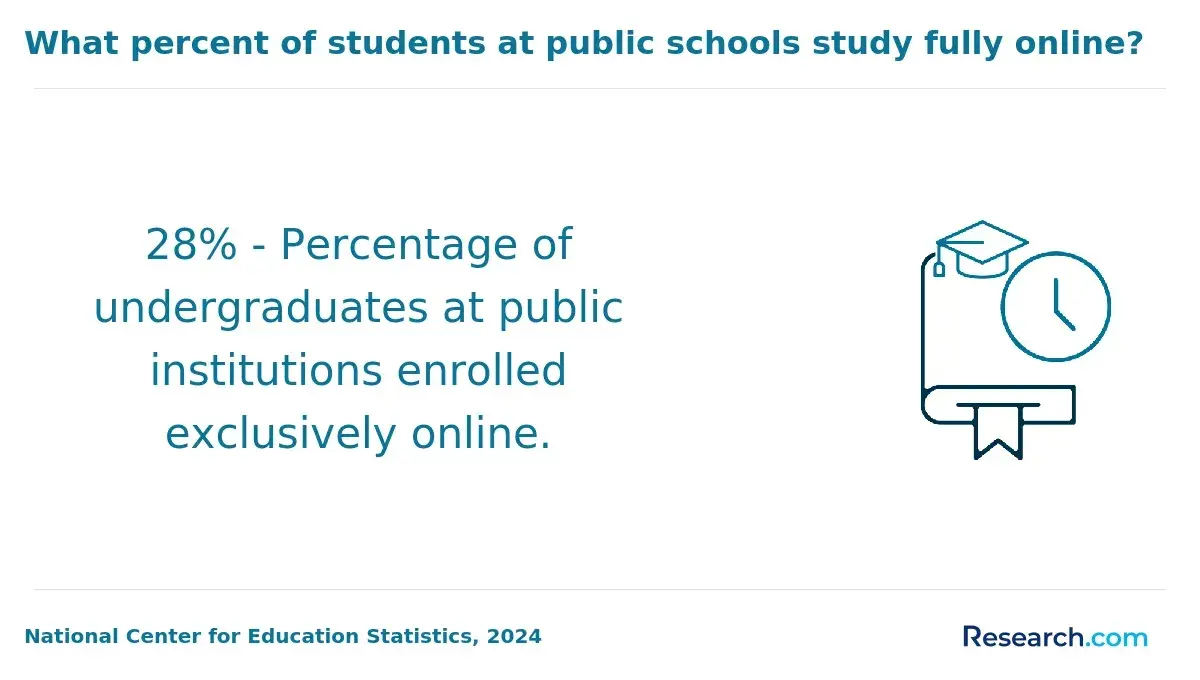
In states where few or no in-person software engineering degree programs exist, online education directly addresses geographic limitations by decoupling students from physical campus constraints. Students who otherwise would have to relocate or forgo a degree can access accredited programs nationwide, broadening their academic opportunities despite local scarcity. According to a 2024 report from the U.S. Department of Education, enrollment in fully online bachelor's programs in software engineering saw a 12% increase nationally, with significant growth in rural and underserved areas. This trend reveals how digital delivery reshapes enrollment patterns by integrating students from regions traditionally isolated from comprehensive software engineering curriculums.
The expansion of online programs relies on asynchronous learning models and cross-state enrollment policies, which facilitate flexible scheduling and reduce dependency on proximity to brick-and-mortar institutions. Universities can scale offerings without the capital costs associated with physical expansion, enabling broader institutional reach. For learners juggling employment or caregiving responsibilities, these features lower participation barriers that local universities alone may struggle to overcome. This structural shift not only increases access but introduces more competitive dynamics across states, as students compare programs by content and outcomes rather than geography.
Beyond immediate enrollment effects, the growing availability of online software engineering degrees influences regional workforce development by enabling states with limited traditional programs to supply local employers with better-prepared graduates. It also supports student mobility by permitting learners to remain rooted in their communities while gaining credentials recognized nationally. These dynamics compel institutions to innovate in program delivery and academic support while amplifying equity in higher education access across state boundaries, challenging established admissions and retention models.
One software engineering graduate reflected on their enrollment process, noting the tension between early applications and rolling admissions. Facing limited local options, they applied to multiple online programs but delayed final commitment while waiting for formal admission responses. This uncertainty prolonged preparation for the start date and complicated planning around work commitments, highlighting how admissions timing in online programs can introduce new logistical challenges despite the flexibility of digital learning. Their cautious approach underscored a common tradeoff between access and administrative unpredictability in the current landscape.
How Much Does Software Engineering Program Tuition Vary by State?
Tuition for software engineering program tuition differences by state reflect deep structural elements within the U.S. higher education financing landscape rather than simple price choices. Public universities rely heavily on state funding to subsidize costs for in-state residents, leading to significantly lower tuition for local students compared to out-of-state attendees, who often face near full-cost pricing. Private institutions operate under distinct funding models, with less public support and tuition rates that reflect market positioning, institutional prestige, and operational expenses. These varied funding frameworks intersect with state policy priorities, regional economic factors, and institutional strategies, resulting in wide tuition disparities that mirror the cost-sharing arrangements between taxpayers, students, and private actors.
Current tuition data illustrates these dynamics: in-state tuition at public universities offering software engineering degrees often ranges from about $5,000 annually in states like Wyoming or North Carolina-where state investment in higher education is comparatively strong-to upwards of $15,000 in higher-cost states such as California or New York. Out-of-state public tuition and private institutions frequently command much higher prices, commonly falling between $25,000 and $50,000 annually, reflecting both the loss of state subsidies for non-residents and premium private university pricing. These figures align with data compiled in sources such as the U.S. Department of Education's College Scorecard and state university system reports, underscoring that tuition volatility is a function of both residency status and institutional funding models. For those considering alternatives, exploring less visible options such as online degrees -- like blockchain degree online programs -- can provide access to diverse program availability without geographic constraints.
The implications of such regional tuition variation are substantial for affordability and student mobility. Higher costs in certain states can create financial barriers that push students to either remain local, accepting a potentially narrower selection of programs, or bear the additional expense of out-of-state tuition and relocation. Meanwhile, more affordable states may offer lower tuition but fewer nearby industry opportunities, which can affect post-graduate employment and return on investment. For education researchers and prospective students analyzing average cost of software engineering degrees across US states, recognizing how these tuition differences are rooted in funding policy, regional economics, and institutional decision-making is crucial for interpreting access disparities, long-term career impacts, and the real cost of obtaining a software engineering credential.
How Does Software Engineering Program Demand Affect Admissions Decisions?
As demand for software engineering programs surges nationwide, many institutions respond by tightening their admissions criteria to manage growing applicant pools. This increased competition often shifts focus toward candidates who not only meet baseline academic standards but also demonstrate relevant experience and practical skills. The rise in applications forces programs with limited capacity to be more selective, prioritizing those applicants who seem most likely to succeed and contribute to their graduation metrics and industry connections. Consequently, admissions processes become less about broad accessibility and more about aligning cohort quality with program outcomes.
Underlying these shifts are significant constraints such as physical seat availability, faculty resources, and rigorous accreditation standards that limit how much a program can expand. Meanwhile, employers' growing expectations for job-ready graduates push programs to emphasize practical competencies beyond traditional academic credentials. These factors combine to create a selection environment where admissions decisions reflect a balance between managing finite institutional resources and meeting the evolving demands of the labor market. The interplay of program capacity, employer-driven skill requirements, and applicant qualifications shapes increasingly nuanced criteria that go beyond GPA or test scores alone.
For prospective students, this intensifying selectivity means that preparation strategies must adapt to emphasize real-world experience-internships, coding projects, and portfolio development-rather than relying solely on academic achievement. Moreover, as competitive pressures rise, program reputations become more tightly linked to their ability to deliver graduates who thrive professionally, which can reinforce disparities in access depending on regional demand and institutional resources. Thus, long-term accessibility hinges on both the applicant's ability to meet heightened standards and the capacity of programs to sustainably expand while maintaining quality.
One recent graduate recalled that during their application cycle, the influx of candidates led to a prolonged waiting period for admission decisions, causing significant uncertainty. They hesitated to accept early offers from less competitive programs, hoping their experience and portfolio would secure a place in a more selective school with stronger industry ties. This delay forced them to balance urgency with cautious optimism, underscoring how demand-driven bottlenecks in admissions complicate both timing and strategic planning for applicants aiming at top-tier software engineering programs.
How Do Software Engineering Specialization Options Vary by Region?
Specialization options in software engineering programs are closely aligned with regional economic priorities and dominant industry sectors. In states with thriving technology clusters like California, Washington, and Texas, universities often integrate cutting-edge fields such as artificial intelligence, cybersecurity, and cloud computing into their curricula to meet local employer demands. This tailoring reflects the need for graduates to possess skills that directly support innovation hubs and emerging tech markets. Conversely, regions with less concentrated tech industries tend to emphasize core software development competencies and broader technical foundations, addressing the workforce needs of manufacturing, healthcare, and enterprise software sectors prevalent there.
Variations in specialization arise from the interplay between regional labor market requirements, university research strengths, and industry partnerships. For example, Midwest and southeastern programs frequently focus on software quality assurance, embedded systems, or enterprise applications, reflecting the priorities of nearby industries like automotive production and financial services. Universities in tech-intensive states may benefit from close collaborations with local employers, shaping curricula to address niche skill gaps and advance specialized tracks. A 2024 report from the National Center for Education Statistics highlights that about 65% of bachelor's software engineering programs in states with well-established tech economies offer three or more distinct specialization pathways, compared to less than 40% in regions with smaller tech sectors.
These regional disparities influence student decisions and career trajectories, as graduates from areas with diverse specialization options gain targeted expertise aligned with competitive labor markets, potentially enhancing employability in specialized roles. Meanwhile, students in less specialized programs may develop broader but less niche-focused skills, which can affect their positioning for specialized positions or emerging tech fields. This landscape encourages prospective students to weigh local specialization availability against their career goals and consider relocation or program selection strategically based on how regional education ecosystems correspond with workforce demand.
How Does Regional Employer Demand Affect Career Outcomes?
Regional employer demand critically shapes job availability and early career opportunities for graduates of software engineering degree programs. States with concentrated technology sectors like California, Washington, and Massachusetts tend to offer a wider array of software engineering roles, resulting in more openings and lower local unemployment rates for this discipline. This state-specific employer demand influences not only the volume of opportunities but also initial salary levels, with median wages in top tech metropolitan areas often surpassing $115,000 according to U.S. Bureau of Labor Statistics data. Understanding how regional employer demand shapes software engineering career outcomes requires evaluating these geographic disparities in labor market demand beyond simple program availability.
The relationship between regional demand and graduate outcomes is driven by several factors. High concentrations of tech firms and innovation hubs drive competition among employers to attract talent, which can elevate compensation and create specialized hiring ecosystems focused on particular tools, languages, or product domains. Programs in these regions frequently develop close employer partnerships, aligning curricula with state-specific expectations and facilitating internship pipelines that improve graduate employability. Conversely, in areas lacking dense industry clusters, graduates often face a less competitive labor market with fewer direct employer connections and may encounter lower wages and slower advancement. These dynamics underscore the impact of state-specific employer needs on software engineering job prospects, influencing both supply-demand alignment and skill development priorities within education pathways.
Broader implications include decisions about geographic mobility and remote work adoption. Graduates from lower-demand regions might consider relocating to optimize career growth, while the rise of remote work arrangements partially mitigates geographic constraints but does not fully equalize employer demand differences. Program availability alone does not predict career success; recognizing the influence of regional hiring ecosystems and labor market geography is essential for evaluating software engineering degrees.
For prospective students interested in flexible credential options that respond to evolving employer landscapes, exploring competency based masters can offer pathways aligned with specific regional or industry needs.
What Factors Matter Most When Comparing Software Engineering Programs Across States?
Comparing software engineering degree programs across states requires looking beyond mere program availability. State-level differences shape educational access, tuition costs, specialization opportunities, and critical post-graduation outcomes. These variations influence how well a program aligns with workforce needs and regional job markets, which in turn affects affordability and long-term career prospects. Understanding these nuances is essential for prospective students and education researchers seeking the most valuable academic pathways.
- Graduate Employment Rates: Employment outcomes within six months of graduation serve as a key indicator of program effectiveness and industry relevance. States with graduate employment rates above 85% typically reflect stronger connections between institutions and local employers, which positively impacts student job placement and earning potential.
- Program Availability and Diversity: States offering a wide range of public and private institutions with specialized tracks-in areas like cybersecurity or artificial intelligence-provide students with flexible pathways tailored to evolving industry demands. Greater availability often correlates with increased access to experiential learning and niche expertise.
- Tuition and Financial Accessibility: Regional tuition differences significantly affect overall affordability. States with lower in-state fees combined with scholarships or work-study options enhance access for diverse student populations, thereby impacting who can realistically pursue software engineering education. This factor is particularly pivotal amid rising national education costs.
- Curriculum Focus on Practical Skills: Programs that balance theoretical foundations with hands-on experiences, including internships and cooperative education, better prepare graduates for real-world software development roles. State-level education infrastructure influences the extent to which such experiential learning is integrated across programs.
- Alignment With Local Employer Demand: Geographic proximity to technology hubs or industries with growing software needs can amplify internship and networking opportunities. States with robust tech ecosystems often have programs closely tailored to employer expectations, enhancing graduate employability and career trajectories.
- Faculty Expertise and Accreditation: Faculty qualifications and program accreditation establish a baseline of academic rigor and credibility. States with higher concentrations of accredited programs ensure consistent quality standards, which matters for both student learning and employer recognition.
According to the National Center for Education Statistics 2024 report, employment rates are a reliable metric when evaluating the practical value of software engineering education across regions.
Additionally, prospective students should leverage available resources, such as guidance on how to become an AI trainer, to understand emerging specialization trends tied to regional industry growth. Considering software engineering degree program availability by state and related regional differences in software engineering education options helps clarify which programs deliver both educational quality and sustained workforce relevance.
Which Regions May See the Fastest Growth in Software Engineering Education?
Growth in software engineering education concentrates in regions where employer demand, population increases, and higher education investment converge. Such expansion reflects deeper economic forces including labor market needs, institutional capacity growth, and STEM-focused workforce development priorities. Understanding these structural drivers helps clarify why certain U.S. areas offer more robust future opportunities for software engineering students.
- Southeast: This region benefits from expanding tech hubs in states like Texas and Georgia, combined with rapidly growing research universities. The Southeast's workforce demand is bolstered by industries such as finance, healthcare, and logistics, driving over 12% program enrollment growth recently. Its investment in STEM education and diverse institutional offerings point to wider specialization options and stronger employer connections moving forward.
- Mountain West: States including Colorado and Utah leverage proximity to emerging startups and established tech firms, fueling university expansion. Experiential and cooperative education models align closely with local workforce needs here. This region's balanced metropolitan-suburban mix encourages steady program growth responsive to employer-driven curriculum adaptations.
- Southwest: Population growth and economic diversification in parts of Arizona and New Mexico increasingly support software engineering education. Though less mature than the Southeast, rising demand from government contracting and tech manufacturing sectors may expand program availability and practical training pathways.
- Midwest: While more established markets tend toward saturation, certain metro areas maintain moderate growth tied to automotive tech and healthcare innovation. Large public university systems here face pressure to update curricula in response to shifting employer needs, shaping future program relevance.
- Northeast: Established but saturated, the Northeast sees stable software engineering education growth primarily through incremental program expansions at elite institutions. Graduate employability remains high, but broad undergraduate access and diversity of specialization options lag behind faster-growing regions.
Source: National Center for Education Statistics (NCES) 2024 emerging data
References
- Software Development Models comparison https://www.future-processing.com/blog/software-development-models/
- What are the highest-paying states for software engineering? | edX https://www.edx.org/become/software-engineer/software-engineer-salary-by-state
- Is a Software Engineering Degree Worth It? ROI, Jobs & Career Demand https://www.gisma.com/blog/is-a-software-engineering-degree-worth-it-assessing-roi-and-job-market-demand
- Career Advice | AI Career Tips & Job Search Strategy https://www.sundeepteki.org/advice/impact-of-ai-on-the-2025-software-engineering-job-market
- Software engineering - Wikipedia https://en.wikipedia.org/wiki/Software_engineering
- Schools with Software Engineering Degrees - SoftwareDegrees.org https://www.softwaredegrees.org/states/
- Software Engineering Degrees: Cost, Types, What to Expect https://www.computerscience.org/degrees/software-engineering/
- Software Development Methodologies: Types and Comparison https://www.itransition.com/software-development/methodologies
- Choosing the right Software Developer Specialization https://dev.to/marcbeaujean/should-new-developers-specialize-j46
- Best CEE Countries to Hire Software Engineers: Ukraine, Poland, Romania | 8allocate https://8allocate.com/blog/best-cee-countries-to-hire-software-developers-ukraine-poland-romania/
Other Things You Should Know About Software Engineering
States with the most software engineering degree options often exhibit significant variability in program formats, including differences in curriculum depth, balance between theory and practice, and availability of co-op or internship opportunities. Students choosing programs in states with many options should prioritize those that integrate hands-on project work and industry engagement, as employer expectations heavily favor practical experience alongside foundational knowledge. Merely attending a program with a broad name is insufficient without verifying its alignment with local industry standards and real-world application.
In states hosting many schools with software engineering programs, students face tradeoffs between program specialization, faculty expertise, and class sizes. Larger schools may offer a wider range of specialized tracks but often at the cost of larger cohort sizes and less individualized attention. Conversely, smaller accredited programs might provide stronger mentorship but fewer electives. Students should weigh the value of diverse specializations against quality of instruction and potential networking opportunities in deciding which program best matches their career goals.
While states offering numerous software engineering degrees provide abundant options, not all programs carry equal weight with employers. Reputation often hinges on industry partnerships, graduate outcomes, and alumni networks rather than just program volume. Students should prioritize programs known for strong employer ties and demonstrable placement records, especially if they plan to work in competitive tech markets. In states without dominant flagship programs, strategic selection of a program with recognized quality may yield better job prospects than choosing based on quantity alone.