2027 Software Engineering Tuition Inflation Report: How Fast Are Program Costs Rising?

Co-Founder and Chief Data Scientist
Rising tuition in software engineering programs reflects distinct pressures unlike those seen in other academic disciplines. Growing industry demand for specialized skills requires institutions to expand advanced labs, update costly technology stacks, and attract faculty with niche programming expertise. Accreditation standards increasingly emphasize experiential learning and project-based assessments, prompting investments in simulation environments and collaborative tools.
Between 2022 and 2024, enrollment in software engineering surged by over 15%, intensifying resource needs and driving up operational costs. These structural and economic factors shape tuition growth, influencing who can access these programs and signaling broader shifts in workforce readiness and educational models within the software engineering field.
Key Things to Know About Software Engineering Tuition Inflation
- Rapid tuition inflation averaging 7% annually since 2021 forces students to weigh cost against career timelines, often delaying enrollment or extending debt repayment periods.
- Employers increasingly scrutinize credential inflation; soaring program costs may pressure applicants to demonstrate skills beyond formal degrees to remain competitive.
- Rising expenses limit access for nontraditional and lower-income students, potentially reducing workforce diversity and exacerbating skill gaps in critical software engineering sectors.
- Key Things to Know About Software Engineering Tuition Inflation Key Things to Know About Software Engineering Tuition Inflation
- How Much Has Software Engineering Tuition Increased Over the Past Decade? How Much Has Software Engineering Tuition Increased Over the Past Decade?
- How Does Software Engineering Tuition Inflation Compare to Overall Inflation? How Does Software Engineering Tuition Inflation Compare to Overall Inflation?
- Which Types of Schools Have Experienced the Fastest Software Engineering Tuition Growth? Tuition Growth by School Type
- What Factors Are Driving Rising Costs in Software Engineering Degree Programs? Tuition Cost Drivers
- How Does Software Engineering Tuition Growth Vary by State and Region? Tuition Growth by State
- Are Online Software Engineering Programs Becoming More Affordable Than Campus-Based Programs? Online Program Affordability
- How Have Financial Aid and Scholarships Changed as Software Engineering Tuition Has Increased? Impact on Financial Aid and Scholarships
- How Does Rising Software Engineering Tuition Affect Student Debt After Graduation? Impact on Student Debt
- Do Higher-Cost Software Engineering Programs Deliver Better Career Outcomes or Earnings? Impact on Career Outcomes
- What Do Current Tuition Trends Suggest About the Future Cost of a Software Engineering Degree? What Do Current Tuition Trends Suggest About the Future Cost of a Software Engineering Degree?
How Much Has Software Engineering Tuition Increased Over the Past Decade?
Over the last decade, tuition for software engineering programs in the United States has seen a significant rise, outpacing many other academic fields. Data from the National Center for Education Statistics and the College Board reveal that public four-year institutions have raised their tuition and fees by more than 30% in real terms between 2014 and 2024, while private universities have experienced even steeper increases, often surpassing 40%. This decade-long trend in software engineering program costs reflects broader inflationary pressures but also highlights how demand for specialized, technology-intensive education drives pricing beyond general higher education inflation. The U.S. Department of Education College Scorecard further underscores that although these programs deliver strong employment outcomes, their escalating price tags amplify concerns about student affordability and overall financial burden.
The increase in software engineering tuition stems from several interconnected factors. Reduced state funding for public universities has compelled schools to compensate by raising tuition, especially in STEM fields with higher operating expenses. Investments in up-to-date technology, including advanced labs and software licensing, along with stronger industry partnerships, have led institutions to increase costs to maintain program quality. Additionally, heightened demand for software engineering degrees has put upward pressure on pricing, reflecting both market growth and institutions' attempts to align curriculum with evolving employer expectations. These cost dynamics reveal a complex balance between ensuring rigorous, relevant education and sustaining financial viability amid shifting enrollment patterns and resource needs.
Rising tuition in software engineering programs presents meaningful implications for prospective students and families weighing program affordability against career prospects. Increasing debt loads may strain graduates during their early careers despite the generally robust hiring outlook for this field. The growing cost barrier may also push some learners toward alternative credentials like bootcamps or online certificates with shorter timelines and lower upfront investment, which can affect paths into the workforce. Careful evaluation of the long-term return on investment remains crucial, and those exploring options might consider flexible pathways such as an online master to balance cost, time, and career goals effectively.
How Does Software Engineering Tuition Inflation Compare to Overall Inflation?
Tuition inflation for software engineering degree programs has consistently surpassed overall consumer price inflation, reflecting a divergence shaped by sector-specific pressures. Recent data from the U.S. Bureau of Labor Statistics indicates that between 2014 and 2024, the Consumer Price Index rose at roughly 3% per year, while average undergraduate tuition and fees in software engineering climbed closer to 4% to 6% annually according to reports from the National Center for Education Statistics and the College Board. This accelerated rise signals that software engineering programs are experiencing cost increases that exceed not only general inflation but also inflation trends seen in many other academic disciplines. Regional differences in software engineering program cost increases further complicate affordability, as some areas face steeper hikes tied to local economic conditions and institutional funding models.
The structural factors driving this tuition inflation gap stem largely from shifts in higher education funding and operational expenses. Declines in public subsidies have pushed institutions to rely more heavily on tuition revenue, while administrative costs and expanded student services have grown steadily. For software engineering specifically, investments in technology infrastructure, updated lab facilities, and expensive software licensing contribute to higher operational costs than those experienced by many other programs. These cost drivers interact with increased enrollment demand fueled by employer expectations for graduates skilled in contemporary tools and methodologies, compounding the financial pressures that push tuition rates above standard inflation metrics.
These inflation dynamics have significant implications for students navigating the long-term costs and value of software engineering education. Rising tuition often leads to greater reliance on borrowing and heightens affordability challenges, particularly when payoffs can vary by program quality and regional labor markets. As a result, cost-conscious learners are increasingly weighing program expenses against expected salary outcomes and exploring alternative options, including affordable online master's programs, which may offer better alignment between cost and career return. Understanding these evolving tuition patterns is critical for informed decision-making about educational investment in a field that remains in high demand but is also shaped by complex economic tradeoffs.
Which Types of Schools Have Experienced the Fastest Software Engineering Tuition Growth?
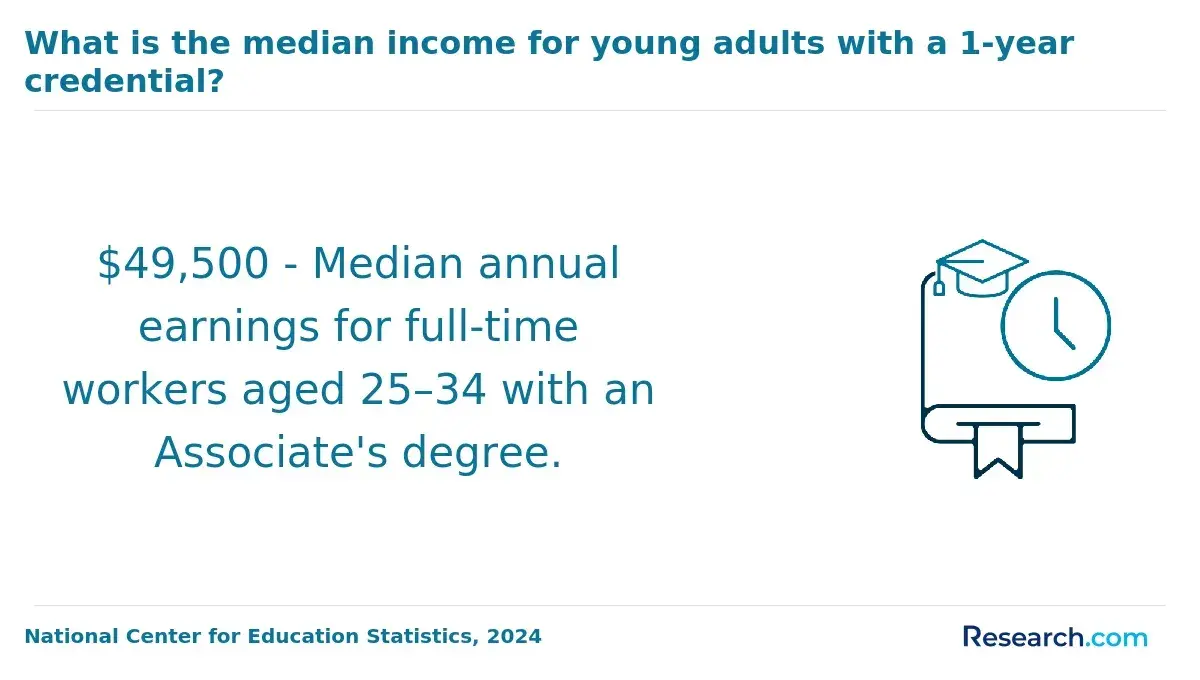
Tuition growth rates for software engineering programs differ markedly across institution types due to distinct funding structures, enrollment pressures, and varying cost intensities inherent to program offerings. Grasping these underlying factors is crucial for assessing tuition trajectories and the economic value of pursuing a degree in software engineering at different schools. Recent data from the National Center for Education Statistics highlights that for-profit and private nonprofit institutions have seen the most rapid tuition increases, reflecting broader institutional and market dynamics shaping affordability.
- Public Universities: Often supported by state appropriations and public funding, public universities typically experience slower tuition growth, generally around 2-3% annually. Their pricing discipline is influenced by legislative oversight and broader access mandates, although reduced state funding in some regions can pressure tuition upward.
- Private Nonprofit Universities: These institutions rely heavily on tuition revenue to sustain specialized faculty and invest in advanced infrastructure for software engineering programs. Tuition at private nonprofits has risen more sharply, around 5-7%, as they compete on prestige and technology offerings, often absorbing escalating costs related to research and curriculum development.
- For-Profit Institutions: Facing intense market competition and lacking substantial endowments or state support, for-profit schools exhibit the fastest tuition escalation, exceeding 5-7% annually. Their pricing strategies frequently factor in flexible delivery models and accelerated degrees but can reflect higher per-credit costs tied to marketing, administration, and revenue-driven growth models.
- Research-Intensive Universities: These institutions often allocate significant resources to cutting-edge software engineering research, necessitating investments that can elevate tuition. However, their substantial endowments and grant funding can mitigate tuition hikes, resulting in moderate increases compared to smaller private schools.
- Regional Colleges: Serving primarily local populations with less emphasis on research-intensive programs, regional colleges tend to maintain more stable tuition rates. Their moderate price growth reflects constrained budgets and a focus on affordability to attract adult learners balancing work and family.
- Online Universities: With growing enrollment in online software engineering programs, some online-focused institutions have shown variable tuition trends. While digital delivery can reduce overhead, investments in platform technology and student support may drive selective price increases, particularly for accredited or specialized certifications.
What Factors Are Driving Rising Costs in Software Engineering Degree Programs?
Rising costs in software engineering degree programs stem from a complex interplay of institutional economics and sector-specific demands rather than any single factor. Programs face mounting pressure to invest in advanced technology, specialized equipment, and cloud computing resources essential for current industry standards. Simultaneously, universities grapple with shrinking public funding, particularly at state-supported institutions, which drives greater dependence on tuition revenues to sustain operations. These structural shifts coincide with increased administrative complexity, including compliance with evolving accreditation standards and the integration of hybrid or entirely remote learning models, all contributing to the upward trajectory of expenses that students ultimately bear.
Faculty compensation represents a significant portion of cost growth, as recruiting and retaining instructors with current software engineering expertise requires salaries that have risen faster than inflation; data from the National Center for Education Statistics in 2024 shows STEM faculty salaries increasing roughly 6% annually over the past three years. Additionally, programs have expanded student services encompassing career advising, internships, and bootcamp collaborations, further elevating operational budgets. Institutions also must invest heavily in digital infrastructure and software licenses to support flexible learning environments accelerated by the COVID-19 pandemic, locking in long-term cost commitments. Alongside these cost drivers is the steady increase in enrollment demand, which, while incentivizing program expansion, places continuous strain on capacity and resource allocation, creating a reinforcing cycle that sustains tuition growth across institution types.
One software engineering graduate recalled navigating the admissions timeline with considerable apprehension. After submitting their application early in the rolling cycle, they encountered several weeks of silence, unsure if delayed communication signaled concern over their credentials or simple processing backlog. Meanwhile, watching peers receive early decisions added pressure to finalize choices before financial aid deadlines, yet uncertainty lingered. They hesitated to commit to preparatory courses or software certifications without clarity, highlighting how admissions timing and opaque processes can compound stress, especially when program costs demand careful financial planning well ahead of matriculation. This experience underscores how rising costs intersect with procedural realities that affect candidate decision-making long before classes begin.
How Does Software Engineering Tuition Growth Vary by State and Region?
Tuition growth for software engineering degree programs varies significantly across states and regions due to differing economic conditions, state funding models, and institutional structures. While the initial impression might focus on location alone, the underlying dynamics reflect a complex interplay of public and private university funding strategies, regional cost of living, and workforce demand pressures. These factors combine to create distinct trajectories for tuition inflation, affecting long-term affordability and access in meaningful ways. This geographic dispersion also highlights disparities in how public institutions balance reduced state appropriations against the need for quality program maintenance and expansion, shaping variability in software engineering tuition increase by state.
Key drivers behind regional software engineering program cost trends include fluctuating state appropriations, the density of research universities, and labor market demand for technical talent. Coastal states like California and New York often face higher tuition growth fueled by strong industry demand and costly urban living, yet public universities in these areas may temper increases through more robust state funding or endowments. In contrast, many Southern and Midwestern states experience moderate tuition inflation as public funding declines push institutions to compensate by raising fees, but local market dynamics and lower living costs reduce upward pressure. Additionally, the rise of online and hybrid programs, particularly prominent in less densely populated states, introduces premium pricing layers that further complicate tuition patterns. This fragmented landscape means students and families must consider broader economic and policy contexts, not just headline costs, when evaluating software engineering program value.
These disparities affect student mobility decisions and program selection strategies, especially where tuition increases in tech-centric regions may outpace local employment gains, impacting graduates' return on investment. Affordability considerations drive some learners toward in-state public universities or alternative education routes, underscoring the need for clear insight into regional cost trends linked to practical workforce outcomes. Those researching possibilities might also explore related fields, such as social media degrees, which reflect similar variances in tuition growth and labor market alignment. Ultimately, understanding the structural forces behind tuition differences is essential for making informed choices in an evolving educational and economic landscape.
Are Online Software Engineering Programs Becoming More Affordable Than Campus-Based Programs?
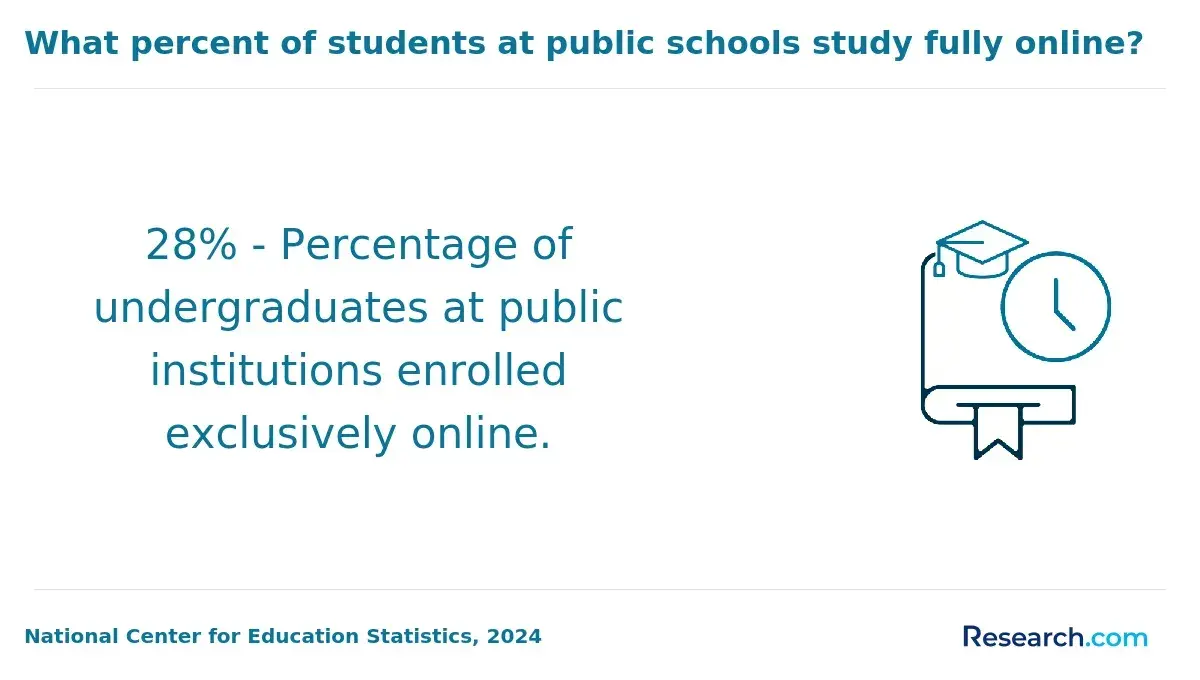
Online software engineering programs generally maintain a modest cost advantage over campus-based degrees, with tuition for fully online offerings averaging about 15-25% less at public institutions as of 2024, according to data from the National Center for Education Statistics and the Integrated Postsecondary Education Data System. This pricing gap stems largely from fundamental differences in delivery and resource allocation rather than pure market competition. Whereas campus programs incorporate significant expenses tied to facilities, laboratories, and face-to-face instruction, online programs operate with flexible enrollment that leverages digital infrastructure to minimize physical overhead. Still, this does not mean online tuition is universally cheaper, as private sector online degrees can command prices nearing $15,000 annually, narrowing affordability differences and reflecting varied institutional strategies on value and market positioning.
The drivers of these cost distinctions reveal a complex interplay between digital investment and traditional campus expenditures. Online programs reduce costs by eliminating the need for extensive brick-and-mortar facilities, but they require substantial upfront spending on robust learning management systems, course design by specialized instructional teams, and technology that supports remote collaboration and assessment. Moreover, faculty roles often shift towards developing asynchronous content supplemented by live virtual interaction, which demands different resource deployment compared to in-person instruction. Student support must also adapt, sometimes increasing expenses related to online tutoring, technical assistance, and career services to compensate for limited direct campus engagement. Consequently, affordability differentials are shaped not only by physical infrastructure savings but also by the ongoing costs of maintaining effective digital learning environments and support frameworks, which vary significantly depending on an institution's scale and strategic priorities.
Reflecting these dynamics, a recent graduate who completed their software engineering degree online recalls the uncertainty around timing acceptance within a rolling admissions process. Initially hesitant to commit due to concerns about cost and program rigor, they delayed application submission while comparing campus options. When their online offer arrived later than expected, combined with financial aid details still being finalized, it created a stressful period of waiting. Ultimately, the flexibility and reduced living expenses associated with the online program shifted their decision despite initial reservations. This experience underscores how, beyond sticker price, prospective students must navigate nuanced timing, admissions strategies, and personal circumstances that influence perceived affordability and overall educational value.
How Have Financial Aid and Scholarships Changed as Software Engineering Tuition Has Increased?
As tuition fees for software engineering programs continue to outpace inflation, financial aid and scholarship offerings have adapted, but not always in ways that fully counterbalance these cost increases. While government-funded programs like Pell Grants and federal loans have seen modest bumps in award limits since 2024, these increments typically fall short of keeping pace with rising program prices. In response, many institutions have shifted their aid frameworks toward merit- and skill-based scholarships that emphasize coding proficiency and STEM achievements, reflecting employer preferences for practical competencies over traditional academic metrics. However, this trend often benefits a select group of high-performing applicants, leaving broader affordability challenges unaddressed among less competitive candidates.
These changes stem from multiple factors, including intensified competition among universities to recruit top students and shifts in federal and state financial aid policies that have not matched tuition inflation. Public universities, facing tighter budgetary constraints, are reducing institutional scholarship funds and applying more stringent criteria, while private institutions may expand aid offerings but concurrently raise tuition, potentially negating net affordability gains. This pricing strategy, known as tuition discounting, often targets high-achieving students but may increase the overall financial strain on average enrollees. Additionally, alternative financing mechanisms such as income-share agreements have emerged, though they remain niche and controversial, complicating repayment expectations rather than alleviating them.
The combined effect of these evolving aid dynamics is nuanced net price stability at best, with many students still experiencing significant out-of-pocket costs and rising debt burdens. This environment complicates decision-making for prospective and current software engineering students who must weigh the value of higher tuition against uncertain financial aid and loan repayment scenarios. Ultimately, the shifting landscape underscores the importance of closely examining post-graduate salary trajectories, scholarship conditions, and institutional funding commitments to gauge true affordability and long-term return on investment within software engineering education.
How Does Rising Software Engineering Tuition Affect Student Debt After Graduation?
Rising tuition costs for software engineering programs substantially increase student borrowing levels, as students face escalating education expenses that frequently outpace inflation. This dynamic leads to heavier reliance on loans, making debt accumulation a necessary strategy to cover program costs. As a result, many graduates enter the workforce carrying debt loads considerably higher than their general undergraduate counterparts, with data from recent 2024 financial aid reports indicating averages 15-25% greater. The trend reflects not only tuition inflation but also the extended duration of many software engineering programs, which compounds borrowing needs.
The impact of rising software engineering tuition on student debt levels is shaped by multiple factors, including widening gaps between tuition rates and available financial aid. Public and private institutions show significant variation in per-credit costs, which, combined with limited grant availability, forces more students to rely on loans. Interest accumulation during study years further amplifies total repayment burdens, especially for longer programs or deferred payments. Graduates' ability to manage these debts also hinges on variable post-graduation income, which can fluctuate widely across software engineering roles and geographic labor markets, adding complexity to return-on-investment assessments associated with different program and career pathways. Understanding student loan trends after rising software engineering program costs requires scrutiny of these intersecting financial pressures.
Long-term implications include heightened repayment stress, which influences graduates' financial stability and career decisions, such as delaying relocation or advanced training. While income-driven repayment plans and loan forgiveness programs offer some relief, growing debt burdens increasingly shape program choice and perceptions of degree value. Prospective students must carefully evaluate these considerations alongside evolving labor market demands and cost structures. For example, those comparing technical degrees with alternative credentials or considering financing options might explore resources such as easy MBA programs to get into to better understand educational cost tradeoffs and debt impacts.
Do Higher-Cost Software Engineering Programs Deliver Better Career Outcomes or Earnings?
Higher-cost software engineering programs do not consistently deliver superior career outcomes or earnings, despite common assumptions linking tuition to success. A 2024 report from the National Center for Education Statistics (NCES) shows that while graduates from prestigious, expensive schools often have starting salaries about 15-20% above national medians, this advantage typically diminishes within five years. Consequently, tuition cost alone is an unreliable predictor of long-term career and financial gains, highlighting the need to examine other factors shaping employment trajectories.
Key drivers of career outcomes include institutional reputation, the strength of employer networks, access to internships, specialization opportunities, and regional industry connections. Programs with established pipelines to prominent tech companies or robust alumni networks can facilitate early career placement and salary premiums. However, mid-tier and affordable programs increasingly incorporate project-based learning and industry partnerships, often producing competitive job placement and salary growth. This nuanced dynamic emphasizes that program cost is just one variable among many influencing software engineering career results. For instance, a growing number of programs demonstrate that high costs are not mandatory for practical training or employer recognition, especially when continuous skill development and hands-on experience remain paramount.
Prospective students must carefully evaluate return on investment beyond sticker price by examining career services, graduate outcomes, and debt implications. This assessment is particularly relevant for those weighing expensive degrees versus more affordable pathways, including options like an online cyber security degree for veterans that may offer a favorable ROI relative to cost. Ultimately, understanding how tuition intersects with real-world employment factors is critical for informed decision-making in today's evolving job market.
What Do Current Tuition Trends Suggest About the Future Cost of a Software Engineering Degree?
Recent tuition trends for software engineering degree programs underscore a consistent pattern of growth surpassing general inflation rates, signaling continued upward pressure on future costs. According to the National Center for Education Statistics' 2024 data, public four-year institutions increased tuition and fees by approximately 5.3% year-over-year, exceeding typical wage growth and consumer price indexes. This historical context suggests that software engineering education, which demands specialized faculty and evolving technical resources, will likely maintain this trajectory rather than stabilize or decline when adjusted for inflation.
Key drivers behind rising tuition include constrained public funding models, which force institutions to rely more heavily on tuition revenue. Simultaneously, increasing demand for software engineering skills incentivizes programs to invest in advanced technology infrastructure, experiential learning opportunities, and expanded student services, all of which elevate costs. Moreover, while expanded online education and accelerated pathways could theoretically reduce expenses, their integration often requires upfront institutional investments that may offset short-term affordability gains. These complex dynamics create a fragile balance affecting pricing strategies across both public and private sectors.
Such tuition trends have profound implications for affordability and student decision-making. Prospective students-particularly adult learners juggling work and family-face sharper trade-offs between program cost, time to credential, and return on investment. Rising expenses may amplify reliance on borrowing and shift enrollment towards alternative credentialing pathways, whose employer recognition varies. Therefore, interpreting tuition forecasts requires a nuanced understanding of institutional behavior, labor market demands, and evolving education delivery models, rather than viewing them as fixed or uniformly predictable.
References
- 2025 Most Affordable Online Software Engineering Degrees https://www.onlineu.com/most-affordable-colleges/software-engineering-degrees
- The Next Two Years of Software Engineering https://addyosmani.com/blog/next-two-years/
- The Fastest Online Software Engineering Degrees: How to Get Your Software Engineering Degree Fast https://careerkarma.com/blog/fastest-online-software-engineering-degree/
- The Future of Software Engineering in UK & Ireland â Trends to Watch https://www.fruitiongroup.com/resources/blog/the-future-of-software-engineering-in-uk---ireland---trends-to-watch/
- Is Software Engineering Still Worth It in 2025? https://dev.to/koladev/is-software-engineering-still-worth-it-in-2025-j3b
- College Tuition Inflation [2025]: Rate Increase Statistics https://educationdata.org/college-tuition-inflation-rate
- Software Engineering Market Size, Trends | Share Report - 2035 https://www.marketresearchfuture.com/reports/software-engineering-market-2180
- Online college courses are popular, why do they still cost so much? https://hechingerreport.org/as-online-higher-education-hits-a-milestone-why-does-it-still-cost-so-much/
- Key Factors Driving Custom Software Development Costs https://www.ipstechnologyservices.com/blog/factors-that-influence-the-cost-of-custom-software-development/
- Fast-Track to BEng (Hons) Software Engineering https://southlondoncollege.org/course/beng-software-engineering-degree-fast-track/
Other Things You Should Know About Software Engineering
Higher tuition does not automatically translate to closer alignment with current employer needs. Some expensive programs invest heavily in facilities or brand prestige rather than curriculum relevance or up-to-date technologies. Prospective students should critically evaluate program content, industry partnerships, and faculty expertise over sticker price. Choosing programs that integrate real-world tools, agile methodologies, and collaborative coding projects offers stronger signals to employers than tuition alone.
Lower-cost software engineering programs can improve educational affordability but sometimes limit access to robust career services, internships, and alumni networks that accelerate job placement. Students must balance tuition inflation concerns with the value of these supports when projecting return on investment. Prioritizing programs with proven employer connections or capstone projects enhances early career momentum, often outweighing marginal differences in upfront costs.
With software engineering tuition inflating, some learners consider specialized certifications as cost-effective alternatives to full degrees. However, certifications generally cover narrower skill sets and lack the broader problem-solving and systems design exposure offered by degrees. For those targeting roles requiring comprehensive software development understanding, investing in a degree remains prudent despite rising costs. Yet, professionals seeking to update or supplement skills while minimizing expenses may benefit from targeted certifications as complementary options rather than replacements.