2027 Software Engineering Career Outcomes by Degree Level Report: Pay, Employment, and Advancement Patterns

Co-Founder and Chief Data Scientist
Choosing the right degree level in software engineering can determine not just immediate employment but long-term career growth, presenting a high-stakes dilemma for adult learners balancing time, cost, and opportunity. A 2024 study from the National Association of Colleges and Employers shows that degree level impacts not only starting pay but also the velocity of promotion and leadership access within software roles.
This trend signals critical differences in employer expectations tied to degree attainment, affecting mobility and advancement across diverse student backgrounds. This article dissects pay, employment, and career progression patterns by degree level to help learners make data-driven educational decisions.
Key Things to Know About Software Engineering Career Outcomes by Degree Level
- Associate degrees typically enable quicker entry into software engineering roles but limit upward mobility; 2024 labor data show only 25% advance to mid-level positions without further credentialing, highlighting tradeoffs in early workforce access versus career growth.
- Employers increasingly favor bachelor's or higher credentials for complex development roles, reflecting a shift where advanced degrees correlate with leadership hiring, signaling credential elevation influences workforce stratification.
- Master's and doctoral programs yield stronger specialization but entail higher costs and longer completion times; emerging 2024 studies suggest practical returns concentrate in niche sectors, requiring students to balance depth against opportunity costs.
- Key Things to Know About Software Engineering Career Outcomes by Degree Level Key Things to Know About Software Engineering Career Outcomes by Degree Level
- What Career Outcomes Can Students Expect From Each Software Engineering Degree Level? Career Outcomes by Degree
- How Much Do Software Engineering Graduates Earn by Degree Level? Salary by Degree Level
- Which Software Engineering Degree Level Offers the Strongest Employment Prospects? Best Degrees for Employment
- What Entry-Level Jobs Can You Get With a Software Engineering Degree? Entry-Level Career Opportunities
- How Do Software Engineering Degree Levels Affect Career Advancement and Promotion Opportunities? Career Growth by Degree
- Is a Software Engineering Degree Worth It Based on Salary, Employment, and ROI? Salary, ROI, and Value
- How Do Associate, Bachelor's, Master's, and Doctoral Software Engineering Degrees Compare? Comparing Degree Levels
- Which Industries and Employers Hire Software Engineering Graduates by Degree Level? Which Industries and Employers Hire Software Engineering Graduates by Degree Level?
- What Skills, Credentials, and Experience Improve Software Engineering Career Outcomes? What Skills, Credentials, and Experience Improve Software Engineering Career Outcomes?
- Which Software Engineering Degree Level Is Best for Your Career Goals? Choosing the Right Degree
What Career Outcomes Can Students Expect From Each Software Engineering Degree Level?
Degrees in software engineering influence employment access and advancement in ways that extend beyond basic credentialing, affecting not just job type but career trajectory. For example, associate degrees and certificates enable faster entry into technical roles such as junior developer or support technician, yet often limit progression into leadership or specialized positions without further education. Working professionals, including military-affiliated students managing transfer credits, must weigh the shorter time investment of these credentials against their narrower scalability in both pay and role complexity, especially in regions where employer expectations prioritize bachelor's degrees as a baseline for mid-level advancement.
The bachelor's degree remains a pivotal threshold, often required for salaried positions involving system design or project oversight, aligning closely with documented shifts in software engineering pay and advancement by degree reported by the U.S. Bureau of Labor Statistics. For adult learners and transfer students, building on an associate credential to achieve this level enhances both employability and role flexibility, supporting transitions into leadership or management pipelines. Master's programs, by contrast, offer deeper specialization in fields like cybersecurity or AI, appealing to professionals targeting consulting or research roles; these programs typically demand significant time and financial commitment but correlate with stronger career mobility and higher job satisfaction. Data from the National Center for Education Statistics corroborates this trend, showing master's graduates face lower employment risk relative to bachelor's holders.
Doctoral degrees, while less common, are best suited for those aiming at academic posts, advanced R&D roles, or niche consulting, where leadership credibility and technical innovation mandate the longest time-to-degree investment. However, the reduced immediate market demand for Ph.D.-level skills and the specialized nature of job openings mean these paths require strategic planning for those balancing work with advanced study. Across all degree levels, employer preferences for credentials like CSDP or agile certifications overlay traditional education, influencing mobility and pay independent of degree completion. Readers keen on aligning educational choices with tangible outcomes can also consult data on highest paying college majors to contextualize software engineering degree level employment outcomes within broader economic trends.
How Much Do Software Engineering Graduates Earn by Degree Level?
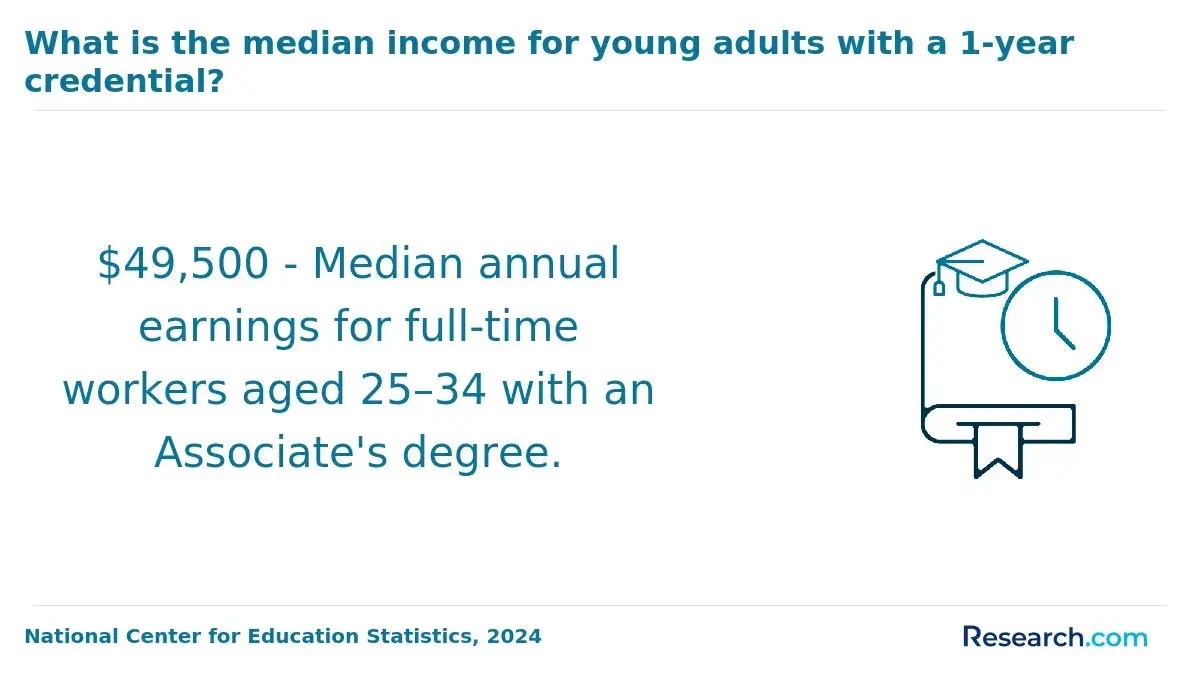
Earnings among software engineering graduates vary significantly depending on degree level, underscoring the importance of aligning education with realistic career goals. For example, bachelor's degree holders report median annual wages around $95,000 in 2024, approximately 25% higher than those with associate degrees who earn near $76,000, according to U.S. Bureau of Labor Statistics data. However, this wage gap should be considered alongside factors like time-to-completion, transfer credit opportunities, and workforce entry delays. Certificates and non-degree credentials often lead to specialized or technician roles with starting salaries just above $50,000, suitable for those seeking quicker entry but with limited long-term growth and fewer advancement options. Meanwhile, master's degrees open doors to niches such as AI, cybersecurity, and systems architecture, frequently commanding 10% to 20% premiums over bachelor's pay, though at the cost of additional years of study and often requiring employer or geographic flexibility.
Graduate degrees also correlate with enhanced stability and promotion potential in competitive tech markets but remain a smaller portion of the workforce due to steeper investment and slower earnings ramp-up. Software engineers weighing their pathway must balance upfront educational cost and delayed earnings against the higher ceiling offered by advanced study, especially in high-demand urban centers where degree signaling can significantly impact hiring decisions. Experience and soft skills can partially offset degree differences, but many employers maintain clear credential filters for mid-to-senior roles. For working adults and military-affiliated students, understanding these layered trade-offs can guide whether pursing a bachelor's or higher degree meaningfully aligns with their personal career trajectory and financial realities.
One recent graduate hesitated to commit to a master's after reviewing local job postings, noting most senior roles at preferred companies favored experience with a bachelor's rather than an advanced degree. They initially planned to pursue a certificate for faster workforce entry but shifted strategy upon discovering that certain specialized fields offering 15-20% pay premiums strongly required a master's or higher. Balancing the cost and time needed for this degree versus immediate employment, they cautiously opted for a bachelor's completion first, preserving the option to return for graduate study once more financially stable and professionally established. Their experience highlights how individualized weighting of salary figures against practical work and life constraints shapes degree-path choices more than abstract wage statistics alone.
Which Software Engineering Degree Level Offers the Strongest Employment Prospects?
A bachelor's degree remains the most effective credential for gaining initial access to software engineering roles, as approximately 70% of job postings specify it as the minimum requirement according to U.S. Bureau of Labor Statistics 2024 data. This degree level balances timely workforce entry with sufficient credentialing to meet employer expectations, particularly among large tech firms that pair degree criteria with practical experience. While associate degrees and certificates offer faster routes into the field, they often limit occupational scope and show greater variability in employment outcomes, with only about 60% securing relevant jobs within a year compared to the 80-85% rate for bachelor's holders seen in College Scorecard data.
In contrast, graduate degrees including master's and doctoral programs serve more as instruments for role specialization and leadership positioning rather than initial employability boosts. Master's graduates tend to experience stronger wage growth and preference for senior or research roles but usually need prior industry experience before these benefits are realized. Doctoral studies, while enabling niche innovation or academic careers, have marginal impact on mainstream job markets. Regional labor demands also shape degree utility: metropolitan tech centers prioritize advanced specialization, whereas smaller markets may accept lower credentials but offer less upward mobility.
These dynamics imply meaningful tradeoffs for students and career changers weighing speed of entry against long-term opportunity. For example, entering the workforce quickly with a certificate may suit those prioritizing immediate income or hands-on skills, but advancing to a bachelor's degree increases resilience against credential inflation and broadens career pathways. Investing in graduate education typically requires careful timing and experience accumulation to translate into tangible career gains. Understanding these distinctions helps learners align education choices with realistic workforce scenarios and industry hiring practices.
What Entry-Level Jobs Can You Get With a Software Engineering Degree?
Entry-level software engineering careers in the United States vary significantly by educational attainment, prior experience, and the specific skills candidates develop before graduation. About 65% of graduates find roles within six months, mostly as software developers or within IT occupations, but this often depends on demonstrating applied skills through internships or substantial coding projects. For instance, bachelor's degree holders typically access broader developer roles, including front-end and full-stack positions, whereas associate degree recipients frequently start in support or testing roles unless they enhance their credentials with certifications or hands-on experience. Employers increasingly expect at least some practical exposure, which can create barriers for new graduates without internships or portfolio work.
Master's graduates often pursue more specialized or research-oriented entry roles but face intensified competition from seasoned professionals, making relevant projects and internships crucial for differentiation. Geographic location also influences these prospects, with tech hubs offering more opportunities but heightened competition, while remote work can equalize access for candidates outside major metropolitan areas. Transferable skills like communication and problem-solving complement technical expertise, affecting hiring and mobility. Certifications, while not usually mandatory, can provide a competitive edge in niches such as cybersecurity, where programs like an online cybersecurity degree may enhance prospects. Understanding these nuances helps students gauge the realistic trajectory and stability of early career software engineering entry-level job titles within their educational and regional context.
How Do Software Engineering Degree Levels Affect Career Advancement and Promotion Opportunities?
Promotion pathways in software engineering are closely tied to degree attainment, with bachelor's and graduate degrees significantly enhancing eligibility for supervisory and specialized roles. According to the U.S. Department of Education's IPEDS 2024 data, individuals holding at least a bachelor's degree tend to advance more swiftly within tech firms than those with only associate degrees or certifications. Many employers set bachelor's degrees as the baseline for mid-level positions, while leadership, research, and architecture roles increasingly favor candidates with master's degrees or PhDs, reflecting a premium on advanced theoretical understanding and strategic project experience. This creates a tangible tradeoff for workers balancing faster entry with lower credentials against longer-term mobility and leadership readiness tied to higher education.
Associate degree holders often face career ceilings due to narrower credential recognition and limited exposure to management or systems design coursework vital for promotion. While professional certifications and continuing education can partially bridge gaps, they rarely substitute for the foundational knowledge formal degrees provide in leadership pipelines. Adult learners and working professionals who combine experience with bachelor's or higher credentials frequently exhibit accelerated promotion timelines, underscoring the value of blending practical skills with academic credentials. However, the decision to pursue advanced degrees should carefully account for employer expectations, timing, and the specific technical or managerial path aspired to, as advanced credentials do not unconditionally guarantee upward mobility.
One software engineering graduate recalled hesitating between stopping after an associate degree or continuing towards a bachelor's while working full-time. Their employer's promotion criteria required demonstrated leadership and strategic planning skills typically gained through higher education, which influenced the decision to pursue a bachelor's part-time. This learner found that the combination of accumulated work experience and the formal degree was crucial in gaining internal mobility and being considered for a lead engineer role, illustrating how degree level intersects with employer practices and professional confidence in real-world advancement.
Is a Software Engineering Degree Worth It Based on Salary, Employment, and ROI?
Return on investment for a software engineering degree depends heavily on degree level, local labor demand, and a student's ability to balance time-to-completion with employment stability. While bachelor's degrees remain the primary credential favored by employers for entry and advancement, graduate degrees often translate into measurable salary premiums and specialized roles. Those with associate degrees or coding bootcamp certificates may achieve quicker labor market entry but face limited wage growth and narrower advancement options, illustrating a tradeoff between immediate employment and long-term career mobility. For working adults or transfer students, part-time study and credit transfer can reduce upfront costs but may delay earnings progression, affecting overall ROI in tangible ways.
Considering software engineering degree salary and employment outcomes critically informs decision-making about pursuing further education versus entering the workforce sooner. Metropolitan areas with concentrated tech sectors often provide higher salaries but also come with greater living expenses, which influence net financial gains from higher credentials. The ability to leverage ongoing skills development and certifications alongside degree completion is crucial, as employers increasingly seek both formal education and practical experience for senior roles. Prospective students should also weigh opportunity costs and debt burdens carefully, recognizing that educational investments are not uniform in value and depend on personal circumstances, such as established work history or eligibility for degrees like an administrative assistant associate degree.
How Do Associate, Bachelor's, Master's, and Doctoral Software Engineering Degrees Compare?
Choosing to enter software engineering with only an associate degree often means accepting limited job security and slowed upward mobility, as entry-level roles in support or coding dominate and employment rates lag behind those of higher-degree holders. For example, a candidate holding an associate degree may quickly gain access to operational positions but face challenges moving into specialized or leadership roles without further education. Bachelor's degrees provide clearer pathways to mid-level engineering positions, with employers expecting solid programming foundations and the ability to specialize in fields like quality assurance or systems design; credit transfer options from associate programs can expedite this transition but are not guaranteed to ensure completion on more flexible or part-time schedules.
Advancing to a master's degree typically aligns with concentrated skill development in emerging technical domains such as machine learning or cybersecurity, facilitating both leadership roles and technical specialization, though students must weigh the increased time and financial costs against employer demand, which remains mixed on the necessity of graduate credentials for many positions. Doctoral programs, by contrast, cater primarily to those targeting research-intensive or academic settings, requiring substantial prior experience and a commitment to innovation beyond traditional development roles; this path rarely influences licensure but may enhance credentials when combined with professional certifications. Data from federal education statistics in 2024 indicate employment for master's holders in software engineering fields exceeds 90%, highlighting the tangible benefits of graduate-level training despite the longer educational timeline and debt burden involved.
Which Industries and Employers Hire Software Engineering Graduates by Degree Level?
Hiring practices for software engineering graduates differ sharply by degree level, directly shaping the types of employers and roles accessible to candidates. For example, associate degree holders often secure entry-level positions in IT support, manufacturing, or government agencies, where practical technical skills outweigh theoretical knowledge. Conversely, bachelor's degree holders meet the minimum threshold for core development roles at technology firms and financial institutions, which prefer candidates proficient in software design and coding; this set of employers provides broader access to stable mid-level engineering and analyst positions. According to 2024 Bureau of Labor Statistics data, bachelor's graduates continue to dominate hiring volumes due to this versatility, while employers in regulated sectors like healthcare and consulting often add credentials or experience preferences beyond the degree itself.
Master's and doctoral degrees shift candidate appeal toward specialized and leadership roles, especially in research-intensive industries, defense contracting, and emerging tech fields such as AI and cybersecurity. These advanced degrees typically lead to higher starting salaries and faster promotion trajectories but come with longer educational investment and opportunity costs. Employers increasingly scrutinize project experience and domain expertise alongside formal credentials, meaning that while doctoral graduates may lead innovation or R&D teams, master's degree holders often occupy pivotal positions in systems architecture or data engineering. Meanwhile, certificate holders fill narrow skills gaps or serve as continuing education resources, valued for immediate applicability rather than broad employability. Prospective students must weigh whether expanding academic credentials aligns with targeted employer expectations or if practical experience and portfolio development better serve their career goals.
What Skills, Credentials, and Experience Improve Software Engineering Career Outcomes?
Technical proficiency combined with applied experience remains the most decisive factor shaping software engineering career trajectories, particularly across varying degree levels. For associate degree holders, foundational coding skills and certifications can substantially boost employability by signaling job-ready competencies in the absence of deeper academic credentials. In contrast, bachelor's and graduate degree holders face employer expectations for demonstrable project experience, portfolio quality, and often specialization in areas like cybersecurity or cloud computing, where certifications actively supplement but do not replace formal education. Employers increasingly prioritize candidates who integrate leadership and communication abilities, which can differentiate professionals transitioning from technical tasks to management roles.
Soft skills and real-world experience such as internships or apprenticeships are vital for career mobility beyond entry-level positions, especially for those pursuing advancement within established tech teams. Military experience or previous technology sector exposure can accelerate progression by bringing leadership and problem-solving capabilities that compensate for formal education gaps, a crucial consideration for working adults and transfer students navigating upward mobility. Licensure in software engineering remains rare but is gaining traction in safety-critical niches, making stacked credentials and continuous skill development more practical for most professionals focused on growth. Decision-makers should weigh the incremental value of moving from an associate to a bachelor's degree against the tangible benefits of applied certifications and portfolio evidence, aligning educational investments with targeted employment and promotion outcomes to maximize the practical impact of educational pathways.
For adult learners balancing experience and credentials, understanding which key skills and credentials for software engineering job growth hold weight with employers can clarify how best to leverage past accomplishments alongside new learning. This clarity extends to recognizing the nuanced role of certifications and formal degrees in promotion readiness versus initial hiring. Those exploring diverse career transitions might find parallels in fields like forensic psychology, where roles similarly demand combining advanced credentials with demonstrable experience, as noted in jobs with a masters in forensic psychology. Ultimately, strategic credentialing integrated with portfolio development and leadership cultivation defines the most resilient pathways within software engineering today.
Which Software Engineering Degree Level Is Best for Your Career Goals?
For professionals weighing software engineering degree options for career advancement, the choice between associate, bachelor's, and graduate degrees hinges on concrete employment access and long-term mobility rather than just educational attainment. Entry-level roles overwhelmingly favor bachelor's credentials, with approximately 65% of software engineers holding this degree according to 2024 Bureau of Labor Statistics data, reflecting employer expectations for foundational coding proficiency and broad development lifecycle knowledge. While associate degrees or coding boot camps may offer faster entry, they often restrict eligibility for specialized or leadership roles, compelling many to pursue further education before advancing.
Graduate degrees increasingly serve those targeting specialized fields like systems architecture, AI integration, or software security, as well as research and higher-tier management roles. Enrollment growth in master's programs signals market demand for advanced skills, yet this level also demands more time and financial investment. Transfer students and working adults must weigh opportunity costs carefully, factoring in that bachelor's degree holders in STEM fields face a 15% lower unemployment rate than those with associate degrees. Understanding these dynamics is essential when aligning the best software engineering degree level for job prospects with your career trajectory and life circumstances.
Time-to-completion and credit transfer strategy further complicate the decision, particularly for non-traditional learners balancing work or military obligations. Many employers expect bachelor's or higher for project leadership, making incremental education a strategic necessity rather than a choice. For those considering accelerated paths, reviewing options like the fastest MBA programs online can illustrate how advanced credentials may fit into a broader career framework, supporting upward mobility beyond initial technical roles.
References
- What Is a Software Developer? | Skills and Career Paths https://www.computerscience.org/careers/software-developer/
- Explore the Best Software Engineering Degree Programs https://www.cyberdegrees.org/listings/software-engineering/best-programs/
- Top Careers for Software Engineering Majors https://www.pointloma.edu/resources/undergraduate-studies/top-careers-software-engineering-majors
- What is a Software Engineer? - Career Insights | Teal https://www.tealhq.com/career-paths/software-engineer
- Software Engineer Career Path: Levels, Salaries,… https://rockstardeveloperuniversity.com/software-engineer-career-path/
- Is a Software Engineering Degree Worth It? ROI, Jobs & Career Demand https://www.gisma.com/blog/is-a-software-engineering-degree-worth-it-assessing-roi-and-job-market-demand
- From Coding Skills to Job Offers: How to Get a Job as a Software Engineer https://www.codingtemple.com/blog/how-to-get-a-job-as-a-software-engineer/
- IT Jobs With the Best (and Worst) ROI https://www.dice.com/career-advice/it-jobs-with-the-best-and-worst-roi
- Software Engineering Job Search | Higherin https://higherin.com/search-jobs/software-engineering
- Software Engineering Degree Career Outcomes: Jobs, Salaries & Growth https://hakia.com/degrees/software-engineering/career-outcomes/
Other Things You Should Know About Software Engineering
The curriculum rigor and specialization tend to increase with higher degree levels, but this also means significantly different academic workloads and time commitments. Bachelor's programs usually cover broad foundational knowledge suitable for entry-level roles, while master's degrees emphasize advanced concepts, research, and leadership skills, often requiring completion of projects or theses that mimic real workplace challenges. Prospective students should weigh their readiness and capacity for sustained, in-depth study against the incremental career benefits higher degrees might provide, especially if balancing work or personal responsibilities.
Employers increasingly value practical experience and demonstrated problem-solving over formal credentials alone, which affects how degree levels impact career outcomes. While higher degrees can signal deeper theoretical understanding and potential for innovation roles, they may not always translate into immediate hiring advantages without relevant internships or project portfolios. Individuals should prioritize gaining applied skills and industry exposure alongside their degree to stay competitive, since advanced degrees alone don't guarantee alignment with fast-changing employer demands in software engineering.
For professionals already established in software engineering careers, pursuing a master's or doctoral degree can accelerate advancement into managerial, architectural, or research-intensive roles. However, the opportunity cost of time and lost income, plus the intensity of balancing work and study, can be significant. Practical recommendation: consider part-time or online graduate programs focused on leadership or specialized technical skills only if these directly align with clear promotion pathways, otherwise prioritize targeted certifications or project experience that yield quicker returns.
Higher degrees generally provide stronger theoretical foundations, which can enhance adaptability to emerging technologies and complex problem-solving demands over a career lifetime. However, this advantage depends on continuous learning and industry engagement beyond the initial degree. Those choosing lower degree levels must strategically complement their credentials with ongoing skill development to remain versatile. Decision-makers should view degree level as one component in a lifelong learning strategy rather than a guarantee of future career flexibility.