2027 Software Engineering Admissions Trends Report: Acceptance Rates, GPA Expectations, and Test Policy Changes

Co-Founder and Chief Data Scientist
The persistence of rapid technological change and growing demand for skilled developers shape admissions dynamics in software engineering programs. Rising employer expectations for proficiency in both foundational computing and interdisciplinary skills prompt institutions to adjust GPA thresholds and prerequisite coursework rigor.
At the same time, constrained faculty and laboratory resources limit enrollment capacity, influencing acceptance rates and necessitating selective testing policies.
Changes in standardized testing requirements, including expanded test-optional policies, reflect institutions' efforts to balance diverse applicant profiles with accreditation standards. The evolving age distribution of matriculants highlights shifting pathways into software engineering careers, shedding light on workforce development and educational accessibility trends.
Key Things to Know About Software Engineering Admissions Trends
- Acceptance rates for software engineering programs tightened to around 15% in 2024, indicating rising applicant competitiveness and signaling that selective admission increasingly favors candidates with strong project portfolios.
- Average admitted GPAs rose to approximately 3.7, reflecting employer demand for rigorous academic foundations; this shift pressures students to balance high coursework performance with practical experience.
- With 65% of top programs dropping standardized tests in 2024, access broadens but risks inconsistent applicant quality measurement, complicating admissions timing and potentially extending preparation costs.
- Key Things to Know About Software Engineering Admissions Trends Key Things to Know About Software Engineering Admissions Trends
- What Are the Current Acceptance Rates for Software Engineering Degree Programs? Current Acceptance Rates
- What Is the Average GPA of Accepted Software Engineering Students? GPA Requirement
- Are SAT or ACT Scores Still Required for Software Engineering Degree Programs? SAT/ACT Requirement
- How Many Software Engineering Programs Have Adopted Test-Optional Admissions Policies? Test-Optional Programs
- What Non-Academic Factors Do Software Engineering Admissions Committees Consider? What Non-Academic Factors Do Software Engineering Admissions Committees Consider?
- Which Types of Schools Are the Most Selective for Software Engineering Applicants? Which Types of Schools Are the Most Selective for Software Engineering Applicants?
- How Do Admissions Standards Differ Across States and Regions? Admission Standards by State
- How Do Admissions Requirements Compare Between Online and Campus Programs? Online vs On-Campus Admissions
- Is There a Relationship Between Admissions Standards and Student Success? Admission Standards & Student Success
- How Can Students Strengthen a Software Engineering Program Application? Program Application Preparation
Key Things to Know About Software Engineering Admissions Trends
- Acceptance rates for software engineering programs tightened to around 15% in 2024, indicating rising applicant competitiveness and signaling that selective admission increasingly favors candidates with strong project portfolios.
- Average admitted GPAs rose to approximately 3.7, reflecting employer demand for rigorous academic foundations; this shift pressures students to balance high coursework performance with practical experience.
- With 65% of top programs dropping standardized tests in 2024, access broadens but risks inconsistent applicant quality measurement, complicating admissions timing and potentially extending preparation costs.
What Are the Current Acceptance Rates for Software Engineering Degree Programs?
Acceptance rates for software engineering degree programs in the United States vary significantly, with public universities generally reporting rates between 40% and 70%, according to 2024 data from the U.S. Department of Education's College Scorecard and individual university admissions reports.
More prestigious private institutions and specialized technology schools experience far greater selectivity, often admitting fewer than 25% of applicants. This range reflects differences in program capacity, applicant volume, and institutional mission. Notably, community colleges offering pathways to software engineering maintain open admissions, underscoring their role in workforce development and transfer opportunities rather than direct bachelor's degree entry.
The divergence in acceptance rates often stems from factors like institutional prestige, cohort size limits, and regional demand for tech talent. Higher selectivity correlates with elevated expectations on average GPA and standardized testing, although many programs have adopted test-optional policies as of 2024 to address equity concerns in admissions.
Public universities balance accessibility with quality by moderating selectivity, while private and tech-focused programs emphasize holistic admissions, incorporating coding skills and extracurricular portfolios. These dynamics highlight the tension between access and competitiveness across public, private, and online program offerings.
Students must weigh these acceptance patterns against practical outcomes, recognizing that lower acceptance rates do not automatically translate into better employment prospects if curricula lag behind industry needs. Employers prioritize real-world skills alongside academic credentials, affecting how applicants navigate admissions competitiveness and program selection.
Understanding average GPA and acceptance rates for top software engineering programs is thus essential, but equally important is assessing how well a degree aligns with market demands and provides experiential learning. For those exploring high-return fields, consulting resources on majors that make money and are fun can offer valuable context when evaluating software engineering as an educational and career investment.
What Is the Average GPA of Accepted Software Engineering Students?
Recent admissions data sourced from university fact books and institutional profiles for 2023-2024 indicate that the average GPA for admitted software engineering students generally lies between 3.5 and 3.8 on a 4.0 scale. This range reflects a baseline of solid academic preparation in STEM disciplines, particularly in math and science.
While many institutions report averages closer to 3.7 or above to signal higher selectivity, others note accepted GPAs as low as 3.4 or 3.5, showing variation tied to program capacity and applicant diversity. These figures delineate not just academic readiness but also the nuanced balance programs strike between rigor and accessibility.
Factors influencing typical GPA requirements include institutional selectivity, with top-tier public and private universities enforcing stricter academic thresholds compared to newer or expanding programs. Variations in high school grading standards and differences across traditional campuses versus online or hybrid settings further complicate GPA interpretation.
Programs facing high demand may adjust benchmarks to maintain cohort quality while broadening access, reflecting a strategic tradeoff rather than uniform criteria. Understanding these dynamics is crucial for applicants and advisors assessing fit and competitiveness within differing educational environments.
GPA expectations also affect applicant preparation strategies and perceptions of software engineering program competitiveness. Aiming above average GPA ranges strengthens candidacy but should be complemented by a holistic view that integrates extracurricular accomplishments and practical experiences.
With shifting testing policies and growing attention to soft skills, GPA serves as one admissions signal among several, shaping diverse applicant pools equipped for evolving technical and collaborative workplace demands. For candidates seeking pathways with affordability concerns, exploring options like the cheapest online university may provide additional strategic entry points beyond traditional GPA-focused pathways.
Are SAT or ACT Scores Still Required for Software Engineering Degree Programs?
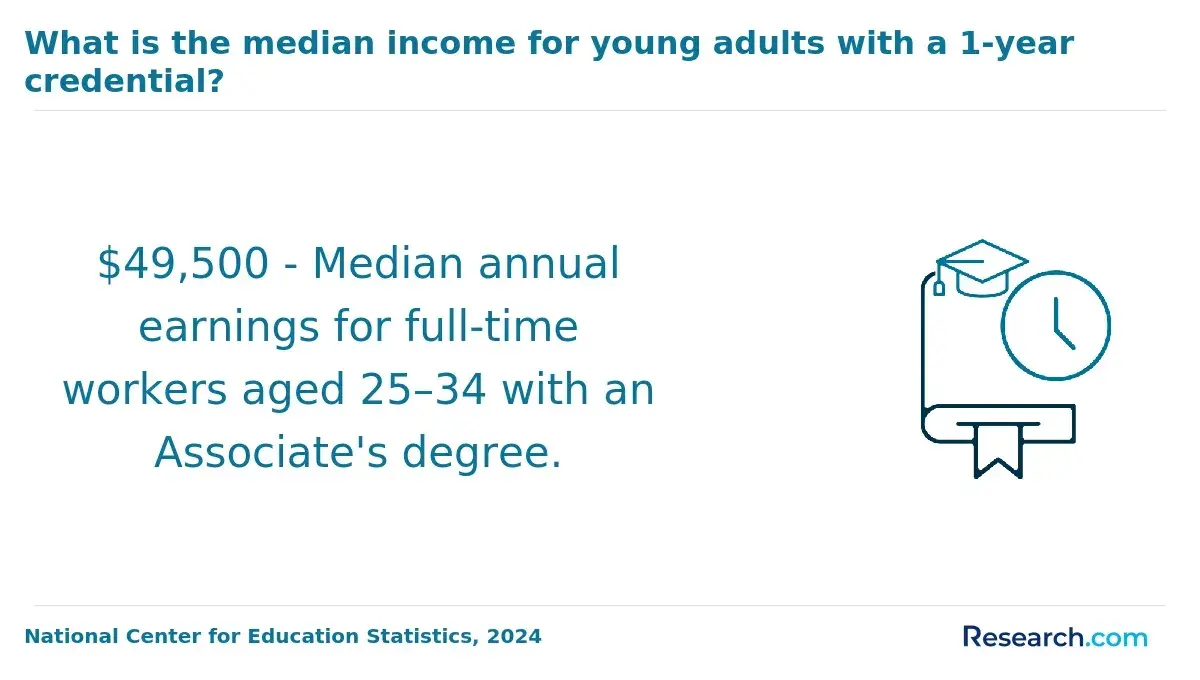
Recent data from university admissions offices and the National Center for Education Statistics highlight a notable shift in the role of SAT and ACT scores for software engineering degree programs as of 2024.
A growing number of institutions, especially public universities and those with a focus on diversity, have moved toward test-optional or test-blind admissions policies for first-year students. Approximately 40 percent of these programs no longer mandate standardized test scores, reflecting a trend concentrated in schools adopting holistic review approaches.
However, highly selective programs still weigh SAT or ACT results to help differentiate among competitive applicants. These scores are generally considered alongside other academic and experiential factors rather than serving as standalone gatekeepers.
These changes are primarily driven by concerns about the limitations of standardized tests in predicting success within technical, project-based software engineering curricula, and a broader movement toward equitable access. Admissions processes increasingly prioritize STEM GPA, coding portfolios, and relevant work experience over test performance, responding to evidence that standardized tests may disadvantage underrepresented groups.
Differences remain between public institutions that widely embrace test-optional policies and some private or elite schools that maintain testing as part of their applicant evaluation toolkit. Institutional strategies also reflect efforts to manage applicant pools and ranking metrics, with transfer and graduate software engineering applicants facing even fewer testing requirements as emphasis shifts to prior professional and academic achievements.
A student recalled hesitating to submit SAT scores during a rolling admissions cycle, uncertain whether test results would strengthen their application or simply delay decisions. Balancing last-minute prep with deadlines, they ultimately chose to send scores late in the process, which added stress but seemed to reassure admissions officers evaluating a competitive software engineering program.
This experience underscores the nuanced and sometimes ambiguous role of standardized tests today, highlighting how applicants must navigate evolving policies with strategic timing and an emphasis on comprehensive portfolios beyond test scores alone.
How Many Software Engineering Programs Have Adopted Test-Optional Admissions Policies?
Recent data from FairTest, College Board, and the National Center for Education Statistics indicates that between 60% and 70% of institutions offering software engineering programs had adopted test-optional admissions policies by early 2024. This reflects a substantial shift as many schools moved away from requiring SAT or ACT scores for applicants, particularly after pandemic disruptions made standardized testing less accessible.
Large public universities with engineering departments have been among the most notable adopters, while private institutions have trailed but are increasingly lenient with testing expectations. Nevertheless, some highly selective programs continue to mandate standardized scores as part of holistic admissions reviews, underscoring variability across the sector.
This rise in test-optional policies is driven primarily by efforts to enhance equity and reduce access barriers that traditional testing has historically posed for underrepresented groups. The COVID-19 pandemic accelerated institutional reevaluations of standardized tests' predictive validity and fairness, prompting many to reconsider their reliance on these scores.
In a competitive higher education landscape where attracting diverse and well-prepared cohorts matters, an emphasis on GPA, course rigor, and qualitative assessments such as recommendations and personal statements has gained traction. Additionally, shifts in applicant behavior and preferences-favoring greater flexibility in application requirements-have contributed to this trend.
The broader effects of these evolving policies extend to application dynamics and admissions strategies. Test-optional frameworks tend to increase application volumes as more students feel encouraged to apply without the barrier of test score submission. This can intensify selectivity in some cases but also demands admissions offices refine evaluation criteria to fairly assess candidates without standardized benchmarks.
For prospective software engineering students, understanding this environment is crucial; while strong test scores can still enhance an application, their absence need not preclude admission, provided other academic and personal credentials demonstrate readiness for these rigorous programs.
What Non-Academic Factors Do Software Engineering Admissions Committees Consider?
Admissions committees for software engineering programs increasingly combine academic metrics with non-academic criteria to form a more holistic understanding of applicants' potential. This approach acknowledges that grades and test scores alone cannot fully capture qualities like resilience, collaboration, and real-world readiness.
By evaluating broader contexts and experiences, committees aim to identify students whose personal attributes and demonstrated skills align with the demands of rigorous programs and evolving workforce needs.
- Relevant Work or Internship Experience: Practical industry exposure signals an applicant's ability to navigate complex software development environments and contribute meaningfully to team projects. This factor helps admissions panels differentiate candidates with applied skills from those with primarily theoretical knowledge, often increasing acceptance probability by about 15% for those with 6 to 12 months of software-related internships.
- Personal Essays and Statements of Purpose: Essays provide a window into applicants' motivation, problem-solving approaches, and long-term commitment to technology fields. Admissions committees value narratives that reveal learning from challenges or adapting to setbacks, which can offset borderline academic records and indicate essential attributes like perseverance and a growth mindset.
- Letters of Recommendation: External validation from supervisors or mentors offers insights into an applicant's teamwork, communication, and problem-solving aptitude beyond what transcripts can show. These endorsements allow committees to weigh professional habits and character, vital for success in collaborative software engineering settings.
- Diversity and Inclusion Considerations: Many programs strive to assemble cohorts with varied perspectives and backgrounds, recognizing that diversity fosters innovation and critical thinking. Admissions reviews thus incorporate contextual factors to ensure a balanced and dynamic classroom environment.
- Extracurricular Activities Related to Software Development: Participation in coding competitions, open-source projects, or tech clubs demonstrates initiative and sustained passion beyond academics. Such involvement correlates with persistence and intellectual curiosity-traits predictive of success in demanding curricula and careers.
Data from the National Center for Education Statistics (NCES) shows that over 70% of software engineering programs embed these non-academic factors within their admissions framework, reflecting a shift toward holistic review. This comprehensive evaluation aligns with how many employers assess candidate readiness, emphasizing nuanced qualities rather than sole reliance on GPA or test scores.
Applicants seeking to improve their prospects should consider conveying the context behind academic achievements and illustrating non-academic criteria as a strategic component, a method equally effective whether applying to engineering fields or an accelerated finance degree. Strong personal statements can effectively enhance the overall application narrative.
Which Types of Schools Are the Most Selective for Software Engineering Applicants?
Admissions competitiveness for software engineering programs varies significantly across institution types, driven by factors such as program size, funding priorities, and applicant demand. Highly selective schools typically balance limited capacity with strong reputational draws, resulting in notably low acceptance rates.
Conversely, institutions with broader missions or less concentrated resources often maintain higher admit percentages, reflecting different enrollment strategies and local workforce needs.
- Private Research Universities and Elite Technical Institutes: These schools are the most selective due to a combination of prestigious STEM reputations and constrained program capacity. Acceptance rates frequently fall below 15%, with some programs accepting fewer than 10% of applicants. Their emphasis on rigorous academic standards, including high GPA thresholds often above 3.8, and extensive prerequisites narrows the applicant pool. The intense competition reflects both the schools' national visibility and their ability to attract a high volume of qualified candidates.
- Public Flagship Universities: While still competitive, these institutions generally have higher acceptance rates, commonly between 20% and 35%. Their broader enrollment mandates and state funding models enable somewhat larger program sizes, but rising demand for software engineering degrees is steadily increasing selectivity. These universities prioritize demonstrated STEM experience and projects, often setting transfer applicants' GPA requirements near 3.5 to manage competitiveness.
- Regional State Universities and Community Colleges: Offering more accessible entry points, these schools have acceptance rates often exceeding 50%, reflecting less restrictive admission criteria. These institutions serve as critical pathways for many students who intend to transfer to more selective programs later. GPA expectations tend to be moderate, typically above 2.5, and standardized test requirements are frequently relaxed or test-optional in line with shifting admissions policies.
These differential admission patterns highlight how institutional mission, funding, applicant volume, and program capacity jointly shape selectivity levels. Applicants should weigh these dynamics carefully, understanding that highly selective programs prize concentrated academic excellence and limited seats, while more open access schools provide incremental opportunities adaptable to diverse student needs and career trajectories.
How Do Admissions Standards Differ Across States and Regions?
Admissions criteria for software engineering programs in the United States reveal substantial variation influenced by factors beyond mere geography. Data from the National Center for Education Statistics (NCES) in 2024 underscores that states with large public university systems and dense urban populations, notably California and Massachusetts, impose more rigorous standards including higher GPA expectations and lower acceptance rates.
These thresholds correlate with intense regional demand for tech talent and limited program capacity within competitive flagship universities. Conversely, midwestern and southern states often adopt more open admission policies to widen access, reflecting different institutional missions and demographic priorities, emphasizing diverse enrolment over selectivity.
These disparities stem largely from differing public funding models, workforce shortages, and population concentrations that shape institutional strategies. In regions with rapid tech sector growth and concentrated urban centers, universities leverage selective admissions to prioritize high-achieving candidates while managing capacity constraints.
Rural and less densely populated states face pressures to increase enrollment access and diversity, balancing academic criteria with efforts to meet local labor market needs, sometimes resulting in varied testing policies such as conditional or optional standardized exams.
Institutional selectivity often mirrors local economic conditions, state budget allocations, and educational infrastructure, making admissions competitiveness a function of complex regional ecosystems rather than uniform academic standards.
One graduate recalled the challenge of navigating rolling admissions in a competitive state system with stringent GPA requirements. They delayed submitting final transcripts, hoping first for an early acceptance that never arrived, while simultaneously applying to less selective programs in neighboring states as a safeguard.
This strategic hesitation created stress but ultimately provided more options, highlighting how the varying timelines and policies across states can impact applicant decision-making and outcomes in meaningful ways.
How Do Admissions Requirements Compare Between Online and Campus Programs?
Admissions requirements for online versus campus software engineering programs reveal consistent patterns shaped by institutional priorities and delivery format. Data from 2024 institutional disclosures show that campus programs typically impose higher GPA minimums, often above 3.0, reflecting competitive seat limitations and more stringent academic vetting.
Conversely, online programs adopt more flexible admissions criteria, sometimes accepting GPAs around 2.5, to widen access for working professionals and nontraditional learners.
Additionally, campus programs more frequently require or recommend standardized tests such as the SAT or ACT, though many have shifted toward test-optional policies. Online programs largely de-emphasize these tests, emphasizing professional experience and prerequisite coursework instead, illustrating evolving admissions paradigms in the context of broader enrollment trends and regional differences in software engineering program acceptance criteria for online and campus options.
These differences arise from multiple operational factors. Online programs prioritize scalability and inclusivity, targeting diverse student populations who may need rolling admissions and less rigid deadlines. Their reliance on professional experience signals a realignment toward competency-based evaluation, contrasting with campus programs' focus on traditional academic achievement and comprehensive records.
Campus-based admissions also reflect resource constraints and institutional selectivity designed to maintain cohort quality and networking opportunities. As a result, the admissions frameworks correspond closely to the distinct educational delivery models, shaping accessibility, student preparedness, and anticipated academic support structures.
For prospective students, these distinctions influence enrollment choices and perceptions of program rigor and value. Employers often regard campus degrees as more selective but increasingly recognize reputable online credentials, especially when paired with relevant experience.
This balance creates strategic considerations for applicants aligning their qualifications and personal circumstances with program demands. Those interested in cost-effective online pathways might explore options such as an inexpensive online MBA, reflecting a growing segment of accessible professional education alternatives.
Is There a Relationship Between Admissions Standards and Student Success?
Recent 2024 data from the National Center for Education Statistics (NCES) reveals that stricter admissions standards in software engineering programs, such as higher GPA thresholds and selective acceptance rates, generally align with stronger academic outcomes like higher graduation rates and lower attrition. For example, programs with incoming average GPAs above 3.5 report approximately 15% higher four-year graduation rates compared to those with averages below 3.0.
This relationship highlights that more rigorous admissions criteria can correlate with improved student success metrics, reflecting better preparedness or academic alignment. However, this pattern is not universally predictive, underscoring ongoing debates about the impact of selective admissions criteria on software engineering student outcomes across varied institutional contexts.
Factors complicating the admissions-success link include institutional resources, academic support availability, program design, and cohort diversity. Programs adopting balanced admissions policies-integrating portfolio reviews or coding assessments alongside traditional metrics-often admit students with practical skills better suited for software engineering challenges, which can offset GPA-based restrictions.
Additionally, test-optional policies increasingly embraced in 2024 accommodate non-traditional backgrounds without adversely impacting outcomes. These variables emphasize how student demographics, funding levels, and the quality of support services significantly influence retention and completion, limiting admissions selectivity as a standalone success indicator.
For prospective students and advisors, it is crucial to recognize that admissions selectivity alone does not guarantee educational quality or career readiness in software engineering. Adaptability, continuous learning, and applied competencies frequently outweigh initial academic metrics in employer evaluations.
Those exploring alternatives to traditional pathways may also refer to resources comparing program effectiveness like the best GIS programs, which illustrate similar dynamics in specialized technical fields. Thus, admissions standards should be considered alongside broader institutional and career development factors when assessing software engineering program options in the US.
How Can Students Strengthen a Software Engineering Program Application?
Successful software engineering program applications hinge on showcasing a blend of academic rigor, relevant practical experience, and clear alignment with program objectives. Admissions committees rarely accept applications based solely on minimum GPA or test scores; instead, they assess indicators of readiness, fit, and potential to thrive in complex, technical environments.
Demonstrating these qualities in a way that integrates with the holistic review process is critical for standing out amid increasing competition.
- Contextualized Academic Performance: Admissions officers evaluate GPA not just as a number but in relation to course difficulty, grade trends, and performance in STEM subjects such as advanced math and computer science. This approach helps committees identify applicants whose academic records reflect genuine preparedness rather than inflated grades.
- Hands-On Technical Experience: Documenting participation in coding projects, internships, or open-source contributions signals applied skills and motivation. These experiences offer admissions panels tangible evidence of problem-solving ability beyond theoretical knowledge, which is increasingly valued as per 2024 Computing Research Association findings.
- Development of a Portfolio: Curating a coherent portfolio hosted on recognized platforms demonstrates a candidate's commitment and evolving expertise. Portfolios enable reviewers to directly assess coding proficiency and creativity, complementing academic records in competitive selection contexts.
- Engagement in Coding Competitions: Participation in hackathons or contests reflects initiative, resilience, and the ability to work under time constraints-traits admissions committees link to success in software engineering study and careers.
- Proficiency in Multiple Technologies: Showcasing versatility across programming languages and frameworks indicates adaptability and a capacity to meet diverse industry requirements, enhancing perceived long-term value for programs seeking students ready for evolving workforce demands.
References
- Why Engineering Program Applicants Can’t Count on Test-Optional Admissions https://www.mytutor.com/blog/why-engineering-program-applicants-cant-count-on-test-optional-admissions
- Software Engineering | Faculty of Engineering https://www.uottawa.ca/faculty-engineering/undergraduate-studies/programs/software-engineering
- Computer Science & Engineering Student Loans - Ascent Funding https://www.ascentfunding.com/college-loans/computer-science-engineering/
- Criteria for Accrediting Engineering Programs, 2025 - 2026 - ABET https://www.abet.org/accreditation/accreditation-criteria/criteria-for-accrediting-engineering-programs-2025-2026/
- Which Colleges Are Test Optional in 2025-2026? | Ivy Coach https://www.ivycoach.com/the-ivy-coach-blog/standardized-testing/test-optional-colleges-list/
- Software Engineering Study Program â CODE https://code.berlin/en/study/bachelor/software-engineering/
- SAT and ACT Policies and Score Ranges for Popular Colleges and Universities https://www.compassprep.com/college-profiles/
- Tips I wish I knew when starting studying Software Engineering https://dev.to/christopherkade/tips-i-wish-i-knew-when-starting-studying-software-engineering--4pkk
Other Things You Should Know About Software Engineering
Test-optional policies have broadened access but also increased applicant pools, often intensifying competition. Candidates should weigh the impact of larger applicant volumes against their own academic profile; opting for schools with flexible testing policies may require stronger GPA or portfolio components to remain competitive.
For students with weaker standardized test results, targeting these programs makes sense, but they must prepare for a more demanding holistic review process that emphasizes consistent academic performance and practical experience.
Rising GPA thresholds tend to disadvantage transfer and nontraditional students who may come from varied academic contexts or have interrupted education. This creates practical challenges, particularly for those balancing work or family commitments, forcing them to seek programs with more flexible GPA cutoffs or to demonstrate competencies through alternative metrics like relevant project experience.
Consequently, advisors should guide these students toward schools valuing comprehensive profiles beyond GPA alone to optimize admission success and reduce dropout risk caused by academic overload.
Acceptance rates alone can be misleading indicators of program quality and future employability in software engineering. Highly selective schools often have well-resourced career services and industry links, but smaller or less selective programs sometimes deliver comparable or superior hands-on learning experiences and mentor accessibility.
Applicants should prioritize programs with proven graduate employment statistics and practical curriculum alignment over mere selectivity metrics, as these more directly impact job readiness and long-term career trajectories.
While admissions trends move toward deemphasizing standardized test scores, employers in software engineering still prioritize demonstrable skills, portfolios, and internships over admissions criteria. Candidates must therefore focus on building applied competencies and real-world project experience rather than relying on admission tests as a proxy for ability.
This shift suggests applicants should allocate more effort toward skills validation during their studies, as graduate attributes matter more to hiring managers than how they performed on entry exams.