2027 Remote Work Report for Esports Business Graduates: Flexible Roles, Pay, and Hiring Trends

Co-Founder and Chief Data Scientist
Fresh Esports Business graduates entering the remote job market often confront blurred role definitions and uncertain salary expectations. Many find that traditional entry points like event coordination or content management are evolving, with employers seeking hybrid skills in analytics and digital marketing. While 68% of US companies now offer some form of remote work, Esports firms remain selective, prioritizing candidates who demonstrate both flexibility and sector-specific expertise.
This dynamic shapes the availability of remote positions and pay scales in ways newcomers must navigate carefully. This article examines flexible roles, compensation norms, and hiring trends to clarify remote career pathways for Esports Business graduates.
Key Points About Working Remotely for Esports Business Graduates
- Remote positions in Esports Business focus on marketing, event coordination, sponsorship management, and content strategy, requiring proficiency in digital communication and adaptability to flexible workflows for sustained productivity.
- Annual salaries for remote esports business roles average around $55,000, reflecting entry to mid-level experience. Salary variability depends on specialized skills and employer scale, informing realistic compensation expectations.
- Graduates must develop digital networking and demonstrate self-motivation through internships or freelance projects, as remote hiring prioritizes candidates who provide clear evidence of initiative and adaptability in competitive selection processes.
- Key Points About Working Remotely for Esports Business Graduates Key Points About Working Remotely for Esports Business Graduates
- Are there remote work opportunities in the Esports Business industry? Remote Opportunities
- Which Esports Business niches offer remote roles? Which Esports Business niches offer remote roles?
- What entry-level Esports Business roles allow remote work? Entry-Level Roles
- What is the average salary of Esports Business graduates who are working remotely? Average Salary
- Do remote Esports Business jobs pay the same as on-site roles? Pay Comparison
- What benefits do remote Esports Business employees receive? What benefits do remote Esports Business employees receive?
- Where can Esports Business graduates look for remote jobs? Where to Find Jobs
- What do Esports Business employers look for in candidates? What do Esports Business employers look for in candidates?
- How can Esports Business graduates prepare for remote roles? Preparing for Remote Roles
- How can Esports Business graduates if remote roles are a good fit for them? How can Esports Business graduates if remote roles are a good fit for them?
Are there remote work opportunities in the Esports Business industry?
Remote and hybrid roles in the Esports Business sector are emerging but remain selective. About 20% of entry-level positions are fully remote, while 50% offer hybrid work. This reflects a moderate industry demand for off-site talent, driven by cloud collaboration tools that support distributed teams in marketing and event coordination.
Remote flexibility varies significantly by region and company structure. For example, organizations adhering to strict local labor laws may limit off-site work to ensure compliance with on-site attendance rules. Workflow dependencies, such as live event involvement, also reduce remote opportunities for new graduates.
A typical scenario involves a recent Esports Business graduate working in sponsorship coordination who might handle strategic tasks remotely but attend key events in person twice weekly. Industry surveys report that 65% of Esports companies require employees on-site at least two days per week to build relationships and address challenges quickly.
These expectations highlight the trade-off between remote flexibility and the experiential value of in-person collaboration. Graduates should evaluate if a hybrid role matches their career goals and readiness to engage in onsite networking essential for upward mobility.
Which Esports Business niches offer remote roles?
Remote roles in Esports Business concentrate in niches that inherently rely on digital workflows and virtual collaboration. These niches can accommodate asynchronous and geographically distributed teams more easily while others require more physical presence. For example, an Esports Marketing manager may coordinate influencer partnerships and campaigns from multiple time zones, but Esports Event Coordinators often need periodic on-site involvement for tournament execution. Remote Esports Business job opportunities tend to cluster where cloud-based tools and virtual communications dominate.
Below are key remote-friendly niches with explanations of why their core functions support flexible work arrangements.
- Esports Marketing: Focuses on digital campaigns, social media strategies, and influencer partnerships. These tasks rely on online platforms and can be executed remotely, enabling teams to align via virtual meetings and manage projects asynchronously.
- Esports Event Coordination: Involves planning and managing tournaments, including online qualifiers and livestream components. While hybrid models allow remote coordination, the role often requires occasional on-site presence, balancing flexibility with event demands.
- Content Creation and Management: Encompasses producing and distributing video, written, or streaming content. Independent or decentralized teams manage most workflows online, making this niche well suited to remote setups.
- Esports Data Analysis: Utilizes cloud-based platforms to track player statistics and audience engagement. Analysts work from varied locations since data access and reporting tools are fully digital.
- Sponsorship Sales and Partnership Development: Centers on building brand relationships through virtual meetings and communications. This area supports remote roles because relationship management requires fewer on-site interactions.
- Esports Community Management: Handles fan engagement and moderation of online platforms. It often functions remotely to provide continuous coverage across global time zones.
- Game Publishing and Distribution: Coordinates digital communication for content delivery and updates. Remote work suits this niche given the worldwide and ongoing nature of publishing operations.
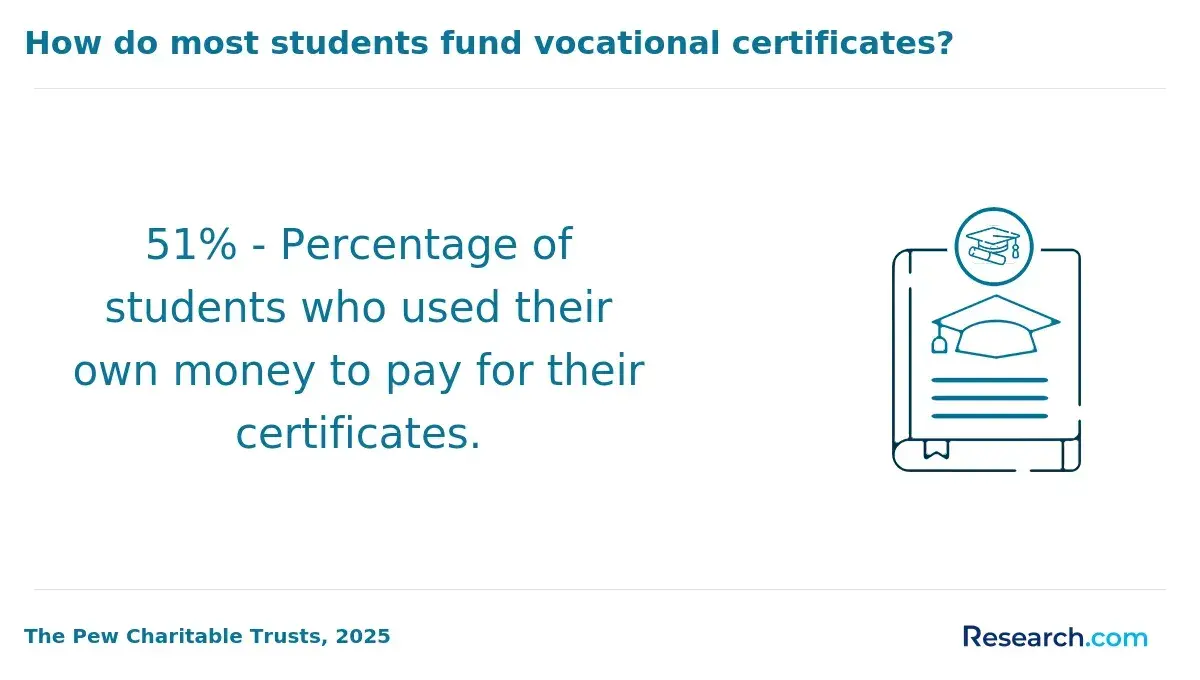
A recent study found a 27.3% rise in remote or hybrid positions within these niches over the past 12 months, reflecting rapid market adaptation to flexible work. For graduates, this means increasing availability of flexible remote roles in Esports Business industry, though candidates should consider tradeoffs like fewer in-person networking opportunities and the discipline required for independent work. Those pursuing hybrid roles, particularly in event coordination, must be prepared for intermittent travel or on-site duties. To explore educational options that enhance readiness for such remote roles, prospective professionals might consider the best online MSW programs that incorporate flexible learning and relevant digital skills.
What entry-level Esports Business roles allow remote work?
Entry-level roles in Esports Business increasingly support flexible remote work due to the industry's tech-driven, digital environment. Recent data shows a 27% rise in remote and hybrid entry-level job listings compared to traditional office roles, signaling strong employer confidence in remote productivity for junior hires.
Below is an overview of popular remote entry-level positions, emphasizing distinct operational duties, required skills, and why these roles are well-suited for remote work.
- Esports Marketing Coordinator: This role involves managing digital campaign logistics and analyzing engagement through tools like Google Analytics. Candidates need data interpretation skills and marketing fundamentals. The workflow relies on virtual collaboration platforms, enabling remote project execution.
- Community Manager: Tasked with moderating online player forums and enhancing user interaction, this position demands strong communication and social platform savvy using Discord and Twitch dashboards. Its inherently online nature supports remote work seamlessly.
- Sponsorship Assistant: Focused on monitoring partner deliverables and maintaining CRM systems such as Salesforce, this role suits detail-oriented newcomers who excel in relationship management and data entry. Remote access to CRM tools facilitates this position from anywhere.
- Event Operations Associate: Responsible for organizing virtual tournaments and timelines, proficiency in project management software like Asana or Trello is essential. The role requires coordination rather than physical presence, making remote work practical.
- Content Producer: Producing promotional videos and social assets with Adobe Creative Suite, this function expects creative skills and brand consistency awareness. Since deliverables are digital, remote work offers flexibility without compromising quality.
- Social Media Analyst: Monitoring campaign metrics and generating strategic reports using native analytics tools on platforms like Instagram and TikTok demands analytical thinking and trend awareness. The digital workflow supports independent, remote operations effectively.
Proficiency with specialized software and communication tools remains a key hiring criterion for entry-level remote roles in Esports Business. Candidates with certifications in Google Analytics, social media management, or Adobe Creative Cloud benefit from enhanced placement odds by presenting validated skills aligned with remote work demands. This 65% placement rate for recent graduates in flexible esports roles highlights how adaptability paired with digital fluency expands early career opportunities.
Those exploring flexible remote job opportunities in Esports Business for new graduates should also consider the value of completing the cheapest CSWE-accredited online MSW programs as a comparative example of how targeted online programs can support career placement through skill certification and practical experience.
What is the average salary of Esports Business graduates who are working remotely?
Esports Business remote workers typically start with median salaries near $48,700, with entry-level roles paying between $42,000 and $54,000. These figures apply to fully remote or hybrid roles like esports marketing or sponsorship management. Graduates should weigh this initial compensation against the flexibility of remote positions and how it fits their career goals.
Salary variation depends heavily on role complexity and digital skills. A 2024 industry study shows 62% of remote hires earn below $50,000 at entry, yet specialized positions with technical expertise or certifications exceed $55,000. This highlights a distinct pay advantage for graduates investing in skill development or pursuing relevant credentials such as bookkeeping certification online for financial or operational roles within esports.
When comparing these pay scales to adjacent fields—or comparing specialized qualifications against a masters in digital marketing or sports management—esports business roles often start with slightly lower salaries. This difference reflects the niche market and evolving demand, where traditional industries may offer faster salary growth and higher starting wages for similar positions.
Esports Business remote work pay scale trends emphasize a trade-off: gaining valuable industry experience at modest pay with expectations of growth tied to specialization. Graduates should consider these dynamics carefully when evaluating remote opportunities within the sector.
Do remote Esports Business jobs pay the same as on-site roles?
Remote Esports Business roles generally pay about 7.3% less than on-site positions at entry-level, according to recent workforce studies. This pay gap reflects broader employer strategies to adjust wages based on an employee's physical location rather than a national flat salary. Such differences influence the overall compensation structure more than the work itself.
Compensation packages vary significantly across regions because of localized pay bands. For example, an entry-level remote worker in a lower-cost area may earn substantially less than someone in a major esports hub despite equal responsibilities. Employers typically factor regional living costs into salary offers instead of maintaining full parity.
Beyond base salary, companies often rebalance benefits, reducing travel stipends while enhancing home-office budgets. This structural shift can offset some financial gaps but rarely closes them completely. Graduates need to assess these trade-offs carefully when considering remote roles versus on-site alternatives.
Understanding these dynamics helps graduates make informed decisions about flexibility and earnings potential. As remote work becomes more common, pressure exists to approach pay parity, but full compensation equality remains an uncommon reality across the Esports Business labor market.
What benefits do remote Esports Business employees receive?
Remote Esports Business employees receive a combination of standard and remote-tailored benefits that significantly influence job satisfaction and productivity. For instance, a remote esports marketing analyst using a monthly home office stipend can upgrade their workspace ergonomics, which directly improves focus during extended campaign planning. These benefits must be weighed carefully since their availability often varies by employer and impacts long-term career viability.
Below are key perks commonly offered to support remote roles in this sector:
- Home Office Stipends: Companies typically provide an average of $150 monthly to equip remote workers with necessary hardware and furniture. This financial support is essential for maintaining comfort and efficiency outside a traditional office setting, mitigating common remote work challenges like poor ergonomics and distractions.
- Healthcare and Paid Time Off: Standard healthcare benefits and paid leave remain consistent with on-site positions, ensuring basic employee welfare is not compromised by remote status. These benefits underpin workforce stability and help maintain focus amid personal and professional boundaries blurring.
- Professional Certification Coverage: Remote workers often receive funding for certifications relevant to evolving esports technologies or business practices. This support allows career progression through skill enhancement while offsetting costs that might otherwise discourage continual learning.
- Mental Health Services: Acknowledging isolation risks, many organizations now allocate increased wellness budgets-up 18% in decentralized firms-for mental health resources. These programs promote resilience, a critical factor for sustained remote productivity and engagement.
- Retirement Plan Options: Access to retirement saving plans aligns with those available to in-office employees, though uptake depends on individual financial literacy. This parity helps ensure financial security despite the differing work environment.
One Esports Business remote project coordinator shared how initially hesitating to request the home office stipend led to working with outdated equipment that caused frequent discomfort. Once approved, the stipend enabled her to purchase a new chair and monitor, resulting in noticeably improved concentration and fewer breaks. She emphasizes that recognizing the practical value of such benefits early can reduce burnout and support consistent productivity in demanding roles.
Where can Esports Business graduates look for remote jobs?
Locating remote jobs in Esports Business requires a strategic mix of mainstream and niche platforms. General job boards capture the broad spectrum of roles available, but specialized sites and community-driven networks better expose highly targeted opportunities. For example, a recent graduate might find entry-level marketing roles via LinkedIn while securing community management or sponsorship coordination from esports-dedicated portals.
This layered search approach aligns with data showing that 58.7% of remote job applications by entry-level candidates go through generalist platforms, while only 24.3% come from esports-specific job sites, highlighting the need to diversify applications beyond obvious sources.
Below are key channels that offer focused and legitimate remote openings for Esports Business graduates.
- LinkedIn and Indeed: These platforms aggregate a wide range of esports business openings including marketing, event coordination, and content creation roles. Their extensive employer networks and regularly updated listings serve as a practical entry point for candidates seeking flexible work arrangements across global organizations.
- Hitmarker.io: A niche job board centered exclusively on esports and gaming jobs. It offers curated positions emphasizing remote community management, brand partnerships, and operations roles, making it effective for users seeking roles closely aligned with specialized esports business skills.
- EsportsTalent: This site focuses on matching candidates with employers in the esports ecosystem through targeted job listings. Its emphasis on remote positions and relevant industry experience helps streamline applications toward viable career opportunities within the gaming sector.
- Professional Esports Communities: Discord servers, Reddit esports business threads, and LinkedIn industry groups function as informal hiring hubs. Active participation can surface unadvertised remote opportunities and enhance callback rates by fostering direct relationships with hiring managers, a strategy proven to improve interview success by up to 37% compared to job board-only applications.
What do Esports Business employers look for in candidates?
Employers hiring remote candidates in Esports Business prioritize a strategic mix of technical fluency and business savvy to ensure adaptability in a fast-evolving digital environment. Candidates must prove they can manage remote workflows while engaging diverse audiences and sponsors. For example, recruiters often pose scenario-based challenges like designing a fan engagement plan or calculating sponsorship ROI to judge practical skills and decision-making under realistic conditions.
Below are key qualifications Esports Business employers seek remotely to evaluate candidate readiness effectively.
- Data Analytics Proficiency: Mastery of tools such as Excel and Tableau is crucial for interpreting audience metrics and informing campaign strategies. Employers assess this skill through data-driven projects because accurate insights guide monetization and marketing responsiveness in esports ecosystems.
- Certification in Digital Marketing Platforms: Credentials in Google Ads or Facebook Blueprint demonstrate capability in managing sponsorship and engagement. This competency reflects an understanding of digital ad mechanics, which is necessary for executing targeted campaigns that sustain long-term audience growth.
- Project and Community Management Experience: Portfolios showcasing coordination of online tournaments or digital community expansion are highly valued. Such experience indicates ability to manage multifaceted initiatives and foster engagement remotely, key for esports event success.
- Communication and Remote Collaboration Tools: Familiarity with Slack, Zoom, and esports CRM software is essential to maintain effective team interaction and client relations. Employers look for candidates comfortable with these technologies to ensure smooth operations in remote setups.
- Understanding of Commercial Models and Contract Negotiations: Knowledge of esports monetization tactics and contract terms ensures candidates can navigate the sector's complex business landscape. This skill is assessed through scenario analysis to confirm strategic and legal awareness in revenue generation.
Screening standards reflect that 78.4% of Esports Business employers require demonstrable digital proficiency beyond general marketing skills for remote roles, highlighting the urgency for specialized competencies. Graduates aiming to meet esports business remote job requirements should align their portfolios with these concrete capabilities rather than generic credentials. Pursuing certifications and hands-on projects supports this goal better than traditional routes.
For those exploring accelerated degree paths relevant to this sector, options such as an environmental engineering bachelor's degree online illustrate the growing availability of flexible programs that balance technical depth with applied skill development.
How can Esports Business graduates prepare for remote roles?
Successful Esports Business graduates preparing for remote roles must prioritize specific strategies that meet virtual employer demands and reflect practical work conditions. For example, a graduate aiming to manage online tournaments needs to not only master digital collaboration tools but also demonstrate initiative through independent projects. Remote work preparation requires focused efforts across communication, technology, and portfolio-building. The following key strategies help graduates align with flexible role expectations:
- Master Remote Collaboration Tools: Proficiency in platforms like Slack, Trello, and Zoom is essential. Graduates should actively use these to manage tasks and communicate clearly with dispersed teams, as employers expect familiarity with such tools as a baseline skill.
- Obtain Targeted Certifications: Supplementing the core degree with certificates or bootcamps focused on remote collaboration, data analytics, or digital marketing bridges the gap between academic theory and remote job requirements, enhancing practical employability.
- Invest in Reliable Hardware: Access to high-quality headsets, webcams, and stable internet is non-negotiable for seamless virtual engagement. Graduates must ensure their setup supports professional, uninterrupted participation during meetings and events.
- Develop Practical Portfolios: Creating mock esports sponsorship proposals or organizing online tournaments serves as concrete proof of relevant skills. Portfolios showcase initiative and applied knowledge, which improve hiring chances in remote positions.
- Practice Self-Management Discipline: Remote roles demand consistent productivity without in-person oversight. Graduates should cultivate strong time management and self-motivation strategies to sustain performance and reliability.
A study highlighting a 23.7% higher job placement rate among graduates completing remote-readiness training reflects the growing premium on digital upskilling in Esports Business graduate remote job preparation strategies. This trend signals that tangible remote work experience and skill certification increasingly outweigh traditional coursework alone.
Because remote roles in esports offer flexibility but require solid self-regulation, graduates should weigh these demands carefully. Those evaluating pathways might consider that some programs emphasize these competencies more than others. For those seeking accessible credentials, exploring the easiest bachelors degree options can provide insight into diverse education models facilitating entry into esports careers.
How can Esports Business graduates if remote roles are a good fit for them?
Determining if remote roles suit Esports Business graduates requires more than a preference for flexibility. It demands a clear-eyed view of one's work style, communication skills, and social needs. For example, a graduate who thrives on regular team interactions may struggle with remote setups where spontaneous conversations vanish. Beyond personal traits, graduates should evaluate critical professional factors that influence long-term success in remote esports roles.
The following criteria provide a practical framework for this analysis.
- Self-Discipline and Time Management: Remote esports work requires managing schedules independently without direct supervision. Graduates should assess their ability to set boundaries and meet deadlines consistently, or risk decreased productivity and job dissatisfaction.
- Digital Communication Skills: As most collaboration occurs through virtual platforms, proficiency in clear, timely, and concise communication is essential. Evaluating comfort with digital tools ensures smooth teamwork despite physical separation.
- Networking and Mentorship Opportunities: Remote roles often reduce natural networking moments. Graduates must determine if they can proactively build relationships online to compensate for fewer informal interactions critical to career growth.
- Adaptability to Asynchronous Workflows: Esports teams frequently operate across multiple time zones. Candidates should consider if they can handle workflows that do not require simultaneous activity without feeling disconnected or out of sync.
- Technology Reliability and Workspace Setup: Stability of home office technology significantly affects daily performance. Graduates should realistically evaluate their environment's readiness to support uninterrupted work for extended periods.
- Understanding Employer Expectations: Remote esports employers emphasize proactive problem-solving and clear communication. Assessing alignment with these expectations helps predict workplace fit and reduces turnover risks.
- Psychological Resilience: Feelings of isolation can undermine long-term engagement. Graduates should honestly gauge their tolerance for solitude and their strategies to maintain motivation and connectedness.
Data from recent workforce studies shows 48.7% of remote esports professionals report better work-life balance, yet 32.4% face challenges with team cohesion. This duality highlights why thorough self-assessment against these criteria matters for sustainable success.
One Esports Business online degree graduate reflected on this decision-making process: "When I first started, I hesitated because I wasn't sure if working alone would drain me. But after setting up a dedicated workspace and learning to structure my day strictly, I realized I perform better remotely. I also joined multiple online communities to replace office chatter, which helped combat isolation. Understanding these factors before accepting my remote job saved me from burnout and constant doubt."
References
- Online Bachelor of Business Administration and Digital Innovation with Sports and eSports Management https://www.global-business-school.org/programs/bachelor-europe-bachelor-of-business-administration-online/online-bachelor-of-business-administration-and-digital-innovation-with-sports-and-esports-management/
- For College https://britishesports.org/the-hub/esports-resources/for-college/
- Esports | Benefits of Esports https://ca.insight.com/en_CA/what-we-do/industries/education/esports.html
- eSports - Academic program in eSports management https://esbs-spain.com/en/programa/esports-management/
- Opportunities and challenges in the esports business game https://www.businessandindustry.co.uk/video-games-esports/opportunities-and-challenges-in-the-esports-business-game/
- Esports Business Management https://www.keele.ac.uk/study/undergraduate/undergraduatecourses/esportsbusinessmanagement/
- Game Business & Esports Bachelor's Degree https://www.fullsail.edu/degrees/game-business-esports-bachelor
- The Benefits of Esports https://www.usm.org/about/blog/post/~board/blog/post/the-benefits-of-esports
- Why Esports in Schools Is a Good Thing - ViewSonic Library https://www.viewsonic.com/library/education/esports-schools-good/
- Esports.edu: An Inventory and Analysis of Global Higher Education Esports Academic Programming and Curricula https://www.ijesports.org/article/59/html
Other Things You Should Know About Esports Business
Remote roles limit spontaneous interactions that often drive collaboration and mentorship in Esports Business. Graduates should consider that virtual networking requires more deliberate effort, such as proactive outreach and participation in industry-specific online communities. Prioritizing structured digital networking opportunities will be crucial for long-term career growth, as unscheduled interactions commonly foster trust and open doors in this fast-evolving field.
Remote work in Esports Business often demands strong self-discipline since workload boundaries can blur without physical separation between work and personal life. Graduates must build skills in time management, prioritizing tasks, and setting clear communication rhythms with supervisors to avoid burnout. Those who struggle with flexible schedules or lack a dedicated workspace may find it harder to meet rigorous project deadlines and fast-paced industry demands.
In many Esports Business companies, remote roles come with less hands-on training, requiring professionals to be more self-directed in upskilling. Graduates should prioritize employers with explicit remote-focused onboarding and continuous learning programs, as this can greatly influence early performance and long-term advancement. Without structured development, it can be difficult to keep pace with emerging trends and tools critical to success in Esports Business.
While fully remote jobs offer flexibility, hybrid or on-site roles often provide richer opportunities for skill-building through direct team interaction and access to resources. Graduates should weigh the benefits of immediate professional development in hybrid roles against the personal life balance that remote work provides. For those early in their career, hybrid models typically offer a stronger foundation, with remote roles becoming more advantageous as they gain experience and autonomy.