2027 Esports Business Degree Growth by State: Where Interest Is Rising the Fastest

Co-Founder and Chief Data Scientist
States with rapid growth in esports business degree enrollment reflect unique economic and regulatory landscapes shaping educational demand. For example, regions with expanding digital economies and relaxed state-level licensure policies stimulate interest by easing transitions into esports careers.
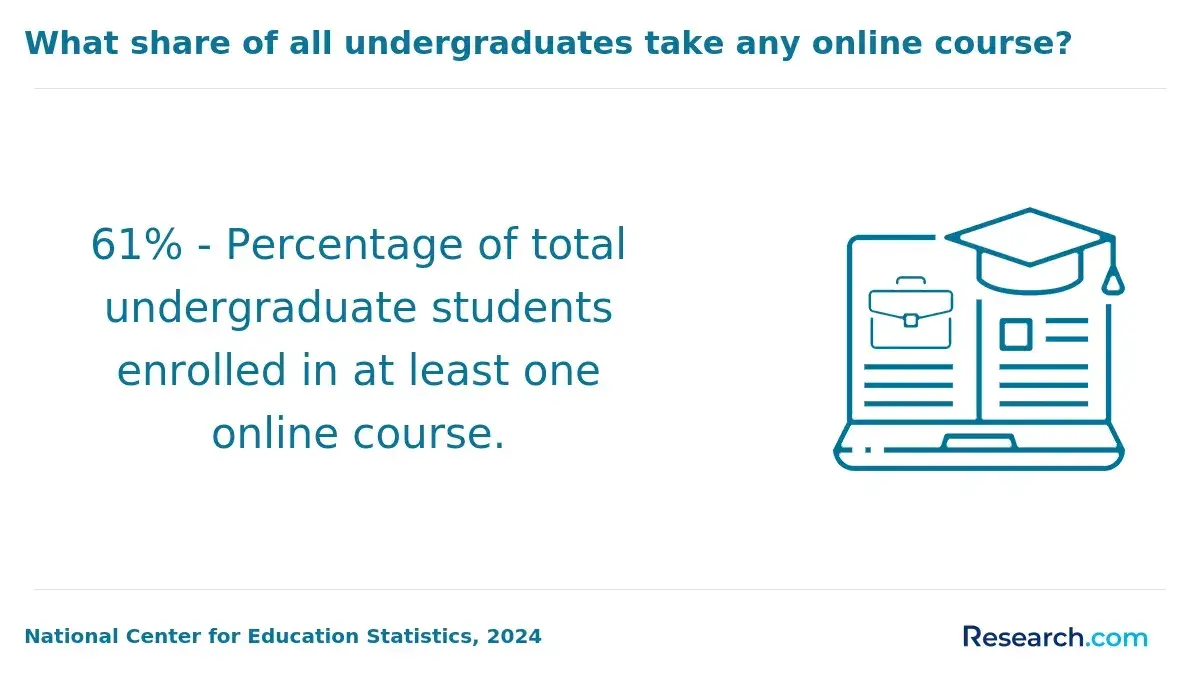
According to a 2024 National Center for Education Statistics report, online graduate enrollment increased by 12%, underscoring a shift toward flexible learning suited for adult and geographically mobile students balancing careers. Such trends reveal how accessibility and workforce needs converge, influencing where prospective students find programs that align with both their lifestyle and market viability in the evolving esports industry.
Key Things to Know About the State Where Esports Business Degree Interest Is Rising the Fastest
- States like Texas show rapid enrollment growth supported by a large, diverse workforce and expanding esports hubs, but limited state-level program accreditation restricts transferability, complicating mobility for career changers.
- Florida's higher education institutions increasingly offer online esports business degrees; however, evolving regulatory standards create timing challenges for adult learners balancing work and coursework, impacting program completion rates.
- In Washington, strong industry partnerships align curricula with workforce needs, ensuring graduates meet employer expectations, though higher tuition costs raise access barriers, prompting strategic enrollment decisions among prospective students.
- Which States Are Seeing the Fastest Growth in Esports Business Degree Enrollment? States Seeing the Fastest Growth in Enrollment
- What Does Enrollment Growth in Esports Business Programs Actually Tell Prospective Students? Interpreting Enrollment Growth
- How Do Regional Job Market Conditions Drive Esports Business Degree Demand by State? Role of Regional Job Market Conditions
- Which States Have Added the Most New Esports Business Degree Programs in the Last Five Years? States That Have Added the Most Programs
- How Has the Rise of Online Education Changed Which States Lead in Esports Business Program Interest? Role of Online Education in Increased Program Interest
- What Demographic Trends Are Fueling Esports Business Degree Growth in Specific States? Demographic Trends Fueling Growth
- How Do State Funding Levels for Esports Business Services Influence Degree Program Growth? Role of State Funding Levels
- Which States Are Emerging as Unexpected Leaders in Esports Business Degree Interest? States Emerging as Unexpected Leaders in Growth
- How Does State Population Size Affect the Interpretation of Esports Business Degree Growth Data? Role of State Population Size
- What Role Do State Licensing Requirements Play in Driving or Suppressing Esports Business Enrollment? Role of State Licensing Requirements
Which States Are Seeing the Fastest Growth in Esports Business Degree Enrollment?
Enrollment growth in esports business degree programs nationally signals more than just rising student interest; it reflects shifting employer needs and regional economic strategies that affect graduate employability and program relevance. The states experiencing the fastest expansion over the past five years exemplify diverse economic ecosystems where academic offerings interface directly with local industry demands, creating different career pathways and trade-offs for students choosing where to study and work.
- Texas: Texas leads growth rates with a technology-driven economy supporting a robust collegiate esports infrastructure. Students here benefit from proximity to both startups and established gaming firms, but this concentration invites competitive pressures that may demand more specialized skills blending business acumen with technical esports knowledge.
- Florida: Florida's urban centers host a growing number of universities embedding esports business in their curricula. However, students face a crowded market influenced by strong entertainment and tourism sectors, requiring adaptability in marketing and event management roles specific to esports rather than general entertainment.
- Ohio: Ohio's expansion reflects midwestern institutions leveraging lower tuition and emerging partnerships with gaming companies. The tradeoff often involves fewer high-profile corporate connections but more affordable access and localized networks that may benefit students targeting regional esports organizations.
- Georgia: Atlanta's rise as an esports and media production hub has driven rapid program growth. Graduates here may exploit a young, dynamic job market but encounter volatility inherent in event-based and media-linked esports business functions, emphasizing networking and real-time operational skills.
- Washington: Home to tech giants and game developers, Washington integrates STEM and business programs oriented to esports. The state offers strong employment pipelines but also higher educational costs and living expenses, a key consideration for students weighing net return on investment from these degrees.
This geographically broad distribution highlights how educational momentum in esports business degree enrollment intertwines with regional workforce realities and long-term career implications. Subsequent sections will assess the economic incentives, program quality metrics, labor market demands, and strategic considerations that graduates must analyze when selecting esports business graduate options in different states.
For those considering accelerated or focused training pathways, exploring one-year master's programs may also be relevant to balancing education length and market readiness.
What Does Enrollment Growth in Esports Business Programs Actually Tell Prospective Students?
Rising enrollment in esports business programs can indicate growing interest but does not automatically equate to better educational or career outcomes. Without deeper analysis, students risk selecting programs that prioritize growth over quality, potentially impacting employability and long-term career success. Raw enrollment figures are an initial signal, but they require contextualization through measures like retention, graduation, job placement, and licensure outcomes to assess program value effectively.
Distinguishing growth driven by aligned labor market demand and rigorous academics from expansion fueled by lower admission standards or aggressive recruitment tactics is crucial. For example, a program in a state with a strong esports industry presence and employer connections likely delivers more career-relevant training than one growing solely through marketing and open admissions without comparable support systems.
- Retention Rates: Indicate whether students are well-supported to persist beyond early semesters, reflecting institutional stability.
- Graduation Rates: Confirm that initial interest converts into degree completion, demonstrating academic rigor and practical success.
- Job Placement Outcomes: Show if programs build meaningful employer relationships and produce graduates who secure relevant roles.
- Admission Standards: Signal program selectivity and student preparedness; lowered criteria may inflate numbers without improving quality.
- Licensure and Certification Pass Rates: Provide benchmarks of industry readiness where credentials are necessary.
- Market Demand Alignment: Reflects if growth corresponds to real labor market needs rather than transient hype.
- Direct Student and Alumni Feedback: Offers nuanced, firsthand insights into academic experience and career impact.
How Do Regional Job Market Conditions Drive Esports Business Degree Demand by State?
Regional labor market conditions critically shape the demand for esports business degree holders, with local economic factors directly influencing graduate enrollment rates. States experiencing expansion in related sectors-such as healthcare growth, public sector investments, and school district esports initiatives-create tangible job prospects that incentivize students to pursue specialized credentials.
This alignment between job availability and credentialing demand means prospective students must carefully evaluate state-specific workforce trends to maximize return on their educational investment.
- California: The state's deep-rooted entertainment and technology sectors, coupled with public healthcare expansions, drive robust demand for esports business professionals in areas like gaming event management and digital marketing, signaling notable job growth.
- Texas: Aggressive employer incentives and substantial school district hiring linked to esports integration push Texas to the forefront of projected job openings, presenting strong practicum and employment opportunities.
- Florida: Tourism-driven leisure economies paired with healthcare facility developments stimulate demand for esports business talent capable of navigating local government-supported esports economic initiatives.
- Washington: Growth of major tech companies and collaborative public sector esports projects contributes to a rising need for esports business credentials and job prospects.
- Georgia: Increased public funding for esports events alongside expanded school district hiring, combined with workforce incentives, effectively boosts employment opportunities in the esports business field.
Employers in these regions often link compensation and hiring incentives to graduates' practical experience, making practicum placements a crucial aspect of program evaluation. Labor market data from the Bureau of Labor Statistics and workforce agencies provide necessary guidance for aligning program choice with job market realities. For students weighing geographically mobile decisions or shifts into esports business, consulting these data sources is essential to navigating tradeoffs between program accessibility and region-specific career viability.
For example, candidates may find that institutions in states with less dynamic esports sectors offer fewer practicum opportunities and weaker post-graduate salary negotiations despite lower tuition costs. Those seeking flexibility can benefit from exploring a fully online engineering degree option to complement esports business credentials while maintaining adaptability to emerging market demands.
Which States Have Added the Most New Esports Business Degree Programs in the Last Five Years?
States expanding esports business degree programs reflect distinct economic priorities and academic strategies that directly influence graduate employability and educational value. Rather than uniform growth, program proliferation hinges on state-specific forces-such as funding incentives, workforce needs, and institutional competition-which shape program design, accessibility, and specialized concentrations. These dynamics affect not just how students choose where to study, but also the financial pressures and curricular nuances they encounter post-enrollment.
- Texas: With strong state grants targeting technology and entertainment sectors, Texas leads in launching new accredited esports business degrees, often integrating robust online components that cater to a geographically dispersed student population. Graduates benefit from programs aligned with a sizable local industry but should consider how widespread online options affect networking opportunities.
- California: The density of esports startups and Silicon Valley's tech ecosystem motivates California institutions to diversify offerings through online, hybrid, and campus-based formats. Intense competition among public and private schools fosters frequent program updates, yet this can result in variable tuition rates and financial aid landscapes affecting affordability and access.
- Florida: State workforce shortage designations linked to esports roles have incentivized program creation and enrollment surges, enhanced by the state's attractive tax environment and climate. This environment draws industry partners and students alike but may concentrate resources unevenly across programs, influencing student specialization options.
- North Carolina: Responding to emerging regional esports hubs, universities have surged forward with new degrees emphasizing entrepreneurship and event management. State educational incentives simplify accreditation processes, promoting tailored curricula, though students need to weigh program maturity and local industry integration when deciding.
- Ohio: Growth predominantly comes from existing programs expanding capacity and establishing or strengthening online tracks, facilitating access for working adults. Competitive state funding supports this trend, but students should assess the tradeoffs between flexibility and potential limitations in industry connectivity compared to fully new programs in other states.
- Accreditation Incentives: Fast-tracked accreditation pathways accelerate program launches, but quality assurance varies; students must evaluate each program's rigor rather than assume parity.
- Grant Funding: Directed grants stimulate expansion, yet financial reliance on state funding can introduce volatility in program longevity and resource availability.
- Competitive Institutional Climate: Institutional rivalry drives innovation and additional concentration tracks, but also leads to fluctuating tuition rates and shifting financial aid offerings.
- Student Impact: While increased program number broadens choice, it intensifies tuition competition and necessitates careful comparison of scholarship catchments and curriculum focus areas.
- Advisory: Prospective students should perform granular assessments within the same state to understand nuances in delivery, specialization, and aid before finalizing enrollment decisions.
A recent graduate recounted the challenges of navigating the rolling admissions cycle amid this evolving landscape: facing uncertainty as some programs updated their online tracks while others expanded enrollment windows, they hesitated to commit early without clarity on financial aid packages and curriculum updates. The staggered release of admission decisions extended the wait, forcing a balance between securing a spot and keeping options open across competing institutions within the same state.
Ultimately, this paused decision-making enhanced their ability to compare accredited online degree programs' strengths and funding offers, leading to a more informed choice than an immediate acceptance might have allowed.
How Has the Rise of Online Education Changed Which States Lead in Esports Business Program Interest?
The surge in fully online esports business degree programs has dismantled the traditional geographic barriers that once dictated graduate enrollment patterns. Whereas students previously limited their choices to nearby campuses or those feasible for relocation, online delivery now shifts the focus toward program quality, accreditation, and cost-regardless of state borders. This transformation means that states hosting reputable and accredited online programs increasingly serve a national audience.
For students, this geographic decoupling expands access but also intensifies the need for comprehensive program evaluation, especially concerning career outcomes and alignment with employer expectations across diverse markets. Prospective enrollees must weigh tuition competitiveness against the practical realities of licensure and state authorization regulations, which can restrict enrollment despite program availability.
Programs in states with strong online infrastructures face pressure to scale support and maintain rigorous accreditation to remain competitive nationally. Conversely, states lacking robust online esports business offerings risk declining relevance as prospective students gravitate toward more established virtual providers.
- Geographic Decoupling: Online formats eliminate commuting and relocation constraints, prioritizing academic reputation and affordability over proximity.
- Reputation and Accreditation: States with recognized, industry-aligned programs act as national hubs attracting out-of-state students.
- Tuition Competitiveness: Transparent or lower tuition rates can sway price-sensitive students balancing ongoing professional commitments.
- Regulatory Constraints: State-specific licensing and authorization policies may limit out-of-state online enrollment, requiring careful eligibility review.
- Implications for Students: Expanded choices heighten the importance of assessing market-relevant employability outcomes beyond local industry demand.
- Implications for Programs: Scaling support services and preserving accreditation quality are vital for states to sustain or grow national enrollment amid intensifying competition.
What Demographic Trends Are Fueling Esports Business Degree Growth in Specific States?
States exhibiting rapid growth in esports business degree programs do so largely due to nuanced demographic trends that directly shape local workforce demand and educational enrollment patterns. For career changers or mobile students deciding where to study and eventually work, understanding these demographic drivers is essential to avoid regions with transient interest and instead align with states where population factors produce consistent employment opportunities in esports sectors.
- Population Aging: States with a youthful demographic profile, particularly those with growing Gen Z and Millennial populations, show stronger enrollment growth. These younger groups sustain digital entertainment markets, creating ongoing employer demand for esports business professionals adept at managing evolving audience engagement models. Contrarily, states with aging populations often have stagnating or declining program interest as local esports markets contract.
- Immigration Patterns: Immigration influxes bring culturally diverse and technologically literate cohorts, fostering vibrant esports communities and startups. This multicultural presence encourages demand for esports business curricula that address international commerce and global digital marketplace strategies.
- Urbanization: Expanding metropolitan areas provide necessary infrastructure-high-speed internet and entertainment ecosystems-that support esports events, leagues, and companies. States with growing urban centers frequently report increased esports business enrollment due to tangible internship and employment pathways emerging locally.
- K-12 Enrollment Growth: Regions with rising K-12 populations generate early interest in esports through school leagues and youth programs, forming sustainable pipelines for program enrollment and future workforce entry aligned with esports business management and monetization.
- Mental Health Diagnoses: Rising recognition of mental health conditions among youth has prompted integration of esports into therapeutic and educational models in some states, creating niche demands for professionals skilled in intersecting health services and competitive gaming industries.
Because these demographic factors vary widely by state, they create distinct hotspots of esports business degree growth not apparent in national datasets. Students evaluating geographic flexibility and program choice should weigh these state-specific socioeconomic and health dynamics alongside program quality to maximize potential for durable career outcomes. This analytical approach aligns with workforce realities favoring regions with substantiated demographic support for esports ecosystems over those with short-lived spikes in popularity.
For those comparing graduate paths and budgets, relevant alternatives such as MBA programs under 30k may also offer viable routes into esports management roles, reflecting a broader landscape of education offerings tied to esports business degree demographic growth trends in US states and state-by-state demographic factors driving esports business enrollment.
How Do State Funding Levels for Esports Business Services Influence Degree Program Growth?
States that commit significant public funding to esports business services-such as Medicaid reimbursements, block grants, school-based mental health programs, and community health center support-tend to nurture stronger and more dynamic esports business degree programs. This investment creates a more stable employment environment, aligning educational pathways with actual labor market demands.
Conversely, in states where such funding is scarce or inconsistent, esports business programs often struggle to grow, and graduates frequently relocate to areas offering better-funded opportunities and job security, impeding local talent retention and program development.
- Investment: Robust state financial support incentivizes institutions to expand esports business offerings, responding to employer needs and labor market signals with adaptive curricula and resources.
- Employment Pipeline: States with adequate public funding sustain local job markets in the esports business, attracting students who intend to stay and encouraging program developers to build in-region capacity.
- Graduate Mobility: Lack of funding drives a talent drain, as graduates pursue positions in states with more comprehensive esports business services and stronger economic backing.
- Legislative Insight: Prospective students and career changers should evaluate recent legislative appropriations related to esports business services to assess regional support and future career stability.
- Program Transparency: It's crucial to inquire about the proportion of graduates employed within the state five years post-graduation to gauge a program's effectiveness and job market integration.
A graduate shared how waiting for admissions decisions from multiple states with varying levels of esports business funding complicated their application timing. Programs in well-funded states released offers earlier and had clearer employment projections, allowing for confident enrollment choices.
In contrast, less-funded states delayed decisions due to budget uncertainties, making commitment risky. This experience underscored the practical challenges of navigating esports business program growth tied directly to state-level funding and the strategic patience required when selecting graduate education aligned with career prospects.
Which States Are Emerging as Unexpected Leaders in Esports Business Degree Interest?
While large states such as California, Texas, and Florida are expected to generate strong interest in esports-related degrees because of their population size, several smaller and mid-sized states are emerging as unexpected leaders due to investments in collegiate esports, specialized academic programs, and industry partnerships rather than population alone.
Recent data show why these states are gaining momentum:
- Pennsylvania: Pennsylvania has become an emerging esports education hub, led by institutions such as Harrisburg University, a pioneer in collegiate esports. The state benefits from the continued growth of the collegiate ecosystem, with more than 500 schools nationwide participating in the National Association of Collegiate Esports (NACE) Starleague as of 2024, creating strong opportunities for esports business education and competition.
- Michigan: Michigan is strengthening its reputation through universities such as Michigan State University, a founding member of the Power Esports Conference, launched in 2024. The conference reflects growing investment by major universities in competitive gaming, student engagement, and esports-related academic programs.
- Ohio: Ohio has emerged as another unexpected leader, with Ohio State University joining the Power Esports Conference in 2024. The state's expanding collegiate esports infrastructure supports increasing interest in careers related to esports management, marketing, broadcasting, and event operations.
- Nebraska: Nebraska continues to gain visibility through the University of Nebraska's participation in the Power Esports Conference. Its investment demonstrates how smaller states are building competitive esports ecosystems that can support business-focused degree pathways.
How Does State Population Size Affect the Interpretation of Esports Business Degree Growth Data?
Interpreting esports business degree enrollment growth without adjusting for state population size can distort assessments of where true market expansion and workforce opportunity exist. For instance, a large state adding 2,000 new esports business graduates annually might appear dominant in raw growth terms.
However, compared to a smaller state adding 300 graduates, the per-capita increase may be considerably higher in the smaller state, signaling a rapidly developing local market relative to its population. This contrast highlights why raw numbers alone cannot reliably indicate workforce demand or hiring potential.
Per-capita growth rates provide a clearer signal of genuine market need by comparing graduates to the target population. Areas where the ratio of licensed esports business professionals to overall population falls below the national average typically represent underserved markets. Employers in these regions are often more actively seeking recent graduates to fill roles due to lower saturation, which can translate into stronger hiring prospects for early-career candidates.
Conversely, saturation in large markets with high absolute numbers but low relative growth can limit job openings despite apparent demand. Students considering esports business programs must analyze both absolute and relative enrollment data within the context of state-specific economic and demographic factors. Many variables, including regulatory complexity, workforce baseline, and urbanization, influence how population size affects program interest and graduate employment.
- Regulatory Complexity: States with more restrictive esports business credentialing processes can suppress growth despite strong population demand.
- Workforce Baseline: High existing numbers of professionals affect market saturation and competitive dynamics.
- Population Density: Urbanized states with larger populations naturally yield higher raw graduate counts but need per-capita adjustment for meaningful comparison.
- Economic Conditions: Local industry investment alters demand independent of population, affecting growth interpretation.
For those evaluating graduate study options, comparing esports business degree enrollment growth by state population alongside the impact of state population size on esports business program interest is essential.
What Role Do State Licensing Requirements Play in Driving or Suppressing Esports Business Enrollment?
State licensing requirements serve as a critical gatekeeper influencing enrollment trends in esports business degree programs. Prospective students consistently factor in how stringent or transparent these regulations are because they directly affect post-graduation employability and career trajectory. For example, in states with well-defined, accessible licensing pathways, graduates face fewer hurdles entering the workforce and often command salaries reflective of clear professional standards, typically aligning with upper mid-range market compensation.
In contrast, states where licensing criteria are opaque or subject to frequent revisions create uncertainty, discouraging enrollment as students fear delayed or denied certification, which can significantly curtail job opportunities. Licensing boards also shape employer expectations by embedding licensure requirements into hiring practices.
Employers in states with explicit licensing frameworks often require candidates to hold verified credentials, raising the value of esports business degrees from accredited programs within those same states. This interplay fosters a reinforcing loop: clearer licensing drives enrollment growth, which strengthens institutional advocacy for regulatory refinement, benefiting future cohorts.
Students should analyze the entire licensure and employment pipeline-not just program admissions-before committing. Comparing cross-state licensure reciprocity and administrative complexity is essential, particularly for those aiming for geographic mobility or wishing to avoid costly delays that can diminish return on educational investment.
- Clarity: Transparent licensure requirements reduce barriers by setting clear expectations and timelines, attracting more students.
- Stringency: Excessively complex or costly licensing processes deter enrollment by extending time to workforce entry and increasing expenses.
- Accessibility: Efficient licensing boards minimize administrative friction, helping sustain steady program growth.
- Employer Influence: Licensing demands embedded in hiring practices increase the market value of degrees tied to strong regulatory states.
- Feedback Loop: Growing enrollment enhances advocacy capacity, encouraging ongoing improvements in licensure policies.
- Geographic Mobility: Cross-state reciprocity and licensing portability impact graduates' career flexibility and earning potential.
References
- Becker is becoming a leader in the $1B esports industry https://wbjournal.com/article/becker-is-becoming-a-leader-in-the-1b-esports-industry/
- Esports Education and Training Market | Forecast Report 2035 https://www.wiseguyreports.com/reports/esport-education-and-training-market
- The Mission Value of Collegiate Esports – The Sport Journal https://thesportjournal.org/article/the-mission-value-of-collegiate-esports/
- Esports Education Market Report: Trends, Forecast and Competitive Analysis to 2031 https://www.researchandmarkets.com/reports/6101428/esports-education-market-report-trends
- Why Esports in Schools Is a Good Thing - ViewSonic Library https://www.viewsonic.com/library/education/esports-schools-good/
- Why A Gambling Licence Is Crucial For Your Online Business https://globallawexperts.com/why-a-gambling-licence-is-crucial-for-your-online-business/
- How Geographic Licensing Restrictions Constrain Internet Gaming Player Pool Accessibility https://mariomairal.com/how-geographic-licensing-restrictions-constrain-internet-gaming-player-pool-accessibility/
- 10 Colleges with Esports Degree Programs | Animation Career Review https://www.animationcareerreview.com/articles/10-colleges-esports-degree-programs
- Legal Concerns with Esports Licensing Deals https://lawandpixels.com/legal-concerns-with-esports-licensing-deals/
- United States Esports Market Size, Forecast 2026-34 https://www.imarcgroup.com/united-states-esports-market
Other Things You Should Know About Esports Business
Employers in states where interest in esports business degrees is rising rapidly tend to prioritize candidates with hybrid skills in business strategy and gaming industry knowledge. Many companies emphasize experience managing digital communities, sponsorship negotiations, and event coordination over purely technical or game-specific expertise. This means graduates must be prepared for multifaceted roles rather than narrow specializations, reinforcing the importance of programs that combine coursework with hands-on projects or internships tailored to local industry needs.
States with lower tuition rates and affordable living expenses often see sharper increases in program enrollment, as prospective students weigh upfront costs against anticipated returns. However, lower cost does not always correlate with stronger job placement, so decision-makers should consider the balance between overall affordability and the state's actual industry connections. Prioritizing programs in states where the cost-to-opportunity ratio aligns with career goals can provide a more practical investment than focusing solely on tuition prices or living costs.
Rising enrollment in a state signals growing local interest but does not guarantee superior job prospects or program quality. Students should interpret growth data in conjunction with regional industry maturity, employer presence, and alumni outcomes. It is advisable to prioritize states where enrollment growth coincides with expanding esports ecosystems and higher employer demand, ensuring that their education aligns with tangible market opportunities rather than just popular trends.
Rural and underserved states often launch esports business programs as a strategic response to workforce shortages, aiming to stimulate local economies and retain talent. These programs may emphasize remote work skills and partnerships with national or international esports organizations to overcome geographic constraints. Prospective students should evaluate whether such programs offer credible industry connections and practical experience, as their isolated location can be a double-edged sword-providing niche opportunities but potentially limiting immediate local job access.