2027 Esports Business Salary Trends Report: Are Wages Keeping Up With Tuition and Inflation?

Co-Founder and Chief Data Scientist
A prospective esports business student weighing the decision to enroll often faces a critical question: does the expected salary justify the rising cost of tuition and the broader impact of inflation? As tuition fees climb and the cost of living accelerates, simply looking at initial graduate salaries provides an incomplete picture.
The financial return on the degree depends on how these earnings keep pace not just with tuition but also with long-term inflation and purchasing power shifts. Understanding this dynamic is essential for making informed decisions about investing in an esports business education.
Salary growth, education costs, and inflation rarely move in sync, complicating assessments of value based solely on starting wages. Evaluating the true financial benefit requires a focus on long-term earning potential relative to escalating expenses.
This report examines current salary trends for esports business graduates alongside tuition costs and inflation rates. It also explores the return on investment, affordability, and key factors that influence the lasting financial value of an esports business degree.
Key Things to Know About Esports Business Salary Trends
- Graduate salaries in esports business have grown 4% annually since 2022, lagging behind a 6.5% rise in tuition and inflation, compressing real income gains and extending return-on-investment timelines.
- Specialization in areas like esports marketing or event management boosts mid-career earnings by up to 18%, indicating targeted skills acquisition drives stronger salary growth beyond initial wages.
- Industry volatility tied to sponsorship cycles and platform shifts creates income instability, underscoring the need for diverse revenue streams and continuous professional development to sustain long-term earnings.
- Key Things to Know About Esports Business Salary Trends Key Things to Know About Esports Business Salary Trends
- What Is the Current Salary Outlook for Esports Business Graduates? Salary Outlook
- Are Esports Business Salaries Keeping Up With Inflation? Inflation Impact
- How Do Tuition Costs Compare With Esports Business Salary Growth? Tuition vs Salary
- Does a Esports Business Degree Deliver a Positive Return on Investment? Degree ROI
- Which Industries Offer the Highest Salaries for Esports Business Graduates? Which Industries Offer the Highest Salaries for Esports Business Graduates?
- Which States and Cities Offer the Highest Pay for Esports Business Professionals? Which States and Cities Offer the Highest Pay for Esports Business Professionals?
- How Do Esports Business Salaries Grow Throughout a Career? Career Growth
- How Do Esports Business Salaries Compare With Similar Degrees? Salary Comparison
- How Is Employer Demand Affecting Esports Business Salary Trends? Employer Demand
- How Can Students Maximize Their Lifetime Earnings With a Esports Business Degree? Maximizing Earnings
What Is the Current Salary Outlook for Esports Business Graduates?
The current salary outlook for esports business graduates is shaped by a mix of industry growth and economic pressures, resulting in a nuanced earning potential landscape. Entry-level roles typically range from $45,000 to $60,000 annually, reflecting the industry's relatively young status compared to traditional sports management fields.
However, mid-career professionals specializing in esports operations, sponsorship, and digital marketing often see median wages between $75,000 and $90,000. Those advancing to senior executive positions can earn six figures, sometimes exceeding $150,000, yet these prospects are highly contingent on the organization's size and market reach, illustrating variation in current wages for esports business professionals.
Consider two recent graduates with esports business degrees: one pursues event coordination at a smaller organization, starting near the entry-level salary range, while the other focuses on esports analytics for a global brand, positioning themselves for faster salary growth.
This scenario demonstrates how specialized skills and strategic career paths significantly impact salary outcomes beyond initial figures. While entry-level earnings may seem modest, the expanding global esports market-expected to top $2 billion in 2024-offers increasing opportunities, especially for those cultivating expertise in analytics, branding, or international development.
Interpreting esports business graduate salary trends requires balancing starting wages against long-term career progression and broader economic factors such as inflation and rising tuition costs, which have outpaced wage growth recently.
Aspiring professionals should evaluate potential earnings alongside educational investments, factoring in that real income improvement may lag early in their careers. For those making informed decisions about degree value, exploring options like online SLP masters programs may offer comparative insight into affordable, high-return pathways within higher education and workforce preparation.
Are Esports Business Salaries Keeping Up With Inflation?
Recent data from the U.S. Bureau of Labor Statistics highlights a widening gap between esports business salary growth and inflation. While nominal wages in esports business-related roles have increased by about 3.2% annually, inflation has averaged roughly 5.0% over the past two years, signaling a decline in real purchasing power for many workers.
This difference means that despite salary increments, individuals often find their earnings stretched thinner when covering essentials such as housing, transportation, and education costs, which typically rise with inflation. For example, a graduate starting at a mid-level marketing position within esports might receive a raise, yet still struggle to keep up with higher rent or student loan payments over time.
This dynamic underlines why esports business salary growth versus inflation deserves close attention from prospective students and career changers alike. Rising tuition fees for esports-related programs add further financial pressure, making it crucial to consider whether future earnings justify educational investments.
Although some senior roles or specialists in esports business occasionally command salary increases that edge past inflation, these positions are less accessible and often highly competitive. Evaluating alternatives, such as fields with more predictable income gains or exploring affordable degrees like a library science masters, can provide useful perspective on the economic tradeoffs of pursuing an esports business path.
How Do Tuition Costs Compare With Esports Business Salary Growth?
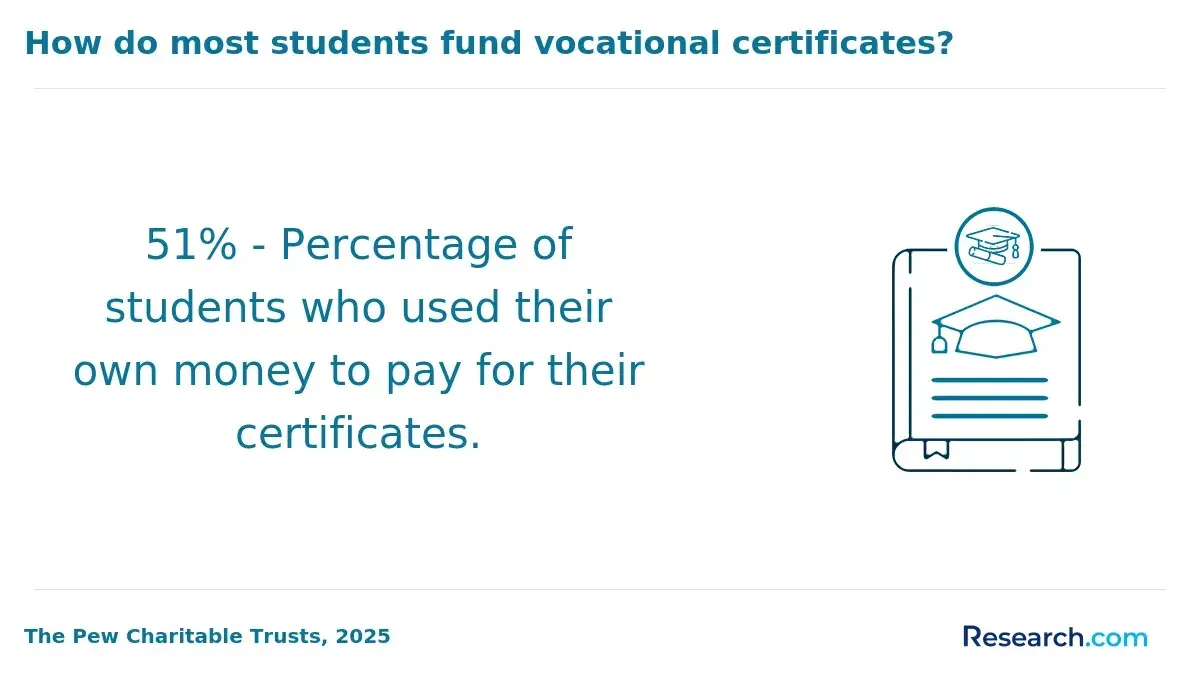
Comparing tuition costs alongside salary growth offers a clearer picture of the financial realities faced by esports business students than examining either metric alone. Recent data from the National Center for Education Statistics and the U.S. Bureau of Labor Statistics shows that tuition for esports business programs at public universities has increased by about 4.5% annually over the past five years, outpacing average inflation near 3%.
Meanwhile, starting salaries for esports business graduates typically range between $48,000 and $52,000, with mid-career pay rising modestly at around 3% per year to roughly $65,000-$70,000. These dynamics suggest that tuition inflation often exceeds salary growth, meaning many graduates may see their real earnings plateau or improve only marginally after accounting for rising education costs.
This gap influences individual financial decisions, particularly when planning for student debt repayment or career flexibility. For example, a student attending out-of-state or a private institution faces significantly higher tuition increases, making the return on investment less certain compared to someone pursuing in-state options or leveraging scholarships.
Economic conditions, regional job markets, and specialized esports roles also affect salary trajectories, causing wide variation across graduates. Evaluating tuition growth alongside salary trends helps prospective students anticipate potential challenges in balancing educational expenses with realistic income expectations over time.
One recent esports business graduate recalls weighing her options carefully when tuition hikes threatened to delay her enrollment. While she initially considered programs with steep tuition increases, she ultimately chose a public university offering in-state rates and partial scholarships.
Reflecting on her early career earnings, she notes the modest wage growth has required strict budgeting, but avoiding higher tuition debt relieved significant stress. She admits the financial tradeoff meant turning down some elite programs, yet the decision allowed her to enter the field without overwhelming debt, highlighting how tuition-salary dynamics directly shape individual paths.
Does a Esports Business Degree Deliver a Positive Return on Investment?
Return on investment in higher education fundamentally means weighing the total cost of earning a degree-including tuition, fees, and lost income-against the potential for higher earnings and career progression over time.
For esports business degrees, the initial financial outlay is increasing steadily, with tuition rising around 4% annually in recent years, outpacing starting salaries that typically range from $45,000 to $55,000 according to the National Association of Colleges and Employers 2024 report. This creates a challenging entry point where early earnings may not keep pace with educational expenses or inflation, making immediate ROI appear modest at best.
Consider a graduate who finances their esports business degree with student loans while facing average entry-level wages near $50,000. In the first few years, the return may seem limited as rising tuition and inflation erode their real income gains. However, the industry's rapid expansion offers unique opportunities for specialized professionals.
Graduates who strategically leverage internships, develop niche skills in management and marketing, and build strong networks often experience accelerated salary growth after the initial period, shifting the ROI positively over a mid- to long-term horizon.
Ultimately, the degree's value fluctuates significantly based on individual career choices and economic shifts. While the upfront costs and starting salaries might appear unfavorable compared with other business disciplines, long-term employment prospects within the dynamic esports ecosystem frequently lead to compensation that outpaces early deficits.
Methodical engagement with the sector, continuous skill development, and industry connections are key determinants in maximizing the financial returns of an esports business degree beyond its initial investment phase.
Which Industries Offer the Highest Salaries for Esports Business Graduates?
Evaluating which industries provide the highest salaries for esports business graduates involves looking beyond surface-level job titles to understand the underlying market forces. Wage potential is strongly influenced by the revenue models of these sectors, the skill sets in demand, and how these industries capitalize on the growing esports ecosystem.
Data from the U.S. Bureau of Labor Statistics and recent industry reports show that esports business professionals tend to command their strongest compensation in sectors leveraging large audiences and sponsorship investments.
Below are key industries that offer the most lucrative opportunities for esports business graduates:
- Gaming and Interactive Media: This sector leads in salary potential due to its sustained growth and high revenue streams from game sales, esports event monetization, and content licensing. Roles like esports program managers, marketing strategists, and sponsorship coordinators are common, requiring skills in digital marketing, brand partnerships, and audience engagement.
- Sports Management and Entertainment: Graduates working for esports teams, tournament organizers, or broadcasting networks often benefit from crossover revenue models used in traditional sports. Positions centered on talent management, media rights negotiations, and event operations provide access to higher wage brackets, reflecting the sophistication of this industry's business models.
- Technology and Software Services: Companies specializing in streaming platforms, analytics, and esports-related software technology offer competitive salaries to graduates skilled in business development, data analysis, and esports marketing. The rapid consumer growth in esports viewing has driven demand for innovation-focused professionals.
- Advertising and Sponsorship: Rising sponsorship budgets in 2024 have made brand partnership and influencer marketing roles especially lucrative. Professionals who can secure, manage, and optimize these deals are rewarded with premium pay due to their direct impact on revenue generation.
- Media and Content Production: This industry offers strong compensation for those producing esports-focused content, including broadcasters, video producers, and content strategists. Expertise in audience analytics and digital distribution enhances earning potential as esports content consumption continues to rise.
- Education and Training: Growing demand for esports coaching, curriculum development, and educational program management allows graduates with instructional design and pedagogical skills to earn higher salaries, particularly within academic institutions and private training providers targeting esports careers.
Despite rising tuition and inflation affecting recent graduates, targeting these top-paying sectors positions esports business professionals to maximize long-term earnings. For those considering accelerated pathways that combine business acumen with esports expertise, programs like the 6 month MBA offer a strategic option to enter these high-demand industries more quickly.
Which States and Cities Offer the Highest Pay for Esports Business Professionals?
Geographic location significantly influences salary prospects for esports business professionals, shaping not only compensation but also the availability of opportunities and lifestyle factors. While metropolitan tech and entertainment hubs offer the highest pay, those considering an esports business degree must weigh these benefits against local living costs and economic pressures.
For example, a graduate choosing between Los Angeles and a Midwestern city should consider whether the higher salary adequately offsets expensive housing and other inflationary costs.
The following highlights key states and cities known for rewarding esports business careers based on 2024 data from labor and industry reports:
- California-Los Angeles and San Francisco: These cities top the list with median salaries often between $85,000 and $110,000, driven by dense clusters of esports organizations, digital marketing firms, and event management companies. However, living expenses, especially housing, are among the nation's highest, requiring careful financial planning beyond initial salary figures.
- Washington-Seattle: Seattle benefits from a thriving tech industry and gaming giants, pushing esports business wages close to California's. The city's economic strength supports competitive pay, though rising housing costs and local taxes represent notable tradeoffs for newcomers.
- Texas-Austin and Dallas: These cities combine growing technology sectors with a relatively lower cost of living, offering salaries in the $70,000 to $95,000 range. This balance often provides better net income potential, making Texas attractive for those seeking strong wages without exorbitant expenses.
- Illinois-Chicago: Chicago's esports scene is bolstered by investments in infrastructure and collegiate programs, yielding salaries around $65,000 to $80,000. While pay is lower than coastal hubs, the region's moderate living costs can improve the overall financial picture for graduates.
- Ohio-Columbus: With emerging esports initiatives and growing local demand, Columbus offers competitive salaries in the mid-$60,000 range. For many, the combination of affordable housing and steady opportunities creates a viable path despite less aggressive pay.
How Do Esports Business Salaries Grow Throughout a Career?
Salaries in esports business tend to grow significantly as professionals advance from entry-level to senior roles, but this progression depends heavily on specific job functions, education, and location. Entry-level positions like esports marketing coordinators or event assistants usually start around $40,000 to $55,000 annually, in line with government data on related sports and entertainment roles.
Moving into mid-career-after roughly three to seven years-individuals often assume managerial responsibilities such as team operations leads or sponsorship coordinators, where salaries typically rise to between $65,000 and $90,000. Additional training or advanced degrees can push mid-level salaries higher by roughly 10 to 15 percent, reflecting the premium placed on specialized skills and strategic knowledge in this niche industry.
For senior esports business professionals, including directors or commercial leads, earnings often exceed $100,000, with top executives reaching $150,000 or more, supplemented by bonuses and profit-sharing. However, this upward trajectory is not uniform; geographical variance and company growth stages influence wage adjustments, particularly regarding inflation.
For example, two graduates with the same esports business degree may diverge sharply-one pursuing targeted certifications and networking to land a sponsorship manager role may see faster wage growth compared to another who stays in an assistant role without continuing education. Ultimately, factors like ongoing professional development, role specialization, and the evolving esports market ecosystem play the largest roles in long-term salary advancement.
One esports business graduate recalls hesitating to invest in an expensive certification while contemplating student loan debt but later credits that decision for breaking a stagnant salary plateau.
They moved from administrative tasks into sponsorship coordination, increasing their income nearly 20% within two years. This experience highlights how deliberate choices about skill acquisition and timing can transform earning potential, especially when paired with strategic career moves in an industry where early salary gains may feel modest but compound over time.
How Do Esports Business Salaries Compare With Similar Degrees?
The earning potential of an esports business degree typically remains competitive relative to related fields, but it carries distinct nuances shaped by industry maturity and market demand. While esports is rapidly growing, its salary trajectories often lag slightly behind more established degree programs.
Prospective students should weigh these differences carefully, especially amid rising tuition costs and inflation that may outpace immediate salary gains. Here is a focused comparison of esports business salary trends with closely related degrees that often attract similar career changers or graduates:
- Sports Management: Graduates tend to earn higher median starting salaries, generally ranging from $55,000 to $62,000, reflecting the sector's longer establishment and greater role diversity. Careers often include facility management, athlete representation, and traditional sports marketing, where brand recognition drives salary premiums.
- Digital Marketing: Salaries for these graduates fall between $53,000 and $60,000 initially, slightly above esports business entry wages, particularly in metropolitan hubs rich in technology and entertainment firms. Overlapping skills in analytics and brand strategy support this competitive positioning.
- Media Studies: Entry-level pay is typically lower, about $45,000 to $55,000, due to more variable career paths focused on content creation and communication roles. These roles offer flexibility but often have less direct commercial impact on revenue streams compared to esports business functions.
Consider a recent graduate entering the esports sector with a salary near $50,000; while this competes well with media studies peers, the rapid inflation of education expenses and a 3-4% inflation rate mean real income gains require strategic specialization or transitioning into emerging market roles.
For those exploring flexible education options with salary implications in mind, pairing esports business studies with a complementary credential-such as an accelerated computer science degree online-could enhance long-term earning prospects.
How Is Employer Demand Affecting Esports Business Salary Trends?
Employer demand plays a crucial role in shaping esports business salary trends by driving competition among companies for candidates who possess both business expertise and industry-specific knowledge. For example, a mid-sized esports marketing agency expanding its event management division may increase hiring activity to secure talent capable of boosting brand partnerships and revenue streams.
This heightened demand tends to push wages upward, although the degree of salary growth is tempered by organizational budgets and broader economic conditions. According to data from industry research and the U.S. Bureau of Labor Statistics in 2024, job openings in esports management and digital marketing roles have surged by nearly 10%, reflecting intensifying employer demand impacting compensation strategies.
While strong employer demand can accelerate wage growth, salary trajectories also depend heavily on factors such as experience level and specialization within the esports business sector. Entry-level wages typically rise modestly-often trailing tuition hikes and inflation-while mid-career professionals are more likely to benefit from notable salary improvements due to their demonstrated ability to influence business outcomes.
Prospective students and recent graduates should consider how these dynamics interact, especially when evaluating the return on investment of an esports business degree amid rising education costs. Those weighing career options might also consult resources on the best jobs for introverts, as roles in esports marketing and operations can align well with varied personality types and skill sets.
Employer demand factors include the esports industry's rapid growth, the evolving nature of digital content and event management, and companies' strategic priorities in a competitive market.
Although the sector's wage growth has yet to fully offset tuition inflation, understanding these trends offers a practical perspective for students focused on long-term earning potential. Considering employer demand impact on esports business salaries alongside market volatility and hiring priorities helps clarify why not all roles experience uniform salary increases.
How Can Students Maximize Their Lifetime Earnings With a Esports Business Degree?
The difference between a standard esports business graduate and one commanding top-tier salaries often lies in strategic skill alignment and practical exposure. According to 2024 data from the U.S. Bureau of Labor Statistics and industry reports, professionals blending business fundamentals with esports-specific competencies outperform peers financially.
For example, a student who complements a degree with internships at leading gaming companies and certifications in digital marketing or project management stands a stronger chance to access high-paying roles in major esports hubs. Consider a graduate pursuing a branding strategist position in Los Angeles-leveraging both analytical skills and network connections can translate directly into accelerated salary growth.
Key strategies to maximize lifetime earnings with an esports business degree include:
- Specialized Skill Development: Focusing on areas like esports marketing, event management, or digital content creation enhances value to employers by addressing critical revenue-driving functions.
- Practical Experience: Securing internships or cooperative education with esports organizations provides networking and real-world insight, often fast-tracking promotions.
- Relevant Certifications: Earning credentials in data analytics, digital marketing, or project management augments degree knowledge and signals professional readiness to employers.
- Geographic Targeting: Positioning oneself in esports hubs such as Los Angeles, Seoul, or Berlin increases likelihood of accessing higher-paying, specialized roles.
- Industry Segment Focus: Prioritizing high-demand esports sectors like sponsorship management or program direction drives salary trajectories upward.
- Continuous Learning: Staying updated on esports trends and expanding networks supports sustained employability amid industry evolution.
References
- Creative Industries 2025 Salary Census | Major Players https://www.majorplayers.co/en/the-creative-industries-census
- Esports Manager Salary & Career Outlook (2026) https://careerhud.com/careers/esports_manager
- Does College Pay Off? A Comprehensive Return On Investment Analysis - FREOPP https://freopp.org/whitepapers/does-college-pay-off-a-comprehensive-return-on-investment-analysis/
- The Evolution of the Esports Market https://www.bdo.com/insights/industries/gaming-leisure/the-evolution-of-the-esports-market
- Esports Career Guide - Sports Degrees Online https://sportsdegreesonline.org/jobs-in-sports/career-in-esports-guide/
- Game Business & Esports Bachelor's Degree https://www.fullsail.edu/degrees/game-business-esports-bachelor
- Esports salary: how much do professional gamers earn? Image: WePlay Holding https://weplayholding.com/blog/esports-salary-how-much-do-professional-gamers-earn/
- Explore Career Pathways in Esports https://britishesports.org/esports-and-education/career-pathways/
- The one billion dollar myth: Methods for sizing the massively undervalued esports revenue landscape https://www.ijesports.org/article/15/html
Other Things You Should Know About Esports Business
Program prestige often correlates with stronger employer networks but doesn't guarantee practical skills that employers demand. Given that esports business roles increasingly require real-world project management and marketing experience, students should prioritize programs offering internships or industry partnerships, even if those schools are less renowned. Choosing a program with solid experiential learning components helps bridge the gap between theoretical knowledge and workplace readiness, directly impacting early-career salary potential.
Esports business roles frequently entail irregular hours, event-driven workloads, and multitasking across marketing, sponsorship, and event logistics. Candidates accepting higher salaries should consider whether those wages compensate adequately for demanding schedules and potential burnout. In many cases, moderate pay with better work-life balance may offer greater long-term value than higher wages tied to unsustainable hours, particularly for early-career professionals building experience.
Nominal salary figures often miss significant regional cost-of-living differences, which affect disposable income and savings potential for esports business professionals. Graduates should assess potential salary offers alongside housing, transportation, and lifestyle costs in the region. Prioritizing employment in a lower-cost area with modest pay may yield better financial stability than chasing high salaries in expensive metropolitan hubs, especially when considering student loan repayments and ongoing inflation.
Specializing in niches such as esports sponsorship management or digital content monetization can command premium wages as the market matures, but risks limiting job opportunities if the niche contracts. Conversely, a broad skillset enhances adaptability across multiple esports sectors but may result in slower initial salary growth. For students and early professionals, it is generally advisable to build a flexible foundation early on, then pursue specialization informed by industry trends and personal strengths to maximize earnings over time.