2027 Esports Business Degree Program Availability Report: Which States and Schools Offer the Most Options

Co-Founder and Chief Data Scientist
The concentration of esports business degree programs often aligns with states investing in digital entertainment industries and workforce development. For example, states experiencing robust growth in gaming-related employment, as reported by the U. S. Bureau of Labor Statistics in 2024, tend to support more academic offerings that address both management and operational aspects of esports. This pattern underscores how access to varied curricula reflects regional demands for specialized skills, such as event coordination, marketing, and media rights management.
Understanding where programs cluster reveals institutional priorities to meet evolving industry needs and signals practical avenues for students seeking relevant, locally aligned career preparation. This report examines states and schools with the most esports business degree options to highlight how educational access intersects with labor market realities and institutional strategy within this emerging field.
Key Benefits of States and Schools That Offer the Most Esports Business Degree Program Options
- States and schools with numerous esports business programs often require balancing specialized coursework against limited interdisciplinary options, impacting students' adaptability in evolving markets beyond esports.
- Employers increasingly value graduates from regions with diverse esports business offerings for their exposure to varied regional industry networks, signaling broader workforce readiness.
- The concentration of programs in select states correlates with localized access challenges and potential cost premiums, influencing students' timing and financial planning for degree completion.
- Key Benefits of States and Schools That Offer the Most Esports Business Degree Program Options Key Benefits
- Which States Offer the Most Esports Business Degree Programs? Top States
- Why Do Some States Have More Esports Business Programs Than Others? Program Availability
- Which Colleges Offer the Largest Number of Esports Business Degree Options? Top Schools
- How Do Online Programs Improve Access in States With Limited Options? Online Program Access
- How Much Does Esports Business Program Tuition Vary by State? Program Cost
- How Does Esports Business Program Demand Affect Admissions Decisions? Program Demand
- How Do Esports Business Specialization Options Vary by Region? Specialization Options
- How Does Regional Employer Demand Affect Career Outcomes? Employer Demand
- What Factors Matter Most When Comparing Esports Business Programs Across States? Key Comparison Factors
- Which Regions May See the Fastest Growth in Esports Business Education? Fastest Growing Region
Which States Offer the Most Esports Business Degree Programs?
Geographic patterns in the availability of esports business degree programs reflect broader educational and economic ecosystems across the United States. States with dense populations, extensive higher education infrastructure, and active esports or entertainment industries tend to host more diverse academic offerings. This concentration often aligns with regional labor market demand and the presence of universities and colleges that tailor curricula to meet evolving industry needs. Understanding these dynamics helps explain why some areas provide richer program options and better experiential learning environments for students.
- California: As a global center for technology and entertainment, California's universities invest heavily in esports business education. Institutions here often blend business fundamentals with hands-on insights into esports marketing, team management, and brand partnerships. The state's mature esports ecosystem, including numerous professional teams and events, offers students robust internship and networking opportunities, enhancing practical preparation and local job prospects.
- Texas: Texas benefits from expanding urban centers and a business-friendly environment that encourages institutions to develop esports business tracks focused on entrepreneurship and event coordination. The state's growing tech presence and diverse economy underpin a rising demand for graduates who understand esports logistics and management within emerging markets. Access to live events and industry partners in cities like Austin supports applied learning and career pathways.
- Florida: Florida's esports business programs often integrate digital media and sports entertainment within a tourism-driven economy. Academic-industry partnerships foster specialization in hospitality and live event logistics, reflecting regional commercial strengths. Students here gain exposure to event management connected to large-scale esports tournaments and venues, which enhances employment readiness in both esports and hospitality sectors.
Beyond these states, others such as New York, Pennsylvania, and Georgia show growth in esports business education, though often with fewer specialized tracks or program options. For prospective students evaluating where to pursue esports business degrees, these geographic differences matter: program variety and industry connections vary significantly, influencing both educational experience and job market integration. Those seeking expansive curricular choices and strong employer networks should weigh these factors carefully.
In terms of supporting diverse career goals and access to quality education, the esports business degree landscape illustrates how educational ecosystems shape program availability and specialization options. For more niche interdisciplinary credentials, students may also explore related offerings such as online BCBA programs, which demonstrate how accreditation and labor market alignment impact program design across fields.
Why Do Some States Have More Esports Business Programs Than Others?
Esports business program availability differs significantly across U.S. states due to the varying structure of higher education systems and the regional demand for graduates with specialized skills in this sector. States with robust university infrastructures that emphasize interdisciplinary program development tend to host more esports business degrees, reflecting a strategic alignment with evolving labor markets. Population density and localized student demographics further influence how institutions prioritize emerging fields, shaping not only program quantity but also curricular diversity. This geographic distribution analysis reveals how underlying education frameworks and market needs converge to create distinct concentrations of esports business education.
The disparities in esports business degree availability are driven by several interconnected factors including state funding priorities, institutional research capacity, and the presence of industry clusters. States allocating budget resources specifically toward esports or digital economy sectors often enable universities to expand or initiate tailored programs, which correlates with a 35% increase in program offerings over recent years according to a National Association of State Boards of Education report. Additionally, proximity to established esports franchises and technology companies fosters employer demand for graduates skilled in marketing, content creation, and event management, reinforcing academic investment in business-oriented esports curricula. These regional factors influencing esports business degree availability affect not only program density but also the practical training and internship opportunities students can access.
Such structural imbalances have meaningful implications for student access and workforce development, prompting some institutions to complement limited in-state options with online alternatives. The growing relevance of hybrid and distance learning modalities addresses gaps created by uneven program distribution, expanding reach for students in states with sparser esports business offerings. However, the clustering of programs in economically and demographically advantageous regions creates persistent barriers for many prospective learners seeking localized education aligned with employer ecosystems. For students evaluating options, exploring modalities like executive MBA programs tailored to digital industries can provide strategic pathways in states with fewer dedicated esports business degrees.
Which Colleges Offer the Largest Number of Esports Business Degree Options?
The availability of esports business degree options at colleges depends significantly on institutional scale, academic infrastructure, and resource capacity rather than geography alone. Larger universities with established business schools and interdisciplinary departments are better positioned to offer diverse esports business pathways and specialized concentrations. Research-intensive institutions often expand offerings through collaboration between business, digital media, and sports management faculties, while also leveraging flexible delivery methods like certificates and minors alongside full degrees.
- Large public research universities: These institutions frequently provide the broadest range of esports business programs, capitalizing on substantial funding, extensive faculty expertise, and well-resourced esports facilities. For example, major state university systems in Texas and California integrate esports within business and communication schools, enabling multiple degree tracks, certifications, and practical internship placements with industry partners.
- Comprehensive state universities: Often with mission-driven focuses on workforce readiness, these colleges balance academic rigor with applied learning. They tend to offer esports business concentrations embedded within broader business degrees, alongside certificate programs tailored to regional esports industry demands, creating flexible options for students entering the evolving market.
- Private universities with specialized programs: Although generally offering fewer esports business-specific degrees than public counterparts, private institutions frequently supplement their business or media curricula with esports-focused minors or certificates. They leverage close industry connections to provide targeted experiential learning but typically lack the scale for multiple full degree variations.
- Community colleges and technical institutes: These institutions are expanding esports business credentials primarily through short-term certificates and skill-specific training modules. This approach suits students seeking pragmatic, fast-to-complete options aligned with local esports ecosystems and job market niches, though offerings remain limited compared to universities.
Data from 2024 indicates that states with strong esports markets, such as Texas and Florida, have seen a higher concentration of institutions offering varied esports business curricula, reflecting industry-driven program diversification. Many employers emphasize the value of programs combining foundational business knowledge with practical esports industry skills, reinforcing the advantage of schools with substantial resources and multidisciplinary program structures. However, prospective students should assess whether a broad program array effectively balances core business competencies and esports-specific expertise to maximize adaptability in this dynamic field.
How Do Online Programs Improve Access in States With Limited Options?
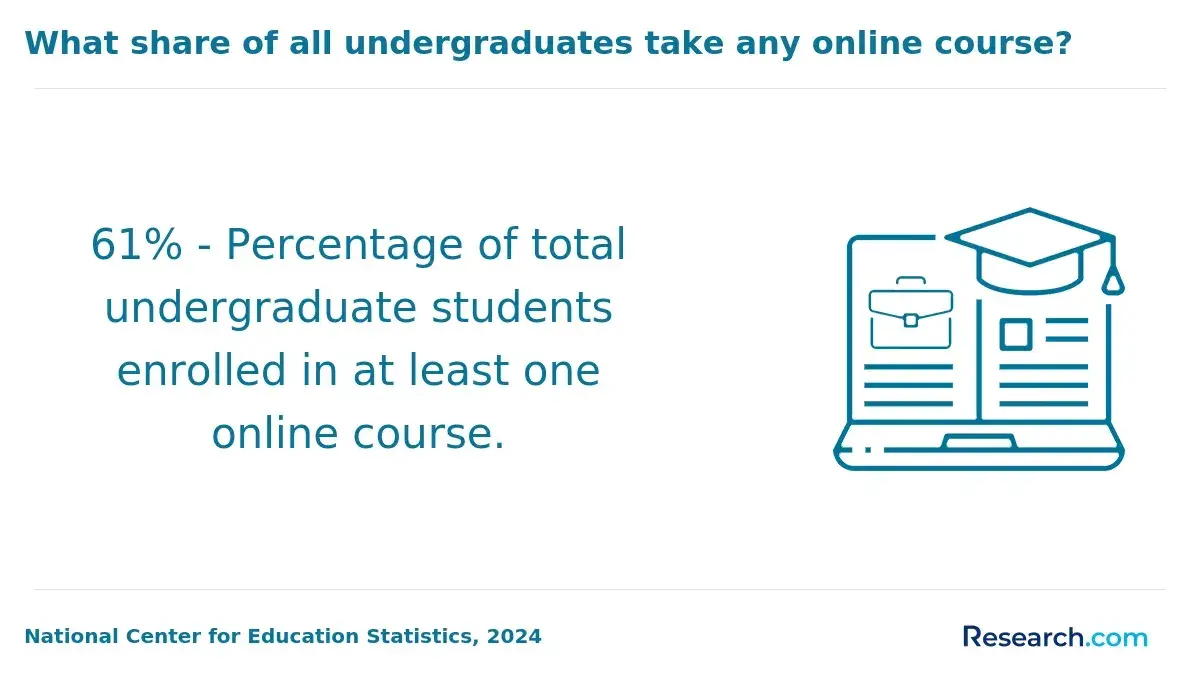
Online esports business degree programs notably enhance accessibility for students residing in states that offer few or no in-person options. This is particularly critical in regions where local universities have yet to develop specialized curricula that align with evolving industry needs. By providing a remote learning alternative, these programs eliminate the necessity for physical relocation, which can be prohibitive due to financial, professional, or personal constraints. The National Center for Education Statistics reported a 12% increase in fully online undergraduate enrollment in 2024, underscoring a nationwide shift that disproportionately benefits students in areas with limited institutional esports offerings.
The increased reach of online programs relies on several key factors. Asynchronous course delivery models enable students to manage coursework around other commitments, widening participation beyond traditional full-time learners. Cross-state enrollment capabilities allow institutions to recruit beyond their immediate geographic boundaries, expanding their market and enabling students to access diverse institutional expertise regardless of location. This scalable model reduces dependence on local academic infrastructure and responds to localized demand for esports business education in underserved states. Furthermore, this creates competitive pressures and incentives for universities to innovate curricula and delivery strategies aimed at remote students, helping bridge regional disparities in program availability and depth.
These dynamics also affect regional workforce development patterns, as more graduates emerge from remote programs prepared for employment in national or global esports markets. As online esports business degrees draw students away from in-person-only institutions, states with fewer physical campuses may experience increased talent retention without the traditional barrier of geographic mobility. This blurring of institutional and state lines fosters a more fluid enrollment ecosystem that encourages broader competition among universities and more equitable access to specialized education aligned with industry demand across diverse regions.
An esports business graduate from a rural Midwestern state described the admissions process as a calculated balancing act. With rolling admissions and limited nearby options, they hesitated before submitting materials, unsure if waiting for a local program to develop was viable or if committing to a known online institution made more strategic sense. The delay nearly impacted their preparation timeline, but ultimately the flexibility of online enrollment allowed them to apply late and still earn a degree without uprooting their life. This experience highlights the nuanced decision-making prospective students face when weighing uncertain physical program availability against the immediacy and reliability of accessible digital options.
How Much Does Esports Business Program Tuition Vary by State?
Tuition for esports business degree programs varies substantially across U.S. states, driven largely by differences in public funding priorities, institutional types, and residency-based tuition policies. Public universities typically have lower tuition rates for in-state residents as a result of state subsidies intended to attract local students, whereas out-of-state students and those attending private institutions face significantly higher fees. These structural factors underpin the regional variation in esports business program fees, reflecting not only state-level investment in higher education but also the balance between public accessibility and institutional cost recovery. In many cases, tuition models align with broader higher education finance systems rather than arbitrary market pricing, influencing how students weigh program availability by geography and cost.
Current data from state university system reports and national education sources indicate that annual tuition for in-state students enrolled in esports business programs at public institutions generally ranges from $7,000 to $15,000, with Midwestern and Southern states often positioned at the lower end of this scale. Conversely, out-of-state tuition and private college fees can exceed $30,000 per year, particularly in West Coast and Northeastern states where private or semi-private universities with robust esports and digital media faculties dominate. Such disparities are emblematic of the complex layering of higher education funding, institutional mission, and regional economic conditions, rather than mere institutional preference. For prospective students, assessing these variations alongside program content and career outcomes is critical to making informed decisions about study location and institution type while recognizing that costs often reflect underlying structural funding decisions tied to state policy and institutional strategy.
Affordability differences shaped by tuition variation affect student mobility and program access, especially for those balancing financial constraints with the desire to enter esports-related fields. High tuition does not automatically translate into superior employment prospects in esports, where hiring often values hands-on experience, networking, and demonstrable skills as much as formal credentials. Thus, students considering esports business degree tuition costs by state must also evaluate opportunities for internships, partnerships, and experiential learning embedded within programs. Institutional price structures combined with regional cost of living shape student choices, underscoring the need to analyze the financial landscape alongside educational value. For students navigating these dynamics, comparing esports business programs to other educational pathways-such as relevant bookkeeping courses or business certifications-may also provide practical alternatives aligned with their career goals.
How Does Esports Business Program Demand Affect Admissions Decisions?
Rising demand for esports business programs directly intensifies admissions selectivity as institutions struggle to accommodate growing applicant volumes within fixed enrollment capacities. This heightened interest compels programs to refine their candidate criteria beyond academic scores, often prioritizing evidence of genuine industry engagement and interdisciplinary skills that align with esports sector needs. As a result, merely meeting baseline qualifications no longer guarantees admission; applicants face increasing pressure to differentiate themselves through targeted experience and demonstrated understanding of esports business dynamics.
Program capacity constraints-including limited faculty resources, classroom availability, and accreditation-imposed enrollment caps-play a critical role in shaping admissions thresholds during demand surges. Schools balancing workforce demand with educational quality adopt stricter selection metrics to ensure that accepted students are well-positioned for employment in competitive esports markets. These admissions frameworks increasingly incorporate portfolio reviews and evaluative measures of industry insight, reflecting a strategic alignment between academic offerings and labor market expectations. Consequently, institutions calibrate acceptance rates to maintain program viability while meeting evolving industry skill requirements.
This trend prompts prospective students to adapt application strategies by emphasizing real-world esports involvement and cross-disciplinary competencies, which programs now view as key indicators of candidate potential. Meanwhile, sustained demand can enhance program prestige but may also limit accessibility for diverse applicants lacking traditional qualifications, intensifying tradeoffs between inclusivity and selectivity. The interplay of enrollment pressure, faculty capacity, and market relevance thus fundamentally influences who gains entry and how programs evolve to meet both educational and economic imperatives.
One esports business graduate recalled navigating the admissions process during a period of escalating program popularity. They noted that their initial application faced a lengthy wait, with acceptance decisions delayed as the school adjusted criteria to screen a surge of candidates. Early hesitation about how to strengthen their portfolio led them to seek extracurricular esports roles, which ultimately became decisive in securing admission. This experience illustrated how timing, strategic preparation, and nuanced evaluation increasingly define admissions outcomes amid growing program demand.
How Do Esports Business Specialization Options Vary by Region?
Regional economic priorities and the concentration of industry sectors significantly shape the specialization options within esports business degree programs. States with established technology and entertainment hubs, such as California, Texas, and New York, tend to offer more varied curricula that integrate core business skills with niche competencies like event management, digital marketing, and game analytics. This alignment supports localized employer demands for specialized expertise in areas including advanced analytics and intellectual property management. A 2024 report from the National Center for Education Statistics highlights that nearly 45% of esports-related academic programs are concentrated in five states, with California alone accounting for over 18%, underscoring regional clustering of educational offerings linked to economic ecosystems.
These differences stem from multiple drivers, including dominant local industries, institutional research priorities, and the nature of employer partnerships. West Coast universities frequently emphasize technological innovation and start-up incubation, mirroring Silicon Valley's entrepreneurial ecosystem, whereas East Coast institutions may focus more on media rights, sponsorship frameworks, and legal aspects tied to esports business, reflecting market demands within those states. In contrast, regions with smaller or emerging esports markets, particularly in the Midwest and South, often emphasize fundamental business principles with limited esports-specific depth, catering to employers seeking versatile graduates equipped for broader roles rather than specialized functions.
Such regional variation has practical consequences for students and workforce alignment. Prospective esports business students must consider how local specialization affects access to internships, networking, and employer engagement that are critical for placement in niche roles like event coordination or team management. Conversely, increased competition and tuition costs in mature markets may challenge return on investment despite richer opportunities. Understanding how regional labor market dynamics influence curricular focus can guide strategic program selection and geographic mobility decisions, helping students balance specialization benefits against broader employability prospects.
How Does Regional Employer Demand Affect Career Outcomes?
Regional employer demand significantly shapes the availability of job opportunities and early career positions for esports business graduates. States and metropolitan areas with concentrated esports industry presence typically offer more internships, entry-level roles, and targeted recruiting events, providing clearer pathways for employment. This localized demand directly influences salary norms, with data from the U.S. Bureau of Labor Statistics indicating that esports-related positions in leading hubs often come with a starting salary premium compared to less developed markets. Variations in regional esports business career outcomes by state largely reflect these concentrated demand patterns, where graduates in esports clusters benefit from more robust hiring ecosystems than those in less industry-dense areas.
The underlying mechanism linking regional employer demand and career results involves close employer-university partnerships, industry specialization clusters, and competitive wage structures that vary geographically. Tech-forward cities such as Los Angeles, Dallas, and Seattle have created specialized esports business hiring ecosystems where the synergy between local companies and academic programs accelerates skill alignment and job placement. Such clusters also intensify wage competition, offering higher compensation to attract limited talent, which enhances long-term career trajectories. Conversely, regions with sparse esports industry presence often lack these dynamics, resulting in fewer dedicated roles, slower promotion pathways, and increased pressure on graduates to rely on transferable skills or pivot within adjacent fields.
These regional disparities underscore the importance of geographic mobility in career planning for esports business graduates, as relocating to an esports hub can substantially impact earnings and professional growth. While remote work options are expanding in some areas, the strong localized networks and industry engagement found in key clusters remain critical for securing specialized roles. Prospective students comparing esports business career outcomes by state should consider how local labor market conditions and employer concentration influence realistic employment prospects rather than assuming uniform opportunity nationwide. For candidates exploring less conventional pathways, programs such as the easiest MBA options might provide flexible alternatives to enhance business credentials in evolving esports markets.
What Factors Matter Most When Comparing Esports Business Programs Across States?
Comparing esports business programs across states requires looking beyond mere program availability. State-level differences significantly shape access to education, tuition costs, specialization options, and career outcomes, making them critical factors in evaluating program value. Understanding these dimensions helps prospective students navigate diverse regional ecosystems and align their academic choices with realistic workforce opportunities. Variations in program design, financial burden, and employer connectivity also impact the long-term return on investment for esports business graduates.
- Curriculum Relevance and Integration: The most effective esports business degree programs blend core business fundamentals with industry-specific coursework, such as digital marketing and event management. States with institutions that emphasize this interdisciplinary approach tend to produce graduates with versatile skill sets that align better with employer expectations. According to the National Association of Collegiate Esports 2024 report, such programs yield measurably higher employability rates.
- Program Availability and Specialization Diversity: Regional disparities in institutions offering esports business degrees influence the breadth of specialization areas available. States hosting multiple programs provide greater flexibility in cost, academic focus, and format, enabling students to tailor their education to niche sectors within the esports industry. Access to diverse academic pathways correlates strongly with overall program quality and student satisfaction.
- Experiential Learning and Employer Connections: Practical experience plays a pivotal role in graduate employability. States with robust partnerships between academic programs and professional esports organizations offer internships and project-based learning, which are highly valued by employers. The 2024 Workforce Education Trends report highlights that graduates from such states enjoy up to 30% higher initial job placement rates, underscoring the premium on real-world readiness.
- Tuition Costs and Financial Aid Options: Tuition variability across states directly affects the affordability and accessibility of esports business degrees. Students must weigh costs against available financial aid and scholarship opportunities, as these economic factors influence enrollment decisions and long-term debt burdens. States with competitive pricing coupled with substantive aid options present stronger overall value propositions.
- Graduate Outcomes and Regional Industry Demand: Finally, the strength of alumni networks and alignment with local employment sectors can determine how effectively a program supports career advancement. States with established esports hubs often provide richer pipelines to national and regional employers. When comparing esports business degree program availability by state, evaluating these outcomes alongside economic and curricular factors is vital to selecting a program that fits career objectives.
Students considering esports business studies should also understand that industry pathways may differ markedly from related fields such as forensic science. For those exploring interdisciplinary interests, resources like the forensic science career overview provide valuable comparative insights. Examining cross-sector educational options may broaden understanding of workforce demands and specialization potential in adjacent or complementary domains.
Which Regions May See the Fastest Growth in Esports Business Education?
Growth in esports business education is tightly linked to regions where employer demand, population increases, and higher education investments converge. The expansion of these programs tends to follow broader economic and labor market trends, especially where industry presence and workforce needs intersect with university capacity. Understanding these factors helps discern which U.S. regions are positioned to see the fastest increases in esports business education offerings.
- Southeast: This region shows the highest growth potential due to marked increases in academic program expansion-states like Florida and Georgia report more than 35% growth in esports-related curricula since 2022. The Southeast's combination of burgeoning tech sectors and increasing public university investments aligns with rising student demand and employer needs in esports business management.
- Midwest: Growing partnerships between Midwestern universities and local esports leagues strengthen the region's emphasis on practical training and internships. States such as Ohio and Illinois benefit from workforce development initiatives targeting employability, which encourage program proliferation oriented toward career readiness rather than solely theoretical studies.
- West Coast: Although already a mature esports hub, the West Coast maintains steady program availability due to established gaming ecosystems, corporate headquarters, and diversified academic offerings. While growth rates may moderate, the depth of industry connections supports sustained enrollment and specialization opportunities.
References
- eSport and Gaming Management Degree https://www.keystone.edu/academics/majors/esport-gaming-management/
- How Esports Can Improve Students’ Personal and Academic Growth – Digital Promise https://digitalpromise.org/2025/02/18/how-esports-can-improve-students-personal-and-academic-growth/
- BS in Esports and Industry Content Management https://www.neumann.edu/academics/undergrad/bs-esports-and-industry-content-management
- The First Wave: College Esports Programs https://athleticdirectoru.com/articles/the-rise-of-collegiate-esports-programs/
- Game On! How Esports is Transforming Education and Preparing Students for the Future - Essentials Magazine https://essentials.edmarket.org/2025/04/game-on-how-esports-is-transforming-education-and-preparing-students-for-the-future/
- Career opportunities in the esports industry (infographic) https://brighterbox.com/blog/article/career-opportunities-esports-industry-infographic
- Colleges | Stay Plugged In https://www.staypluggedin.com/colleges
- Colleges expand esports programs to keep pace with growing industry https://www.highereddive.com/news/colleges-expand-esports-programs-to-keep-pace-with-growing-industry/558925/
- Develop and Mature an Esports Program in Education https://www.infotech.com/research/ss/develop-and-mature-an-esports-program-in-education
- Game Business & Esports Bachelor's Degree https://www.fullsail.edu/degrees/game-business-esports-bachelor
Other Things You Should Know About Esports Business
Programs with larger cohorts often provide broader peer networks but may offer less individualized attention, which can impact skill development in a highly collaborative industry like esports business. Smaller cohorts may deliver more tailored mentorship and stronger connections with faculty but can limit exposure to diverse perspectives and networking scale. Students should weigh whether personalized guidance or expansive peer connections better supports their learning style and career objectives, as employers value both practical teamwork skills and industry networking.
Theoretical programs often emphasize foundational business concepts and strategic frameworks but may lack direct exposure to esports-specific operations or technology. Conversely, curricula integrated with internships, live projects, and esports partnerships enhance practical skills and professional readiness but might sacrifice academic depth. Prospective students aiming for immediate industry roles should prioritize programs with real-world experience components, while those considering broader business roles might tolerate a more theoretical approach for longer-term flexibility.
Choosing schools with rich esports business electives provides focused expertise critical for niche roles such as team management or esports marketing. However, institutions offering interdisciplinary courses blending business, technology, media, and sports management can prepare students for the ecosystem's evolving demands. For students targeting leadership or innovation roles, the broader curricular exposure may outweigh narrow specialization, whereas specialists competing for technical or operational roles benefit from a deeper esports focus.