2027 Esports Business Degree Completion Time Report: How Long Students Actually Take to Graduate

Co-Founder and Chief Data Scientist
Completion timelines for esports business degrees often deviate from prescribed program lengths due to diverse academic and professional demands. Many students balance internships, part-time jobs, or transfer credits, all of which reshape their academic trajectories. According to a 2024 National Center for Education Statistics report, nearly 40% of undergraduates nationally require more than six years to graduate, a trend influenced by course availability and shifting career goals.
In esports business disciplines, fluctuating industry trends and practical experience requirements can extend study periods. This article examines actual completion durations, key factors affecting progress, and insights essential for realistic planning within esports business education.
Key Things To Know About Esports Business Degree Completion Time
- More accurate salary and career-entry planning: Esports Business completion time can vary based on internships with gaming organizations/publishers, event experience, or portfolio-building (tournament operations, content/marketing campaigns) alongside coursework — knowing the realistic timeline helps students project when they'll actually enter this fast-growing but still-maturing industry, since practical event and industry experience often matters as much as the degree for landing entry-level roles.
- Smarter scheduling around event cycles and internship timing: Because the esports industry operates around tournament seasons, major events, and publisher release cycles, completion time data helps students and advisors plan course loads and internship timing around these often irregular, event-driven schedules, avoiding unnecessary extra semesters.
- Clearer career outcome tradeoffs: Comparing completion time against job placement rates and starting salaries across common paths (team/organization management, event operations, esports marketing, broadcast/production) can reveal whether students who take extra time for internships or networking within gaming communities land stronger job offers — helping future students weigh a faster degree against building the industry connections and hands-on experience this emerging field often requires.
- What Is the Average Graduation Time for Esports Business Students? Average Graduation Timeline
- What Factors Have the Biggest Impact on Graduation Speed? Graduation Timeline Factors
- How Does Full-Time Versus Part-Time Enrollment Affect Graduation Timelines? Full-Time vs. Part-Time Graduation Timeline
- Do Online Esports Business Students Graduate Faster Than Campus-Based Students? Online vs. On-Campus Graduation Time
- How Many Months or Years Can Transfer Credits Save? Transfer Credit Impact
- Do Accelerated Esports Business Programs Significantly Reduce Completion Time? Accelerated Program Timeline
- Which Esports Business Program Requirements Most Often Extend Graduation Timelines? Factors Extending Graduation Timeline
- Does Taking Longer to Graduate Increase the Cost of a Esports Business Degree? Impact on Program Cost
- Does Graduating Faster Improve Career Prospects? Impact on Career Prospects
- Which Scheduling Mistakes Commonly Delay Graduation? Mistakes to Avoid
What Is the Average Graduation Time for Esports Business Students?
The average degree completion time for esports business students typically mirrors that of other business-related bachelor's programs, with most full-time enrollees finishing within four to five years according to data from the National Center for Education Statistics and recent higher education research (2024). Full-time students usually take between 12 and 15 credit hours per semester, aligning their graduation timeline with traditional degree pathways.
Part-time students or working adults, who often juggle employment alongside studies and carry lighter course loads, can extend their completion period to five years or more due to scheduling challenges and slower credit accumulation. Transfer credits from community colleges or prior institutions can either shorten the path if effectively accepted or prolong it when articulation is delayed or misaligned with esports business curriculum requirements. Additionally, the mode of program delivery-online, hybrid, or in-person-affects pacing; while online options offer flexibility that accommodates working professionals, they often lead to extended enrollment periods because students typically take fewer credits each term.
Furthermore, many students intentionally extend their studies to gain practical experience through internships, networking, or portfolio development, responding to esports industry employers who prioritize applied skills alongside academic credentials. These strategic decisions highlight how program structure and professional objectives interact to influence graduation timing. Understanding these dynamics is crucial for academic planning and financial forecasting since prolonged enrollment can impact both tuition costs and time to workforce entry.
Balancing the tradeoff between faster degree completion and enhanced employability outcomes requires careful consideration of personal circumstances and career goals. Prospective students can benefit from consulting resources that outline the top degrees for the future to contextualize their esports business pathway within broader market trends and educational strategies.
What Factors Have the Biggest Impact on Graduation Speed?
Graduation speed in esports business degree programs is shaped by a complex interplay of academic planning, program delivery, student choices, and external commitments. No single factor dictates how quickly a student will complete their degree; instead, timelines reflect decisions about enrollment, credit management, and balancing responsibilities. Students who grasp these influences can better navigate workload distribution, enrollment status, and program formats to align with their personal and professional goals.
- Enrollment Status and Program Delivery Format: Full-time students generally accelerate graduation by maintaining larger course loads each semester, while part-time attendance extends timelines due to fewer credits taken at once. Many esports business students work concurrently, leading to a prevalence of part-time enrollment and hybrid or online learning options, which offer flexibility but can slow degree completion as students space out their courses.
- Transfer Credits and Academic Program Design: The ability to apply transfer credits from prior institutions directly influences how quickly students can graduate. Variability in institutional policies regarding esports business-related credits-especially those from community colleges or nontraditional programs-can cause delays. Early academic advising is essential to optimize credit acceptance and avoid redundant coursework that lengthens time to degree.
- Workload Balance and External Obligations: Many esports business students juggle part-time or full-time employment alongside studies, which reduces available hours for classwork and may dictate pacing. Institutions with robust support services such as academic counseling and career planning tend to see higher retention and on-time graduation; absence of these resources correlates with extended degree completion periods.
- Program Structure Flexibility and Accelerated Options: Programs offering competency-based progression or accelerated tracks can reduce time to graduation, but these remain uncommon in esports business education. More typical are traditional semester-based or hybrid models that prioritize flexibility for working adults, often trading speed for convenience. Students often extend study time to accommodate professional and personal demands within these program designs.
- Motivation and Career Goal Clarity: Students with defined career objectives related to esports management, marketing, or entrepreneurship often prioritize a faster path to graduation. Those exploring broader or evolving interests may deliberately extend their studies, resulting in variable timelines even within the same program. Clear career intent often interacts with enrollment strategy and course selection to influence completion speed.
According to the National Center for Education Statistics, approximately 60% of full-time undergraduates complete their bachelor's degrees within four years, compared to only 30% of part-time students in the same period. This disparity underscores how enrollment status and program delivery format remain dominant drivers in the range of graduation timelines.
Understanding the nuances of enrollment status and program delivery format is vital; for instance, students considering a criminal justice major often face similar tradeoffs in scheduling flexibility versus time to degree, highlighting cross-disciplinary patterns in online and part-time education choices.
How Does Full-Time Versus Part-Time Enrollment Affect Graduation Timelines?
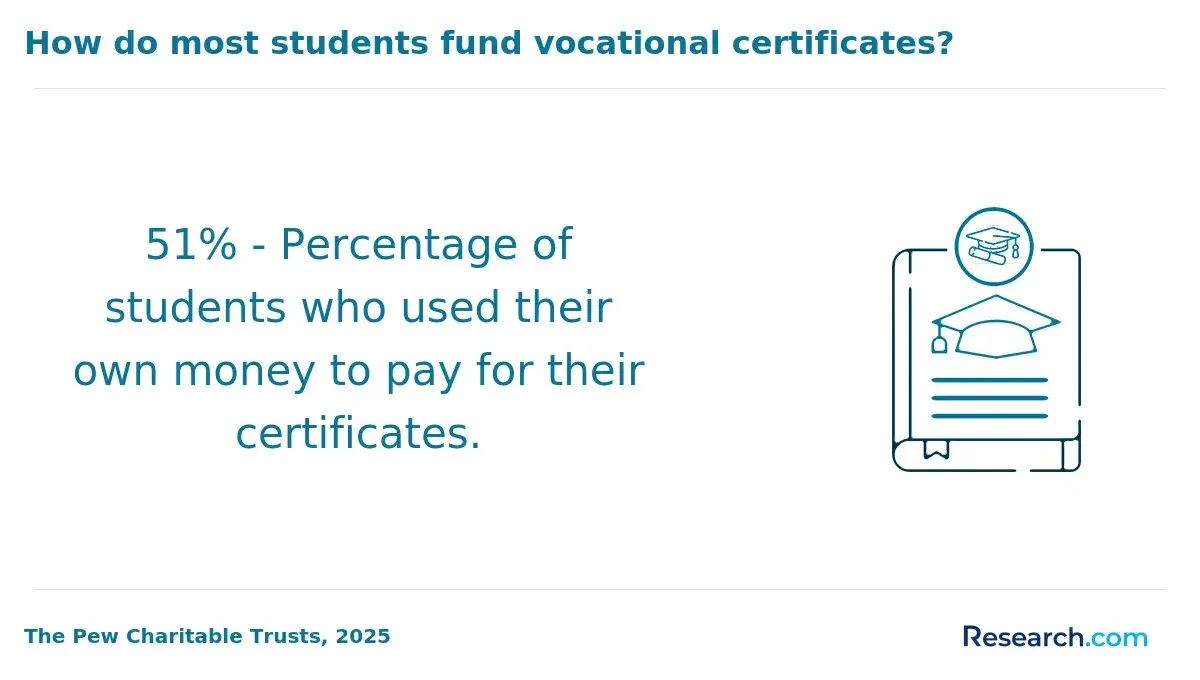
Graduation timelines for esports business degrees differ notably between full-time and part-time students, with full-time enrollment generally enabling completion within four years, consistent with traditional undergraduate programs. Part-time students, however, often extend their studies to five or six years or longer. This variation is grounded in how concentrated a student's course load is each semester; full-time students typically undertake 12 to 15 credit hours that promote steady academic progression, while part-time students enroll in fewer credits per term, often out of necessity due to external commitments.
Several structural and personal factors shape these disparities. Course sequencing and program delivery formats-such as online versus in-person offerings-affect how quickly students can move through required classes, with some programs offering accelerated paths that favor full-time study. Meanwhile, part-time students must navigate competing demands like work, family, or financial responsibilities, which limit their credit load each term and prolong completion. Transfer credits can moderate this gap by allowing some part-time students to bypass foundational courses, yet the fundamental pace set by term credit loads and institutional scheduling remains a decisive factor in progression speed.
Decisions about enrollment status also carry long-term consequences beyond graduation dates. Full-time students face higher immediate academic intensity and often incur concentrated tuition expenses, but typically enter the workforce sooner, which can mitigate debt. Conversely, part-time students benefit from greater flexibility to balance employment and education simultaneously, potentially gaining relevant career experience while studying, though extended timelines may increase cumulative costs and delay full professional credentialing.
Do Online Esports Business Students Graduate Faster Than Campus-Based Students?
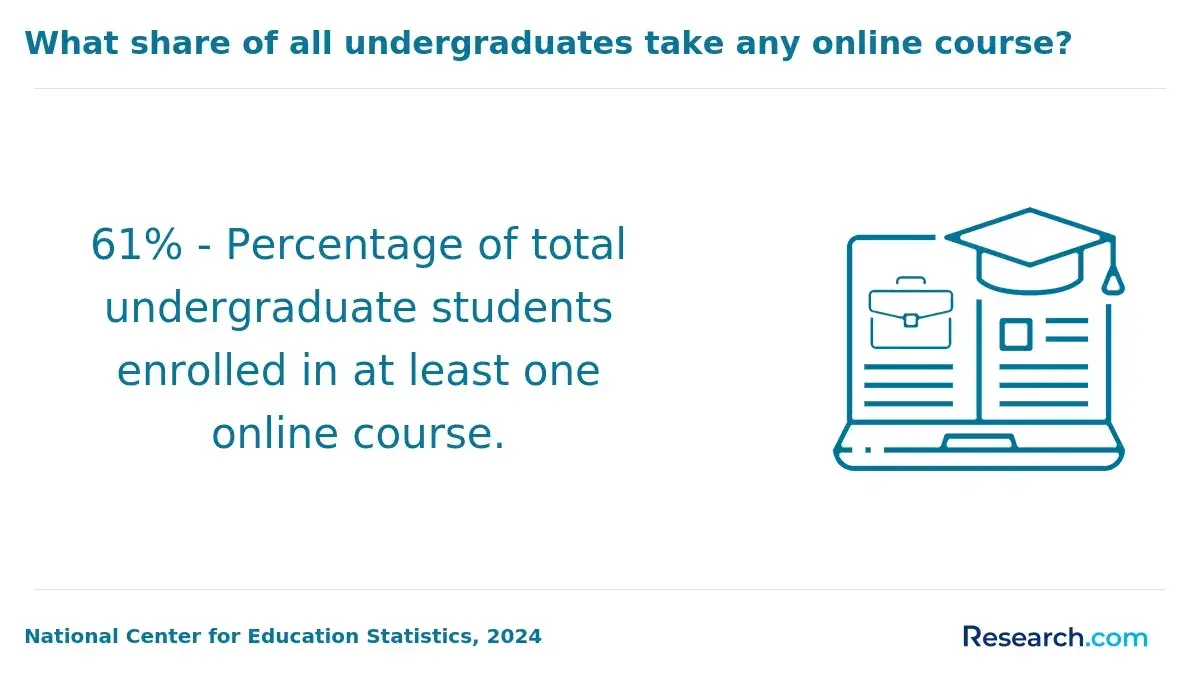
Online esports business students often complete their degrees in less time than their campus-based peers, but this outcome is not uniform across all learners. Data from the National Center for Education Statistics in 2024 highlights that fully online bachelor's degree programs average around 3.5 years to completion, compared to 4.2 years for traditional on-campus formats. This difference largely stems from the flexibility inherent in online programs, though individual results vary significantly depending on student circumstances and institutional design.
Expectations of accelerated graduation for online students must therefore be tempered by factors such as prior credits, enrollment status, and the rigor of course requirements. The pace at which students progress in esports business programs often hinges on program structure and personal workload management. Online formats typically offer self-paced learning and continuous enrollment windows that reduce gaps between terms, allowing motivated students to customize their schedules and complete coursework more quickly if balancing work or family commitments.
Conversely, campus programs may impose fixed semester schedules and mandatory on-site requirements, sometimes including internships or experiential learning components that extend time to degree. Both modalities demand strong time management, but online students especially benefit from navigating asynchronous class formats, while campus students might face slower progression due to more rigid pacing and group-dependent activities. The choice of modality also influences not just how quickly students graduate but how they engage academically and enter the workforce.
Online learners often develop enhanced self-discipline and digital communication skills critical to esports business environments, while campus-based students may gain immediate access to peer networks and face-to-face mentorship, which can affect their readiness and timing for career transitions. Understanding these nuanced tradeoffs helps students and planners set realistic timelines aligned with personal and professional objectives rather than relying solely on typical graduation timeframes.
How Many Months or Years Can Transfer Credits Save?
Transfer credits can significantly shorten the time required to complete an esports business degree, with actual savings ranging from a few months to over a year. The average time saved with transfer credits in esports business programs depends largely on the volume of accepted credits and how closely they align with the degree's core requirements. For students transferring around 30 to 60 credits-equivalent to one to two full years of coursework-their status often shifts to junior level, effectively reducing total program duration by up to 50%.
However, the real-world impact of this acceleration varies widely based on institutional credit policies and program structure, influencing not only how quickly students graduate but also how effectively they can integrate prior learning into their new academic path. The degree of time saved is influenced by several key factors, including the accreditation compatibility of the sending and receiving institutions and the equivalency evaluation applied to prior coursework.
Many colleges enforce strict residency requirements, limiting the total amount of credits that can be transferred and mandating a minimum number of credits earned directly through their program. Specific policies on acceptable credit age, course content overlap, and whether lower-division credits fulfill upper-division esports business course mandates also constrain how much time is realistically shaved off a degree timeline. These differences explain why transfer credit impact on esports business degree duration can be so variable, mandating personalized academic planning to optimize outcomes.
From a strategic standpoint, transfer credits not only affect time to graduation but also shape education cost and course sequencing. Working adults and transfer students must carefully map out remaining coursework to ensure credits align with degree progression without resulting in repeated or unnecessary classes. Reducing time to degree can also accelerate workforce entry, yet compressed timelines may restrict opportunities for internships or experiential learning integral to esports business roles.
Those considering accelerated pathways should balance these tradeoffs with expectations grounded in institutional policies and the practical realities of degree completion. For further study on efficient degree completion under flexible credit policies, prospective students may find value in exploring resources such as affordable online MBA programs no GMAT that demonstrate credit transfer optimization in adjacent fields.
Do Accelerated Esports Business Programs Significantly Reduce Completion Time?
Accelerated esports business programs aim to condense the traditional degree timeline by increasing course load density and compressing curriculum pacing. Designed to enable graduation in one to two years instead of the typical three or four, these programs often rely on continuous enrollment models, including summer sessions, to facilitate faster progression. By intensifying the academic demands per term and streamlining prerequisite sequencing, such programs seek to minimize downtime between courses and maximize credit accumulation speed.
However, the actual effectiveness of these condensed formats depends heavily on how institutions structure workload distribution, evaluation timing, and curricular flexibility. Whether accelerated tracks genuinely reduce completion time hinges on several interrelated factors. Increased course intensity can mean heavier weekly demands, which not all students can consistently sustain, particularly working adults balancing employment or family responsibilities. Program designs that maintain unchanged requirements-such as internships, capstone projects, or credit totals-limit potential time savings regardless of pacing adjustments, especially if these elements necessitate set durations or external scheduling.
Further, transfer credit policies and the ability to waive foundational courses based on prior experience or education significantly influence individual timelines. Cohort-based models offering predictable, back-to-back courses without prolonged breaks typically enable clearer acceleration, while traditional semester schedules or rolling admissions may blunt time gains by introducing delays. The trade-offs embedded in accelerated esports business programs also affect student experience and mastery.
While faster graduation can appeal to motivated individuals with aligned personal and professional goals, the intensified workload often reduces time for deeper learning or reflection, potentially compromising skill development valued by employers. Scheduling rigidity may also limit flexibility for those needing a steadier pace, and increased dropout risk can reflect the pressure such programs impose. Thus, accelerated options are best suited for students who possess prior knowledge, clear focus, and capacity to manage compressed academic demands without sacrificing educational depth.
Which Esports Business Program Requirements Most Often Extend Graduation Timelines?
Extended graduation timelines in esports business programs are frequently driven not merely by total credit demands but by embedded curriculum elements designed to mirror professional expectations. These mandatory components reinforce practical competencies and interdisciplinary knowledge crucial for industry relevance, yet they also introduce pacing constraints and sequencing challenges that elongate time-to-degree. Understanding how these requirements structurally influence progression helps students and advisors better navigate potential delays.
- Mandatory Internships or Co-op Programs: These experiential learning segments are essential for real-world industry exposure, often preferred or required by employers. However, they commonly extend the degree by at least one semester as students must secure placements, complete substantial work hours, and balance academic commitments, which disrupts standard full-time semester loads.
- Multidisciplinary Coursework Requirements: Integrating business fundamentals with technical skills such as gaming technology and digital marketing increases overall credit and content complexity. This cross-disciplinary load can provoke scheduling conflicts, especially for transfer and part-time students, thereby prolonging graduation as course availability and pre/co-requisites need careful sequencing.
- Capstone Projects and Industry-Sponsored Research: Intensive, often semester-long projects demand significant time investment applying theory to current esports business challenges. Students with external responsibilities frequently have to spread these requirements over multiple terms, affecting their ability to graduate on the traditional timeline.
- Prerequisite Chains and Limited Course Availability: Sequence-dependent course structures create bottlenecks when core courses must be completed before advanced electives, and limited section offerings exacerbate delays. Lightcast's 2024 workforce analysis indicates approximately 25% of esports business students encounter postponed graduation due to these administrative constraints.
Does Taking Longer to Graduate Increase the Cost of a Esports Business Degree?
Extended graduation timelines in esports business degree programs typically increase overall tuition and related expenses, particularly when institutions charge students per term or per credit hour. Many students who stretch their studies beyond the traditional four-year timeline face accumulating fees for additional semesters, raising total costs considerably. This effect is often worsened when students lose eligibility for time-limited financial aid sources, including grants and scholarships, forcing greater reliance on loans or direct payments. The financial impact of these extended timelines is amplified by lost earnings from delayed entry into the workforce, which the National Center for Education Statistics highlights as a significant factor in the financial burden.
Students navigating esports business degree extended graduation costs must also consider how prerequisite chains, internships, and project requirements shape enrollment pacing and cost accumulation. However, longer completion times do not universally translate to sharply higher expenses. Programs with flat-rate tuition models or those offering consistent part-time enrollment pricing can mitigate some cost increases by allowing students to spread courses over additional terms without proportional tuition hikes. Employer tuition assistance further blunts cost growth for working adults in esports business programs who maintain steady workplace involvement.
Enrollment behaviors-such as course load reduction or strategic semester planning-play a critical role in how financial burdens accumulate over time. Those evaluating pathways, including transfer students and working professionals, should also assess how flexible scheduling policies intersect with limitations on financial aid duration to understand the nuanced financial tradeoffs. For broader insight on flexible graduate business options, prospective students may consider exploring the easiest online MBA programs, which share some pacing and financial aid challenges typical in extended degree scenarios.
Does Graduating Faster Improve Career Prospects?
Graduating faster from an esports business degree can allow students to enter the job market sooner, potentially accelerating initial career steps. Early completion may offer advantages when hiring timelines align with labor demand, signaling focus and academic efficiency. However, employers rarely assess graduation speed in isolation; the hiring process typically emphasizes a candidate's overall readiness and fit, not just how quickly they finished their degree. For esports business degree career advancement, practical experience and relevant skills often carry equal or greater weight than a faster-than-average graduation.
The impact of graduation speed on esports job opportunities largely depends on factors such as internship experience, portfolio quality, and industry networking. Candidates who graduate rapidly but lack hands-on projects or industry connections may face challenges competing with peers who took longer but built deeper professional relationships and skill mastery. Employers in esports prioritize demonstrated competence and real-world exposure, meaning that rapid completion without substantial experiential learning may diminish hiring prospects despite quicker entry into the field.
Balancing graduation speed with experiential depth is crucial for long-term career development. While finishing sooner can benefit students with prior relevant experience or clear career trajectories, those who extend their studies to include internships and skill-building often enhance their marketability and starting salary potential. Prospective students should weigh the trade-offs between accelerated degree timelines and opportunities for networking and continuous learning, as these aspects can significantly affect employability beyond initial hiring. For additional insight, consider programs such as ALA accredited library science programs online, which exemplify how specialized education pathways balance timing and professional readiness.
Which Scheduling Mistakes Commonly Delay Graduation?
Graduation delays in esports business programs frequently stem not from academic difficulty but from avoidable scheduling and enrollment errors. These mistakes interrupt the carefully structured sequencing of courses required across degree levels and formats, affecting part-time and full-time students alike. Recognizing how institutional policies and credit requirements interact with student planning is crucial for maintaining steady progress toward degree completion.
- Underestimating Credit Load: Enrolling in fewer credits than necessary per semester prolongs the overall timeframe. This issue is common among working adults balancing other commitments, with data from the National Student Clearinghouse Research Center showing students averaging less than 12 credits take roughly 50% longer to graduate than full-time peers.
- Incomplete Transfer Credit Alignment: Transfer students frequently face delays due to misaligned or unevaluated credits, requiring course repeats or electives that do not advance their specific degree requirements. This disrupts the logical progression mandated by esports business curricula.
- Ignoring Prerequisite Sequencing: Esports business degrees rely on a defined order of foundational courses. Attempting advanced classes prematurely leads to course withdrawals or retakes, extending program duration.
- Late Course Registration: Limited availability of core classes can force students to defer required courses to subsequent terms, breaking their academic momentum and delaying graduation.
These factors illustrate how structural and behavioral misalignments hamper timely degree completion, emphasizing the need for proactive academic advising and strategic enrollment planning within esports business programs.
References:
- Esports Management https://online.champlain.edu/degrees-certificates/bachelors-esports-management
- Esports Management Online Degree - Northwood Online https://online.northwood.edu/programs/esports-management/
- The Business of Esports Specialization https://algomau.ca/academics/faculty-of-business-economics/the-business-of-esports-specialization/
- Sports Management Bachelors | Sports Management Worldwide https://www.sportsmanagementworldwide.com/sports-management-bachelors-degree
- Esports (Content Creation & Management) Diploma https://www.southdevon.ac.uk/course-detail/16-18/esports-content-creation--management-diploma/DP2ESP1F/
- How Online Degrees Can Boost Your Career Faster | Acacia https://acacia.edu/blog/how-online-degrees-can-boost-your-career-faster-than-traditional-programs/
- Education https://britishesports.org/esports-and-education/
- Esports https://www.staffs.ac.uk/course/esports-ba
- Accelerated Online Programs https://www.stcloudstate.edu/financialaid/accelerated-online-programs.aspx
- Sports Management - Esports Management | Tiffin University https://www.tiffin.edu/academics/school-of-business/sports-management-esports-management/
Other Things You Should Know About Esports Business
Internship and hands-on project requirements can add substantial time to degree completion, especially when these experiences must be completed at specific times or locations. Some programs sequence internships only in certain semesters, which limits flexibility and can extend graduation timelines for students with conflicting work or personal commitments. Prioritizing programs with flexible or integrated experiential learning components can help students balance real-world experience without delaying graduation unnecessarily.
Employers often value candidates who demonstrate both subject mastery and practical understanding, which can be timed with standard graduation schedules. Graduating too quickly may leave gaps in applied skills, while taking excessively long could signal lack of focus or commitment. Students should aim to complete their degree neither so fast that valuable learning is sacrificed nor so slow that their entry to the workforce is postponed without clear benefits.
Flexibility in course scheduling often means a slightly longer completion time but allows adaptation to work, internships, and unforeseen life events. This flexibility can reduce stress and improve retention and overall learning quality, which are crucial in a dynamic field like esports business. For those balancing employment or other responsibilities, prioritizing flexible sequencing usually results in more sustainable progress and better long-term outcomes than chasing the shortest path.