2027 Esports Business Tuition Inflation Report: How Fast Are Program Costs Rising?

Co-Founder and Chief Data Scientist
The rising tuition costs in esports business programs reflect unique operational demands distinct from broader higher education trends. Investments in cutting-edge gaming technology, proprietary software, and specialized faculty expertise drive program expenses upward. Accreditation standards increasingly emphasize experiential learning and industry partnerships, requiring institutions to allocate significant resources for laboratory and event coordination.
Workforce demand growth for skilled professionals with both business acumen and esports industry knowledge further pressures programs to expand faculty and curriculum offerings. Enrollment patterns suggest a growing population of younger students entering the field, highlighting shifting professional pathways and emphasizing the need for accessible yet resource-intensive educational models within esports business.
Key Things to Know About Esports Business Tuition Inflation
- Tuition for esports business programs rose by over 12% between 2022 and 2024, pressuring affordability and potentially excluding candidates lacking financial support or necessitating higher debt loads.
- Employers increasingly expect specialized esports business knowledge; however, soaring tuition inflates barriers to entry, disrupting the talent pipeline and favoring graduates from well-funded or elite institutions.
- Rising costs force students to weigh accelerated completion against accumulating expenses, impacting enrollment timing and potentially prolonging exposure to inflation-driven tuition hikes in multi-year programs.
- Key Things to Know About Esports Business Tuition Inflation Key Things to Know About Esports Business Tuition Inflation
- How Much Has Esports Business Tuition Increased Over the Past Decade? How Much Has Esports Business Tuition Increased Over the Past Decade?
- How Does Esports Business Tuition Inflation Compare to Overall Inflation? How Does Esports Business Tuition Inflation Compare to Overall Inflation?
- Which Types of Schools Have Experienced the Fastest Esports Business Tuition Growth? Tuition Growth by School Type
- What Factors Are Driving Rising Costs in Esports Business Degree Programs? Tuition Cost Drivers
- How Does Esports Business Tuition Growth Vary by State and Region? Tuition Growth by State
- Are Online Esports Business Programs Becoming More Affordable Than Campus-Based Programs? Online Program Affordability
- How Have Financial Aid and Scholarships Changed as Esports Business Tuition Has Increased? Impact on Financial Aid and Scholarships
- How Does Rising Esports Business Tuition Affect Student Debt After Graduation? Impact on Student Debt
- Do Higher-Cost Esports Business Programs Deliver Better Career Outcomes or Earnings? Impact on Career Outcomes
- What Do Current Tuition Trends Suggest About the Future Cost of a Esports Business Degree? What Do Current Tuition Trends Suggest About the Future Cost of a Esports Business Degree?
How Much Has Esports Business Tuition Increased Over the Past Decade?
Tuition for esports business degree programs in the United States has risen sharply over the last decade, with recent education data indicating increases between 45% and 55% since 2014. This surge mirrors broader trends documented by institutions like the National Center for Education Statistics, which show steeper inflation in specialized fields compared to general higher education costs. These tuition hikes reflect not only traditional cost increases but also the evolving nature of esports business programs as they integrate rapidly expanding curricular and technological requirements. The growth in esports business tuition must be understood within this context of shifting market demand and changing academic priorities.
Several forces drive these escalating costs, including rising expenses for up-to-date gaming technology, dedicated facilities, and new industry partnerships essential for relevant learning experiences. Public universities, constrained by tighter state funding, exhibit more moderated tuition growth than private institutions, which often have greater autonomy to invest heavily in program enhancements. These factors, combined with enrollment patterns favoring niche programs, contribute to the uneven trajectory of esports business tuition increases over the past decade. Given these dynamics, students face higher upfront costs that do not always correlate with better immediate employment prospects in a field where practical experience and certifications frequently weigh heavily in hiring decisions.
The implications of these tuition trends extend to affordability and return on investment for prospective esports business students. As tuition rises faster than typical wage growth in the esports sector, students must carefully weigh the value of formal degrees against alternatives like internships or certifications. This evaluation aligns with considerations faced across emerging degree markets, underscoring the importance of financial aid options and long-term career adaptability. For those exploring related fields or seeking accelerated paths, reviewing comparative program costs-such as in specialized areas like accelerated MSW programs-can offer additional perspective on managing education expenses within evolving workforce demands.
How Does Esports Business Tuition Inflation Compare to Overall Inflation?
Recent data reveals a notable divergence between tuition inflation in esports business degree programs and broader economic inflation as measured by the Consumer Price Index (CPI). While the CPI has generally risen around 4% to 6% annually, esports business tuition inflation has consistently outpaced this, climbing between 7% and 9% per year according to the National Center for Education Statistics and associated tuition trend analyses. This accelerated increase reflects specialized cost pressures unique to esports business education, a trend distinctly visible when comparing esports business tuition inflation trends in the US with national inflation rates overall. This growing gap highlights how tuition costs in these programs respond to factors beyond standard consumer goods and services inflation, affecting how students and families gauge affordability over time.
The structural drivers pushing esports business tuition inflation above general inflation encompass multiple institutional and operational factors. Reductions in state appropriations and public subsidies have shifted more financial responsibility onto tuition revenue, prompting institutions to raise prices more steeply. Administrative overhead and expanded student services, including career advising and technical support, have grown in complexity and cost, while the field's reliance on advanced gaming software, hardware investment, and experiential learning labs adds layers of expense uncommon in traditional programs. These elements combine with ongoing infrastructure upgrades and faculty expertise investments, reinforcing a sustained higher inflation rate in esports business tuition relative to broader inflation metrics.
For prospective students and their families, the inflating cost structure intensifies affordability challenges, often increasing reliance on borrowing and financial aid. This inflation gap may influence choices around program selection as learners weigh cost against expected employment outcomes in a competitive esports job market. Considering these dynamics is essential when evaluating educational investments, particularly with evolving factors such as workforce demand and institutional funding models shaping the practical value proposition of an esports business degree. Those interested in advanced leadership credentials may also explore alternatives like the PhD in organizational leadership, which can offer a different cost and career-impact profile within education sectors.
Which Types of Schools Have Experienced the Fastest Esports Business Tuition Growth?
Tuition growth for esports business degree programs is not uniform and varies markedly by institutional type, driven largely by differences in funding structures, demand pressures, and program delivery methods. Recognizing these distinctions is crucial for gauging both short-term cost increases and longer-term affordability in relation to educational value. Structural factors such as public funding allocations, market positioning, and investment in program specialization shape how each institution manages tuition and resource expansion within esports business education.
- Private For-Profit Institutions: These schools have seen some of the most rapid tuition increases, often exceeding 8% annually, reflecting aggressive enrollment growth strategies and reliance on tuition-driven revenue. Their financial model depends heavily on student fees rather than public funding, incentivizing investment in esports business curriculum expansion and marketing, which translates into higher price inflation compared to publicly subsidized counterparts.
- Public Universities and State Colleges: With moderate esports business tuition growth near 4-5% per annum, these institutions balance state appropriations with growing student demand for esports programs. Budget constraints and political pressures limit swift tuition hikes, yet expanding program sophistication and technology needs gradually push costs upward, resulting in steadier, more controlled price increases.
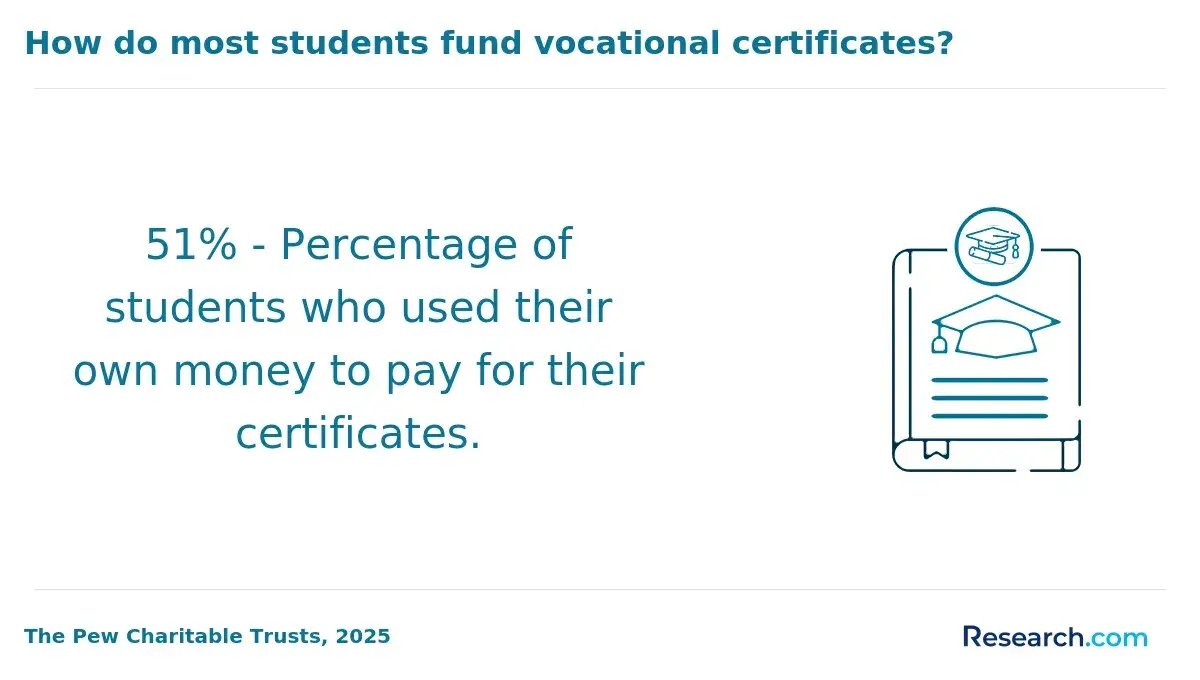
- Community Colleges Offering Certificates: Typically experiencing the lowest tuition growth rates-often below 3%-these schools operate within constrained budgets and prioritize accessibility. Their esports offerings are often certificate-based and less resource-intensive, which keeps cost increases minimal and aligns with their mission to serve local adult learners with affordable, flexible pathways.
- Research-Intensive Universities: These institutions may have variable tuition trends influenced by esports program integration within broader business or media studies. High expenditures on faculty expertise and technological infrastructure can increase costs, but the diverse funding sources-including grants and endowments-often mitigate rapid tuition inflation in esports-specific tracks.
- Online Universities: With growing esports business offerings tailored for adult learners, online programs navigate unique cost structures. Lower physical overhead can curb some tuition growth, but investments in digital platforms, content development, and industry partnerships may drive moderate increases, reflecting a balance between scalability and quality delivery.
What Factors Are Driving Rising Costs in Esports Business Degree Programs?
The rising costs of esports business degree programs stem from a complex interplay of institutional and economic pressures rather than a single factor. These programs, situated at the intersection of higher education and an emerging industry, face structural demands that escalate expenses. Unlike traditional academic tracks, esports business requires specialized faculty who combine academic rigor with practical industry insight, commanding higher salaries. Additionally, growing student interest drives expansion in curricula and support services, pushing institutions to allocate more resources toward administrative staffing and program coordination. This multifaceted growth dynamic means costs are influenced not just by tuition-setting decisions but also by evolving institutional roles and market expectations.
Public universities in particular grapple with diminished state appropriations, shifting a heavier burden onto tuition revenue, which places upward pressure on prices. Rising compensation for specialized instructors, often recruited for both academic credentials and esports experience, compounds faculty-related expenses. Investments in technology infrastructure-including gaming labs, streaming capabilities, and software licenses-add significant capital and maintenance costs that few traditional programs encounter. Meanwhile, institutional compliance with accreditation and quality standards entails continuous oversight expenses, and inflationary pressures on operational budgets contribute further to price increases. According to a 2024 report by the National Center for Education Statistics, technology costs alone have added approximately 12% to specialized program tuition rates, accentuating the financial strain these factors collectively produce.
One recent graduate recalled the uncertainty involved during the admissions cycle for an esports business program with rolling admissions. The candidate faced a difficult timing decision, weighing whether to apply early without all materials perfectly prepared or delay in hopes of strengthening their portfolio. This hesitation was compounded by fluctuating tuition announcements reflecting ongoing cost escalations, which added pressure around affordability and return on investment. Ultimately, navigating evolving admissions timelines alongside unpredictable cost increases shaped the graduate's strategic approach, underscoring how rising program expenses influence not only post-enrollment outcomes but also critical pre-enrollment decisions for prospective students.
How Does Esports Business Tuition Growth Vary by State and Region?
Tuition growth rates for esports business degree programs vary significantly across U.S. states and regions, influenced by a complex interplay of state funding priorities, institutional types, and local economic conditions. States with robust public university systems often subsidize tuition increases more effectively, slowing year-over-year cost growth. In contrast, states that rely heavily on private or less publicly funded institutions frequently see sharper tuition hikes. This uneven pattern in esports business tuition increases by state underscores the impact of diverse fiscal approaches within higher education and the operational costs unique to esports programs, such as technology investments and specialized faculty.
Key drivers behind regional esports business program cost trends include the level of state appropriations towards higher education and the structure of public university funding. Coastal states like California and New York, with dense concentrations of private universities and research institutions, face higher operating costs and competitive market pressures that accelerate tuition growth, often exceeding 5% annually. Meanwhile, Midwestern states like Ohio and Michigan benefit from stronger public funding commitments and relatively stable cost-of-living conditions, resulting in more moderate increases around 2-3%. Additionally, regions with pronounced esports industry demand push institutions to expand facilities and curricula, further influencing tuition trajectories. These factors interplay with regional labor market demand, shaping both educational affordability and graduate employability.
Differences in tuition growth also bear practical implications for student mobility and program selection in esports business education. Students in high-cost regions face tougher decisions balancing educational investment against local job market opportunities, which tend to be stronger in coastal metropolitan areas but come with steeper price tags. Conversely, lower tuition growth in inland regions may provide upfront affordability but require greater geographic or remote employment flexibility post-graduation. For learners evaluating return on investment, understanding these regional dynamics is critical, as tuition inflation directly affects long-term affordability and career pathway viability. Prospective students exploring specialized and evolving fields might also consider alternative pathways, including options like MS data science online, which may offer more stable tuition growth and flexible access.
Are Online Esports Business Programs Becoming More Affordable Than Campus-Based Programs?
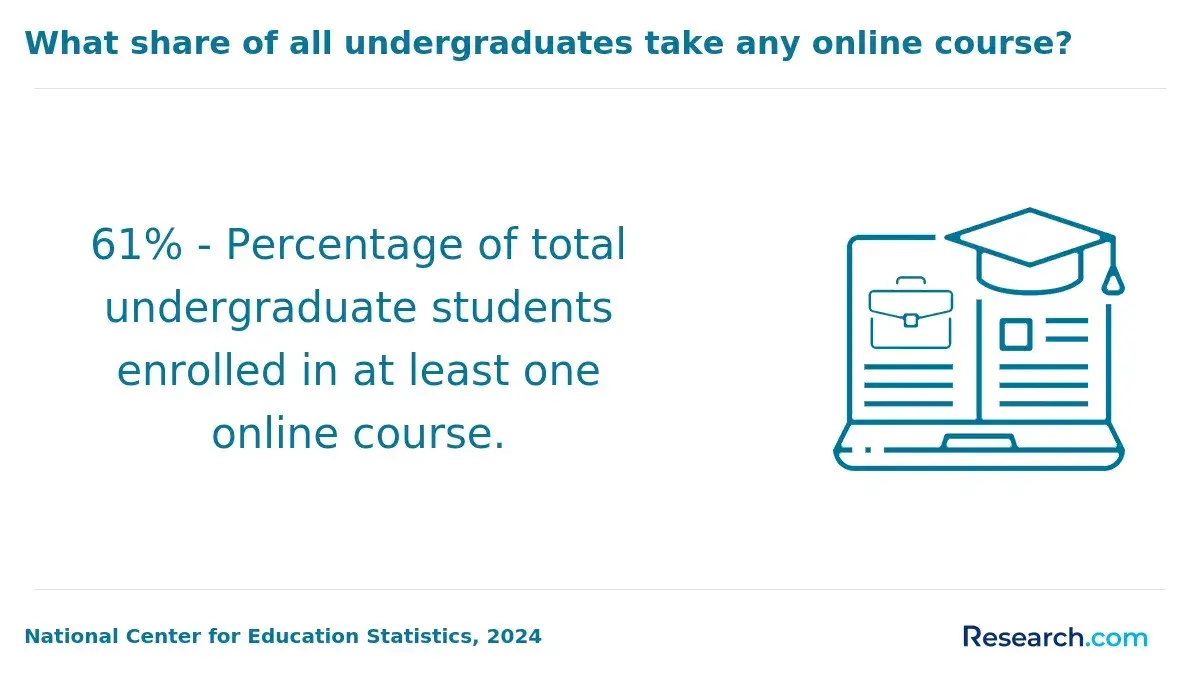
Online esports business programs are generally more affordable than their campus-based counterparts, with recent data from the National Center for Education Statistics and the Lumina Foundation indicating tuition rates for online formats are roughly 25-35% lower on average as of 2024. This trend reflects distinct pricing strategies influenced by program delivery modes. While traditional campuses must factor in extensive physical infrastructure and ancillary campus services into their pricing models, online programs leverage digital scalability to offer lower sticker prices, although this pricing gap has started to shrink somewhat as institutions enhance their online offerings.
The divergence in cost structures stems largely from the absence of expenses tied to on-site facility maintenance, housing, and transportation subsidies in online education. However, investing in robust digital platforms, advanced instructional design, and comprehensive virtual student support has introduced new cost layers for online delivery. Faculty models also differ; online programs often rely on asynchronous teaching combined with periodic live engagement, balancing personnel workload differently than continuous on-campus instruction. These factors, along with institutional strategies that prioritize student engagement and technology integration, contribute to evolving pricing dynamics rather than static cost advantages. Consequently, relative affordability depends not only on the physical versus digital divide but also on how institutions allocate resources across infrastructure, technology, and learner services over time.
One graduate who pursued an online esports business degree shared that navigating the rolling admissions process brought unexpected uncertainty. Initially aiming to enroll early, they hesitated due to pending financial aid decisions and program details that were still evolving. The applicant experienced a delay of several weeks before receiving final acceptance, which prompted a strategic reconsideration of budget and timing. Ultimately, the lower overall tuition and flexibility convinced them to proceed despite the admissions uncertainty, highlighting the complex interplay between cost savings and decision-making timelines common among prospective online students in emerging fields like esports business.
How Have Financial Aid and Scholarships Changed as Esports Business Tuition Has Increased?
As tuition for esports business programs continues to outpace overall inflation, financial aid and scholarship offerings have adapted unevenly to this rising cost environment. Many institutions have moderately increased their aid packages, particularly institutional scholarships, aiming to mitigate sticker shock and retain student enrollment. However, this growth in aid has often lagged behind tuition hikes, resulting in persistent affordability gaps. Concurrently, there is a noticeable shift toward blending traditional need-based aid with performance-driven scholarships, reflecting a more competitive recruitment approach tailored to the esports industry's evolving demands.
The evolving financial aid landscape is shaped by multiple factors, including heightened competition among colleges to attract high-potential esports business students and fluctuations in federal and state funding policies. Public institutions have leaned more on grant-based aid to counterbalance tuition inflation, while private programs increasingly emphasize merit scholarships to secure sought-after applicants in a niche market. These strategies align with broader tuition discounting tactics but also underscore growing reliance on meritocracy in aid distribution. Work-study programs and internship-linked funding have gained prominence as well, reflecting employer-driven expectations for practical experience, though this may constrain students' financial flexibility.
Despite these developments, net costs for many students remain volatile due to gaps between tuition growth and aid increases, sometimes pushing students toward private loans or alternative financing. Such trends heighten the importance of transparent cost-to-completion metrics that many programs are beginning to adopt. These indicators help prospective esports business students weigh immediate financial outlays against realistic income trajectories. Ultimately, while aid adjustments provide some cushion, the interplay between rising tuition and slow-moving financial aid growth complicates affordability and influences student decisions about program accessibility and long-term financial risk.
How Does Rising Esports Business Tuition Affect Student Debt After Graduation?
Increasing tuition costs in esports business degree programs are directly driving students to rely more heavily on loans, resulting in higher borrowing levels at graduation. As program expenses escalate faster than financial aid adjustments, many students face uncovered tuition gaps that must be bridged through borrowing. This dynamic is particularly pronounced for full-time students who cannot offset rising costs with employment income. According to government and industry data from 2024, graduates from esports business programs have median debt loads exceeding the national average for similar fields, reflecting this growing financial burden.
Several factors contribute to this trend beyond the tuition sticker price. The gap between rising tuition and stagnant or insufficient financial aid forces increased loan reliance, especially in private institutions where esports business programs often command premium pricing compared to public alternatives. Interest accumulation during lengthy study periods further inflates total debt, complicating repayment. Meanwhile, the variability in post-graduation income across esports business specializations limits borrowers' ability to manage debt effectively. These complex interactions shape the contours of student debt but are often obscured by simplistic borrowing statistics, masking differences in repayment challenges tied to specific program costs and revenue outcomes. This interplay highlights the significance of tracking the impact of rising esports business tuition on student debt in the US for informed decision-making.
Rising debt levels increase repayment stress and lengthen loan lifecycles, particularly where income-driven repayment options or loan forgiveness programs do not align well with the esports sector's salary frameworks. Consequently, some prospective students reassess program choices, weighing tuition inflation against potential earnings and degree value. Transparency regarding graduate debt and employment rates becomes critical for navigating these tradeoffs. Choosing programs with direct industry ties and clear career pathways can mitigate some financial risks tied to escalating tuition. For students evaluating online bachelor's degrees or other flexible formats, verified institutions like non profit university options may offer alternative affordability pathways.
Do Higher-Cost Esports Business Programs Deliver Better Career Outcomes or Earnings?
Higher tuition costs in esports business programs do not reliably predict stronger career outcomes or higher earnings. Recent data on esports business program tuition versus graduate salary reveal that more expensive programs frequently offer only marginal increases in starting salaries compared to mid-tier or lower-cost options. For instance, a 2024 report by the National Association of Colleges and Employers found that median starting salaries from high-cost esports business schools were approximately 8% higher, a gain often offset by increased student debt burdens. This trend underscores that price alone is an insufficient measure of educational return on investment in this rapidly evolving sector.
Several factors beyond sticker price influence career outcomes in esports business programs. Institutional prestige may offer some advantages through established employer networks and stronger alumni connections, yet practical elements such as targeted internships, specialization depth, and geographic proximity to industry hubs often carry greater weight. Employers typically emphasize demonstrated skills, portfolio work, and real-world experience over program cost. These dynamics highlight the importance of assessing how effectively a program integrates experiential learning opportunities and industry partnerships rather than focusing solely on tuition.
Prospective students and their families should therefore critically evaluate esports business program costs against expected post-graduation debt and realistic salary outcomes. Prioritizing hands-on learning and networking can yield more tangible career benefits than investing in higher-cost programs with less concrete advantages. For learners exploring options or uncertain about program demands, considering pathways like an easiest bachelors degree might better align with their career and financial goals.
What Do Current Tuition Trends Suggest About the Future Cost of a Esports Business Degree?
Current tuition trends indicate that the cost of esports business degree programs is rising at a rate notably higher than general inflation in higher education. Data from the National Center for Education Statistics 2024 shows that specialized business degrees with a digital or gaming emphasis have seen average annual tuition increases of approximately 5.1% over the past three years, exceeding the 3.7% growth for broader undergraduate degrees. This suggests esports business programs will likely continue becoming more expensive as they mature, reflecting both increasing demand and evolving institutional cost pressures.
Key factors shaping future tuition include sustained demand for esports-specific expertise and the significant investments institutions make in advanced technology, specialized faculty, and integrated industry partnerships. These elements drive up operational costs beyond what traditional academic programs encounter. Additionally, the expansion of online and hybrid program delivery introduces new cost dynamics-while potentially increasing accessibility, it often requires upfront technological infrastructure that inflates short-term pricing. Institutions must also balance limited public funding with the need to remain competitive, which may further accelerate tuition growth in this niche space.
For prospective students, rising tuition trends highlight affordability challenges and the importance of considering total cost of attendance relative to expected career outcomes. Adult learners balancing work and study may face more acute financial pressures due to fewer discount options and less flexibility, while traditional college-age students may experience constrained access as costs escalate. Understanding these tuition trajectories can guide informed decisions about program selection, alternative credentials, and potential borrowing, helping students navigate the evolving economics of esports business education.
References
- From tuition hikes to higher student loan borrowing costs, inflation is making college even more expensive https://www.cnbc.com/amp/2022/07/15/inflation-is-suddenly-making-college-more-expensive-than-ever.html
- Esports: How popular is esports? Esports statistics, growth & future https://www.e-resident.gov.ee/blog/posts/esports/
- Surprising Trends in College Costs and Student Debt https://www.higheredtoday.org/2024/09/09/surprising-trends-in-college-costs-and-student-debt/
- Analysis of Growth in the Esports Industry: Trends, Revenue, and Opportunities https://www.ethletelabacademy.com/post/analysis-of-growth-in-the-esports-industry-trends-revenue-and-opportunities
- The fiscal impact of student loans reforms - Office for Budget Responsibility https://obr.uk/box/the-fiscal-impact-of-student-loans-reforms/
- Esports - Worldwide | Statista Market Forecast https://www.statista.com/outlook/amo/esports/worldwide
- How Does Student Debt Affect the Economy? https://www.pgpf.org/article/how-does-student-debt-affect-the-economy/
- The Business of eSports: 3 Things You need to Know | EU Business School https://www.euruni.edu/blog/business-esports/
- eSports Market Size, Share, Value | Revenue Statistics [2032] https://www.fortunebusinessinsights.com/esports-market-106820
- The First Wave: College Esports Programs https://athleticdirectoru.com/articles/the-rise-of-collegiate-esports-programs/
Other Things You Should Know About Esports Business
As esports business tuition rises, it's crucial for students to evaluate whether program content and workload have grown in rigor or relevance at a similar pace. Increased costs don't always align with more comprehensive or industry-updated curricula, which can affect skill acquisition and employability. Prospective students should prioritize programs that clearly integrate current esports market demands and require practical, hands-on projects over those that inflate prices without tangible educational enhancements.
Longer programs typically incur higher tuition, but more months of study don't guarantee better job market outcomes in esports business. In many cases, condensed, intensive programs may provide similar or superior career preparation, especially if they focus on emerging trends like digital marketing or esports event management. Prospective learners should weigh whether paying more for extended study delays entry into the workforce without proportionate skill or network benefits.
Rising costs can disproportionately affect candidates from underrepresented or financially constrained backgrounds, potentially narrowing the diversity of esports business cohorts and limiting varied industry perspectives. This dynamic can stifle innovation and responsiveness in esports organizations that increasingly value diverse experience. Institutions and policymakers should consider balancing tuition growth with financial support mechanisms to sustain inclusivity and workforce breadth.