
2027 How Employers Are Changing Hiring Criteria for Esports Business Graduates in the AI Era

Co-Founder and Chief Data Scientist
A recent graduate with a degree in esports business steps into the competitive job market, quickly realizing that a diploma alone no longer guarantees an advantage. With artificial intelligence reshaping industries, employers now prioritize candidates who demonstrate adaptability beyond academic credentials. According to a 2024 report from the U. S. Bureau of Labor Statistics, nearly 35% of jobs are undergoing significant transformation due to AI integration, pushing hiring managers to seek versatile skills that complement technological advancements.
This shift demands more than specialized knowledge; it requires AI literacy, critical thinking, and transferable skills that enable graduates to navigate evolving roles. Employers are increasingly recalibrating their hiring criteria to identify candidates proficient in collaborating with AI tools and adaptable to hybrid workflows. This article explores how these changing expectations impact esports business graduates and outlines strategies for building relevant competencies to remain competitive in the AI era.
Key Things to Know About the Changing Hiring Criteria for Esports Business Graduates in the AI Era
- Employers increasingly prioritize candidates who integrate AI-driven analytics into esports business strategies, reflecting a 42% industry growth in AI tool adoption, which demands graduates adapt to dynamic AI applications rather than fixed functions.
- AI literacy combined with transferable skills like critical thinking and cross-platform communication now differentiates candidates, as 68% of recruiters report difficulty filling roles requiring nuanced AI and soft skill blends.
- Graduates demonstrating ongoing AI learning agility and the ability to contextualize automation within esports market trends gain competitive leverage, highlighting practical experience as more crucial than formal credentials alone.
- Key Things to Know About the Changing Hiring Criteria for Esports Business Graduates in the AI Era Key Things to Know About the Changing Hiring Criteria for Esports Business Graduates in the AI Era
- How Is AI Changing What Employers Look for in Esports Business Graduates? How Is AI Changing What Employers Look for in Esports Business Graduates?
- Which AI Skills Are Employers Expecting Esports Business Graduates to Have? AI Skills
- Which Human Skills Are Employers Looking for in Esports Business Graduates? Human Skills
- How Are AI Tools Changing Daily Work in Esports Business Careers? AI Workplace Tools
- How Are Employers Evaluating Esports Business Candidates Beyond Academic Credentials? Hiring Criteria
- How Are Esports Business Degree Programs Adapting to AI? AI Curriculum
- Which Industries Are Changing Hiring Expectations Most for Esports Business Graduates? AI and Industry Expectations
- How Is AI Changing Career Growth for Esports Business Professionals? AI and Career Growth
- How Should Esports Business Students Prepare for AI-Driven Hiring? Career Preparation
- How Should Students Choose a Esports Business Program for the AI Era? How Should Students Choose a Esports Business Program for the AI Era?
How Is AI Changing What Employers Look for in Esports Business Graduates?
The integration of AI into the esports industry is reshaping employer expectations, demanding more than traditional esports business graduate skills. Employers now prioritize candidates capable of collaborating with AI technologies to extract actionable insights from complex player data, streamline fan engagement, and automate routine operational tasks. This shift reflects findings from a 2024 World Economic Forum report showing over 75% of companies adopting AI expect new hires to blend technical expertise with domain-specific knowledge.
For example, a graduate who can use AI-driven analytics to tailor sponsorship proposals demonstrates greater value than one focused solely on conventional marketing or event management. In this evolving landscape, hiring trends in esports business graduate recruitment emphasize data literacy, AI fluency, and a continuous learning mindset.
According to the U.S. Bureau of Labor Statistics, roles now regularly demand familiarity with machine learning algorithms and AI-based content creation tools, which are integral for crafting innovative branding strategies that resonate with digital-native audiences. Employers also seek adaptability, as ongoing investment in AI upskilling-informed by the 2024 LinkedIn Workplace Learning Report-makes proactive learners more competitive. Yet, despite AI's growing role, interpersonal skills and ethical understanding remain critical, particularly when using AI systems responsibly and protecting data privacy.
Ultimately, esports business graduate hiring trends with artificial intelligence illustrate a clear move toward hybrid skill sets that merge strategic thinking, technical competence, and AI collaboration abilities. Graduates who can envision new revenue opportunities enabled by AI while maintaining human-centered judgment will stand out. For those aiming to deepen their expertise, pursuing affordable PhD programs focused on AI and esports may offer an edge in mastering this integration and future-proofing their careers.
Which AI Skills Are Employers Expecting Esports Business Graduates to Have?
Artificial intelligence is reshaping workplace expectations, especially within specialized fields like esports business. Employers now demand graduates who not only understand the industry fundamentals but can also apply AI-driven insights and technologies effectively. This shift reflects wider labor market trends, with the U.S. Bureau of Labor Statistics (2024) showing wage growth outpacing inflation in AI-enhanced roles, underscoring the premium placed on AI fluency.
In esports business careers, AI competence is no longer optional but a critical differentiator in hiring and sustained career progression. Below are five AI skills increasingly expected from esports business graduates.
- Data Analytics Proficiency: Employers expect graduates to adeptly use AI-powered data analytics platforms for assessing gamer behavior and market trends. Mastery in predictive modeling and interpreting complex datasets enables professionals to make informed strategic decisions and optimize sponsorship and marketing efforts. Developing familiarity with tools like Python libraries or AI-enhanced BI software during studies can build this competency.
- Audience Segmentation Expertise: Understanding AI-driven audience segmentation and content personalization algorithms allows esports business professionals to tailor marketing campaigns precisely. These skills empower graduate hires to increase fan engagement by leveraging real-time behavioral data, which requires both analytical thinking and hands-on experience with segmentation models.
- Operational AI Integration: Knowledge of AI-based project management and chatbot technologies is becoming a baseline requirement. Employers expect candidates to streamline workflows through automation and improve customer interactions, often by collaborating closely with technical teams to translate AI outputs into actionable business strategies. Exposure to such integrations during internships or practical projects strengthens readiness.
- Ethical AI Awareness: With AI's growing footprint, sensitivity to ethical concerns such as data privacy, algorithmic bias, and regulatory compliance is necessary. Employers prioritize graduates who can balance innovation with responsible AI deployment, as these issues increasingly shape organizational policies and public trust.
- Cross-Functional Communication: Success in esports business increasingly hinges on the ability to interpret AI-generated insights and communicate their implications effectively to diverse stakeholders. Employers want graduates who bridge the gap between data science and business strategy, honing skills in translating technical outputs into clear, compelling narratives through coursework and collaborative team environments.
Which Human Skills Are Employers Looking for in Esports Business Graduates?
Artificial intelligence increasingly automates routine functions in the esports industry, reducing demand for purely technical or repetitive skills. At the same time, employers place greater emphasis on human capabilities that AI cannot duplicate-those involving judgment, nuanced interaction, and flexible problem-solving. This shift means esports business graduates must focus on cultivating skillsets that enhance or guide AI tools rather than compete with them.
The roles where human insight proves indispensable often involve unpredictable scenarios, such as designing innovative fan engagement campaigns or adapting strategies to evolving digital platforms. Below are five key human skills rising in importance for esports business professionals in the AI era.
- Critical Thinking and Complex Problem-Solving: Employers prioritize the ability to evaluate multifaceted challenges and craft strategic solutions beyond AI's algorithmic outputs. Graduates should practice dissecting ambiguous situations, such as adjusting marketing plans when player behavior suddenly shifts, to develop this skill.
- Emotional Intelligence and Communication: Strong interpersonal skills remain vital, especially for managing diverse stakeholder relationships across cultures. Leveraging empathy and cultural awareness enables graduates to collaborate effectively where AI lacks relational depth.
- Adaptability and Learning Agility: The esports landscape evolves rapidly due to technology and consumer trends, so flexibility is essential. Graduates can bolster this skill by embracing continuous learning and cultivating openness to change amid uncertainty.
- Ethical Judgment Coupled with Data Literacy: Handling vast player data requires discerning ethical considerations alongside technical know-how. Understanding privacy regulations and balancing innovation with player welfare differentiates candidates in hiring decisions.
- Creativity and Strategic Vision: While AI generates insights, human-led original ideas drive distinctive marketing and event strategies that define competitive advantage. Esports business students should engage in projects fostering creativity and long-term strategic thinking.
One esports business graduate recalls a tense moment during an internship during an inexpensive masters program when a sponsor abruptly withdrew support days before a major online tournament. AI tools provided data on audience demographics and engagement patterns but offered no ready solutions for the sudden funding gap.
The graduate's ability to quickly negotiate alternative partnerships and creatively reallocate resources proved critical. Reflecting on that experience, they realized that while AI supplied valuable data, it was their interpersonal skills and adaptive problem-solving that preserved the event's success and strengthened stakeholder confidence.
How Are AI Tools Changing Daily Work in Esports Business Careers?
AI technologies have become integral to the daily functions of esports business professionals by automating routine tasks such as scheduling, reporting, and customer communications. This shift allows employees to redirect their efforts toward more complex responsibilities that demand strategic thinking and creativity. For instance, marketing managers now use AI-powered analytics tools to process real-time data from gameplay and audience behaviors, enabling rapid identification of emerging trends and optimization of promotional campaigns.
According to a 2024 industry report from a leading research organization, over 65% of esports business roles have integrated AI software, underscoring how automation is reducing manual labor and accelerating decision-making processes. As AI adoption grows, the nature of esports business roles is evolving to emphasize hybrid skill sets that combine domain expertise with fluency in data analysis, machine learning, and ethical AI use.
Professionals must not only interpret AI-generated insights but also critically assess their validity and potential biases, ensuring sound judgment governs automated outputs. The 2024 workplace technology survey highlights that firms leveraging AI tools report up to a 30% increase in productivity, reflecting how these technologies support more efficient workflows and improved collaboration among teams. Consequently, employers prioritize candidates who can navigate this balance-overseeing AI systems while exercising the nuanced oversight and interpersonal skills that machines cannot replicate.
How Are Employers Evaluating Esports Business Candidates Beyond Academic Credentials?
Employers seeking esports business graduates increasingly prioritize practical skills and demonstrated capabilities over traditional academic credentials alone. A 2024 report by the National Association of Colleges and Employers (NACE) reveals that nearly 72% of employers value real-world experience and demonstrable skills as much as or more than formal education. This shift acknowledges the complex demands of the esports industry, where adaptability, AI literacy, and cross-disciplinary collaboration are crucial.
For instance, a candidate who has completed internships using AI-powered analytics tools to optimize player performance and audience engagement will often be preferred to one with strong grades but limited hands-on exposure. These esports business graduate skills valued by AI-driven employers-such as strategic use of AI platforms combined with communication and project experience-signal readiness to contribute effectively from day one.
Holistic hiring practices now also place significant weight on portfolios, certifications, and continuous learning efforts that demonstrate evolving AI competencies. According to a 2024 Deloitte survey, 68% of talent acquisition professionals favor candidates showcasing recent workshops, certifications, or project-based portfolios, particularly those that translate AI theory into practical esports business applications. This trend emphasizes the importance of tangible outcomes and problem-solving prowess in real contexts over theoretical knowledge.
Moreover, soft skills like critical thinking, creativity, and teamwork have become integral to hiring criteria, reflecting the collaborative environment of esports companies. Networking through esports tournaments or community involvement further strengthens candidacies by proving passion and industry engagement beyond formal education. For esports business students and early-career professionals, cultivating a blend of AI fluency, practical experience, and continuous skill development is vital to navigating evolving employer expectations.
Accessing resources such as PsyD online programs accredited can support broader professional growth, including communication and leadership abilities that esports employers increasingly seek. Ultimately, those who build comprehensive profiles that integrate technical expertise, experiential learning, and interpersonal skills are better positioned to succeed in competitive esports business roles shaped by rapid artificial intelligence integration.
How Are Esports Business Degree Programs Adapting to AI?
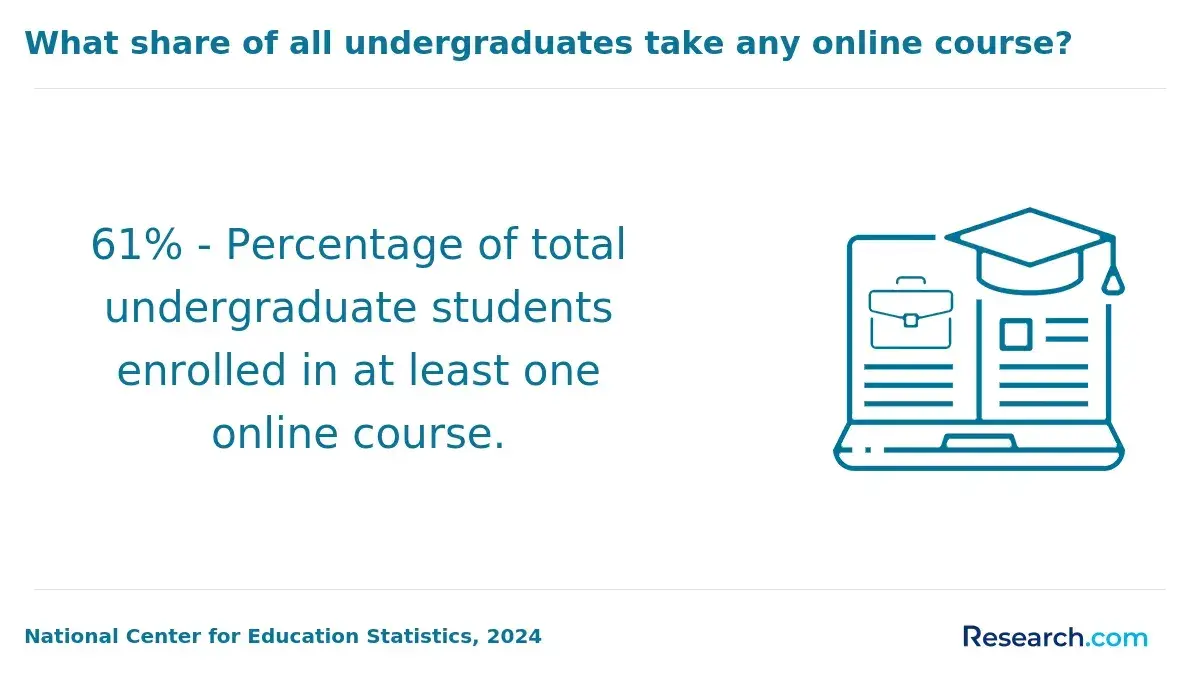
Esports business degree programs are increasingly integrating artificial intelligence (AI) concepts into their curricula to meet employer demand for graduates skilled in data-driven decision-making and automation tools. Over 65% of higher education institutions now include AI-related coursework, according to a 2024 report from the EDUCAUSE Center for Analysis and Research.
This shift goes beyond basic technical training; programs incorporate AI literacy to equip students with abilities in predictive analytics for player performance, automated fan engagement strategies, and AI-supported content creation, all while maintaining a focus on core esports business knowledge. Schools are addressing the need for interdisciplinary learning by blending traditional business principles with AI applications, such as machine learning fundamentals and AI-enhanced customer relationship management systems.
Real-world learning experiences-like partnerships with industry stakeholders and projects involving ethical considerations around AI deployment-are becoming more common. Despite challenges for students without strong STEM backgrounds, this balanced approach helps graduates master both the esports industry's cultural nuances and the analytical competencies employers seek. For example, a student might analyze player data using AI tools to optimize marketing campaigns, demonstrating the strategic value of merging domain expertise with technical skills in a competitive job market.
This evolving curriculum response aligns with findings from the National Association of Colleges and Employers in 2024, which noted that 72% of digital media and entertainment employers prioritize candidates with demonstrated AI experience. Programs emphasize lifelong learning strategies to keep pace with AI advancements that are reshaping business models and workflows in esports. By focusing on ethical AI use and continuous skill development alongside human-centered abilities, esports business degrees aim to prepare students not only for current demands but also for sustained adaptability amid rapid technological change.
Which Industries Are Changing Hiring Expectations Most for Esports Business Graduates?
The speed at which industries integrate artificial intelligence shapes how they adjust expectations for esports business graduates. Variations in AI adoption reflect each sector's unique operational needs and competitive pressures, which in turn create distinct demand for specialized skills. For example, a graduate weighing job offers may find tech companies emphasizing data science expertise, while media firms prioritize creative AI applications for user engagement.
Such divergences force prospective professionals to carefully evaluate industry-specific competencies rather than assuming a one-size-fits-all skill set will suffice. Below are five industries undergoing the most significant shifts in hiring criteria driven by AI and related technology.
- Technology: This sector leads in AI integration, with 75% of firms now preferring candidates who combine domain knowledge with machine learning and data analytics capabilities, according to a 2024 McKinsey survey. Esports business graduates who master these hybrid skills can bridge gaps between gaming ecosystems and emergent tech trends, a crucial advantage as companies seek agile roles blending technical acumen with market insight.
- Entertainment and Media: AI-driven personalization and audience analytics are rapidly becoming standard. The PwC Global Entertainment & Media Outlook 2024 highlights a growing preference for graduates adept at leveraging AI to craft tailored content experiences and forecast emerging trends, enabling monetization across multiple platforms and enhancing user retention strategies.
- Digital Marketing and Advertising: Rapid deployment of AI tools for automated campaign management and customer segmentation has transformed this space. Esports business professionals versed in marketing automation software and data visualization stand out, as highlighted by the Interactive Advertising Bureau's 2024 report, helping brands optimize their engagement with gaming demographics effectively.
- Sports Management: Although slower to adopt, this industry increasingly values adaptive technology skills alongside traditional esports competencies. AI applications for performance analytics and fan engagement are emerging, requiring graduates to balance deep industry-specific knowledge with evolving digital toolsets to sustain competitive relevance.
- Retail Gaming: Retailers integrating AI for inventory management, customer experience personalization, and demand forecasting seek esports business graduates who understand these systems holistically. This sector's gradual but steady transformation underscores the importance of applying AI strategically to optimize both operational efficiency and consumer interaction.
A recent graduate found herself unsure when comparing offers from a leading digital marketing firm and a tech startup. The marketing company expected strong proficiency with AI-based automation platforms to tailor campaigns, while the tech firm prioritized machine learning literacy and analytics.
On reflection, she recognized the marketing role demanded broader strategic application of user data within gaming audiences, whereas the tech position required more technical depth but less direct industry marketing insight. This led her to focus on strengthening AI-driven marketing capabilities specifically aligned with esports communities, ensuring she met evolving expectations without overextending into unrelated specialties.
How Is AI Changing Career Growth for Esports Business Professionals?
The pace at which artificial intelligence is adopted varies significantly across industries, creating differing hiring expectations for esports business graduates. Industries with rapid technological turnover demand more advanced AI competencies, while others adopt AI more incrementally, emphasizing foundational digital skills. This uneven evolution means recent graduates must carefully identify which sectors expect proficiency in AI integration and data analytics versus those valuing traditional business acumen with incremental tech exposure.
Understanding these nuances helps esports professionals target their skill development effectively. Below are five industries where AI and related technologies are reshaping hiring criteria most notably for esports business graduates.
- Gaming and Entertainment: As the primary sector for esports, this industry leads AI adoption with tools for real-time analytics, personalized marketing, and fan engagement optimization. Employers prioritize candidates who blend esports insight with machine learning applications to enhance revenue forecasting and sponsorship value. Growing roles require fluency in AI-driven audience segmentation and digital experience design.
- Digital Marketing Agencies: Agencies focused on esports campaigns are shifting toward AI-powered advertising platforms and automated content creation. Hiring increasingly favors candidates adept in AI integration for predictive engagement and campaign optimization, making hybrid skills in esports business and AI essential for securing competitive roles.
- Data Analytics Firms: These organizations drive esports data insights through advanced machine learning and AI algorithms applied to player and viewer behavior. Professionals comfortable with AI models and statistical analysis are in high demand, reflecting a 12% annual growth rate in AI-focused esports roles per the U.S. Bureau of Labor Statistics.
- Technology Providers: Companies offering AI tools and platforms tailored for esports emphasize expertise in AI marketing strategies and software deployment. Graduates equipped with knowledge of AI ecosystems and esports market trends have a distinct advantage amid dynamic product development cycles.
- Sports Management and Sponsorship: This segment increasingly relies on AI to personalize fan experiences and optimize event monetization strategies. Esports business graduates who master AI-enabled community management and adaptive marketing analytics become valuable for orchestrating data-driven partnerships.
Prospective students and early-career professionals looking to align their career development for esports professionals in the AI era should invest in interdisciplinary learning paths. Upskilling through targeted certifications in AI and machine learning alongside esports business knowledge will position them strongly for evolving employer expectations.
For those interested in foundational quantitative skills to support these competencies, pursuing a BS in mathematics online can offer essential analytical preparation applicable across these advancing industries.
How Should Esports Business Students Prepare for AI-Driven Hiring?
Preparing for AI-driven hiring in esports business demands more than completing a degree; it requires cultivating a mix of technical competencies, AI expertise, and interpersonal skills. A 2024 World Economic Forum report reveals over 75% of companies have integrated AI tools into their operations, reshaping employer expectations. Today's employers prioritize graduates who demonstrate proficiency in data analytics alongside traditional esports business knowledge.
Moreover, human-centered skills such as ethical reasoning and clear communication are vital to working alongside AI technologies effectively. Below are five practical strategies esports business students can deploy to prepare for evolving hiring criteria.
- Develop Data Analytics Expertise: Understanding data interpretation and machine learning basics equips students to leverage AI insights for strategic decision-making. Building these skills before graduation can differentiate candidates in the competitive esports business market.
- Enhance Communication Skills: The ability to translate complex AI-generated insights for diverse audiences remains critical. Collaborative communication ensures students can work effectively with AI tools and human teams alike.
- Engage in Ethical AI Practices: As AI use expands in gaming and fan engagement, familiarity with ethical considerations prevents misuse and fosters responsible innovation. Incorporating ethics-focused coursework or projects signals readiness to employers.
- Commit to Lifelong Learning: Given rapid AI advancements, maintaining adaptability through continuous education-such as pursuing online AI-focused programs or certifications-is essential to stay relevant. Opportunities like online cybersecurity degrees for veterans illustrate expanding access to technical upskilling.
- Gain Practical Experience: Participating in AI-driven internships, projects, or competitions strengthens real-world problem-solving skills, demonstrating applied competence that employers seek in esports graduates.
These targeted approaches reflect the core skills employers seek in AI era esports graduates and are critical for preparing esports business students for AI-driven careers.
How Should Students Choose a Esports Business Program for the AI Era?
Choosing an esports business program today involves more than evaluating reputation or cost; it requires a critical look at how well a curriculum prepares students for an AI-driven workforce. According to the 2024 EDUCAUSE Learning Initiative report, over 65% of colleges have updated programs to embed AI literacy, signaling a shift toward integrating technology with industry knowledge.
A student selecting a program must consider how these technical skills translate into real-world advantage. For example, a graduate with hands-on experience applying AI to predictive analytics may outperform peers in roles optimizing fan engagement or sponsorship innovation. Key evaluation factors include the following:
- AI Curriculum Integration: Programs should offer coursework in AI-driven tools such as market research and automation, enabling students to leverage technology in esports operations and strategy.
- Practical Exposure: Access to internships or projects involving AI platforms provides real-world experience that enhances employability beyond theoretical knowledge.
- Interdisciplinary Learning: Combining AI with business, marketing, and data visualization skills develops versatile professionals prepared for complex industry challenges.
- Ethical and Socio-Economic Focus: Ethical AI use and understanding its impact on esports ecosystems prepare students for responsible leadership in a rapidly evolving market.
- Faculty Expertise and Research: Institutions with active research and faculty specializing in AI advancements offer students insights into emerging trends and foster innovation.
References
- AI gaming schools are training eSports pros https://sifted.eu/articles/ai-esports-gaming-startups-learn2play-gosuai-dojo-madness-lol-dota-2-tips
- The 2025 AI Hiring Playbook https://www.dice.com/hiring/recruitment/ebooks/ai-jobs-hiring-guide
- AI-Driven Candidate Screening: The 2025 In-Depth Guide https://www.herohunt.ai/blog/ai-driven-candidate-screening-the-2025-in-depth-guide/
- AI in the Hiring Process: Benefits, Risks & Step-by-Step Implementation Guide (2026) https://www.hackerearth.com/blog/ai-in-the-hiring-process-benefits-risks-step-by-step-implementation-guide-2026
- AI Recruiting in 2026: The Definitive Guide https://www.phenom.com/blog/recruiting-ai-guide
- Future-Ready Esports, Gaming & AI Programs for Universities https://gosuacademy.com/pages/universities
- How graduates can navigate an AI-hit job market https://www.thetimes.com/business/companies-markets/article/how-graduates-can-navigate-an-ai-hit-job-market-enterprise-network-86cn95stz
- The top skills to hire for in the age of AI https://nz.employer.seek.com/hiring-advice/article/top-skills-to-hire-for-in-the-age-of-ai
- The AI Skills Employers Are Looking for in 2026 https://www.calmu.edu/the-ai-skills-employers-are-looking-for-in-2026
- Employers Value AI Skills More Than Teamwork and Time Management - Bluesky Thinking https://bluesky-thinking.com/employers-value-ai-skills-more-than-teamwork-and-time-management/
Other Things You Should Know About Esports Business
Employers increasingly prioritize candidates who demonstrate hands-on experience with real esports business projects, even if their technical AI skills are not advanced. Practical internships, case competitions, or portfolio work that shows how graduates apply AI-driven insights to marketing, audience analytics, or event management often carry more weight than purely theoretical knowledge. For candidates, this means focusing on gaining tangible experience that showcases how AI tools improve business outcomes in esports rather than solely investing time in mastering AI programming or algorithms.
Hiring managers face tradeoffs between candidates with deep expertise in a niche area-such as sponsorship analytics or digital community engagement-and those with versatile skills across multiple facets of esports business. Given AI's role in streamlining many specialized tasks, versatility is increasingly valued but may not replace the need for niche expertise where strategic insight is critical. Graduates should prioritize building broad competencies while gaining selective niche experience to remain adaptable but distinctive.
Employers now expect entry-level hires to handle a higher volume of data-driven tasks supported by AI, which can increase daily workflow intensity without necessarily adding complexity to decision-making. Graduates should prepare for fast-paced environments where AI automates routine work but requires human oversight and strategic input at scale. Understanding this shift helps candidates manage their workload expectations and develop resilience for roles that demand both technical literacy and rapid analysis.
While certifications signal familiarity with AI tools, employers place more value on evidence of problem-solving in authentic esports contexts. Graduates should prioritize engaging in projects, freelancing, or collaborative industry challenges that demonstrate the ability to integrate AI insights into esports business strategies. Certification alone rarely differentiates candidates unless supplemented by proven impact on live business outcomes, so practical experience should take precedence.



















![2027 Best Advanced Standing Online MSW Programs [CSWE Accredited] thumbnail](/uploads/Online_Advanced_Standing_MSW_301dbd5368.jpg)





